
Finding Your Wellness Path in a Sea of “Truths”
If you ever click “what to do for better health” on Google, you’ll quickly realize the results overwhelm your brain. It’s like a buffet where every dish claims to be the holy grail.
The Two Major Camps
- Food Fanatics: These folks swear that every bite is a step toward immortality. Think “you’re what you eat” turned into a full‑blown reality show.
- Gym Gurus: A sizable chunk of Americans lift weights and stretch to keep their bodies—and minds—in check. There’s probably someone in your circle who can bench‑press their own bodyweight.
And don’t forget the Latest “Groundbreaking” Gadget everyone’s raving about. From kale salads to magnetic bracelets, nothing is beyond the reach of a new “health hack.”
Why Choosing One Is Hard
The sheer volume of advice means you’ll never give every tip a fair shake. That’s why many of us become a jumble of half‑adopted habits—sometimes more confusing than helpful.
Suzanne Somers’ Sleep Solution
American actress and author Suzanne Somers enters the conversation with one simple refrain:
“Sleep is nature’s way of giving your body the time it needs to heal. Aim for seven to eight solid hours each night, and you’ll keep your hormones and body in harmony.”
Why Sleep Matters (And Not Just to Insomniacs)
- Healing mode: Throughout the night, cells repair themselves, memories consolidate, and the brain cleans out the digital debris.
- Hormone balance: Poor sleep throws your stress hormones out of whack, making you feel sluggish or on edge.
- Performance boost: Whether you’re gym‑filling or office‑scrolling, fresh sleep means you can sprint, lift, and think without a sudden glare.
Putting It Into Practice
Try these quick hacks to help you snag those precious eight hours:
- Bedtime routine: Dim the lights, drop the screens, and read a page of a non‑thrilling book.
- Consistent schedule: Go to bed and get up at the same time—even on weekends.
- Comfort zone: Keep the room cool, quiet, and free from clutter; it’s a spa for your brain.
Takeaway
Rather than chasing the next buzzword, focus on a single, sustainable pillar of wellness—sleep. It’s the kind of medicine you can’t get in a pharmacy but can’t do without in life.
Give yourself permission to rest, and let your body do the heavy lifting. After all, who doesn’t want to wake up feeling like a superhero—without the cape?
Create a Safe Place
How Light Is Sneaking Into Your Sleep
Sleep doesn’t just happen when you close your eyes – even the faint hum of dawn can mess with your brain’s bedtime vibes. “Even while sleeping, the human body is sensitive to light,” says Stephanie Venn‑Watson, the big boss at Seraphina Therapeutics. Those pesky lights are basically just distractions, not sleep enhancers.
What’s Really Infiltrating Your Sleep?
- Sunlight sneaking through the blinds – “If you haven’t covered the window for the morning, you’ll get a bright early wake‑up and you’ve got to admit, that’s not a great start.”
- Electric geniuses: phones and TVs – Everyone almost keeps them on. “We put them on standby, but no one really listens to the next binge episode when their lights are on. Their TV is the real culprit keeping us awake.” – Christy Pyrz, CMO of Paradigm Peptides
- Night‑time bulbs light up your room – A charismatic glow can keep your nervous system awake even if you’re in bed.
Quick Fixes to Outwit Light
- Turn off or dim all lights before you hit the pillow.
- Use blackout curtains – it’s like putting a bedsheet over the whole sky.
- Switch off electronic devices at least 30 minutes prior to bedtime.
- Set your phone to “Do Not Disturb” or “Night Light” mode.
- Keep your bedroom cool and dark; a cozy, dark chill does wonders.
Remember, your quiet room is your best friend for a good night’s sleep. Let those lights relax, and your body will thank you with a full, rejuvenated rest.
Don’t Skimp out on Bedding
Snuggle Up: Why Your Bed Deserves a Redesign
Ever waltzed into a friend’s bedroom and felt like you’d landed on a cloud of fluffy, fragrant sheets? That moment is pure magic – and it proves: your sleep space can (and should) feel like a VIP lounge.
Sleep is a Big Deal
“One‑third of our lives is spent in dreamland,” muses Tyler Read, the brains behind Personal Trainer Pioneer.
“Why settle for a bare, uncomfortable bed when you could cradle yourself in comfort for that whole eternity?”
Sure, splurging on a fancy mattress and silky sheets might make your wallet cry, but after a single week of the luxe feel, you’ll never go back. It’s a tiny price for a lifetime of comfortable dreams.
What Makes Your Bed Special?
- Mattress size: King or queen? Or maybe a tiny throw‑away topper?
- Material: Memory foam that hugs you like a burrito or a cool latex that says “I’m chill.”
- Sheet texture: Smooth satin for the smooth operators or crisp cotton for those who like a little crunch.
There’s no universal “right” or “wrong.” The only rule? If you’re nodding off smoothly every night, you’ve nailed it.
When It’s Time for a Bed Make‑over
If you’re tossing and turning, it’s time to revisit what truly comforts you. Jimmy Minhas from GerdLi shares a handy tip:
“Good sleep starts with personal comfort. Know how you like to rest or which mattress truly suits your body? A bit of research can be a game‑changer.”
So, grab your favorite blanket, treat yourself to a mattress makeover, and hit snooze on the old discomforts.
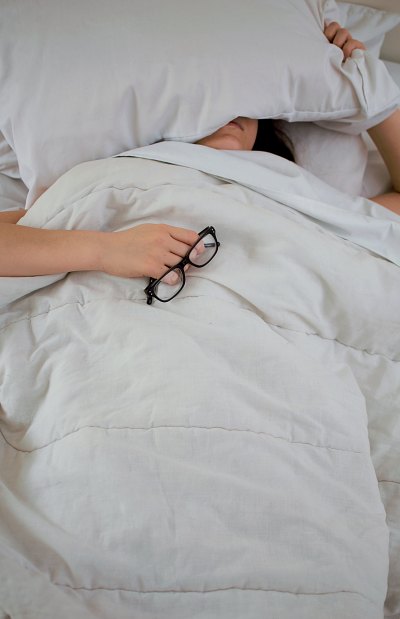
Unsplash Unveils a Game‑Changing Feature
Short taken, long posted. Yesterday the photo sharing giant Unsplash dropped a new tool that’s set to turn the way photographers light up their portfolios.
What’s New?
- Auto‑Color Correction: Snap a pic, let the algorithm do the heavy lifting—no Photoshop skills needed.
- Smart Tagging: One click and the AI will tag your images with the most relevant keywords.
- Live Collaboration: Team up in real-time, edit together, and watch your shoot evolve.
Why It’s a Big Deal
Picture this: you’re shooting a rooftop sunset, your phone’s battery is on the brink, and boom—you’ve got an eye‑popping photo stamped with crystal‑clear tags that supermarket marketing teams love. That’s what the new suite promises.
Industry Reactions
Design gurus are buzzing: “It’s like a Swiss Army knife for creatives.” And the community is cheering because the feature is free—no subscription required.
How to Access
Open the Unsplash app, hit the new “Boost” button, and let the magic begin. Updates roll out worldwide next week.
Bottom line: If you’re a visual storyteller, grab the new ammo, and let your photos do the talking.
What Are You Putting in your Body?
Why Your Daily Dose of Caffeine or Nicotine Might Be Sabotaging Your Slumber
1⃣ The smoky side‑track: Nicotine and the Not‑So‑Gentle Wake‑Up Call
- Habit‑Haunted Lung Inhalation – Most folks habitually pull in nicotine through the lungs, creating a battery of cravings that keep the mind buzzing.
- Sleep’s Slow Decline – As the habit locks in, the nights do a slow slide: waking up from withdrawal is not a death sentence, but a quiet thief that eats away at the hours of rest.
- In‑person Insight – Shaun Price at MitoQ notes, “Smoking addicts feel the burn of an endless wakeful cycle; the withdrawal may not kill you, but repeated sleep loss does.”
2⃣ The cup that thinks it’s a superhero: Caffeine’s “Energy” Exaggeration
- Modern Lifeline? – Coffee culture and energy drinks are practically status symbols for college kids and the 9 to 5 grind.
- The Mythic Boost – Pledges of instant euphoria paint caffeine as a quick pick‑me‑up, but the reality is a quick jolt followed by a dramatic dip.
- Beat‑the‑Morning Low – Mark Sider, CEO of Greater Than, says, “Caffeine’s first few hits are a thrill, but afterward it’s a downhill slide. If you’re a regular consumer, sleep will end up in the gutter.”
- Som‑No‑Good – A listed rundown of caffeine’s side effects includes jitters, headaches, and a kitchen‑in‑the‑living‑room that can keep the insomnia coming.
Key Takeaway: What Your Body Wants vs. What You Get
While each habit claims it’s all good for the day, the truth is that both nicotine and caffeine are guilty roaches that infiltrate the dreamland. Keep an eye on your habits: a little balance can make a world of difference when the lights finally go out.
Avoid Oversleeping
Catch‑Up‑Sleep Myths Debunked
Ever heard someone say, “Just catch up on sleep,” or asked a friend if they need more rest? Well, that line of thinking is basically a myth. Dr. David Culpepper, a Clinical Director at LifeMD, drops the truth: trying to make up for lost sleep by oversleeping only adds more chaos to your sleep schedule.
What’s actually happening?
People often talk about “sleep debt” – the invisible load of tiredness that weighs on us day after day. When you build up enough of this debt, your body might suddenly hit its Natural Sleep‑On‑Demand button, calling the earlier to a big, deep doze. But here’s the twist: napping during the day erases that debt entirely. The payoff? At night, when your body is craving rest, you find it almost impossible to fall asleep.
Experts weigh in
- Dr. David Culpepper: “The idea that more sleep can fix past rest deficits doesn’t hold water. In fact, oversleeping can confuse your circadian rhythm.”
- Cody Candee, CEO of Bounce: “We’ve talked about the lack of sleep forever, but let’s not forget that too much sleep brings its own set of problems.”
Bottom line: if you’re constantly grinding, the best strategy isn’t to binge nap; it’s to reset your sleep habits gradually and let your body find its rhythm again.
Create a Schedule and Stick to It
Listen to Your Inner Clock: Sleep Like a Pro
The Case for a Consistent Slumber Schedule
Ever ask a friend the time and then surprise them with an eerily spot‑on guess? That’s your body’s circadian rhythm in action. Your body and you have an unspoken pact: if you nestle into bed around the same hour each night, you’ll wake up feeling refreshed, not refilling the empty space with grogginess.
Letting your day’s hustle decide when you sleep is a recipe for a desk‑napping disaster. “Block out a solid eight‑hour sleep window and then fit the rest of your day around it,” says Jason Panzer, President of HexClad.
Training Your Sleep Clock
Think of your internal clock like a smart alarm you can fine‑tune with intentionality. Staci Brinkman points out that the people who vary their bedtime the most suffer the most from daytime fatigue. She advises, “The folks who can’t keep a consistent bedtime struggle the most with exhaustion. Try planning late‑evening activities as a funnel straight to your bed, so you arrive at the same time night after night.”
Putting Good Sleep Habits Into Practice
- Set a calm wind‑down routine.
- Avoid screens 30 minutes before bed.
- Keep your bedroom cool, quiet, and dark.
- Gradually shift your bedtime earlier until it sticks.
Adopting these habits isn’t just about catching more zzz’s—it’s about steering your well‑being toward success. As Actress Amy Poehler reminds us, “Sleep helps you win at life.”