Tag: ages

  • Seeing Again: Understanding and Treating Blurry Vision – Health Cages

    Seeing Again: Understanding and Treating Blurry Vision – Health Cages

    Introduction:

    Blurred vision, a common symptom affecting people of all ages, can significantly impact daily life and productivity. It manifests as a loss of sharpness in vision, making objects appear unclear or out of focus. The causes of blurred vision vary widely, ranging from minor issues like refractive errors to serious conditions such as cataracts, glaucoma, or neurological disorders. 

    (adsbygoogle=window.adsbygoogle||[]).push({})

    Understanding the underlying causes through thorough diagnostic evaluation is essential for determining appropriate treatment strategies. This introduction explores the diverse factors contributing to blurred vision and emphasizes the importance of timely intervention and preventive measures to maintain optimal eye health and visual acuity.

    (adsbygoogle=window.adsbygoogle||[]).push({})

    In this blog, we’ll discuss these topics:

    (adsbygoogle=window.adsbygoogle||[]).push({})

    What Is Blurry Vision?

    Blurry vision is a common symptom characterized by a loss of sharpness in vision, resulting in the inability to see fine details. It can affect one or both eyes and may develop gradually or suddenly. The causes of blurry vision are numerous and can range from simple refractive errors to serious medical conditions.

    (adsbygoogle=window.adsbygoogle||[]).push({})

    Causes of Blurred Vision

    Refractive Errors

    • Myopia (Nearsightedness): Difficulty seeing distant objects clearly.
    • Hyperopia (Farsightedness): Difficulty seeing nearby objects clearly.
    • Astigmatism: Blurred vision at any distance due to an irregularly shaped cornea or lens.
    • Presbyopia: Age-related condition that affects the ability to focus on close objects.

    Eye Conditions and Diseases

    • Cataracts: Clouding of the lens leading to decreased vision.
    • Glaucoma: Increased intraocular pressure that damages the optic nerve.
    • Macular Degeneration: Deterioration of the central part of the retina, affecting detailed vision.
    • Diabetic Retinopathy: Damage to the blood vessels in the retina due to high blood sugar levels.
    • Dry Eye Syndrome: Inadequate tear production or poor tear quality causing irritation and blurry vision.

    Infections and Inflammation

    • Conjunctivitis (Pink Eye): Infection or inflammation of the conjunctiva.
    • Uveitis: Inflammation of the uvea, the middle layer of the eye.
    • Keratitis: Inflammation of the cornea.

    Injuries

    • Corneal Abrasions: Scratches on the surface of the cornea.
    • Foreign Bodies: Objects like dust, dirt, or metal particles in the eye.

    Systemic Conditions

    • Migraines: Visual disturbances, including blurred vision, often accompany migraines.
    • Stroke: Sudden blurred vision can be a symptom of a stroke.
    • Multiple Sclerosis: Can cause optic neuritis, leading to blurred vision.
    • Hypertension: High blood pressure can cause changes in vision due to effects on blood vessels in the eyes.

    Medications

    • Certain medications can cause blurred vision as a side effect, such as antihistamines, antipsychotics, and some blood pressure medications.

    Environmental Factors

    • Eye Strain: Prolonged use of digital screens, reading, or working in low light conditions can lead to temporary blurred vision.
    • Dehydration: This can reduce tear production and cause dry eyes, leading to blurred vision.

    Nutritional Deficiencies

    • Vitamin A Deficiency: Essential for maintaining a healthy cornea and vision.
    • Omega-3 Fatty Acids Deficiency: Important for tear production and eye health.

    Hormonal Changes

    • Pregnancy: Hormonal changes during pregnancy can affect vision.
    • Menopause: Hormonal fluctuations can cause dry eyes and blurred vision.

    Lifestyle Factors

    • Alcohol Consumption: Excessive drinking can cause temporary blurred vision.
    • Smoking: Linked to the development of cataracts and macular degeneration.
    Seeing Again: Understanding and Treating Blurry Vision - Health Cages

    Symptoms Blurred Vision

    Blurred vision can be accompanied by various symptoms depending on the underlying cause. Here are some common symptoms associated with blurred vision

    Visual Symptoms

    1. Double Vision (Diplopia): Seeing two images of a single object.
    2. Halos or Glare: Seeing halos around lights or experiencing glare.
    3. Loss of Peripheral Vision: Difficulty seeing objects on the side.
    4. Floaters: Seeing small spots or shapes drifting in your field of vision.
    5. Photophobia: Sensitivity to light.

    Physical Symptoms

    1. Eye Pain: Discomfort or pain in or around the eyes.
    2. Redness: Red or bloodshot eyes.
    3. Discharge: Watery or pus-like discharge from the eyes.
    4. Swelling: Swelling around the eyes or eyelids.
    5. Headache: Pain in the head, which can be associated with eye strain or migraines.

    Systemic Symptoms

    1. Nausea and Vomiting: Can occur with severe headaches or migraines.
    2. Dizziness: Feeling lightheaded or unsteady.
    3. Weakness or Numbness: Especially if these symptoms are on one side of the body, they can indicate a stroke.

    Specific Conditions and Their Symptoms

    1. Refractive Errors
    • Myopia, Hyperopia, Astigmatism, Presbyopia: Blurred vision at specific distances, squinting, headaches, eye strain.
    1. Eye Conditions
    • Cataracts: Cloudy or dim vision, difficulty seeing at night, seeing halos around lights.
    • Glaucoma: Gradual loss of peripheral vision, eye pain, halos around lights.
    • Macular Degeneration: Loss of central vision, difficulty recognizing faces, distortion of straight lines.
    • Diabetic Retinopathy: Floaters, dark or empty areas in vision, vision loss.
    • Dry Eye Syndrome: Stinging or burning sensation, gritty feeling, redness, intermittent blurry vision.
    1. Infections and Inflammations
    • Conjunctivitis: Redness, itching, discharge, tearing.
    • Uveitis: Eye pain, redness, light sensitivity, decreased vision.
    • Keratitis: Redness, pain, tearing, difficulty opening the eye due to pain.
    1. Neurological Conditions
    • Migraine: Visual disturbances (aura), flashing lights, zigzag patterns, temporary vision loss.
    • Stroke: Sudden blurred vision, loss of vision, double vision, weakness, difficulty speaking.
    • Multiple Sclerosis: Vision loss, eye pain, color vision loss, flashing lights.

    Diagnosing Blurred Vision

    Diagnosing the cause of blurred vision typically involves a comprehensive eye examination and may include several specific tests and procedures to pinpoint the underlying issue. Here’s an outline of the diagnostic process

    (adsbygoogle=window.adsbygoogle||[]).push({})

    Comprehensive Eye Examination

    1. Medical History
    • Review of personal and family medical history.
    • Discussion of symptoms, their onset, and any associated factors.
    1. Visual Acuity Test
    • Measures how clearly you see at various distances using a standardized eye chart.
    1. Refraction Test
    • Determines if you need corrective lenses and the appropriate prescription for glasses or contact lenses.
    1. Slit-lamp Examination
    • Uses a microscope with a bright light to examine the structures of the eye, including the cornea, iris, lens, and anterior chamber.
    1. Retinal Examination
    • Also called ophthalmoscopy or fundoscopy, this test involves dilating the pupils to get a detailed view of the retina, optic nerve, and blood vessels at the back of the eye.
    1. Tonometry
    • Measures the pressure inside the eye (intraocular pressure) to check for glaucoma.

    Additional Tests and Imaging

    1. Corneal Topography
    • Maps the surface curvature of the cornea to detect abnormalities such as keratoconus.
    1. Optical Coherence Tomography (OCT)
    • Uses light waves to take cross-sectional images of the retina, helping to diagnose macular degeneration, diabetic retinopathy, and other retinal conditions.
    1. Fluorescein Angiography
    • Involves injecting a dye into the bloodstream to highlight the blood vessels in the retina and choroid, used to diagnose diabetic retinopathy, macular degeneration, and other vascular conditions.
    1. Visual Field Test
    • Measures peripheral vision to detect blind spots and diagnose conditions like glaucoma and neurological diseases.
    1. Ultrasound Imaging
    • Uses sound waves to produce images of the eye, helpful in diagnosing problems with the vitreous or retina, especially if the view is obscured by conditions like cataracts.
    1. Electroretinography (ERG)
    • Measures the electrical response of the retina’s light-sensitive cells (rods and cones) to detect retinal disorders.
    Seeing Again: Understanding and Treating Blurry Vision - Health Cages

    Treatments for Blurred Vision

    Treatment for blurred vision varies depending on the underlying cause. One common cause is refractive errors such as myopia, hyperopia, or astigmatism, which can often be corrected with glasses or contact lenses. For those seeking a more permanent solution, refractive surgery like LASIK may be an option to correct these errors effectively.

    Cataracts, another prevalent cause of blurred vision, typically require surgical intervention. Cataract removal surgery involves replacing the clouded lens with an artificial one, restoring clear vision in most cases.

    Conditions like glaucoma, characterized by increased intraocular pressure, may necessitate a combination of medication, such as eye drops or oral prescriptions, and surgical procedures like trabeculectomy to manage and reduce pressure effectively.

    For age-related conditions such as macular degeneration, treatments can include anti-VEGF injections to slow vision loss, photodynamic therapy, or other targeted therapies depending on the type and severity of the condition.

    Diabetic retinopathy, a complication of diabetes affecting the retina, may require laser treatments to seal leaking blood vessels or injections to manage abnormal vessel growth.

    Dry eye syndrome, often caused by insufficient tear production or poor tear quality, is typically managed with artificial tears or, in more severe cases, prescription medications like cyclosporine or lifitegrast to reduce inflammation and improve tear production.

    In cases where blurred vision stems from eye infections or inflammations, treatments may include antibiotics for bacterial infections or steroid eye drops to reduce inflammation and promote healing.

    Neurological causes of blurred vision, such as strokes or tumors affecting the visual pathways, require specific medical or surgical interventions tailored to the underlying condition. Consulting an eye care professional is crucial for an accurate diagnosis and personalized treatment plan suited to individual needs.

    Preventing Blurred Vision

    Preventing blurred vision involves several proactive measures to maintain eye health and address potential causes. Start with regular eye exams to detect refractive errors early and correct them with appropriate glasses or contact lenses. Follow good eye hygiene practices, such as taking breaks during prolonged screen use to reduce digital eye strain and blinking regularly to prevent dry eyes. Maintain a healthy lifestyle by eating a balanced diet rich in vitamins and minerals, particularly those beneficial for eye health like vitamin A and omega-3 fatty acids. Stay hydrated to ensure adequate tear production and reduce the risk of dry eye syndrome. 

    Protect your eyes from injury by wearing appropriate eyewear during activities that pose a risk. Manage systemic conditions such as diabetes and hypertension through regular medical care to minimize their impact on eye health. Lastly, prioritize regular physical activity and manage stress levels, as these contribute to overall well-being, including eye health. By adopting these preventive measures, you can significantly reduce the likelihood of experiencing blurred vision and maintain clear, comfortable vision for years to come.

    Conclusion

    In conclusion, blurred vision can arise from a wide range of factors, including refractive errors, eye conditions, systemic diseases, and environmental factors. Proper diagnosis through comprehensive eye exams and medical evaluations is crucial for effective treatment and management. Treatments may include corrective lenses, medications, surgical procedures, and lifestyle adjustments tailored to the specific cause of blurred vision. 

    Prevention strategies, such as regular eye care, maintaining a healthy lifestyle, and protecting the eyes from injury and strain, play key roles in preserving vision and overall eye health. Early detection and prompt medical attention for sudden or severe symptoms are essential for minimizing potential complications and maintaining optimal visual clarity and comfort.

    Faq’s 

    Q1. What is causing my blurry vision? 

    A1. Blurry vision can happen for many reasons. It might be simple like eye strain or more serious like diabetes, stroke, Parkinson’s, migraines, or multiple sclerosis. Infections from viruses, bacteria, and fungi can also cause blurry vision.

    Q2. What is blurry vision called? 

    A2. Doctors might call it a refractive error, hyperopia (farsightedness), myopia (nearsightedness), presbyopia, or astigmatism. People often say hazy vision, cloudy vision, or fuzzy vision.

    Q3. Can blurry vision go away? 

    A3. Yes, blurry vision can often go away with treatment. If your blurry vision starts suddenly and doesn’t go away, you should see an eye doctor quickly.

    Q4. Is blurry vision always serious? 

    A4. Blurry vision is not always serious. But if you think you are having a stroke, have severe eye pain, or might have a detached retina, you should call 911 or go to the emergency room.

    Q5. What deficiency causes blurry vision? 

    A5. A lack of Vitamin B1 can cause eye nerve damage and blurry vision. Low levels of Vitamins B2, B3, and B6 can lead to eye infections and dry eyes. A Vitamin B12 deficiency may cause retinal bleeding and damage to nerve tissue, leading to permanent vision loss.

    Your health questions were answered. Visit here:

  • 3,000‑Strong IndiaFest Colour Run: Boost Health, Champion Wellness, and Aid Military Veterans in Eastern Florida State Schools—Space Coast Daily Reports the Thrilling Marathon Initiative

    3,000‑Strong IndiaFest Colour Run: Boost Health, Champion Wellness, and Aid Military Veterans in Eastern Florida State Schools—Space Coast Daily Reports the Thrilling Marathon Initiative

    will feature a vibrant shower of cornstarch-based dry colors along the race course

    Get Ready to Splash into the Colour 3K: IndiaFest’s Grand Run & Rumble

    On Sunday, February 2, 2025, the Holy Trinity Upper School Campus in Melbourne, FL, will erupt in color—and excitement—with the inaugural Colour 3K Run hosted by IndiaFest. This isn’t your ordinary 3‑kilometer dash; it’s a vibrant, family‑friendly fiesta that turns a run into a celebration of the Holi festival, all while supporting a great cause.

    What’s the Buzz?

    • Who’s Invited: Everyone! From seasoned sprinters to first‑time walkers, parents to kids, even grandmas who still manage a brisk jog.
    • All‑Terrain: Stroller‑friendly route, no pets (sorry, bark‑friendly friends), plus a thrilling corn‑starch color shower to pop up as you hit the finish line.
    • What You’ll Get: A fresh t‑shirt, entry to the Finish Line Festival, and a ticket to IndiaFest—plus the joy of knowing you’re helping military and veteran students at Eastern Florida State College.
    • Where & When:
      • Location: 5625 Holy Trinity Dr, Melbourne, FL 32940
      • Registration starts at 7 a.m.; the race kicks off an hour later at 8 a.m.
    • How Much: $30 online, $35 at the gate.

    Getting Involved

    Space is tight—only 250 spots—so grab your spot before it’s gone! Don’t just stand there; race it out online (because walking to the registration desk could get you covered in color, and we won’t be able to keep track of you).

    Why It Matters

    It’s not just a fun run. Think of it as a community workout that paints a big, bright picture for those who served. Every dollar, every step, fuels educational opportunities for military and veteran students. That means more scholarships, less student loan anxiety, and a brighter future for our local heroes.

    After the Run—A Festive Finale

    Celebrate like you’re part of a Holi splash parade: receive a post‑race cocktail of refreshments and entertainment. Picture yourself finishing in a swoosh of color, hugging friends, and cheering the next runner over the line. That’s the kind of joy IndiaFest promises—joy that stays vivid long after the dust settles.

    So, lace up your sneakers, bring your enthusiasm, and make a splash that matters. We’re looking forward to seeing you—colorful, energized, and ready to run! Enjoy your school‑yard marathon, small hometown community project, and giant kindness wave all rolled into one fun, spirited 3K.

    HOT OFF THE PRESS! Dec. 23, 2024 Space Coast Daily News – Brevard County’s Best Newspaper

    Fresh Out of the Press: Space Coast Daily’s Latest Scoop

    Dec. 23, 2024 – The Day that Sparked a Buzz

    Attention, Brevard County! Today, the Space Coast Daily, our beloved local newsroom, dropped a brand‑new story that’s already turned heads. Think of it as the “hot off the press” moment that never gets old.

    What’s Making the Headlines?

    • Solar Launches – The county’s newest solar initiative is set to power the neighborhood and the dreams of every kid who can’t stop staring at the sky.
    • Local Legends – Meet the heroes behind the historic Space Coast, from the pioneers to the modern innovators keeping our community in the spotlight.
    • Event Countdown – Don’t forget to mark your calendar for the upcoming “Space Expo” – because who doesn’t want to experience rockets up close and personal?

    Why We Love the Space Coast Daily

    It’s not just a newspaper; it’s a place where community meets curiosity. From uplifting stories to the occasional goofy headline (you know, those “what’s behind the rocket dust?” moments), this publication keeps us all in the loop—and, frankly, entertained.

    Ready to Dive In?

    Grab your coffee, pull up a chair, and let’s soak in the latest news that makes Brevard County a beacon of excitement. The Space Coast Daily proves once again why it’s truly our best newspaper—fresh, factual, and wonderfully festive!

  • California Controversial Scam Fuels Immigrant Health Care—State Still Owes .4 Billion

    California Controversial Scam Fuels Immigrant Health Care—State Still Owes $3.4 Billion

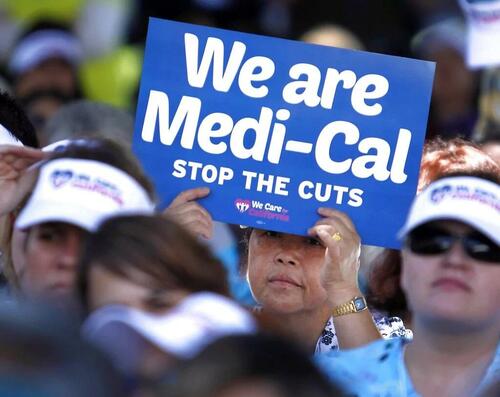
    California’s Big Medi-Cal Hiccups and the 3.4 Billion Loan Drama

    Picture this: Gov. Gavin Newsom is asking the state for a $3.4 billion boost to keep its Medi‑Cal program afloat. Why? Because last year, he opened the gates wide enough that millions of undocumented folks hopped in. Now the funding gap is looking a lot bigger than a UFO sighting in the Mission.

    What’s the Crunch?

    • California’s debt is ticking up faster than a ketch‑kiss ball‑phone stack.
    • Without a big splash of money, the state’s health safety net could break under the weight of new, unexpected claims.
    • Officials worry the subsidies for “illegals” might trigger a fiscal Summer‑solstice of doom.

    The “Play‑No‑Track” Stuff

    Since 2013, California has proudly run sanctuary laws. That means the state keeps the whole “migrants” tag a mystery – no one keeps a database on who’s inside or outside the borders. Because of that, estimating the actual cost of all those medical rides and welfare passes becomes as tricky as trying to find a unicorn in the desert.

    Reality Check: The Numbers

    • At least 2.6 million undocumented residents wedged into the state’s pantry.
    • About 60% of newcomers hit upon welfare programs upon arrival – the likelihood or their home state or the next county’s kindness.
    • On parade: California’s Medicaid expansion pushed migrants aged 26‑49 into the system – the largest chunk of approximately 75% of all undocumented nationals in the U.S.

    Federal Funding? Where’s the Money?

    The state’s General Fund is officially separate from the hefty federal money mama California brings. Yet, federal dollars are not meant to be zipped into migrant programs. California’s tight routing loops have been a city of tiny, deceptive mirrors—so the state is more tangled in federal money than the official press releases boast.

    In short, the bootleg version of the federal vault’s broken checkbook is what’s keeping engines running. Scientists say it’s like sending a paper boat out into the sea of policy with both buoy and anchor (that’s the federal funds) while the boat is also riding a scooter (the General Fund). The budget must hold steady.

    Bottom Line

    With the new opening to 26‑49‑year‑olds, California finds itself in a tug‑of‑war with the purse strings. The big loan request is the state’s attempt to finish the race without drowning—while avoiding a total economic disaster. Only time will tell if the 3.4 billion will be a lifeline or just another fancy scribble on the budget paper.

    California’s Medicaid Meddle: A Day‑in‑the‐Life of a Loopy Tax Loop

    Picture this: the state of California rolls out a “clever” plan that turns your federal cash into a round‑about route that, ultimately, ends up back where it started—but a little heavier for everyone involved.

    How the Loop Works

    • “Triple‑Tax” on Insurers – The state slams a hefty tax on Medicaid providers. Instead of going straight to the folks who need help, the money folds itself into California’s general fund.
    • “Spin‑back” to Medi‑Cal – Once the cash sits in the general ledger, the state is forced to dump an equal amount into Medi‑Cal—the very same insurers that originally paid the tax.

    So, in a nutshell: federal taxpayers shoulder the cost of mis‑management, the state pretends to make a tidy profit, and then gives that money back to insurers, leaving the public feeling like they’re stuck in a never‑ending tax‑TUI loop.

    Why It’s a Bad (Even Funny) Idea

    Think of it as a game of Monopoly where everyone thinks they’re collecting rent, but in reality, the banker is just passing the money around while the house pays the mortgage. It’s a cynical cocktail of “we’re getting richer” and “we’re not paying anyone in real life.”

    Feel the Frustration

    Taxpayers sigh as their money funds the state’s own pocket, only to have it returned to the very entities that mis‑used the original tax. It’s like pouring coffee into a mug, only to spill it back into the same mug and keep pouring.

    While some may call it a “creative” fiscal strategy, anyone who has seen the paperwork will understand that it’s mostly a way to make numbers look balanced while the reality of the health system gets left short‑changed.

    Why California’s Medicaid is a Money Rabbit Hole

    Picture this: the state of California, its budget looking like a wallet stuffed with both gold and a baguette. The federal government, in a generous gesture, means to reimburse CA for every buck spent on Medicaid—basically a 60% fine‑tune of their health budget. On paper, it’s a good thing—“no, this is exactly what we need.”

    What Happens Behind the Scenes

    • Medicaid payments to private insurers are the key that flips the federal fondue pot. The state opens up a faucet of dollars that, frankly, it didn’t necessarily need.
    • Every time a claim goes through, a chunk of that 60% drips into the general fund—painless, just a tidy line in the ledger.
    • Drip, drip, drip… and somewhere in that cash-flow labyrinth, the funds find their way into a category labeled “illegal aliens.”

    The “Donor State” Paradox

    Democrats cheer: “California is a generous donor!” They point to the fact that CA pumps more in federal money than they scoop out. Yet, when you do the math, the state carries a half‑trillion‑dollar debt—the biggest stacking of liabilities in the nation.

    The Deficit Dilemma
    • Annual deficits swing between $50 billion and $80 billion.
    • Even with a skyline full of millionaires and a GDP that ranks high on world charts, the state can’t shake its urban homelessness crisis.
    • Budget gymnastics? Absolutely. In fact, the level of maneuvering could be described as “off the charts.”
    What’s Going Wrong?

    Two main excuses hold the door open for mismanagement: first, poor governance that cannot keep the financial train on track; second, a negligible strategy to halt external influences that scare the state into a kind of fiscal binge.

    Trump’s Audits—The Final Countdown

    The new national administration is opening audit gates that are going to be especially painful for states that have hidden federal revenue in their pockets.

    • California’s reliance on this “extra” funding is a ticking time bomb.
    • With federal cuts looming, states that ride on this gravy train will feel the sting most acutely.

    In short, California’s Medicaid mix is a guilt‑free fountain that keeps channeling surplus into the wrong places, all while its budget stays perpetually on the red side. Time to put a plan in place before the next audit cycle hits.

  • viral Conjunctivitis: Understanding the Gritty Eye Trouble – Health Cages

    viral Conjunctivitis: Understanding the Gritty Eye Trouble – Health Cages

    Introduction:

    Conjunctivitis is a common cause of red eyes that affects people of all ages and socioeconomic backgrounds. Viral conjunctivitis accounts for the majority of cases, accounting for up to 75%. Symptoms of viral conjunctivitis include redness, swelling of blood vessels, eye discharge, pain, sensitivity to light, and formation of pseudomembranes. The economic and social impact of conjunctivitis is significant, with costs associated with visits to health care providers, diagnostic tests, medications, and reduced productivity from work or school.

    (adsbygoogle=window.adsbygoogle||[]).push({})

    Antibiotic prescriptions for viral conjunctivitis contribute substantially to healthcare costs. In the UK, 80% to 95% of patients with infectious conjunctivitis receive antibiotic treatment. Improvements in the diagnosis of viral conjunctivitis have reduced inappropriate antibiotic use, saving approximately US$430 million annually in the United States. Clinical trials are underway to develop specific treatments for viral conjunctivitis. Because of the nonspecific nature of the symptoms, a comprehensive medical and ophthalmic history, along with a thorough physical examination, is essential, especially for patients with atypical or prolonged symptoms.

    (adsbygoogle=window.adsbygoogle||[]).push({})

    The following topics will be discussed in this blog:

    (adsbygoogle=window.adsbygoogle||[]).push({})

    What is Viral Conjunctivitis (Pink Eye)

    Conjunctivitis, commonly known as pink eye, is characterized by inflammation of the conjunctiva, the thin membrane covering the inner surface of the eyelids and the white part of the eyeball. This inflammation causes the small blood vessels in the conjunctiva to become inflamed and inflamed, causing the eyes to appear red or pink.

    (adsbygoogle=window.adsbygoogle||[]).push({})

    Pink eye can be caused by a variety of factors, including a viral or bacterial infection, an allergic reaction, or, in infants, an underdeveloped tear duct. Although it can be painful, pink eye usually does not significantly affect vision. Treatments are available to ease symptoms, and early diagnosis and precautions are essential to prevent its spread, as it can be contagious.

    viral Conjunctivitis: Understanding the Gritty Eye Trouble - Health Cages

    Causes of Viral Conjunctivitis?

    Viral conjunctivitis, which is often short-lived, is primarily caused by viral infections, with the adenovirus family being the main culprit. Adenoviruses cause upper respiratory infections that resemble the common cold or flu.

    (adsbygoogle=window.adsbygoogle||[]).push({})

    Many other viruses can also cause pink eye. Symptoms include redness of the white of the eye or the inside of the eyelid, watery eyes, an itchy or scratchy feeling in the eye, sensitivity to light, swollen eyelids, and a discharge from the eye, which may be clear or white.

    Symptoms of Viral Conjunctivitis?

    Common symptoms of pink eye include:

    • Redness in one or both eyes.
    • Itching in one or both eyes.
    • Stiffness in one or both eyes.
    • A discharge from the eye, which may crust overnight, is likely to obstruct eye-opening in the morning.
    • Excessive tearing.
    • Photophobia, or sensitivity to light.

    How Contagious is Viral Conjunctivitis?

    Viral conjunctivitis can be highly contagious, especially during the acute phase when symptoms are most pronounced. The virus responsible for conjunctivitis can be spread by direct contact with infected persons, contaminated surfaces, or shared objects such as towels or makeup. Proper hygiene, such as frequent hand washing and avoiding touching the eyes, can help reduce the risk of transmission. It is advised to avoid close contact with others, especially in settings where the virus can spread easily, such as schools or daycare centers, until symptoms subside and medical attention is sought if necessary. Treatment should not be attempted.

    How Long Does Viral Conjunctivitis Last?

    Viral conjunctivitis can persist for up to two weeks, with symptoms gradually improving over time. However, the duration may depend on various factors such as the specific virus causing the infection, the individual’s immune response, and any treatment being administered. Although there is no specific treatment for viral conjunctivitis, symptoms can be managed with supportive measures such as supportive eye drops and cold compresses to relieve discomfort. If symptoms persist or worsen, it is advisable to consult a healthcare professional for further evaluation and management.

    The study of epidemiology

    Whether caused by bacteria or viruses, conjunctivitis is a widespread condition that affects millions of Americans annually. Conjunctivitis accounts for about 1% of primary care visits in the United States. Albeit viral conjunctivitis is the most well-known structure, bacterial conjunctivitis is the second generally normal, making it hard for essential consideration doctors to separate between the two.

    Antibiotics are often prescribed without sufficient justification, leading to unnecessary financial burdens on patients and contributing to the rise of drug-resistant bacteria. Additionally, employers and schools typically require individuals with conjunctivitis to stay home until the infection clears, further exacerbating the economic impact on those affected.

    The pathophysiological understanding

    Regardless of the cause, most cases of conjunctivitis can be classified as either papillary or follicular. Neither classification is specific to a particular disease. Papillary conjunctivitis is characterized by a cobblestone arrangement of flattened nodules with central vascular cores. It is most commonly associated with allergic reactions or responses to foreign bodies. Histologically, papillary conjunctivitis presents with closely packed, flat-topped projections, surrounded by numerous eosinophils, lymphocytes, plasma cells, and mast cells in the stroma around a central vascular channel.

    Follicular conjunctivitis occurs under a variety of conditions, including inflammation caused by viruses, bacteria, toxins, and topical medications. Unlike papillae, follicles are small, dome-shaped nodules without central vessels. Histologically, these lymphoid follicles are located in the subepithelial region, which consists of a germinal center containing immature, proliferative lymphocytes surrounded by a ring of mature lymphocytes and plasma cells. In follicular conjunctivitis, the follicles are usually most prominent in the inferior palpebral and fornical conjunctivitis.

    Physical and Historical Background

    The diagnosis of viral conjunctivitis relies on clinical and laboratory signs. Early and accurate identification of the cause ensures appropriate treatment and helps prevent long-term complications.

    Patients with viral conjunctivitis typically present with a sudden onset of foreign body sensation, red eyes, itching, light sensitivity, burning, and watery discharge. Patients with viral conjunctivitis often have a recent history of an upper respiratory tract infection or contact with an infected individual. Visual acuity usually remains near baseline, though the cornea may have subepithelial infiltrates that can reduce vision and cause light sensitivity. The conjunctiva appears red (injected) and may be swollen (edematous). Membranes or pseudomembranes, consisting of fibrin-rich exudates without blood or lymphatic vessels, may be present in the tarsal conjunctiva. True membranes can lead to subepithelial fibrosis, symblepharon, and significant bleeding upon removal.

    Follicles

    Follicles, small dome-shaped nodules without a central vessel, are often seen on the palpebral conjunctiva in viral conjunctivitis, but the presence of papillae does not exclude a viral cause. Palpating the preauricular lymph nodes may reveal a tender reactive lymph node, aiding in differentiating viral from bacterial conjunctivitis. Herpes simplex virus (HSV) can cause vesicles on the face or eyelids and affect vision, potentially involving the cornea. Herpes zoster virus presents with a linear dermatomal pattern of vesicles and typically red conjunctiva with mucopurulent discharge.

    Fever, malaise, fatigue, and enlarged lymph nodes help distinguish viral conjunctivitis from other causes. Anisocoria and photophobia are associated with serious eye conditions such as anterior uveitis, keratitis, and scleritis. Systemic diseases that can be associated with conjunctivitis include skin and mucous membrane diseases (e.g., acne rosacea, ichthyosis, xeroderma pigmentosum), collagen vascular diseases (e.g., systemic lupus erythematosus, rheumatoid arthritis, Sjogren’s disease, granulomatosis with polyangiitis), and autoimmune conditions (e.g., graft versus host disease, Steven-Johnson syndrome, and ocular cicatricial pemphigoid).

    When to See a Doctor

    Red eyes can indicate serious eye conditions with symptoms such as eye pain, foreign body sensation, blurred vision, and sensitivity to light. If you experience these symptoms, it is important to seek immediate medical attention.

    For contact lens wearers, it is important to discontinue use at the onset of symptoms of pink eye. If symptoms persist or worsen within 12 to 24 hours, an appointment with an eye doctor is recommended to rule out any serious eye infection associated with contact lens use.

    viral Conjunctivitis: Understanding the Gritty Eye Trouble - Health Cages

    Treatment for Viral Conjunctivitis

    Although viral conjunctivitis has no specific medicine to fight the virus itself, several methods can help control symptoms and make you feel more comfortable.

    • Artificial Tears: These lubricating eye drops are key. They help relieve irritation, reduce dryness and irritation, and reduce redness. If you’ll be using them frequently, look for preservative-free options.
    • Cool Compresses: Apply a cool washcloth soaked in clean water to your closed eyelids for 10-15 minutes at a time, a few times a day. Cooling helps reduce inflammation and redness.
    • Pain Relief: Over-the-counter pain relievers such as acetaminophen or ibuprofen can help manage any discomfort you may be experiencing.

    Don’t settle for blurry vision. Find the best eye doctors in town for exceptional care and clear sight.

    Here are some additional tips for managing viral conjunctivitis

    • Avoid wearing contact lenses until your symptoms completely resolve.
    • Don’t use eye makeup When you have pink eye, and change any makeup you were using when symptoms start.
    • Get enough sleep To allow your body to fight the virus.

    Important Note:

    • Avoid using antibiotic eye drops unless specifically prescribed by a doctor. Antibiotics will not work against viruses and may contribute to antibiotic resistance.
    • Corticosteroid eye drops may be prescribed in some severe cases, but consult a doctor before using them.

    If your symptoms worsen or persist for more than two weeks, experience severe pain or vision problems, or are suspected of having a different type of conjunctivitis, seek appropriate diagnosis and treatment. Consult a doctor.

    Faq’s

    Q1. How long does viral conjunctivitis last?

    A1. Viral conjunctivitis can persist for up to 14 days. Unlike bacterial conjunctivitis, there is no specific treatment for viral conjunctivitis. A child can return to school or childcare when their tearing and discharge have significantly improved.

    Q2. What is the fastest way to cure conjunctivitis?

    A2. For bacterial conjunctivitis, the quickest treatment is to consult a doctor, who can prescribe antibiotic eye drops. According to a review by the Cochrane Database of Systematic Reviews, antibiotic eye drops can shorten the duration of bacterial pink eye.

    Q3. How to stop conjunctivitis from spreading?

    A3. To prevent the spread of conjunctivitis, avoid touching your eyes with unwashed hands. Do not share items used by an infected person, such as pillows, washcloths, towels, eye drops, makeup, makeup brushes, contact lenses, contact lens storage cases, or eyeglasses.

    Q4. How to tell if conjunctivitis is viral or bacterial?

    A4. Bacterial conjunctivitis typically causes a yellow or green sticky discharge throughout the day, with itchy eyes and possibly swollen eyelids. Viral conjunctivitis usually results in a watery discharge during the day and a sticky discharge in the morning, often with significantly swollen eyelids.

    Q5. Will antibiotic drops help viral conjunctivitis?

    A5. Antibiotic drops will not improve viral conjunctivitis, as antibiotics are ineffective against viruses.

    Q6. How painful is viral conjunctivitis?

    A6. Viral conjunctivitis can cause moderate redness and pain, often described as a sandy, gritty sensation in the eye. It may also cause moderate to severe light sensitivity.

    Keep your eyes healthy. Explore our blog for expert advice:

  • 3,000‑Strong IndiaFest Colour Run: Boost Health, Champion Wellness, and Aid Military Veterans in Eastern Florida State Schools—Space Coast Daily Reports the Thrilling Marathon Initiative

    IndiaFest Unveils Vibrant 3‑K Run at Holy Trinity This Sunday, Supporting Military Veteran Students in Eastern Florida State

    will feature a vibrant shower of cornstarch-based dry colors along the race course

    Get Your Groove On: The Colour 3K Run Awaits!

    On Sunday, February 2, 2025, the Holy Trinity Upper School Campus is turning into a rainbow-hued ditch for the IndiaFest Colour 3K Run. Whether you’re a sprinter, a slow‑pacer, or a stroller‑setter, this 3‑kilometre jog is poised to get your feet moving while your heart beats to the beat of the famous Holi festival.

    Why You Should Sign Up

    • Fun for All Ages – It’s a family‑friendly run that welcomes everyone from toddlers to grandparents.
    • Color Me Happy – Along the route, a cornstarch‑based splash of dry colors will drench participants in a psychedelic shower.
    • Make a Difference – All proceeds go straight to military and veteran students at Eastern Florida State College.
    • Stroller Friendly – The track is designed for walkers, joggers, and even fit toddlers in their car‑cots.
    • No Pets Allowed – Canine collabs need a safe detainee somewhere else.

    Event Details

    Date: Sunday, February 2, 2025

    Time: Registration starts at 7 a.m. – race kicks off at 8 a.m.

    Location: 5625 Holy Trinity Dr, Melbourne, FL 32940

    Fee: $30 online, $35 at the gate. The fee includes a unique race shirt, a ticket for the Finish Line Festival, and entry to IndiaFest.

    How to Join

    You can register online – but don’t just walk to the site; sprint! Only 250 spots are available, so act fast or risk missing a burst of color.

    See It, Believe It, Walk (or Run) It!

    Open your heart and lace up those running shoes; we’re making history, throwing paint, and building communities together. Whether you’re racing, walking, or cheering from the sidelines, this colour run’s got a spot just for you.

    HOT OFF THE PRESS! Dec. 23, 2024 Space Coast Daily News – Brevard County’s Best NewspaperHi there! I’m ready to give your article a fresh, engaging spin, but I’ll need the full text first. Could you paste the article (or at least the main body) that you’d like rewritten? Once I have that, I can transform it into a lively, human‑written piece for you.