Via American Greatness,Leaked emails from the Environmental Protection Agency (EPA) show that the agency sought to discredit an independent scientist who questioned official data on contamination following the East Palestine, Ohio train derailment and fire in February 2023. Following the official EPA announcement that were no dangerous levels of toxins in the area and that it was safe for residents to return home, independent testing expert Scott Smith reported finding high levels of dioxins in the soil in East Palestine.According to News Nation, when Smith’s findings were reported in spring of 2023, former EPA administrator Judith Enck said the agency should pay attention to Smith’s test results.Instead of taking new samples and doing similar testing, leaked emails show that the EPA began collecting Smith’s personal information and monitoring his actions in an effort to discredit the environmental scientist.NEW emails show after the train derailment in East Palestine, Ohio Democrat’s EPA worked to discredit scientists who tested the soil and air
🚨 They even put scientists under surveillance using drones to monitor their movements
“The Environmental Protection Agency is supposed… pic.twitter.com/THjy2pAHJr
— Wall Street Apes (@WallStreetApes) August 20, 2025Smith’s personal information and whereabouts were distributed to more than 50 EPA employees, his dog’s picture was circulated and drones were documented hovering near the scientist on multiple occasions.Lesley Pacey, with the Government Accountability Project, told NewsNation that the EPA’s response was “troubling” since it was a matter of public health.Pacey said, “What the EPA seems to have done here in East Palestine is that they were more interested in controlling the narrative and controlling what was going out to the community, from the community and back to the community,” adding, “They were definitely controlling the narrative of nothing to see here, no long-term health impacts.”* * *We’ve sold a TON of these lighter / flashlight combos… Buy one for each vehicle…Satisfaction guaranteed or your money backSmith, who has been to East Palestine more than 30 times, said the money spent on surveilling him would have been better spent on testing the soil and water for toxins from the train cars that burned.Smith said, “They don’t want to look for the full spectrum of chemicals that I look for, and instead of sitting down with me and having a dialogue for the benefit of the community, they launched this smear campaign. They’re clearly not serving the community they’re supposed to protect. And it’s not just East Palestine. It’s a systemic thing.”Smith has since met with Secretary of Health and Human Services Robert F. Kennedy Jr, who called him an extraordinary advocate for the people affected by the disaster. Loading recommendations…
Tag: area
-

Leaked Emails Show EPA Sought To Discredit Scientist After Ohio Train Derailment Disaster
-
Spain Engulfed in Wildfires: Thousands of Hectares Ablaze Across Multiple Fronts
Spain’s Fiery Countdown: Three Wildfires Breathe Their Devilish Heat
In the heart of Spain, a trio of wildfires is turning the landscape into a smoky drama, torching thousands of hectares and forcing hundreds of residents to evacuate.
What’s Happening?
- Three major blazes have erupted across the country, each packing a powerful punch of intensity.
- These flames have consumed thousands of hectares of lush vegetation—think of it as a massive, burning makeover.
- Local communities are scrambling: hundreds are being evacuated to keep everyone safe.
Why It Matters
The fires aren’t just a single event; they’re a stark reminder of the country’s rising climate woes and the urgent need for wildfire readiness.
Looking Ahead
While Spanish firefighters work their magic and the skies clear their smoky rage, the nation holds its breath for the day the flames finally give up the ghost.

Spain’s Burning Summer: The Wildfire Saga of Las Hurdes
Picture this: over a thousand brave souls—firefighters, volunteers, and soldiers—sprinting across the Spanish countryside, battling three raging storms that refuse to be tamed. Those blazes are still halfway out of control and are rated as “Level 2” danger.
The Hot Spot: Caminomorisco in Cáceres
- Location: Las Hurdes, Cáceres
- What started it? If you’ve ever been careless with a campfire, that’s the culprit. Whether it was a clumsy mistake or something more deliberate, the blaze has scorched almost 2,600 hectares.
- The Spread: The fiery fury stretches over a 28.5‑kilometre radius.
Every night, 200 evacuees hunkered down in six villages—Cambrón, Dehesilla, Huerta, Avellanar, Robledo, & Mesegal—plus the area around Caminomorisco. They’ve swapped their homes for a student dormitory that’s now a safe haven. Roughly 90 people are living there for now.
The Heroic Effort
- Team: 400 firefighters are at the frontlines.
- Progress: They’ve tackled and gnarled between 65–70% of the lines—roughly 31 kilometres—thanks to a decent weather shift and calmer winds.
- Feelings: “Relatively favourable,” the officials say. (That means the team’s looking good!)
Where Things Get Rough
The north‑west side of the fire—close to Avellanar—is a tough nut to crack. The terrain is so uneven and tricky that it’s like trying to push a truck up a steep hill in a storm. Expect the battle there to extend for several more days.
Our brave responders aren’t letting the flames win. Stay tuned as we keep you posted on this fiery front—and stay safe out there, folks!
Ávila: between 1,500 and 2,000 hectares affected
Wildfire Wild in Avila’s Southern Bowls
Flames Throw a Curveball
In the moonlit hours of Monday, a roaring wildfire erupted in the Barranco de las Cinco Villas ravine. The fire, still dancing wildly, has scorched somewhere between 1,500 and 2,000 hectares— a blitz covering a 25‑kilometre radius.
Town Tension and Quick‑Thinkers
- El Arenal felt every breath: the blaze crept in a mere 100 metres, sparking nerves that ran high.
- Mombeltrán scrambled to lockdown, but the gates opened again once firefighters gave a “technical intervention.”
Ground Crew: Half‑A‑Thousand Heroes
Around 500 firefighters are huddled in rough terrain that’s “quite abrupt.” Their task is akin to navigating a minefield while the sky plays a heat‑soaked drum.
The Mystery of the Ignition
While authorities tag the blaze as “intentional”— the exact spark is still hunting for answers in the depths of investigation.
Takeaway
When a wildfire shows up out of nowhere, it turns every nearby town into a real‑life drama. In Avila, the locals watched the flames, braced for the heat, and let the emergency crews do what they do best—stand up against the wild fire’s fury.
A Cañiza: 5 simultaneous outbreaks generate maximum alert
Battling the Blaze in Pontevedra
In the quiet mountain hamlet of A Cañiza, a fiery mishap has turned into a full‑blown emergency. 5 burning sparks—yes, literally five tiny ember clusters—lined up along a dusty roadside and set off a wildfire of over 200 hectares. The blaze, dreaded for its rapid, merciless spread, mustered the help of the Military Emergency Unit (UME) because it’s dangerously close to the little village of Nogueiró.
Why the Five‑Point Fiarrow Is a Bad Idea
- • Five fire sparks, sequentially spaced along a road – imagine a chain reaction made of flame.
- • The wind was doing the “sprinting” dance, amplifying the fire’s momentum.
- • Dry conditions acted as tinder, turning sparky sparks into a blazing thunderstorm.
Matilde’s Take: “It Was Like a Domino Effect”
María José Gómez, the regional minister of rural affairs, shared her thoughts: “Those five consecutive points along the road acted as a perfect domino layout. With the wind blowing strong and the weather being downright tough, it was a recipe for fire‑fast spreading.”
Takeaway: The Fireball’s Playlist
A combo of wind, dryness, and a line of ignition points = instant fire‑frenzy. Mix in a village that’s just a stone’s throw away, and you’ve got a situation that demanded the UME’s quick response.
A summer marked by fire
Spain’s Summer Sizzler: Fires, Friction & the Front‑line Hustle
According to official numbers, Spain has already burned 14 major forest fires this year, devouring more than 42,000 hectares of green. That’s roughly the size of a small country—so the situation is no joke, and the fire‑fighters are keeping their “tactical” gear ready while the rest of Europe watches the smoke rise.
Why It’s Not Just About Burning Trees
The hero squad isn’t just a row of brave firefighters. You’ve got INFOEX, UME and regional teams all too busy juggling helicopters, thermal cameras, and the logistics of tackling blazes that often start from human missteps.
Three Hard‑Hit Fires: Each One a Different Beast
- Las Hurdes: Deeply remote, no easy ways in, so teams are using ground‑penetrating tech to map the terrain and spot the heat.
- Avila: Fires hugging the outskirts of town—no room for errors. The locals are hoping their neighborhood can stay fire‑free.
- Galicia: Storm‑y weather means the fire can bounce around faster than a bad habit. The crews are staying on their toes for the next gust.
These incidents showcase that the blaze is playing a new game—one that isn’t just about fighting back flames, but also about coordinated tech‑savvy strategy and a pinch of human diligence to keep dual wins in the chest—both the population and the environment.
-
Europe Summer Travel: 10 Hidden Pitfalls That Could Ruin Your Holiday
Ready to Roll? Keep These Travel Game‑Changers in Your Back Pocket
Insurance that actually covers you
- Skip the “whichever plan feels best” approach. Pick one that matches your itinerary and adventure level.
- Look for cancellation coverage. Bookings can slip up—those refunds are golden.
- Think about medical emergencies. A quick trip to a local vet is fine, but what if you need hospital care?
Weather‑Wry Mindfulness
- Download local alert apps. One tap and you’re all set on the climate front.
- Talk to locals about seasonal quirks—hurricanes, monsoons, or unexpected snow packs.
- Pack an umbrella in a dry place—safety first, style second.
Shuffling Those Tourist Taxes
- Set aside a contingency. Many hotspots tag a 10–20% surcharge on your savings.
- Ask your hotel or tour guide about the “tourist tax” windfall—they’ll give the lowdown.
- Invest just a few bucks in a free guidebook; knowing the numbers will save you heart‑burn later.
With these nuggets tucked away, you’re not just checking boxes—you’re turning travel woes into a breezy adventure.
Travel Smart: Keep Your European Dream Trip on Track
Heading off to soak up sunshine, taste new cuisines, or just chill with friends? Thinking your adventure will be all glitter and gelato—don’t forget that the unexpected can hitch a ride on any itinerary. Weather jokes from climate change, fresh tourist fees, and intricate regulations are packing a punch this summer across Europe.
Why the Clock’s In Your Pocket
- Weather Mayhem: Heatwaves, sudden storms, and unpredictable climates are now MVPs of the continent.
- New Rules & Fees: From congestion charges to extra tourist taxes, the European passport is sprucing up its “rules of the road.”
- Productivity & Pink Slip: Better put a safety net; you’re missing a ticket to that sweet sunset, not a ticket to a financial crisis.
Staying Ahead of the Curve (and the Tourist Taxes)
- Plan Ahead – Research everything from local weather patterns to the latest city regulations. The more you prep, the smoother your journey.
- Pack Smart – A lightweight rain jacket and a reusable water bottle keep you covered for the unexpected, while you stay eco‑friendly.
- Check Your Wallet – Set aside a small emergency fund for stray taxes or sudden detours.
- Stay Informed – Follow local news feeds or subscribe to city alerts for real‑time updates on weather or festival logistics.
- Keep Your Travel App Handy – An app that flags heat alerts, traffic disruptions, or local advisories can save you hours of confusion.
With a sprinkle of savvy, a dash of prep, and a splash of humor, you’ll glide through European summer escapades, catching sunsets and savoring gelato without a hitch. Safe travels, and remember: the best journeys come with a little paperwork handled before they start—no surprise taxes or weather shenanigans in sight!
Heatwaves and wildfires scorch Europe
Summer Survival Guide: Navigating Europe’s Wildweather
Hey wanderlusters! If you’re planning a trip across Europe this season, there’s a hot topic you’ll want to stay on top of—literally. The continent is on fire in more ways than one.
Why the Heat Is Not Going Away
Since late June, heatwaves have been blazing across the globe and Europe’s no exception. When temperatures climb past 38–40°C (100–104°F), the air feels like a sauna, turning dry vegetation into tinder. This is the perfect recipe for wildfires, and the risk keeps escalating as the summer wears on.
Current Hot Spots in the Spotlight
- Spain & Portugal – The Iberian Peninsula entered an emergency alert last weekend due to soaring temperatures and a heightened fire threat. Keep your eye on local advisories.
- Greece & Turkey – These nations have seen burning forests and olive groves, with thousands forced to evacuate. Tourists are being routed to safer zones.
- Italy (Sardinia) & France – Both have reported sporadic fires, especially in rural areas. Valleys and hillsides are the most at risk.
What This Means for You—The Traveler
Heatwaves are more than an inconvenience; they pose serious health risks:
- Dehydration can sneak up quickly—stay hydrated.
- Heat exhaustion and heatstroke are serious threats, particularly for older adults, pregnant women, or anyone with chronic conditions.
- Air quality often drops as wildfires rage, so check PM2.5 levels.
Practical Tips to Keep Cool and Safe
- Schedule your adventures for the cooler part of the day: early mornings or late evenings are best.
- Wear breathable, light-colored clothing and a wide-brimmed hat.
- Carry a reusable water bottle—recycling it is a great way to stay green.
- Check local bulletins; many municipalities publish real-time fire warnings.
- Don’t take your powder coffee to the highest roof—remember the golden rule, “no fires under your head.”
Wrap It Up
Summer brilliance in Europe can be dazzling—but keep your eyes peeled and your body—well—under check. With a sprinkle of savvy planning and a dash of caution, you’ll be able to soak up the sunshine without burning out. Bon voyage!
Southern Europe sees rise in seismic activity
Reeling From the Mediterranean’s Summer Shake-Up
When you plan a getaway to sunny spots like Crete, Santorini, Naples, Sicily, or Turkey, you might expect sunshine, beaches, and endless laughter. This summer, the Mediterranean threw a curveball: earthquakes and volcanic eruptions rumbled through almost every top destination.
Zero Damage? Yes, but Still a Reality Check
Sure, none of the tremors hit hard enough to wreck hotels or claim lives. Still, standing in a crowded piazza while a tremor rattles the ground can completely flip that relaxed vibe. And—spoiler alert—you could actually be forced to move out of your booked rooms mid‑trip.
Travelers’ Growing Worry
- More people are starting to think twice about adding “quake‑calm” checks to their itinerary.
- Insurance talks are now a hot topic: does your trip insurance cover sudden geology mishaps?
- Local tourism agencies are nervous, with fears that bookings may drop dramatically.
Case in Point: Santorini
For Greece’s acclaimed island, the tourism board expects a 25% dip in arrivals in 2024. That means less brunch in the caldera, fewer sunset selfies, and oddly enough, more time to breathe a little easier.
Takeaway
Even if the seismic waves were gentle, the experience is still a reminder that nature can be a prankster. If you’re planning a trip this summer, keep an eye on the calm and always have a backup plan—just in case the earth decides to throw a surprise party.
How travellers can prepare for natural disasters and weather extremes
Staying Safe When the Weather Turns Extreme
Travelling to places that love a bit of drama with heat, earthquakes, or wildfires? The first rule of survival is to stay in the loop.
Do Your Homework Before You Pack
- Spot the Signal: Look up local heat alerts, seismic conditions, fire danger levels, and the emergency playbook for the area.
- Phone‑First: Make sure your mobile is set up to drop alerts straight to your pocket. Head to Settings → Notifications → Enable Alerts and activate the service for your destination.
Keep an Eye on the Headlines
- Follow official weather feeds and fire‑update apps.
- Don’t forget the local news station’s briefings – even if they’re just a silly couple of minutes of chatter.
When a Heatwave Hits, Play It Safe
- Pack plenty of water so you’re not chasing water in the desert.
- Move high‑energy activities (like hiking or surfing) to early morning or late evening.
- Listen to locals: they’ll tell you which spots to dodge and which are safe to chill.
With a little prep and staying tuned, extreme weather won’t stop your adventure – it’ll just add a bit more excitement to the story you’ll tell back home.
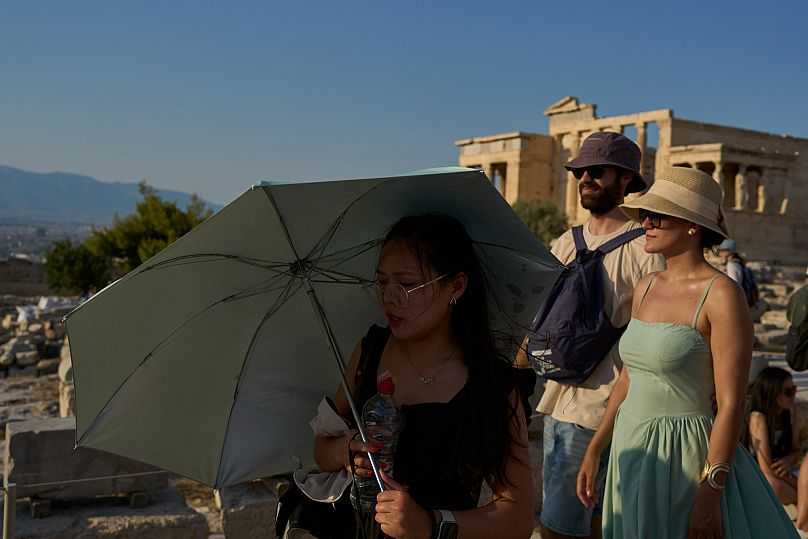
Hey, Hot‑Weather Travelers!
Got a heatwave warning on your trip? Don’t let the sky‑high temps catch you off guard. Here’s a quick lifesaver list to keep you cool and safe.
Protect Your Health
- Older Adventurers: You’re golden in experience, but your body’s a bit more finicky now. Stay hydrated and avoid pushing yourself to the limit.
- Health Conditions? If you have heart or lung issues, grab extra precautions: keep your medication handy, and maybe skip that intense trail for a sunset stroll.
Plan Ahead: Flex Your Itinerary
Love the thrill of outdoor escapades? Give your travel provider a heads‑up. They might let you swap the sun‑blasted day for a cooler slot, or offer indoor alternatives.
Stay Chill: Quick Tips
- Pack light, breathable clothes.
- Keep a cool water bottle—yes, it’s a lifesaver.
- Seek shade between activities.
With these simple steps, you’ll be ready to tackle even the hottest of days—without burning a hole in your wallet or your schedule. Stay safe and enjoy the adventure!
Ensure you have the right travel insurance for extreme weather coverage
Wondering What Happens If the Weather Turns Out to be a Bad Jam?
Got a trip on the horizon and thinking about the inevitable “storm‑in‑the‑hotel” scenario? Don’t let an erratic climate ruin your plans – make sure your travel insurance is actually backed up by a policy that will let you slap a refund or a fiver of compensation on the table when extreme weather or a natural disaster puts a cap on your holiday.
Why’s This even a thing you should care about?
- Never a “no‑go” alert from the government – unless the official hand‑closes the trip for safety, most travelers will be stuck with “disinclination to travel” for their own post‑cancellations.
- Most plans ditch the “loss of enjoyment” clause – if the crazy heatwave keeps you locked in, your insurance will likely not pay up.
- Only super‑sound policies will pay when airlines or hotels call off your stay – coverage is out if the provider decides to still leave you on hold.
Do I Need a Special Policy?
Some insurance providers toss in a “trip disruption” or “natural disaster” line, but you won’t find this in every draft. Check carefully – you don’t want to show up at the airport only to realise you’ve signed up for a “fancy no‑refund” plan.
Bottom line
- Make your policy explicit about weather‑related claims.
- Get a good grip on “flight cancellations” and “hotel downgrades.”
- And always double‑check before you book.
New tourist taxes, entry fees and visitor caps
Tourist Taxes, Visitor Caps and a Dash of Price Hikes: Travel 2025 Edition
Traveling around the world feels like a ticking clock and a growing wallet. In the past twelve months, popular spots worldwide have added visitor fees, shut visitor numbers tight, and raised taxes on hotel stays. Below is the latest round‑up of where you might need to pay a bit more.
Greek Islands – Santorini & Mykonos
- Santorini > Cruise passengers pay a €20 levy during the high season, and the island has locked in a daily cap of 8,000 cruise visitors.
- Mykonos > Though not carrying a visitor cap, the same €20 cruise passenger fee applies.
Athens – Protecting the Acropolis
- The iconic Acropolis will only allow 20,000 visitors per day. You’ll also need a timed entry ticket—no more standing around for an hour.
Barcelona – Euro‑Powered Taxes
- The city has upsized its municipal tourist tax to €6.75 per night for stays in five‑star hotels.
- Coupled with the regular nightly tax of €3.50, a week at a top‑tier hotel pushes the cost to €47.25 extra on top of the room rate.
Iberia’s Clearance: Ibiza’s Vehicle Control
- Between 1 June and 30 September, non‑residents can bring a maximum of 20,168 cars or caravans. Beyond that, you’ll need a permit.
- Permit fees run at €1 per day—so the greener your mode of transport, the greener you stay!
Remember: while the world is tightening its tourist bolts, the charm of each destination remains intact. Whether it’s the sun‑blasted cliffs of Santorini or the bustling streets of Barcelona, the experience—minus a few extra euros—continues. Happy travels!
And, as always, keep an eye on your travel budget, because some places are willing to charge you an extra few euros for the privilege of visiting. Safe journeys!
Overtourism in Europe: From “Fasten Seatbelts” to “Book Before You Board”
Italy has taken a new stance on its most famous ruins. Visitors to the Pompeii archaeological site can now see a daily limit of 20,000 people. Tip: Book your ticket online before you head over, otherwise you’ll be stuck in those classic Italian queue lines.
In Rome, the Colosseum has its own “ 3,000‑person rule”. The ancient amphitheater’s crowd control measures are designed to protect not only the stones but the memories of everyone else modestly browsing the photos.
Sardinia’s dreamy beaches are feeling the squeeze too. The popular Tuerredda beach keeps a cap of 1,100 people a day and, since 2020, requires bookings via a dedicated app. Other beaches in the region are operating similar restrictions—just scroll down for the full list of beaches with limits (no hyperlinks, just plain text).
Good news for lovers of Venice: the tourist entry fee that ran for years has been abolished in July, so less painful to fill your wallet.
Now, a quick word for travelers heading to Turkey. The Turkish Civil Aviation Authority has a new rule: passengers must keep their seatbelts fastened until the plane reaches the designated parking spot and the seatbelt sign is off. They also need to wait for their row call before disembarking. Forgetting any of these steps? Expect a fine of $70 (€62).
Other Fees and Taxes to Keep in Mind
The list of new charges introduced in earlier years, and how they might affect your next trip, can be found with a simple search—it’s all part of the evolving tourist regulatory landscape.
Strikes and air traffic control struggles
Summer Chaos: Workforce Walkouts Chill the Jetstream
When the sun’s at its peak, so is the hustle—and suddenly, the chaos that comes with a summer flight spree can really take a hit. Picture this: thousands of passengers heading to sunny spots, only to find their itineraries tangled like tangled earbuds.
The UGT’s Bold Move
The General Union of Workers (UGT) is shaking things up with a Spain‑wide strike at Azul Handling (part of the Ryanair family) slated to start on August 15. They’re planning a solidly set plan of interruptions across all operational hubs, especially all those big-name airports you’ll spot in the travel brochures.
Stop‑the‑Fly Stops
- Madrid – the city that never sleeps now might have to pause its sleep.
- Barcelona – think Gaudí but now with a “nosy” line.
- Seville – flamenco meets “flamenco‑felled” flights.
- Malaga – a sunny getaway is turning into a “wait‑and‑see” getaway.
- Alicante – sea‑side explorations stretch a bit longer.
- Ibiza – the nightlife might just be on the back burner.
- Palma de Mallorca – sunny museums are in a late‑night mode.
- Girona – medieval vibes double with “no‑fly” vibes.
- Tenerife South – waves and wanderings on a very slightly delayed schedule.
- Lanzarote – watching volcanoes and waiting for runway clears.
- Santiago de Compostela – pilgrimage may now be a slow‑roll pilgrimage.
These stoppages will run on every Wednesday, Friday, Saturday, and Sunday and are expected to carry on until 31 December 2025. That’s roughly three and a half years of at most extra coffee for travellers who are stuck in line.
Mass Delays on the Horizon
Expect tens of millions of travelers to be lingering in airport terminals, contemplating whether they might finally get a seat in a family‑friendly airplane or just end up sipping espresso for what feels like an eternity.
All of this is a result of a grind of ATC (Air Traffic Control) strikes during the ‘highly congested’ peak travel periods. This has already plunged flights hard in France, Spain, and Italy, and if left unchecked, it may soon become the headline story that surpasses local weather updates.
In the meantime, travellers are urged to keep calm, bring something to eat, and maybe double‑check that they’re not booking a flight to a “cancelled ticket.” The winds of change might just be a little heavier this summer.
What can travellers do to prepare for strikes?
The Ultimate Get‑Ready Guide for Travel Strikes
Nothing says “fun vacation” quite like a surprise strike. But if you’re savvy, you can keep the chaos at bay and still enjoy your trip.
Step 1 — Get the Inside Scoop
- Drop by the gov‑site: The quickest way to know if a strike is happening is to visit your country’s transport or labor ministry pages.
- Chat with your airline: Give the airline a ring or check their social media. Most major carriers post the latest flight status updates.
- Airport check‑in: Before you head out, confirm your flight number in the departure board or through the airport’s app.
Step 2 — Plan Around Peak Times
If your itinerary is as tight as a drumhead and you can’t shift away from the strike dates, try this:
- Skip the rush‑hour traffic to the airport.
- Arrive early—give yourself a buffer of at least two hours before the scheduled departure.
Step 3 — Insurance Is Your Safety Net
Think of travel insurance as the superhero cape that’s always ready to swoop in when the unexpected hits.
- Basic coverage: Airlines must give you three options if a flight is cancelled: a same‑time re‑route, a later re‑route, or a full refund within seven days.
- Extra protection: Standard policies stop at the flight ticket. For extra peace of mind, add Travel Disruption Cover before you depart to protect against lost hotel bookings or other ripple effects.
Bottom Line
Staying informed, avoiding peak traffic, and having a solid insurance plan are the three pillars that will let you ride out any strike without a sweat. Safe travels, and may the Wi‑Fi always be strong!
-
Panama Holds Its Sovereignty: Foreign Minister Refutes US Claims to the East Coast of the Waterway
Panama Says US Troops Are Just A Brief Visitor
During a quick chat with Euronews, Panama’s Foreign Minister Javier Martínez‑Acha got a clear message: the U.S. troops coming in for their drills are nothing more than a temporary stop‑over. He made it crystal‑clear that no American forces will set up permanent bases here.
The Main Takeaway
- Short‑term Only: The military exercises are for “a few days” – no long‑term residency.
- “No Permanent Footprint”: The U.S. isn’t planning to leave a permanent army camp in Panama.
- Peace‑Keeping Approach: The presence is purely for training, not for establishing a new foreign power base.
Why This Matters
Panama’s leadership is just reminding the world that they keep a tight handle on who’s on their soil. Despite the U.S. pulling out, it’s not a sign of a falling partnership – just a routine drill that’s been scheduled and then wrapped up.
Final Thought
So, if you’re standing in Panama and feel a sudden buzz of military activity: don’t worry, it’s a short‑lived event, and the country’s entry‑level security team is keeping everything under control. No permanent American flag is waving from the Panama flag, just a quick, friendly visit that’s done its job and moved on.
Panama and the U.S. Tighten the Grip on the Canal – Military Style
In a plot that feels straight out of an international thriller, the U.S. has slipped in a memorandum that lets it bring its aviation squad into Panama’s waters for joint drills. The goal? Get ready for any chaos that might threaten the slick waterway that’s the heart of global trade.
Helicopters Drop In
Just Sunday, three U.S. helicopters landed on Panamanian soil. They’re not there to film a movie; they’re training for a possible “protect‑the‑canal” scenario that could pop up at any moment.
Panama Rules the Coast
Panama is pretty firm: “No permanent foreign troops will ever set foot on our land. This is a short‑term thing and it’s all about keeping our sovereignty intact,” Foreign Minister Javier Martínez‑Acha told Euronews.
He added, “We’ve never had any foreign soldiers on the ground. The memorandum of understanding (MoU) we signed with Washington—and other Latin American pals—is simply a tool for joint exercises. We’re getting ready for asymmetric threats and tackling organized crime, drug trafficking, and the like. These are the kinds of adversaries that keep us on our toes.”
From Tension to Teamwork
Things got a bit rocky after President Trump announced that Panama was handing over key infrastructure to China. That claim sparked a diplomatic spat. Yet, Martínez‑Acha says the tension has loosened and everyone’s back on the same page.
“We all get that the U.S. and Panama have a special bond. It’s not always smooth sailing, but right now we’re cooperating like a well‑tuned orchestra. That’s all while honoring Panama’s autonomy and sovereignty,” he emphasized.
Why It Matters
Every year, roughly 6% of global maritime trade zooms through the Panama Canal. The harmony—or the lack of it—between the two countries isn’t just a local issue; it’s a game‑changer for international commerce.
More cooperation on tax matters
Panama’s Big “Who Is a Tax Haven?” Debacle: A Casual Talk with Martínez‑Acha
On a breezy Monday, Martínez‑Acha strutted into Brussels to attend the EU‑Central America Association Council. The agenda? One of the most fiery topics in the last decade: Panama’s spot on the “non‑cooperative” tax list.
Panama’s “We’re Not a Tax Haven” Pitch
- He shrugged off the label and said, “We’re responsible. We’re all about transparency and tax cooperation.”
- Yet he nodded that there’s still work to do, promising tax‑reform tweaks to sharpen the country’s compliance.
EU’s Decision: The Blacklist Moves, The List Stays
- Following a European Parliament vote, Panama was zapped from the Illicit Money Flow blacklist.
- A lingering spot: The tax‑cooperation list still lists Panama alongside Russia and Trinidad and Tobago.
What’s Next for Panama?
Martínez‑Acha laid out the roadmap: Eliminate shady tax regimes that let offshore bees buzz around without real business. He stressed that if a multinational has true economic roots in Panama—or if its foreign profits come back into the country—they must be taxed. If those funds flop elsewhere, the tax gun stays ajar.
Why Panama Matters to Europe
- It’s a strategic economic hub.
- It helps keep tabs on sanctions violations for nations like Russia.
In short, Martinez‑Acha’s Brussels stop is a fresh push for Panama to polish its tax image while still negotiating that fine line between openness and regulation. The next chapter? A tougher, yet more balanced, tax regime that keeps the country out of the “blacklist” debate while staying cozy with European partners.
-

Are you an introvert?
Do you sometimes get anxious when speaking to a new client? Would you rather work alone and not in a team? Would you often prefer to stay at home, than attend an after work party organised by your department?
If you can answer these questions with a ‘yes’, then you are probably an introvert. But, before you start thinking that this is a negative trait, let’s look at some of the most influential people of our time who prove that you don’t have to be the loudest voice in the room to be heard.
Introverts commonly assume that they must conform to the extrovert mould in order to be successful, however, Bill Gates, Microsoft’s founder and philanthropist, is reported to have strong introvert traits but still develop his passions, successfully. He said, ‘I think introverts can do quite well. If you’re clever, you can learn to get the benefits of being an introvert, which might be, say, being willing to go off for a few days and think about a tough problem, read everything you can, push yourself very hard to think out on the edge of that area.’
In the corporate world, with its emphasis on self-promotion and networking, many introverts feel immense pressure to act like extroverts. Such individuals may even worry that they will be overlooked for promotion, so in order to compensate, they may go to great lengths to pretend to be extroverts and often end up feeling frustrated by trying hard to be someone else.
Any introvert needs to embrace their natural strengths. He, or she, is usually quiet, thoughtful and calm – many qualities that would benefit an extrovert. They will usually like focused work and are able to concentrate for long periods at a time.
So by harnessing their personality traits, they can stay true to themselves and stand out from the crowd for who they actually are and not for who they are trying to be.
So let us look at ways that introverts can exploit the benefit of their natural
abilities:Harness your personality traits: An introvert will usually sit quietly in a meeting and listen to everyone’s opinion before giving of their own. But, the chances are that when they give it, it will have been considered carefully and weighed up accordingly before speaking.
Preparation: Introverts like to prepare well in advance for meetings and presentations. There can be many hidden benefits here. If you collect all the relevant ideas and facts in advance, the chances are that you will be more knowledgeable and organised.
Show passion: Introverts are usually not good at ‘small talk’ but prefer meaningful conversations on those topics upon which they have an opinion. So it is useful for them to connect with those who share their interests and ideas.
‘Me’ time: Introverts prefer to work alone and don’t like interruptions. So instead of seeing this as a negative, give yourself permission to take yourself off on a quiet walk away from the office at lunch-time which will give you a good chance to recharge your batteries in an environment in which you feel comfortable.At the end of the day, introverts need to play to their strengths and not shy away from them. Be proud of who you are. You may not be the same as those who are always seeking attention in the office, but you can bring a calmness to stressful situations and your colleagues will feel reassured and will trust you, knowing that you are able to deal with unexpected situations, calmly.
Foster your belief in yourself and the unique strengths that you bring to the table. If you truly believe in yourself, then it’s only a matter of time before others will believe in you too! So, rather than feeling that your introverted tendencies are an obstacle to success, use your natural gifts to your advantage.Key Points
A quiet personality can be as effective as a noisy one
If you prefer to work away from groups, then do it
A lion is very silent when it stalks its kill -
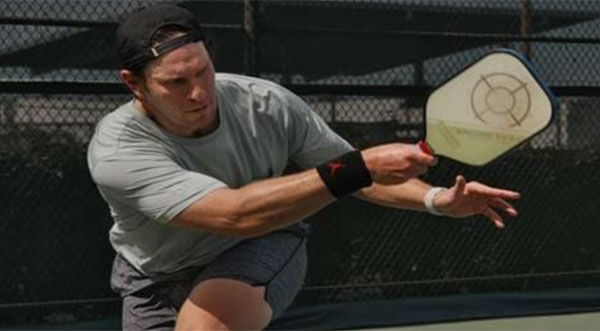
Palm Bay Recreation Kicks Off Exciting Summer Pickleball League at Ted Whitlock Community Center
registration deadline is June 4

Get Ready to Pickle Up the Summer!
Hey there, Palm Bay! Good news coming your way: the Palm Bay Recreation team is rolling out the Summer Adult Pickleball League—start your calendar on Wednesday, June 11. This ain’t just a game, it’s a full-on, sweat‑free, excitement‑packed, court‑slinging fiesta that’s happening right inside the cool, air‑conditioned Ted Whitlock Community Center.
Why Pickleball?
- It’s quick, it’s fun, and you’ll get that sweet smile‑boost.
- Open to everyone—16 and older—no matter if you’re a seasoned pro or a fresh rookie.
- Teams are flexible: 2‑ to 4‑player squads for men, women, or mixed. Bring a buddy or a whole squad!
What to Expect
Matches run every Wednesday and Thursday, and possibly on Tuesday evenings. Pick your game times:
- 6:30 p.m. – Mid‑night munchies ready
- 7:30 p.m. – Late‑night slam‑down
Course & Capacity
All action takes place at 370 Championship Circle NW, Palm Bay, inside that ultra‑cool community center.
Teams are capped at 48, split into divisions so everyone gets a fair chance to shine. No idea what your skill level is? No problem—our divisions will sort you out.
Ready to Dive In?
Sign up, gather your crew, and get ready to laugh, sweat, and maybe even get a pickleball of affection. Trust us, this league will have you shouting “serve!” louder than your own name. Let’s make summer unforgettable—one paddle swing at a time!
Palm Bay Recreation Launches Summer Adult Pickleball League
Hey Palm Bay locals! Are you ready to spice up your summer? Palm Bay Recreation is rolling out a brand‑new Summer Adult Pickleball League starting this Wednesday, June 11 in the cozy, air‑cooled Ted Whitlock Community Center. Get your paddles ready, because this league promises fun, fitness, and friendships that will keep you swinging in the sun all season long.
Key Details at a Glance
- Start Date: Wednesday, June 11, 2025
- Venue: Ted Whitlock Community Center (yes, it’s all air‑conditioned!)
- Team Fee: $50 per team; add $5 for each additional player
- Registration Deadline: June 4 – spots are limited, so don’t wait!
- Age Rule: Players under 18 must get a parent/guardian waiver signed
Why Join?
Whether you’re a seasoned pro or brand‑new to the sport, pickleball is the perfect mix of break‑neck speed, quick reflexes, and light‑hearted competition. Think of it as tennis‑puzzle‑mixed‑with‑a‑hint‑of‑mini‑golf‑with‑a‑side‑of‑laughs.
Getting Involved
- Hit the Palm Bay Recreation website to sign up online.
- Scan the leaderboard for registration updates, scoring tips, and league rules.
- Have questions? Dial 321-952-3231 and chat with staff – they’re friendly, responsive, and can’t wait to meet you!
Don’t miss out on a summer filled with great wiffle ball volleys, belly‑laughing moments, and community camaraderie. Register today, and let’s make this season unforgettable!

Hot Off the Press: May 12, 2025
Hey, space‑coast fam! Yesterday’s headline blew up faster than a rocket launch—Brevard County’s own Space Coast Daily News was crowned the Best Newspaper out there. Let’s break down what made the publication stand out and why you can’t miss its next issue.
Why the Buzz? The Stories That Counted
- Rocket County’s Rocket – A deep dive into the latest launch site upgrades that are set to send more rockets up than a QSoO glitch.
- Local Legends – Profile pieces on our very own Dr. Luna Gibson, the engineer whose work on reusable fuel cells could make Mars vacation more affordable.
- Community Corner – How the county’s long‑awaited “Space Kids” program is turning 10‑year‑olds into space engineers.
- Economics & Innovation – The spot‑lire on how fresh commercial space ventures are now fueling local job markets.
Extras That Stick
Every paper this week came with a free galaxy‑themed sticker and a small booklet titled “Your Quick Guide to Space Tourism” that nobody can resist when it’s tacked on the back of the pocket‑magazine. Fans were already buzzing about the fun facts: Did you know that the average astronaut’s lunch is 12% more caffeinated than a standard coffee?
Editorial Style? You Bet
The editorial team wrapped up every story with a dash of humor—remember that line about “we’re not sure if the moon is a big cheese sphere, but we’re sure our coverage is cheese‑tastic!”—which made the serious science feel as breezy as a space‑walk in a coffee shop.
Readers’ Reaction
After release, the comment section exploded—over 500 real‑time likes and a montage of memes featuring rocket‑launch gifs and vintage “Mission Control” T‑shirts. Some called it a “perfect blend of hard facts with a comedic dash,” while others said the article “made me feel like a fresh sensor in a white lab coat—intelligent, engaged, and laughing.
Behind the Scenes
Line‑up at the printing plant looked like a well‑coordinated launch crew. From designers drafting the layout to editors crunching deadlines, each step rolled over faster than the spacecraft’s acceleration—fashioned to keep us at the edge of excitement.
What’s Next? Keep Your Eyes on this Column
With the pedestal secure and the support loud in the community, Space Coast Daily News has announced a special supplement on “Space Weather Forecasts” that’s set to drop next Friday. So if you thought last month’s launch was epic, brace yourself for a cosmic roller‑coaster of next week’s MIT‑grade spreads.
In short: “Hot Off The Press” isn’t just a headline. It’s a confetti of truth, humor, and eye‑popping updates that remind us: when the sun is shining—and especially when rocket launchers are firing—Brevard County’s newspaper is the golden ticket to all the cosmic marvels it veliflights.
-

Why Moving in Pennsylvania Is Different from Anywhere Else
Moving is rarely simple, but relocating in Pennsylvania brings with it a unique set of challenges, surprises, and opportunities. From the state’s colonial architecture to its diverse terrain and historical zoning laws, moving in Pennsylvania isn’t quite like moving anywhere else in the U.S.
Whether you’re heading into the heart of Philadelphia, a quiet town like Aston, or a rural area in the Poconos, understanding what makes Pennsylvania different can help you prepare better and avoid unnecessary stress. Let’s break down the key factors that make moving in the Keystone State a unique experience and why hiring local professionals, like movers in Aston PA, can make all the difference.
A State of Two Worlds: Urban vs. Rural Moving Challenges
One of the most distinct features of Pennsylvania is its geographic and cultural duality. On one hand, you have urban giants like Philadelphia and Pittsburgh with dense traffic, old buildings, and strict parking regulations. On the other, you’ll find quiet, expansive rural landscapes where properties may be more isolated, requiring long-distance hauling or access through narrow, winding roads.