Union Pacific and Norfolk Southern’s Big Merger: What It Means for You
The Deal in a Nutshell
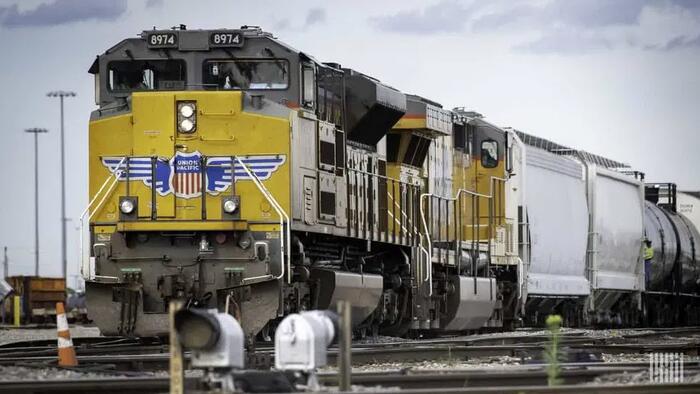
On July 29, Union Pacific (UP) and Norfolk Southern (NS) signed a contract worth 85 billion dollars. They will merge into one company that covers 50,000 route‑miles of track across 43 states. This will create a coast‑to‑coast system that handles everything from chemicals to fresh produce.
Why the Companies Think It Helps
- They say a single company can shave up to 48 hours from a railcar’s total travel time.
- All paperwork will be handled by one system instead of flipping between two operators.
- Trains will move without waiting for another company’s clearance at the border.
Who Says It Won’t Work
The Freight Rail Customer Alliance (FRCA) is a trade group that represents about 3,500 companies in chemicals, manufacturing, agriculture and energy. These members meet every year to share their concerns and ideas. The group has a long record of speaking out against big mergers.
FRCA president Emily Regis says history reveals that when rail companies merge, costs rise and service suffers. “The Freight Rail Customer Alliance has long been opposed to continued consolidation in the rail industry based on past experiences resulting in increased rates, higher fees and unreliable service,” she told FreightWaves.
What Past Mergers Have Done
When two rail companies have joined before, a few patterns appear:
- Customers pay more for each shipment.
- Fees creep in from hidden charges.
- Schedules get messy, causing delays.
These are the same problems that the FRCA wants to avoid. They fear that the new company will do the same thing.
Why People Care
Every American business depends on freight rail to move goods. If rail rates go up, those businesses must raise their own prices. Consumers then face higher prices at the store. That is why customers of chemical plants, car factories and farms are very interested in how this merger will affect them.
What the Merger Promises
- A single “border” that eliminates the hand‑off between two operators.
- One software platform that tracks a journey from start to finish.
- Shorter total delivery times, which should save money for shippers.
What FRCA Wants Instead
- Rates that stay flat or go down.
- Transparent fees so customers know what they pay.
- Consistent schedules that do not change at company borders.
Bottom Line
UP and NS are betting on a bigger, faster network that should bring benefits to industries across the country. The FRCA, however, urges caution. They warn that history shows an increase in cost and a lack of reliability after past mergers. The next months will reveal whether the new company lives up to its promises or repeats the patterns of the past.
What the FRCA Is Saying About U.S. Rail Freight
FRCA stands for the Freight Rail Consumer Association. It’s a group that watches freight rail for consumers, shippers, and communities. They’ve noticed a big change in the rail business since 1980, and they want more fairness for all who depend on rail to move goods.
Why The Rail Industry Is Smaller Now
Since the Staggers Rail Act of 1980, freight rail companies were freed from many heavy regulations. At first, this meant more freedom for the railway owners. But over time it also opened the market to other transportation methods, especially trucks. The number of big rail carriers, called Class I carriers, fell from about forty to just six.
Those six carriers now handle about 90 percent of all freight hauled by rail across the United States. When you see the trend, you realize the power, and the work, is all in a few hands. The rest of the small and mid‑size railers have partly disappeared or been taken over.
How This Affects Shipments
The bigger carriers own most routes and the major hubs. They decide on schedules, rates, and track access. This concentration can bite shippers that rely on rail to move bulk items such as coal, grain or chemicals. When pricing gets higher or train services are slower, shippers may switch to trucks.
Over the last twenty years, truck transport has taken more business because of poor service and high rates from the few remaining rail carriers. Yet, despite losing market share to trucks, rail companies have kept boosting their earnings and shrinking their operating costs.
Market Power Is a Big Concern
Ann Warner, a spokesperson for the FRCA, explained that this growing “market power” is a real worry. It’s when a company can set prices or change services with little competition to balance it out.
She pointed out that the rail carriers might be pushing shippers into contracts that sit outside the jurisdiction of the Surface Transportation Board (STB). These contracts lack adequate service guarantees and protect shippers from hefty or rising fees.
So even if a company claims it saved money through something called Precision Scheduled Railroading (PSR), the savings are not passed to shippers. They’re kept for the rail owners or shared with shareholders, leaving almost no benefit for those who actually send goods by rail.
What “Precision Scheduled Railroading” Is About
PSR is a way for rail companies to streamline operations. They focus on running trains on a strict timetable, dropping unnecessary stops, and improving efficiency. The idea is to cut operating ratios – a measure of how much the company spends relative to the revenue it brings in.
But according to the FRCA, these efficiencies are not shared. The rail carriers keep the gains, and the shipping companies feel left out. They are told to handle all costs themselves, even though the rail company improves performance.
What The STB Can Do
The STB’s job is to regulate the freight rates and terms that are publicly announced. They can approve or reject the proposed merger between Union Pacific (UP) and Norfolk Southern (NS), or a similar deal. But the STB does not have authority over private contracts shippers may agree to with rail carriers.
Because shippers often have a choice between different carriers, the STB needs to make sure these choices are fair. The agency can set rules that carry to help shippers get reliable service and prevent unfair fees or access issues.
However, it’s unclear how a tighter set of rules – for example, stricter guidelines about merging rail companies – would help larger shippers that move bulk freight. Those shippers often use “unit trains” that carry one commodity from point to point.
Unit Trains Explained
A unit train is a single train that carries a single product, like coal or grain. It moves directly from the source location to the destination, without stops at intermediate places. This reduces handling and speeds up the transit time.
Because unit train shippers rely on one rail company to move their entire load, they are more vulnerable if that carrier becomes too powerful or tries to hike a fee. Therefore, competition among carriers matters a lot to keep freight costs reasonable.
Reflections from FRCA Members
Frank Regis, a spokesperson for the FRCA, emphasized that a transcontinental merger brings a chance for better competition, especially for those who ship via unit trains. The idea is that a single carrier could offer better service or lower rates than when multiple carriers compete for the same shipment.
He said the key for shippers is guaranteed competition. When competition is assured, shippers get higher service quality and better pricing. The STB should enforce that competition, not leave it solely to market forces.
There’s also a worry about how long it would take for a new merger to actually improve the service. When past mergers happened, some shippers saw service disruptions or falling standards. It’s hard to avoid these headaches.
Why Freight Volume Matters
Every year, about one and a half billion tons of cargo pass through U.S. raillines. Roughly half is bulk material – such as coal, grain, or other large products that require unit trains.
When only a few carriers handle this huge amount, the risk of higher costs or lower service is high. So it is very important that any merger preserves or improves competition, especially for the shippers that depend on bulk goods to run their businesses.
The FRCA Plans to Watch the Mergers
Ann Warner said that the FRCA is ready to stay behind the scenes and help if a formal merger application is submitted. They want to provide feedback, ask questions, and help shape decisions that keep the rail industry fair and efficient.
The group believes that shippers should know that the rail industry still has an obligation to offer reliable service and reasonable rates. Even with a huge merger, the STB must watch closely to ensure shippers get what they need to succeed.
What This Means for Everyone
When a railroad company merges with another, the goal is to make the network smoother, cheaper, and faster for everyone. But it also gives those companies more control over tracks, freight rates, and service schedules.
If the control is too much, shippers might lose choice or unfairly face high rates. That’s why the STB matters – it reviews any merger to make sure the public, not just the company, benefits.
The FRCA sees the big question: Will a transcontinental merger actually lead to a better rail system for shippers, especially those that move big, batch commodities? The group wants evidence that any potential improvement will happen soon and will keep rail services intact and strong.
Looking Ahead
There are plans for the STB to set stricter rules for how rail mergers are reviewed in the future. This means they will look more closely at how a merged company will affect freight rates, service quality, and competition.
We’ll see if these new rules help the carriers stay healthy while protecting shippers and customers. If the outcomes are positive, shippers will have fair rates and reliable trucking. If it goes the other way, the state may need to intervene to help the public.
Overall, the FRCA’s voice reminds us that rail freight should serve the public and the economy, not just the owners. Their goal is to keep the rail ladder robust, protected, and true to its purpose: moving goods safely and efficiently across the country.