Tag: bed4ba19931d4bad9e9baedcd606f89f

  • Mosquito-borne diseases are a growing problem in Europe. How can they be kept in check?

    Mosquito-borne diseases are a growing problem in Europe. How can they be kept in check?

    Some climate researchers believe diseases typically found in tropical regions, such as dengue and chikungunya, could become endemic in Europe.

    ADVERTISEMENT

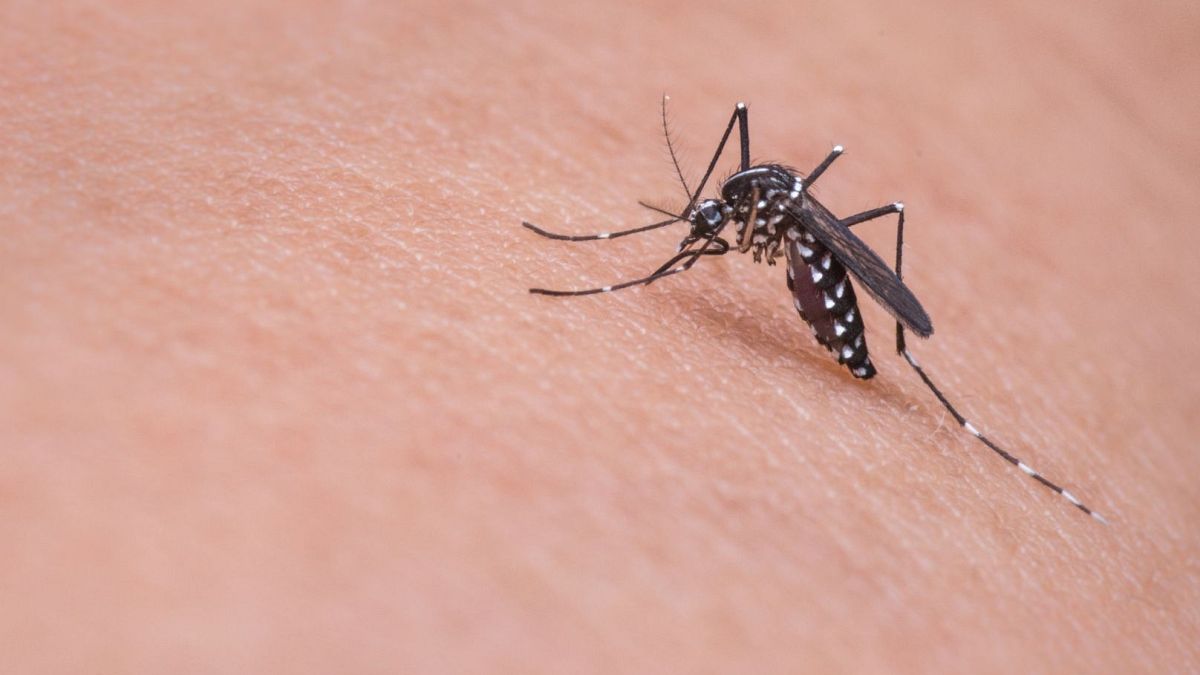
    Europe is in for a long, hot summer – and with it, a swarm of mosquitoes.
    The insects are more than just pesky. Some mosquito species carry illnesses such as Zika, West Nile virus, dengue, and chikungunya – and outbreaks of these diseases, typically found in tropical and subtropical climates, are becoming more common in Europe as a result of increased travel and warmer weather driven by climate change.

    Last year, there were 1,436 cases of West Nile virus and 304 dengue infections acquired in Europe, up from 201 the previous two years combined, according to the European Centre for Disease Prevention and Control (ECDC).
    Italy made up 238 of those dengue cases, the largest outbreak the bloc has ever seen.
    This may be another record-breaking year. France already has seven active outbreaks of chikungunya this summer, which the ECDC said indicates the mosquito season started earlier than usual.
    “It’s an exponential curve,” Jan Semenza, an environmental epidemiologist at Umeå University in Sweden, told Euronews Health.
    Dengue can spread easily because most infected people have no or mild symptoms, but it can cause severe illness and death. The most common symptoms are fever, headache, body aches, nausea, and rash.

    Chikungunya is rarely fatal, but it can cause similar symptoms to dengue as well as debilitating joint pain that can last months or even years.

    Related

    West Nile virus detected in UK mosquitoes for first time as climate change linked to spread

    Semenza and other scientists believe these diseases could soon become endemic in Europe.
    One recent study found that if a new mosquito species arrived in a European country in the 1990s, it would take about 25 years for a major outbreak to occur. Now, it’s under five years.

    “That time span has collapsed dramatically,” Semenza said.
    Outbreaks in Europe are still small compared to the rest of the globe. So far in 2025, there have been more than three million dengue cases and 220,000 chikungunya cases worldwide. More than 1,400 people have died from dengue and there have been 80 chikungunya deaths worldwide.
    But other vector-borne diseases could soon emerge as public health threats, as well. The mosquito species that spreads yellow fever, once eliminated in Europe, has reappeared in Cyprus.
    “We are very concerned that Europe could potentially be invaded by this aggressive mosquito,” Semenza said.

    What can be done to combat mosquito-borne diseases?

    Semenza said that while it’s impossible to eliminate mosquitoes altogether, governments can do more to prevent them from spreading disease. They could, for example, boost surveillance in hotter southern European countries during the summer, particularly around airports and other transit hubs where people might unknowingly bring viruses in.

    Related

    Scientists discover drug that could make human blood deadly to mosquitos in fight against malaria

    “We want to make sure that if a passenger arrives from a dengue-active area, that if that person has the virus in [their] blood, we would like to isolate that individual as quickly as possible to make sure that he or she doesn’t get bitten by a mosquito, because then you have these larger outbreaks,” Semenza said.
    Spain is taking some steps to minimise the risks. People can submit photos of mosquitoes to an app that uses artificial intelligence (AI) to identify the species and issue an alert if it hasn’t been detected in that area before. Regional health authorities can then take steps to prevent infections.
    This “citizen science” programme has helped officials identify invasive Asian tiger mosquitoes, which can carry dengue and chikungunya viruses, in 156 municipalities since 2023, according to the Spanish health ministry.
    Meanwhile, the ECDC said people can take steps to minimise their own risks from mosquitoes , including using insect repellent and wearing long sleeves and trousers at dusk and dawn, when mosquitoes are most active.

    Related

    Bleeding the planet dry? Climate change could unlock new threat to the world’s blood supply

    Travellers returning from countries where these viruses are endemic – most parts of Central America, South America, and the Caribbean – should maintain these precautions for at least three weeks after their return to Europe to prevent mosquitoes from biting them and spreading any viruses locally, the agency said.
    Other climate scientists say European countries grappling with the reemergence of mosquito-borne diseases should take lessons from regions where they have long been endemic, such as sub-Saharan Africa, Asia, and the Americas.
    “In Europe, it’s definitely a seasonal disease,” Semenza said. “But we see the season expanding, and we’ll see more and more cases”.
  • Oil rises and Europe's markets open lower after US strikes on Iran

    Oil rises and Europe's markets open lower after US strikes on Iran

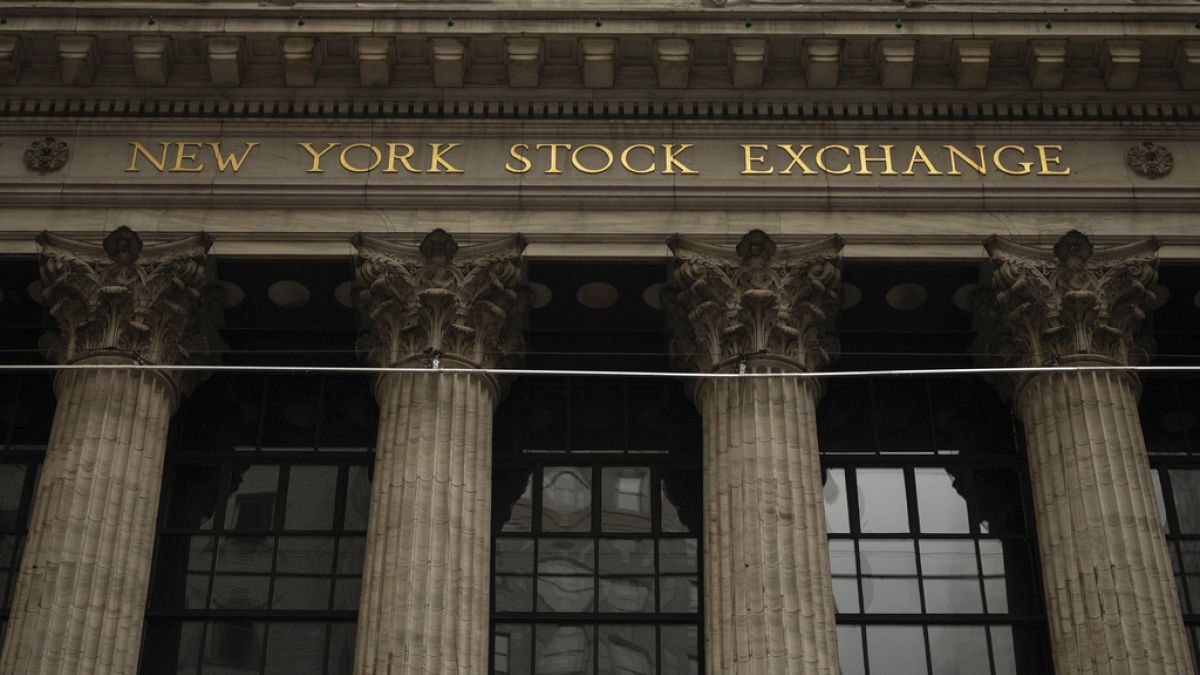
    The price of oil rose and stock markets fell as investors reacted to the US strikes against nuclear targets in Iran.

    ADVERTISEMENT

    Investors reacted to US strikes on Iran over the weekend as Iran and Israel continued to trade missile fire on Monday morning.
    The price of Brent crude oil rose around 1.53% to $78.19 a barrel as of around 7.15 CEST, while WTI rose 1.48% to $74.93 a barrel.

    On Sunday, US forces attacked three Iranian nuclear and military sites, stating that Tehran must not be allowed to possess a nuclear weapon.
    President of Iran Masoud Pezeshkian said that the country “will never surrender to bullying and oppression”, while Iranian foreign minister Abbas Araghchi has arrived in Moscow for talks with Russian president Vladimir Putin.
    European markets opened in the red on Monday as investors digested the news.
    The FTSE 100 was down 0.28% to 8,749.98, the CAC 40 fell 0.66% to 7,539.68, the DAX slipped 0.55% to 23,222.90, while the FTSE MIB dropped 0.97% to 38,852.55.
    The STOXX 600 fell 0.28% to 535.03 while the EURO STOXX 50 dropped 0.26% to 5,220.02.

    Over in the US, futures for the S&P 500 slipped 0.13% to 6,010.25 and Dow Jones Industrial Average futures dropped 0.2% to 42,431.00. Nasdaq futures fell 0.18% to 21,804.50 on Monday morning.
    In Asian trading, Tokyo’s Nikkei 225 index fell 0.19% to 38,331.12, the Kospi in Seoul dropped 0.3% to 3,012.88, and Australia’s S&P/ASX 200 declined 0.37% to 8,474.40.
    Hong Kong’s Hang Seng and the Shanghai Composite Index were in positive territory, with respective gains of 0.35% to 23,611.68 and 0.13% to 3,364.29.

    Related

    Energy in Europe is also at stake as Israel-Iran conflict escalatesIsrael-Iran conflict fuels best month for energy stocks since 2022

    The conflict, which flared up after an Israeli attack against Iran on 13 June, has sent oil prices higher linked to Iran’s status as a major oil producer.
    The nation is also located on the narrow Strait of Hormuz, through which much of the world’s crude oil passes.
    Investors are concerned that Tehran might decide to bomb oil infrastructure in neighbouring countries or block tankers from travelling through the Strait of Hormuz.
    Shipping company Maersk said on Sunday that it was continuing to operate through the strait, adding: “We will continuously monitor the security risk to our specific vessels in the region and are ready to take operational actions as needed.”
    According to vessel tracking data compiled by Bloomberg, two supertankers Coswisdom Lake and South Loyalty U-turned in the Strait of Hormuz on Sunday.
    The situation now hinges on whether Tehran decides to opt for aggression or a more diplomatic response to US and Israeli strikes.
    Iran could attempt to close the waterway by setting mines across the Strait or striking and seizing vessels. Even so, this would likely be met by a forceful response from the US navy, meaning the oil price spike may not be sustained.
    Some analysts also think Iran is unlikely to close down the waterway because the country uses it to transport its own crude, mostly to China, and oil is a major revenue source for the regime.
    If Tehran did successfully close the Strait, this would cause a wider price spike for transported goods and complicate the deflationary process in the US, potentially keeping interest rates higher for longer.
    On Monday morning, Trump also floated the possibility of regime change in Iran.
    “If the current Iranian regime is unable to make Iran great again, why wouldn’t there be regime change?” said the US president on Truth Social.
    Vice president J.D. Vance had commented earlier that the administration did not seek regime change in Iran.

  • China Sees Thousands of Chikungunya Cases as Mosquito‑Borne Virus Rises

    Foshan’s fight against the virus: What’s happening right now

    Foshan is still the lead‑character in the story of the outbreak, with a steady stream of patients heading to hospitals every day. The city’s residents are being urged to stay on the front line by taking practical steps to keep the virus at bay.

    Key points at a glance:

    • More people are being admitted for treatment as case numbers rise.
    • Healthcare facilities are stretched thin, so staying healthy is more important than ever.
    • The local government is calling on everyone to follow simple and effective preventive measures.

    What you can do to help:

    1. Wear a mask everywhere you go.
    2. Wash your hands for at least 20 seconds, every time you touch a surface.
    3. Keep a safe distance—at least 6 feet—from people who aren’t in your household.
    4. Stay home if you feel sick, and follow official guidance for testing and isolation.

    By taking these steps, you’ll protect not only yourself but also your neighbors and the hardworking healthcare team that’s battling this crisis day after day.

    Chikungunya in China: The Mosquito Mayhem Unleashed

    What’s Happening?

    China’s southern region is suddenly sizzling with a surge of chikungunya infections—an old enemy that’s now showing up like a surprise party in Guangdong.

    • Over 7,000 confirmed cases this year, all hunched around the city of Foshan.
    • About 3,000 new infections appeared in just the last week, ruffling the calm like a prank.
    • Authorities point to an “imported case” as the spark, but the exact source remains under wraps.
    • Three dozen other cities in Guangdong have listed cases—so the mosquito network is wide and wild.
    • Hong Kong reports its first case: a 12‑year‑old boy who visited Foshan before turning up with fever, rash, and swollen joints.

    The Mosquito‑Covered Night

    Hospitals in Foshan are now a hive of activity, with patients drifting into dreams under heavy mosquito nets—those unspoken “party hats” that prevent the bite space.”
    CCTV footage shows a ripple of patients sleeping in little nets, turning inner walls into a mosquito‑free zone.

    How Serious Is It?

    Honestly, the authorities say most infections are mild, and patients bounce back quickly. Doctor’s orders: chill out, rest, stay outdoors at dusk. Yet, the flood is still “highly alarming,” especially for a country where outbreaks are a rare beast.

    Bottom Line

    While the rash looks severe, the mood? “Is the mosquito the devil or just an overstuffed ‘insect’?”—the answer’s in the stats. The only certainty: keep your net handy, watch the weather, and if you’re in Guangdong, stay low on the wing! Stay mosquito‑smart, stay healthy.

    What is chikungunya and how does it spread?

    Chikungunya: The Mosquito’s Tour Guide to Awkward Pain

    First spotted in 1952 in Tanzania, chikungunya has since taken a jet‑packed trip to over 110 countries, with stops in Africa, Southeast Asia, and the Pacific.

    What Happens After the Bite?

    • High fever that feels like a ticket to a sauna.
    • A rash that looks like a splash of paint on your skin.
    • Muscle aches that yell, “You’re not a dancer yet!”
    • Headaches that think the world is on a roller coaster.
    • Nausea that hints you might want to dump your worries.
    • Swollen joints asking, “Why so dramatic?”

    Will You Bounce Back?

    Most people recover within a week – that’s the headline. But some people’s joints keep waving a sad flag, and the pain can stick around for months or even years. The World Health Organization says deaths are as rare as winning the lottery.

    Why There’s No Easy Fix

    No vaccine has hit the shelves yet and there’s no specific treatment for the virus. The only way it spreads is through an infected mosquito’s bite, not through a handshake.

    What is China doing to curb the outbreak?

    Guangdong Takes a Stand Against Mosquito Mania

    In a bold move to keep the pesky mosquitoes at bay, Guangdong officials are rolling out a full‑scale assault on the bugs’ breeding haunts. The plan? Sweep away every splash of stagnant water that dares to sit on a patio or in a forgotten flower pot.

    Why the Battle is About Water

    • Stagnant water is the perfect hotel for mosquitoes – an overnight department that feeds them.
    • Even the tiniest puddles in coffee machine trays or bottle caps are like overnight party spots for the little pests.
    • With every splash cleared, the likelihood of a mosquito‑needing buzz drops dramatically.

    Non‑Compliance? Pay the Price

    Residents who let their homes become a water‑filled playground could face fines of up to 10,000 yuan (€1,208). That’s like paying for an entire family toilet repair!

    Foshan’s Tactical Swarm‑Dec—ctrl Plan

    • Fish Power: Thousands of mosquito‑eating fish were released last week into lakes and other water bodies, turning the fish into the ultimate mosquito ninjas.
    • Drones on Duty: High‑tech drones scannin’ every corner of the city to spot hidden pockets of water no one can reach.

    CDC’s Cautionary Checklist

    The Chinese Center for Disease Control and Prevention has handed out a handy guide for keeping the dreaded chikungunya and dengue fever away:

    • Keep your home locked with streamlined screens and nets.
    • Use a mosquito net over your bed like a summer blanket for mosquitoes.
    • Spray mosquito repellent like a gentle mist on outdoor spaces.

    With these measures, Guangdong is turning the tide against mosquito‑borne woes, ensuring residents can reclaim those sunny evenings without a high‑pitch chirping chorus. Stay water‑free, stay safe!

    Mosquito-borne viruses in Europe

    Swarming Mosquitoes Bring a Double‑Dose of Trouble to Europe

    Chikungunya Hits France and Italy

    Just under a month ago, the European Centre for Disease Prevention and Control (ECDC) shrugged up a quick bulletin: France now has 49 chikungunya cases and Italy is keeping its count low at 2. Funny how a disease named chikungunya—which is half-Shakespeare, half‑safari—still manages to get people talking.

    West Nile Virus Adds a Bitter Twist

    While the French and Italians are chasing mosquitoes that carry chikungunya, the West Nile virus (the original “bite‑and‑yay” culprit) is squeezing the life out of older folks across Italy. A 93‑year‑old woman in the Lazio region led the nation’s death toll to 10 this year—the latest addition, and a stark reminder that age is a major factor in monkey‑pox‑ish mosquito infections.

    What the Italian Health Desk Tells Us

    The Italian National Institute of Health has reported 57 new West Nile cases in the last week of July. The neuro‑invasive form is doing a lethal dance with a 20% fatality rate this year (up from 14% in 2024), so if you’re planning to visit any Italian lakes, don’t forget your SPF.

    Where the Boom is Happening
    • Italy – 43 infections reported, primarily in the province of Latina.
    • Greece, Romania, Bulgaria, and France – Each has confirmed West Nile infections this season.
    Bottom Line

    Whether it’s the goofy ticklish aches of chikungunya or the downright nasty neurological shocks of West Nile, Europe’s mosquito‑borne threats are proving that these little insects aren’t going anywhere anytime soon. Keep your bug spray handy, and remember: the only thing worse than a mosquito bite is a mosquito bite that’s a return ticket to a hospital visit.

  • US Warns of Iran’s Subtle Cyber Threats Following Nuclear Strike

    US Prepares for a Wave of Cyber Guerilla Warfare

    The United States is gearing up for “low‑level cyber attacks” in the aftermath of its recent strikes on Iranian nuclear sites.

    Why the Alarm Bells Are Ringing

    • Fast‑Track Retaliation: Even if traditional sensors haven’t detected a major missile launch, cyber skirmishes can erupt almost instantly.
    • Targeted Tactics: Think small‑scale sabotage—toggling alarm lights, doodling on the inbox, or sprinkling harmless pop‑ups into critical command systems.
    • “Low‑Level” Means Anything Less than a Full‑Scale Attack: We’re talking about nimble, low‑profile moves that can still shake operations.

    What the U.S. Is Doing to Keep Its Systems Safe

    • Revamping Cyber Defenses: Upgrading firewalls, hardening servers, and spinning up rapid‑response teams.
    • Learning from the Past: After the 2022 storm on oil imports, protocols have been fine‑tuned to handle “small” threats.
    • Open‑Source Playbooks: Firms are sharing intel so the entire industry can stay on guard.
    How It Feels for the Front‑Line Workers

    Picture this: Your coffee is brewing next to a fierce battle between code and counter‑code. Every push to a production server feels a bit like a game of “Dodge the Virus,” and each successful patch is a triumphant victory dance.

    Smart Humor, Warm Energy: A Quick Take

    “Who knew that a bomber’s echo on the night of May 20 could translate into a click‑to‑click showdown?” chuckles one analyst. “If it’s a low‑level swirl, we’re all on the standby, ready to hit ‘save’ and pray it doesn’t scramble our passwords.”

    DHS Issues a Friendly Warning About Iran’s Possible Low‑Level Cyber Attacks

    Hey folks, the U.S. Department of Homeland Security (DHS) has weighed in on a pretty interesting threat: Iran might be looking to launch low‑level cyber attacks as a response to the recent strikes on its nuclear facilities. Not a major fireworks display, but more of a subtle “ping” than a full‑blown cyber storm.

    What the DHS Bulletin Tells Us

    • There’s no confirmed threat targeting the U.S. at the moment.
    • The agency says there’s a “possibility” that cyber attacks, acts of violence and antisemitic hate crimes could appear.
    • Kristi Noem, the Secretary of Homeland Security, highlighted this mix of potential threats in a statement that’s almost akin to a weather report: “There is a chance we may see…,” with a note that we’re covering it just in case.

    Hopeful Musings on Iran’s Cyber Playbook

    According to a March report from the Department of National Intelligence (DNI), Iran’s cyber operations are seen as a “major threat to the security of U.S. networks and data.”
    That’s like saying your neighbor is a noisy musician—except this musician plays with power lines and data streams!

    What If Iran Decides to Retaliate?

    We’re not just pointing to the future—let’s imagine the scenario: If Iran were to launch cyberattacks against U.S. infrastructure, we could see a cascade of system glitches, data breaches, and maybe a few bad PR moments. Imagine the headlines: “Nation’s Power Grid on Raw and Iran’s Cyber Team in Hot Seat.” Of course, there’s also the possibility of trolls and “improper” comments online, meant to stir unrest.

    Bottom Line for 2025

    While DHS assures us there’s no immediate danger, they’re keeping their eyes on the horizon. We’ll keep sharing updates, so stay tuned—and keep your passwords strong when the feeling of “cyber fuzz” creeps up.

    Breaches of US government bodies, emails possible

    Iran’s Cyber Rampage: When the Bad Boys Meet the Net

    Picture a bunch of cyber‑agents with a fancy backpack full of malware, heading straight for the back‑doors of American networks. That’s the reality current security reports call the Iranian cyber spree.

    Who’s at the Table?

    • DHS – Selling the news that the Iranian Revolutionary Guard (IRGC) – tagged as a foreign terrorist group since 2019 – keeps bugging U.S. systems for a good laugh.
    • US CISA – Claims these hackers ain’t shy about targeting the “critical infrastructure” you rely on every day, from transportation grids to hospitals.
    • FBI – Adds that a 2012 flood of 46 DDoS attacks tried to lock out bank customers from giants like American Express and Wells Fargo.

    Case Studies That Make Your Head Spin

    From a children’s hospital in the U.S. to a dam in New York, and even the water pipes of Pennsylvania, the Iranian state‑backed crew hacked places you’d never think they’d hit.

    And it doesn’t stop there. There’s a ring of shady merchants secretly selling stolen data on cyber‑crime forums – and some of that info gets repurposed for even nastier attacks.

    Companies on High Alert

    In summer 2024, the Food & Ag‑ISAC and IT‑ISAC bet on the worst: an uptick in cyber attacks from Iran.

    • On June 13, both agencies dropped a red‑flag memo, urging firms to brace for the next Iranian push.
    • They warned about “brute‑force” stealer tricks: password spraying, multifactor “push bombing,” and a barrage of phone notification spam to crack Microsoft 365, Azure, and Citrix accounts.

    Enter the Cyber Spy Game

    Like some online burglary squad, the Iranian actors ran a large‑scale email invasion campaign:

    • They infiltrated key government office mailboxes.
    • Last year, a team managed to hack a President Donald Trump campaign staffer’s email, then sent a “spear‑phishing” blast to the entire team.
    • Once inside, they baited journalists into leaking the juicy data they’d collected.

    Past Sneak Attacks

    Dating back to 2018, 2019, and 2020, these cyber‑baddies siphoned valuable intel from U.S. aerospace firms, satellite makers, and universities. It’s a stealthy trend, and the authorities are tightening their alarms.

    Bottom line? If you’re running a company, a school or a governing body, you’ll do better off keeping your cybersecurity guards on a 24‑hour shift.

    The role of hactivists

    Who’s Really Trying to Take on the US? 2025 Edition

    Think of a worldwide digital fire‑fight that began on June 13, after Iran’s diplomatic stir with Israel. Fast‑forward a week, and an American cyber‑security firm called Radware uncovered 100 activist groups that sprung up like wildflowers in springtime. These crews aren’t just battling evolution—they’ve opened a Pandora’s box of threats aimed straight at the US.

    Meet the “Mr. Hamza” and DieNet Dream Team

    • Mr. Hamza – The headline grabber. They joined forces with DieNet and a handful of other freelance hacktivists.
    • Mission: “If the US teams up against Iran, we’ll smash its digital bones.”

    “June 22” Anonymous Telegram Post

    Mr. Hamza flaunted their supposed assaults on US Air Force hubs: the training platform, mission‑critical ops, and even the in‑house cloud program. They claim success stories against defense giants like RTX, Sierra Nevada Corp., and Aurora Flight Sciences (yes, the Boeing wing!). Whether that’s true is still under investigation by reporters—Euronews Next is on the hunt.

    DieNet’s Playbook

    From its Telegram feed, DieNet has a three‑point attack plan:

    • Big data breaches.
    • Massive DDoS assaults on federal hinges.
    • Ransomware—poking a classic evil‑nerd routine.

    Radware spotted DieNet as a fresh face from 2025 that already boasted 61 attacks on 19 U.S. targets between March 11 and 17 (talk about speed). One incursion even siphoned a lot of data from the International Trade Administration and U.S. Department of Commerce.

    In the March alert, Radware bluntly labeled DieNet’s campaign as “politically charged.” They scribe their motives as a backlash against former President Trump’s “cross‑fire” policies, dubbing their fury a direct reaction to U.S. military interventions.

    State‑Sponsored Supporters? 100+ Groups!

    Beyond the grassroots, Iran has run a plethora of government‑backed hacking outfits that have toyed with Israel in the past: Muddy Water, APT35 (OilRig), APT35 (Charming Kitten), and APT39 (Remix Kitten). Radware’s analysis shows a cascading network of power that would rope in these groups for a collective push against U.S. targets.

    Bottom line

    In the digital age, if you think a retaliation shot is all about missile and warplanes, think again. Cyber‑attacks and data‑theft piped into the infrastructure battlefield are the new frontlines. Will Iran cross this line against the US? Time (and a tech‑hawk’s radar) will tell.

    Click below for the associated read‑more link about whether Iran can actually attack the U.S., and the potential hotspots for a cyber‑war. (Note: There are no actual hyperlinks here—just the sentiment of curiosity.)

    Related
    • Can Iran attack the US now and how (and where) can it do it?
  • Rising visitor numbers are leaving a harmful human footprint on Antarctica’s ecosystems

    Rising visitor numbers are leaving a harmful human footprint on Antarctica’s ecosystems

    Annual visitors numbered fewer than 8,000 in the 1990s. Last year, more than 124,000 visited.

    ADVERTISEMENT

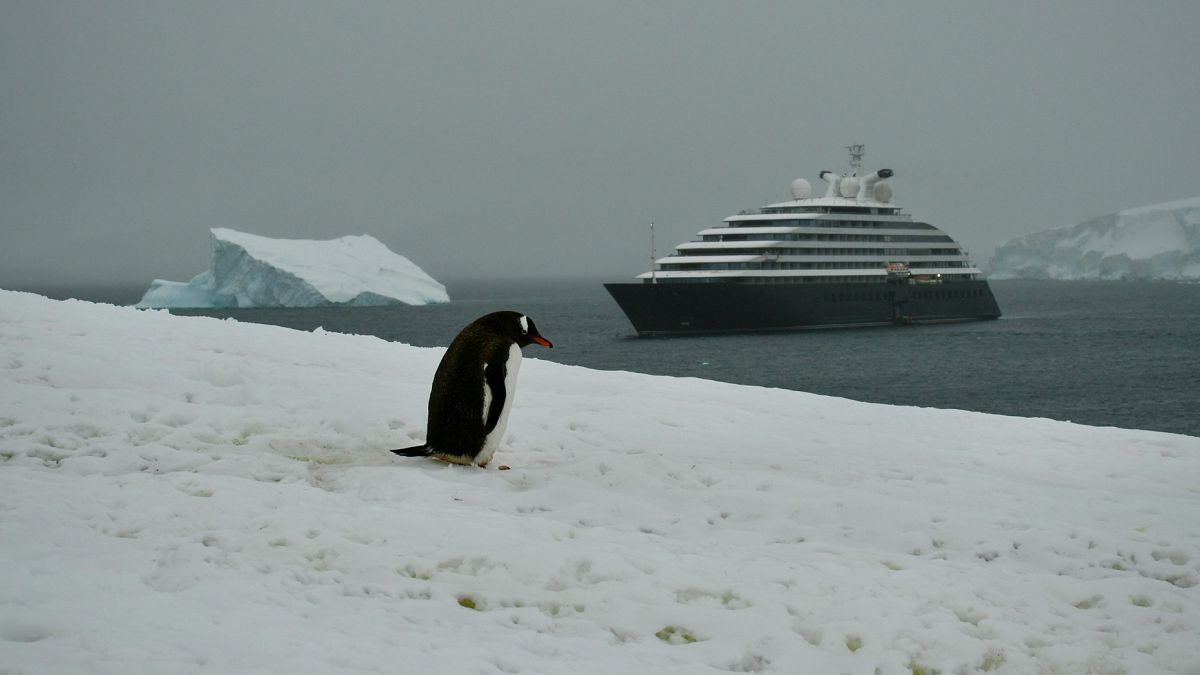
    Antarctica, Earth’s last great wilderness, is facing growing pressure from human activity.
    A new study published in Nature Sustainability warns that surging tourism and expanding research bases are polluting the southern continent, accelerating snow melting and threatening fragile ecosystems already at risk from climate change.

    Researchers from Chile, Germany and the Netherlands spent four years travelling 2,000 kilometres across Antarctica to measure contamination. They found that in areas where humans have an active presence, concentrations of toxic metals such as nickel, copper and lead are now 10 times higher than they were four decades ago.
    “The increasing human presence in Antarctica raises concerns about pollutants from fossil fuel combustion, including those from ships, aircraft, vehicles and supporting infrastructure,” the authors wrote.

    A rising tide of tourists

    Antarctic tourism has boomed.
    Fewer than 8,000 people visited annually in the 1990s. But during the 2023-24 season, there were more than 124,000, according to the International Association of Antarctica Tour Operators (IAATO), the agency that oversees tourism to the continent.
    The least conservative projections suggest that this figure could reach 450,000 by 2034.

    In that one season, 55 tour operators conducted nearly 570 voyages to the region. About two-thirds were passengers on smaller expedition vessels that allow landings on the continent.

    Related

    ‘Old statistics do not apply’: Record-breaking Arctic heatwave made 3C hotter by climate changePenguin poo creates clouds that help cool the planet, study finds

    In the 2024-25 season, 118,491 tourists have travelled to the region so far. More than 80,000 have set foot on Antarctic soil, and roughly 36,000 have seen it from ship decks.
    Even though the IAATO enforces guidelines, from limiting shore landings to mandating biosecurity checks, visiting itself could be the problem. Previous research has shown that the average tourist trip generates 5.44 tonnes of CO2 emissions per passenger.

    The physical toll of human presence

    Tourism leaves more than just a carbon footprint. Scientists say visitors disturb wildlife, trample fragile flora and increase the risk of introducing invasive species and diseases.
    But the most worrying impact might come from black carbon – soot produced by ship engines, aircraft and diesel generators. This darkens the snow, reducing its reflectivity and making it absorb more heat.
    “Snow melts faster in Antarctica due to the presence of polluting particles in areas frequented by tourists,” said Raul Cordero, a study co-author from the University of Groningen.
    “A single tourist can contribute to accelerating the melting of around 100 tons of snow.”
    That impact is compounded by research expeditions, which rely on heavy vehicles and long-term camps. According to the study, a single scientific mission can have ten times more of an impact than one tourist.

    Efforts to limit the damage

    There have been attempts to address the problem. The Antarctic Treaty bans the use of pollutants like heavy fuel oil. Many tour companies have begun introducing hybrid electric ships. The IAATO also coordinates ship movements to avoid congestion at landing sites and enforces wildlife-watching rules.

    Related

    The Arctic’s glaciers are retreating, exposing new coastlines that could trigger tsunamisWhy climate models miss the mark on Arctic warming – and how scientists are improving their accuracy

    But researchers say these measures are not enough – only a faster transition to renewable energy and cuts to fossil fuel use will address the damage.
    While the icy wilderness may look untouched to tourists viewing it from a cruise ship deck, the human footprint is melting Antarctica away beneath the surface.
    “Our results show that more remains to be done to reduce the burdens of human activities in Antarctica,” the study concluded.

  • Trump Applies 50% Tariffs on India to Pressure Russia

    Buckle Up: Brazil & India Dive into a 50% Tariff Deep‑Sea Adventure

    Why 50%? That’s Not Just a Half‑Extra Cake Slice

    • World’s Highest Blanket Tariff – Think of it as the biggest “hay‑stack” policy on the planet.
    • It’s a print‑shop of trade barriers, hitting every import with a single, heavy blow.
    • Both countries tired of being price‑pushed by competitors.

    India’s Russian Oil Shenanigans: A Sanctions Slip‑Through

    • India tries to drip‑drip its way into Russian oil markets.
    • Result? It’s like putting a tiny spacecraft into a pothole and hoping no one notices.

    • U.S. sanctions? Cracked like an old biscuit. India’s buying flow is sliding around them.
    • “What if the wolves want to eat the cheapest meat?” says a savvy economist.

    The Reactions That Made Google Think a Human Was Typing

    • Brazil’s Trade Ministry shouted a “no thank you” while sipping caipirinhas.
    • Indian officials mumbled about logistics but posted a GIF of a dancing tiger.
    • Trade watchdogs? They’re drafting more checkpoints than your high‑school geography tests.

    What the 50% Tariff Joins the World Snapshot

    • It’s a buy‑and‑sell conundrum that makes coffee prices feel modest.
    • Current global inflation has already been complicated by a blue‑sky trade storm.
    • “If tariffs had a personality, this would be a hawk wearing sneakers,” muses a market commentator.

    Bottom Line: The Future of Trade Looks Like a Hangover

    After all, trading with a 50% tariff doesn’t just peg prices; it throws a wrench into the global supply chain and may boost local manufacturing—but at a cost. So, citizens, keep an eye on your grocery bills, because the next big wave might just be the next discount pump.

    Trump Slaps India a 50% Tariff – The Big Slow‑Mo Blow

    Yesterday, President Donald Trump added a 25% “extra” tax to India’s already steep tariff on Russian oil, nudging the total levy to a whopping 50%.

    But Who’s the Other Big Target?

    • Only Brazil gets a full‑fifty calender‑year import tax on every single item.
    • Steel, aluminium, and copper – all 50% for every nation save the UK.

    Ready to roll? The order sticks after 21 days, giving both India and Russia a last‑minute window to negotiate a softer deal.

    India’s Economic Juggle and the China Factor

    India was long touted as the “China alternative” for US manufacturers looking to shift factories off the mainland. The new tariff could tip the scales, hitting a major Asian economy hard. Meanwhile, China—whom the US also buys Russian oil from—has a 30% blockade all over its goods, but is pushing for more favourable terms.

    Trump foreshadowed the blow in a press briefing on Tuesday, noting a meeting with Russia on Wednesday and the U.S. government’s goal of stalling Moscow’s war in Ukraine.

    “We’ll see what happens. We’ve got to decide at that time,” Trump said when asked about his tariff plans.

    India’s Not-So-Pleasant Reaction

    Foreign Ministry spokesperson Randhir Jaiswal called the new tariffs “unfortunate” and, more importantly, “unfair, unjustified, and unreasonable.” He warned that India would take “any actions necessary” to protect its interests.

    Jaiswal also shared India’s perspective: “Imports are driven by market dynamics and energy security for our 1.4 billion‑strong population.”

    What Experts Are Saying

    Ajay Srivastava, a former Indian trade official, slammed the move as putting India among the most heavily taxed U.S. partners—far above China, Vietnam, and Bangladesh.

    “We expect Indian goods to become significantly pricier, potentially cutting exports to the U.S. by 40‑50%,” Srivastava warned.

    He labeled Trump’s decision as hypocritical because China bought more Russian oil last year than India. “Washington avoids hitting Beijing due to China’s hold on critical minerals that are vital for U.S. defence and tech,” he said.

    Bottom Line: A Trade War Tale

    The 50% tariff is a hard hit for India and could reshape trade paths in Asia. While the Mughal‑style trade dance with Russia turns into a suit‑and‑tie showdown, it’s unclear how long the U.S. administration will hold out before the hard tugs of negotiation lead to a more measured, perhaps sweeter, outcome.

    Coming to terms with the deficit

    US & India Trade Drama: A Deficit, Some Sweet Imports, and Kremlin Chores

    Picture this: in 2024, the United States answered the point‑blank question of who was buying more from whom. The answer? America bought a lot more goods from India than India bought from the US. The Census Bureau’s numbers back that up: a whopping $45.8 billion (or €52.5 billion) trade deficit in goods. That means every time an American bought a shirt, a laptop, or a bottle of wine, it left a bit more money in India’s pockets.

    The Goodies Bought

    • Pharmaceutical drugs – because who doesn’t need a little medicine from down under?
    • Precious stones – those glittering jewels that make investors smile.
    • Textiles and apparel – bikinis, suits, and everything in between.
    • And a sprinkle of other exotic goods that make your grocery list extra interesting.

    India’s Stance on Ukraine Sanctions

    While the US and its allies have slapped sanctions on Moscow, India’s leaders have been a bit more reserved, saying they simply want peace. Their stance? “We’re not backing the sanctions, because we’re not in the business of shouting ‘go’ or ‘stop’.” So, India’s line is that they’re all for peace, but the cash doesn’t flow that easily.

    Why the Tariff’s So Steep

    Short answer: The U.S. is aiming to squeeze the Kremlin’s revenue. By putting a hefty tariff on Russian goods, the U.S. hopes to strip the Russian government of the budget needed to keep the war going in Ukraine. The ultimate goal? Getting the Russians to the negotiating table – and eventually a ceasefire that leads to long‑term peace.

    Pumping Oil’s Price Rollercoaster

    On the same day the new tariffs hit the headlines, the price of a barrel of oil slid down to $65.84 (or €75.53), a 1% dip. The drop says a lot about market reactions and the global tug‑of‑war between supply, demand, and political moves.

    So, in a nutshell: The U.S. is a bit on the losing side of the trade war with India, swinging big tariffs at Russia to cut up its war funding, and watching oil prices dip like a freestyle break‑dance move—all while trying to keep the peace and make the headlines a little less boring.

  • Can the EU Enforce Unified Rules on Sperm and Egg Donations?

    Super‑Sperm Surge: EU Calls for a Bumper Regulation

    Across Europe, the number of families popping up thanks to donated sperm is climbing faster than a viral meme. Yet the whirlwind of “super donors” – those tall, robust donors that market themselves like UFC champions – has splashed the continent with new drama.

    Why the Fuss?

    • Self‑Promoting Scams: Some donors push their elite status, promising a 100% “perfect” genetic match that sounds more like a glossy catalog than science.
    • Privacy Concerns: Parents want to stay anonymous, but some donors tease the public with personal bios and social media spots.
    • Market Instability: The hype spawns price escalations and a “battle” for the best blood, flipping the system into a leaky market economy.

    EU Response: A Unified Playbook

    Multiple EU nations have dropped a collective petition demanding:

    1. Standardised, clear rules that each country must enforce.
    2. Binding international limits on how much each donor can share.
    3. Monitoring mechanisms to track who can donate and how often.

    In plain English: We’re looking at a “No‑Cheaters” rule that keeps the cake fair for everyone.

    What’s Next?

    As lawmakers draft the new law, the conversation is heating up: Should the “super donors” be capped like top‑tier players in a sports league? Will an EU registry monitor them? These questions are already trending in the same way a hot playlist does on Spotify.

    Donor Born Dilemmas: Europe’s Surprising “Super Donors”

    When Parenthood Gets a Twisty Turn

    In the 21st century, having a family is no longer restricted to the traditional formula. Whether you’re late to the game, charting solo parentship, or swapping with a same‑sex partner, assisted reproductive technology (ART) is now the go‑to sidekick. Europe, in particular, is witnessing a surge in babies created through donor eggs and sperm.

    Regulation: A Patchwork Quilt

    The rules governing sperm and egg donation are baked into each country’s legal framework, meaning there’s no one‑size‑fits‑all handbook.

    • Cyprus – Only one child per donor.
    • Germany – Up to 15 children per donor.
    • Denmark – 12 families may use a single donor.
    • Sweden & Belgium – 6 families per donor.

    Commercial Banks and the “Unintended Upside Down” Factor

    Private sperm banks often march to their own beat, sometimes letting a donor father as many as 75 kids. These records aren’t just impressive; they’re also eyebrow‑raising.

    Case in Point: The Danish Donor with a Hidden Twist

    Recently, a Danish donor stumbled upon an ominous genetic mutation that hikes cancer risk. He unknowingly helped bring to life at least 67 babies across Europe—10 of them later diagnosed with cancer. Talk about a tragic twist in a once‑cheerful story.

    Why “Super Donors” Pose a Serious Threat

    • Unintentional Incest Risk: More children from a single donor heightens chances that some kids could end up mating unknowingly.
    • Genetic Spillage: Without proper safeguards, recessive or late‑onset conditions could spread like a bad meme.
    • Anonymity Quandary: Balancing donor privacy with public health safety is a tightrope walk.

    The Bottom Line

    As fertility clinics reach new horizons, Europe’s varying laws and the rise of high‑output donors call for tighter oversight. It’s time for a national conversation about how we safeguard next‑generation families.

    ©

    What’s the Real Deal With Sperm Donation?

    Picture this: you’re in Italy, Italy’s a land of pizza, pasta, and… anonymous sperm donations? Yes, that’s right! But hop over to the Netherlands and it’s a different story. And that’s not just a simple “yes or no” answer – there’s a whole spectrum of anonymity involved around the world.

    Know the Basics

    • Italy: Totally anonymous. The donor never has to meet the baby or the parents.
    • The Netherlands: Transparency is king. Donors are typically identifiable.
    • Austria: Only partially anonymous. The donor is anonymous between themselves and the recipients.

    Why the Confusion? The Age of Social Media & DNA

    Thanks to DNA ancestry tests and overnight viral social media circles, no one can guarantee 100% anonymity anymore. That means:

    • Half‑siblings might stumble across each other on a family tree website.
    • Waves of curiosity bubble up—“Who’s my dad?” becomes a real thing.
    • Families have to decide whether to embrace or keep silent about the donor.

    Challenges for the “Future Humans”

    For children, discovering their donor or half‑siblings can be a thrilling yet tumultuous experience. Their families, too, might find themselves asking hard questions about identity, legacy, and the whole “what if?” situation.

    Quick Takeaway

    Donor anonymity is not a one‑size-fits‑all deal. It varies by country, tech, and personal choice. So if you’re curious about where you might stand, it pays to do a bit of homework—this isn’t just a quirky curiosity, it’s a social and legal maze.

    A European Donor Registry

    EU Quizzes the Future of Sperm Donation Laws

    In a surprisingly cozy meeting that felt more like a round‑table at the EU’s breakfast spot, eight health ministers—Belgium, Finland, France, Hungary, Netherlands, Romania, Spain, and Sweden—decided to play matchmaker with sperm donation laws across Europe.

    Why the scramble?

    Across the continent, the rules are a bit… mish‑mash. Some countries open their gates wide, others keep them tightly shut. As a result, patients and donors start a spontaneous Cross‑Country Club:

    • Donors hop from one nation to another chasing the most lenient paperwork.
    • Patients head to the nearest front‑row—sometimes the next continent. Spain, by the way, takes on half of all egg‑donation procedures and even hosts patients from Latin America.

    What’s on the playing card?

    The ministers are pitching a European donor registry—think of it as a LinkedIn for sperm donors, except it’s the official recommend‑alumni list. The aim? Less legal loophole hopping, more coordinated care, and a tighter, continent‑wide safety net.

    Fun side‑note

    It turns out that auditing sperm donation rules could be the new party trick in Brussels, with everyone swapping insider trivia like “Did you know you can donate in Helsinki but will be processed in Paris?”

    ©

    Why a European Registry for Sperm & Eggs Donors Matters

    Elena Nevado del Campo, the vice‑chair of the EU public‑health committee, says a European registry isn’t just a nice idea – it’s a must. “We’ve got plenty of national laws that talk about registries, but the reality is, most of them never get put into play,” she told Euronews. “If we’re going to do the ethical thing, we’ve got to create an international system, especially since these donations travel beyond EU borders.”

    The Legal Landscape

    According to the Oviedo Convention – the Council of Europe’s treaty that sets out the ethical rules for biomedicine – the human body and its parts can’t be turned into a moneymaking machine. Yet, the commercial cryopreservation industry is already raking in profits from:

    • handling, freezing, and storing sperm and eggs
    • screening potential donors

    This cross‑border business is on an upward trajectory, and with it comes a growing list of ethical and public‑health concerns. A pan‑European registry could help keep everyone on the same page.

    What This Means for You

    In practice, it could mean:

    • Better tracking of where samples end up
    • Clearer rules for consent and data sharing
    • Safer, more consistent standards across countries

    So, while you might think it’s just a bureaucratic hassle, a European registry could really streamline everything and protect people’s rights. It’s a bit like giving every country a shared phone book for a smoother, ethical partnership.

    Want to see how this all works in action? Find the full coverage in the video below:

    [Video]

    Meet the Team

    Journalist: Mared Gwyn Jones
    Content production: Pilar Montero López
    Video production: Zacharia Vigneron
    Graphic design: Loredana Dumitră
    Editorial coordination: Ana Lázaro Bosch & Jeremy Fleming‑Jones

  • US confirms rare case of flesh-eating parasite. Here’s what to know about the New World screwworm

    US confirms rare case of flesh-eating parasite. Here’s what to know about the New World screwworm

    New World screwworm is a fly that lays its eggs in open wounds and body openings.

    ADVERTISEMENT

    A United States resident who traveled to El Salvador has been diagnosed with New World screwworm – the country’s first reported case tied to travel to a country with a current outbreak.
    The US Centers for Disease Control and Prevention (CDC) confirmed the diagnosis on Aug. 4. Federal health officials acknowledged the infection in an emailed statement Monday.

    The person has recovered, and investigators found no transmission to any other people or animals, according to health officials in Maryland, where the infected person lives.
    New World screwworm is a fly that lays its eggs in open wounds and body openings. The parasite is typically found in South America and the Caribbean.
    It is rare in humans but has been a concern to ranchers, as cattle infestations have been moving northward through Central America and Mexico. The CDC is working with the US Agriculture Department to prevent further spread, officials said.

    Related

    EU health authorities warn that mosquito-borne illnesses are at record highs

    The pest was a recurring problem for the American cattle industry for decades, with Florida and Texas known as hot spots, until the US largely eradicated it in the 1960s and 1970s.

    Given that history, the Maryland case is likely not the first time an American has ever been diagnosed with it, said Max Scott, a North Carolina State University researcher who has studied it.
    But this appears to be the first case in a US resident in quite a while, he said.
    Here’s what to know about the parasite.

    What is the New World screwworm?

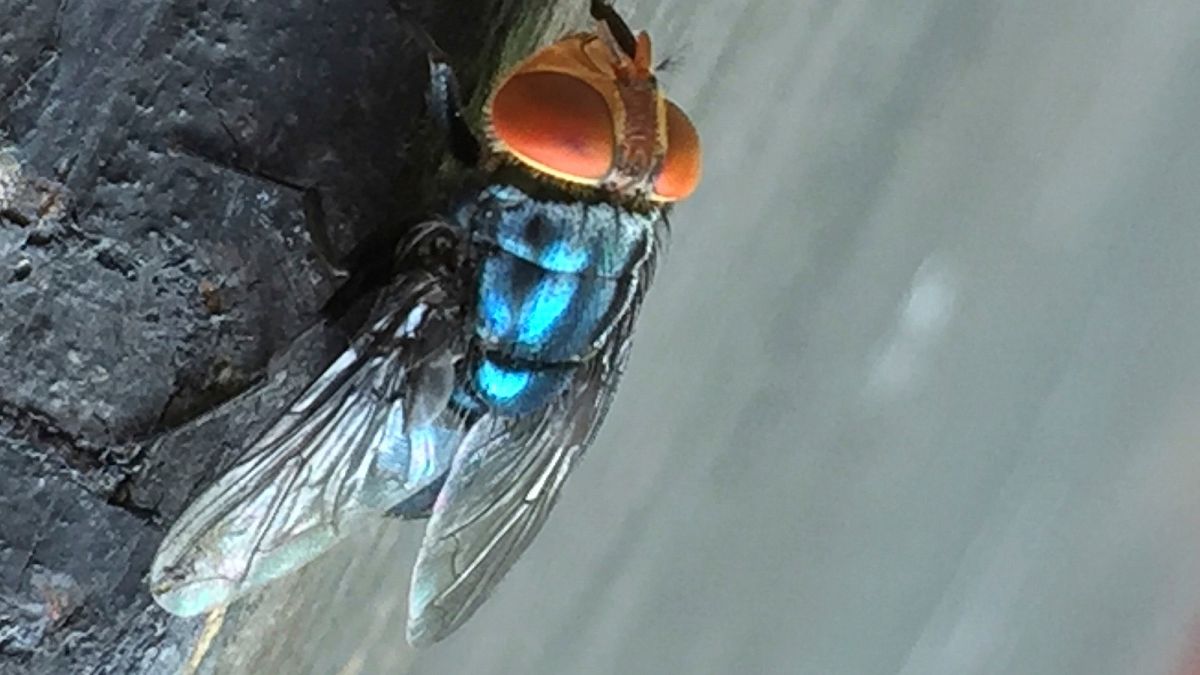
    The name refers to a blue-green blowfly that became somewhat infamous after infestations were reported in the 19th century at the Devil’s Island penal colony off the coast of South America.

    Its Latin species name roughly translates to “man eater,” Scott said.
    Female flies lay eggs in an open wound or in the nose, eyes, or mouth of an animal or person, which quickly grow into larvae that eat the flesh.
    The screwworm part of the name comes from those maggots, which can get up to 17 millimeters long and look like they are screwing themselves into the flesh.
    “It’s a nasty parasite,” Scott said.

    Related

    MIT scientists use AI to develop new antibiotics for stubborn gonorrhoea and MRSA

    What are the risks and symptoms for people?

    The larvae do not spread from person to person, and they pose a very low overall risk to the public, US health officials said.
    According to the CDC, people are at greater risk if they travel to areas with animal infestations and spend time among livestock, sleep outdoors, and have an open wound.
    Symptoms can also include painful, unexplained wounds or sores that do not heal. One telltale sign is seeing maggots around open sores. Another is a foul-smelling odor from the affected part of the body.

    How is it treated?

    Doctors have to remove the larvae, sometimes through surgery.
    Do not try to remove or dispose of the maggots yourself, the CDC says.

    Are more human or animal cases expected in the US?

    It’s possible.
    Scientists for decades were able to control the bug by releasing billions of sterilised male flies, but lapses in that work and the migration of people and animals helped them spread northward into Central America and Mexico more recently.

    Related

    France recalls soft cheeses after two people die in food poisoning outbreak

    There are new genetic techniques being developed to stop them, and the US government is ramping up its work to control the parasites. But they remain a concern.
    “I don’t know if it’s going to come back to the United States,” Scott said.
    If it does, the Texas-Mexico border area is likely to be the first place to see it, he said.

    What about Europe?

    Neither the New World screwworm or its close relative the Old World screwworm have become permanently established in Europe. The Old World screwworm can be found in parts of Asia, the Middle East, and tropical and sub-Saharan Africa.
    But sporadic cases could be possible due to international travel.

  • Can the EU establish common rules to limit sperm and egg donation?

    Sperm Donations: Europe’s Baby Boom or a Bumpy Road?

    In the past few years, the number of babies born using donor sperm has started to climb faster than a hot‑potato at a summer party. Baby‑making resources are flowing into Europe, but a recent controversy over so‑called “super donors” has got some governments scratching their heads.

    Why the Fuss?

    • Super Donors: These are donors holding a handful of “super‑status” cards that let them offer their precious sperm to a insane number of families. Think of it more like a high‑stakes poker player than a family blood‑donor.
    • Ethics Everypulse: Critics warn that an over‑abundance of one donor could remix the DNA of a nation’s future generation like a shoveltip smoothie—unpredictable and potentially risky.
    • Regulation Needed: Several EU countries are now pushing for international limits on how many children can trace their lineage back to a single donor.

    EU Governments Speak Up

    • Calls for a clear regulatory framework across the continent.
    • Proposals for global standards to ensure every child’s biological background remains balanced.
    • Right now, the debate is very much like a toddler arguing over who gets the last cookie—between fairness and freedom.

    Bottom line: While many admire the new ways of creating families, the rising crowd of super donors is prompting a push for check‑points and guidelines to keep the baby‑boom healthy and fair. Hoping the final result will slice a perfect balance between science, ethics, and a little sprinkle of humor.

    Why More Parents Are Going the Donor Route

    Think about it: when you’re ready to bring a child into the world, you’re no longer stuck with the old days of strict timelines and single‑partner expectations. Today, many people are choosing to start families later, by themselves, or with a same‑sex partner. The world of assisted reproductive technology—think IVF, egg and sperm donation—has opened doors that were once closed.

    Country‑by‑Country Rules Are All Over the Map

    • Cyprus lets a donor create just one child.
    • Germany permits up to 15 kids per donor.
    • Sweden and Belgium cap the number of families at six.
    • Denmark allows a generous 12 families.

    And then there are the businesses that operate sperm banks on their own terms… some of those “commercial” folks set limits that can let a single donor father a whopping 75 babies!

    The “Super Donor” Mishap That Scares Us All

    Take the case of a Danish donor who unknowingly carried a rare genetic glitch that ramps up cancer risk. He helped conceive at least 67 children across Europe, and 10 of those little ones ended up with the very cancer he wasn’t supposed to pass on.

    This is a classic example of why those “super donors” can become a serious concern. They can unknowingly increase the chance of inadvertent sibling relationships—and spread hidden genetic red flags.

    And the Anonymity Dilemma

    Donor anonymity used to be the rule of the land. Now, it’s becoming a hot debate. Should your future child know who they’re biologically related to? And how do we balance privacy versus the right to know your genetic history? It’s a lively conversation that’s still in the making.

    One Takeaway

    While the technology is amazing, understanding how each country manages donor limits, the risks of “super donors,” and the ethics around anonymity is key to making informed, safe family‑building choices.

    ©

    Kids, Donor Sperm, and the Quest for Anonymity Across Europe

    Ever wondered what happens when a sperm donor who prefers to stay nameless crosses borders? From Italy’s strictly closed-door policy to the Netherlands’ open playground, the fate of donor anonymity is shaking up families all over the continent.

    Mini‑Country Play‑Book

    • Italy: “A secret’s shielded by the law.” The choice is all or nothing—drones, labs, and legal seals ensure the donors keep their identities hidden.
    • Netherlands: “Donor’s name on the table. Here, transparency reigns. Donors are welcome to put their faces and contact info out in the open.
    • Austria: “A half‑blind trick. The donors and recipients stay in the dark, but somewhere in the middle, records hint at who might be behind the oocyte.

    Reality Check: DNA and Digital Dodging

    Authorities are telling families, “The curtain isn’t that impenetrable.” DNA testing, online matchmaking tools, and the ever‑watchful social media world are slowly peeling away that old secrecy veil. The new landscape means:

    • Kids might discover they have half‑siblings nudging around the corner.
    • Donors may now be on the receiving end of awkward letters and weird birthday cards.
    • Families are grappling with emotions— like how do you explain the existence of a “sibling” you never met?
    What’s the Bottom Line?

    It’s a rollercoaster of feelings. On one side, there’s the excitement of an unknown family link. On the other, the conversation got a little more complex.

    For many families, the change from anonymous to semi- or complete disclosure is an uncharted territory that brings both adventure and a touch of chaos. One thing’s for sure—together, they’re all learning to navigate a world where the line between mystery and opened doors is blurring faster than a Wi‑Fi connection in a coffee shop.

    A European Donor Registry

    EU Health Chiefs Unit Up to Tame Sperm Donation Chaos

    When the egg‑banking frenzy turned into a cross‑border dilemma, eight European health ministers—from Belgium to Sweden—decided it was time for a collective strike. They rolled up their sleeves and drafted a bright‑new plan to standardize sperm donation across the continent.

    What the Plan Actually Covers

    • One-Stop ID Registry: Create a pan‑European donor database so every “ready‑to‑donate” player can find their match without hopping borders.
    • <liInter‑country Fair Play <Stakeholders

    • Solidify Rules & Ethics

    Why It Matters

    With rulebooks as scattered as a sock drawer in a busy hotel, patients and donors have been sprinting to nations with more relaxed guidelines. Spain is a prime example—handling half of all egg‑donation procedures and even welcoming Latin American hopefuls. Removing the “rule‑zip‑codes” barrier will keep family dreams local and legal frameworks neat.

    Feel the Excitement!

    Picture this: No more reverse‑Google‑for‑rules, no more “donate in that other country,” and a single, trustworthy registry keeping everyone safe and happy. The EU is nailing down the loopholes and making it that much easier—for families, donors, and forhenals. It’s a big win for ethics, safety, and a touch of European unity.

    ©

    Euronews: Why Europe Needs a Super‑Sleuth Registry for Sperm and Eggs

    MEP Elena Nevado del Campo, the public‑health committee’s vice‑chair, says the time for a slick European registry is now. “If we’re still scratching our heads while other countries juggle their own laws, we’re just not doing enough ethically,” she shouts. “And because folks are donating outside the EU’s borders too, we need a global play‑book, not just a local one.”

    What the Oviedo Convention Says (and Why Banks March On)

    • Oversight, not profits: the Oviedo deal, a 70‑year‑old Council of Europe treaty, makes sure body parts aren’t turned into money‑lenders.
    • Cold‑hard storage gold rush: cryo‑banks, however, cash in on the whole freeze‑–––––––––––––— process: from getting donors to minting those icy bars of sperm and eggs.
    • Screening surplus: the extra £ for checking donors’ health records also chips off a chunk of the budget.

    Cross‑Border Chaos & Health Worries

    With more and more ambassadors of biology swapping cities (literally), this swelling business will keep leaping across borders. As it does, it’s throwing up more and more ethical questions—think: who owns the frozen genetic bliss? Who bears the responsibility for unpredictable disease rates? …and who watches out for hat‑throwers of life?

    Stay Informed – Watch the Full Story Below

    Direct from a live Interview with Mared Gwyn Jones about the thrilling world of cryogenic trade. Content brought to you by Pilar Montero López, visual wizard Zacharia Vigneron, art nose Loredana Dumitru and editorial brain trust Ana Lázaro Bosch & Jeremy Fleming‑Jones.

  • Euronext launches offer for the Greek stock exchange: Here's what it means

    Euronext’s Shiny New Offer: Taking Over the Athens Stock Exchange!

    Why Greek Companies Should Pay Attention

    Picture this: your marketplace gets a power‑up from one of Europe’s biggest trading platforms. That’s basically what Euronext is proposing to do by acquiring the Athens Stock Exchange. Here’s what that could mean for your business in a nutshell:

    • More Eyes on Your Listings – Euronext’s massive network could bring in investors from all over the continent, giving you a second audience to showcase your products.
    • Higher Liquidity – Think smoother trades and a tighter bid‑ask spread, so you can buy and sell your stocks faster and with fewer hassles.
    • Tech Boost – Euronext brings cutting‑edge trading tech, so you’ll likely get less latency, better analytics, and a clearer picture of market trends.
    • Compliance Upgrades – With tighter adherence to EU standards, you’ll benefit from reduced regulatory risk and a more transparent operating environment.

    How This Helps the Greek Economy

    It’s not just a win for individual companies. The ripple effect can vibrate through Greece’s financial ecosystem:

    • Capital Access – More international capital may flow into Greek firms, helping them grow and create jobs.
    • Investor Confidence – A more robust, globally connected exchange can brighten the market’s outlook for both locals and foreigners.
    • Innovation Driver – Cutting‑edge technology and processes could spark new fintech ventures across the country.

    What’s Next? Just Wait and See!

    While the deal’s not final yet, the stakes are sky-high. If all goes through, expect a wave of new opportunities and a refreshed market for Greek businesses. In the meantime, keep your eye on the news—this could be the next big smile for Greece’s economy!

    Greek Stock Exchange Gets A Big Makeover

    Kyriakos Pierrakakis, Greece’s Minister of National Economy and Finance, had a clear vision when he launched his latest move: the Athens Stock Exchange stepping onto the big stage of Euronext. He called the deal “one of the biggest foreign investments lately”—and it’s not hard to see why.

    What’s at Stake?

    • On paper, the deal is worth €412.8 million. That might sound like a lot, but here’s the trick: 20 ordinary shares from the Athens Exchange, each costing about €7.14, will be swapped for a single new share in Euronext valued at around €142.70.
    • Put simply, the Greek exchange is getting a slice of a larger, pan‑European franchise.

    Division of Benefits

    • Pierrakakis emphasizes this is “a decisive step forward” for the Greek economy — a tiny touch of optimism wrapped in calculated risk.
    • He insists the deal will boost Greece’s standing on the global stage and reinforce its economic credibility.
    The Financial Perspective

    While Greek officials celebrate, financial giants see the real opportunity in numbers. Stéphane Boujnah, CEO of Euronext, noted that the move expands the company’s footprint and opens the door for a new financial hub in Southeast Europe using the Athens exchange as its cornerstone.

    • Greece’s recent boom—thanks to more investment and better financial indicators—makes this the “right moment” to invest.
    • “We’re looking at a major opportunity for the whole country,” the minister said, underscoring that the deal will be scrutinized but is expected to benefit everyone.

    In Summary

    What we’ve got is a powerhouse exchange being absorbed into a larger European framework. The numbers are all there: €412.8 m on the table, a new share worth a healthy €142.70, and a two‑year future that promises more than just markets. It’s a big deal for Greece, a bigger deal for Euronext, and an event that could rewrite the financial narrative for the region.

    What it means for Greek businesses

    The integration of the Greek stock exchange into Euronext’s European family opens a new gateway to financing for Greek companies, at a critical time when international competition is increasing and global trade is being redefined.
    Euronext is the largest liquidity pool in Europe, managing around 25% of total cash equity trading activity. It operates capital markets in major financial centres such as Amsterdam, Brussels, Dublin, Lisbon, Milan, Oslo and Paris.
    It brings the following to Greece:

    Access to a wider investment base
    Membership of a pan-European group offers Greek businesses direct exposure to a much larger network of international investors, both institutional and private. This translates into increased liquidity for their shares and greater chances of success in future capital raises or bond issuances.
    Know-how and digital tools
    Euronext has well-developed digital platforms, trading tools and compliance infrastructure that will support the technological modernisation of the Greek stock exchange. This will help more firms and investors to participate in the ecosystem.
    Enhancing credibility and prestige
    Participation in a network with a strong European presence could act as a “seal of credibility” for listed Greek companies, making them more attractive to foreign investors.

    Related

    Greek government cautious on new EU-US trade deal reached with TrumpGreek unions speak out after government pushes for 13-hour workday

    Easier access for SMEs
    Euronext’s focus on small and medium-sized enterprises (SMEs), through initiatives such as the ‘Euronext Growth’ programme, could lead to the development of simpler and less expensive listing procedures for Greek SMEs.
    Interconnection with other capital ecosystems
    Through Euronext, Greek companies will gain access to alternative financing tools such as green bonds, ESG ratings, dividend reinvestment programmes.

    What it means for the Greek economy

    The Big Deal: Greece’s Stock Exchange Takeover

    Grab a cup of strong coffee, because the latest move by the Greek exchange isn’t just a neat headline—it’s a turning point in the island nation’s economic saga.

    What’s Happening Right Now?

    Even though Greece’s GDP is already showing a healthy 2.3 % growth in 2024, it’s not all sunshine and sandals.

    Challenges on the Horizon

    • Completing the Resilience and Recovery Fund – Like finishing the last puzzle piece before the party can start.
    • Recursion of Recession in the European Economy – The broader region’s slump feels like a looming storm.
    • Changing the Production Model – Moving away from a heavy tourist‑centric model toward more diversified, less “vacation‑only” industries.

    Funding Dilemma for Greek Companies

    Greek businesses are in a tight spot: the domestic market is a small playground that’s tapping out its excitement. They need a new source of capital to venture beyond Greek borders and capture fresh horizons.

    The Investment Gap

    Even after a remarkable surge in foreign direct investment over the past five years, the country still grapples with a sizable investment chasm. This gap is a slow‑burning pitfall that holds back the modernization of an economy that’s ready to ride a wave of progress.

    In sum: the acquisition marks a critical moment of transition for Greece. The country’s growth is on track, but it’s also in the midst of a quest for new funding pathways, a shift in production focus, and a push to close that stubborn investment gap.

  • Climate change got you down? Here’s how to manage anxiety and build resilience

    Climate change got you down? Here’s how to manage anxiety and build resilience

    Climate psychologists and educators offer tips on how to combat climate change anxiety and turn distress into action.

    ADVERTISEMENT

    Anxiety, grief, anger, fear, helplessness. The emotional toll of climate change is broad-ranging, especially for young people.
    Many worry about what the future holds, and a daily grind of climate anxiety and distress can lead to sleeplessness, an inability to focus, and worse. Some young people wonder whether it’s moral to bring children into the world. Many people grieve for the natural world.

    Activists, climate psychologists, and others in the fight against climate change have a range of ways to build resilience and help manage emotions. Some ideas:

    Get active in your community

    Feeling isolated? Find ways to connect with like-minded people and help nature, said US-based climate psychologist Laura Robinson.

    Related

    From a president to an activist grandmother, all our unsung heroes for the climate in 2024 are women

    Work locally to convince more residents to give up grass lawns and increase biodiversity with native plants, for instance. Help establish new green spaces, join projects to protect water, develop wildlife corridors, or decrease pesticide use to save frogs, insects, and birds. Work to get the word out on turning down nighttime lighting to help birds and lightning bugs.
    “I see people struggling with these emotions across the age range,” said Robinson. “I have parents who are themselves really struggling with their own feelings and really worried about their children in the future”.

    Consider the idea of a “positivity sandwich,” where you begin with a good piece of news, followed by a harder tidbit, then finish with a second feel-good story.

    Model behaviours for your kids

    Phoebe Yu, 39, gave up a cushy job in health technology to work on an MBA with a focus on sustainability. She started a business selling sponges made from the luffa gourd. And she does it all while raising her 6-year-old son with her husband in California.

    Related

    Does the weather affect young people’s mental health? One study suggests it may

    “I am generally a very happy person and I’m very optimistic… but sometimes it becomes very difficult to manage,” she said.

    Part of managing her own emotions is trying to model sustainable behaviours for her son while educating him on the importance of helping the environment.
    The family drives an electric vehicle. They don’t eat meat and have encouraged extended family to do the same. They recycle, compost, and limit travel by air.
    “I try to explain things to my son so he can at least have some understanding of how the world and the ecosystem works as a whole,” Yu said. “I do think kids are able to absorb that and turn that into some level of action”.

    Remember: We’re all connected

    Britnee Reid teaches middle school science at a virtual public school in the US.

    Related

    Climate change is fuelling a mental health crisis in one of the world’s most vulnerable regions

    Reid participated in a pilot project for a free teacher toolkit on climate put together by nongovernmental organisations that work on the emotional impacts of climate change.
    The kit is full of ways to help teachers support students’ mental health and manage their own climate-related emotions. One of the exercises involves students documenting their interactions with the natural world in an environmental timeline.
    Laying it all out often stirs action, Reid said.
    “They can be anxious, they can be angry, they can feel fearful, but they’re like these go-getters of, ‘I’m going to make the change in this world,’” she said.

    Related

    Nature or nurture? When it comes to mental health, DNA and environment both play a key role

    You’re not one. You’re many

    Climate scientist Kate Marvel, a physicist and author of the new book “Human Nature: Nine Ways to Feel About our Changing Planet,” urges people to think differently about their place in preserving the environment.
    “A lot of times, the anxiety and the hopelessness come from a feeling of powerlessness. And I don’t think any of us [are] powerless,” she said.
    “Collectively, we’re incredibly powerful,” Marvel said.** “I think you can have much more impact if you think of yourself as part of the collective”.

  • Microsoft Announces Digital Twin of Notre‑Dame and Expands European Language Support in AI Models

    Digitizing Opera Sets and Artifacts: A Grand Digital Swap

    Imagine swiping a page in history—no wand required—thanks to a new digital initiative that’s turning dusty opera stages into cloud‑stored masterpieces.

    What’s on the Menu?

    • Historic Opera Sets: From baroque gowns to velvet drapes, every gilded curtain is getting a shiny, high‑resolution makeover.
    • Millions of Artefacts: Think relics, sculptures, and quirky antiques. All re‑born in pixels.
    • Collaborators: The top‑tier French cultural institutions are joining forces to give this project a royal stamp.

    Why This Matters

    It’s not just about pretty pictures; it’s about preserving stories for future generations, making them globally accessible, and adding a pinch of tech‑savvy flair to classic art.

    Microsoft’s Brad Smith Turns Notre‑Dame into a Digital Time Capsule

    Why a virtual replica matters

    After the blaze that gutted the iconic Parisian cathedral, rebuilding it took five long years. But as Brad Smith, Microsoft’s president, points out, a digital copy would have been a breeze—so it’s time to give that idea a reality check.

    The Big Plan

    In a buzz‑worthy announcement on Monday, Smith revealed that Notre‑Dame will now become a “digital twin.” The project is a collaboration between France’s cultural heritage institute, the budding start‑up Iconem, and Microsoft’s AI chops. The goal? To lock every stone, sculpture, and whisper of history into a permanent, accessible digital archive.

    Why This Digital Twin Counts

    • It keeps the cathedral’s structure, story and symbolism safe from fire, flood, or the ever‑imposing weather.
    • Preservationists can consult it anytime, no matter what hits the real building.
    • Future visitors may get a fully interactive exhibit inside the Musée Notre‑Dame de Paris.

    More than Just a Cathedral

    The initiative goes beyond Notre‑Dame. It will also digitise a treasure trove of cultural gold: 15,000 cinematic model sets from the Opéra National de Paris (spanning 1800‑1914) and millions of artifacts stored by top French institutions.

    A Digital Gift to France

    Once finished, the twin will be donated to the French state, becoming an enduring gift to the nation—as Microsoft says, “a chance for the next generation to stand in the footsteps of the past.”

    Bottom Line

    Thanks to Microsoft’s tech wizardry, the age‑old cathedral can finally have a backup that even the most stubborn fire would find hard to destroy. And hey, if you’re ever feeling nostalgic, just fire up the virtual Notre‑Dame and stroll through its digital corridors—no trench coat required.

    Renderings from Iconem

    Microsoft Takes on the Art World

    Microsoft’s latest mission? Turning museums, libraries and even the Vatican into digital playgrounds that everyone can explore. The tech giant’s new program, led by their own Iconem team, will allow fans of history, culture and art to wander virtual halls, zoom in on masterpieces and, best of all, soak up the learning without ever leaving their sofa.

    What the Project Looks Like

    • Digitise everything from Renaissance paintings to modern sculpture.
    • Interactive Experiences on Microsoft’s platform: think 3‑D tours and AR overlays.
    • Multilingual support so a user in Tokyo can read a guide in Japanese.

    The Numbers (Mysterious, but Not Improbable)

    “We don’t have a final budget yet,” briefed a Microsoft spokesperson to a French outlet. But it’s bound to hit the millions—plus, a marathon of at least a year is on the calendar. In plain everyday terms, it’s a million‑plus dollars climb that spans the next 12+ months.

    Vatican‑Level Collaboration

    Beyond the usual art fairs, the project partners with the Vatican. It’s a push to digitise St. Peter’s Basilica, which will serve as the pilot for future collections. Think of it as a spiritual upgrade—turning a centuries‑old cathedral into a cloud‑friendly, 360‑degree space.

    Boosting European Voices in AI

    Microsoft isn’t stopping at museums. On Monday, the company opened its innovation centres in Strasbourg to make European languages pop on AI models. The goal? Include under‑represented tongues—Basque, Catalan, Galician, Luxembourgish—all the cool and quirky ones that usually hide in the shadows.

    Language Offerings So Far

    Windows already ships with 90 languages—24 official EU languages + Basque, Catalan, Galician, Luxembourgish, and more. The next step? Add a flood of new data from audio recordings on GitHub and make these voices widely accessible via Hugging Face.

    Why You Should Care

    By going digital, Microsoft isn’t just selling software; it’s opening up a global classroom for science, history, art, and linguistics. Whether you’re an architecture buff, a language nerd, or just curious about St. Peter’s from a comfy chair, there’s something for everyone in these new projects.

    ‘The European project’

    Microsoft Sets its Sights on the EU: A New AI & Cloud Playbook

    In a bold move early this year, Microsoft rolled out its European Digital Commitments. The plan promises a full‑blown AI and cloud upgrade, tighter data privacy, stronger cyber guards, and a boost for Europe’s digital independence.

    What’s the Deal?

    • AI & Cloud Roll‑out: Bring cutting‑edge services to the continent.
    • Digital Fortification: Sharpen data protection and cyber resilience.
    • Economic Boost: Give local businesses a cleaner tech ecosystem.
    • Data Sovereignty: Power the EU to run its own digital engines.

    Europe Isn’t Settling for the Big Tech Buffet

    The continent’s got its own ambitions. It’s building a sovereign cloud and developing AI language models that don’t rely on American tech giants. Think of it as a “no‑copy‑paste” policy.

    Voice & Text, Multilingual Style

    Europe is tapping into multilingual text data from places like GitHub and gathering voice data sets. Partners such as MOIC and GitHub are teaming up with Hugging Face, a go-to platform for collaborative AI projects. Together, they’ll host and make this data available for researchers and developers worldwide.

    Why It Matters

    Less dependence means more local control, more innovation, and a net win for the EU’s privacy standards. Microsoft, meanwhile, gets to ride the wave of global investment while keeping its tech all the while above the local standards.

  • Sustainable Sailing: Venice, Dubrovnik, and the Balearic Islands Unplugged from the Over‑Tourist Tide

    Crui® Responsibly: No More Skipping Places With Rules or Fees!

    Think you’ve got to steer clear of ports that fuss over restrictions or add extra charges? Think again! Modern travelers are finding clever ways to enjoy every destination without breaking the bank or the law.

    Top Tricks for a “Smooth Sailing” Trip

    • Do Your Homework – Pinpoint the exact rules of each port. A quick online search or call to the local tourism office can keep you out of legal trouble.
    • Pay the Price, Play the Game – Opt for the “all-inclusive” no‑lost‑fees packages; you’ll be surprised how much you can avoid paying extra on the spot.
    • Pack Smart, Pack Light – Reduce the number of items that could trigger extra duties. Think reusable water bottles and multi‑use travel gear.
    • Ask for Local Tips – Speak to fellow cruisers or port staff about hidden‑gem areas where local laws are less stringent.

    Why This Matters

    When you’re mindful of both the rules and the costs, you’re not just a smarter citizen—you’re also lessening your environmental footprint. Cruise ships are partnering with eco‑municipalities to offer tours that comply with both local regulations and conservation efforts.

    Bottom line: you can wander responsibly, enjoy every harbor, and keep your wallet happy. Cheers to smarter, greener cruise adventures!

    Cruising in a Responsible Way

    European hotspots are tightening the reins on cruise tourism.
     Overtourism has pushed cities to make tough decisions: limit the number of liners that can dock each day, or slap a passenger tax on those who want to sail in style.

    Why the Change?

    Three main reasons are driving the new rules:

    • Environmental Impact — big ships mean more fuel, more waste, and a bigger carbon footprint.
    • Local Disruption — tourists can overwhelm narrow canals, historic streets, and fragile ecosystems.
    • Resident Frustration — locals start feeling cramped by the constant stream of cruise-goers.

    How to Cruise Responsibly

    Riviera Travel, a seasoned tour operator, has put together a handy guide for the eco‑conscious traveler. Read on to learn how to keep your sea adventure upbeat while protecting the places you love.

    1. Check Destination Quotas

    Before booking, research the daily docking limits for your port of choice. Some cities cap the number of ships to keep crowds manageable.

    2. Pay Your Passenger Tax

    It might seem like extra pennies, but these levies go straight into conservation projects, infrastructure upgrades, and local business support.

    3. Choose Green Shipping Lines

    Look for carriers that invest in cleaner fuels, waste‑reduction systems, and community outreach.

    4. Pack Light

    Carrying less reduces the overall weight of the ship, helping lower emissions and fuel consumption.

    5. Respect Local Culture

    Follow the rules of each port, treat historic sites with care, and support local vendors instead of tourist-only stores.

    By adding a bit of mindfulness to your cruise plan, you can enjoy stunning European destinations without feeling like the cause of the crowding.

    European destinations bring in cruise ship taxes

    Cruise Ship Taxes, Bans, and Beach‑Bite‑sized Caps Going Out the Window

    Picture this: a bright summer in the Mediterranean, cocktail glasses held in palm, and suddenly the ships that once dotted the horizon are being asked to pay a fee, get shrunk in number, or even leave town altogether. That’s the new reality for cruise passengers across Europe.

    Norway’s New Cruise‑Cap Cost

    Next summer, Norsk municipalities can slap a 3 % tax on every cruise passenger who spends a night in their ports. It’s a simple tweak that ships anyone hoping to keep their shipping clocks ticking.

    France’s Big Redo at Cannes

    Cannes is turning the tide by cutting the largest ships in half and capping daily visitor flow at 6,000. If you thought the Strip was the extreme club, wait till you see the‐Cannes counterbalance

    Nice, Mykonos & Santorini – A Greek Gale of Taxes

    • Nice hit the brakes on cruise traffic back on 1 July, reducing the number that can dock.
    • Mykonos and Santorini started collecting a clean €20 fee from each passenger during peak season. Think of it as a small “get‑a‑roll” from the itinerary.

    Venice, Barcelona & Amsterdam: Banned or Beating The Sea

    Venice outlawed large vessels in 2021, and Barcelona jumped on the bandwagon the following year. In Amsterdam, the plan is gradual—ships will vanish from the harbor soon enough.

    Target goal: The city wants a full ban by 2035. The yachts would get a chance to turn back aboard – a detour from the run‑through.

    What Cruise Passengers Get to Know

    When you book your next tropical cruise, keep in mind the new taxes and limits that may apply depending on your destination. Passengers are probably saying:

    • “We’re paying extra for adventure.”
    • “We’re dancing around a more relaxed port layout.”

    It’s not a shore‑to‑shore race for power, but a chance to trim the excess and embody a truly local cruising experience. As ships breeze past, the next question remains: Do you still want to sail the seas with the same old excess or join the new wave?

    How to cruise around Europe responsibly

    Don’t Let Cruise Restrictions Stop Your Adventure

    What Will Sarson – Product Director at Riviera Travel – Says

    Travelers worried about taxes and regulations on big tour boats can breathe easy. Will Sarson points out that while ocean‑scale cruises carry higher hoops, there’s a smarter way to stay on the water and keep it clean.

    • Choose a smaller, eco‑friendly boat that leaves a lighter splash.
    • Enjoy the same scenic routes with fewer “gun‑shot” charges.
    • Feel relaxed behind the waves – you’re sailing responsibly, not breaking any rules.

    In short, aim for low‑impact boating and keep those dream destinations on your itinerary. If a big ship brand stokes regulatory angst, a tiny tug will let you keep cruising without the hassle.

    See Venice’s sights on a yacht

    Venice Says “Bye‑Bye” to Giant Cruise Ships

    Mail order pigeons and the city’s proud canal legacy have spoken:
    Large cruise vessels over 25,000 gross tons can no longer sail into the historic Giudecca Canal. The city’s water‑way guardians have done their job.

    What Happens Now?

    • Ships divert to nearby ports – Marghera tops the list.
    • Tourists look for more intimate experiences on the water.

    Come On, Let’s Go Yacht‑Style!

    “Fortunately, there are alternative ways to visit Venice by water,” says the handy guide, Sarson. “Sail in style on a smaller vessel, like a yacht. A yacht cruise is the perfect way to explore Venice as you glide to the historic city aboard a luxury vessel.”

    Close‑Quarters Tours

    With a cozy boat, you can get up close to the Doge’s Palace, St. Mark’s Basilica and the legendary Bridge of Sighs—now off‑limits to the big ships. It’s like having the city’s finest sights on a personal, floating runway.

    Sail around the Balearic Islands on a clipper cruise

    Balearic Islands Cruise Update

    Palma de Mallorca is tightening the reins on cruise ship traffic, curbing arrivals to just three vessels a day, and only one that can haul more than 5,000 passengers. It’s a bold move aimed at keeping the island’s charm intact.

    Why the restrictions?

    • Protecting the environment – fewer large ships means less pollution.
    • Preserving the local vibe – citizens want to keep their beaches and streets from turning into an endless tourist loop.
    • Managing traffic – limited docking slots keep the harbor from getting overcrowded.

    Alternatives for the big‑budget travelers

    Even if you’re used to the luxury of a huge cruise liner, there are still options that promise a memorable adventure without the frenzy.

    Take on a clipper cruise – For those looking for something more authentic, a fully‑rigged tall ship offers a nostalgic sail in the style of the maritime golden age.

    • Enjoy the free docking of these ships, letting you hop off at your leisure.
    • Explore Palma’s iconic Gothic cathedral.
    • Stroll through the historic Old Town and soak up seaside sunsets.

    So whether you’re a cruise fanatic or just craving a scenic getaway, the Balearic Islands have got you covered – just enjoy the ride in a way that suits your style.

    Take a sailing trip to Dalmatia and Dubrovnik

    Dubrovnik’s Cruise Bouncer: 2 Ships, 8,000 Passengers Max

    To keep the ancient city from becoming a cruise‑ship cafeteria, Dubrovnik has nudged the maritime traffic down to just two liners a day. Between them, you’re capped at a whopping 8,000 guests. Sounds like a crowd, right? Not if you’ve got a trick up your sleeve.

    What Sarson Suggests

    • Forget the big, touristy cruisers.
    • Set sail on a private yacht instead.
    • Take the Riviera Travel option: “Dubrovnik & Splendours of Dalmatia” – a slick itinerary that lets you cruise the sunniest patches of the Adriatic.

    Why the Yacht Wins

    Picture this:

    • You’re lounging on a deck, a breeze whipping your hair.
    • The Coastline drapes itself like a golden ribbon.
    • When you finally dock, Dubrovnik’s Old Town feels like a secret clubhouse—no throng of selfie‑hungry tourists blocking every alley.

    So next time you plan a trip to Croatia’s legend, give the yacht a whirl. It’s the real way to see the city, minus the cruise‑ship chaos.

  • EU Tackles Hidden Charges: Hand‑Luggage Fees Ban—What It Means for Travelers

    EU Tackles Hidden Charges: Hand‑Luggage Fees Ban—What It Means for Travelers

    Frequent Flyers Get a Free Hand‑Luggage Treat

    Good news for anyone who loves packing light: airlines can no longer tack on extra fees for the little bags you fling into the overhead bin. The airline industry’s newest rule means your carry‑on can stay free—just as it always should have.

    What this really means

    • Zero extra cost for the backpack, duffel, or tote you stash in the cabin.
    • Airlines must comply or face regulatory sanctions.
    • Passengers can save money on travel and keep their essentials close.

    Why the change matters

    Forget the “hand‑bag fee” that once felt like a tiny tax. Now, you can bring that guitar case, laptop bag, or oversized backpack without worrying about a surprise charge. It also means more transparency in ticket pricing and less “hidden” costs for travelers.

    Who says it hasn’t made flying better?

    With the new rule, the airline experience feels a touch kinder, a bit lighter and definitely more flight‑friendly. So next time you’re packing, remember: your carry‑on is free, your wallet is steadier, and your journey is smoother. Cheers to hassle‑free skies!

    EU Big Move: Free Hand Luggage — No More Extra Fees!

    After the EU Parliament finally gave the green light, passengers can wander aboard with a personal item and a hand‑bag that weighs up to 7 kg without paying a single penny.

    What’s the Buzz About?

    • Fair play for all: No more frantic attempts to dodge fee‑tastic surprises.
    • Beat the bureaucracy: Airliners now have to spill the beans on total flight costs right when you book.
    • More transparency: The new rule works hand‑in‑hand with the 2023 Passenger Rights overhaul, so you know exactly what you’re looking at before you even pick your seat.

    Why This Matters to You

    Captain Ricci, a chief instigator behind the bill, mentioned it’s all about “avoiding unjustified extra costs.” With the new hands‑on baggage cap, you can finally stash that mega‑snack cart, a portable speaker, or your favourite travel pillow, all while staying within budget.

    When Do We Go Live?

    Hold on to your boarding passes—these changes are slated to roll out soon, but the exact date will be announced shortly. Keep an eye on the official ticketing sites to know for sure.

    Air passengers should have right to free carry on luggage

    Free Hands: Your Bags, Your Rules

    What the New EU Rule Means for Your Flight

    Forget the dreaded baggage fees. Under the fresh regulations, you can bring a personal bag—think a handbag or a trusty rucksack—plus a hand luggage item up to 100 cm long and 7 kg in weight, all at zero cost.

    Why This Is a Game‑Changer

    • No Extra Fees: Airlines can no longer charge you for these items.
    • EU Court Backing: A ruling over a decade ago declared hand luggage free if it’s within reasonable dimensions and weight.
    • Budget Airlines Under the Microscope: Low‑cost carriers have been blaming the “oversized” label to pocket extra cash—now the rule cuts through that.

    Consumer Groups Call for an Investigation

    Several consumer organisations are demanding that national watchdogs and the European Commission investigate alleged unfair practices. They argue that airlines’ “oversized” charge is a smokescreen for dishing out penalties on bags that clearly fall within the EU’s acceptable limits.

    Bottom Line

    Next time you hop on a plane, you can confidently stash your personal bag and a small piece of luggage without worrying about an extra fee. Just remember the size caps—failing to meet them might still land you in the “oversized” club.

    Will new hand luggage rules make air fares more expensive?

    Air‑Travelers Get a New Spin on Their Rights—But Will Your Wallet Than

    What the Vote Looks Like

    The Transport Committee (TRAN) finally slapped some concrete duties on airlines, putting an end to the old “online freeriding” nonsense. In other words, every company selling flights now has to lay out exactly what it owes passengers.

    Why Some Folks Are Feeling the Bite

    You might think it’s a win for everyone, but A4E’s spokesperson warns of a new catch‑22:

    • Higher fares for the “light travelers”—those like to hop from point A to point B without packing a suitcase.
    • Less choice—the vote lets the committee sneak in travel‑specific tweaks that chop away at your ability to pick what you actually want to pay for.
    • Landing on the “what’s-not”—they’re also deciding what you can’t get at a cheaper price.

    Bottom Line: The Right to Fly is Getting a Fine Print

    It’s a mixed bag: on paper it adds a layer of protection, but on the ground it may end up tightening the leash on data and services you’d rather ditch. The real question: Will we all pay a little more to keep our freedom in the skies?

    More support for vulnerable travellers

    Welcome to the Passenger Rights Party!

    Think the last time you could carry a bin handful of stuff through the airport was a relief—well, the European Commission is about to make it a classic.

    What’s the New Deal?

    • Kids under 12 get a seat right next to their parent or guardian—no extra charge, no fuss.
    • For travelers with reduced mobility, the same free seat rule applies to their companion. Plus, if their mobility aid gets lost or bent or—yikes—gets damaged, you’ve got a compensation right. If you’re an animal‑assistant holder, any injury to the furry helper also triggers that compensation.

    Why It Matters

    The proposal scoops up these changes to make air travel a little less “paper‑work and akward hallway dance.” It’s a fresh shot at turning the airline experience into something a bit more humane—and happier for families and folks with mobility challenges.

    Ready for the Road Ahead?

    The real kicker? This is not just an idea on paper—MEPs across Europe are pushing to cement it into the “Passenger Rights Package.” If the vote goes through, it’s going to be a game‑changer for on‑time luggage handling and family air‑travel bliss.

    Lawmakers push for clarity around compensation

    What the 2023 Draft Means for You—The Whole Ticketing Scoop

    These new rules make it crystal clear who’s responsible when your flight gets cancelled, delayed, or you’re denied boarding. Bottom line: intermediaries (think ticket sellers or online retailers) have to be super transparent and quick on the draw.

    Clear Up the Price Tag

    When you book, you should see the full cost—air fare, all service fees, and any extra charges—right off the bat. No more surprises!

    Reimbursement Rules Simplified

    • Intermediaries must tell you how to claim your money back.
    • They need to process the refund within 14 days.
    • If they slip up, the airline steps in and completes the repayment in seven days.

    A New One-Size-Fits-All Form

    Europe wants a single, user‑friendly form for all compensation requests.

    • Airlines must provide passengers with a pre‑filled version or launch automatic communication channels.
    • They’re given 48 hours after a disruption to hand it over.

    What Happens Next?

    The proposals are heading into a full parliamentary vote. If they pass, they’ll still need a tweak session with member states. Only then will they finally take effect.

  • Russia blocks calls via WhatsApp and Telegram as it tightens control over the internet

    Russia blocks calls via WhatsApp and Telegram as it tightens control over the internet

    Russian authorities have long engaged in a deliberate and multipronged effort to rein in the internet.

    ADVERTISEMENT

    Russian authorities announced Wednesday they were “partially” restricting calls through the messaging apps Telegram and WhatsApp, the latest step in an effort to tighten control over the internet.
    In a statement, government media and internet regulator Roskomnadzor justified the measure as necessary for fighting crime, saying that “according to law enforcement agencies and numerous appeals from citizens, foreign messengers Telegram and WhatsApp have become the main voice services used to deceive and extort money, and to involve Russian citizens in sabotage and terrorist activities”.

    The regulator also alleged that “repeated requests to take countermeasures have been ignored by the owners of the messengers”.
    A Whatsapp spokesperson said in a statement that the encrypted messaging app “defies government attempts to violate people’s right to secure communication, which is why Russia is trying to block it from over 100 million Russian people”.
    Russian authorities have long engaged in a deliberate and multipronged effort to rein in the internet. Over the years, they have adopted restrictive laws and banned websites and platforms that won’t comply. Technology has been perfected to monitor and manipulate online traffic.
    While it’s still possible to circumvent restrictions by using virtual private network services (VPNs), those are routinely blocked as well.

    Related

    The cyber gulag: How Russia tracks, censors, and controls its citizens online

    Authorities further restricted internet access this summer with widespread shutdowns of cellphone internet connections.
    Officials have insisted the measure was needed to thwart Ukrainian drone attacks, but experts argued it was another step to tighten internet control.
    Russia’s Digital Development and Communications Ministry said this month that along with internet providers, it was working on a “white list” of essential websites and services users could access during shutdowns.
    In Crimea, which Moscow illegally annexed from Ukraine in 2014, Russian-installed officials said Wednesday that shutdowns of mobile phone internet may last indefinitely.

    Russia clamps down on internet services

    The government adopted a law last month punishing users for searching for content they deem illicit.
    It also threatened to go after WhatsApp – one of the most popular platforms in the country – while rolling out a new “national” messaging app that’s widely expected to be heavily monitored.
    Reports that calls were being disrupted in WhatsApp and Telegram appeared in Russian media earlier this week, with users complaining about calls not going through or not being able to hear each other speak.

    Related

    Why Alaska? Trump and Putin to meet in strategic US site once part of Russia

    According to Russian media monitoring service Mediascope, WhatsApp in July was the most popular platform in Russia, with over 96 million monthly users. Telegram, with more than 89 million users, came a close second.
    Both platforms had their run-ins with the Russian authorities in the past. The Kremlin tried to block Telegram between 2018-20 but failed.
    After Russia’s full-scale invasion of Ukraine in 2022, the government blocked major social media like Facebook and Instagram, and outlawed their parent company, Meta, that also owns WhatsApp, as extremist.
    In July, lawmaker Anton Gorelkin said WhatsApp “should prepare to leave the Russian market,” and a new “national” messenger, MAX, developed by Russian social media company VK, would take its place.
    MAX, promoted as a one-stop shop for messaging, online government services, making payments, and more, was rolled out for beta tests but has yet to attract a wide following.

    Related

    Russians turn to VPNs to stay connected as online censorship tightens over Ukraine war

    Over 2 million people registered by July, the Tass news agency reported.
    Its terms and conditions say it will share user data with authorities upon request, and a new law stipulates its preinstallation in all smartphones sold in Russia. State institutions, officials, and businesses are actively encouraged to move communications and blogs to MAX.
    The Digital Development and Communications Ministry said access to calls via WhatsApp and Telegram may be reinstated if the platforms “comply with Russian legislation”.
    It clarified that the partial restrictions, announced by Roskomnadzor, applied only to audio calls.

  • New Schengen-Style Visa Makes Gulf Travel Seamless

    Traveling the Region Made Easier

    Picture this: you’ve got a passport, a backpack, and a whole adventure waiting across multiple borders.
    The goal? To smooth out every leg of that trip so you can hop from one country to the next without the usual hassles.

    Why It Matters

    • Less Paperwork: Fewer visa checks mean more time for sightseeing.
    • Better Routes: Integrated transport plans that link cities and countries seamlessly.
    • Budget Friendly: Consolidated travel passes often lead to cost savings.

    Practical Tips for the Multi‑Country Explorer

    1. Plan your itinerary around regional hubs—a big city that serves as a gateway for nearby destinations.
    2. Use regional rail networks whenever possible; they’re usually faster and fare‑fair.
    3. Keep your documents digitally archived for quick access on the go.
    4. Check treaty agreements between countries—sometimes you can stay longer without an extra visa.
    5. Learn a few basic phrases in each language; locals love the effort and it smooths interactions.
    Enjoy the Journey

    With these streamlined pathways, your adventure will feel like a continuous dream—each new country adding a fresh chapter, rather than a series of tedious checkpoints.

    Say Hello to the New Unified GCC Tourist Visa: Your One‑Stop Ticket to the Gulf

    Ever dreamed of hopping from Bahrain to the UAE in a single day? The new GCC Grand Tours Visa is about to make that a reality.

    What’s in the bag?

    • One visa for six countries: Bahrain, Kuwait, Oman, Qatar, Saudi Arabia, UAE.
    • No more juggling passports and multiple stamps.
    • Streamlined entry across borders.

    When is it ready?

    The approval came in 2023, and it’s set to roll out soon—just like your favorite playlist dropping new tracks.

    How to apply? Quick guide!
    1. Gather your passport.
    2. Visit the official GCC visa portal (no hidden links).
    3. Fill out the simple form.
    4. Pay the fee and wait for the green light.

    What is the Gulf’s Unified Tourist Visa?

    GCC’s New Unified Tourist Visa: One Ticket, Six Countries

    It’s a Real Game Changer

    Forget the hassle of sorting out six individual visas. The new Unified Tourist Visa gives you a single pass that opens doors to all GCC member states – Saudi Arabia, Kuwait, Bahrain, Qatar, the United Arab Emirates, and Oman.

    How You’ll Use It

    Non‑GCC travelers can now pick:

    • Single‑Country – just one destination.
    • Multi‑Country – a whirlwind tour across the Gulf.

    The Easy‑Peasy Portal

    The application will be one-stop, online portal. Think of it as the one-click solution that saves you from endless paperwork.

    What’s the Visa for?

    It’s all about tourism, short stays, and visiting family and friends. No work visas here – that’s still for the long‑term and employment situations.

    Key Dates and Costs

    The visa’s validity is expected to range from 30 to 90 days, but the exact period is still under wraps. Pricing? It’s not announced yet, but officials promise the multi‑country option will be cheaper than buying six separate visas.

    Launch Timeline

    Get your calendars ready: the Unified Tourist Visa is slated to hit the market by late 2025 or early 2026.

    How can I apply for the Gulf’s Unified Tourist Visa?

    Getting Your Gulf Visa—No More Paper Mania!

    Picture this: you’re ready to jet off to the Gulf, but you’re not quite sure what paperwork is still going to spy on you. The good news—once the shiny new portal is live, everything will happen right on the screen.

    Step‑1: Fill in the Basics

    • Enter your personal info (passport number, phone, email).
    • Tell us the reason for your visit—business, leisure, or trivia‑tour.
    • Give the trip dates and a rough travel itinerary. That means do you plan to hop between Oman, Bahrain, and maybe a quick exit to the UAE? Mention the transport mode (flight, bus, or maybe even a camel).

    Step‑2: Pick Your Visa

    You can choose a visa that covers just one country or one that pumps you through multiple Gulf states. We’re talking a serious passport‑passport cross‑road assistant here, so think of the destinos as part of an itinerary for that very ported journey.

    Step‑3: Upload Your Docs

    Prepare a digital photo album that’ll include these must‑have files:

    • Copy of your valid passport (front and back).
    • Compliance with a passport‑style photo (no giant sunglasses).
    • Proof of accommodation—hotels, hostels, or even a crazy Airbnb Slushies.
    • Travel insurance that covers medical emergencies.
    • Handle the financial proof to assure the visa office you can afford the trip.
    • Show a confirmed return/onward ticket to a non‑GCC country (think of it as your “I’m not overstay‑ing” handshake).

    Step‑4: The Wait…

    Now sit back, sniff some coffee, and wait for the review. When all the checks are green, the visa will pop into your inbox—just a neat PDF notice.

    Step‑5: Print‑It‑And-Go!

    • Even though it’s emailed, bring a printed copy handy. The visa might demand this just like how you’d show your ticket at the airport.
    • Carry the printed sheet with you as a backup if your phone dies. Technology’s a fickle friend.

    Why This Matters

    Think of it as building a tiny, invisible passport zoo that follows you around—no paper smell, just a digital breeze that saves time and space.

    After all, flying through the Gulf isn’t just about jet‑lag; it’s about being prepared, organized, and ready for a whole lot of neon and sand.

  • Meet the experts sailing to 26 Greek islands to protect endangered Mediterranean monk seals

    Meet the experts sailing to 26 Greek islands to protect endangered Mediterranean monk seals

    For about two months, Luke, Suzanne, Nora, John and Aran have sailed the Aegean and Ionian to inform locals, visitors and tourism operators about the threats monk seals are facing.

    ADVERTISEMENT

    Across twenty-six islands, 29 port stops and about 1000 nautical miles (185 kilometres), two low- to zero-emission sailing boats have sailed in the Aegean and Ionian Seas as part of the “Seal Greece” campaign.
    The aim is to protect the Mediterranean monk seal, Monachus monachus, one of the world’s most vulnerable marine mammals. The voyage is being carried out by the Monk Seal Alliance and the Natural Environment and Climate Change Agency (OFYPEKA) of the Ministry of Environment and Energy.Seal GreeceSeal Greece
    Apostolos Staikos

    In Tinos, we met the expedition covering the Aegean Sea. This is the penultimate stop on their long journey.

    Related

    Watch an adorable snow leopard cub take her first steps outside at UK zoo Spain’s octopus industry faces collapse amid overfishing, climate shifts and global demand

    “On each island, the first thing I do is to set up a cube about a metre high so people can scan the QR code on the cube,” marine biologist Suzanne Raqbi tells Euronews.
    “Once they do, an Augmented Reality experience starts on their phone. A beautiful seal gives them “playful” advice on how to act if they encounter Mediterranean seals.”

    A ‘wake-up call’ for citizens

    In addition to locals and tourists walking along the waterfront, Raqbi and Captain Loukas Gurchogiannis have been providing information to shopkeepers and business owners on the island. The aim is to get the message across to the local community, which relies heavily on tourism for its income.The team speaking to people on the waterfront in Tinos. The team speaking to people on the waterfront in Tinos.
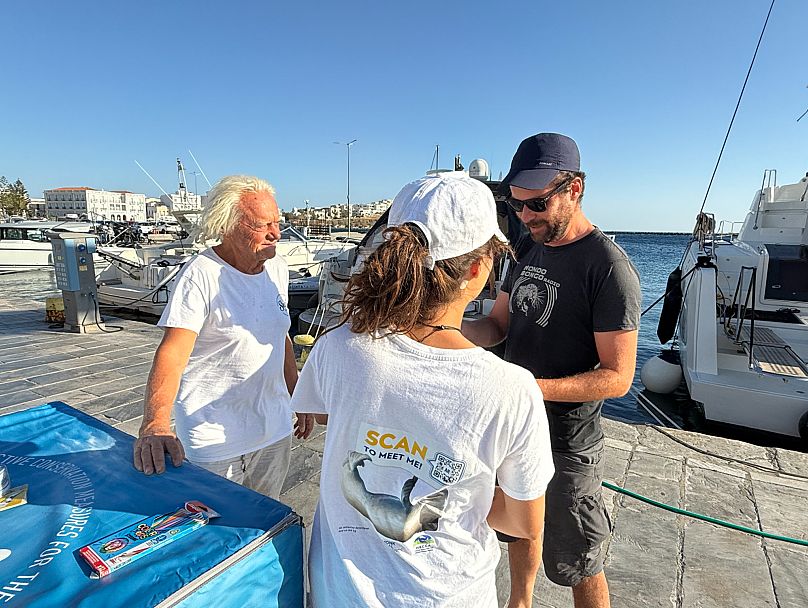
    Apostolos Staikos

    The team have met some people who know nothing about the problems monk seals are facing.
    “All this time, we have also met people who did not know anything about the issue, nor were they under the impression that humans can disturb and even threaten the seal,” explains Gurchogiannis.

    “I think this is one of the great gains of this effort. I think it serves as a wake-up call for some citizens. They are getting information, they are thinking, and slowly, hopefully they will mobilise.”
    George Kourmoutsis is one of those who knew nothing about the threats to Monachus monachus. He was born, raised and lives in New York and came to Greece on vacation. As he was walking along the waterfront of Tinos, Suzanne Raqbi asked him for two minutes of his time.Seal Greece is running its awareness campaign with the aim of protecting the monk seal.Seal Greece is running its awareness campaign with the aim of protecting the monk seal.
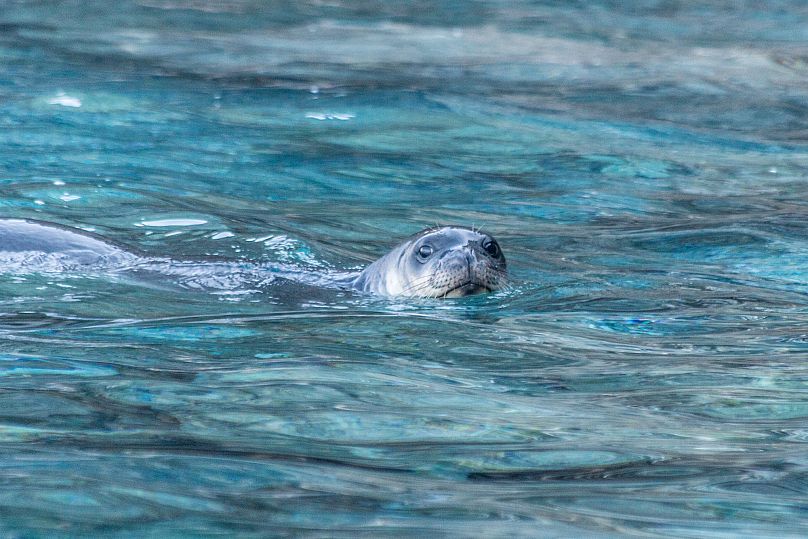
    Apostolos Staikos

    “I knew absolutely nothing, and I’m so glad that this has changed. I see so many boats around me, and I think that some people might not care about marine mammals,” 28-year-old Kourmoutsis says.
    “It doesn’t mean that everyone is like that, but it’s important to have the right education and information.”

    ‘We harm them when we disturb them’

    Recreational boats are a major source of disturbance for the Mediterranean seal. On many islands, dozens of tourist boats enter the caves that serve as a refuge for the mammals. Tourists shout, play music and try to take pictures of the seals with their mobile phones.
    Even bigger problems are caused by what are known as ‘party boats’, which are cruises with very loud music, alcohol and tourists diving into the sea.A Mediterranean monk seal in the water. A Mediterranean monk seal in the water.
    ©C.Papadas – WWF Greece

    Elias Theodoropoulos is a professional skipper. He believes that there are also travellers who care about the environment.
    “Tourism can be combined with environmental protection. It needs moderation and balance. I believe that this is possible. As for the clients of my boat, they showed great interest in the campaign. They scanned the QR code and were informed,” Theodoropoulos says.
    “From my experience, I can say that most travellers are interested in the environment. I can’t say that they are all like that; there are also those who don’t seem to be concerned about the issue.”Marine biologist Suzanne Raqbi (left) and Captain Loukas Gurchogiannis.Marine biologist Suzanne Raqbi (left) and Captain Loukas Gurchogiannis.
    Apostolos Staikos

    There are no more than 1,000 monk seals left in the wild. Almost half of them are found in Greek waters. That is why the members of the expedition attach importance to informing and educating the public, especially young people, who in the summer even want to swim to the caves that host the seals.
    The scientific community suggests some simple measures that we can all implement during the holiday season.Ενημερωτική εκστρατεία Seal GreeceΕνημερωτική εκστρατεία Seal Greece
    Apostolos Staikos

    “We harm them when we disturb them. Often, female seals feel threatened, they are very afraid for their pups. So to avoid disturbing them, you have to stay away from them,” Raqbi tells Euronews.

    Related

    Birdwatchers flock to Colombia and South Africa- so why are Venezuela and DRC being left behind?Rising visitor numbers are leaving a harmful human footprint on Antarctica’s ecosystems

    “Usually, we recommend that you keep a minimum distance of about 30 metres. Also, don’t approach the caves where they hide; don’t visit them. If you are close to these caves, do not make noise and reduce the noise of the engine if you have a boat. Furthermore, reduce the volume of music. We also recommend that you choose excursions that don’t harm the environment.”Ενημερωτική εκστρατεία Seal GreeceΕνημερωτική εκστρατεία Seal Greece
    ©Bruno D’Amicis_The Wild Line Photography (2)

    The Mediterranean seal is one of Europe’s rarest mammals. It is now also threatened by food scarcity, as the number of fish available for it to eat has suffered a dramatic decline.
    These marine animals are often trapped in fishing gear, where they can be injured and/or killed. Juvenile seals – who have not learned to swim – can be fatally injured by the “ghost nets” left on the sea floor.Seal Greece - Μεσογειακή φώκια Seal Greece – Μεσογειακή φώκια
    ©Bruno D’Amicis_The Wild Line Photography

    “Tourist activity, i.e. our holidays, can disturb and even harm marine mammals,” reports Apostolos Staikos, Euronews’ correspondent in Tinos.
    “One of the aims of the Seal Greece campaign is to make people understand that the protection of the Mediterranean seal is not only the responsibility of the state and some NGOs, but also of those of us who travel to the Aegean and Ionian seas in the summer.”