Tag: behaviour

  • Discover the Real Truth Behind Job Applications: No Spin, Only Facts

    Discover the Real Truth Behind Job Applications: No Spin, Only Facts

    What can dishonesty mean in the context of a job application, and how should employers deal with it?

    The Employment Appeal Tribunal (EAT) recently upheld the decision of the Employment Tribunal (ET) in the case of Easton v Secretary of State for the Home Department (Border Force), finding that an employee was fairly dismissed when he failed to include relevant and material employment history details in his application form. This constituted gross misconduct, and his dismissal was found to be within the “band of reasonable responses”.

    Case background

    Mr Easton worked for the Home Office from 2002 until 2016. He was dismissed on 13 June 2016 for gross misconduct involving inappropriate behaviour towards females and temper issues. This resulted in a subsequent three-month employment gap. He then started working with the Department for Work and Pensions (DWP) on 4 September 2016.
    Mr Easton later applied for a role in the Border Force (part of the Home Office). Under the “Employment History” section of the application form, he presented himself as working for the Home Office from “2002 – 2016” and the DWP from “2016 to current”. Mr Easton did not divulge his dismissal or the employment gap in the application form or at the interview stage. His employment gap and dismissal were concealed by misleadingly presenting his employment history. The application form contained a checkbox whereby Mr Easton confirmed that he understood that he may be subject to disciplinary action or rejected if he provided false information or withheld relevant details.
    Mr Easton re-joined the Home Office as part of the Border Force. A disciplinary investigation commenced after Mr Easton’s dismissal came to light. Following the investigation, he was dismissed for gross misconduct due to his failure to disclose relevant and material information regarding his earlier dismissal and for concealing a period of unemployment. Mr Easton unsuccessfully appealed the decision and then brought an Employment Tribunal claim.

    Employment Tribunal

    The ET held that Mr Easton had not been unfairly dismissed. The dismissal was fair for the potentially fair reason of misconduct, as he failed to disclose relevant and material information on his application form. The employer had behaved within the band of reasonable responses that a reasonable employer in those circumstances would have reached, especially given the nature of the organisation, Mr Easton’s role and the misconduct. The ET also held that the procedure followed was “thorough” and “more than reasonable”.

    Employment Appeal Tribunal

    The EAT dismissed Mr Easton’s appeal. Using years only for his employment history obscured his previous dismissal and subsequent employment gap. The ET was entitled to find that his employer had reasonable grounds to believe that the decision to present information in such a way had been dishonest.
    A reasonable job applicant faced with a blank box headed “Employment History” would have understood that the information had to be presented in a way that would reveal any employment gaps. The ET found that Mr Easton understood that dismissals and unemployment in the previous three years would be relevant and material information for a job application. Significantly, Mr Easton confirmed his understanding of its relevance during cross-examination.
    The EAT held that the ET took the correct approach of reviewing the employer’s process and concluding that it was open to the employer to find that Mr Easton’s decision to withhold that information was deliberate and dishonest.

    Lessons for employers

    Ensure you conduct thorough pre-employment checks. Job application forms should explicitly request an applicant’s full employment history, including exact dates of roles, and request any employment gaps and reasons for leaving previous roles.

    Ensure you review and verify employment history. An application form should not be seen as a tick-box exercise. Employers should verify employment history and investigate any concerns before making recruitment decisions.

    Correct procedure is key. A fair and thorough investigation, disciplinary and appeal process, is essential. Employers should bear this in mind before deciding to dismiss, given that the investigation will be relevant when determining whether such a decision falls within the band of reasonable responses. Employers should also ensure their procedures and decisions are consistent.

  • Travel Smarter: Escape Overcrowded Hotspots and Enjoy Every Destination

    Travel Smarter: Escape Overcrowded Hotspots and Enjoy Every Destination

    How can we continue to travel without overcrowding the most attractive destinations? In this episode of Smart Regions, we travel to Transylvania to discover innovative tourism solutions, such as home dining with locals in rural areas.

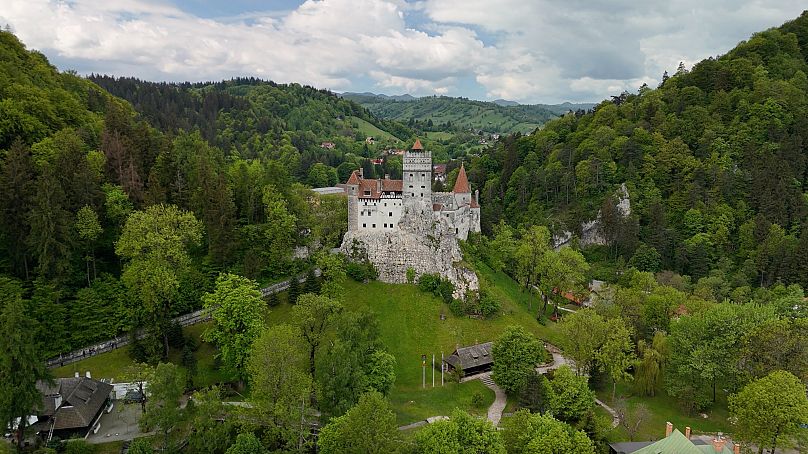
    Who doesn’t like travelling? We visited the famous Count Dracula’s Castle in Transylvania. This destination is one of the most visited in Romania, attracting around one million tourists a year. Travel can be a great experience, but tourism also poses challenges to society.  Count Dracula's Castle in Transylvania, RomaniaCount Dracula’s Castle in Transylvania, Romania
    Euronews

    Many tourists want to visit the most iconic landmarks. How can tourism be redistributed? “We would like to influence tourist behaviour but it’s not easy,” explains Eugenio Van Maanen, researcher at the Breda University of Applied Sciences and leader of the European “Tourism in Balance” project. “How do we encourage them to discover alternative destinations, which are less crowded but which offer equally fascinating experiences?” Tourist at the Castle of Count Dracula in Transylvania, Romania

    How to Guide Visitors Away From the Crowded Hot Spots

    Picture yourself strolling through the legendary Castle of Count Dracula in Transylvania, Romania, and seeing the crowds break up. Euronews recently talked to Eugenio Van Maanen, the brains behind the European initiative “Tourism in Balance.” He asked the big question: “How can we entice travelers to discover quieter places that offer just as much excitement?”

    The “Tourism in Balance” Project

    • Launched in 2023, backed by Interreg Europe.
    • Six European regions—Rome, Amsterdam, Seville, Tallinn, Kraków, and Brașov—are leading the charge with guidance from Breda University of Applied Sciences.
    • Ultimate aim: help partners craft strategies and policies that defeat overtourism by moving tourists around in both space and time.

    Why It Matters

    Van Maanen puts it simply: “It’s all about piecing together tourism—spreading it out so people can enjoy places without the usual congestion.” By directing travellers to less crowded spots, cities not only get relief but also preserve their charm for future visitors.

    Feel Like a True Explorer

    Imagine catching Rome’s cobblestone streets at a quiet evening or sampling Seville’s lively tapas at night—no long lines, just vibrant local culture. It’s a win‑win: travellers get authentic experiences, while cities breathe easier.

    Next Steps

    As the project refines its playbook, each partner will design new policies and promote hidden gems. We’re inviting locals and businesses to throw their hats into the ring, making every journey more personal, sustainable, and—most importantly—fun.

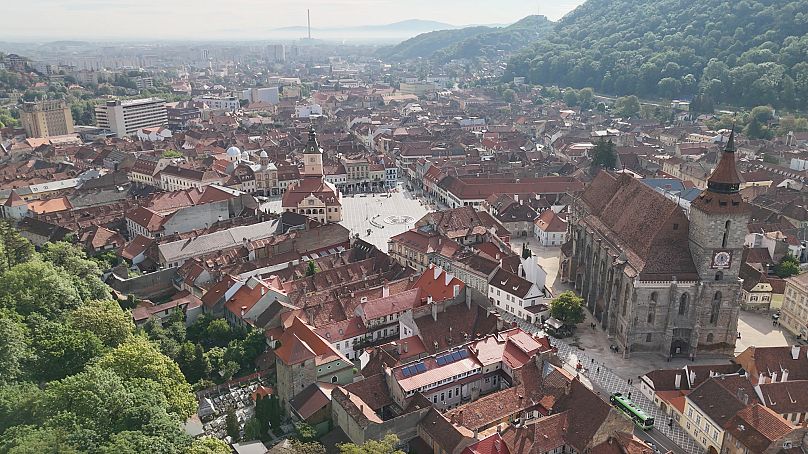
    Views of the tourist city of Brașov in Romania

    Discover Brașov: Romania’s Rising Star

    Why Brașov is getting the spotlight

    Picture this: a city tucked in the heart of Transylvania, flaunting a brand‑new airport, ready to welcome tourists like a warm chicken broth in winter.

    While the locals aren’t yet cursing about crowds, the pot’s set to bubble over. The city has all the right ingredients to turn into a bustling hotspot—if the right recipe is followed.

    Getting the low‑down from the pros

    In a big meeting right now, partners from Amsterdam, Rome, and Seville are pitching their “oh‑no” moments. Alina Nicoară, deputy director of the Metropolitan Agency of Brașov, says, “We’re jumping off the diving board—painful, but necessary—to learn how to keep tourists flowing to less packed neighbourhoods. That way everyone wins!”

    What we’re hoping to achieve
    • Balanced growth – Urban and rural regions work together, not at odds.
    • Eco‑friendly tourism – Protect the scenery while keeping the cash flowing.
    • Community benefits – From farmers’ markets to local cafés, everyone gets in on the action.
    See you in Brașov!

    Don’t miss the chance to experience the old stone walls, the vibrant market stalls, and the summer breeze that blows through the Carpathian foothills.

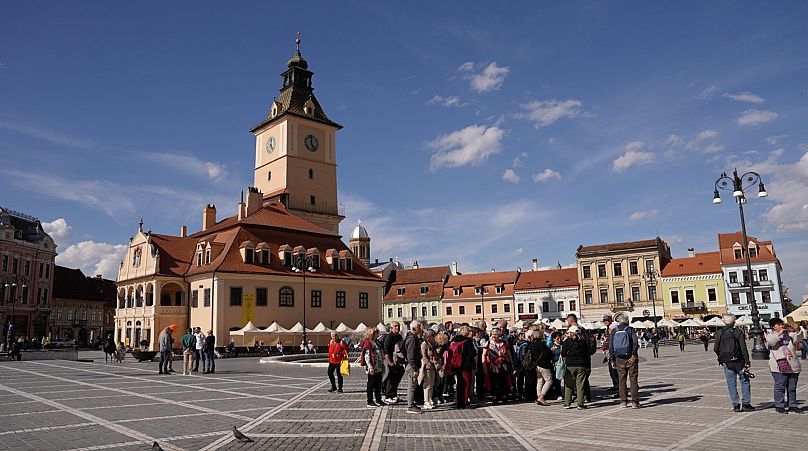
    Tourists in the city of Brașov, RomaniaTourists in the city of Brașov, Romania
    Euronews

    “If we can divert the flow of tourists from the most overcrowded areas to less visited places, the whole community would benefit”

    Alina Nicoară

    Deputy director of the Metropolitan Agency of Brașov

    The agency has launched one of the region’s flagship initiatives to redistribute tourism: the Gastro Local Programme. Inhabitants of rural areas, such as the village of Vama Buzăului, located near the Valea Zimbrilor nature reserve, open their homes to offer home-cooked meals to visitors for a fixed price of 16 euros. Alina's house where they host tourists with home-cooked meals

    Alina’s Cozy Kitchen: Where Locals Cook Up Tourist Magic

    Alina Tonie – one of the spirited chefs behind the Gastro Local movement – shares the secret behind her mouth‑watering menus. “Back in the day, we had zero restaurant options here,” she chuckles. “Now, thanks to Gastro Local, we can turn our own kitchens into food havens for visitors.”

    What Makes Their Food So All‑You‑Can‑Eat Delicious?

    • The kitchen is a fragrant wonderland where every dish is born from locally sourced, mostly organic produce.
    • All 70% of the ingredients come straight from nearby farms and family‑owned farms.
    • Every kitchen satisfies rigorous health inspections, so you’re in safe hands.
    • Customers pay a flat rate per menu – drinks aren’t included, so you can keep your budget happy.

    Why Visitors (and Locals) Love Alina’s Home‑Cooked Meals

    It’s the same spices, the same community spirit, but with a personal touch that says, “You’re not just eating; you’re part of a story.” Alina’s kitchen is a testament that great food doesn’t need a fancy restaurant, just a bit of passion and a lot of local love.

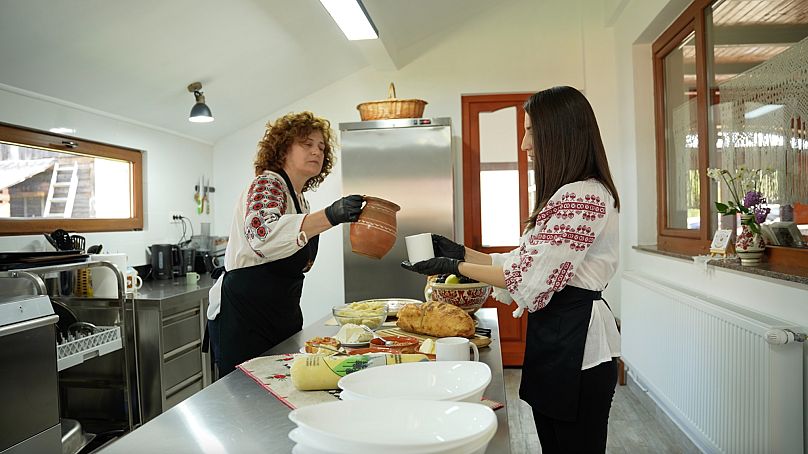
    Alina in her kitchen prepares home-cooked meals for visitors

    Alina’s Kitchen: A Taste of Transylvania

    When you wander into Alina’s cozy kitchen, you won’t just find a place to eat – you’ll stumble upon the family’s secret recipe for hospitality. “What we serve our guests is exactly what we eat at home,” Alina shares, and that makes every bite a story of shared meals and shared smiles.

    Why This Feels Like More Than Food

    • Authentic Flavors – Think hearty stews, fragrant roasts, and torchy pastries that remind you of a lullaby from grandma’s kitchen.
    • Community Vibes – The locals benefit, the tourists get a taste of the real deal, and the producers get a lift to their farms.
    • Beyond the Tourists – A chance to wander Transylvania’s hidden corners, away from the usual selfies.

    A Quick Guide for Your Next Trip

    1. Pack your appetite and a curious spirit.
    2. Venture off the beaten path – you’ll find Alina’s door waiting.
    3. Enjoy a meal that’s as warm as a family hug, and watch the story unfold with every forkful.

    In short, Alina’s kitchen isn’t just about food – it’s a front‑row seat to Transylvania’s community heart, a place where you’re not just a tourist, but a guest in a family’s story.

  • Ultra-Processed Foods Hijack Your Brain, Fueling Uncontrolled Cravings

    Ultra-Processed Foods Hijack Your Brain, Fueling Uncontrolled Cravings

    Ultra‑Processed Foods: The Sneaky Brain Chef

    Picture this: a cafeteria‑style affair where your brain files a formal complaint. A recent jam‑packed study looked at brain scans from almost 30,000 middle‑aged folks and turned up a shocking twist: walking into the metal kitchen of ultra‑processed foods (UPFs) might actually wire your brain to scream “More, more, MORE!”

    The Science Snapshot

    • 29,000 scans – that’s like a mini‑warehouse of brain imagery.
    • Key brain zones – the hunger hub, the cravings control center, and the “treat me” switch.
    • Structural shuffle – UPFs cause subtle changes in those zones, essentially kinks that let cravings tug harder.

    What It Means for You

    When you munch on a crisp chip, a cold pizza slice, or a sugary breakfast bar, your appetite’s circuitry is getting rewired in real time, making it harder to say “no.” It’s almost like your brain is swapping out the old cookbook for a new one that’s honest about how much you want.

    Why the Buzz Matters
    • Every bite counts: Tiny structural tweaks add up, turning casual snacking into a calorie storm.
    • Health is on the line: Overeating can ripple into weight gain, diabetes, and the whole “cardio‑caution” spectrum.
    • Time to re‑design: Understanding the brain tie‑downs means we can create healthier food environments.

    Bottom line? Ultra‑processed foods aren’t just a quick fix; they’re a silent partner in overfeeding your head and your stomach. So next time you reach for that snack, remember your brain’s making a quiet, genius joke—just not a very useful one. Keep your fork mindful, folks!

    Study Reveals the Dark Side of Ultra‑Processed Foods

    Bottom line: Eating ultra‑processed foods (UPFs) not only spikes several disease‑related nutrient and metabolic markers but also triggers structural changes in key brain regions that govern our appetite.

    What the researchers found

    • Health markers on the rise: UPFs are linked to higher levels of nutrients and metabolic signals that are often indicators of chronic disease.
    • Brain shifts: The study showed that prolonged UPF consumption is associated with visible changes in the brain’s architecture—particularly in areas that play a major role in regulating eating behaviors.

    Why it matters

    Understanding how these foods affect both the body and the brain can help us tackle the rising rates of diet‑related health issues and empower us to make smarter food choices.

    Key Brain Changes Identified

    How Ultra‑Processed Foods Are Nudging Your Brain (and Your Waistline)

    New research that landed in Nature has revealed that munching on ultra‑processed foods (UPFs) might actually tug on the neural circuitry that controls why we eat, how we feel, and what drives us to keep snacking. It turns out that your brain might start looking a lot more like a grocery store detective over time.

    Brain‑Upgrades: The Hidden Effects of UPFs

    • Thicker over the Lateral Occipital Cortex: This area in the back of the brain is the master of recognising shapes and visual objects – think of it as the brain’s “menu scanner.” More UPFs seem to thicken this section, meaning your brain gets a “visual bias” toward food cues.
    • Other regions hit: Hypothalamus, amygdala, and right nucleus accumbens all show structural changes. These are the brain’s appetite control, emotional hub, and reward center. Together they could form a self‑reinforcing cycle of overeating.

    Why the Body Feels the Crunch, Too

    Researchers spotted a biochemical backstage pass to explain the brain changes. A higher intake of UPFs coincided with:

    • Inflammation Markers (CRP) – the body’s way of saying “Hey, something’s off.”
    • Triglycerides – high fat levels that can crank up heart disease risk.
    • Glycated Hemoglobin (HbA1c) – the long‑term glucose on‑board indicator that might spell trouble for diabetes.

    This trio of biomarkers is the medical tongue‑in‑cheek that “high levels are concerning,” as the study’s first author, Arsène Kanyamibwa, puts it.

    The Takeaway (Spoiler: It’s Not Just a Taste Test)

    In short, the more of those crunchy, ready‑to‑eat, “brain‑magnet” items you ingest, the more your brain might start loving the food signals. That means the once simple pleasure of a snack can morph into a full-blown dopamine, hunger, and emotion loop that keeps you reaching for that next processed bite.

    So, next time you’re tempted by a bag of chips or a sugary snack, think twice: your brain might be gearing up to be the snacking champion you didn’t really need.

    Unsurprising Findings, Expert Says

    Dr. Mercola Hits the Nail on the Head About Ultra‑Processed Foods

    When the new study comes out, Dr. Joseph Mercola—board‑certified family doc and author of Your Guide to Cellular Health—doesn’t even break a sweat. “These findings don’t surprise me one bit,” he says, marking the news with a light‑hearted chuckle. And if you’re wondering why he’s so confident, it’s because he’s been riding the wave of earlier research that shows how just five days of chowing on ultra‑processed foods (or UPFs) can throw insulin signaling off‑kilter in the brain.

    Insulin Isn’t Just a Blood‑Sugar Whisperer

    Mercola reminds us that insulin is not merely the hormone that keeps our blood sugar in check. “It’s literally the delivery service that shuttles glucose, your cells’ favorite fuel, to where it’s needed most—your brain,” he points out. Think of insulin as a shuttle bus that drops off sugar to the brain’s commuters.

    • Your brain makes up just 2% of your body’s weight
    • …but it gobbles up a massive 20% of the body’s energy.

    So when insulin’s route gets jammed, the brain’s appetite control centers start running on fumes, and Mercola says it’s basically a recipe for chaos.

    Why UPFs Are Nasty

    Ultra‑processed foods are engineered to be “hyper‑palatable.” They combine sugar, fat, and salt in a way that makes us feel rewarded thanks to a dopamine surge. It’s the same “reward” circuitry that lights up when you hit a jackpot or binge on candy.

    Mercola warns that this dopamine hit fuels an almost addiction‑like craving. He calls it a “powerful ‘eat more’ signal.”

    The Biggest Culprit? Cravings and Poor Decision‑Making

    When insulin can’t do its job properly, you’re left in a maze of hungry thoughts, struggling to feel full, and having a hard time making solid dietary choices. The ​unhealthy cravings become a relentless loop—like a vending machine that keeps popping up, even when you’ve already had enough.

    In short, the study’s findings confirm that our daily indulgences in UPFs are not just bad for the waist; they’re sabotaging the brain’s overall power to control appetite and make healthy choices.

    Direct Brain Effects

    Food Sci‑Fi: How Ultra‑Processed Bites Hijack Your Brain

    When scientists dug into ultra‑processed foods (UPFs), they discovered more than just empty calories—these chemically-charged snacks are secretly reprogramming our brain.

    What’s the Brain‑Shakedew?

    • Emulsifiers (the funky kitchen gadgets that keep sauces smooth) are the main culprits. They dangle around neurotransmitters, spark neuroinflammation, and riff on the gut’s microbial crew.
    • All of this happens without a fat‑gain toll, meaning you can be “lean” but still a junk‑food junkie.

    The research didn’t just stop at yummy junk, though. It scrubbed out diet noise—nutrient balance, income level, jogging habits, cigarette smoke, booze slurps—to isolate the real effect.

    Why This Rock‑The‑Boat your Curfew of Weight Loss

    Dr. Avery Zenker (no connection to the study) summed it up: “Calories are calories, but the food source is the big boss of what and how we munch.” She added a comforting note to the nausea‑inducing portion of our post‑midnight cravings: “If you’re losing your grip on UPFs, you’re not alone—and that’s good news.

    UPFs According to NOVA

    • Think high‑fructose corn syrup, fancy oils, oversized salt piles, stabilizers, antioxidants & a Frankenstein‑style mix of chemical additives.
    • These are industrial recipes, not what your grandma’s kitchen would recognize.

    Bottom line: the toppings on your plate might come with hidden instructions written in a language the brain can’t ignore. Pay attention, palate, and keep that mind sharp!

    Growing Body of Evidence

    Why The Government Should Seriously Look at Ultra‑Processed Foods

    Forget the old “you can eat whatever you want till you feel good” mantra. New research says the tables of processed meats, sweetened breakfast cereals, sugary drinks, and other ultra‑processed foods (UPFs) are actually a silent health threat. It’s time for lawmakers to step in.

    • Massive study alert: Over 114,000 American adults were examined in last year’s BMJ study.
    • Outcomes:
      • 4% higher risk of dying from any cause.
      • 8% higher risk of neuro‑degenerative death.
    • Key take‑away: Reducing UPF intake and tightening food manufacturing rules could be a game‑changer for public health.

    “The evidence is piling up,” says Kanyamibwa, “so it’s time we regulate the food we put in front of people’s faces.”

    What’s New in the Latest Research?

    While past studies have already linked UPFs to obesity, diabetes, and heart disease, this new study goes a step further. It looks at concrete changes in the brain using brain scans – especially in parts that handle reward, hunger, and self‑control.

    “They’re putting a microscope on the brain to see the up‑scoring damage from ultra‑processed junk,” Zenker beams. “If the brain’s reward center gets hijacked, it’s no wonder we’re all devouring bad food even when it hurts us.”

    Why This Matters to Us All

    Everyone loves a good snack, but every handful of sugary cereal or processed meat might be summoning the next health disaster on your plate. If regulators take action now, we could see:

    • Fewer late nights spent on the couch, binge‐watching medical dramas.
    • Healthier grocery aisles, where fresh veggies shine brighter than microwavable meals.
    • Longer, healthier lives, with a lower chance of brain conditions that sneak up on us.

    Time to swap your sugary breakfast for something that actually fuels you, and maybe keep a closer eye on policy makers who can shape the market for the better.

    Packaged Foods: The Sweet Trap to Brain Health?

    Zenker’s take is crystal clear: ultra‑processed foods (UPFs) are a health nightmare in disguise.

    • Full of sweetness, salt, and fat
    • Packed with carbs but barely any vitamins, minerals, or antioxidants

    “We know that this combination tends to lead to less-than‑ideal health outcomes,” Zenker noted.

    What the Research Actually Reads

    The scientists found a link between consuming these processed goodies and subtle shifts in brain structure. However, they’re quick to point out the limits of their study:

    1. They can’t claim a straight‑line cause‑and‑effect relationship.
    2. The effect sizes were modest—just a hint, not a punch.
    3. It’s an observational study, so other factors might be playing a role.

    “Food Processing Is Just One Piece of the Puzzle”

    In their own words: “Given the observational nature of the study, we cannot exclude the fact that food processing is only part of the equation.”

    Kanyamibwa added that real proof will come from “further longitudinal or experimental evidence.”

  • Sailing into Sustainability: Oceanic Tourism That Thrives

    The Cool New EU Cruise to Save the Ocean

    Why the Far‑Flung Atlantic Islands Need a Fresh Start

    Picture the Atlantic’s wind‑blown coasts—tiny supermarkets of sea life, tiny economies that thrive on boat rides and seaside coffees. Those islands are living proof that tourism can be both a livelihood and a landfill. Traditional boats sputter up‑to‑earth emissions and loud engines that drown the whales’ songs. With the seas warming faster than a microwave, even the most seasoned tour operators are feeling the heat.

    Meet TWINNEDbySTARS: The One‑Stop EU “Sustainability Workshop”

    Think of this as the EU’s answer‑to‑“I want to keep my job ∩ love the ocean.” From 2023 to 2026, the project funnels a little shy of €1 million into a mix of science, tourism gurus, and local entrepreneurs spread across the Canary Islands, Madeira, Azores, and Martinique. It’s all about combining smart business moves with eco‑mindfulness.

    “It’s a Mindset Shift, Not Just a Tech Shift,” says Dr. Yen Lam González

    Dr. González, a postdoc from the University of Las Palmas de Gran Canaria, is the person steering this research ship. She claims the sea’s battles are just like the land’s: under constant human siege. But hope lies in those bright rays of change.

    • Electric Boats — silence the engines and trim the carbon footprints.
    • Ancient Sailing — forget the GPS, sail by the wind and stars, connecting people to what used to be intuition.
    • Hydrophones — underwater ears that let guests hear the whales’ conversations, rather than only spotting a dolphin in the pool.

    These hydrophones are more than gadgets; they’re the “sixth sense” for marine lovers. According to Dr. González, “the goal isn’t just to flag a dolphin but to feel the pulse of the sea, its sounds, its hidden rhythms.

    The Bottom Line

    If the ocean thrives, we all thrive—like a healthy seaweed snack. The TWINNEDbySTARS initiative is paving a new path for the EU’s biggest aquatic sector, ensuring that the blue economy becomes as green as it is grand.