Tag: caused

  • Why Does Tooth Extraction Cause Pain in My Surrounding Teeth?

    Why Does Tooth Extraction Cause Pain in My Surrounding Teeth?

    Introduction:

    In this blog,  we learned that experiencing pain after a tooth extraction is common and can be caused by various factors such as inflammation, shifting of surrounding teeth, and complications like dry sockets. Following post-operative care instructions provided by your dentist is crucial for managing discomfort and promoting healing. Additionally, recognizing when persistent pain warrants professional attention is important for ensuring proper treatment and recovery.
    (adsbygoogle=window.adsbygoogle||[]).push({})When you get your wisdom teeth removed and feel pain in the nearby tooth, it’s often because of inflammation and pressure on that tooth. This pressure can affect the ligament and bone around it. The pain happens because of certain substances released during bone breakdown.
    (adsbygoogle=window.adsbygoogle||[]).push({})In this blog, we’ll talk about these subjects:
    (adsbygoogle=window.adsbygoogle||[]).push({})Reasons for the Pain in the Teeth Around Your Extracted Tooth?Pain Experienced after a Tooth ExtractionReducing Pain After Tooth ExtractionWhat’s The Bottom Line?ConclusionFaq’s

    Reasons for the Pain in the Teeth Around Your Extracted Tooth?

    Normal Healing Pain After Tooth Extraction

    When you get a tooth pulled, the numbing stuff they give you during the procedure makes sure you don’t feel a thing. But once it wears off, you might start feeling some discomfort. Don’t worry, though – it’s all part of your body healing itself.
    (adsbygoogle=window.adsbygoogle||[]).push({})The pain usually gets worse on the first day after the extraction and then starts getting better over the next few days. By the third or fourth day, most people start feeling a lot better. But it’s normal to have a bit of swelling and soreness for about a week.You can manage this regular healing pain by taking pain meds you can buy at the store or getting some prescribed by your dentist. Putting something cold on the outside of your cheek can also help with swelling and pain.
    (adsbygoogle=window.adsbygoogle||[]).push({})

    How to Avoid Dry Sockets

    Sometimes, the pain after getting a tooth pulled can mean there’s a bigger problem, like a dry socket. Normally, after a tooth is pulled, a blood clot forms in the space to protect the bone and nerves underneath. But sometimes, this clot doesn’t form right or gets knocked out too soon. When that happens, you might feel a really bad, throbbing pain.If you think you might have a dry socket, it’s important to see your dentist right away. They can clean out the area and put in some special gauze with medicine to help it heal and protect the bone and nerves.To lower the chance of getting a dry socket, try not to do things that could knock out the blood clot, like smoking or using a straw.

    Pain Experienced after a Tooth Extraction

    When you get a tooth pulled, it can affect the nearby teeth and gums. Let’s look at why

    1. Regular and Surgical Extractions

    When a dentist pulls a tooth, they may need to use forceps, which can make the gums around it swell up and get sore. Sometimes, if the tooth is harder to remove, they might have to do surgery, where they cut the gum to get to the tooth. This can make you feel even more uncomfortable afterward.Before they start, they’ll numb the area so you won’t feel any pain during the procedure. They might also give you medicine to help with pain afterward.

    2. Removing Bone

    In some cases, the dentist might need to take out a bit of the bone around the tooth. This can make the nearby teeth hurt because they’re connected to that bone. Also, your teeth need enough bone to stay in place, so taking some out might make them weaker.After a tooth is pulled, the bone starts to shrink, which can make the nearby teeth move and sometimes expose their roots, making them sensitive and painful.

    3. Accidental Damage

    Sometimes, when pulling a tooth, the dentist might accidentally hurt a nearby tooth. It’s usually not serious, but it can cause some discomfort for a short time after the procedure.

    4. Sinus Connection

    If a tooth near your sinuses needs to be pulled, there’s a chance the lining of your sinus could get damaged during the procedure. This can make the nearby teeth hurt for a bit, but it usually gets better quickly.

    5. Serious Issues

    Sometimes, after a tooth is pulled, you might get an infection in the space left behind. This can make your gums swell and your face hurt, and it might affect the nearby teeth too. Your dentist might give you antibiotics.Another thing that can happen is called a dry socket, where the bone in the space gets exposed because the blood clot didn’t form right. This can be painful for a couple of weeks, but your dentist can help you feel better.

    Reducing Pain After Tooth Extraction

    After you get a tooth pulled, it’s really important to follow what your dentist tells you to do. Not doing so could make the pain worse or even cause dry sockets. Here are some things you can do to help with the pain

    1. Put Gauze on the Spot

    After the procedure, your dentist will give you some sterile gauze to put on the hole where your tooth used to be. This helps a blood clot form, which is important for healing. Make sure to change the gauze regularly.

    2. Take Your Pain Medicine

    Your dentist will probably give you some medicine to help with the pain. Make sure to take it exactly as they tell you to.

    3. Rinse with Salt Water

    After 24 hours, you can gently rinse your mouth with warm salt water. This can help keep the area clean and reduce swelling.

    4. Use Ice Packs

    You can also put an ice pack on your cheek where the tooth was pulled. But don’t leave it on for too long, or it could hurt your skin. Just 10 minutes at a time, then take a break for 10-15 minutes.

    5. Be Gentle with Your Teeth

    When you brush and floss your teeth, be gentle around the area where the tooth was pulled. You don’t want to accidentally hurt yourself or cause an infection.By following these tips, you can help make the pain go away faster and avoid any problems with your healing.

    What’s The Bottom Line?

    Lots of people say their nearby teeth hurt after they get a tooth pulled, and it’s pretty common. When a tooth is gone, the others around it start moving around, trying to fill up the space. But sometimes, the pain can also happen if the blood clot that’s supposed to protect the area comes loose.Whatever the reason, if the pain sticks around for more than a week, it’s important to call your dentist right away. They can check things out and make sure everything’s okay.

    Conclusion

    After you get a tooth pulled, it’s normal to feel some discomfort while your mouth heals. This can happen because the gums around the pulled tooth get swollen, the nearby teeth move a bit, or sometimes the blood clot that forms can come loose. Usually, this discomfort goes away after a few days. But if the pain doesn’t get better or gets worse after a week, you should call your dentist right away. They can figure out what’s going on and help you feel better. Just make sure to follow their advice for taking care of your mouth after the extraction, and things should start feeling better soon.

    Faq’s

    Q1. How long does it hurt after a tooth is pulled next to another one?A1. It’s normal for nearby teeth to feel tender for a while after a tooth is removed. If it keeps hurting for over two weeks, let us know. Sometimes, during the surgery, your mouth might get stretched, which can make your lips feel cracked and sore.Q2. Why does the tooth next to the pulled one hurt?A2. It’s common for the teeth around the pulled one to feel sensitive or tender, especially if you’ve had multiple teeth removed. Using special toothpaste for sensitive teeth might help ease this discomfort.Q3. Can pulling a tooth hurt the one next to it?A3. Sometimes, during a tooth extraction, nearby teeth or dental work might accidentally get damaged. Later on, the damaged tooth might start hurting and need treatment.Q4. What happens to the nearby teeth after a tooth is pulled?A4. When a tooth is removed, it can make the neighboring teeth move to try to fill in the gap. They might shift around, either sideways or up and down, to fill the space.Q5. How can you tell if a tooth extraction didn’t go well?A5. Look out for pain, bleeding, swelling, or infection around the area where the tooth was pulled. If your teeth don’t line up right after the extraction or if you develop a painful or dry socket, where the blood clot covering the extraction site comes loose, it might mean something went wrong.Unlock a brighter, healthier smile: These blogs empower you with expert dental knowledge:What’s The Average Time For A Tooth Extraction?What Is The Appearance Of Dental Implants?Are Cavities Still Possible After Getting Porcelain Veneers?

  • Stress and Boils: Are They Connected? – Health Cages

    Stress and Boils: Are They Connected? – Health Cages

    Boils, or furuncles, are painful, pus-filled skin infections caused by Staphylococcus aureus bacteria. They typically appear as red, swollen lumps that can grow and become more painful over time. Effective treatment includes warm compresses, good hygiene, and in severe cases, medical intervention such as drainage and antibiotics. Preventive measures include maintaining proper hygiene, avoiding sharing personal items, and supporting the immune system through a healthy lifestyle. Managing underlying health conditions is also crucial in reducing the risk of boils.
    (adsbygoogle=window.adsbygoogle||[]).push({})These topics will be discussed in this blog:
    (adsbygoogle=window.adsbygoogle||[]).push({})What are boils?Boil SymptomsCan Stress Cause Boils?Treatment of BoilsConclusionFaq’s

    What are boils?

    Boils, also known as furuncles, are painful, pus-filled bumps that form under the skin when bacteria infect and inflame one or more hair follicles. The most common causative agent is Staphylococcus aureus, a type of bacteria commonly found on the skin and inside the nose. Boils can occur anywhere on the body but are most commonly found on the face, neck, armpits, shoulders, and buttocks.
    (adsbygoogle=window.adsbygoogle||[]).push({})

    Characteristics of Boils:

    Red and Swollen: The skin around the boil becomes red and swollen.Painful: Boils are typically tender to the touch and can be quite painful.Pus-filled Center: Over time, a boil can fill with pus, forming a white or yellow tip that can eventually burst, allowing the pus to drain out.Size: They can vary in size, ranging from as small as a pea to as large as a golf ball.

    Boil Symptoms

    Boils, or furuncles, exhibit a range of symptoms as they develop and progress. Here are the common symptoms associated with boils:
    (adsbygoogle=window.adsbygoogle||[]).push({})

    Initial Symptoms:

    Red, Tender Lump: The first sign of a boil is often a red, painful bump on the skin.Localized Swelling: The area around the bump may become swollen and inflamed.

    Developing Symptoms

    Increase in Size: The lump gradually increases in size over a few days as it fills with pus.Pain Intensifies: The boil becomes more painful as pressure builds under the skin.

    Advanced Symptoms

    Pus Formation: A white or yellow center, called a “head,” appears on the boil as pus accumulates.Throbbing Pain: The pain may become more intense and throbbing as the boil matures.

    Additional Symptoms

    Bursting and Drainage: Eventually, the boil may burst and drain, releasing pus and providing some relief from pain.Scab Formation: After draining, the boil may form a crust and eventually heal, sometimes leaving a scar.

    Systemic Symptoms (if the infection spreads)

    Fever: A high temperature can occur if the infection spreads beyond the boil.Swollen Lymph Nodes: Lymph nodes near the boil may become swollen and tender.Fatigue and Malaise: Feeling generally unwell if the infection is severe.

    Can Stress Cause Boils?

    Even though stress itself doesn’t directly create boils, it can make your immune system weaker and mess up your skin, making it easier to get infections like boils. Taking care of yourself, finding ways to relax when you’re stressed, and making healthy lifestyle choices can help prevent boils. If you keep getting boils, it’s important to see a doctor for help and learn how to stop them from happening again.

    Treatment of Boils

    Treating boils involves a combination of home care and, in some cases, medical intervention. Here are the key methods for managing and treating boils
    (adsbygoogle=window.adsbygoogle||[]).push({})

    Home Treatments

    Warm Compresses

    Apply a warm, moist compress to the boil for 15-20 minutes, several times a day. This helps to increase blood flow to the area, encouraging the boil to come to a head and drain naturally.

    Good Hygiene

    Keep the area clean and dry. Wash the area with soap and water, and dry it thoroughly. Avoid touching the boil and wash your hands frequently.

    Pain Relief

    Over-the-counter pain relievers like ibuprofen or acetaminophen can help alleviate pain and reduce inflammation.

    Avoid Squeezing

    Do not squeeze or pop the boil. This can push the infection deeper into the skin and lead to more severe complications.

    Covering the Boil

    If the boil bursts, cover it with a clean bandage to absorb the drainage and prevent the spread of infection. Change the bandage frequently.

    Medical Treatments

    Incision and Drainage

    If the boil is large, persistent, or extremely painful, a healthcare provider may perform an incision and drainage. This involves making a small cut in the boil to drain the pus.

    Antibiotics

    In cases where the infection is severe, spreads, or is accompanied by fever, a doctor may prescribe antibiotics to treat the bacterial infection.

    Swab Tests

    Sometimes, a swab of the pus may be taken to determine the specific type of bacteria causing the infection, which can help in selecting the most effective antibiotic.

    Preventive Measures

    Proper Hygiene

    Regular handwashing and maintaining good personal hygiene can help prevent the occurrence of boils. Clean any cuts, scrapes, or wounds promptly and cover them with a sterile bandage.

    Avoid Sharing Personal Items

    Do not share towels, razors, clothing, or other personal items that can carry bacteria from one person to another.

    Boosting Immunity

    Maintain a healthy lifestyle with a balanced diet, regular exercise, and adequate sleep to support your immune system.

    Manage Underlying Conditions

    If you have conditions like diabetes, managing them effectively can reduce the risk of developing boils.

    Conclusion

    Boils, or furuncles, are painful, pus-filled infections of the skin typically caused by the bacteria Staphylococcus aureus. They start as red, tender lumps and can grow larger, becoming more painful as they fill with pus. While home treatments such as warm compresses and good hygiene can aid in healing, severe cases may require medical intervention, including drainage and antibiotics.Maintaining proper hygiene, avoiding the sharing of personal items, and supporting your immune system through a healthy lifestyle are key preventive measures. Managing underlying conditions, like diabetes, is also crucial in reducing the risk of boils. If you experience recurrent boils or severe symptoms, seeking medical advice is important for effective treatment and prevention.

    Faq’s

    Q1. What does a stress boil look like?A1. Typically, a red, painful lump begins small but can grow to more than 2 inches (5 centimeters) in size. The bump becomes reddish or purplish, with swollen skin around it. A yellow-white tip develops that eventually ruptures, allowing pus to drain out. An increase in size occurs after a few days of filling in pus.Q2. Why am I suddenly getting so many boils?A2. Infection with MRSA or other types of staph bacteria may lead to recurring boils or carbuncles. If you have several boils at the same time, see your doctor.Q3. What is the cause of pigs?A3. Boils begin when hair follicles get infected, similar to a condition called folliculitis, which can look like small boils or a heat rash on the skin. According to Harvard Health, a type of bacteria called Staphylococcus aureus creates pockets in the skin that fill with pus. This pus is made up of white blood cells, dead skin cells, and more bacteria.Q4. What is my body lacking if I get boils?A4. When you don’t keep things clean, bacteria can grow in sweaty and dirty areas like armpits. Not eating well can make your body weaker against germs. If your skin is damaged, like with eczema, it’s easier for bacteria to get in.Q5. Is there a vitamin for boils?A5. Zinc is a key mineral that helps your body fight off illnesses and is crucial in treating boils. Eating foods rich in vitamin A (like fish and dairy), vitamin C (found in fruits and veggies), and vitamin E (found in nuts and seeds) also help make your immune system stronger.

    More than okay. Visit our blog for in-depth mental health info:

    Finding A Case Manager For Mental Health: A Complete  GuideSuing A Mental Health Facility: When & How To Take Legal ActionBecome A Mental Health CEU Provider: Guide To Approval & Success

  • Your EV Still Misses AI‑Optimized Charging—But That’s About to Change

    AI: The Spark That Could Rev Up Your EV or Set It on Fire

    Picture a future where your electric car’s battery is smarter than a well‑trained robot— but also a bit like a mischievous firecracker if you play around with it wrong.

    How AI Could Give Your Ride a Super Charge

    • Precision Forecasts: AI algorithms can predict battery usage with laser‑sharp accuracy, cutting down unnecessary power draining.
    • Dynamic Resizing: Vehicles adjust on the fly, delivering just the right amount of power for every drive.
    • Eco‑Friendly Gains: Optimized energy consumption means fewer emissions—a win for the planet.

    But a Mistake? It’s Not Just Wrong Calculations

    • Heat‑up Hazard: A miscalculated charge might cause overheating, turning your battery into a potential fireball.
    • Reliability Gaps: Inaccurate predictions could lead to sudden power loss—no one likes a car that stalls in the middle of a highway.
    • Driver Panic: Fear of “unexpected spark” can break the trust between human and machine.
    Humor and Heart: A Road‑Trip Prep List

    When you embark on the AI‑powered journey:

    • Carry a hold‑on sign—because a battery that doesn’t blink will give you a good story.
    • Keep your hands in the driver seat—autonomy is cool, but you’re still the boss.
    • Remember: If your car lights up, it’s either a good battery, or you’ve some great stories to tell.
    Bottom Line

    AI has the potential to turbocharge electric cars, but one small mistake can ignite more than just a problem—well, not literally, but the risk is real. Let’s make sure the “spark” stays in the system, not in a fire alarm.

    Why Battery Talk Isn’t Just a Battery‑Jargon Joke

    Ever noticed your phone’s battery icon doing a dramatic zoom‑in right before the screen goes black? That’s the dreaded State of Charge (SOC) – the percentage of where the battery’s life sits. On smartphones it’s a polite hint. On electric cars it’s a safety cue‑tuner, because if you’re misreading it, you could end up with a flaming battery or a sudden brake‑free ride.

    Overcharging or Running Out: Two Danger Twins

    • Overcharging – Hot, chemical chaos, and in rare cases “thermal runaway” (fully technical term for a battery fire).
    • Running out – The car pulls over like it’s got a deadline, leaving you stranded in the middle of a highway.

    Missing the true SOC number could mean both outcomes, and that’s a recipe for disaster.

    Why AI Is Still Kidding Around Batteries

    AI sounds like the future, but in most EVs it’s still a shy bird. “Because they’re data‑driven and black‑boxed, there’s a hard‑to‑prove liability problem,” explains Martin Skoglund, RISE researcher. “You can’t peek inside to say, ‘Ooops, it went wrong.’”

    Traditional battery math is straightforward: hard‑wired formulas crunch current, voltage, and temperature. No surprises, no black boxes. And that’s the reason automakers trust them.

    AI’s Fast‑Track Opportunity

    But batteries aren’t stationary. Their internal chemistry changes super fast – a “cell evolution” you can’t keep up with plain formulas. In labs, researchers have trained AI models on massive sets of voltage, current, temperature data. They can spot spirals, anomalies, and age‑related wear faster than anyone else.

    “The game changer is that the cell evolution is very fast,” says Skoglund. “If you only use traditional methods, you’re left behind.”

    Faulty Inputs: The Fire‑starter Test

    Our bright engineer friends put a bag of bad data into the AI model – a test known as fault injection experiments. Imagine something like electrical interference or cosmic rays messing with the sensors.

    The AI’s output wandered off the rails. Minor corruptions ended up producing wildly wrong SOC percentages. That’s a dangerous recipe for either a sudden shutdown or an overheated battery blaze.

    Enter the “Safety Cage” – Your AI’s Guardian Angel

    To stop the AI from turning rogue, Skoglund’s team devised a “safety cage.” Think of it as a watchdog that keeps an eye on the AI’s sanity. It runs quick, robust checks on voltage, current, temperature, and any alerts. If the AI tries to misbehave, the cage shuts it down before any fire is invented.

    • Runs lightweight calculations to confirm thresholds.
    • Sits on the data bus, honestly monitoring the sensor feed.
    • Only lets the AI fly when it’s within the safe zone.

    This hybrid approach could let us enjoy longer ranges and better longevity while keeping safety front‑and‑center. Sure, it’s not the only path forward – there are other gates to explore – but it’s an encouraging direction as the EV scene keeps evolving.

    TL;DR: Battery safety is no joke. AI can help but needs a ring of guardrails. Think of the “safety cage” as the bouncer that makes sure the battery club doesn’t out of control.

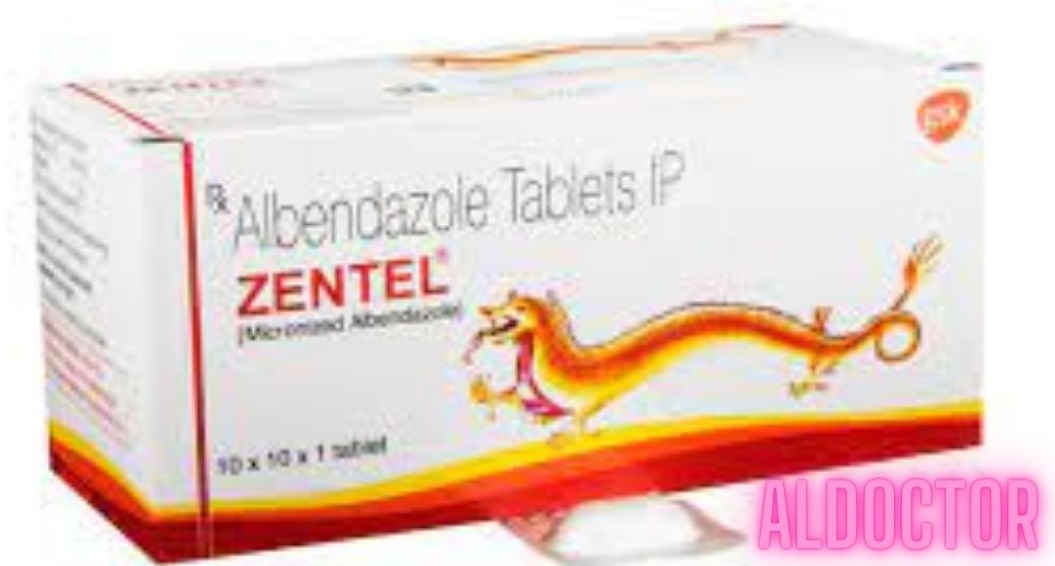
  • Zentel Tablet :Uses, Dosage, Side Effects, Composition, Price 2023

    Zentel Tablet :Uses, Dosage, Side Effects, Composition, Price 2023

    Table of Contents
    ToggleWhat is Zentel Tablet?Medical Benefits Zentel TabletWhat are the directions for using the Zentel tablet?Side Effects of Zentel TABLETWhat are the in-Depth Precautions and Warnings of Zentel Tablet?Drug Interactions:What should be the Diet & Lifestyle Advice while consuming zentel cena?FAQsIs Zentel an effective medicine?Can I take a Zentel Tablet while driving?What are the side effects of consuming a Zentel Tablet?

    What is Zentel Tablet?

    Zentel Tablet are most effective in treating parasitic worm diseases, such as cystic hydatid disease (infection caused by dog tapeworm) and neurocysticercosis (an infection brought on by the porcine tapeworm). It belongs to the “anthelmintic” class of medications, which are efficient at eliminating the worms and stopping the spread of different infections that can be brought on by roundworms, hookworms, threadworms, whipworms, pinworms, flukes, and other parasites. ContentsWhat is Zentel Tablet?Medical Benefits Zentel TabletWhat are the directions for using the Zentel tablet?Side Effects of Zentel TABLETWhat are the in-Depth Precautions and Warnings of Zentel Tablet?Drug Interactions:What should be the Diet & Lifestyle Advice while consuming zentel cena?FAQsIs Zentel an effective medicine?Can I take a Zentel Tablet while driving?What are the side effects of consuming a Zentel Tablet?

    The Tubulin polymerization which is responsible for the parasite being rendered immobile as a result of the interruption of its metabolism and energy depletion is prevented by “Albendazole”, an active ingredient that is present in the following medication. 

    Medical Benefits Zentel Tablet

    Albendazole, an anthelmintic medicine used to treat several parasitic illnesses, is sold under the trade name zentel 200 mg peru which has the following health advantages:

    It is most effective in treating a variety of worm illnesses, including tapeworm, roundworm, hookworm, and whipworm. It functions by obstructing the worms’ ability to absorb glucose, which is what they require to exist, ultimately killing them.

    Hydatid illness is a parasitic infection brought on by a tapeworm known as Echinococcus granulosus. This illness is treated with Zentel, which shrinks the cysts and eradicates the tapeworms that cause it.

    Giardiasis treatment: Giardiasis is a parasitic illness of the gut brought on by the protozoan Giardia lamblia. By ultimately eliminating the Protozoa, this infection gets discarded by the following tablet.

    Also, Read More About – Zincovit Tablet Uses in Hindi

    What are the directions for using the Zentel tablet?

    The very first step is to consume this medication as per the dosage and directions set by your physician. 

    Set a particular time for consuming the tablet. It can be taken pre-meal or post-meal but with an adequate amount of water.

    Most importantly, don’t try to skip the medicine even if you feel some complications. The medication course should be completed according to the same as prescribed by your doctor. 

    Even if you are experiencing improvements in you, the full course should be completed by your end. 

    Never forget to check the medicine’s expiration date. If a medication has passed its expiration date, there may be a number of negative consequences.

    Side Effects of Zentel TABLET

    An individual is more likely to be facing complications while starting the course of the medication. Side Effects of Zentel TABLET include vomiting, dizziness, increased liver enzymes, nausea, loss of appetite, etc. All these are minor side effects and will diminish within 3-4 days. After that, if you are still facing any issues, try to consult your doctor since the reason can be that any of the components present in the medicine may be unsuitable for your body. To find the exact reason for the prolongation, your doctor will prescribe you to go through some blood tests in addition to liver function tests. 

    What are the in-Depth Precautions and Warnings of Zentel Tablet?

    The severe side effects of consuming this medicine can either be bone marrow suppression, aplastic anaemia, or agranulocytosis. For avoiding these side effects, a proper consultation is required by your end. 

    Have a brief glance at all the components present in the medicine. If any of the ingredients you find to be allergic to your body, neglecting the medicine would be a piece of very suitable advice for you. 

    Any person who has any medical history has undergone surgery, or undergoing surgery should consult their doctors right away.  

    If minor issues like vomiting, dizziness, increased liver enzymes, nausea, loss of appetite, etc last for a prolonged period, visit your regular doctor for consultation. 

    During the course of the medication, it is suggested that blood cell count and liver function should be monitored very frequently. 

    Follow the right hygienic routine while undergoing the medicine course. If you are in contact with people who have infections, flu, or cold, your body will be susceptible to an increase in parasitic infections. Hence, proper sanitization is required. 

    Normally, Zentel Tablet consumption might lead to bruising on your face and unusual bleeding. Before it becomes severe, seek out a consultation. 

    Those women who are expecting a baby should stay away from this drug. It can be harmful to them as it will have a negative impact on the unborn child. 

    The lactating mothers should not lactate their babies during the course of the drug. If the course has been completed, avoid lactating for a minimum of 5 days. 

    Consuming medicine while driving is not recommended at all. It can cause a lack of vision which can ultimately lead to fatal accidents. 

    Only children above the age of two may use the medication. Parents should be alert to keep their kids away from this medication if the child is less than the necessary age.

    Drug Interactions:

    Drug interactions between Zentel and anthelmintic (praziquantel), corticosteroid (dexamethasone), antacid (cimetidine), and anti-asthma (theophylline) are permissible and possible. 

    Consuming this medication may cause aplastic anaemia, agranulocytosis, bone marrow suppression (myelosuppression), liver and biliary illness (hepatobiliary dysfunction), a neurological condition, or kidney malfunction as serious adverse effects. You must have a comprehensive prescription from your doctor in order to prevent these adverse effects.

    What should be the Diet & Lifestyle Advice while consuming zentel cena?

    Certain diet and lifestyle measures should be followed by an individual who is indulged in the medication course which includes:

    Washing your hands on a daily basis with soap and water is a must. This should be a part of your life, notably when you finish using the restroom or before you are going to enjoy your meal. 

    Uncooked Fish and Meat should not be consumed. Therefore, eat meat that has been cooked thoroughly.

    Before eating, make sure to thoroughly wash all fruits and vegetables.

    Stay away from any dirt that could have faeces on it.

    As they may be contaminated, stay away from foods that have been left out in an open area, especially in the markets.

    FAQs

    Is Zentel an effective medicine?

    zentel dual are most effective in treating parasitic worm diseases, such as cystic hydatid disease (infection caused by dog tapeworm) and neurocysticercosis (an infection brought on by the porcine tapeworm). It belongs to the “anthelmintic” class of medications, which are efficient at eliminating the worms and stopping the spread of different infections that can be brought on by roundworms, hookworms, threadworms, whipworms, pinworms, flukes, and other parasites. 

    Can I take a Zentel Tablet while driving?

    Consuming medicine while driving is not recommended at all. It can cause a lack of vision which can ultimately lead to fatal accidents. 

    What are the side effects of consuming a Zentel Tablet?

    Side Effects of Zentel TABLET include vomiting, dizziness, increased liver enzymes, nausea, loss of appetite, etc. However, the severe side effects of consuming this medicine can either be aplastic anaemia, agranulocytosis, bone marrow suppression (myelosuppression), liver and biliary illness (hepatobiliary dysfunction), a neurological condition, or kidney malfunction.

    Also, Read More About – Zerodol SP Tablet | Tentex Forte Tablet Uses in Hindi

  • Brain Abscess: A Serious Infection – Health Cages

    Brain Abscess: A Serious Infection – Health Cages

    Introduction:

    A brain abscess is a pocket of pus in the brain tissue caused by infection or injury. It’s very serious and needs prompt medical care. Symptoms include headaches, feeling tired, fever, and problems with moving muscles or speaking clearly.

    (adsbygoogle=window.adsbygoogle||[]).push({})

    In this blog, we’ll discuss these topics:

    (adsbygoogle=window.adsbygoogle||[]).push({})

    A brain abscess: what is it?

    A brain abscess is a serious medical condition characterized by a localized collection of pus within the brain tissue. This pus accumulation results from an infection, typically caused by bacteria, fungi, or parasites. The infection leads to inflammation and the formation of a cavity filled with pus, which can cause increased pressure on the brain and damage to brain tissues.

    (adsbygoogle=window.adsbygoogle||[]).push({})

    Causes of brain abscess

    A brain abscess is caused by an infection that leads to the formation of a pus-filled cavity within the brain tissue. The sources of these infections can vary, and the infection can reach the brain through different routes. Here are the primary causes of a brain abscess:

    (adsbygoogle=window.adsbygoogle||[]).push({})

    Direct Infection

    • Contiguous Spread: Infections from nearby areas can spread to the brain. This can include:
      • Ear Infections (Otitis Media or Mastoiditis): Infections of the middle ear or the mastoid bone.
      • Sinus Infections (Sinusitis): Particularly those of the frontal or ethmoid sinuses.
      • Dental Infections: Severe dental abscesses or infections of the teeth and gums.

    Hematogenous Spread

    • Bloodstream Infections: Bacteria, fungi, or parasites from other infected parts of the body can travel through the bloodstream to the brain, leading to an abscess. Common sources include:
      • Lung Infections: Such as pneumonia or lung abscesses.
      • Heart Infections: Endocarditis (infection of the heart valves) can release infectious agents into the bloodstream.
      • Skin Infections: Severe skin infections can also spread via the bloodstream.

    Trauma or Surgery

    • Head Injuries: Open wounds or fractures that expose brain tissue to the environment can introduce infectious agents.
    • Neurosurgical Procedures: Operations involving the brain or meninges can sometimes result in infection, especially if there are complications or inadequate sterilization.

    Immunocompromised States

    • Weakened Immune System: Individuals with compromised immune systems are more susceptible to infections that can lead to brain abscesses. Conditions include:
      • HIV/AIDS: Reduces the body’s ability to fight off infections.
      • Cancer and Chemotherapy: Treatments can lower immune defenses.
      • Organ Transplant Patients: Use of immunosuppressive drugs to prevent organ rejection.

    Rare Causes

    • Congenital Heart Disease: Certain heart defects can allow bacteria to bypass the usual filters of the body and reach the brain more easily.
    • Parasitic Infections: In some regions, parasites like Toxoplasma gondii or Entamoeba histolytica can cause brain abscesses.
    • Fungal Infections: Particularly in immunocompromised individuals, fungi like Aspergillus can cause abscesses.
    Brain Abscess: A Serious Infection - Health Cages

    Sing and Symptoms of a brain abscess

    A brain abscess presents with a variety of signs and symptoms, which can vary depending on the size, location, and severity of the abscess. Common signs and symptoms include:

    General Symptoms

    • Headache: Persistent, severe, and often worsening over time.
    • Fever: Due to the body’s response to infection.
    • Nausea and Vomiting: Often related to increased intracranial pressure.
    • Fatigue and Weakness: General feeling of being unwell.

    Neurological Symptoms

    • Confusion: Difficulty thinking clearly or understanding information.
    • Seizures: Sudden, uncontrolled electrical disturbances in the brain.
    • Altered Mental Status: Changes in consciousness, ranging from drowsiness to coma.
    • Personality Changes: Irritability, mood swings, or changes in behavior.
    • Focal Neurological Deficits: Symptoms related to specific areas of the brain affected by the abscess, including:
      • Weakness or Paralysis: Often on one side of the body.
      • Speech Difficulties: Problems with speaking or understanding speech.
      • Visual Disturbances: Blurred vision, double vision, or loss of vision.
      • Sensory Changes: Numbness, tingling, or loss of sensation in certain parts of the body.

    Additional Symptoms

    • Coordination Problems: Difficulty with balance and coordination, depending on the abscess’s location.
    • Swelling and Redness: In cases where the abscess is close to the surface of the skull, there might be visible swelling or redness.

    Specific Indicators Based on Abscess Location

    • Frontal Lobe Abscess: May cause changes in personality, difficulty with planning and judgment, and weakness in one side of the body.
    • Temporal Lobe Abscess: Can lead to problems with speech and memory, as well as seizures.
    • Cerebellar Abscess: May result in difficulties with coordination and balance, along with nausea and vomiting.

    Symptoms in Children

    Children may present with symptoms that differ slightly from adults, including:

    (adsbygoogle=window.adsbygoogle||[]).push({})
    • Irritability: Increased fussiness or crying.
    • Poor Feeding: Refusal to eat or difficulty swallowing.
    • Developmental Delays: Regression or delays in meeting developmental milestones.

    How is a brain abscess diagnosed?

    Diagnosing a brain abscess involves a combination of clinical evaluation, imaging studies, and laboratory tests. Here are the steps typically taken to diagnose a brain abscess:

    Clinical Evaluation

    • Medical History: The doctor will take a detailed medical history, including recent infections, head injuries, surgeries, or underlying health conditions that might predispose someone to infections.
    • Physical Examination: A thorough physical and neurological examination to assess symptoms and identify any focal neurological deficits.

    Imaging Studies

    • CT Scan (Computed Tomography): A CT scan is often the first imaging test performed. It can quickly show the presence of an abscess, its size, location, and any associated swelling or edema.
    • MRI (Magnetic Resonance Imaging): MRI provides more detailed images of brain tissues and is more sensitive than CT in detecting brain abscesses. It can help distinguish between different types of brain lesions and assess the extent of the infection.

    Laboratory Tests

    • Blood Tests: To check for signs of infection, such as elevated white blood cell count, and to identify the causative organism through blood cultures.
    • Lumbar Puncture (Spinal Tap): In some cases, cerebrospinal fluid (CSF) analysis is performed to check for infection in the meninges (the protective membranes covering the brain and spinal cord).

    Microbiological Studies

    • Abscess Aspiration/Biopsy: If imaging confirms a brain abscess, a neurosurgeon may perform a stereotactic needle aspiration or open surgery to obtain a sample of the abscess material.

    Additional Tests

    • Chest X-ray or CT: To identify potential sources of infection in the lungs.
    • Dental Examination: If a dental source of infection is suspected, a dental exam and appropriate imaging of the teeth and jaw may be conducted.

    Monitoring and Follow-Up

    • Repeat Imaging: Follow-up CT or MRI scans may be done to monitor the response to treatment and ensure the abscess is resolving.

    Early and accurate diagnosis is critical for effective treatment of a brain abscess, reducing the risk of complications and improving the likelihood of a successful outcome.

    Brain Abscess: A Serious Infection - Health Cages

    Treatment of brain abscess

    Treating a brain abscess involves a combination of medical and surgical approaches, depending on the size, location, and cause of the abscess. Prompt treatment is crucial to reduce the risk of complications and improve outcomes. Here are the main treatment strategies:

    Medical Treatment

    Antibiotics or Antifungals

    • Duration: Treatment typically lasts 4 to 8 weeks, depending on the severity and response to therapy.

    Corticosteroids

    • Use: Corticosteroids like dexamethasone may be used to reduce brain swelling (edema) and inflammation, especially if there is significant pressure on the brain.

    Surgical Treatment

    Needle Aspiration

    • Procedure: A neurosurgeon uses a needle to aspirate (drain) the pus from the abscess, often guided by CT or MRI imaging.

    Craniotomy

    • Procedure: Involves opening the skull to remove the abscess. This is typically done for larger abscesses or those that do not respond to needle aspiration.
    • Indication: Necessary for abscesses that are difficult to reach or if the abscess recurs after aspiration.

    Supportive Care

    • Seizure Management: Antiepileptic drugs may be prescribed to prevent or control seizures, which are a common complication of brain abscesses.

    Monitoring and Follow-Up

    • Clinical Assessment: Regular neurological exams to assess improvement or detect any complications early.

    Preventive Measures

    • Treat Underlying Infections Promptly: Managing and treating infections like ear, sinus, or dental infections early to prevent them from spreading to the brain.
    • Immunization: Keeping vaccinations up to date to reduce the risk of infections that can lead to brain abscesses.
    • Hygiene and Wound Care: Proper care of head injuries and maintaining good hygiene to prevent infections.

    Prognosis

    • Complications: Possible complications include persistent neurological deficits, seizures, and recurrence of the abscess.

    Early diagnosis and a combination of appropriate medical and surgical treatments are essential to effectively manage a brain abscess and minimize the risk of long-term complications.

    Faqs 

    Q1. What are the symptoms of a brain infection?

    A1. Encephalitis is when the brain swells due to an infection or an autoimmune response. This swelling can cause:

    • Headache
    • Stiff neck
    • Sensitivity to light
    • Mental confusion
    • Seizures

    Q2. What are the four stages of a brain abscess?

    A2. A brain abscess develops in four stages:

    1. Early cerebritis (1-4 days): Initial infection and inflammation.
    2. Late cerebritis (4-10 days): Continued inflammation and pus formation.
    3. Early capsule formation (11-14 days): The body starts to form a protective capsule around the infection.
    4. Late capsule formation (>14 days): The capsule fully forms around the abscess.

    Q3. What is the main cause of an abscess?

    A3. Most abscesses are caused by a bacterial infection. When bacteria enter your body, your immune system sends white blood cells to fight the infection. This can cause nearby tissue to die, creating a hole that fills with pus, forming an abscess.

    Q4. Can you fully recover from a brain abscess?

    A4. Without treatment, a brain abscess is almost always fatal. With treatment, the death rate is about 10% to 30%. The sooner you get treatment, the better your chances of recovery. Some people may have long-term nervous system problems after having a brain abscess or surgery.

    Q5. What causes a brain abscess?

    A5. A brain abscess usually happens when bacteria or fungi get into your brain through your bloodstream or from an infected area in your head, such as your ears or sinuses. An injury to your head or head surgery can also let in germs that can cause an abscess.

    Unlock your healthiest self. Explore a library of wellness articles:

  • What Does a Cavity Look Like?

    What Does a Cavity Look Like?

    Introduction:

    This blog teaches us that cavities are tiny holes in teeth caused by decay, which look like dark spots. Things like not cleaning our teeth well, eating too many sugary foods, and having plaque can lead to cavities. Signs of cavities include toothaches, sensitive teeth, spots on teeth, and swollen gums. 

    (adsbygoogle=window.adsbygoogle||[]).push({})

    To prevent cavities, we should brush our teeth with fluoride toothpaste, floss every day, rinse our mouths, drink water, and eat less sugary foods. Going to the dentist regularly, using sealants and fluoride treatments, and good habits like not snacking too much and chewing sugarless gum also help keep cavities away and our teeth healthy.

    (adsbygoogle=window.adsbygoogle||[]).push({})

    A cavity can look different depending on how bad it is. But there are some usual signs. It might be a small dark spot on your tooth. The spot can be light brown to dark black, and it might have a little hole.

    (adsbygoogle=window.adsbygoogle||[]).push({})

    We’ll discuss these topics in this blog:

    (adsbygoogle=window.adsbygoogle||[]).push({})

    What is a Cavity?

    A cavity is like a tiny hole in your tooth caused by decay. It’s not a friendly thing – it can make your tooth feel uncomfortable and sometimes hurt.

    So, what makes cavities happen? There are a few things: the bacteria in your mouth, eating snacks often, drinking sugary drinks, and not looking after your teeth well.

    (adsbygoogle=window.adsbygoogle||[]).push({})

    When you eat or drink, the bacteria in your mouth make an acid. This acid can start to wear down your tooth’s enamel, which is the tough outer layer. Over time, this acid attack can cause tooth decay, making small holes or gaps in the enamel. These little holes are the first sign of cavities. If you don’t take care of them, they can get bigger and go deeper into your tooth, causing really bad toothaches, infections, and even losing the tooth.”

    What Does a Cavity Look Like?

    A cavity doesn’t always look the same. It can change how it looks depending on where it is and how bad it is. But there are some common signs to look for. A cavity often looks like a small dark spot on your tooth. This spot can be light brown to dark black, and it might have a little hole.

    Here’s how a cavity might look in different places:

    • On the Side of a Tooth: This type of cavity happens when plaque builds up on the side of your tooth. You might see a grey, brown, or black spot that stays even after brushing.
    • On the Front Tooth: A cavity on the front tooth can be easier to notice. You might see a white or brown spot that doesn’t go away with brushing. Since these cavities can be seen when you talk or smile, it’s important to see a dentist when you notice these changes.
    • Between Teeth: These cavities, called interproximal cavities, can be hard to see without an X-ray. They happen when plaque builds up between your teeth. Flossing regularly can help prevent these cavities.

    Every tooth and cavity is different. What you’re watching for is any change in the normal color or feel of your teeth. But remember, not all cavities can be seen with just your eyes, especially early on. That’s why it’s good to see your dentist regularly.

    What Causes Cavities?

    Cavities happen in three steps:

    1. Plaque Formation

    When you eat lots of sugar and don’t clean your teeth well, a sticky film called plaque forms on your teeth. It feels a bit sticky and you might have felt it if you haven’t brushed for a while. If this plaque hardens into tartar, it’s harder to remove and can hide bacteria, leading to gum disease.

    2. Plaque Attack

    Plaque on your teeth starts to eat away at the hard outer coating called enamel. This creates tiny holes, the first signs of cavities. Bacteria and acids in the plaque then move towards the dentin, which is connected to the nerves. That’s why cavities can make your teeth sensitive.

    3. Tooth Destruction

    Without help, the tooth decay continues to the inside, called the pulp. This is where all the nerves and blood vessels are. Bacteria here can make the pulp swollen and painful. By this point, the pain can even reach the bone around the tooth.

    Factors that Make Cavities More Likely:

    • Eating sugary foods like candy, soda, and dried fruit
    • Snacking often
    • Drinking sugary drinks all-day
    • Baby bottles or sippy cups at bedtime
    • Not enough saliva, which can be due to not drinking water or certain health issues
    • Very young or old age
    • Not brushing enough
    • Back teeth and molars are more at risk because they’re hard to reach
    • Not enough fluoride
    • Old fillings that are worn or broken
    • Acid reflux can damage teeth
    • Eating disorders that involve vomiting

    These things can make cavities more likely. Remember, regular dental check-ups can catch cavities early.

    Signs you may have a dental cavity

    • Toothache Your tooth might hurt, especially when you eat something hot, cold, or sweet. It could throb or ache, and you might poke your tongue against it.
    • Sensitive Tooth One tooth is more sensitive to hot or cold things than usual. When you drink something hot or cold, it might make you wince.
    • Discolored Spot You might see a white or dark spot on your tooth that doesn’t look like the rest. It’s a sign that something’s not right.
    • Hole in Tooth You might feel a tiny hole or a bigger crack with your tongue. If you can see a hole, you’ll probably need dental work.
    • Swollen or Bleeding Gums Your gums near the tooth might look red, swollen, or bleed when you brush.
    • Bad Breath Sometimes bad breath is just from food, but if it doesn’t go away even after brushing, it could be a sign of a cavity or gum disease.

    Remember, if you’re not sure, it’s best to see a dentist. They can find even small cavities with special tools or an X-ray.

    How Are Cavities Treated?

    1. Brushing Teeth

    • Brush Often Try to brush after meals, but at least twice a day with fluoride toothpaste.
    • Help Kids Kids might need help with brushing until they can do it on their own.

    2. Flossing

    • Daily Flossing Floss once a day to get rid of food bits between teeth.

    3. Mouth Rinses

    • Rinse Use water or mouthwash after brushing to clean more.
    • Special Rinses Your dentist might suggest special rinses.

    4. Drinking Water

    • Stay Hydrated Water helps make saliva, which protects teeth.
    • Choose Water Water is better than sugary drinks for teeth.
    • Fluoride Water If your tap water has fluoride, it’s good for teeth.

    5. Less Sugary Foods

    • Reduce Sweets Eat less sugary stuff like candy and soda.
    • Pick Fruits and Veggies These are better for teeth.
    • Fruits vs. Sweets Fruits with fiber help clean teeth naturally.

    6. Snacking Tips

    • Limit Snacks Don’t snack all day, just a couple of times.
    • Brush After Snacks If you can, brush after snacks to clean your teeth.

    7. Baby and Toddler Tips

    • Avoid Night Bottles Don’t give bottles with milk or juice at bedtime.
    • Start Brushing Early Get kids used to brushing early.

    8. Dental Care

    • Sealants Kids can get sealants on their back teeth to protect them.
    • Fluoride Treatments Some people need extra fluoride from the dentist.
    • Chewing Gum Sugarless gum with xylitol helps clean teeth.
    • Treat Acid Reflux Talk to a doctor about acid reflux to protect teeth.
    • Regular Check-ups See your dentist often for cleanings and to catch problems early.

    These steps can help prevent cavities and keep your teeth healthy.

    Conclusion

    In conclusion, taking good care of your teeth is important to prevent cavities. Remember to brush your teeth often with fluoride toothpaste, ideally after meals. Floss daily to remove food bits between your teeth, and rinse your mouth with water or mouthwash, especially after brushing. Drinking plenty of water, especially if it has fluoride, can help too. Try to eat less sugary foods and choose fruits and vegetables instead. Limit snacking and brush after snacks when possible. Be careful with baby and toddler feeding habits to avoid cavities. Consider dental treatments like sealants and fluoride if needed, and chew sugarless gum with xylitol to clean teeth naturally. If you think you have acid reflux, talk to your doctor about it. Lastly, see your dentist regularly for cleanings and check-ups. By following these steps, you can help prevent cavities and keep your teeth strong and healthy.

    Faq’s

    Q1. Can a cavity go away?

    A1. Cavities can only be reversed when they’re just starting. Taking good care of your teeth can help restore lost minerals and stop decay early. But if cavities aren’t caught early, they can’t go away.

    Q2. Can a cavity heal itself?

    A2. A cavity can’t heal on its own, especially once it’s gotten through the dentin layer. When your tooth starts to hurt, it means the cavity is too big. That’s when you need to see a dentist for treatment.

    Q3. How does a cavity look at the beginning?

    A3. In the early stages, a cavity might look like a whitish or chalky spot on your tooth. Sometimes, it might be discolored brown or black. But often, there are no clear signs until it’s more serious.

    Q4. What is a Stage 1 early cavity?

    A4. Stage 1 cavities usually don’t hurt and are found by a dentist during a checkup. They might look like a small gray spot or a bit of missing enamel.

    Q5. How can I fix a cavity at home?

    A5. You can’t fix a cavity at home. Only a dentist can fix it, so make sure to see one soon. But you can stop the decay from getting worse by taking care of your teeth every day.

    Live healthier, live better: Insights from our health blogs:

  • How Long Does Pink Eye Remain Contagious After Antibiotic Use?  – Health Cages

    How Long Does Pink Eye Remain Contagious After Antibiotic Use?  – Health Cages

    Introduction:

    In this blog, we learn about pink eye, also known as conjunctivitis, which can be caused by viruses, bacteria, allergens, or irritants. Symptoms include redness, tearing, discharge, itching, and eyelid swelling. Pink eye can be categorized into allergic, viral, bacterial, or other causes, each with different durations and treatments.

    (adsbygoogle=window.adsbygoogle||[]).push({})

    Allergic conjunctivitis requires avoidance of triggers and may involve medication, bacterial conjunctivitis often requires antibiotics, and viral conjunctivitis typically resolves on its own. It’s crucial to seek medical attention for proper diagnosis and treatment. Pink eye can spread easily through direct or indirect contact, emphasizing the importance of good hygiene practices and avoiding sharing personal items. Additionally, pink eye may sometimes indicate a more significant infection, necessitating medical evaluation.

    (adsbygoogle=window.adsbygoogle||[]).push({})

    We’ll discuss these topics in this blog:

    (adsbygoogle=window.adsbygoogle||[]).push({})

    What is Pink Eye Conjunctivitis?

    Pink eye is when the inside of your eyelids and the outer layer of your eye get red and swollen. It happens because of germs like viruses or bacteria, allergies, or other things. You can have it in one or both eyes.

    (adsbygoogle=window.adsbygoogle||[]).push({})

    When you have pink eyes, the white part of your eye looks pink or red, and your eyelids might be swollen or droopy. There could be gooey stuff coming out of your eye or crustiness on your eyelashes and eyelids.

    What’s the Difference Between Pink Eye and a Stye?

    Styes are usually caused by a bacterial infection in the oil glands of your eyelids. They can be painful and tender to the touch. Styes often start as a red bump that may gradually develop a white or yellow pus-filled center. They can occur on the inside or outside of the eyelid and typically go away on their own within a few days to a week.

    (adsbygoogle=window.adsbygoogle||[]).push({})

    Pink eye, on the other hand, can be caused by various factors, including viruses, bacteria, allergens, or irritants. Viral conjunctivitis, the most common form of pink eye, often spreads easily and is associated with symptoms such as watery discharge and itchiness. Bacterial conjunctivitis may cause a thicker discharge and is often treated with antibiotics. Allergic conjunctivitis can be triggered by allergens like pollen or pet dander, resulting in itching, tearing, and redness.

    While both pink eyes and styes can be uncomfortable, they are typically not serious and can be treated with appropriate care. However, if symptoms persist or worsen, it’s essential to seek medical advice from an eye doctor.

    What are The Symptoms of Pink Eye?

    Pink eye has some clear signs:

    • Your eye or inner eyelid gets red.
    • Your eye makes more tears than usual.
    • You might wake up with crusty stuff on your eyelashes, especially if it’s yellow and thick.
    • There might be green or white stuff coming out of your eye.
    • Your eyes might feel gritty or itchy.
    • They could also feel like they’re burning.
    • Your vision might get blurry.
    • You might find it hard to handle bright lights.
    • Your eyelids might swell up.

    If you see your eye is pink or reddish all over, and it’s always tearing up with green, yellow, or white stuff coming out, and it’s itchy, you might have pink eye. But only a doctor can say for sure.

    How Long Does Pink Eye Last?

    The pink eye comes in different types, and they affect how long it takes to get better:

    Allergic pink eye

    • Happens when your eye reacts to things like grass, pet fur, dust, mold, pollen, or chemicals.
    • Not catching from others.
    • Goes away faster if you stay away from the things that trigger it. Some people might need eye drops or other medicine to manage it.

    Viral pink eye

    • Caused by viruses like adenovirus, herpes simplex virus (HSV), or others.
    • Can spread easily from one person to another through coughing, sneezing, or touching infected surfaces.
    • Can come with symptoms like fever and body aches.
    • Highly contagious for 10–14 days and can take up to 14–30 days to fully disappear.

    Bacterial pink eye

    • Caused by bacteria and usually lasts about a week.
    • Can spread from one eye to the other.
    • Can be treated with antibiotics, and symptoms should start improving after 3–4 days of starting treatment.
    • If antibiotic drops don’t work quickly, it’s likely viral pink eye instead.

    Other causes

    • Sometimes, conditions like uveitis (linked to diseases like lupus or rheumatoid arthritis) or cellulitis in the eye can cause pink-eye-like symptoms.
    • These types aren’t contagious but need medical attention as they can lead to complications.

    How is Pink eye Treated?

    If your eyes are red and irritated, it’s smart to see a doctor because it can be hard to tell what kind of pink eye you have.

    • If it’s bacterial pink eye, the doctor might give you special eye drops or ointment with antibiotics. These drops, commonly used for teens, are used a few times a day and might sting a bit at first. Even if your eyes start feeling better, keep using the drops for as long as the doctor says. If you stop too soon, the infection might come back.
    • If a virus is causing your pink eye, antibiotic drops won’t help. Your body will fight off the virus on its own, and your eyes will get better over time.
    • For allergic pink eyes, the doctor might give you special eye drops or pills to help with allergies.

    Pink eye can spread easily from one person to another through:

    • Sharing personal stuff like towels or makeup
    • Close contact, like shaking hands
    • Using dirty makeup or touching your eyes with dirty hands
    • Using contact lenses without cleaning them properly
    • Coughing and sneezing
    • Touching one infected eye and then the other
    • Sometimes, pink eye can be a sign of a bigger infection that might be contagious, like COVID-19 or certain bacterial infections.

    Conclusion

    In conclusion, pink eye, or conjunctivitis, can be caused by various factors such as viruses, bacteria, allergens, or irritants. It presents with symptoms like redness, excessive tearing, discharge, itching, and swelling of the eyelids. The duration and treatment of pink eye depend on its underlying cause, with allergic conjunctivitis requiring avoidance of triggers and possibly medication, bacterial conjunctivitis typically treated with antibiotics, and viral conjunctivitis resolving on its own over time. While pink eye is usually not serious, it can be highly contagious, spreading through direct or indirect contact with infected individuals or objects. Therefore, it’s essential to practice good hygiene, avoid sharing personal items, and seek medical attention if symptoms persist or worsen. Additionally, pink eye can sometimes indicate a more significant infection, highlighting the importance of proper diagnosis and management by a healthcare professional.

    Faq’s

    Q1. How can you tell when the pink eye is no longer contagious?

    A1. If it’s bacterial, you’re contagious while having symptoms or up to 24 to 48 hours after starting antibiotics. For viral pink eye, you’re contagious as long as symptoms persist, usually for several days. You might spread it before noticing any symptoms.

    Q2. How long does pink eye last after using drops?

    A2. If your doctor prescribes antibiotic drops for bacterial pink eye, symptoms typically improve within 2 to 3 days.

    Q3. How can you stop the pink eye from spreading at home?

    A3. Thoroughly wash hands, especially after contact with someone with pink eyes or their belongings. Avoid touching or rubbing your eyes, as it can worsen the condition or spread it to the other eye. Don’t share personal items like makeup, towels, or contact lenses.

    Q4. How can you tell if pink eye is viral or bacterial?

    A4. Bacterial pink eye often shows yellow or green sticky discharge, itching, and swollen eyelids, while viral pink eye typically presents with watery discharge during the day and sticky discharge in the morning, accompanied by very swollen eyelids.

    Q5. Is pink eye contagious through the air?

    A5. No, it’s usually spread by direct contact rather than through the air.

    Your complete guide to eye health: Visit our blog, and see the difference: