Table of Contents
ToggleWhat is Dizziness?Causes of DizzinessCommon Causes are:Symptoms of DizzinessDiagnosisTreatments of DizzinessComplicationsPrecaution
What is Dizziness?
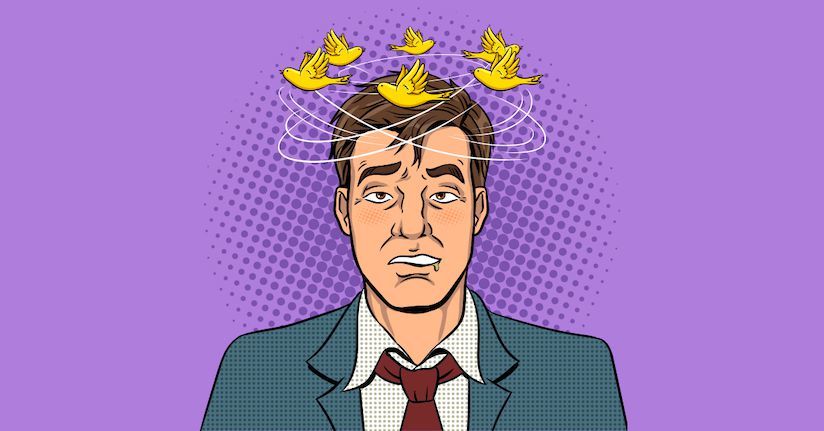
Dizziness is the feeling of lightheadedness or unbalanced. It affects the sensory organs especially the eyes and ears so it can cause fainting. It occurs when your brain is not getting enough blood or your blood may contain fewer amounts of oxygen.ContentsWhat is Dizziness?Causes of DizzinessCommon Causes are:Symptoms of DizzinessDiagnosisTreatments of DizzinessComplicationsPrecaution
Lightheadedness is caused by hypotension, fasting, infection like cold, hypoglycemia, Dehydration, and anxiety. This can make you fall due to imbalance and it can be dangerous. This is a common condition but if you are experiencing frequent episodes of dizzines, it can cause serious issues.
The sensation of everything is spinning around a person’s surroundings is called vertigo. It is caused by head movement or position.
Causes of Dizziness
It can be caused by several conditions and mainly due to imbalance.
The brain gets input about movement and positioning of the body from ears, eyes, skin, muscles, and joints. The most common causes of dizziness are benign paroxysmal positional vertigo, Meniere’s syndrome, and ear infections.
Common Causes are:
Alcohol
Allergic reaction
Anxiety
Stress
Hypoglycemia
Dehydration
Side effects of medicines
Carbon monoxide poisoning
It may result from neurological disorders like migraine, parkinsonism, sclerosis, ear infection. It can also be a symptom of life-threatening diseases like heart attack, shock, stroke, brain hemorrhage, ischemic heart disease.
Symptoms of Dizziness
People experiencing dizziness may feel weak, nauseated, tired, imbalanced, or confused. They may also feel the room is spinning around them.
Other symptoms that may be associated with dizziness include
Chest pain
Nausea
Feeling faint
Loss of balance
Feeling woozy or
heavy-headedness
Diagnosis
If you are experiencing frequent episodes of dizziness you need to visit your doctor. Your doctor will diagnose the cause of dizziness by checking the symptoms and conduct a physical examination to check your body posture and balance. In some cases, MRI or CT scan may be recommended by your doctor.
Treatments of Dizziness
As dizziness is a symptom of any underlying disease it can be treated by balancing exercises or medications. Depending upon the causes of dizziness your doctor may
Refer you to an audiologist for vestibular assessment and help to determine the cause of dizziness
Ear infection can be treated using anti-nausea medicines and home exercises
Migraine can be treated with lifestyle changes and medications
Chronic conditions can be best treated with vestibular rehabilitation therapy to improve balance through exercises.
Complications
This disease can make you fall and cause serious injuries. As dizziness is a symptom of other chronic diseases it can lead to serious complications if not treated at early stages. So you need to follow the treatment plan recommended by your doctor to reduce the risk of complications like brain damage, paralysis, heart attack, loss of vision or hearing, cancer, etc.
Precaution
If you are having frequent episodes of dizziness, you should avoid several activities including
Sit down or lie down immediately when you feel unbalanced to avoid falling down
Avoid driving and handling big machinery without consulting your doctor
Drink plenty of water to keep yourself hydrated
Maintain a healthy diet
Sit in a cool place if you feel suffocated and hot in crowded places
Take help of canes or handrails while walking upstairs
Avoid tobacco, caffeine, and alcohol
Also, Read More About – Cypon Syrup Uses in Hindi | Aptivate Syrup