Tag: discomfort

  • When It Comes to Astigmatism, Do Blue Light Glasses Help? – Health Cages

    When It Comes to Astigmatism, Do Blue Light Glasses Help? – Health Cages

    Blue light glasses are mainly for easing eye strain from screens and might help with astigmatism discomfort. But they can’t fix the uneven shape of the eye that causes astigmatism.

    (adsbygoogle=window.adsbygoogle||[]).push({})

    We’ll discuss these topics in this blog:

    (adsbygoogle=window.adsbygoogle||[]).push({})

    What is astigmatism?

    Astigmatism is when your eyes don’t bend light properly, making things blurry or distorted. It often happens with other vision problems, like nearsightedness or farsightedness.

    (adsbygoogle=window.adsbygoogle||[]).push({})

    If you have astigmatism, you might notice:

    (adsbygoogle=window.adsbygoogle||[]).push({})
    • Blurry vision
    • Headaches
    • Eye discomfort
    • Squinting to see clearly
    • Eye strain

    Regular reading glasses won’t help. You need special glasses or contact lenses made by a doctor.

    To get the right glasses, the eye doctor will:

    (adsbygoogle=window.adsbygoogle||[]).push({})
    • Check how well you can see
    • Use a special tool to see the shape of your eye’s surface
    • Write a prescription that shows how much extra help your eyes need
    • They might also talk about surgery to fix it, like LASIK.

    Also, you may know: What is Commonly Misdiagnosed as Pink Eye?

    What Lenses Are Used for Astigmatism?

    The strength of the lenses and the type of lenses are both really important for fixing astigmatism.

    Astigmatism changes the shape of the front of your eye, making it more like a football or an egg than a baseball. Because of this, light doesn’t go through your eye in the right way. That’s why it’s helpful to have special glasses with the right strength to fix it.

    The prescription for these glasses will have a part called “Cylinder” (CYL). It shows how much extra strength is needed to fix the astigmatism. This is a key part of the glasses prescription.

    But it’s not just about how strong the lenses are. The type of lens also matters a lot.

    Does Blue Light glasses help with astigmatism?

    Blue light glasses don’t fix astigmatism. They’re made to help your eyes feel better when you look at screens a lot. But if you have astigmatism, you still need special glasses or contacts from the eye doctor to see clearly. Blue light glasses might make your eyes feel less tired, but they won’t fix astigmatism by themselves.

    Do you need Blue Light Lenses?

    Blue light glasses stop blue light from affecting your body clock. This matters if you’re on screens a lot or in rooms with LED lights.

    But it’s important to think about how much blue light you get, even if you wear these glasses. A simple way to help is to use screens less at night and take breaks during the day.

    Also, using softer lights that you can adjust can make your surroundings feel more like natural light. This can help you sleep better.

    The Benefits Of Blue Light Lenses

    Blue light glasses are getting more popular as we use screens more. They might not prevent some eye problems, but they do help us sleep better.

    Alertness

    Blue light glasses can tell our bodies it’s time to relax and get ready for sleep. This can help us feel more awake and get more done during the day. Using these glasses can be a good way to stay energized and balanced.

    Managing Depression & Anxiety

    When we don’t sleep well, it can make us feel more likely to be depressed or anxious. Blue light glasses can help fix our sleep cycle and indirectly support our mental health. They help us sleep better and feel better overall.

    Blue light glasses can also help us see better outside, like when we’re in the sun. They reduce glare and help us focus on what we’re doing or enjoy the view around us.

    Remember to talk to an eye doctor for personalized advice about your eyes.

    Faq’s

    Q1. Does blue light affect astigmatism?

    A1. Astigmatism was also found to be reduced during development by blue light, according to the study. In animal experiments, the growth of the eye axis and the glass cavity in guinea pigs was inhibited by monochromatic short-wave blue light, resulting in hyperopia.

    Q2. What type of glasses are best for astigmatism?

    A2. Typically, toric lenses are recommended for people with moderate to high astigmatism due to the different degrees of curvature over different parts of the lens.

    Q3. Can glasses help with astigmatism?

    A3. Correctors of astigmatism commonly use lenses or contact lenses. These lenses have a unique design that allows light to focus on the retina, despite the irregular shape of the eye. The cylindrical lens on astigmatism glasses corrects the uneven curvature of the cornea or lens.

    Q4. Do blue light glasses help with bad eyesight?

    A4. In the short term, blue-light-filtering spectacles have no advantage over standard clear lenses when it comes to reducing vision fatigue, according to the analysis of the trials. Among the studies, only one examined whether blue-light-filtering glasses had any impact on eyesight.

    Q5. How do you fix astigmatism at night?

    A5. You will be able to see better at night if you wear toric or gas-permeable lenses, as these lenses are more rigid than other lenses. If you have a moderate form of astigmatism, these lenses will be able to assist you.

  • What to Eat After Tooth Extraction – Health Cages

    What to Eat After Tooth Extraction – Health Cages

    Introduction:

    After a tooth extraction, it’s important to choose foods and drinks that won’t cause discomfort or hinder the healing process. Opting for soft and cool foods like mashed potatoes, scrambled eggs, yogurt, smoothies, soup, and ice cream can help soothe the mouth and provide essential nutrients without requiring much chewing. These gentle options are easy to swallow and won’t irritate the extraction site. On the other hand, it’s best to avoid hard or crunchy foods, hot beverages, spicy foods, acidic foods, chewy foods, and alcohol, as they can cause pain, irritation, or complications during the healing process. Additionally, waiting until your mouth has sufficiently healed before reintroducing hot drinks can prevent discomfort and promote a smooth recovery. By following these dietary guidelines, you can help ensure a successful and comfortable healing process after a tooth extraction.

    (adsbygoogle=window.adsbygoogle||[]).push({})

    We’ll discuss these topics in this blog:

    (adsbygoogle=window.adsbygoogle||[]).push({})

    What to Eat Right After a Tooth Extraction

    After you get a tooth taken out, it’s important to eat foods that are gentle on your mouth and won’t make it hurt more. Soft and cool foods are the best choices because they help reduce swelling and are easy to eat. Here are some simple food ideas you can try after getting a tooth pulled:

    (adsbygoogle=window.adsbygoogle||[]).push({})
    1. Mashed Potatoes: They’re soft and smooth, so they’re easy to swallow. Mashed potatoes have good stuff like vitamin C, which helps your body heal. You can make them tastier by adding butter and herbs.
    1. Scrambled Eggs: Eggs are full of protein and vitamins that help your body heal. They’re easy to make soft and you can add cheese or herbs for flavor.
    1. Yogurt: It’s soft and creamy, and it has protein and calcium that are good for healing. Try to get plain Greek yogurt because it has more protein and less sugar.
    1. Smoothies: You can blend lots of different things to make a smoothie. Add protein powder or nut butter for extra protein, and fruits and veggies for vitamins. Just don’t use a straw because it can hurt your mouth.
    1. Soup: Soups are easy to eat and full of good stuff. Bone broth soups are especially good because they have protein and minerals that help you heal.
    1. Ice Cream: Eating cold things can help with swelling, so ice cream can feel nice. Soft-serve ice cream is the best choice, and you can try different flavors like banana.

    You can also try other soft foods like cottage cheese, oatmeal, and applesauce. These foods are gentle on your mouth and help you get the nutrients you need while you’re healing.

    (adsbygoogle=window.adsbygoogle||[]).push({})

    What Not To Eat After Tooth Extraction

    Avoid These Foods After Tooth Extraction:

    1. Hard or Crunchy Foods: Chips, nuts, hard candy, and popcorn can dislodge the blood clot in the tooth socket, causing dry sockets and slowing down healing.
    1. Hot Foods and Drinks: Very hot foods and drinks can be uncomfortable and delay healing. Stick to lukewarm options until your mouth feels better.
    1. Spicy Foods: Chili peppers, garlic, and ginger can increase inflammation and make your mouth more sensitive. Steer clear of spicy foods until your mouth heals completely.
    1. Acidic Foods: Citrus fruits, tomatoes, and pickles are acidic and can irritate the extraction site. They can also harm your teeth by wearing away the protective enamel.
    1. Chewy Foods: Steak and jerky, as well as other chewy foods, can irritate the area where your tooth was removed and disrupt the blood clot.
    1. Alcoholic Beverages: Alcohol can interfere with the healing process and should be avoided after tooth extraction. It’s especially important to skip alcohol if you’re taking pain medications or anti-inflammatory drugs.

    Follow Your Dentist’s Instructions:

    Remember to follow any instructions given by your dentist or oral surgeon after your tooth extraction. This may include taking prescribed medications, rinsing with salt water or mouthwash, using gauze to control bleeding, and avoiding smoking or drinking alcohol. Keeping up with good oral hygiene habits like brushing and flossing is also crucial for healing.

    (adsbygoogle=window.adsbygoogle||[]).push({})

    What can I drink after a tooth extraction?

    After a tooth extraction, it’s important to choose beverages that are gentle on your mouth and won’t interfere with the healing process. Here are some recommended options:

    1. Water: Water is the best choice for staying hydrated after a tooth extraction. It helps keep your mouth clean and moist without irritating.
    1. Cold or Room Temperature Beverages: Opt for cold or room temperature drinks to avoid irritating the extraction site. This includes lukewarm tea or coffee, which can provide comfort without causing discomfort.
    1. Clear Broth: Clear broths, such as chicken or vegetable broth, are soothing and provide hydration and nourishment without requiring much effort to consume.
    1. Smoothies: Smoothies made with soft fruits, yogurt, and milk or a non-dairy alternative are nutritious and easy to drink. Avoid using a straw, as the sucking motion can dislodge the blood clot and delay healing.
    1. Herbal Tea: Herbal teas like chamomile or peppermint can be soothing and help reduce inflammation. Make sure to let the tea cool down to a comfortable temperature before drinking.
    1. Diluted Fruit Juice: Dilute fruit juices with water to reduce their acidity and make them gentler in your mouth. Drink through a straw if necessary, but be careful not to create a suction that could dislodge the blood clot.
    1. Milk: Milk is a good source of calcium and protein, which are essential for healing. Opt for plain milk or a fortified non-dairy milk option.

    Remember to avoid drinking alcohol and beverages that are very hot, very cold, carbonated, or acidic, as they can irritate the extraction site and prolong healing. Always follow your dentist’s or oral surgeon’s recommendations for post-extraction care and dietary restrictions. If you experience persistent pain, bleeding, or other concerning symptoms after a tooth extraction, contact your dental provider for guidance.

    What not to drink after a tooth extraction?

    After a tooth extraction, it’s crucial to avoid certain types of drinks that could hinder the healing process or cause discomfort. Here’s what not to drink after a tooth extraction:

    1. Alcohol: Alcohol can interfere with the healing process and may interact negatively with any medications you’re taking for pain or inflammation. It’s best to avoid alcoholic beverages until your mouth has fully healed.
    1. Hot Beverages: Extremely hot drinks, such as coffee or tea, can increase blood flow to the extraction site and cause discomfort or even bleeding. Stick to lukewarm or cool beverages instead.
    1. Carbonated Drinks: Soda and other carbonated beverages can create bubbles in your mouth, which could dislodge the blood clot that forms in the extraction site. This can lead to dry sockets and delay healing.
    1. Straw Usage: While not a drink itself, using a straw to consume beverages can create suction in your mouth, which may dislodge the blood clot and impede healing. Avoid using straws until your dentist gives you the green light.
    1. Acidic Juices: Citrus juices like orange or grapefruit juice are acidic and can irritate the extraction site, causing discomfort and delaying healing. Additionally, the acid can erode tooth enamel, making your teeth more vulnerable to decay.
    1. Very Cold Beverages: Ice-cold drinks can cause sensitivity and discomfort, especially if you have exposed nerve endings in the extraction site. Stick to beverages that are closer to room temperature to avoid triggering pain.
    1. Dairy Products if You’re Lactose Intolerant: While dairy products like milk or yogurt can be soothing and nutritious, they may cause digestive issues if you’re lactose intolerant. Opt for lactose-free alternatives if dairy bothers your stomach.
    1. Hard or Chewy Drinks: Avoid beverages that contain chewy or hard ingredients, such as bubble tea with tapioca pearls or fruit smoothies with large chunks of fruit. These can be difficult to drink without disrupting the healing process.

    By avoiding these drinks and following your dentist’s post-extraction instructions, you can promote faster healing and reduce the risk of complications like dry sockets. If you have any questions or concerns about what to drink after a tooth extraction, don’t hesitate to reach out to your dental provider for guidance.

    When Can I Start Drinking Hot Drinks After My Tooth Extraction Surgery?

    After a tooth extraction surgery, it’s essential to wait until you’ve sufficiently healed before consuming hot drinks. While hot beverages like tea or coffee can be soothing, they can also pose risks to the healing process if consumed too soon. Here’s a general timeline for when you can safely start drinking hot drinks after a tooth extraction:

    • Initial 24 Hours: During the first 24 hours after tooth extraction, it’s crucial to avoid hot drinks altogether. Hot beverages can increase blood flow to the extraction site, leading to increased swelling, discomfort, and potentially bleeding. Stick to cold or lukewarm drinks during this initial period to promote healing and minimize discomfort.
    • 1-2 Days After Extraction: In the days following the extraction, you’ll likely experience some degree of swelling, pain, and sensitivity in the extraction site. It’s best to continue avoiding hot drinks during this time to prevent exacerbating these symptoms and potentially disrupting the blood clot that forms in the socket.
    • 3-4 Days After Extraction: After about 3-4 days, you may start to notice improvements in your symptoms, such as reduced swelling and discomfort. At this point, you can gradually reintroduce warm beverages into your diet. However, it’s essential to ensure that the drinks are not too hot, as they can still irritate the healing tissues in the extraction site.
    • 1 Week After Extraction: By the end of the first week post-extraction, your mouth should be healing well, and any initial swelling and discomfort should have subsided significantly. At this stage, you can generally start enjoying hot drinks like tea or coffee again, but be sure to test the temperature of the beverage first to ensure it’s not too hot.
    • Follow Dentist’s Recommendations: It’s important to follow any specific guidelines provided by your dentist or oral surgeon regarding when it’s safe to resume consuming hot drinks after your tooth extraction. They will assess your healing progress and provide personalized recommendations based on your unique circumstances.

    Remember that every individual’s healing process is different, so it’s crucial to listen to your body and prioritize your comfort and well-being. If you experience persistent pain, swelling, or other concerning symptoms after your tooth extraction, consult your dental provider for further guidance.

    Faq’s

    Q1. How soon can I eat after a tooth extraction?

    A1. Typically, dentists advise refraining from solid foods for the initial 24 hours post-extraction. Following this period, you can gradually reintroduce solid foods into your diet. However, individual recovery times and treatment specifics may vary, influencing dietary recommendations.

    Q2. What can I do to speed up the healing process after a tooth extraction?

    A2. Effective oral hygiene practices are crucial. Opt for a soft-bristled toothbrush, and be gentle around the extraction site to prevent irritation. Additionally, rinsing your mouth with warm saltwater as prescribed by your dentist promotes cleanliness and accelerates healing.

    Q3. Is it safe to eat rice after a tooth extraction?

    A3. After wisdom teeth removal, it’s generally safe to incorporate rice into your diet approximately 5 to 7 days post-extraction. However, consuming rice before this timeframe may pose a risk of rice particles getting lodged in the extraction site.

    Q4. Can I brush my teeth after a tooth extraction?

    A4. For the first 24 hours post-extraction, it’s advisable to refrain from brushing or rinsing your mouth. Afterward, exercise caution while brushing, avoiding the extraction site. Additionally, avoid swishing water, mouthwash, or other oral care fluids in your mouth immediately after the procedure.

    Q5. Is it okay to drink milk after a tooth extraction?

    A5. Since the extraction site is considered an open wound, it’s susceptible to infection from bacteria. Dairy products, including milk, are common sources of bacteria. Therefore, it’s recommended to steer clear of dairy products and beverages to minimize the risk of infection.

    Unlock a healthier smile: Start reading our dental blog today:

  • Should I Get a Botox Treatment?

    Should I Get a Botox Treatment?

    If you’re asking whether or not you should get a San Diego botox treatment, odds are you’ve had friends or family who has undergone the procedure and achieved excellent results. However, you may be nervous about the procedure simply because it is new to you and you don’t know what to expect.ContentsWhat Happens During a Botox Treatment?Why Do People Get Botox?What Should I Look for in a Botox Dermatologist?

    In this guide, we will break down what happens during a Botox treatment, why patients have the procedure performed on them, and what you should look for in your Botox dermatologist.

    What Happens During a Botox Treatment?

    Botox treatments generally consist of a simple, three-step procedure to get you in and out with minimal discomfort or time commitment: For Best botox san diego Call us at 858-263-6002.

    The Dermatologist’s Team Will Set You Up. Generally, the dermatologist or a member of his or her team will bring you back to the treatment room and get you set up. The dermatologist will then review the treatment with you, ensuring that you are both on the same page for where he or she will inject the substance, what to expect, etc.

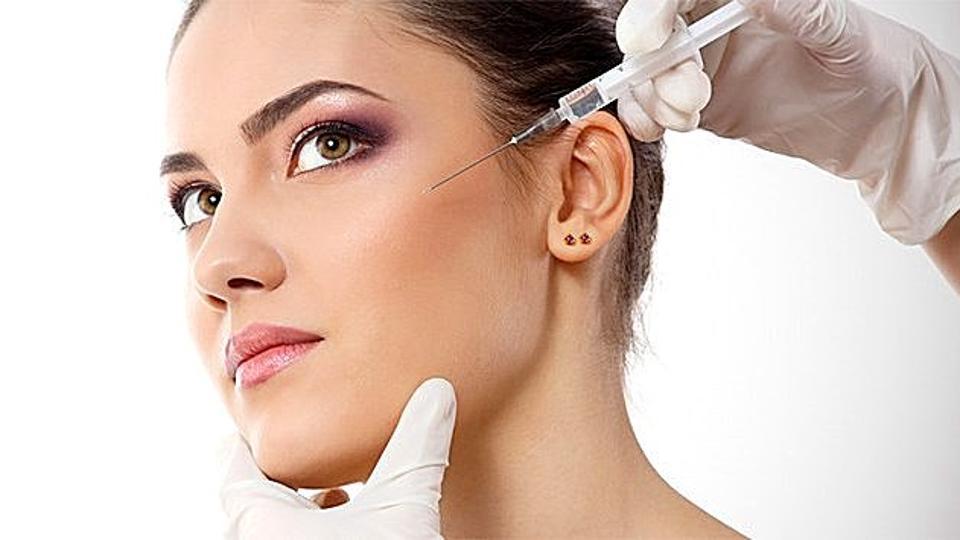
    The Dermatologist Will Inject the Botox. After applying a soothing cream, the doctor will then inject the Botox into your problem areas. The procedure itself only takes a few moments and the entire time from entering the office to leaving is often less than 20 minutes total.

    The Dermatologist Will Review Discharge and Follow Up. The dermatologist and members of his or her team will then review any specific discharge instructions such as any movements to avoid, foods to abstain from, and what to expect over the next few days and weeks. They will then provide you with instructions for when to schedule your follow up appointment and discuss anything else that needs to be addressed before you go.

    Read More: What Do You Need to Know About Juvederm Voluma?

    Why Do People Get Botox?

    The most common reason why people elect to receive Botox treatment is that these individuals wish to address cosmetic issues, especially wrinkles. Botox works great for wrinkle reduction because the injected substance is administered directly into the muscle and nerve area that is causing the wrinkles in question. Once injected, these muscles relax over the course of a few days to a week, causing the skin to appear wrinkle-free. This result often lasts for up to 6 months.

    Outside of cosmetic issues, Botox can also be used to treat a variety of conditions including TMJD (Temporomandibular Joint Disorder), Hyperhidrosis (inappropriate sweating in body areas such as the hands or armpits), and spasticity caused by neurological issues.

    What Should I Look for in a Botox Dermatologist?

    Above all, you’ll want to look for a dermatologist who has experience with Botox injections. While any dermatologist who performs Botox procedures will be able to achieve a good outcome, experienced clinicians will minimize bruising risk and will often complete the procedure more quickly than their novice counterparts.

    Outside of experience, it is a good idea to check out the dermatologist’s website or call the office to get a feel for them. If they don’t seem like the type of doctor you generally like to work with, you should consider searching elsewhere. Make sure it’s a good experience for you!

    Are you ready to get your first Botox treatment? If so, call a qualified Botox dermatologist today!

  • Doliprane 1000 /500 Mg : Uses, Dosage, Side Effects, Composition

    Doliprane 1000 /500 Mg : Uses, Dosage, Side Effects, Composition

    Table of Contents
    ToggleWhat is Doliprane Tablet?Medical Benefits of Doliprane EnceinteWhat are the Side Effects of Using the Doliprane Bébé?What are the Directions for Using the Doliprane Tablet?What are the in-Depth Precautions and Warnings of Doliprane Tablet?FAQsWhat is a Doliprane Tablet?What are the side effects of consuming the Doliprane Tablet?What is the storage advice for the Doliprane Tablet?What should be the suggested dosage for the Doliprane Tablet?

    What is Doliprane Tablet?

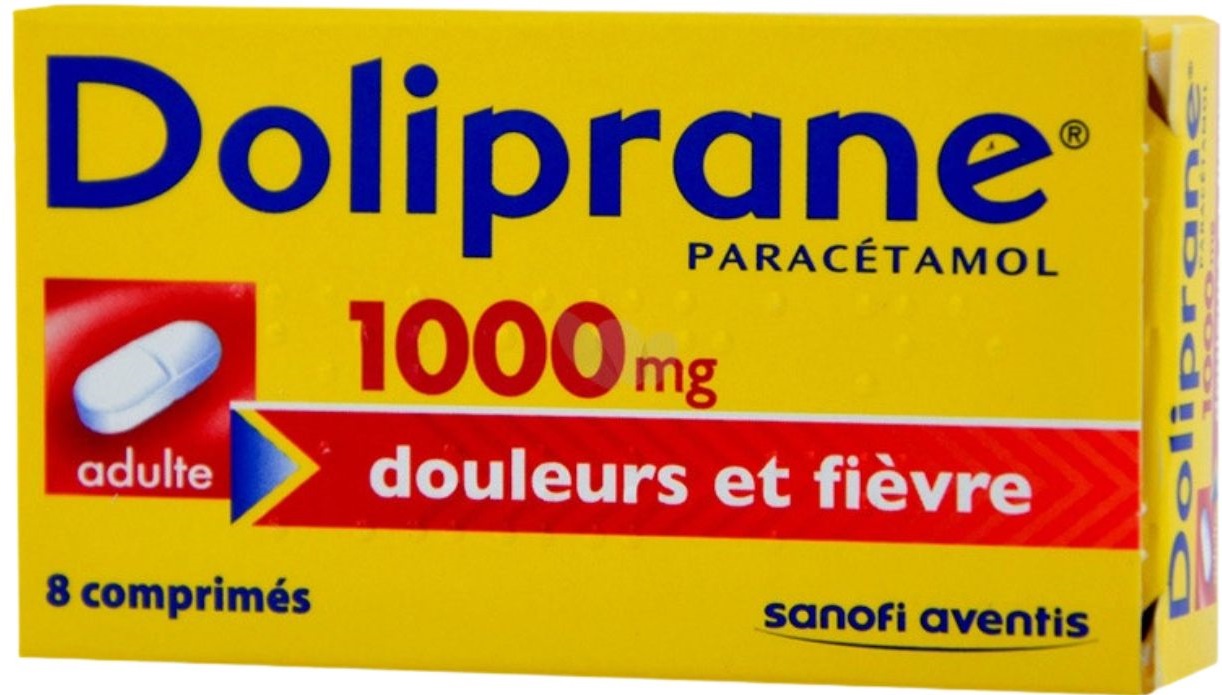
    Doliprane is a form of medicine that is available in the market in two different variants: 500 mg and 1000 mg. Doliprane 500 mg, also known as Acetaminophen, aids in lowering temperature and discomfort. It is the most popular kind of over-the-counter painkiller and fever reducer. It may be categorised as a painkiller as Paracetamol is one of its primary ingredients which is effective in relieving mild to moderate pain, including headaches, toothaches, menstrual cramps, and various other types of discomfort, in addition to lowering body temperature.ContentsWhat is Doliprane Tablet?Medical Benefits of Doliprane EnceinteWhat are the Side Effects of Using the Doliprane Bébé?What are the Directions for Using the Doliprane Tablet?What are the in-Depth Precautions and Warnings of Doliprane Tablet?FAQsWhat is a Doliprane Tablet?What are the side effects of consuming the Doliprane Tablet?What is the storage advice for the Doliprane Tablet?What should be the suggested dosage for the Doliprane Tablet?

    On the other hand, Doliprane 1000 mg is the extended dose which is also a generic medication Paracetamol, sometimes referred to as Acetaminophen. Analgesic and Antipyretic agents are the two major forms of medication that constitute the ‘Paracetamol’ that acts as a reliever and painkiller. Uncomfortable bodily sensations are brought on by the neurological system, which also manifests as signs of pain. Whereas, the human body experiences the symptoms of fever when the normal body temperature increases more than usual which is 98.6°F or 37°C. 

    Also, Read More About – Zentel Tablet

    Medical Benefits of Doliprane Enceinte

    Pain relief: Doliprane is effective in relieving mild to moderate pain, including headaches, toothaches, menstrual cramps, and arthritis.

    Fever reduction: It is also used to reduce fever associated with infections and illnesses, such as the flu or cold.

    The active component that is present in the medicine, Paracetamol works by blocking the production of prostaglandins, which react as chemical messengers in the body that often leads to pain and inflammation.

    The Analgesic component of the medicine is best effective in relieving the pain and the other component, Antipyretic is beneficial in lowering the fever. 

    A part of the brain that is controlled and affected when someone consumes the medication is the hypothalamus heat-regulating centre, also known as the human body temperature regulator.

    What are the Side Effects of Using the Doliprane Bébé?

    Some of the most noticed side effects of this medication include Nausea, Vomiting, Skin rashes, Aching in the head and stomach, and Dizziness. 

    Sometimes, it becomes essential to be within your limits and adhere to the advised dosage and not go over the 4-gram daily limit as prescribed by your doctor. By exceeding the dosage, you can experience severe side effects that may have negative consequences on the human body. One of them is liver damage. 

    Hence, it is advisable that you should seek out a doctor or pharmacist right before you intend to use this medicine or increase the tablets when the current set limit remains ineffective. The same consultation advice goes to those having a bad medical history. 

    What are the Directions for Using the Doliprane Tablet?

    Consuming this medicine in accordance with your doctor’s recommended dosage and use guidelines is the foremost measure. 

    Decide on a certain time to ingest the pill. With enough water, it can be taken either before or after a meal.

    Above all, take your medication as directed. It is important to take your medications exactly as your doctor has advised. During the initial time, there are chances that your body becomes susceptible to experiencing some most common side effects including Nausea, Vomiting, Skin rashes, aches in the head and stomach, and Dizziness. 

    Swallow it as a whole. It can not be chewed, split, and divided into two equal pieces. Otherwise, the effectiveness of the medicine will be nil. 

    What are the in-Depth Precautions and Warnings of Doliprane Tablet?

    Here are some in-depth precautions and warnings of Doliprane 500 mg tablet that should not be neglected at all costs:

    Allergic reactions: Go through all the required information that is present on the packaging of the medicine. If you are able to find any of its ingredients allergic to you, do not take the medicine. See your doctor right away if you suffer symptoms like hives, itching, swelling, trouble breathing, or rash.

    Pregnancy and breast-feeding: The following dosages of the medication are not advisable during the period of pregnancy unless the pregnant woman urges for the requirement of it and the doctor’s prescription is available to you. The greater likelihood is that it may harm the developing foetus or cause complications during childbirth. Do not lactate your baby while taking this medicine without consulting your doctor.

    Liver or kidney disease: Inform your doctor if you have any liver or kidney problems before taking the Doliprane tablet. Your doctor may adjust the dosage or monitor you closely for any side effects that may be severe as well. One of the major adverse effects includes damage to the kidney. 

    Avoid the consumption of alcohol while taking the medicine since it may increase the risk of side effects such as drowsiness and dizziness.

    Driving and operating machinery: The following medications may cause drowsiness, dizziness, or lack of clear vision, affecting your ability to drive or operate machinery.

    Overdosing: Extending the dosage of the tablet may give birth to serious side effects including seizures, irregular heartbeat, and loss of consciousness. Seek immediate medical attention if you suspect an overdosing activity by your side.

    FAQs

    What is a Doliprane Tablet?

    Doliprane is a form of medicine that is available in the market in two different variants: 500 mg and 1000 mg. Doliprane 500 mg, also known as Acetaminophen, aids in lowering temperature and discomfort. On the other hand, doliprane 1000 لماذا يستعمل is the extended dose which is also a generic medication Paracetamol, sometimes referred to as Acetaminophen. Both variants include Paracetamol as their major component. Antipyretic agents are the two major forms of medication that constitute the ‘Paracetamol’ that acts as a reliever and painkiller برشام doliprane. 

    What are the side effects of consuming the Doliprane Tablet?

    Some of the most noticed side effects of consuming the Doliprane Tablet include Nausea, Vomiting, Skin rashes, Aching in the head and stomach, and Dizziness. One of the major adverse effects is damage to the kidney. 

    What is the storage advice for the Doliprane Tablet?

    The medicine should be kept safe at a temperature equivalent to your room.

    It should strictly be stored away from moisture and sunlight. 

    Children and pets should not have access to it. 

    After the medication’s printed expiration date, avoid consuming it. 

    What should be the suggested dosage for the Doliprane Tablet?

    When it comes to consuming the Doliprane 500 mg tablet, you can consume 1-2 tablets every four to six hours, with a maximum limit of 8 tablets on a daily basis. The patient’s age, weight, and medical condition might all affect the dose, though. However, all the above-mentioned recommendations of the dosage may vary when you consume the Doliprane 1000 mg tablet. To get the right prescription regarding the dosage, it is recommended to have a word with a doctor or pharmacist.

    Also, Read More About – Maxtra Syrup Uses in Hindi | Tentex Forte Tablet Uses in Hindi

  • Why Does My Spirit Feel Uneasy Around Someone? – Health Cages

    Why Does My Spirit Feel Uneasy Around Someone? – Health Cages

    Introduction 

    We often rely on our gut feelings to navigate social interactions, sensing discomfort or unease around certain individuals without fully understanding why. This intuitive sense, or “gut instinct,” is more than just a vague feeling; it is a complex interplay of subconscious signals, past experiences, and physiological responses. 

    Our brains constantly process subtle cues, such as body language and past patterns, to assess potential threats or discomforts in social situations. They were understanding how these instincts work can shed light on why certain people make us feel uneasy and how our intuition helps us navigate complex social landscapes.

    In this blog we’ll discuss these topics:

    Understanding Spiritual Disturbances

    Have you ever experienced an uneasy feeling around someone, even though everything seems fine on the surface? You may find yourself asking, “Why is my soul uncomfortable around anyone?” This feeling can be disturbing, especially if there is no obvious reason for it. Let’s explore this trend and what it means for you.

    (adsbygoogle=window.adsbygoogle||[]).push({})

    When Your Spirit Feels Uneasy

    Feeling uncomfortable around someone can be described as a disturbance in your soul. This discomfort can manifest as a nagging feeling that something is not quite right. You may be wondering, “What does it mean when your soul is restless?” It’s not uncommon to feel anxious, even if you can’t pinpoint the cause.

    (adsbygoogle=window.adsbygoogle||[]).push({})

    In cases where these feelings persist, speaking with an online therapist for teenager can provide teens with the tools and insights needed to navigate social anxieties and find emotional balance.

    (adsbygoogle=window.adsbygoogle||[]).push({})

    Signs of an Uneasy Spirit

    Increased Irritation

    You may get irritated or angry with someone for no apparent reason.

    (adsbygoogle=window.adsbygoogle||[]).push({})

    Restlessness

    A constant feeling of uneasiness or discomfort around a person.

    Discomfort

    A general feeling of uneasiness or tension in their presence.

    (adsbygoogle=window.adsbygoogle||[]).push({})

    Troubled Spirit Meaning

    A troubled spirit can be a sign that something is off. It can be described as feeling spiritually depressed or restless. For many Christians, this feeling can be interpreted as a sign from God. If you are experiencing a troubled spirit, it may be worth asking, “Is God trying to warn me about this person?” The Holy Spirit often communicates through our inner feelings, alerting us to potential problems.

    Biblical Insight

    The Bible speaks of the importance of spiritual discernment and paying attention to our inner feelings. For example, in 2 Corinthians 2:13, Paul mentions not feeling rest in his spirit. This passage shows how deeply a lack of peace can affect us and how it can serve as a warning.

    When Your Spirit is Disturbed

    Experiencing spiritual distress around someone can sometimes be a sign of deeper issues. Rather than ignoring these feelings, it is important to acknowledge and address them.

    Common Causes

    Negative Influence

    This person may have a negative spiritual influence on you.

    Hidden Issues

    There may be underlying issues or dishonesty that you are unconsciously picking up on.

    Spiritual Guidance

    When you feel that your spirit is troubled, it is important to seek spiritual guidance. Spend time in prayer and meditation, asking for clarification and understanding. Phrases like “I just want to speak the name of Jesus” or “I need your spirit” can be powerful in seeking divine insight.

    Steps to Take

    Pray for Clarity

    Ask God to reveal any hidden issues and guide you in understanding your feelings.

    Reflect on the Relationship

    Consider whether there are any past experiences or behaviors that might explain your anxiety.

    Seek Counsel

    Sometimes speaking with a trusted spiritual advisor can provide additional perspective.

    Conclusion

    If you find yourself feeling uncomfortable around someone, don’t dismiss those feelings. They can be a sign that something is not right. By seeking spiritual guidance and reflecting on your own experiences, you can gain a better understanding of why your soul is troubled. Remember, it’s better to address these feelings early than to ignore them and face potentially bigger problems later.

    Have you ever felt uncomfortable around someone? How did you handle it? Share your thoughts and experiences in the comments below!

    Faq’s 

    Q1. Why do I feel uneasy around a certain person?

    A1. Sometimes, the anxiety we feel around others is because of how we see ourselves. We might take parts of ourselves that we don’t like and think other people have those same traits.

    Q2. What are the signs of spiritual disturbance?

    A2. Signs of spiritual distress can include pain, feeling alone, anxiety, guilt, loss, and despair. However, these signs can also be related to mental and emotional problems, so it’s not always easy to tell.

    Q3. What does it mean when someone makes you feel uncomfortable?

    A3. Feeling uncomfortable around someone might be your body’s way of telling you to leave the situation. This person could be draining your energy or affecting you negatively. Listen to your instincts and give yourself space if needed.

    Q4. Why do I suddenly feel uncomfortable with someone?

    A4. Sudden discomfort with someone can happen for many reasons, like changes in your relationship, their behavior, or lack of boundaries. Talking openly and setting boundaries can help build stronger friendships.

    Q5. Why do I feel uneasy when I like someone?

    A5. Relationship anxiety often comes from past experiences, personal insecurities, and unresolved issues. It might be linked to past traumas, childhood attachment styles, or low self-esteem.


  • Finding Confidence in a Swimsuit

    Finding Confidence in a Swimsuit

    With warmer weather on the horizon, many of us begin to entertain thoughts of beach days, pool parties, and sun-soaked holidays. However, for some, this anticipation is tinged with a hint of dread at the prospect of donning a swimsuit. Body confidence issues can affect anyone, but there are strategies to cultivate self-assurance and enjoy the summer season to its fullest. Here are some tips for finding confidence in a swimsuit this season.

    Understanding Swimsuit Anxiety

    Swimsuit anxiety is the discomfort and self-consciousness that one might feel when wearing bathing attire. This concern stems from various sources, including societal pressure to conform to certain beauty standards, personal insecurities, or past negative experiences. While these feelings are common, they can detract from the joy of summer activities. Overcoming this anxiety involves a combination of self-acceptance and choosing the right swimwear.

    Choosing Flattering Swimwear

    One key aspect of gaining confidence in swimwear is selecting pieces that flatter your body shape and make you feel comfortable. Whether you’re interested in stylish bikinis online or elegant one piece swimwear, there’s something for everyone. It’s important to shop at outlets that offer a wide variety of styles, sizes, and fits so you can find the option that best aligns with your preferences and body type.