Tag: extreme

  • What is Cryosurgery? – Health Cages

    What is Cryosurgery? – Health Cages

    Introduction:

    This blog taught us about cryosurgery, a medical treatment that uses extreme cold to fix different health problems, like cancer and non-cancer issues. Cryosurgery freezes and destroys abnormal tissues or growths with liquid nitrogen or other very cold substances. It’s a simple procedure that usually needs only a small cut and can be done with just local anesthesia. 

    (adsbygoogle=window.adsbygoogle||[]).push({})

    Cryosurgery has benefits like accurate targeting, working well with other treatments, and being useful when surgery isn’t possible. But it can also have mild side effects. Overall, cryosurgery is a helpful option for patients, giving them different choices for treatment with fewer problems.

    (adsbygoogle=window.adsbygoogle||[]).push({})

    In this blog, we discuss the following topics:

    (adsbygoogle=window.adsbygoogle||[]).push({})

    What is Cryosurgery?

    Cryosurgery, also known as cryotherapy or cryoablation, is a medical procedure that uses extremely cold temperatures to destroy abnormal tissues or lesions. It involves the application of liquid nitrogen or other cryogenic substances to freeze and kill targeted cells.

    (adsbygoogle=window.adsbygoogle||[]).push({})

    During cryosurgery, a cryoprobe or applicator is inserted into or placed on the tissue to be treated. The cryoprobe is cooled to very low temperatures, typically below -20 degrees Celsius (-4 degrees Fahrenheit) or even colder. This extreme cold causes ice crystals to form within the cells, leading to cellular damage and destruction.

    Cryosurgery is commonly used to treat various conditions, including skin lesions such as warts, skin tags, and certain types of skin cancer. It’s also used in gynecology to treat abnormal cervical cells (cryotherapy for cervical dysplasia) and in other medical specialties for conditions like prostate cancer, liver tumors, and retinal detachment.

    (adsbygoogle=window.adsbygoogle||[]).push({})

    One advantage of cryosurgery is its minimally invasive nature, often resulting in less pain, scarring, and recovery time compared to traditional surgical methods. However, like any medical procedure, it carries some risks and may not be suitable for all patients or conditions.

    Cryosurgery-Treated cancers

    Cryosurgery can help with some cancers and non-cancer problems too:

    For Cancer:

    1. Eye cancer called retinoblastoma
    2. Skin cancers like basal cell and squamous cell carcinomas
    3. Skin sores from AIDS-related Kaposi sarcoma
    4. Early prostate cancer
    5. Liver cancer that’s only in the liver
    6. Bone cancer, especially chondrosarcoma
    7. Non-small cell lung cancer

    For Non-Cancer Issues:

    1. Skin growths called actinic keratoses, which might turn into cancer
    2. Abnormal cervical cells that can lead to cervical cancer
    3. Benign bone tumors like enchondroma, giant cell tumor, aneurysmal bone cyst, and chondroblastoma.

    Advantages Cryosurgery

    Cryosurgery offers several advantages:

    • Minimal invasion: Only a small cut or hole is typically required to insert the cryoprobe, leading to reduced pain, bleeding, and surgical complications.
    • Local anesthesia: Often, cryosurgery can be performed using only local anesthesia, eliminating the need for a hospital stay.
    • Precision targeting: Because it’s a localized treatment, doctors can precisely focus on the affected area, minimizing damage to surrounding healthy tissue.
    • Compatibility with other treatments: Cryosurgery can be combined with other cancer therapies safely.
    • Alternative when surgery isn’t possible: It can be used when tumors can’t be surgically removed or when surgery isn’t feasible due to age or other health issues.
    • Option for resistant cancers: Cryosurgery may be considered when standard treatments fail to control the cancer.

    Side Effects of Cryosurgery

    Cryosurgery can have side effects, but they’re usually not as bad as those from other treatments like surgery or radiation. The side effects you might get depend on where your body is treated:

    1. If you get cryosurgery for abnormal cervical cells, you might feel cramps, pain, or bleeding.
    1. For skin tumors, it can cause scarring, swelling, and sometimes numbness or changes in skin color or hair in the treated area.
    1. Cryosurgery on bone tumors might damage nearby bone, making it more likely to break later.
    1. If it’s used on liver tumors, it could harm bile ducts and big blood vessels, leading to heavy bleeding or infections.
    1. Cryosurgery for prostate cancer might block urine flow, cause incontinence, impotence, or damage the rectum. If you’ve had radiation therapy before, you’re more likely to have side effects.

    Research on Cryosurgery

    Researchers are looking into freezing surgery as a possible treatment for:

    • Mouth problems that can turn into cancer.
    • Breast cancer.
    • Colon cancer.
    • Pancreatic cancer.
    • Kidney cancer.

    They are also studying if freezing surgery can work well with other cancer treatments, like hormone therapy, chemotherapy, immunotherapy, radiation therapy, and surgery. If you want to find a clinical trial using freezing surgery, you can use a special search or ask NCI’s Cancer Information Service for help.

    Conclusion

    In conclusion, cryosurgery offers a valuable option for treating various cancers and non-cancerous conditions. Its benefits include minimal invasion, precise targeting, compatibility with other treatments, and suitability for cases where surgery isn’t possible or standard treatments fail. The specific side effects vary depending on the part of the body treated, but they may include pain, bleeding, scarring, nerve damage, and potential complications related to nearby tissues or organs. Despite these risks, cryosurgery remains a valuable tool in the fight against cancer and other medical conditions, offering patients alternative treatment options with fewer complications.

    Faq’s

    Q1. What is cryosurgery used for?

    A1. Cryosurgery uses really cold temperatures made by things like liquid nitrogen or argon gas to kill cancer cells.

    Q2. Is cryosurgery painful?

    A2. During cryosurgery, you might feel some discomfort or cramping, but you’ll be awake.

    Q3. Is cryosurgery considered surgery?

    A3. Yes, cryosurgery is a type of surgery where they use extreme cold to destroy abnormal tissues like tumors. They often use liquid 

    nitrogen, but sometimes they use carbon dioxide or argon.

    Q4. What is the method of cryosurgery?

    A4. The most common way is to spray liquid nitrogen onto the problem area. They do it in short bursts to control it better. This works well for things like warts or small bumps.

    Q5. Who uses cryosurgery?

    A5. Doctors in dermatology departments often use cryosurgery. They use it to treat things like warts, bumps, and certain skin growths.

    Don’t be shy, get your skin by, reading our blog tips that fly:
  • Tyson Foods Warns of Beef Shortage; Ranchers Brace for New Challenges

    Tyson Foods Warns of Beef Shortage; Ranchers Brace for New Challenges

    Tyson Foods’ Beef Battle: Are Cattle Numbers Reaching the Bottom?

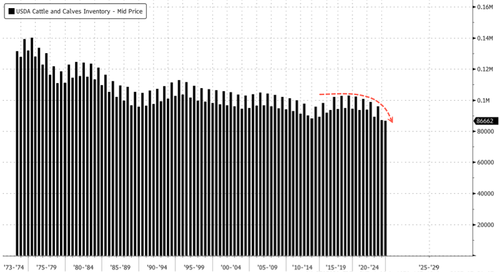
    Tyson Foods recently threw a spotlight on the state of U.S. cattle supply. During the earnings call, Brady Stewart—the man behind the beef and pork supply chains—offered a look into what could spell the bottom of the cattle inventory cycle. With herd numbers hitting a 73‑year low, the industry is feeling the pressure, and Stewart’s interview with Barclays analyst Benjamin Theurer got to the heart of the matter.

    What’s Going On Under the Hood?

    The question was: “Are we at the bottom of the cycle or is it too early to tell?” Stewart answered that the picture isn’t all bleak. After a record‑high weight influx, the decline in volume has been countered by heavier cattle.

    He said:

    • “Cattle on feed are currently creaking — literally. Record‑high weights across the board.
    • “Despite the headcount drop, those heaviest animals help keep the freight charge steady.
    • “The overall numbers show we’re at or near the tip of the herd inventory cycle.”

    From the Heifer’s Perspective

    Stewart highlighted that while the heifer retention rates weren’t where they used to be, the industry is beginning to rebuild:

    • “We saw an 18% drop in beef cow harvest last year.
    • “Heifers on feed also fell, indicating farms are keeping them on the pasture.
    • “A 4% drop year‑over‑year in heifer numbers, but that trend is leveling.
    A Bottom‑Line Takeaway

    According to Stewart, the sign‑posts point to a potential bottoming-out of the cycle. He added:

    “We’re starting to see enough signal that the rebuild is becoming obvious. From a liquidation standpoint, we’re seeing the low points right now.”

    What Does This Mean for Stakeholders?

    • Consumers: Expect continued beef supplies, though prices might reflect the shifting inventory.
    • Ranchers: The heavier cattle now provide some comfort, even as headcounts dip.
    • Investors: Tyson’s update could affect future earnings and supply chain decisions.

    Bottom Line: Are We Bouncing Back?

    While the numbers are less than ideal, the story isn’t all doom and gloom. The heavyweights are helping keep prices afloat, and the industry may well be at or near the bottom of its inventory cycle. Be on the lookout for the rebound—just as the cattle might have a chance to bounce back!

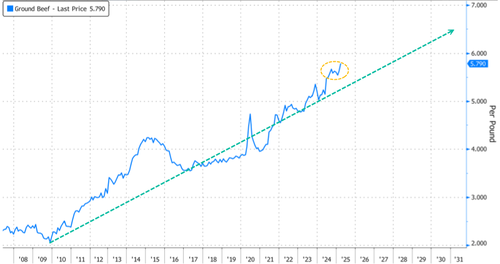
    At the supermarket, USDA data from the end of March showed the average price for a pound of ground beef reached yet another record high of $5.79.

    Rebuilding the American Herd—One Heifer at a Time

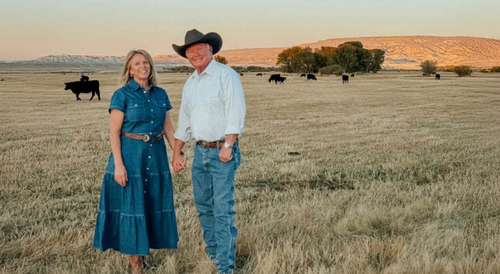
    Texas Slim, the powerhouse behind The Beef Initiative, weighed in on the 18% dip in beef cow harvests. He didn’t sound like a statistics nerd; instead he sounded like a rancher’s neighbor at the county fair.

    “It’s not just about numbers—it’s proof of grit,” Slim said. “When the ranchers put the heifers in the pasture, they’re not chasing a trend; they’re planting a legacy. That drop? It’s a reset, not a collapse.”

    He added that a true rebuild will take years—and it’s got to be a road trip involving every mom-and-pop rancher across the country.

    Why the Current Model Falls Short

    • Only four multinational meatpackers dominate the market.
    • It’s a security risk for the nation’s beef future.
    • Breaking the cycle means grassroots support.

    The ZeroHedge Rancher Direct Store: A Single Order, A Big Impact

    Slim champions the new partnership with ZeroHedge.

    • Each order feeds working capital straight into independent ranchers.
    • The store launched last week, and the buzz was electric.
    • With the “Make America Healthy Again” (MAHA) movement gaining steam, the link between ranchers and consumers is stronger than ever.

    “Every purchase is a vote for clean, MAHA beef and the future of our small ranches,” Slim said, eyes glinting with that famous Texas swagger.

    Support America: A Quick Guide to Boosting Our Nation

    Why it matters: America isn’t just a country; it’s a global giant, a melting pot of ideas, a playground for ambition. When you say “I support America,” you’re pitching for better schools, cleaner skies, and a stronger workplace—no fancy jargon needed.

    1. Get Involved Locally

    • Volunteer at a food bank. Share a meal, make a smile.
    • Attend town hall meetings. Your voice is the loudest support.
    • Join community clean‑up drives. A tidy street = a proud city.

    2. Back Innovation

    America loves inventors. You can:

    • Support STEM programs. Future engineers deserve tomorrow’s tools.
    • Invest in green tech. Cleaner energy keeps us soaring.
    • Champion local startups. Every small success builds a big future.

    3. Keep the Economy Strong

    It’s simple: buy American goods, hire local talent, and advocate tax policies that help entrepreneurs.

    4. Promote Education

    • Donate to scholarships. Give high‑schoolers a chance to hit the jackpot.
    • Sponsor after‑school tutoring. Help kids level up—literally.
    • Encourage open‑access to knowledge. The internet is America’s library.

    5. Stand for Unity

    America’s strength is diversity. Fight discrimination, celebrate every voice, and reinforce the common bond that keeps us moving forward.

    Wrap‑up

    Supporting America isn’t about grand gestures—though they’re nice. It’s about consistent, everyday acts that reinforce hope, opportunity, and progress. Grab a pen, write a letter, turn off a light when you don’t need it—every tiny step counts. Boldly go out there, lean in, and say, “This is for America!”

    Supporting Small Ranchers

    Small ranchers are the backbone of our farms — a bunch of hardworking folks who wrestle with the weather, market swings, and the occasional rogue cow that has a mind of its own. Because their day‐to‐day life is a blend of grit and hair‑pinches, it takes a conscious effort to keep these heroes happy and healthy.

    Why It Matters

    • Community Roots – Each rancher feeds a local population, keeps the economy spinning, and preserves the land’s spirit.
    • Economic Diversity – Their farms are the unsung league of the small‑business champions that give us choice in our burgers, eggs, and cheese.
    • Environmental Stewardship – Sustainable ranching keeps the soil alive and the water clean, something the big corporates can barely promise.

    What You Can Do

    • Binge–some‑ware – Buy meat, dairy, and produce straight from a local rancher’s barn. No middle‑men, no mystery, just honest, farm‑fresh food.
    • Show Up On‑the‑Ground – Volunteer with a local harvest or a ranch referral drive. Your time can be as valuable as a bucket of fresh milk.
    • Write a Letter – Tell your representatives that you want laws that protect small ranchers from corporate takeovers, drought, and over‑regulation.
    • Hey, you’ve Got Money – Don’t run away at the word ‘campaign.’ Contribute to credit‑or‑community‑loans or micro‑business funds that help ranchers keep their livestock and land.
    • Spread the Word – Hosts on socials, campus clubs, or your own family dinners are perfect stations for “fresh‑from‑the‑farm” propaganda.

    Short‑Term Fun

    Invite a rancher to your Thanksgiving dinner. That’s a good line to the table, a chance for you to ask, “So, ever gotten a surprise lasso from a neighbor?” The stash of humorous anecdotes and genuine gratitude will be a hit with everyone — and it’s a direct lift that ties your appetite for good food to the farm’s good health.

    How We Can Support the Heartland

    The Heartland isn’t just a stretch of far‑fields and open skies; it’s the vibrant pulse that keeps us rooted. When we talk about “support,” we’re talking about giving a lift to the folks who grow our food, tend to our heritage, and keep the soul of our country humming. Let’s dive into why this matters and how you can jump right in.

    Why the Heartland Matters

    • Food Security: Every seed planted there eventually fills tables—all the way from local diners to portion packs on grocery shelves.
    • Economic Backbone: Small towns, big profits. From tractor‑laden farms to family‑owned diners, the economy thrives on a steady flow of shoulder‑to‑shoulder labor.
    • Community Identity: These places hold traditions—bowling nights, quilt‑making, farm‑to‑table festivals—that stitch a mesh of local pride.
    • Environmental Safeguard: Responsible land stewardship keeps soils fertile and air crisp, so future generations get the same bounty.

    Simple Ways to Make a Difference

    • Buy Local: Pick up apples, honey or handmade crafts at your nearest farmers’ market. Every purchase is a high‑five to the farm.
    • Volunteer: Whether it’s a food‑bank drive or a community garden clean‑up, lending your time strengthens bonds.
    • Spread the Word: Tell friends, post on social media, or write a letter to your local legislators about the importance of rural infrastructure.
    • Invest Wisely: Consider supporting local cooperatives or agri‑tech startups that boost productivity without sacrificing sustainability.
    • Travel Smart: Book stays at bed‑and‑breakfasts or agritourism spots—your travel dollars go straight into the heart of the community.

    Feel the Heartbeat, Share the Magic

    Picture a quiet sunrise over cornfields, a gentle breeze rustling through wheat, the scent of fresh bread from a bakery miles away. That’s the Real America. When you support the Heartland, you keep that narrative alive—far from just paper headlines, it’s a living, breathing story. Let’s turn the support from a buzzword into a daily habit. Because when the fields thrive, so do we all.

    It’s Time for a Food Revolution!

    Hey food lovers, the status quo is about to crumble like stale bread. Grab a fork and let’s stir up some tasty rebellion.

    Why We’re Hungry for Change

    • Monotonous Menu Madness: Every meal feels like a déjà vu.
    • Unhealthy Habits: Green smoothies? Check. Skipping veggies? Double check.
    • Wasteful Wonderland: Food waste that feels like an all‑you‑can‑not‑eat buffet.

    How to Join the Culinary Uprising

    1. Swap your Sunday pizza for a plant‑power-packed stir‑fry.
    2. Trade the bottle for reusable containers—with a splash of silver.
    3. Batch‑cook your favorites to avoid “last‑minute treadmill meals.”
    4. Invite friends for a potluck of novelty. Surprise their taste buds.
    5. Become the food hacker—blend, mash, whisk, repeat.

    Final Word

    Revolution doesn’t mean ditching comfort forever; it’s about remixing what we love, adding a dash of sustainability, and serving joy. Let’s turn the kitchen into the arena of flavor and freedom.