Tag: gaps

  • Are Cavities Still Possible After Getting Porcelain Veneers?

    Are Cavities Still Possible After Getting Porcelain Veneers?

    Introduction:

    In this blog, we learn that veneers are thin covers for teeth that can fill gaps, change tooth shape, hide stains, and fix chipped or broken teeth. While veneers make smiles look better, they don’t prevent cavities or strengthen teeth. 

    (adsbygoogle=window.adsbygoogle||[]).push({})

    Cavities can still happen under veneers if oral hygiene isn’t maintained. Good oral care, including brushing, flossing, and regular dental visits, is crucial for both natural teeth and veneers to prevent decay. Following these tips can help maintain the appearance and health of veneers, ensuring a bright smile.

    (adsbygoogle=window.adsbygoogle||[]).push({})

    The porcelain used in your veneers won’t decay, but cavities can still form behind them. If this happens, the decay can harm your teeth and might make your veneers not last as long.

    (adsbygoogle=window.adsbygoogle||[]).push({})

    In this blog, we will discuss the following topics:

    (adsbygoogle=window.adsbygoogle||[]).push({})

    What Are Veneers?

    Veneers are thin shells made of tooth-colored materials, such as porcelain or composite resin, that are custom-made to cover the front surface of teeth. They are designed to improve the appearance of teeth by changing their color, shape, size, or length. Veneers are commonly used to address various cosmetic dental issues, including:

    1. Discoloration: Veneers can effectively cover teeth that are stained or discolored and resistant to whitening treatments.
    2. Chips or Cracks: Veneers can conceal small chips, cracks, or fractures in teeth, restoring a more uniform appearance.
    3. Gaps or Spaces: Veneers can close gaps or spaces between teeth, creating a more even and symmetrical smile.
    4. Misalignment: Veneers can give the appearance of straighter teeth without the need for orthodontic treatment in cases of minor misalignment or irregularly shaped teeth.

    The process of getting veneers typically involves several steps, including consultation, tooth preparation, impression-taking, fabrication of custom veneers, and bonding the veneers to the teeth using dental cement. Veneers are a popular cosmetic dental treatment due to their ability to produce dramatic results with minimal alteration to the natural teeth.

    (adsbygoogle=window.adsbygoogle||[]).push({})

    Can You Still Get Cavities With Porcelain Veneers?

    Yes, you can still get cavities with porcelain veneers. While porcelain veneers themselves are resistant to decay and staining, the natural tooth structure underneath the veneers is still susceptible to cavities. It’s essential to maintain good oral hygiene habits, such as brushing and flossing regularly, to prevent decay from developing around the margins of the veneers where they meet the natural tooth.

    Additionally, regular dental check-ups and cleanings are crucial for monitoring the health of both the veneers and the underlying teeth. Your dentist can detect any signs of decay early on and provide appropriate treatment to prevent further damage to your teeth and veneers.

    Even though porcelain veneers can enhance the appearance of your smile, it’s important to continue practicing proper dental care to ensure the longevity and health of your teeth and veneers alike.

    Why do cavities happen?

    Your mouth has lots of bacteria, but brushing and flossing usually keep them in check. When bacteria mix with sugars in your food, they make acid that can harm your tooth’s outer layer (enamel). Saliva and fluoride in toothpaste can help repair this damage.

    If the decay goes deeper to the next layer (dentin), it creates a deep cavity that hurts and makes your tooth sensitive. The fix for a cavity is a filling. Many people have had cavities—about 90% of adults aged 20 to 64, according to research.

    Can veneers prevent cavities? Not exactly. Veneers are thin covers for the teeth’s front part. To put them on, some enamel is removed. While veneers can’t get cavities, the tooth under them can because some natural enamel is gone. Decay-causing bacteria and acids can get under the veneer, causing cavities if you don’t take care of your teeth well. That’s why if you have bad tooth decay or gum disease, veneers might not be a good idea.

    How to care for your veneers—and teeth

    • Brush and floss daily with fluoride toothpaste and a soft brush.
    • Drink tap water with fluoride, not just bottled water.
    • Limit sugary and starchy foods and drinks like sodas, cookies, and chips.
    • Visit your dentist twice a year for cleaning and check-ups.

    Veneers are mostly for looks and won’t shield you from cavities. You still need to care for your teeth to prevent decay.

    5 Tips For Maintaining Your Veneers

    Taking care of your veneers is like caring for your natural teeth. Here are seven easy tips:

    • Practice Good Oral Hygiene: Brush your teeth at least twice a day with a soft-bristled toothbrush and fluoride toothpaste. Floss daily to remove plaque and debris from between your teeth and around the veneers. Maintaining good oral hygiene helps prevent decay and gum disease, which can affect the longevity of your veneers.
    • Avoid Staining Foods and Beverages: Certain foods and drinks, such as coffee, tea, red wine, and dark-colored sauces, can stain your veneers over time. Limit your consumption of these staining substances or rinse your mouth with water after consuming them to help minimize staining. Additionally, consider using a straw when drinking beverages that may stain.
    • Be Mindful of Habits: Avoid habits that can damage your veneers, such as biting your nails, chewing on hard objects like ice or pencils, or using your teeth to open packaging. These habits can chip, crack, or loosen your veneers, requiring repairs or replacements.
    • Protect Your Teeth During Sports: If you participate in sports or activities where there’s a risk of dental injury, wear a mouthguard to protect your veneers and natural teeth from trauma. A custom-fitted mouthguard, provided by your dentist, offers the best protection against impact.
    • Attend Regular Dental Check-ups: Visit your dentist for regular check-ups and cleanings to monitor the condition of your veneers and overall oral health. Your dentist can identify any issues with your veneers early on and provide appropriate treatment to maintain their appearance and function.

    By following these tips and practicing proper dental care, you can help ensure the longevity and durability of your veneers for years to come.

    Conclusion

    In conclusion, while porcelain veneers themselves are resistant to decay, cavities can still develop on the natural tooth structure beneath them. Maintaining good oral hygiene practices, attending regular dental check-ups, and addressing any signs of decay promptly are essential for preserving the health and longevity of both the veneers and the underlying teeth. By following these guidelines, individuals can enjoy the aesthetic benefits of veneers while minimizing the risk of dental issues such as cavities.

    Faq’s

    Q1. Can veneers cause cavities?

    A1. Veneers themselves can’t get cavities. But the teeth under them can still decay. That’s why it’s really important to take good care of your teeth after getting veneers.

    Q2. How do you know if teeth under veneers are decaying?

    A2. If your tooth feels loose, the veneer is loose, or your tooth hurts when you eat or drink hot or cold things, it might mean the tooth under your veneer is decaying.

    Q3. Can plaque build-up under veneers?

    A3. Even though the front of your tooth is covered by a veneer, the rest of the tooth can still get plaque. So, you need to keep your gums and the area around the veneer clean.

    Q4. Are veneers good for decayed teeth?

    A4. Veneers can make teeth look better, but they can’t fix big problems like infections, tooth decay, or gum disease.

    Q5. What can damage veneers?

    A5. Normal chewing and biting can wear down veneers over time. Grinding your teeth or using them to open hard things can also damage veneers.

    Are health questions keeping you up at night? Find answers in our health blogs:

  • Ryanair and EasyJet Urge EU Action After French ATC Strikes Disrupt Travel Chaos

    French Flight Frenzy: Over 1 Million Passengers Left in the Dust!

    It’s a summer jam! A nationwide strike by French air‑traffic controllers has left more than one million travellers scrambling. Airlines have already sounded the alarm that summer chaos could keep piling up.

    • Who’s in the Line of Fire? Airlines like Air France, easyJet, and others are bracing themselves.
    • What’s the Forecast? Expect delays, cancellations, and a whole lot of “no‑fly‑in” mayhem.
    • Why the Buzz? Workers are demanding better pay and greener skies.

    So snuggle into your comfy slippers, maybe grab a snack, and remember: the sky’s not the limit—it’s just a big, moving deck.

    Gut‑Wrenching Strikes: EasyJet’s Summer Slam!

    What’s the Scoop?

    When French air traffic controllers threw a two‑day walkout on July 3‑4, EasyJet found itself juggling chaos on the runway and a broke bill. Kenton Jarvis, the airline’s CEO, called the disruption “unacceptable” and said the crew and travelers were “extremely unhappy.”

    Key Numbers That Hit the Belly

    • More than 1 million passengers got tangled up in the gridlock.
    • EasyJet scrubbed a whopping 660 flights.
    • Financial damage? Roughly £15 million (about €17.3 million).

    Why the French Control?

    Since the summer kickoff, French air traffic has been the top culprit behind EasyJet delays. The “walk‑out” over weak working conditions turned a simple schedule slip into a full‑blown cost crisis.

    Jarvis Calls for a Fix

    Jarvis isn’t just looking for a pat on the back. He wants the French government to take a hard look at ANSPs (air navigation service providers) and push for long‑term improvements. “They’ve been the worst performer in Europe,” he says, “and it’s time we move past the short‑sighted scramble.”

    What’s Next?

    As Europe braces for a potentially repeat of the summer saga, passengers and airlines alike are fans of “flight‑aware optimism.” If the French take this seriously, perhaps we’ll all see smoother skies and fewer mid‑air drama. Until then, keep your boarding passes handy and your sense of humor even tighter.

    Why are French air traffic controllers striking?

    When the Control Tower Bellowed: Flight‑Control Workers Take a Stand

    On 3 July and 4 July, two of France’s biggest air‑traffic control unions—UNSA‑ICNA and USAC‑CGT—pushed for a pause at their workstations. These are the second and third largest unions in the industry, while the giant SNCTA stayed out of the walkout.

    The Grass‑Roots Grievances

    Why halt the flow of flights, you ask? These unions are venting a long‑running list of workplace complaints, mostly centered around ridiculous issues:

    • Staggeringly under‑staffed control towers.
    • Equipment that feels like it’s straight out of a museum— “age‑old” and downright unreliable.
    • Management’s “toxic” culture, which has apparently turned the office into a surveillance state.

    One of the highlights? A new biometric time‑clock that watches every tick. It’s a fancy way of saying, “We’re keeping an ear on you.”

    What the Unions Want

    Short answer: better working conditions. Long answer: a safer, more efficient runway for everyone. They’re hoping the French Directorate General for Civil Aviation will finally listen to the crew who actually keeps planes moving.

    One Quick Word on Work‑Life

    These pilots tell you: when you’re stuck under a flickering sky‑pixel lighting system with no spare staff, picking up the phone feels like a marathon. Let’s give them a breather—literally.

    Ryanair calls for EU action on ‘recreational’ strikes

    Air Travel Chaos: French Controllers, Ryanair, and the Summer Storm

    Picture this: summer vacations, sun‑burned beaches, and an avalanche of flight cancellations because the people making the skies safe in France threw a “recreational” strike. And the drama gets a spice‑up from Ryanair’s bold CEO, who’s ready to shout about it from the rooftops.

    Ryanair’s Take on France’s “Time Off” Protest

    Ryanair’s communications guru, Jade Kirwan, dropped a warning to The Telegraph about the French air traffic control staff’s plans. “Some folks kept striking or called in sick over the weekend,” she said, adding there might be more cancellations on the horizon.

    Below is what the airline’s team was concerned about:

    • A second wave of strikes could hit on the side of already chaotic summer trips.
    • Passengers might face massive travel disruptions as flights vanish.
    • Ryanair fears these “unjustified recreational” strikes could become a ritual, repeating week after week.

    Michael O’Leary Speaks the Unfiltered Language

    In his own words, Ryanair’s CEO has left no room for ambiguity:
    “What’s stopping French air traffic controllers from closing the EU skies again next week or the week after with more of these unjustified recreational strikes?”

    As the summer holiday rush approaches, passengers are left holding their breath, wondering if the skies will clear or if the French controllers will keep playing a long‑term game of “hit or miss.”

    What Happens Next?

    Once the news spreads, airlines are gearing up for a tightrope walk. Will they pull out plans, adjust schedules, or just hope the French controllers eventually stop playing fetch with the planes?

    It’s a high‑stakes show, and the future of flight may hinge on whether the controllers agree to take a break from the “recreational” streak and actually get the job done.

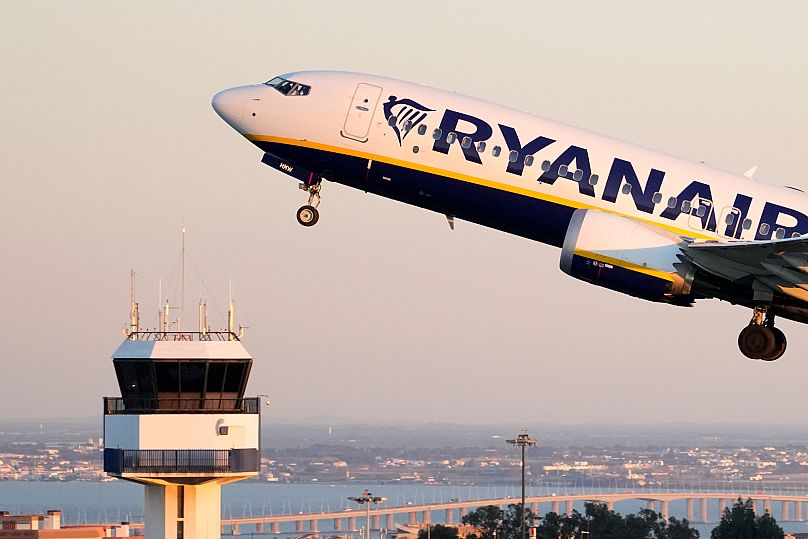
    A Ryanair Boeing 737 MAX takes off from Lisbon airport.

    Ryanair’s Strut at Lisbon — It’s not just the wind

    Picture this: a Ryanair Boeing 737 MAX zips out of Lisbon’s runway, the sky looks clear, but the reality on the ground – well, it’s a different story.

    Why the Flights Got Stuck

    • Air traffic control walkout: In a two‑day strike, controllers decided to take a breather – and that’s when chaos started to seep in.
    • Nearly 90% could’ve been saved: One of the airline’s top brass mentioned that most of the cancellations were avoidable if the European Commission had stepped in.
    • EU’s air traffic drama: Ryanair says the EU needs a serious makeover to keep flights from turning into a drama series during controller strikes.

    A4E’s Take on the Mess

    The biggest airline association in Europe isn’t holding back either. Here’s the scoop:

    • French air traffic control – “one of the weakest links”, according to the group.
    • Georgoutsakou, the Managing Director of A4E, highlighted how France’s delay charts are among the worst in Europe.

    What They’re Asking For

    It’s not just about keeping planes in the sky. The airlines want: You can’t just talk about flying; we want policy action today.

    In short: If the EU got involved sooner, maybe the flights would have kept flying, and we could all save our weekend plans.

    How did air traffic control walkouts impact flights?

    Air Traffic Chaos: Nearly 3,000 Flights Took a Pass in the Skies

    What the Numbers Tell Us

    When a two‑day walkout hit EUROCONTROL, the airspace turned into a whirlwind of cancellations and delays.

    • Almost 3,000 flights cancelled – that’s like a small airline’s entire season!
    • More than 7,400 flights delayed – passengers hanging in the hangars had to wait for a long time.
    • Roughly 1 million travelers felt the shockwaves, including about 200,000 who couldn’t fly as planned.

    Timing Tumbles Down‑hill

    The usual “on‑time” streak fell from the June average of 75 % to only 64 % over the two‑day period.

    Where the Chaos Hit Hard

    European routes that normally skim France’s skies bore the brunt. Flows from:

    • Spain
    • UK
    • Italy

    These regional connections were especially stranded, showing how freight lanes routed over France just feel the tremors.

    Economic Fallout

    Eurocontrol reckons the strikes cost the aviation world a whopping €120 million:

    • €47 million for delays
    • €72 million for outright cancellations
    • Another chunk for passenger care and support

    Industry Outlook

    A European Union spokesperson warned that this summer might become the most delinquent season yet, due to a cocktail of staff shortages, strikes, fires, and travel demand.

    Takeaway

    As the air traffic controllers take a well‑earned break, the aviation world is reminded that even the skies aren’t immune to a bit of downtime. Passengers face a pile‑up of lost tickets, broken itineraries, and a chilly lesson in patience. Stay tuned for the next chapter in book 2 of “Air Traffic Adventures.”