Why the AIIB’s Beijing Meetup Matters to Europe
Picture this: on a crisp Tuesday morning in Beijing, a flurry of international bankers, developers, and government officials gather around the table to discuss how to build the next wave of infrastructure across Asia. At first glance, the conference might seem like a niche affair—only a handful of Asian countries and a few foreign lenders. But when you pull back the curtain, you’ll see that this event has real ripple effects for Europe, and here’s why:
1. A New Funding Partner Keeps the Global Economy Buzzing
- More Money, More Projects – The AIIB’s coffers are growing, which means more loans for Asian mega‑projects. When Asia’s economies thrive, demand for European goods—like machinery, steel, and tech—spikes.
- Lower Interest Rates – AIIB’s competitive rates can reduce borrowing costs across the region, shifting global capital flows towards Asia but also encouraging European exporters to tap those markets.
2. Systemic Stability: A Safety Net for the World
- Reducing Financial Uncertainties – By financing critical infrastructure—bridges, railways, renewables—AIIB helps stabilize emerging economies. A more stable Asia means fewer shocks that could ripple worldwide.
- Insurance Against Backlash – With AIIB stepping up, European investors have less incentive to chase risky, short‑term returns; they’ll look for steady, long‑term growth instead.
3. Geopolitical Gambits and Alliances
- A Competitive Double‑Edged Sword – While the AIIB is a sister organization to China’s Belt and Road Initiative (BRI), it offers a softer, more multilateral approach. European countries can navigate a middle ground: cooperate without surrendering to one side.
- Diplomatic Leverage – European nations can use AIIB projects as entry points for dialogue, fostering better relations with key Asian players.
4. The Green Revolution: A Joint Mission for Climate
- Shared Goals – AIIB increasingly backs clean‑energy projects. That’s a direct line to European green tech firms looking for overseas opportunities.
- Carbon‑Neutral Countdown – By boosting Asia’s renewable capacity, the AIIB helps reduce global emissions, aligning with Europe’s 2050 climate targets.
5. Economic Lessons & Market Lessons
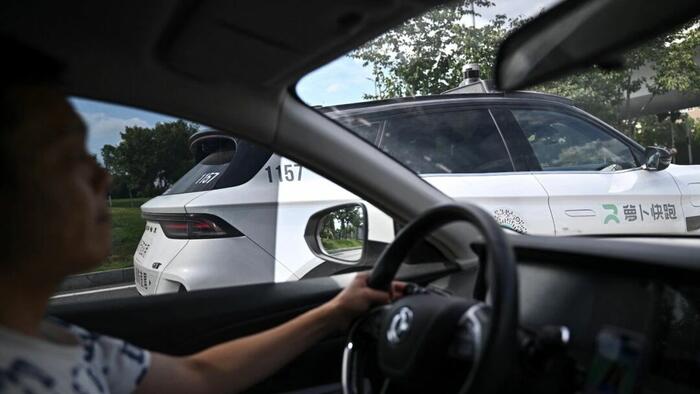
- Testbed for Innovation – Asian infrastructure projects often experiment with cutting‑edge tech, like smart grids or autonomous transport. European firms can test their solutions there before rolling them home.
- Pricing Dynamics – How the AIIB sets up cost, efficiency, and sustainability benchmarks can influence global pricing standards—especially in sectors where Europe is a major player.
Bottom Line
While the AIIB’s meeting in Beijing may appear to be a distant affair, its impact on European markets, politics, and environmental goals is unmistakable. From fresh funding sources and risk mitigation to diplomatic platforms and green tech collaborations, the AIIB shapes a landscape where Europe can thrive—if it plays its cards right.

What’s the Big Deal? Inside AIIB’s 10th Annual Meeting
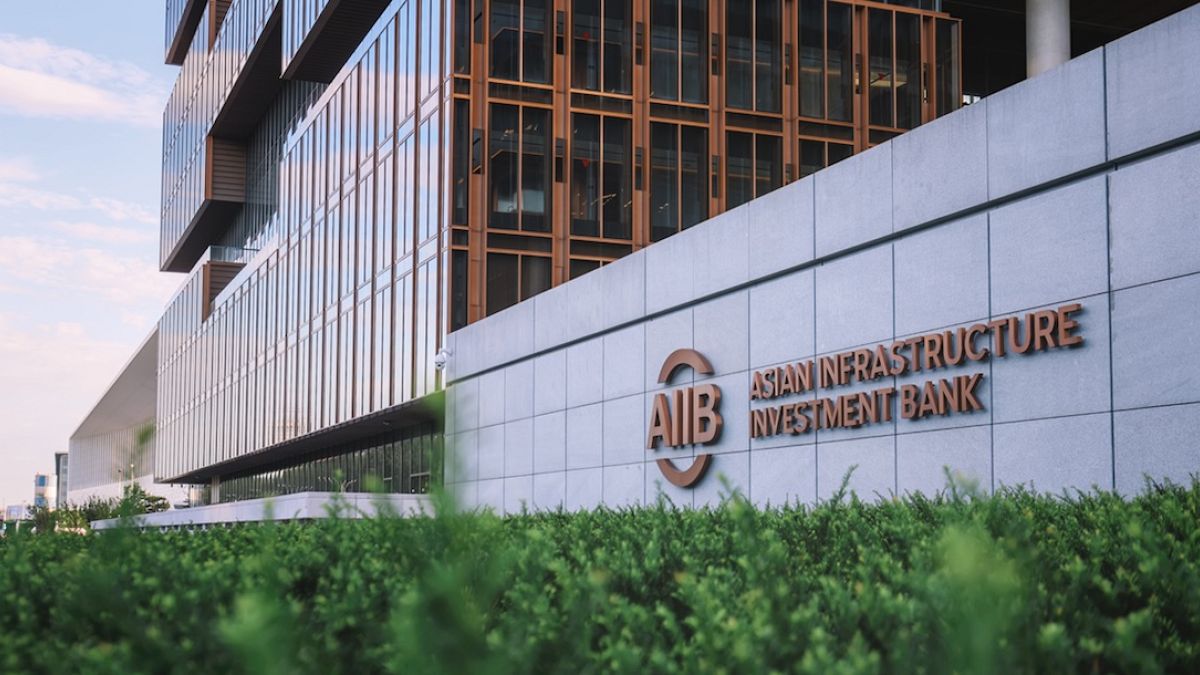
billion‑dollar bank fans, it’s happening in Beijing this week and every eye is on the Asian Infrastructure Investment Bank (AIIB). After a decade of side‑glancing billions into projects across Asia, the bank’s big 10th bash is set to put the spotlight on China’s own Premier Li Qiang, who’s slated to speak at the opening ceremony.
Fast‑Facts at a Glance
- Financed 300+ projects – that’s 300 opportunities for highways, bridges, and typhoon‑proof power grids.
- Operated in 38 different countries – from bustling Taipei to dusty outskirts of Pakistan.
- Invested a cool $60 billion (and counting).
Why the Year 2025 Your Eyes Should Be Watching
If you’re thinking “why should I care?” the answer is simple: this is the airport of infrastructure finance, and the routes keep expanding. The meeting’s agenda includes:
- Review of past projects’ footprints.
- Road‑maps for future “smart city” blueprints.
- Policy tweaks to make borrowing smoother than a silk road.
Expecting the Big Take‑Away?
Put your coffee on standby, because the board’s decisions can spill over ripples across a region’s economies. The hope? More affordable roads and brighter coasts, all powered by the AIIB’s next wave of funding. And yes, Premier Li Qiang will undoubtedly sprinkle some nationalist charm on the ceremony.
Keep your engines revving – this isn’t the end, it’s just the next chapter of Asian infrastructure. Stay tuned.
A decade of impact
AIIB: Turning the World Into a Cleaner, Faster, and Safer Playground
Who’s in the Party?
- 110 members now, from 2016 to 2023.
- The lineup includes the European heavyweights: France, Germany, Italy and the UK.
- These nations together cover four‑fifths of the global population and command almost two‑thirds of worldwide GDP.
What the AIIB Has Been Doing
Think of the AIIB as a one‑stop shop for big‑impact projects. It’s funding everything from green energy to medical care to disaster‑ready infrastructure, and the numbers are pretty wild:
- 28.5 million tonnes of carbon emissions saved every year. That’s like cutting a chunk out of the planet’s breathing.
- 21.3 gigawatts of clean power added. Picture a world where the lights stay on without polluting the sky.
- Almost one billion folks now can hop on a bus, train or subway—future‑proofing cities one ride at a time.
In short, the AIIB is making the globe greener, swifter, and more resilient—one project at a time, and with a few laughs along the way.
Bridging the infrastructure gap
Infrastructure: The $3 Trillion Problem in Asia
It’s no secret that our roads, trains, broadband, and power grids are crying out for help. The Asian Infrastructure Investment Bank (AIIB) tells us that Asia alone needs roughly $3 trillion a year to keep up with the growing appetite for growth.
Why it matters
- Infrastructure is the backbone of sustainable society – if it’s weak, prosperity stalls.
- Women and girls deserve the same access and opportunities—roads and connectivity make that happen.
- Too little funding keeps many people in poverty while some regions bolt ahead.
AIIB’s Mission
“We see funding as the launchpad for inclusive prosperity,” said the bank’s mission statement. “Without it, the wall between progress and stagnation grows taller.”
Meet’s Theme: “Connecting for Development, Collaborating for Prosperity”
Despite rising geopolitical tension, the AIIB’s focus this year is on teamwork. They’re betting on:
- Multilateralism – because one country alone can’t solve this puzzle.
- International cooperation – bringing together bright brains and big budgets.
- Smart collaboration – turning the huge infrastructure gap into an opportunity.
Side Notes
- Europe plans to allocate €70 bn a year for 25 years to green its infrastructure.
- Even Barclays Europe’s CEO admits that no single entity can tackle AI infrastructure and energy demands alone.
In short: We need to build. And we need to build together. Because if we don’t fix the grid that powers our cities, the rest of the world might as well be stuck in the dark ages.
Aiming for green growth
Big Green Bucks: The AIIB’s Climate Cash‑Coup
2024: A Climate‑Cash Extravaganza
- 67% of the AIIB’s financing is all about climate action—up from 60% the year before.
- Not shy about waving the green flag—everything from wind farms to pumped‑storage batteries is getting a boost.
- The bank’s got its ears on the future: 2025 looks set to dive deeper into clean energy, water security, and slicker, greener city transport.
Why It Matters
- Development nations are leaning on these funds to hit their climate shoestrings.
- Boosting sustainability while keeping growth inclusive—and that’s a winning combo.
A Peek Ahead
Get ready for a lineup where clean energy projects get spotlight seats, water projects feel like a rainy day blessing, and urban transport starts humming with a greener vibe. The AIIB is basically saying, “Let’s make that green look good!”
A new president for the AIIB
AIIB’s Next Big Move: A New President… and a Fresh Brunch of Ideas!
Why This Is the Talk of the Town
The Asian Development Bank is about to hand the reins to a brand‑new chief — a first in most of its history. After President Jin Liqun exits in January 2026, the spotlight shifts to who gets to steer the ship into 2027 and beyond.
What the Bank Hears in the Hallway
“The incoming boss will pick up a solid platform already in place: a crystal‑clear mission, strong governance, a dedicated team, and a growing list of successes.”
Key Takeaways
- Mission-Driven – The AIIB’s purpose is front and center.
- Governance‑Strong – Decision‑making that keeps everyone in line.
- Dedicated Team – A crew ready for action.
- Track‑record in Growth – Projects that make a real difference.
What the New Chapter Will Look Like
According to the bank, the next chapter will be wrapped in the same core values that have gotten them this far: Professionalism, Multilateralism, Innovation, and a laser focus on real results for members. Picture this as a new season of a show you’ve already loved, but with fresh episodes and even more plot twists.
Drop an emoji face with a speech bubble to celebrate as the new leadership gets ready to make a splash in the development world. And keep an eye on the official announcements — you won’t want to miss the next big story!
A meeting that matters
The Big Deal: Beijing’s Blueprint for Our Future
Whether you’re scrolling through the Thames, trekking the Himalayas or just sipping coffee in a tiny apartment in Seoul, the way our world is wired alters everything we do — from how we get around to how we power our lives and even how we tackle the planet’s heatwave.
Why It Matters
- Electricity – Beijing’s network decisions will decide how many households get reliable power.
- Commute – Status‑quo upgrades or new transit plans could make your daily drive feel like a breezy spin or a stuck traffic jam.
- Climate Action – The choices made now can either toughen cities against rising temperatures or leave them sweating through sweat‑dry heat.
In short, the moves made in Beijing this week could steer the lives of millions of people, shaping how they light up their homes, zip across their cities, and brace for the warming globe in the years to come.