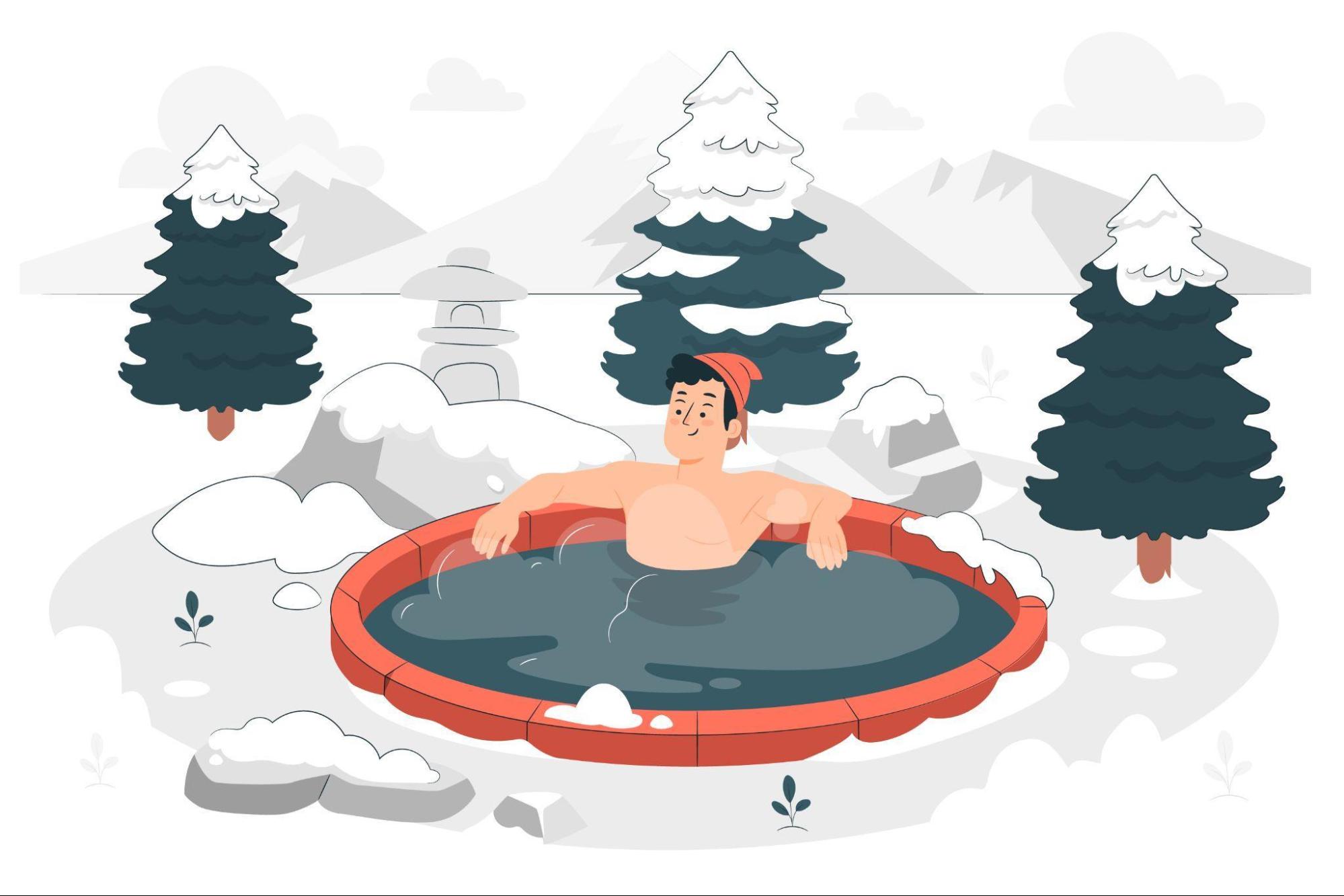
Tag: involves

  • Transform Your Home into a Cold Water Therapy Sanctuary

    Transform Your Home into a Cold Water Therapy Sanctuary

    Cold water therapy has long been revered for its health benefits, from enhancing circulation to promoting muscle recovery and improving mental clarity. With the growing popularity of wellness practices that can be conveniently performed at home, creating a space dedicated to cold water therapy has become an attainable luxury.
    By transforming your home into a sanctuary for this revitalizing practice, you can incorporate its benefits into your daily life effortlessly.

    Table of Contents
    Toggle
    Understanding the Benefits of Cold Water TherapyPlanning Your Cold Water Therapy SpaceChoosing the Right LocationSelecting the Right EquipmentPersonalizing the EnvironmentCreating a Relaxing AmbianceIncorporating Cold Water Therapy into Your RoutineEnsuring Safety and ComfortThe Long-Term Benefits of a Home SanctuaryConclusion

    Understanding the Benefits of Cold Water Therapy

    Cold water therapy, also known as cryotherapy, involves exposing the body to cold temperatures to stimulate physical and mental benefits. Regular immersion in cold water has been shown to reduce inflammation, boost immune function, and enhance recovery after physical exertion. Additionally, it aids in releasing endorphins, which improve mood and alleviate stress.
    By creating a dedicated space at home, you can enjoy these benefits without needing to visit a spa or wellness center. Your sanctuary becomes a personal retreat, offering the perfect environment for relaxation and rejuvenation.

    Planning Your Cold Water Therapy Space

    Designing a dedicated space for cold water therapy at home requires thoughtful planning to ensure the setup is both functional and inviting. Creating an area that aligns with your wellness goals involves choosing the right location, selecting appropriate equipment, and incorporating elements that enhance the overall experience.

    Choosing the Right Location

    Start by identifying a suitable area in your home where you can comfortably engage in cold water therapy. Bathrooms with a spacious tub are ideal for a convenient indoor setup, but outdoor spaces like a patio or garden can add a natural, rejuvenating ambiance. An outdoor setting provides the added benefit of fresh air and a connection to nature, enhancing the therapeutic effects of the practice.

    Selecting the Right Equipment

    For a basic setup, a standard bathtub filled with cold water and ice is sufficient. However, to achieve consistent and controlled temperatures, investing in a water chiller for ice bath is a game-changer. These devices maintain precise water temperatures, ensuring that every session delivers optimal benefits without the hassle of manually adjusting the water. Portable cold plunge tubs are another great option, offering flexibility and ease of use.

    Personalizing the Environment

    Turning Your Cold Therapy Spot Into a Spa‑Ready Sanctuary

    Think of your cold therapy room as a luxury retreat rather than a simple “freezer.” A few carefully chosen touches can flip the vibe from chilly to chill‑full.

    1. Bring the Natural Goodness

    • Plants: Tiny green friends boost oxygen and calm the nerves. Even a cactus can do the trick.
    • Stones & Textures: Rough stones or smooth pebbles add a tactile feel, reminding you that you’re grounded even when your body is grounded.
    • Organic Fabrics: Use linen or cotton for blankets and towels to keep the atmosphere soft and warm.

    2. Lights, Light, Light!

    Drop the harsh overhead LEDs. Instead, set the mood with dimmed lights or candles—the subtle glow will act like a gentle hug for your senses.

    Why Candles?

    • They release a faint scent that can be soothing.
    • Silently flickering flames create a rhythm that helps you unwind.

    3. Soundtrack for the Soul

    Roll in some soft music or nature sounds and let the vents talk, like a gentle wind or distant waterfall. It’s like background noise that tells your brain, “Hey, we’re in a calm zone now.”

    Some Playlist Ideas
    • Gentle piano melodies
    • Ambient nature track featuring river streams or forest breeze
    • Lo‑fi chill beats for those who want a little modern edge

    Now, your cold therapy space isn’t just a cold zone—it’s a mini spa where every element works together to soothe body and mind. Just imagine yourself lying under the soft glow, listening to laughing trees, and feeling like you’ve just stepped out of a boutique waterfall retreat—all without breaking the bank.
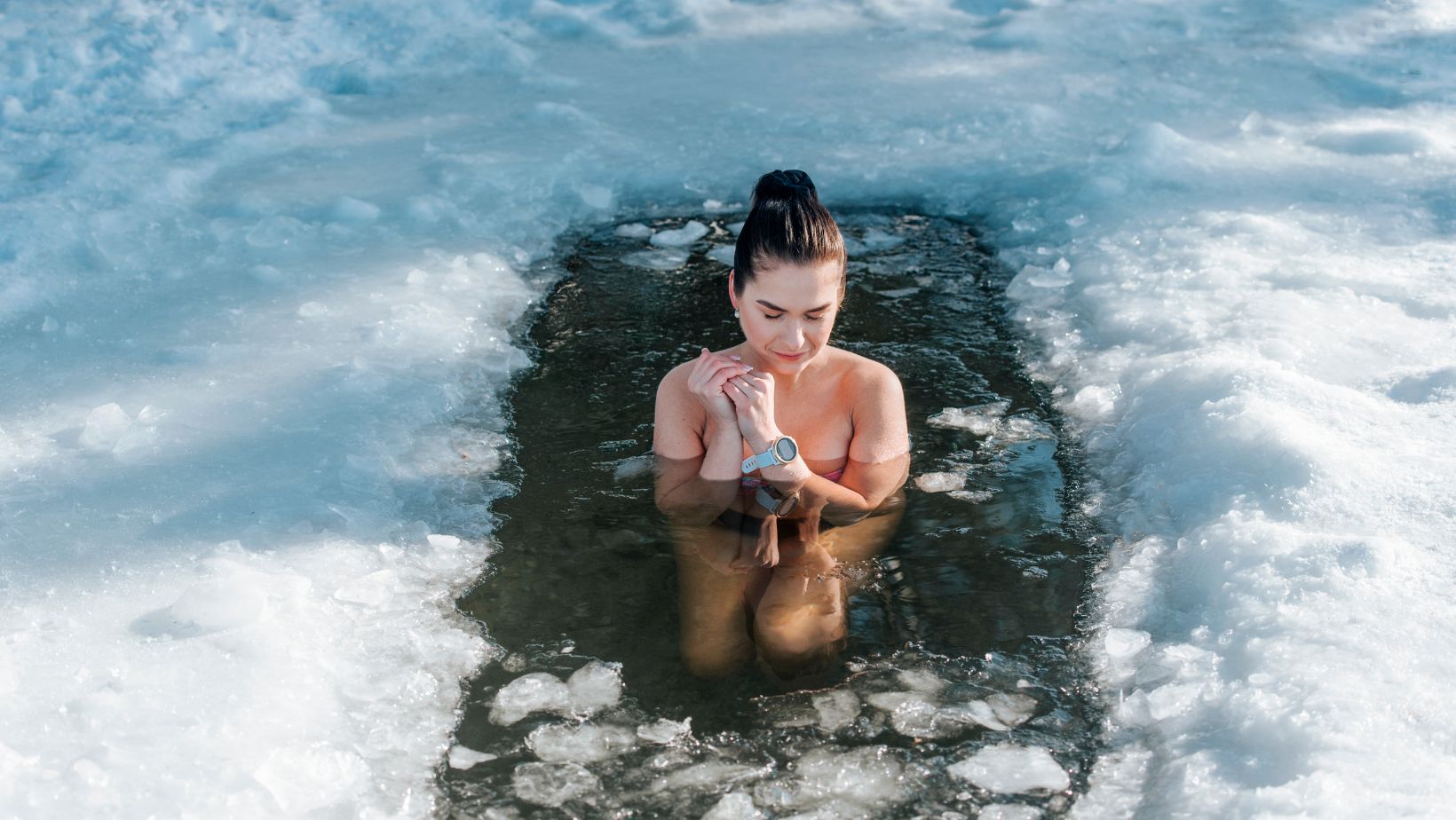
    Image2A thoughtful cold-water therapy space will be well-planned, practical, and inspirational. This specific space shall serve to support your personal development in general and make a daily cold water therapy treatment easier to fit into the schedule.

    Creating a Relaxing Ambiance

    The environment you create plays a vital role in maximizing the benefits of cold water therapy. A calming atmosphere not only enhances the experience but also encourages mindfulness and relaxation. Soft lighting, such as dimmable fixtures or candles, sets the tone for a tranquil session.
    Incorporating aromatherapy can further elevate the experience. Essential oils like lavender or eucalyptus can be diffused to promote relaxation and rejuvenation. Adding natural elements, such as plants or stones, can bring a touch of serenity to your cold water sanctuary, especially if your setup is outdoors.

    Incorporating Cold Water Therapy into Your Routine

    Making cold water therapy a regular part of your routine can be transformative for both body and mind. The key to successfully integrating this practice is to approach it with intention and consistency, starting small and gradually building up to longer sessions as your body adapts to the cold.
    Begin by identifying a specific time each day or week that works best for your schedule. Whether it’s a refreshing start to the morning or a calming way to wind down after a long day, aligning cold water therapy with your daily rhythm helps establish it as a habit. Consistency is important, as the cumulative benefits of cold immersion—such as improved circulation, reduced inflammation, and enhanced mental clarity—become more noticeable over time.
    Start with short immersions in moderately cold water, allowing your body to acclimate gradually. Focus on deep, steady breathing during each session, as this helps calm the nervous system and makes the experience more manageable. As you grow accustomed to the cold, you can increase the duration and lower the temperature for a more invigorating experience.
    To maximize the benefits, pair cold water therapy with complementary practices like meditation, stretching, or mindfulness exercises. This combination creates a holistic wellness routine that nurtures both physical recovery and mental balance. Over time, the practice becomes less about enduring discomfort and more about embracing a ritual that refreshes, restores, and energizes your overall well-being.

    Ensuring Safety and Comfort

    While cold water therapy offers numerous benefits, it’s important to prioritize safety. Always monitor the water temperature and avoid extremes that may cause discomfort or harm. Starting with mild cold temperatures and gradually progressing can help your body acclimate safely.
    Listening to your body is essential during the process. If you feel any discomfort or dizziness, exit the water immediately and rest. Consult with a healthcare professional before starting a cold water therapy routine, especially if you have pre-existing medical conditions or concerns.

    The Long-Term Benefits of a Home Sanctuary

    A dedicated cold water therapy sanctuary at home not only saves time and money but also fosters a deeper connection to your wellness journey.Image1Over time, you’ll notice improvements in your physical health, mental clarity, and overall resilience to stress.

    Having a space where you can retreat for relaxation and recovery becomes a cornerstone of your self-care routine. This sanctuary provides an opportunity to disconnect from the demands of daily life and focus on restoring balance, making it a valuable addition to any home.

    Conclusion

    Transforming your home into a cold water therapy sanctuary is an investment in your well-being. By creating a space that supports relaxation, recovery, and mindfulness, you can integrate this powerful wellness practice into your lifestyle. With careful planning, the right equipment, and a focus on creating a tranquil environment, your sanctuary can become a haven for rejuvenation and healing.
    As you embrace the therapeutic effects of cold water therapy, your home becomes more than just a place to live; it becomes a source of renewal, helping you thrive physically and mentally in your everyday life.

  • Navigating the Wild Frontier of Distressed Debt: Rewards and Pitfalls

    Navigating the Wild Frontier of Distressed Debt: Rewards and Pitfalls

    Their aim is either to become one of the firm’s largest stakeholders, or to take the company through to insolvency, and as a secured asset (rather than equity) creditor, potentially make a profit once the price of the assets has been agreed.

    In principle, the purchasing of distressed debt offers investors the possibility of spreading their investments across a number of sectors, but whether the markets in the UK will develop enough to provide an amenable platform for this type of investment to flourish, remains to be seen.

    Whilst other countries have seen a successfully uptake of distress debt purchasing, the UK has lagged behind, with far fewer companies than expected adopting the model. This lack of activity may have occurred for a number of reasons, including a reluctance by the banks to sell on the debt, constrictions of the financial climate in generating equity to buy the debt – or simply that the ‘supply and demand’ equation has not been met, with the price of the debt being too high for the demand for it.

    The model involves investors, or more often, groups of investors, buying up the debt of companies who face an imminent risk of insolvency. The investment can then be managed in two ways – investors retain the secured debt, so that they become stakeholders in the company and can therefore influence how the company is re-structured – something which ordinarily they would not have been afforded the opportunity to do.

    Alternatively, they can take the firm through a restructure via in insolvency option. In this scenario, where other shareholders would lose most or all of their investment, as a secured creditor, the distressed debt investors would be one of the first creditors to be repaid, often at a higher rate than their original investment, because of how the asset price is calculated by the appointed Insolvency Practitioner.

    Here is a brief overview of the pros and cons of this type of investment:

    PROS

    • There can be momentous gains to be made.
    • An adaptable strategy can mean that either a resale or liquidation both become viable options for a good return.
    • Flexible timing – if an investor knows that they want to drive the company towards a restructure, then they can purchase the assets sooner (albeit at a higher price) than investors seeking to liquidate a business. This gives them a greater choice with regards to which firms they choose to invest in.
    • There are some outstanding investments to be had – especially in the current climate, where there is an unwillingness of banks to extend credit facilities to many businesses – this limits their cash flow options and can cause financial instability in what is otherwise a strong business.

    CONS

    • It can be difficult to determine when the asset price has reached its lowest point and is therefore the best time to buy.
    • Even a slight overpayment on the price can result in huge losses.
    • The market is hugely unpredictable.
    • It can be hard to get data on distressed debt investment as many of equity firms who currently monopolise this sector don’t post their figures.
    • Many companies will view distress debt investors with hostility, which can make negotiations with them more complex.

    It is far from a guaranteed investment – the returns can be high, but so can the risks.

    Potentially a company could take the investors to court if they feel that they have breached their remit of investment, and have instead taken a controlling share with a planned mandate of affecting a complete structural reorganisation of the company.

    Purchasing the distressed debt of a failing company undoubtedly presents many unique and potentially abundant opportunities for investors who are willing to adopt both a shorter term, higher risk approach via Insolvency, and a longer term strategy of affecting change through restructuring for a future sale or growth.

    The general consensus amongst many analysts is that if the purchasing of distressed debt takes off here as well as it has in other countries, it will open up a wealth of investment opportunities that haven’t previously existed in the UK.


  • Don’t Let Your Moves Ring the Death Bell for Your Biz

    *


  • The “What You Don’t Know” Conundrum

    *

  • Ever started a company just because you’re awesome at something? Sure, that’s a solid launch pad. But if you let the buzz kill your venture, you’re in trouble.
     

  • It’s like this: you nail the skill you love but you ignore the rest of the business pizza.

    *


  • Essentials Besides Your Core Skill

    *

  • Running a company is a full‑time circus. Here’s what the side acts usually scream for:

  • Finding Clients – Who will pay you for what you do?
  • Marketing – Let the world know you’re awesome.
  • Recruiting & Motivating – Build a squad that sticks around.
  • Cash Flow Management – Keep the money coming, or you’re doomed.
  • Systems & Procedures – Turn tricks into repeatable wins.
  • Internal Politics – Deal with drama that pops up as your team grows.

  • Don’t Try to Do It All

    *

  • Your secret weapon is learning where you’re rusty and plugging those holes.
     

    • *
    • Upgrade Yourself: pick up a skill that’s a goldmine for the business (think basic bookkeeping).
    • Outsource: hire a pro for what you can’t juggle—don’t fall into the “do‑everything” trap.


  • What If You’ve Been a Solo Hero All This Time?

    *

  • You might be rocking as a sole trader, but stepping into a bigger organization can feel like jumping into a playground with grown‑up kids. You’ll suddenly need to understand:

  • Standard Operating Procedures (SOPs) – How do you get things done the same way every time?
  • Understanding Corporate Culture – Grasp the unspoken rules & etiquette.
  • Handling Office Politics – Learn to navigate the inevitable power dynamics.

  • The Bottom Line

    *

  • If you’re uncertain about any aspect of your business, admit it, learn, or bring in a specialist. A small gap can turn into a business‑ending gap if left unattended.

  • So, keep your business alive, your cash flowing, and your team smiling—just don’t let bad habits shoot your venture down!

    *

  • What is Mental Health? – Health Cages

    What is Mental Health? – Health Cages

    A person’s mental health includes their emotional, psychological, and social well-being. It involves the individual’s ability to handle stress, relate to others, make decisions, and navigate life’s challenges. Mental health is a crucial aspect of overall Well-being, and it influences how individuals think, feel, and act.

    (adsbygoogle=window.adsbygoogle||[]).push({})

    Following are some topics covered here:

    (adsbygoogle=window.adsbygoogle||[]).push({})

    Good physical health doesn’t mean the absence of mental issues; rather, it involves the ability to cope with life’s stresses, work productively, and contribute to one’s community. Many factors can affect health, including biological factors (genetics, brain chemistry), life experiences (trauma, abuse, family history), and a person’s social and family environment.

    (adsbygoogle=window.adsbygoogle||[]).push({})

    There are many mental health conditions and disorders that manifest differently. These incorporate anxiety issues, depression, bipolar confusion, and schizophrenia, and that’s just the beginning. To improve mental health and overall well-being, it is crucial to seek help and support when needed. This can be achieved through therapy, counseling, medication, or other forms of intervention. As with physical health concerns, it’s important to recognize and address health issues.

    (adsbygoogle=window.adsbygoogle||[]).push({})

    Why is General Health Dependent on Mental Health?

    Mental and physical health are similarly significant parts of, generally speaking, well-being. For instance, discouragement expands the risk of many sorts of actual medical issues, especially enduring circumstances like diabetes, coronary illness, and stroke. Additionally, the presence of persistent circumstances can expand the risk of psychological instability.

    Early Warning Symptoms and Signs

    • Pulling away from companions, family, and associates
    • Sleeping too much or too little
    • Eating too much or too little
    • Feeling hopeless
    • Changes in Mood
    • Behavioral Changes
    • Social Withdrawal
    • Relationship Issues

    Types of Mental Health Issues

    • Panic disorder
    • Mood disorders
    • Phobias
    • OCD
    • PTSD

    Anxiety disorders 

    (adsbygoogle=window.adsbygoogle||[]).push({})

    Anxiety and worry about various aspects of life.

    Worry is difficult to control.

    Physical symptoms like restlessness, muscle tension, and sleep disturbances.

    Panic disorder

    Recurrent and unexpected panic attacks.

    Intense fear and discomfort during attacks.

    Persistent worry about future panic attacks.

    Mood disorders

    Persistent low mood or loss of interest in activities.

    Feelings of worthlessness, hopelessness, or guilt.

    Changes in sleep, appetite, and energy levels.

    Difficulty concentrating and thoughts of death or suicide.

    Phobias

    Extreme and irrational fear of specific objects, situations, or activities.

    Avoidance of the phobic stimulus to prevent anxiety.

    Impact on daily functioning due to avoidance behaviors.

    OCD

    Presence of obsessions (intrusive, unwanted thoughts or urges).

    Engagement in compulsions (repetitive behaviors or mental acts to alleviate anxiety).

    Interference with daily activities and distress caused by obsessions and compulsions.

    PTSD

    Develops after exposure to a traumatic event.

    Symptoms include intrusive thoughts, flashbacks, nightmares, and heightened arousal.

    Avoidance of reminders of the trauma and negative changes in mood and cognition.

    How to Manage Your Mental Health Issues

    Physical Activity

    Customary activity is connected to a further developed temperament and diminished pressure. Hold back nothing but 30 minutes of moderate activity most days of the week.

    Healthy Eating

    Keep a decent eating regimen rich in natural products, vegetables, whole grains, and lean proteins. Limit the using of processed food sources, caffeine, and liquor.

    Adequate Sleep

    Focus on getting sufficient rest every evening. Lay out a loosening up sleep time routine and establish an agreeable rest climate.

    Mindfulness and Relaxation Techniques:

    Practice care reflection, profound breathing activities, or moderate muscle unwinding to oversee pressure and advance unwinding.

    Social Connections:

    Foster and keep up with steady connections. Invest energy with loved ones and speak transparently about your sentiments.

    FAQ’s

    Q1. What does mental health mean?

    A1. Mental health includes our emotional, psychological, and social well-being.

    Q2. Why is mental health important to talk about?

    A2. By not talking about mental health, we add to the stigma that encompasses it.

    Q3. What are mental health examples?

    A3. Mental health is all about how people think, feel, and behave. people with depression, anxiety, bipolar disorder, that affect their thoughts, feelings, and behaviors

    Q4. How is mental health affecting people?

    A4. Mental health conditions can cause difficulties in all aspects of life, including relationships with family, friends, and the community.