For individuals managing certain health conditions with GLP-1 medications, the importance of nutrition cannot be overstated. Nutrition plays a critical role in optimizing the effects of these medications, helping you achieve your health goals more efficiently while also improving overall well-being. A thoughtful GLP-1 meal plan can guide you toward better choices, ensuring your diet works in harmony with your treatment.
This guide will explore the relationship between GLP-1 medications and nutrition, offering insights into foods that complement your treatment and how to create a balanced approach to eating. Whether you’re new to these treatments or looking to refine your dietary choices, this guide provides information to keep you on track.
Table of Contents
Toggle
Understanding GLP-1 Medications and Their RoleNutritional Priorities When Following GLP-1 TreatmentFoods That Pair Well with GLP-1 MedicationsFoods to Limit or Avoid When Using GLP-1 MedicationsListening to Your Body and Adapting Your Eating HabitsBuilding Your GLP-1 Meal Plan for Long-Term SuccessEnhance Your Health with the Right Nutrition
Understanding GLP-1 Medications and Their Role
GLP-1 medications are a class of treatments designed to mimic the effects of glucagon-like peptide-1, a hormone naturally produced in the body. This hormone plays a multifaceted role in regulating blood sugar levels, promoting satiety, and slowing gastric emptying. It is commonly prescribed to assist in managing various conditions, including type 2 diabetes and weight loss, helping patients improve metabolic function and reduce certain health risks.
The effectiveness of GLP-1 medications doesn’t exist in isolation. Although the medication provides hormonal support and promotes changes in appetite and metabolism, your diet remains one of the most important variables impacting your results.
By choosing foods that enhance the medication’s mechanisms, you can gain better control over your health. Conversely, failing to align your diet with your treatment could limit its effectiveness or exacerbate challenges.
Nutritional Priorities When Following GLP-1 Treatment
A balanced diet tailored to GLP-1 medications is key to getting the most out of your treatment. This means incorporating a variety of whole, nutrient-dense foods while managing portion sizes and carbohydrate consumption. There is no universal one-size-fits-all approach, but there are general principles that can guide you.
Start by focusing on whole foods that are high in fiber, lean protein, and healthy fats. Each of these nutrients plays a specific role, from regulating blood sugar levels to maintaining satiety and energy throughout the day. Fiber, for example, slows digestion, which not only aligns with the gastric effects of your medication but also ensures a steady release of glucose into your bloodstream. Similarly, protein is essential for maintaining muscle mass and aiding in recovery, while healthy fats provide long-lasting energy and help with overall cell function.
While prioritizing these macronutrients, be mindful of portion sizes, especially with carbohydrates.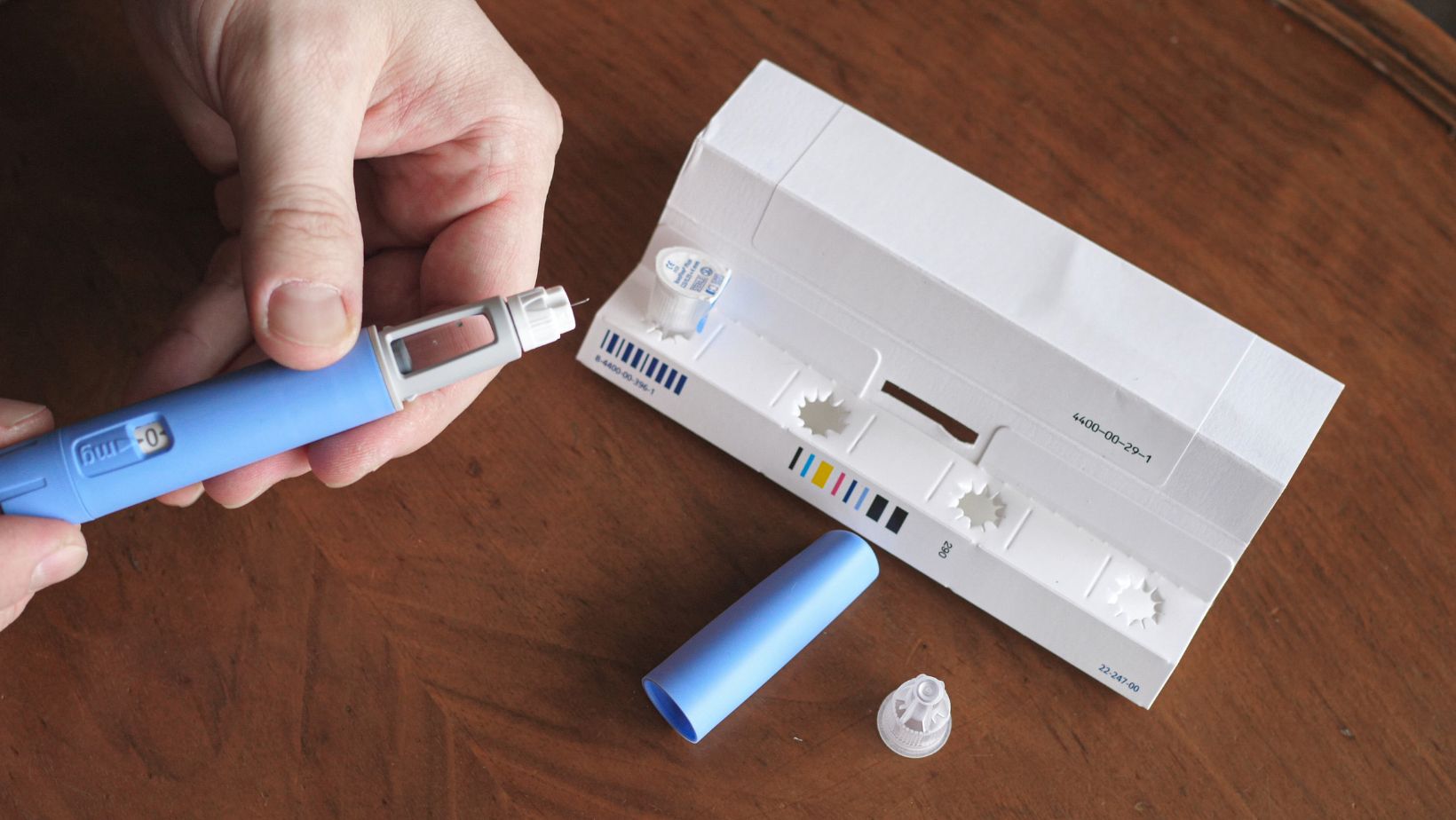 GLP-1 medications slow gastric emptying, which can make it easier to feel full with smaller meals. Listening to your body’s hunger and fullness cues can help you avoid overeating and make mealtime more comfortable.
Foods That Pair Well with GLP-1 Medications
Integrating the right foods into each meal can help maximize the benefits of your GLP-1-based treatment. Begin your day with meals that combine low-glycemic carbohydrates, like oatmeal or whole wheat bread, with a protein source such as eggs or yogurt. This combination keeps blood sugar levels stable and provides a steady source of energy as you start your day. Adding a serving of fresh berries or sliced avocado can further boost nutrient density without introducing unnecessary calories.
For lunch and dinner, focus on creating meals with lean proteins like chicken, fish, or tofu alongside a generous portion of non-starchy vegetables, such as spinach, broccoli, or zucchini. These vegetables are not only rich in fiber and nutrients but also low in calories, making them a perfect complement to your medication’s appetite-regulating effects. Incorporating a serving of healthy fats, such as olive oil or nuts, can help create a balanced plate.
Snacks can include smaller, nutrient-rich options to keep you satisfied between meals. Handfuls of unsalted nuts, small servings of hummus with raw vegetables, or a boiled egg are excellent choices. These snacks provide essential nutrients while minimizing excessive carbohydrates and unhealthy fats.
Foods to Limit or Avoid When Using GLP-1 Medications
While focusing on the right foods is essential, it’s equally important to be aware of those that may interfere with your treatment or overall health. Highly processed foods, such as sugary snacks, packaged meals, and refined carbohydrates, can cause fluctuations in blood sugar levels, undermining the stabilizing effects of your medication. These foods often lack the fiber, protein, and nutrients your body needs, leaving you feeling unsatisfied despite calorie intake.
Additionally, fried and greasy foods can be harder to digest, especially when the medication slows gastric emptying. This can lead to discomfort, bloating, and other gastrointestinal issues. Similarly, large servings of heavy meals may overwhelm the slower digestive process, making smaller, balanced meals a better option.
Alcohol intake should also be managed carefully. While moderate consumption may not interfere significantly, excessive drinking can negatively impact blood sugar levels and counteract the benefits of your treatment. It’s best to consult with your healthcare provider for personalized advice on alcohol consumption.
Listening to Your Body and Adapting Your Eating Habits
One of the benefits of GLP-1 medications is their ability to help you better recognize hunger and fullness cues. Pay close attention to what your body tells you during meals. If you feel satiated with smaller portions than you’re used to, don’t feel obligated to finish your plate. Fostering a mindful relationship with food can help you enjoy eating while aligning with the goals of your treatment.
It’s also worth noting that everyone’s response to GLP-1 medications and specific foods can vary. Keeping a food journal or working with a healthcare provider can help you identify patterns and refine your meal choices over time.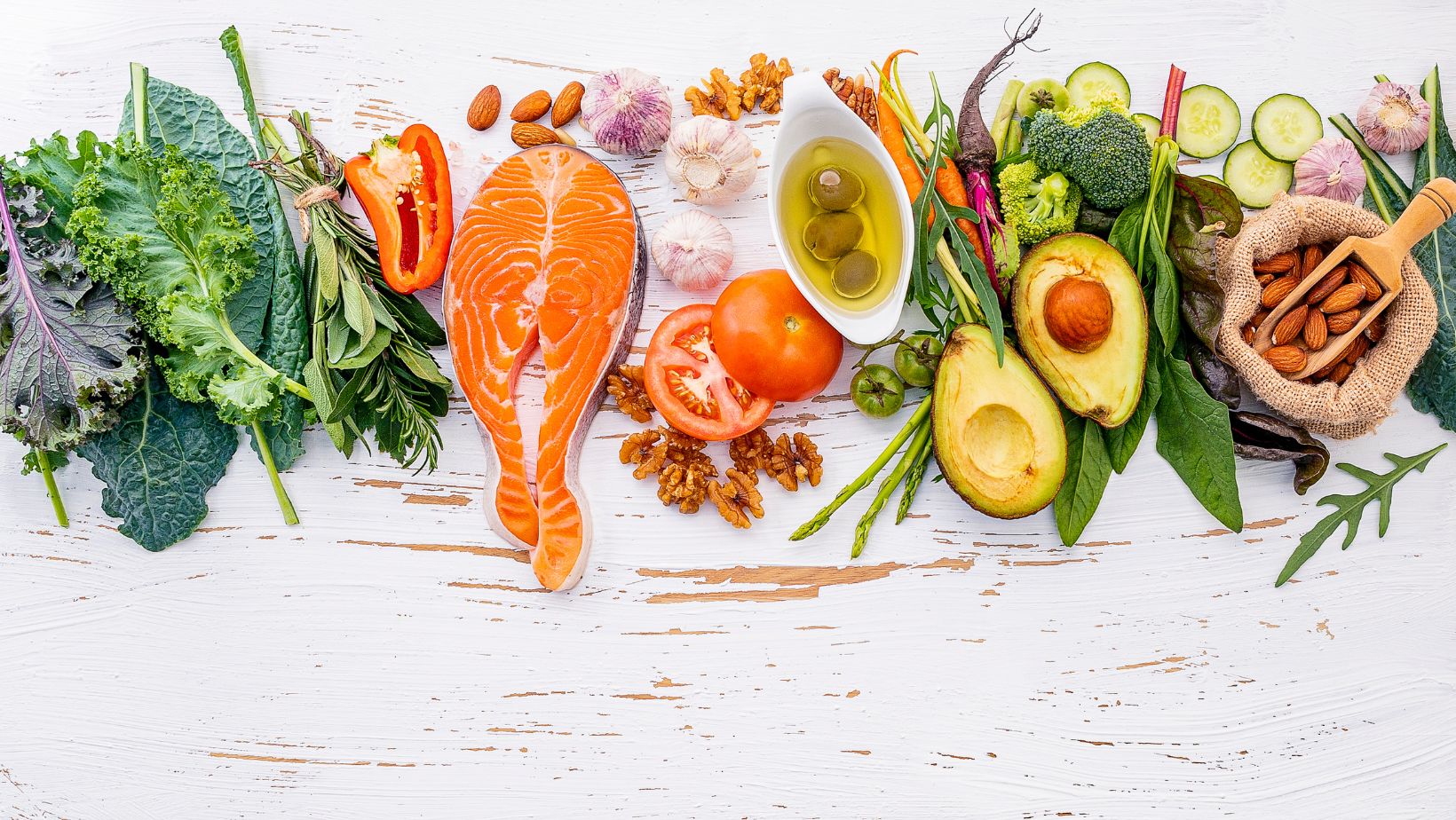 If you find certain foods trigger digestive discomfort or don’t align with your medication’s effects, don’t hesitate to make adjustments. Flexibility with ingredients and preparation methods ensures you can create a sustainable and enjoyable eating plan.
Building Your GLP-1 Meal Plan for Long-Term Success
Creating a meal plan tailored to GLP-1 medications doesn’t mean giving up your favorite foods or following a restrictive diet. Instead, it’s about finding balance, incorporating nutrient-rich ingredients, and aligning your meals with the physiological effects of your treatment.
Work toward making gradual changes that feel natural and sustainable. Start by introducing more fiber-rich vegetables, experimenting with protein sources, and exploring healthy fats to diversify your meals. Small adjustments over time can lead to noticeable improvements without overwhelming you.
If you’re unsure how to start, consulting a registered dietitian or healthcare professional can provide personalized guidance. They can help you craft a meal plan that fits within your nutritional needs, lifestyle, and treatment goals.
Enhance Your Health with the Right Nutrition
Your GLP-1 treatment is a powerful tool for managing your health, but the right nutrition enables you to unlock its full potential. By understanding what works best for your body and making thoughtful food choices, you can complement your treatment, improve your well-being, and set yourself on a path toward a healthier future.
Building a GLP-1 meal plan requires experimentation and mindfulness. Listen to your body, stay consistent, and seek guidance when needed. Every step you take toward better nutrition supports not just your treatment but your overall quality of life.


