Tag: Major

  • Britain's Car Industry: From World Leader To Net Zero Casualty

    Britain's Car Industry: From World Leader To Net Zero Casualty

    Authored by Jake Scott via the Foundation for Economic Education (FEE),

    Britain was once a giant of car manufacturing. In the 1950s, we were the second-largest producer in the world and the biggest exporter. Coventry, Birmingham, and Oxford built not just cars, but the reputation of an industrial nation; to this day, it is a source of great pride that Jaguar–Land Rover, a global automotive icon, still stands between Coventry and Birmingham. By the 1970s, we were producing more than 1.6 million vehicles a year.

    Today? We have fallen back to 1950s levels. Last year, Britain built fewer than half our peak output—800,000 cars, and the lowest outside the pandemic since 1954. Half a year later, by mid-2025, production has slumped a further 12 percent. The country that once led the automotive revolution is now struggling to stay afloat, and fighting to remain relevant.

    This is why the news that BMW will end car production at Oxford’s Mini plant, shifting work to China, is so damning, bringing this decline into sharp focus. The Mini is not only a classic British car; Alec Issigonis’s original design made it an international icon. For decades, the Mini has been the bridge between British design flair and foreign investment. Its departure leaves 1,500 jobs at risk at a time when the government is desperate to fuel growth and convince a wavering consumer market that there is no tension between industrial production and Net Zero goals.

    It’s a bitter reminder that we in Britain have been here before: letting an industrial crown jewel slip away.

    The usual explanations will be offered: global competition, exchange rates, supply chains. All true, in the midst of a global trade war that is heating up and damaging major British exports. But such a diagnosis is incomplete. The truth is that Britain’s car industry is being squeezed by a mix of geopolitical realignment and government missteps.

    The car industry has become the frontline of a new trade war. Washington has already moved aggressively to shield its own firms: the Inflation Reduction Act offers vast subsidies for US-made EVs and batteries, an unapologetic attempt to onshore production, and something that became a flashpoint of tension in Trump’s negotiation with the EU in the latest trade deal. On the production side, the Act has poured billions into US manufacturing: investment in EV and battery plants hit around $11 billion per quarter in 2024.

    Ripples have been sent across the world in the US’s wake: Europe, faced with a flood of cheap Chinese EVs, has imposed tariffs of up to 35 percent after an anti-subsidy investigation. Talks have even turned to a system of minimum import prices instead of tariffs. Unsurprisingly, China has threatened retaliation against European luxury marques, while experts warn the tariffs may slow the EU’s green transition by raising prices.

    This is no longer a free market: cars are treated as strategic assets, the 21st-century equivalent of shipbuilding or steel. Whoever controls the supply chains, particularly for EV batteries and the mining of lithium, controls not only the future of the industry but an important lever of national power.

    The results are visible. In July 2025, Tesla’s UK sales collapsed nearly 60 percent, while Chinese giant BYD’s deliveries quadrupled. Europe responded by talking up new tariffs. Britain did nothing. In this asymmetric contest, our market risks becoming a showroom for foreign producers—subsidizing both sides of the trade war without defending our own.

    The real danger is not simply that Britain loses factories—that would be lamentable, but new industries crop up all the time. The danger comes if Britain misreads the geopolitics of the moment. Policymakers assume that globalization still works on liberal lines, when in reality industrial competition has become nakedly political.

    If the government continues to approach this as a morality play about “green obligations” rather than a contest of state-backed strategies, Britain will find itself outmaneuvered by rivals who are willing to fight dirty. The naivety of this government in the geopolitical realm is already on show—all it takes is an unscrupulous actor to take advantage.

    Meanwhile, Britain’s car industry is being crushed under the weight of its own government’s Net Zero agenda.

    The most obvious domestic distortion comes from the government’s own Net Zero policies. Ministers have decreed that petrol and diesel cars must disappear by 2035, with quotas forcing manufacturers to sell ever-higher proportions of electric vehicles long before customers are ready—a decision enforced by the current government, but made by its predecessor.

    On paper, it looks like progress. Nearly one in five new cars sold in Britain last year was electric. In June 2025, the figure briefly touched 25 percent. But strip out fleet purchases and subsidies, and private demand is anemic. Only about one in ten EVs was bought by a private household.

    For manufacturers, the economics are even tougher. Retooling factories for EVs requires billions in investment. Yet the batteries—the heart of the new supply chain—are overwhelmingly produced abroad. China commands over 70 percent of global output, Europe is building dozens of gigafactories, and Britain has just one small facility. No wonder BMW decided that Oxford was not the place to build the future Mini, forced out by the pressures its own government applied.

    The intention may be laudable, but the execution is not. Policy is not aligning with either consumer demand or industrial capacity.

    Meanwhile, there are very few actual incentives for consumers to switch over: charging network coverage remains patchy; electric models cost £35,000 or more; and consumers already pay the highest energy bills in Europe. The market is being pulled one way by ministers, another by reality.

    We’ve been here before. After the war until the end of the 1970s, in the mislabeled “Post-war consensus,” governments tried to micromanage the car industry’s future through subsidies, planning boards and nationalization. The outcome was not at all surprising: British cars and their manufacturers were known for poor quality, collapsing output, and eventual irrelevance.

    The risk now is that Net Zero becomes another form of overreach, with governments trying to enforce an industrial transformation without the underlying conditions in place.

    Cleaner technologies may be necessary, and the automotive industry has already made huge strides in progress. The irony is that Britain has the engineering talent and know-how to deliver them, but when the state insists on timelines and quotas while failing to invest in the supply chain or shield producers from unfair competition, the result is predictable: decline.

    Britain could chart a smarter course. That means lowering energy costs for industry, reforming planning so that battery plants can be built at speed, and ensuring that rules are competitive rather than punitive. Before all of this, it means recognizing that the route to prosperity is getting the government out of the way.

    Most importantly, though, it requires recognizing that the car industry is now a geopolitical contest. The US, EU, and China all understand this.

    The decline of British car making is not just about economics. These plants are part of our cultural DNA. The Mini isn’t just a car; it’s a symbol of Britain itself. Small, ingenious, stylish, and stubbornly practical. To lose it to Net Zero dogma is an act of national self-harm and a loss of prestige.

    Oxford’s closure is not an isolated blow. It is a warning. We can either learn from our own history and build policy around industrial reality, or we can keep writing the obituary of British manufacturing.

    Because if Britain continues down the current path, the story of the Mini may become the story of the entire industry: once world-leading, now outsourced, and soon extinct.


    Loading recommendations…
  • Chinese Self‑Driving Firm Accused of Looting Billions of US Data

    Chinese Self‑Driving Firm Accused of Looting Billions of US Data

    Trump Administration Gets a Second Look at Chinese‑Linked Tech Companies

    Why the Sudden Pivot?

    Picture this: a flashy self‑driving truck startup from China, a brief existence on the tech scene, and a big red flag. It turned out that the fled‑back venture had hoarded a massive stash of U.S. intellectual property – a clear violation that sent shockwaves through the Pentagon. The discovery has shaken the Trump administration enough to rethink its entire strategy toward Chinese tech firms.

    What the Investigation Uncovered

    • Extensive copying of U.S. software and design patents.
    • Unapproved data transfer to servers in Shanghai.
    • Discreet collaborations with Chinese government‑backed entities.

    The Fallout for Policy

    In response, officials are tightening the screws on any technology transfer that could slip through the cracks. The policy shake‑up includes:

    1. More rigorous export controls on advanced AI machinery.
    2. Stricter oversight of joint ventures involving U.S. IP.
    3. Increased scrutiny on Chinese‑affiliated startups that brag about “autonomous” rides.

    What This Means for the Tech Landscape

    With tighter gates, Chinese tech firms looking to cross‑border operations will face hurdles that might make them reconsider their expansion plans. Meanwhile, U.S. companies are seeing a chance to protect their hard‑earned innovations from future thefts. The bottom line? The Trump administration is not just waving a flag; it’s pulling the plug on easy tech trade with China.

    TuSimple’s Tik‑Tok Trade‑off: How a Dream Turned into a Dilemma

    When Chinese tech whizzes launched TuSimple in 2015, the world thought they had the keys to the future of freight. They bragged about an 80‑mile driverless run across the Arizona desert and rattled hands from UPS, Navistar, and other big names.
    But the rise wasn’t all smooth roads; the company’s twin identity in the U.S. and China planted a seed of trouble.

    The Government’s “Safety” Checklist

    In February 2022, the U.S. Treasury and its CFIUS (the Committee on Foreign Investment in the United States) stepped in after whispers that TuSimple’s Beijing‑based crew could leak tech secrets. The agreement said:

    • Split U.S. operations from China‑side employees and partners.
    • Install firewalls like a digital moat.
    • No sharing of intellectual property – the code, designs, or anything that could be a weapon of innovation.

    But just a week after the paperwork, TuSimple handed over a treasure trove of data – test results and blueprints – to Foton, a mega Chinese truckmaker owned by Beijing. “They want a lot of details,” an employee, Xiaoling Han, admitted, “it’s pretty time‑consuming.”

    The “Fine” That Came With a Punch

    CFIUS dug deeper and found that while the data swipe didn’t technically bolt the agreement’s letter, TuSimple still broke other rules. The company was hit with a $6 million fine, although it didn’t confess to any wrongdoing. Co-founder Xiaodi Hou insisted that nothing “prohibited” was ever shared.

    Those claims were about as convincing as a cat‑on‑a‑leotard. The sun took one look at the situation and decided to turn off the lights on TuSimple’s U.S. dashboard. The firm was shut down, its Nasdaq listing was revoked, and investors were shepherded back to China.

    Trump’s Re‑imagination of Risk

    Within a span of a few weeks, the Trump administration had to rethink its strategy on foreign tech. Their new directive pledged to drop out of “overly bureaucratic, complex, and open‑ended” mitigation agreements, opting instead for outright bans on so‑called China‑backed deals. Commerce rolled out rules forbidding the sale of internet‑connected vehicle components to Chinese entangled entities. More restrictions on commercial vehicles loom on the horizon.

    Bottom Line: A Cautionary Tale

    TuSimple’s ambition had a short circuit. The mix of U.S. ambition and Chinese influence proved a gamble that paid off for regulators – and for the company, it was a pricey lesson in keeping your data under lock and key, or facing a hefty fine.

  • Orlando Secures .5 B to Attract Tampa Bay Rays, Stadium Near SeaWorld Announced

    Orlando Secures $1.5 B to Attract Tampa Bay Rays, Stadium Near SeaWorld Announced

    Orlando Secures .5 B to Attract Tampa Bay Rays, Stadium Near SeaWorld Announced

    Central Florida’s Baseball Dream Takes a Big Leap

    Investor Commitments and a Grand Design

    Dreamin’ big has just turned into big bucks. The Orlando Dreamers have pulled in almost $1.5 billion from investors, giving them a solid footing to acquire an MLB franchise. But the story isn’t finished yet.

    To fan the flames of this baseball bonanza, the group is now on a mission to raise a further $1 billion—all earmarked for a brand‑new stadium that will sit right in the buzz of SeaWorld.

    Why This Matters

    • Major League Baseball (MLB) is eyeing expansion. Central Florida’s fanbase is buzzing with anticipation for a professional team.
    • Orlando hopes to step onto the national stage, proving it’s not just about theme parks and sunshine.
    • The Dreamers remain open to either adding a brand‑new franchise or relocating an existing team, like the ??? Rays, which have been battlingstadium uncertainty.

    Backed by Co‑Founder Jim Schnorf

    Co‑founder Jim Schnorf had this to say: “We’re confident that Orlando’s time for Major League Baseball is coming.” He’s already optimistic about both expansion and relocation possibilities.

    Next Steps and Timing

    While the Dreamers have yet to lock on a specific team, they’re working through the logistical puzzle of building the stadium—estimated at about $1 billion—and sourcing the necessary investor support to bring the project to life.

    What Comes After?

    MLB’s future expansion plans and the Rays’ search for a long‑term home will shape the next chapters of this exciting adventure. The Dreamers are holding their breath, hoping that either an expansion opportunity or a relocation deal will finally splash baseball across Orlando’s sunny courts.

  • California Controversial Scam Fuels Immigrant Health Care—State Still Owes .4 Billion

    California Controversial Scam Fuels Immigrant Health Care—State Still Owes $3.4 Billion

    California’s Big Medi-Cal Hiccups and the 3.4 Billion Loan Drama

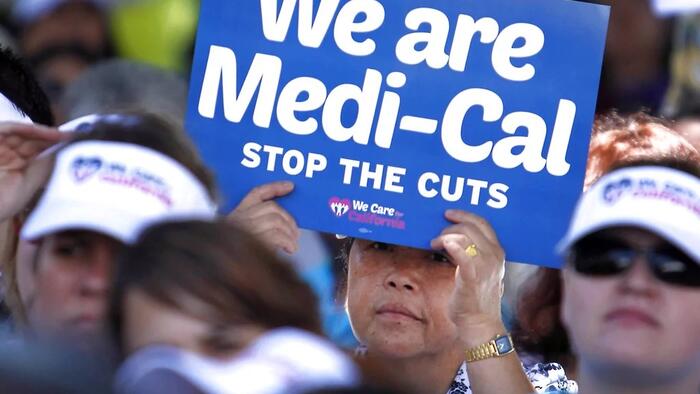
    Picture this: Gov. Gavin Newsom is asking the state for a $3.4 billion boost to keep its Medi‑Cal program afloat. Why? Because last year, he opened the gates wide enough that millions of undocumented folks hopped in. Now the funding gap is looking a lot bigger than a UFO sighting in the Mission.

    What’s the Crunch?

    • California’s debt is ticking up faster than a ketch‑kiss ball‑phone stack.
    • Without a big splash of money, the state’s health safety net could break under the weight of new, unexpected claims.
    • Officials worry the subsidies for “illegals” might trigger a fiscal Summer‑solstice of doom.

    The “Play‑No‑Track” Stuff

    Since 2013, California has proudly run sanctuary laws. That means the state keeps the whole “migrants” tag a mystery – no one keeps a database on who’s inside or outside the borders. Because of that, estimating the actual cost of all those medical rides and welfare passes becomes as tricky as trying to find a unicorn in the desert.

    Reality Check: The Numbers

    • At least 2.6 million undocumented residents wedged into the state’s pantry.
    • About 60% of newcomers hit upon welfare programs upon arrival – the likelihood or their home state or the next county’s kindness.
    • On parade: California’s Medicaid expansion pushed migrants aged 26‑49 into the system – the largest chunk of approximately 75% of all undocumented nationals in the U.S.

    Federal Funding? Where’s the Money?

    The state’s General Fund is officially separate from the hefty federal money mama California brings. Yet, federal dollars are not meant to be zipped into migrant programs. California’s tight routing loops have been a city of tiny, deceptive mirrors—so the state is more tangled in federal money than the official press releases boast.

    In short, the bootleg version of the federal vault’s broken checkbook is what’s keeping engines running. Scientists say it’s like sending a paper boat out into the sea of policy with both buoy and anchor (that’s the federal funds) while the boat is also riding a scooter (the General Fund). The budget must hold steady.

    Bottom Line

    With the new opening to 26‑49‑year‑olds, California finds itself in a tug‑of‑war with the purse strings. The big loan request is the state’s attempt to finish the race without drowning—while avoiding a total economic disaster. Only time will tell if the 3.4 billion will be a lifeline or just another fancy scribble on the budget paper.

    California’s Medicaid Meddle: A Day‑in‑the‐Life of a Loopy Tax Loop

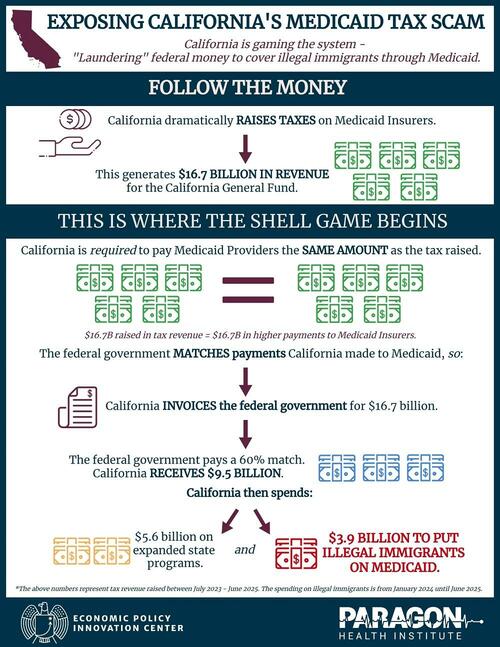
    Picture this: the state of California rolls out a “clever” plan that turns your federal cash into a round‑about route that, ultimately, ends up back where it started—but a little heavier for everyone involved.

    How the Loop Works

    • “Triple‑Tax” on Insurers – The state slams a hefty tax on Medicaid providers. Instead of going straight to the folks who need help, the money folds itself into California’s general fund.
    • “Spin‑back” to Medi‑Cal – Once the cash sits in the general ledger, the state is forced to dump an equal amount into Medi‑Cal—the very same insurers that originally paid the tax.

    So, in a nutshell: federal taxpayers shoulder the cost of mis‑management, the state pretends to make a tidy profit, and then gives that money back to insurers, leaving the public feeling like they’re stuck in a never‑ending tax‑TUI loop.

    Why It’s a Bad (Even Funny) Idea

    Think of it as a game of Monopoly where everyone thinks they’re collecting rent, but in reality, the banker is just passing the money around while the house pays the mortgage. It’s a cynical cocktail of “we’re getting richer” and “we’re not paying anyone in real life.”

    Feel the Frustration

    Taxpayers sigh as their money funds the state’s own pocket, only to have it returned to the very entities that mis‑used the original tax. It’s like pouring coffee into a mug, only to spill it back into the same mug and keep pouring.

    While some may call it a “creative” fiscal strategy, anyone who has seen the paperwork will understand that it’s mostly a way to make numbers look balanced while the reality of the health system gets left short‑changed.

    Why California’s Medicaid is a Money Rabbit Hole

    Picture this: the state of California, its budget looking like a wallet stuffed with both gold and a baguette. The federal government, in a generous gesture, means to reimburse CA for every buck spent on Medicaid—basically a 60% fine‑tune of their health budget. On paper, it’s a good thing—“no, this is exactly what we need.”

    What Happens Behind the Scenes

    • Medicaid payments to private insurers are the key that flips the federal fondue pot. The state opens up a faucet of dollars that, frankly, it didn’t necessarily need.
    • Every time a claim goes through, a chunk of that 60% drips into the general fund—painless, just a tidy line in the ledger.
    • Drip, drip, drip… and somewhere in that cash-flow labyrinth, the funds find their way into a category labeled “illegal aliens.”

    The “Donor State” Paradox

    Democrats cheer: “California is a generous donor!” They point to the fact that CA pumps more in federal money than they scoop out. Yet, when you do the math, the state carries a half‑trillion‑dollar debt—the biggest stacking of liabilities in the nation.

    The Deficit Dilemma
    • Annual deficits swing between $50 billion and $80 billion.
    • Even with a skyline full of millionaires and a GDP that ranks high on world charts, the state can’t shake its urban homelessness crisis.
    • Budget gymnastics? Absolutely. In fact, the level of maneuvering could be described as “off the charts.”
    What’s Going Wrong?

    Two main excuses hold the door open for mismanagement: first, poor governance that cannot keep the financial train on track; second, a negligible strategy to halt external influences that scare the state into a kind of fiscal binge.

    Trump’s Audits—The Final Countdown

    The new national administration is opening audit gates that are going to be especially painful for states that have hidden federal revenue in their pockets.

    • California’s reliance on this “extra” funding is a ticking time bomb.
    • With federal cuts looming, states that ride on this gravy train will feel the sting most acutely.

    In short, California’s Medicaid mix is a guilt‑free fountain that keeps channeling surplus into the wrong places, all while its budget stays perpetually on the red side. Time to put a plan in place before the next audit cycle hits.

  • Ex-UCF Star and Pro Bowl Running Back Latavius Murray Joins Titusville High Coaching Staff

    Ex-UCF Star and Pro Bowl Running Back Latavius Murray Joins Titusville High Coaching Staff

    Latavius Murray played ten seasons in the NFL

    Latavius Murray Returns to Titusville, Turns Coaching Dreams into Reality

    From young touchdown wizard in Titusville to NFL star—and now back to nibble on high‑school huddles—Latavius Murray is cementing his legacy as the new running back coach and running game coordinator for the Titusville Terriers.

    Why the Reunion Makes the Golden Touch

    • Roots Run Deep: Murray’s first kick‑off was at a local Titusville field, and his natural running flair sparked early fireworks.
    • School‑yard Olympian: He graduated from Onondaga Central (NY) as the Gatorade Player of the Year in 2007—a pretty big bragging right for a kid still in his teens!
    • All‑Star Path: Ranked the top 5 talent in New York, he should’ve chosen any number of Prism‑glossed Division‑I powerhouses. Instead, he went home sweet home to play for UCF.

    Rockin’ the Knights: The College Career

    Murray’s four‑season stint at UCF wasn’t just a college run‑away; it was an all‑out sprint. Here’s how he measured up:

    • Total Yard Army: 2,424 rushing yards.
    • Touchdown Troop: 44 touchdowns.
    • Hall‑of‑Fame Hero: Inducted into the UCF Hall of Fame in 2022.

    The big moments? A stellar sophomore year, a stellar junior year, and the senior spotlight where he break‑through with 1,100+ yards. That’s enough to have anyone in the program whisper, “We’ve got a legend!”

    Back to the Terriers: Where’s the Big Impact?

    Armed with first‑hand NFL playbook knowledge and a flood of collegiate stats, Murray’s coaching focus will be on two vital fronts:

    1. Running Back Mastery: Train the next generation of backs to hit the sod as they did the professional fields.
    2. Game Flow Gurus: Coordinate the roadway of rushing plays so the Terriers never find themselves stuck in a static, “no‑ball” parade.

    With his eyes set on daily grid‑iron grind and a knack for turning bright sparks into seasoned pros, the Titusville Terriers’ future never looked sharper.

    Final Thought

    Latavius Murray’s journey—from the muddy playgrounds of Titusville to the bright lights of the NFL and back—reminds us that home is where the stories rewind and the next chapter begins. This guy’s coaching recipe? Mix a dash of personal legacy, a sprinkle of professional wisdom, and a hearty serving of local pride.

    Latavius Murray: From Rookie to Hall‑of‑Fame Legend

    In 2022, the University of Central Florida celebrated one of its finest alumni by throwing a star‑studded induction for Latavius Murray into their Hall of Fame. Yet this was just the tip of the iceberg for a career that saw him rise from a draft flop to an NFL powerhouse.

    Staring at the Draft, but Dreaming Big

    Coming off a solid senior season, Murray was picked at #181 in the 2013 NFL Draft by the Oakland Raiders—a sixth‑round lottery ticket that meant he had the whole league to prove himself. Imagine lining up behind Bulldogs like Darren McFadden and Maurice Jones‑Drew and knowing that the only way to shine is to hit the ground running.

    Rookie Blues

    Before he could splash onto the field, the Raiders slapped him onto injured reserve. 2013? Scarred. 2014? Finally seeing the light.

    Breaking Through in 2014

    Even as a third‑stringer, the freshman’s alley sprint turned into a full‑blown breakout. By the end of his sophomore year, Murray was blasting a 424‑yard season on 82 carries—complete with two touchdowns that left the crowd cheering.

    Full‑Time Rocket in 2015

    2015 marked the start of the “Murray Effect”: over a thousand rushing yards, a Pro Bowl nod, and a burst through the league’s elite. 2016 kept the momentum at 788 yards with an impressive 12 touchdowns—talk about a double‑header of greatness!

    Murray the Viking

    2017 saw him traded to the Minnesota Vikings, ready to share the back field with Dalvin Cook. When Cook injured his ACL, the universe handed methodically to Murray:

    • First Viking season: 842 yards & eight TDs.
    • Second season: nearly 600 yards despite Cook stepping back into the spotlight.

    Stellar in New Orleans

    After a quick stint in Minnesota, Murray signed a four‑year deal with the Saints. In 2019‑2020, he kept the charge rolling: 1,293 yards and 11 total touchdowns over two seasons.

    Short‑Lived Avengers Moment

    2021, a Muddy Field—Murray joined the Baltimore Ravens when the banged‑up back line ended the season. He delivered reliably: 500 yards and six touchdowns.

    When the Ravens released him, the Saints pulled him back onto the practice squad. He played a single game before the Denver Broncos quieted down the clock and signed him—yielding 760 yards, six touchdowns across 13 games.

    Final Chapter with the Bills

    In the offseason, Murray signed with the Buffalo Bills. Still the oldest running back in the league, he featured in all 16 games and started four, finishing with 300 yards and four touchdowns.

    Retiring with a Legacy

    After the 2023 season, Murray hung up the cleats. Across ten NFL seasons, he amassed 6,552 rushing yards and 59 TDs, along with 1,620 receiving yards and two more touchdowns. A career that braved drafts, injuries, and roster moves—Latavius Murray has proven that persistence pays off.

    HOT OFF THE PRESS! June 30, 2025 Space Coast Daily News – Brevard County’s Best Newspaper

    Breaking News: Fresh Out of the Press!

    June 30, 2025 – The Space Coast Daily brings you the latest scoop from the hottest source in Brevard County. Grab your coffee, because this headline is as sizzling as a rocket launch!

    Why This Story is a Must‑Read

    • Exclusive content from the very frontlines of the spread.
    • Featuring insightful interviews with local celebrities and community heroes.
    • And, as always, the best of Brevard County right at your fingertips.

    Inside the Press Room

    Picture this: a bustling newsroom, coffee steaming, a sense of anticipation in the air. Every headline is carefully crafted, each word chosen for impact. And today’s headline? “HOT OFF THE PRESS!” – a phrase that say, “we’re not just publishing; we’re igniting conversations!”

    From the Editor’s Desk

    “Our team spent nights brainstorming, debunking myths, and refining articles to make sure every paragraph resonates with our readers.” The editor adds, “Brevard County’s pulse is alive, and we’re here to keep you in the loop.”

    Community Spotlight

    Highlights include:

    • A behind‑the‑scenes look at the Annual Space Coast Festival.
    • Local athletes pushing for the next big leap.
    • Heartwarming stories from families who call Brevard home.

    With a blend of humor, heartfelt narratives, and top‑notch journalism, this story is the quintessential “best newspaper” experience, especially for those who love the unique vibe of the Space Coast.

    So, if you haven’t yet read it, jump into our digital archive (no clicks, just pure story!) and discover why Space Coast Daily is the newspaper that truly rocks the county. Happy reading!

  • When Should You Start Estate Planning? Timing Tips for Illinois Residents

    When Should You Start Estate Planning? Timing Tips for Illinois Residents

    Why It Matters—and Why Now Feels Too Soon

    Thinking about estate planning can feel like a long-term chore, especially when you’re healthy and busy. But starting early—well before any major life event—lets you actually shape the process instead of reacting under stress.

    Whether you’re approaching retirement, welcoming a new child, or navigating a life change, laying down a plan doesn’t mean you’re morbid—it means you’re responsible. Estate planning builds clarity, protects your legacy, and gives you peace of mind without emotional urgency.

  • Scientists transplant pig lung into brain-dead patient in world-first

    Scientists transplant pig lung into brain-dead patient in world-first

    Experts say cross-species transplants could one day help alleviate the shortage of human organ donations.

    ADVERTISEMENT

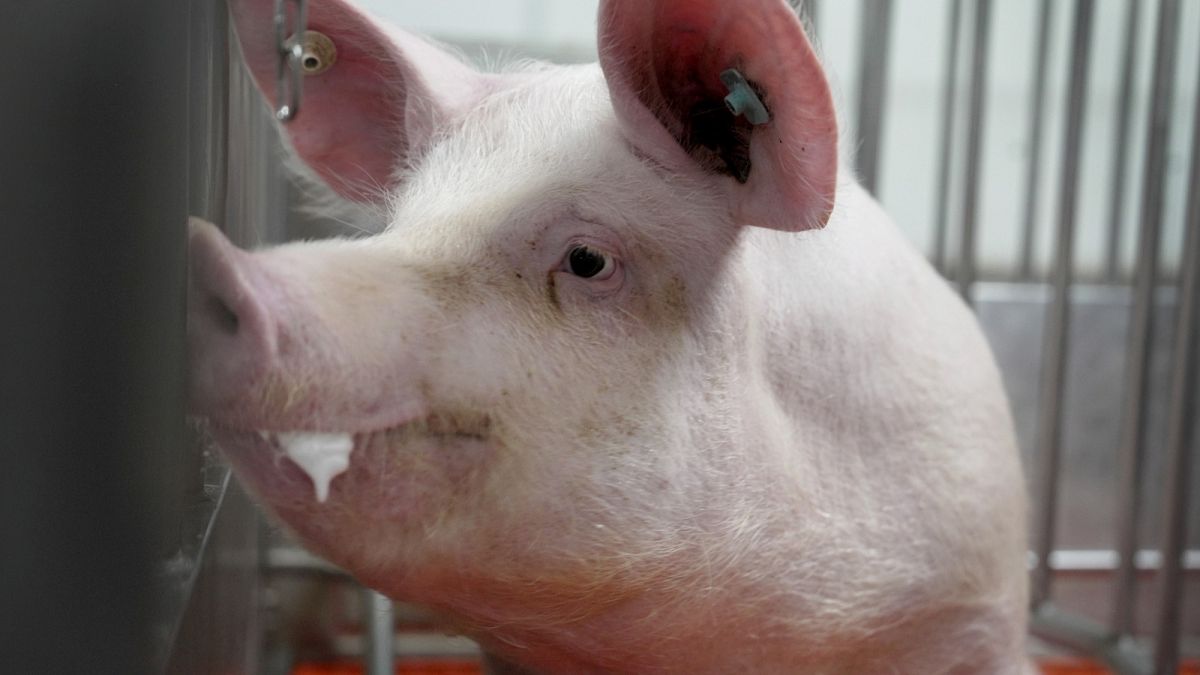
    Scientists in China say they have successfully transplanted a pig lung into a living person for the first time.
    The researchers from Guangzhou Medical University transplanted a pig lung that had been genetically modified to make it more compatible with humans into a patient who had been declared brain dead. The lung remained viable and functional for nine days.

    The results, published in the journal Nature Medicine, mark a major milestone in cross-species organ transplantation, known as xenotransplantation. Scientists have billed it as a potential solution to address the shortage of human organ donations.
    Pigs are considered good candidates for xenotransplantation because their organs are similar in size and function to human organs.
    Surgeons have already transplanted gene-edited pig kidneys, hearts, and livers into people. But the lungs present a unique challenge because they receive a high level of blood flow and are constantly exposed to outdoor air, raising the risk of infection.

    Related

    German woman has no signs of cancer after undergoing a new double-lung transplant surgery

    The Chinese team transplanted the left lung of a gene-edited pig into a 39-year-old patient who was brain dead and kept their original right lung. The patient’s immune system did not immediately reject the pig lung, and it remained functional for nine days.

    But there were signs of lung damage after 24 hours to the pig lung and indicators of rejection at days three and six. The experiment ended on day nine.
    The study “constitutes proof of concept that, with further improvements, lung xenotransplantation could in the future become a real option for saving lives,” said Dr Beatriz Domínguez-Gil, director of Spain’s National Transplant Organisation (ONT). She was not involved with the research.
    Last year, there were more than 173,000 organ transplants worldwide, including more than 45,000 in Europe, according to a global database run by the ONT and the World Health Organization (WHO).
    “The clinical need is enormous” because demand for organs far outstrips supply, Domínguez-Gil said.

    Related

    Scientists will test modified pig livers as dialysis-like treatment for patients with organ failure

    Advances in gene-editing technology mean pig organs are now “closer to becoming a real clinical option,” she added, though for now xenotransplantation “remains an experimental technique”.
    More procedures with both short- and long-term follow-up would be needed to fully understand how safe and effective the approach is, she said.
    Meanwhile, Dr Iván Fernández Vega, a professor of pathological anatomy at the University of Oviedo in Spain, noted that because the lung transplant was performed on a brain-dead patient, the findings cannot be directly translated to living people.
    “Neither the clinical tolerance nor the actual side effects of the procedure can be assessed” in this setting, he said.

  • Netflix’s ‘KPop Demon Hunters’ is probably the biggest movie in theaters

    Netflix’s ‘KPop Demon Hunters’ is probably the biggest movie in theaters

    A singalong version of the Netflix animated film “KPop Demon Hunters” is on track to earn $18 million to $20 million in theaters this weekend, making it the No. 1 movie at the domestic box office. And that’s despite only being in theaters for two-thirds of the weekend (namely, Saturday and Sunday).

    This isn’t the first time a streaming title has topped the box office charts. In fact, Apple’s “F1” (distributed in U.S. theaters by Warner Bros.) opened to an even more impressive $57 million earlier this summer. But this marks the first time Netflix has had the biggest movie in theaters.

    The victory comes with some asterisks, most notably that Netflix doesn’t announce box office returns itself. So these aren’t official numbers from the streamer, but rather preliminary weekend estimates from other industry sources.

    This was, admittedly, a quiet weekend, without major new releases. Besides “KPop Demon Hunters,” the top-grossing movie was “Weapons,” which made an estimated $15.4 million in its third weekend in theaters, for a $115 million domestic total.

    Still, this feels like a milestone for a company that has avoided traditional theatrical releases (a stance that may have driven away some of its most successful filmmakers). The closest it’s come is a one-week release of Rian Johnson’s “Knives Out” sequel “Glass Onion,” which earned an estimated $15 million in theaters. And then there’s Greta Gerwig’s “Narnia” adaptation, which will probably do even bigger box office numbers when it launches exclusively on Imax screens next fall.

    This is also an impressive victory for a movie that’s been available on streaming since late June, and has already climbed to the No. 2 spot on Netflix’s chart of all-time most-watched movies, with more than 210 million views. (It’s sandwiched, somehow, between “Red Notice” and “Carry-On”).

    Produced by Sony Pictures Animation and with a largely Korean/Korean American voice cast, “KPop Demon Hunters” tells the story of a K-pop girl group that, yes, also hunts demons, including a rival boy band. “Golden,” a song from the film’s soundtrack, topped the Billboard charts and has been streamed more than 400 million times on Spotify.

    Techcrunch event

    Tech and VC heavyweights join the Disrupt 2025 agenda

    Netflix, ElevenLabs, Wayve, Sequoia Capital, Elad Gil — just a few of the heavy hitters joining the Disrupt 2025 agenda. They’re here to deliver the insights that fuel startup growth and sharpen your edge. Don’t miss the 20th anniversary of TechCrunch Disrupt, and a chance to learn from the top voices in tech — grab your ticket now and save up to $600+ before prices rise.

    Tech and VC heavyweights join the Disrupt 2025 agenda

    Netflix, ElevenLabs, Wayve, Sequoia Capital — just a few of the heavy hitters joining the Disrupt 2025 agenda. They’re here to deliver the insights that fuel startup growth and sharpen your edge. Don’t miss the 20th anniversary of TechCrunch Disrupt, and a chance to learn from the top voices in tech — grab your ticket now and save up to $675 before prices rise.

    San Francisco
    |
    October 27-29, 2025

    REGISTER NOW

    In keeping with a longstanding refusal to screen movies without an exclusive theatrical window, AMC Theatres declined to show this singalong version of “KPop Demon Hunters,” but it was the only major chain to do so.

  • Missouri’s Wellness Wave: Steering the Future of Holistic Health

    Missouri’s Wellness Wave: Steering the Future of Holistic Health

    Missouri’s Quest for Total Wellness

    What’s Cooking in the Show-Me State?

    In the Midwest’s very own heartland, people are swapping the old “get sick, get better” mindset for a richer, all‑inclusive approach to health. Think of it as the Missouri version of the “well‑being buffet” – full of physical, mental, emotional, and even environmental dishes.

    Key Players on the Scene

    • Health Partnerships – Groups teaming up to bring new programs and resources to towns big and small.
    • State Agencies – The ones with the budget and the brainpower to craft policies that keep folks thriving.
    • Community Advocates – Grassroots leaders who remember the value of a good neighborhood crunch (with a side of wellness).

    Public Health Initiatives: The Backbone of Wellness

    From vaccination fairs to nutrition workshops, Missourians are seeing their health regionally as a collaborative effort. Many initiatives are designed with a clear vision: to make public spaces safe, to stop illnesses before they start, and to keep everyone’s mental health on a solid footing.

    Tech Takes the Lead

    Smart devices, mobile apps, and online databases are now part of the daily routine. Engineers and researchers are building tools to track everything from heart rates to grocery receipts. The result? Real‑time health insights that help residents stay ahead of any potential problems.

    Community & Programs That Bring It All Together

    • Neighborhood Wellness Nights – Think buddy workouts, meditation circles, or a simple potluck where we talk about lifestyle changes.
    • Eco‑Friendly Initiatives – Clean‑up drives and green spaces that double as places for exercise.
    • Education Outreach – Interactive workshops that turn health jargon into easy‑to‑understand tips.

    Bottom Line

    With Missouri’s folks leading the charge, the state is becoming a model for how community spirit, smart planning, and a touch of tech can combine to create a healthier, happier society.

    Missouri Health and Wellness

    Missouri’s Health Revamp: From Research to County‑Centric Care

    Why the State Is Turning the Health Dial Fully On

    When you think of wellness, you might picture yoga mats and kale smoothies. Missouri, however, is flipping the script, mixing science with community vibes to create a healthier state that’s as much about brains, hearts, and homes as it is about arteries.

    Research‑Driven: The Missouri Lab League

    • Statewide studies – From cardiology to geriatric care, the state’s labs are buzzing with projects that promise breakthroughs up to tomorrow.
    • Frontline data collection – The research team isn’t stuck in ivory towers; it travels across counties, pulling real‑life numbers to keep science grounded.
    • Innovation hub – By outfitting colleges and hospitals with the latest tech, Missouri is basically the “innovation playground” for medical breakthroughs.

    Community‑First: Getting the Grassroots Game On

    The state recognizes that a hospital’s pristine whites aren’t enough if the neighborhood’s streets lack clean drinking water or if families lack mental health support.

    • Local wellness bootcamps – Every town gets a chance to host fitness classes, nutrition workshops, and mindfulness sessions.
    • Empowerment grants – Small businesses and local nonprofits receive funding to launch their own health initiatives, creating a ripple effect.
    • Public‑spend for mental health – Dedicated budgets help patients access counseling, support groups, and crisis hotlines.

    “Holistic Health” – The Complete Package

    By treating the body, mind, and environment as all part of the same puzzle, Missouri is carving a path that other states could look up to.

    • Integrated care coordination – Primary physicians, specialists, and community workers are in sync, meaning patients enjoy a smoother health journey.
    • Environment‑centric policies – Clean air, safe water, and green spaces all factor into the state’s health metrics.
    • Data‑driven improvement – Constant monitoring ensures that the state can adjust policies fast enough to keep up with shifting health needs.

    Takeaway: Missouri Sets the Gold Standard

    With relentless dedication, science‑backed projects, and the heart of community, Missouri proves that when you blend research with grassroots, the entire state’s health taps into a higher level of well‑being. The result? A win for everyone—locals, health professionals, and even neighboring states who’re watching as a shining example of comprehensive health strategy.

    Major Players in Missouri’s Health and Wellness Scene

    Missouri’s Health Scene: A Mix of Medicine, Research, and Sweat

    Front‑Line Heroes: Hospitals & Healthcare Systems

    When it comes to keeping the Show-Me State healthy, the big medical machines—hospitals—are right at the center. Think of the Warehouse‑Wizardry of Barnes‑Jewish Hospital in St. Louis, part of the Washington University Medical Center, and the Sunrise Center of University of Missouri Health Care in Columbia. They’re the hands that stitch, the tech that scans, and the care that comforts across all sorts of specialties.

    Brains Behind the Biggest Breaks: Research & Universities

    • Washington University in St. Louis isn’t just a school—it’s a laboratory buzzing with breakthroughs that shape global health.
    • Universities across the state turn curiosity into cures, letting Missouri’s kids see science in action and adult’s know that research isn’t just confined to lab coats.

    Fitness No. 1 for the Soul: Wellness & Community Gyms

    Beyond the sting of needles and the hum of scanners, a quieter, kinder battle rages in the gym aisles. Missouri’s local fitness and wellness hubs give folks a chance to:

    • Break a sweat in style—Whether it’s yoga, spin, or a good ol’ cardio blast.
    • Learn “eat right” tricks from nutrition pros without the jargon.
    • Pick up health hacks tailored to the neighbourhood vibe.

    Why Missouri’s Health Squad Feels Like One Big Family

    All these teams—doctors, scientists, trainers, volunteers—share one beat: a pulse that keeps the state buzzing. Together, they weave a tapestry of health that’s both advanced and approachable, propelling Missouri from ordinary to stellar in the wellness department.

    Image2

    Public Health Initiatives in Missouri

    Missouri’s Mission: Turning Health into a Muscle‑Building Adventure

    Think of Missouri as the fitness trainer for its people—no bro‑culture, just science, hustle, and a sprinkle of optimism. The state’s health departments have rolled out a rainbow of programs that blend preventative wizardry, fight against chronic dragons, and knowledge bombs to keep everyone in top shape.

    The Big Picture

    • Preventive Care – From “Got a dash of sugar? Let’s keep it at zero” to “Beat obesity before it’s even a word” campaigns.
    • Chronic Disease Management – Diabetes, hypertension, and other long‑term foes are getting a systematic takedown plan.
    • Health Education – “Did you know? “ panels teach folks why a tomato is a superhero for their veins.

    Vaccination Victory

    Missouri is blasting a statewide health‑campfire to invite everyone to the vaccine party. The goal? High‑score immunization rates that keep the community squeaky clean from sniffles and fevers.

    Substance Success Stories

    What’s more monstrous than addiction? The state’s strategy involves pre‑emptive training and treatment pathways—think the neon sign that says “Help is here.” They’re acknowledging that drug and alcohol issues can ruin individual life and shake the community’s core.

    Environmental Edge

    Air and water are the unsung heroes. Missouri’s green‑lung crew is lowering pollution so people can breathe easy without it turning into a villainous gas of doom.

    Collaboration Collective

    • Government agencies + healthcare savants + community champs = unstoppable health force.
    • They’re turning visions into victories, crafting a healthier tomorrow for all Missourians.

    In the end, Missouri is proof that collective effort can turn raw mess into a healthy masterpiece. Ready to join the movement? The state’s got your back, one step, one smile, and one fire‑proof plan at a time.

    Image1It looks like there wasn’t any article text in your message. Could you paste the piece you’d like rewritten? Once I have it, I’ll spin it into a fresh, engaging version for you!

    The Role of Technology in Health and Wellness

    Missouri’s Tech‑Powered Health Revolution

    Ever wondered how the Show-Me State is turning its love of progress into a healthier, happier future? Strap in – the only thing more exciting than a steam locomotive on a Missouri track is the tech that’s lifting folk’s wellness to new tracks.

    Why Tech? Because Medical Wizards Need Modern Tools

    Gone are the days when doctors just took a pencil and a chart. Today, cutting‑edge devices and apps help doctors craft treatments that feel almost craft‑personalized. From DNA‑based therapies to real‑time data streams, tech lets specialists keep a pulse on even the smallest patient detail.

    Telehealth: From Farmhouses to the Doctor’s Office… Virtually!

    • Easy access – Switch on a video call and you’re in the doctor’s chair.
    • Rural relief – No need to fight a prairie wind to get counseling.
    • Hope in the backcountry – Mental‑health chats that never skip a beat.

    Wearables: “Fitness, But With Wi‑Fi!”

    Smartwatches and fitness trackers aren’t just about counting steps. They monitor heart rate, muscle tension, and even dance moves (yes, we mean those questionable moves at the county fair).

    • Vital checks – Your wrist gets the lowdown on your heart.
    • Motivation on a chip – Encouragement pop‑ups nudging you toward a less couch‑centric life.
    • Pressure to win… – Turn your healthy trance into a leaderboard challenge.

    Apps that Make Your Life Fit-outside

    There’s an app for everything – plank count, meditation, bad plant watering habits, and surprisingly… sleep tracking. These digital sous‑chefs help you whip up a balanced menu of nutrients, calm breaths, and proper slumber rounds.

    • Nutrition – Keep track of your macros, one bite at a time.
    • Mindfulness – “Just breathe!” becomes a healthy reminder.
    • Sleep science – Data tells you whether your nocturnal playlist is actually soothing.
    How Clinics Are Surfacing the Tech Wave

    Healthcare providers and well‑being hubs in Missouri aren’t just adding tech; they’re weaving it into care plans that feel more like treasure hunts than hard‑back books.

    • Holistic approach – Physical, mental, and emotional health meet in one consult.
    • Custom care – Each plan is as unique as a vintage route map.
    • Proactive monitoring – Changes detected before they become worries.

    By letting technology paint the picture of health, Missouri isn’t just keeping up with the nation’s innovations – it’s setting the track. Big cheers, folks: health and technology had a marriage, and they’re writing a legacy of well‑being that’s as bright as Kansas City’s skyline.

    Community Involvement and Wellness Programs

    Missouri: A Wellness Trailblazer

    What Makes the Show Dash

    In a world where health can feel like a maze, Missouri’s got a well‑crafted map. They’re not just treating illnesses—they’re building a holistic life-support system that’s practically a state‑wide wellness concierge.

    Teaming Up Like Dream Squad

    Picture hospitals, research labs, and local wellness centers all playing in the same orchestra. Together, they form a robust support network that’s hard to find anywhere else. The result? Every resident gets the right tools—no more “searching for a doctor” drama.

    Future‑Proof Health Tech

    • Personalized Care: Technology knows you better than your best friend—tailored treatments that feel like custom-fit jeans.
    • Accessibility Wins: From telehealth click‑answers to mobile clinics, residents can get care right in the driveway.
    • Data‑Driven Prevention: “If I know the numbers, I can jump out of the way” takes center stage.

    Beyond the Now: Building Tomorrow

    Missouri’s health initiatives aren’t a band‑aid fix; they’re putting foundations in place for a healthier future. Think of it as planting seeds in a garden that will bloom for generations.

    Key Themes

    • Public Health Push: Community education, vaccination drives, and lifestyle tweaks are rolled out like a well‑planned parade.
    • Prevention Over Intervention: The focus is on staying healthy, not just fixing problems when they pop up.
    • Community Power: Local volunteers, schools, and businesses join forces—because wellness is everyone’s ticket.

    The Bottom Line

    Missouri’s journey is a shining example of what can happen when a state dreams, collaborates, and stays patient‑centric. Their blueprint shows that a holistic, tech‑savvy approach can create a brighter, healthier tomorrow for all.