Tag: player

  • Mosquito-borne diseases are a growing problem in Europe. How can they be kept in check?

    Mosquito-borne diseases are a growing problem in Europe. How can they be kept in check?

    Some climate researchers believe diseases typically found in tropical regions, such as dengue and chikungunya, could become endemic in Europe.

    ADVERTISEMENT

    Europe is in for a long, hot summer – and with it, a swarm of mosquitoes.
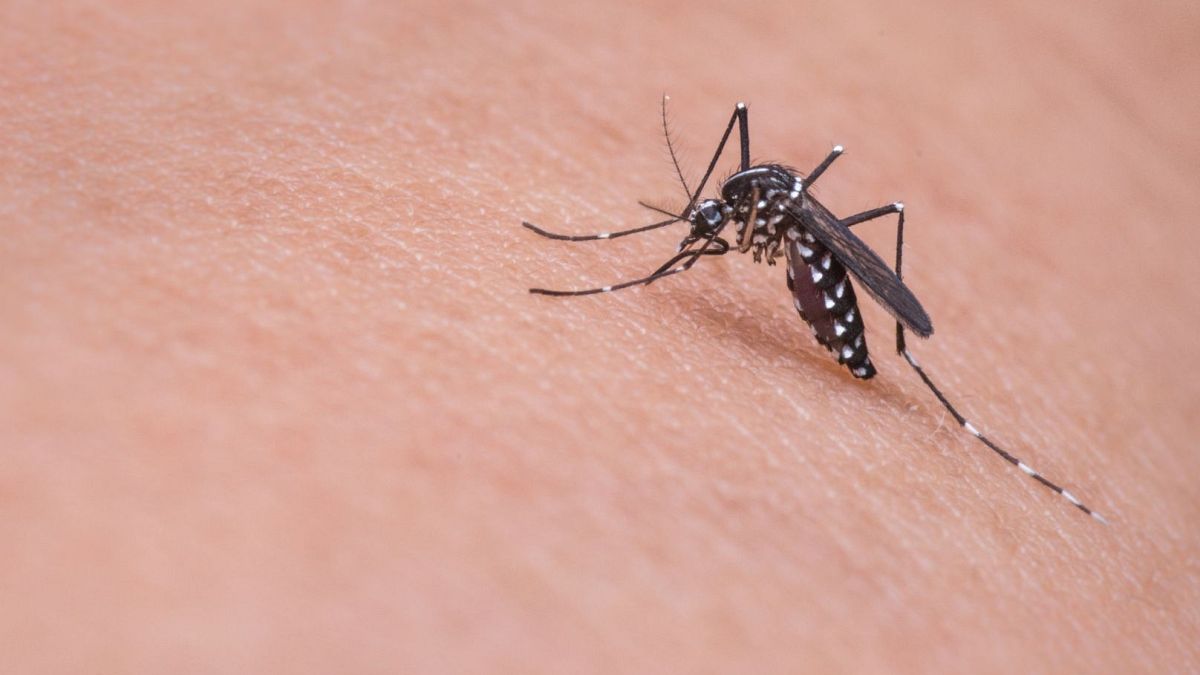
    The insects are more than just pesky. Some mosquito species carry illnesses such as Zika, West Nile virus, dengue, and chikungunya – and outbreaks of these diseases, typically found in tropical and subtropical climates, are becoming more common in Europe as a result of increased travel and warmer weather driven by climate change.

    Last year, there were 1,436 cases of West Nile virus and 304 dengue infections acquired in Europe, up from 201 the previous two years combined, according to the European Centre for Disease Prevention and Control (ECDC).
    Italy made up 238 of those dengue cases, the largest outbreak the bloc has ever seen.
    This may be another record-breaking year. France already has seven active outbreaks of chikungunya this summer, which the ECDC said indicates the mosquito season started earlier than usual.
    “It’s an exponential curve,” Jan Semenza, an environmental epidemiologist at Umeå University in Sweden, told Euronews Health.
    Dengue can spread easily because most infected people have no or mild symptoms, but it can cause severe illness and death. The most common symptoms are fever, headache, body aches, nausea, and rash.

    Chikungunya is rarely fatal, but it can cause similar symptoms to dengue as well as debilitating joint pain that can last months or even years.

    Related

    West Nile virus detected in UK mosquitoes for first time as climate change linked to spread

    Semenza and other scientists believe these diseases could soon become endemic in Europe.
    One recent study found that if a new mosquito species arrived in a European country in the 1990s, it would take about 25 years for a major outbreak to occur. Now, it’s under five years.

    “That time span has collapsed dramatically,” Semenza said.
    Outbreaks in Europe are still small compared to the rest of the globe. So far in 2025, there have been more than three million dengue cases and 220,000 chikungunya cases worldwide. More than 1,400 people have died from dengue and there have been 80 chikungunya deaths worldwide.
    But other vector-borne diseases could soon emerge as public health threats, as well. The mosquito species that spreads yellow fever, once eliminated in Europe, has reappeared in Cyprus.
    “We are very concerned that Europe could potentially be invaded by this aggressive mosquito,” Semenza said.

    What can be done to combat mosquito-borne diseases?

    Semenza said that while it’s impossible to eliminate mosquitoes altogether, governments can do more to prevent them from spreading disease. They could, for example, boost surveillance in hotter southern European countries during the summer, particularly around airports and other transit hubs where people might unknowingly bring viruses in.

    Related

    Scientists discover drug that could make human blood deadly to mosquitos in fight against malaria

    “We want to make sure that if a passenger arrives from a dengue-active area, that if that person has the virus in [their] blood, we would like to isolate that individual as quickly as possible to make sure that he or she doesn’t get bitten by a mosquito, because then you have these larger outbreaks,” Semenza said.
    Spain is taking some steps to minimise the risks. People can submit photos of mosquitoes to an app that uses artificial intelligence (AI) to identify the species and issue an alert if it hasn’t been detected in that area before. Regional health authorities can then take steps to prevent infections.
    This “citizen science” programme has helped officials identify invasive Asian tiger mosquitoes, which can carry dengue and chikungunya viruses, in 156 municipalities since 2023, according to the Spanish health ministry.
    Meanwhile, the ECDC said people can take steps to minimise their own risks from mosquitoes , including using insect repellent and wearing long sleeves and trousers at dusk and dawn, when mosquitoes are most active.

    Related

    Bleeding the planet dry? Climate change could unlock new threat to the world’s blood supply

    Travellers returning from countries where these viruses are endemic – most parts of Central America, South America, and the Caribbean – should maintain these precautions for at least three weeks after their return to Europe to prevent mosquitoes from biting them and spreading any viruses locally, the agency said.
    Other climate scientists say European countries grappling with the reemergence of mosquito-borne diseases should take lessons from regions where they have long been endemic, such as sub-Saharan Africa, Asia, and the Americas.
    “In Europe, it’s definitely a seasonal disease,” Semenza said. “But we see the season expanding, and we’ll see more and more cases”.


  • Sweden’s PM Turns to ChatGPT—How Are Other Governments Harnessing Bot Power?

    When Sweden Gets AI‑Faux Pas

    Picture this: the head of Sweden opens the ChatGPT app, thinks it looks cool, and suddenly folks are shouting “noggin’. That’s the headline reality – a Swedish leader’s casual chat with an AI sparked quite a storm back home.

    Why the Nordic Response blew up

    • Transparency woes – citizens felt the AI was a mouth‑watering ghost that didn’t explain how it made decisions.
    • Democracy, the big debate – using a chatbot for policy advice raised eyebrows about tech taking the reins over human judgment.
    • Culture clash – the image of a calm, consensus‑driven Sweden clashing with a bunch of chatter‑bots sent ripples through social media.

    One Week Later: America Gets Its Own AI Duty

    Meanwhile, across the Atlantic, the U.S. government is preparing to adopt the same AI darling—yes, the same ChatGPT—for federal tasks. “From budget reports to policy drafts, the AI will get a backstage pass,” announced insiders (no, we’re not quoting an actual press release).

    Things to Expect
    • AI helping write quickly drafted policy briefs – because who has time for endless red tape?
    • Guidelines for human oversight—so the machine’s crazy ideas don’t go unchecked.
    • Potential backlash from political activists—expect the same salvos as in Sweden, but with eagle feathers.

    In short, it’s a one‑year lesson from the north to the south: AI’s great if you can’t get traction without a human debate. If you don’t make the process public and accessible, the backlash is inevitable.

    Swedish Prime Minister Confesses to Consulting ChatGPT for a “Second Opinion”

    In a move that has lit up the internet and stirred up debate across Stockholm, Ulf Kristersson – the current Prime Minister of Sweden – admitted to the local press that he frequently turns to AI tools like ChatGPT and the French chatbot LeChat to brainstorm plans for running the country. “I use it mainly for a second opinion,” he said. “What have others done? Should we go the other way?”

    Why Are Politicians Turning to AI?

    • Speed: Need a quick brain‑dump? ChatGPT delivers.
    • Fresh perspectives: A digital sounding board that never sleeps.
    • Data crunching: Pulling insights from endless reports in seconds.

    Public Reactions: A Mix of “Whoa” and “Hold On”

    While some applaud the tech‑savvy approach, others are quick to remind that the human vote is what ultimately delivers the mandate. “If voters choose a person, not an algorithm, who’s actually making the calls?” yelled a critic. The crowd’s voice? “We signed the number of ballots, not the number of clicks.”

    Tech Experts Sound the Alarm

    Swedish specialists are pointing out that an AI’s confidence isn’t always a true indicator of correctness. Below are some key worries:

    1. Bias & “hallucinations”: These large‑language models sometimes spit out fabricated facts because their training data is incomplete or skewed.
    2. Reliability gap: Cheap answers are easy, reliable answers are hard, as Yarin Gal of Oxford put it.
    3. Security: Feeding sensitive state information into cloud servers based in the US could lead to subtle data leaks. Security teams are on the buzz watch.
    Kristersson’s Team Feels at Ease

    On the front line, Tom Samuelsson, the PM’s press secretary, nodded at the concerns and shrugged it off. “We’re not handing over top‑secret stuff,” he said. “It’s more a brainstorming partner than a data dump.”

    Bottom Line: A Move That Sparks Debate

    So, there you have it: Sweden’s highest leader publicly embracing AI as his “second opinion” buddy. The result? A fresh slice of public debate, a dash of tech caution, and a sprinkle of humor. As the sparks fly on Twitter and in fika corners alike, one thing remains clear: whether you love it or hate it, AI is no longer just a shiny gadget – it’s a conversation starter, and a policy tool, all wrapped in one.

    Should politicians use AI chatbots?

    A Quick Look at Politicians and Their AI Adventures

    It seems every time a tweety‑blue politician tries to ride the AI wave, the ministers’ desks get hit like a sandstorm. Here’s the scoop.

    Sweden’s Swell of 180 Questions

    Ol Olle Thorell, a Social Democrat in Stockholm’s parliament, decided to let ChatGPT draft a mountain of 180 written questions for ministers last year. The idea sounded slick, but the fallout was tidal: ministers’ staffs felt their inboxes overflowed, racing against deadlines.

    Britain’s Podcast Predicament

    Picture the UK tech secretary, Peter Kyle, asking ChatGPT why AI seems to be moving slower in UK businesses and which podcasts he should hop onto to “reach a wide audience that’s appropriate for ministerial responsibilities.” The revelation—published by New Scientist—lined up a montage of headlines: “AI: A Speeding Ticket for UK Industry? Or Just a Vehicle for Public Relations?”

    Graham Leadbitter Goes “AI-Strong” with Speeches

    Scottish MP Graham Leadbitter has no qualms about his AI love affair. In a newspaper column, he bragged: “I use AI to write speeches because it helps me sift through dense reading and gives me a good basis to work from.” He added, “I still call the shots.” In practice, he picks the topic, feeds the bot the evidence he wants, specifies the document type, and double‑checks the output to confirm it lands where he intends.

    European Commission’s GPT@EC Takes the Stage

    In 2024, the EU rolled out GPT@EC—their own generative AI tool designed to help staff draft and summarise documents. It’s still experimental, but the potential to lighten paperwork is enormous.

    Is Europe Ready to Police AI?

    As governments chat about AI supervision and sanctions, you can’t help but wonder: will the AI in the political trenches start looking at each other’s ducks (or bots) over the scorching headlines?

    Key Takeaways
    • Swede Olle Thorell used ChatGPT for 180 ministerial questions, raising a staffing storm.
    • UK tech secretary Peter Kyle asked ChatGPT about AI adoption and podcast strategy, drawing media fire.
    • MP Leadbitter uses AI for speech prep but keeps the final edit in his own hands.
    • EU’s GPT@EC is a new gen‑AI chef for staff, still in test mode.
    • Europe faces a looming question: how will AI’s booming use be checked? The next chapters are on.

    ChatGPT available to US public servants

    OpenAI & The Federal Workforce: A $1-a-Year Deal

    Just this week, OpenAI rolled out a deal that’s basically saying, “You can use our fancy ChatGPT Enterprise for just a buck per year.” And who’s on the hook? Every single member of the U.S. federal workforce.

    Why the sudden partnership?

    It came hot on the heels of the Trump administration’s new AI Action Plan. The plan’s goal is to spread AI across federal agencies to cut paperwork time and boost overall efficiency.

    The OpenAI Promise

    • Strict guardrails that keep user data safe.
    • High transparency so you know how AI is being used.
    • Deep respect for the “public mission” that keeps our nation running.
    What’s been proven in the field?

    OpenAI ran a pilot in Pennsylvania where public servants cut about 95 minutes off their daily routine tasks thanks to ChatGPT. That’s like taking a trip to the DMV and getting back before the lunch rush.

    The Bottom Line

    “Whether you’re juggling complex budgets, spotting security threats, or just running the day‑to‑day grind of a public office, every federal worker deserves top‑tier tech,” OpenAI declared.

  • How Friendly Advice Turns Into Overfamiliarity in Business

    How Friendly Advice Turns Into Overfamiliarity in Business

    When “Sweetheart” Isn’t Sweet at All

    Picture this: you’re strolling into a networking event, hand outstretched, ready to say your classic “Hi, I’m Cat Macdonald.” You expect a polite nod or a friendly grin, not a cheeky “sweetheart” while somebody pats your back to make way for his breakfast sandwich. That’s exactly what unfolded for me—and it’s a reminder that no business etiquette is so universal that it can be taken for granted.

    It Happens, It Hurts, It Needs a Fix

    • One gentleman barged past me saying “sweetheart” like it was a nickname for a buddy.
    • When I answered with my own introduction, he chuckled and casually suggested I “sit here instead,” all while tapping his knee like a game of “high-five.”
    • These moments might feel harmless to some, but they’re barbed—demeaning, dismissive, and operating outside the bounds of professional respect.

    I’m no wallflower, and I’m certainly not frail in the face of this kind of levity. Yet, the impact on confidence and workplace culture matters for everyone—especially women who run their own businesses. A simple, respectful tone should be the baseline, not a throwaway joke or an internal nickname.

    Lessons From the Ring—Literally and Figuratively

    Think of Karren Brady’s experience on Piers Morgan’s “Life Stories.” She wasn’t shy to draw the line after a bold request turned into a crude remark. That public stand was a textbook example of not letting casualness wash over professional boundaries. We owe our colleagues, our staff, and ourselves the same standard.

    Steps to a Stronger, Respectful Work Culture
    • Set the Rules – Draft a clear policy that spells out what is acceptable and what crosses the line. Include real‑life examples so there’s no guessing.
    • Own the Process – Make sure everyone sees the procedure for raising concerns and resolving them. If the system is easy to use, people will feel safer speaking up.
    • Lead With Consistency – The top team should embody the standards they expect. When leaders model civility, the culture shifts automatically.
    • Teach the Nuance – Even in written messaging—websites, social media, newsletters—the tone matters. Words carry weight; a friendly message today could feel condescending tomorrow if misread.

    In practice, it’s a two‑step playbook: first, lay the groundwork with your policy and training; second, ensure a system that encourages open dialogue. A culture that’s visible, understandable, and actively supported invites everyone to feel respected.

    Bottom Line

    When someone calls you “sweetheart” in a business setting, it’s more than a simple misstep—it’s a signal that your environment may lack firm boundaries. Enforce clear, respectful standards, and watch confidence, collaboration, and creativity blossom. After all, a little dignity goes a long way, and it’s time we all got a little more of it in our professional lives.

  • Wired vs. Wireless: The Hidden Fear of Bluetooth Earbuds that Kamala Harris Stumbles Upon

    Senator Harris Keeps It Classic—Wired Earphones All The Way

    In a clip that’s doing the rounds on every feed, Kamala Harris spilled the beans: she’s sworn to stick with wired earphones for all her calls. Forget Bluetooth, forget the “hanging‑the‑line” buzz—it’s all about good old copper cables.

    Why the fuss? The Vice‑President says her switch to wired tech stems from a smart, old‑school approach cultivated during her time on the Senate Intelligence Committee. And it’s not just a quirk; it’s a full‑blown strategy for staying cool, secure, and connected.

    Four Reasons Behind Harris’s Choice:

    • Privacy, folks: Wire = no data leak. The tip‑to‑twitch wireless rush rarely thinks twice about transmission–snooping.
    • Hard‑copy connection: Signal loss? Pfft. A cable’s solid, so she doesn’t lose a last‑second text or that crucial call from the “I’ve got a question” crowd.
    • Grounded in the ground truth: Her Intelligence Committee experience taught her that “unwired” is a bigger threat than a “wired” glitch.
    • The rebel vibe: It’s a subtle nod to those who ‘make it happen the hard way’—a sending‑off to the analog era.

    A Word From the Social Media Stomp‑Dance

    Fans and critics alike are now voting in the live polls. Some are cheered: “Good call, admin!” while others say, “So where’s your sleek Bluetooth lover?” The conversation has gone boom‑boom—elephant‑in‑the-room, “but why is it “wired” and not “wireless?”

    Personal Style, Clinical Reasoning, and “Silicon Valley Woes” (Just for a Laugh)

    True story: 72‑year‑old Harris, with an ear in two digital startups, can talk about the ailing policy of VPNs, infrared signals, and the dreaded “The !@#%… interfering app” that tries to seize conversations.

    All that said, her wired-first approach opens up a forum for future debate. Is the easiest way to speak with the world still the “kinda stuck” earbud cable, or should we upgrade to the genius of the net itself? The answer is all about comfort, security, and that golden rule: keep your ears, keep your ground, keep your privacy.

    Earbuds & Politics: Why Kamala Turns the Tether on Tech

    In a lawsuit‑ready showdown that rocked Twitter, former Vice‑President Kamala Harris dropped a bombshell: she refuses to plug into the wireless scene. This revelation came from her debut on Stephen Colbert’s The Late Show after a bout with the Trump era, and it’s sparking a meme‑flood of wired‑earbud proud fans.

    What’s the Hook?

    During the interview, Colbert played a set of photos, including ones of Harris juggling over 100 phone calls after Biden’s resignation announcement. She didn’t just answer—they featured her wearing a cable‑guru pair of headphones. She quipped:

    • “They say I’m wired… oh, but it’s not just a joke. I used those earbuds in the Senate Intelligence Committee.”
    • “When you’re in classified briefings, you can’t rely on the domino effect of a Bluetooth signal. That’s why I prefer cable. It’s a bit more secure.”

    Internet Goes Analog

    The clip exploded across the net. Users traded snarky commentary for some satirical wish‑fulfilling paranoia:

    • “If your political influencer says someone is listening, stop the buzz—listen to the wired truth!”
    • “Just imagine the duo of AirPods and the government, picking apart my playlist of the same chorus for a week… I’d be in trouble!”

    Some folks frowning at privacy had quieter musings:

    • “I hate the idea of people violating our privacy.” — a tweet that got almost a thousand replies.
    • “Wired is fine for government meetings, but for a casual call, Bluetooth is just fine—staying wired isn’t a crime.” — a commenter with a straight‑edge.

    Can Pollutants Hunt Your Call?

    For the technically curious, a TechRadar exposé confirmed that hair‑pin flaws lurk in the Airoha chip – a chip widely farmed by the likes of Sony, Bose, JBL, and Marshall. Those defects could let an opportunist eavesdrop on a call – if you’re not wearing a cable, the hill is small.

    The UK Ministry of Justice issued a memo listed Bluetooth as a “low‑risk” but not fully secure link for “Official‑Sensitive” communications. GPS‑tracking is an added side‑effect: the tech can also ping you like a Fitbit in a covert surveillance squad.

    In short: high‑risk government bodies prefer cables; the mass‑market audience can politely shrug – but the digital espionage circus stays a real concern.

    Did the Colbert Show “Get A-Wired”?

    While the earbud drama plays out, the Late Show got its own twist. Donald Trump flopped a commentary piece on Truth Social adamantly denying that he was the puppet master behind cutting the beloved two‑decades‑long programming.

    • “Anyone claiming I ordered the show off? Yank my ears. That’s nonsense!” — the former President stated.
    • “Think this was all my doing? It’s a nonsense attempt to pivot the spotlight.” — his post made millions of curious minds.
    • He even speculated which “first” would be eliminated, throwing the debate into a tangled forest of who’s responsible next.

    Takeaway?

    Now, if you hear a call to “let’s get wired” from a former Vice‑President, you might want to pull the plug and test the Ethernet in your earbuds. It’s not only a political statement but a low‑key defense against the Century‑Functional‑Wired (CFW) army.

    What’s more, the internet’s favorite pastime of turning tech and politics into meme fodder will likely intensify the chatter. Resist the urge to pretend your earbuds are invisible; the market may have wiser approaches, but the safety first approach remains the undeniable favorite when the stakes feel like a CIA plotline.

    Related
    • Mood Boards: The top 10 2025 films (whodunit meets rom‑com)

    Trump's remarks

    Trump’s Take on Late‑Night TV

    The Tweet (As it appears on Truth Social)

    “Next up will be an even less talented Jimmy Kimmel, and then, a weak, and very insecure, Jimmy Fallon. The only real question is, who will go first?” – Trump.

    He then added, “Show Biz and Television is a very simple business. If you get Ratings, you can say or do anything. If you don’t, you always become a victim. Colbert became a victim to himself, the other two will follow.”

    What That Means

    • Whack‑in‑Wit: Trump’s playful jibe at Kimmel and Fallon hints at the competitive, ratings‑driven world of late‑night hosts.
    • “Victim the Light”: He’s warning that if a host’s numbers dip, they’ll lose their platform—essentially a “snack‑and‑scream” moment for the TV gods.
    • Colbert’s Final Curtain: The final episode of The Late Show with Stephen Colbert is slated for May 2026, closing the door on another era of satire.

    Why It Matters

    In a landscape where audience reach often determines a show’s survival, Trump’s remarks underscore the fragile nature of fame.

    While it’s a light‑hearted firing‑line, the underlying truth is that star power and numbers walk a tightrope—one misstep, and the spotlight can dim as quickly as it brightens.

  • Denmark Plans to Make Spread of Deepfake Images Illegal Amid Misinformation Concerns

    Deepfakes: The Master of Illusions

    Picture this: a photo or video that looks so legit, you swear your eyes are doing a double‑take. Or hear a voice so smooth, you’re not even sure if it’s real. That’s the magic—and the menace—of deepfakes.

    What They Can Do

    • Fabricate words – making it seem like someone said something they never said.
    • Recreate actions – making you think an unsuspecting person performed a move they actually didn’t.
    • Steal likenesses – swapping faces or voices to trick you into believing you’re watching real footage.

    How They Work (in a nutshell)

    Deepfakes use machine learning to blend and patch visual data. Think of it as a digital lie detector that spits out convincing “fake” content. It can be picture‑based, video‑based, or even audio‑based.

    Why It Matters

    Because the line between truth and fabrication is thinner than you think—especially online. So, next time you see something that feels a touch too perfect, pause and ask yourself: “Is this genuine or just a clever digital fabrication?”

    Denmark’s Bold Move Against Deepfakes

    In a headline‑wist of its own, Denmark is finally stepping up to fight the latest form of digital trickery—deepfakes. These AI‑crafted images and videos can look so real that they spark doubts about what we actually see.

    Why this matters

    When deepfakes go viral, they can plant seeds of misinformation that sprout into real‑world panic or confusion. With the nation’s good vibes and a love for fresh tech, the government wanted to stop the spread before it turns chaos into a new normal.

    Government’s Game Plan

    In a clear-cut statement released last Thursday, the Danish authorities announced a bill that could make it illegal to share or produce deepfakes that mimic a person’s face, voice, or other distinguishing traits.

    • Full bipartisan support from a broad cross‑section of parliament.
    • Planned legislation that serves as a stern warning to tech giants.
    • The move is touted as one of the most aggressive yet taken worldwide against AI‑driven misinformation.
    Culture Minister’s Take

    Culture Minister Jakob Engel-Schmidt didn’t mince words: “It’s high time we put a stop to the spread of misinformation, send a crystal‑clear message to tech companies, and protect our citizens from feel‑the‑skin‑deep‑fakes.”

    What the Bill Covers
    • Disallowed sharing of any deepfake that shows a person in a misleading context.
    • Strict penalties for creators who publish such content without consent.
    • Enhancement of digital literacy programs to help everyone spot the fakes for what they are.

    All in all, Denmark’s leading with a robust shield against the downward spiral of fake content—protecting truth, one pixel at a time.

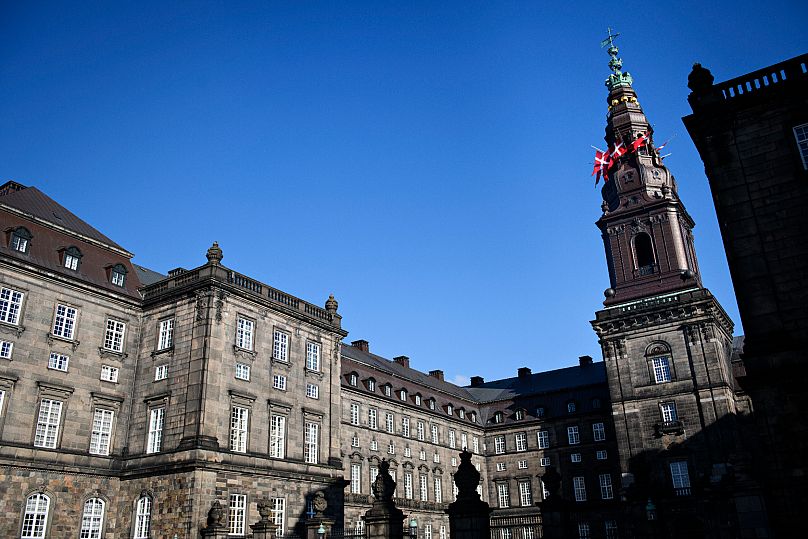
    The Danish Parliament building in Copenhagen, 14 February, 2018

    Deepfakes: The Digital Deception Dilemma

    Picture This

    Think of the Danish Parliament building in Copenhagen—yeah, that iconic place where laws are drafted—and on 14 Feb 2018 it was frozen in a photo by AP. Now, what if that image had a bite‑sized twist that nobody noticed? That’s the playground of deepfakes.

    What Are Deepfakes, Anyway?

    Deepfakes are like the master illusionists of the internet: they splice together pictures, videos, or even audio to make it look as if someone said or did something they never actually did. The trick can be almost flawless, making it tough for anyone—besides a cyber‑sleuth—to spot the difference.

    Why Should You Care?

    • Identity Theft—Imagine a celebrity’s voice being used to spread fake news.
    • Sexual Misconduct—These tools are often weaponized to produce non‑consensual porn.
    • Political Chaos—A deepfake could convince millions that a politician made a statement they never actually said.

    The Big Names in the Deepfake Spotlight

    We’ve seen the likes of Taylor Swift and even Pope Francis caught in the digital net. Their faces are famous, but their stories can get twisted online.

    International Law and Technology: The Response X‑Factor

    • USA: In May, President Donald Trump signed a bipartisan law that makes it a crime to publish or threaten to publish intimate images without consent—deepfakes included.
    • South Korea: Last year… they tightened the screws on deepfake porn, beefing up punishments and nailing stricter rules on social‑media platforms.
    • Denmark: Critics say the country’s approach is a one‑step ahead vision. As tech keeps getting slick, it’s hard to know whether you’re seeing the real thing or a digital faking‑over.

    Why Denmark? Because Future‑Proofing Matters

    The Danish Ministry warns that as manipulated media gets slicker, people find it increasingly difficult to separate genuine footage from digital artifice. “Because images and videos quickly seep into our subconscious,” the ministry says, “the misuse of these tools can sow doubt and completely warp how we see reality.”

    Bottom Line

    Deepfakes aren’t just a tech buzzword—they’re a genuine threat to privacy, trust, and even democracy. While some governments tweak their laws to catch up, the real game is about teaching us to spot a lie when it looks like the truth.

    Citizens stage a rally against deepfake sex crime in Seoul, 27 September,  2024

    Seoul Citizens Rally Against Deepfake Sex Crimes

    In a vivid display of civic passion, a crowd of Seoul residents gathered on the 27th of September to demand stronger safeguards against the rising threat of deepfake‑driven sexual exploitation. The demonstration was marked by spirited chants, hand‑stitched posters, and a communal vow to keep the city’s digital streets cleaner and safer.

    What Fueled the Rally

    • Increasing reports of fabricated video content that misrepresents individuals in compromising contexts.
    • Recent headlines showing how easily deepfakes can infiltrate mainstream media and public discourse.
    • Demand for legislation that preserves the sanctity of a person’s body and voice—essentially protecting each citizen’s “digital dignity.”

    Legislative Roadmap

    The protesters’ chant echoes a bold proposed mandate that seeks to ensure everyone’s right to their own body and voice in the digital arena. Key points of the draft legislation include:

    • Strict prohibition on creating or sharing deepfake sexual footage without consent.
    • Clear carve‑outs for parody and satire—though the exact criteria remain to be fine‑tuned by lawmakers.
    • Initial focus on Danish law as a pilot, with the aim of tightening penalties, though fines or jailtime may be cap‑limited depending on case severity.

    Why Denmark Matters

    While the rally was in Seoul, the lawmakers announced plans to amend Denmark’s legal framework this summer. The intent is to align the country with both international obligations and European Union standards, setting a precedent that might ripple across the continent. The updated law is expected to roll out late this year or early next, serving as a benchmark for similar reforms globally.

    Take‑Home Messages

    • Deepfake crimes are a real threat that cross borders—yet local activism can shape global policy.
    • Legislation must be clear enough to eliminate harm while still allowing the creative freedom of satire and parody.
    • Citizens’ voices matter: when activists rally, lawmakers listen. The Seoul protest shows how collective demand can push forward protective legislation.

    As the world watches, Seoul’s stand reminds us that the fight against digital deceit isn’t just a tech issue—it’s a civic one, and it’s happening right now, with human voices no longer just echoing in the ether.

  • Crete Wildfires: Should You Travel? Know Your Cancellation Rights

    Crete Under Fire: Wildfires Blaze Through Ierapetra

    Where the Smoke Started

    Lightning strikes, strong winds, and a dry season turned the southern coast of Crete into a hot spot. The Ierapetra region—a stretch of forest and farmland—has seen its landscapes charred by uncontrolled flames.

    Patchy Poop of Damage

    • Forest: Roughly 1,200 acres of pine and scrubland turned to ash.
    • Farmland: About 350 acres of cultivated fields were lost, pushing farmers to scramble for backup crops.
    • Wildlife casualties included dozens of small mammals and a few endangered bird species.

    Residents Fight Back

    Firefighters threw hoses into the inferno, while locals set up makeshift firebreaks. Young volunteers, aged 15 to 25, helped contain the sparks—proof that the community is all in.

    Why It Matters

    The blaze isn’t just a loss of trees; it’s a gasp of air quality, a pang for the local economy, and a reminder that climate quirks can make any season a tinderbox.

    What We’re Watching
    • Government agencies are assessing policies to prevent future blazes—like controlled burns and stricter fire bans.
    • Scientists note rising temperatures could mean more fire-prone winters in the Mediterranean.
    Bottom Line

    Crete’s southern coast is feeling the heat: forests, farmland, and the spirits of its people are all battling the blaze. With the right teamwork, the island will scorch back onto the ground—more resilient, hopefully. Stay tuned, folks!

    Crete on Fire: A Quick Guide for Travelers

    What’s the Deal?

    The Greek island of Crete is currently in the blaze‑zone, with fast‑moving wildfires tearing through the landscape. Fueled by gale‑force winds, the flames had been licking up the hillsides through the night and into Thursday, forcing more than 1,500 people to leave their hotels and homes in a hurry.

    Why Are the Fires So Wild?

    • Dry Weather: A sudden dry spell left the scrub and grass ready to ignite.
    • Powerful Winds: Gale winds over 60 mph acted like a high‑speed delivery truck, spreading the fire across the island.
    • Human Oversight: A spark from a campfire or a stray cigarette can turn a small ember into a full‑blown inferno when conditions are just right.

    What You Should Do If You’re Visiting or Have a Trip Booked

    • Stay Calm: Panicking does nothing good—just take a seat, grab a hot drink, and wait for official instructions.
    • Follow Evacuation Orders: Authorities are pushing people out—so move when the crew says so.
    • Check Local News: Rely on radio or TV stations for the latest updates rather than social media rumors.
    • Plan Alternate Accommodation: If you’re a tourist, consider a nearby island or an evacuated zone. Residents should head to agreed‑upon shelters.
    • Pack an Emergency Kit: Water, snacks, medication, and a phone charger are your best friends during a firefight.

    Safety Tips While the Blazes Roll on

    • Don’t open windows or doors on the wind side—keep the fresh air away.
    • Stay clear of the “blazing” area until firefighters have fully contained it.
    • If you’re planning hikes or beach trips, stick to the coast and avoid the wind‑heavy zones.

    Looking Ahead

    The wildfires are under control, but the damage is real. If you’ve got a trip to Crete lined up next month, consider booking a beachside escape that doesn’t come with an extra ingredient: flaming embers. And remember—while the wind can carry embers like a toy rocket, it’s best to stay clear of the high‑wind hours in the morning.

    Tourists evacuated as wildfires burn on Crete

    Wildfires Devastate Crete’s Ierapetra Coast

    Fires on the Southern Frontier

    Bright orange flames are tearing through the green patches of forest and the sprawling farmlands that lace the southern edge of Crete’s Ierapetra region. A sizable troop of hundreds of firefighters, backed by ten air support planes that were jetting water down onto the blaze, are battling the inferno day and night.

    Sea‑Side Evacuations

    • Two people were whisked away across the waves by a boat during the night.
    • Six private boats were kept on standby, ready to ferry more people if the coast guard needed another run.
    • Tourists who were moved to safety are now staying in an indoor basketball arena and hotels elsewhere on the island.

    What’s the Damage?

    The fire’s fury has smashed through hillside woods, fuelled by strong winds that let the flames race higher. Homes in the area have been reported as damaged.

    Official Words

    According to Nektarios Papadakis, a civil‑protection official from the regional authority: “It’s a very difficult situation. The fire is very hard to contain.” He called out that the blaze slipped past their lines.

    Call to Action

    Both the Fire Service and the civil‑protection agency put out emergency alerts on mobile phones, urging residents to stay clear of the burning zones. They pleaded for folks not to sprint back for their belongings, as the danger just isn’t worth it.

    Still Rising

    While the splintered shade has sparked cheers of hope that the brave crew will bring the fire under control, the hot situation remains a ticking time‑bomb. Let’s keep our fingers crossed—this Mediterranean paradise needs a quick‑fire rewind.

    Is it safe to travel to Crete?

    Wildfire Wonder on Crete

    Crete is the Mediterranean’s beloved playground—cruises, clubbing, and croissants galore. But this sunny slice of Greece has a sidekick that wakes you up before coffee: wildfires.

    What the Fire Service is Saying

    On Thursday, the local Fire Service dropped a daily bulletin that’s basically a cautionary tale: the risk of wildfires remains sky‑high across Crete and parts of southern Greece.

    Why It Happens (and Why You Should Care)

    • Seasons err toward hot, dry summers—perfect tinder.
    • Greek fire departments have already tackled dozens of blazes this year.
    • Wildfires can flare up in a blink and change the scene in minutes.
    Advice from the UK’s Foreign Office

    Tourists, take note: the UK’s FCDO is waving a giant “stay alert” flag.

    • Wildfires are a high risk from April to October.
    • Make sure your mobile phone registers for emergency alerts. Those alerts can give you the tea on fires near your spot.

    “Wildfires are highly dangerous and unpredictable. The situation can change quickly,” reads the FCDO, sounding like a weather oracle.

    Final Word: No Go‑No Go

    Despite the warnings, no foreign governments have slapped a ban on traveling to Crete—or Greece—yet. So, pack sunscreen, not a bandage, but keep your phone ready for fire alerts.

    If I cancel my trip to Crete, am I entitled to a refund?

    What Happens If You Dump Your Crete Trip

    Heads up, wanderlust warriors: if the Greek sunshine turns into smoldering angst because of wildfires, just waving a “No go” flag from your home country is usually the bare minimum you need to get a cash back. Without that official warning, most insurers treat the decision to bail as a simple, “I simply don’t want to go.” That means you probably won’t see any reimbursement.

    Why “Loss of Fun” Isn’t Covered

    Here’s the kicker: the majority of travel insurance policies are super picky about what they cover. If the blaze is doing a full-on Houdini act and keeping you stuck in your hotel, the policy won’t touch that “loss of enjoyment” mumble. It’s a classic no‑cheat‑code scenario—if you’re still in a hotel, you’re in the “no cover” zone.

    When a Reimbursement Is Actually Possible

    • Flights get canceled by the airline.
    • Hotels or tour operators drop the booking.

    When the situation is forced on you by the carrier or vendor – those are the cases where you’ll feel the insurance tremor of refund.

    Trip‑Disruption and Natural‑Disaster Add‑Ons

    Some insurers have extra layers, like trip disruption or natural disaster coverage. While these often boost your odds against wildfire damage, they’re not universal. Make sure your policy talks straight up about wildfires before you book that escape to Crete.

  • Greenpeace Survey Exposes Gorgeous and Endangered Whales Threatened by Deep Sea Mining

    Greenpeace Survey Exposes Gorgeous and Endangered Whales Threatened by Deep Sea Mining

    Electric Surge Hits the Waves!

    Why This matters

    New research flashes a warning bell: our plug‑in gadgets and batteries are brewing trouble for fragile sea creatures that thrive on calm currents.

    What the study spills out

    • Electric fields from technology‑wedges tug on the currents animals rely on.
    • Even small jolts can upset the delicate balance these species need.
    Moving forward

    Scientists say the wave‑talk isn’t just about sharks or turtles— it’s too beautiful, too sensitive. Let’s draw lines in the water and install a “no‑battery‑border” zone before the sea starts feeling the shock.

    Deep Sea Mining: A Sea of Risks

    There’s a new study that flashes a green light on a looming threat to some of our ocean’s most iconic creatures. Even before the International Seabed Authority’s big summit next month, researchers from the University of Exeter and Greenpeace’s research labs have laid out the facts on a not-so‑nice map.

    What’s at Stake?

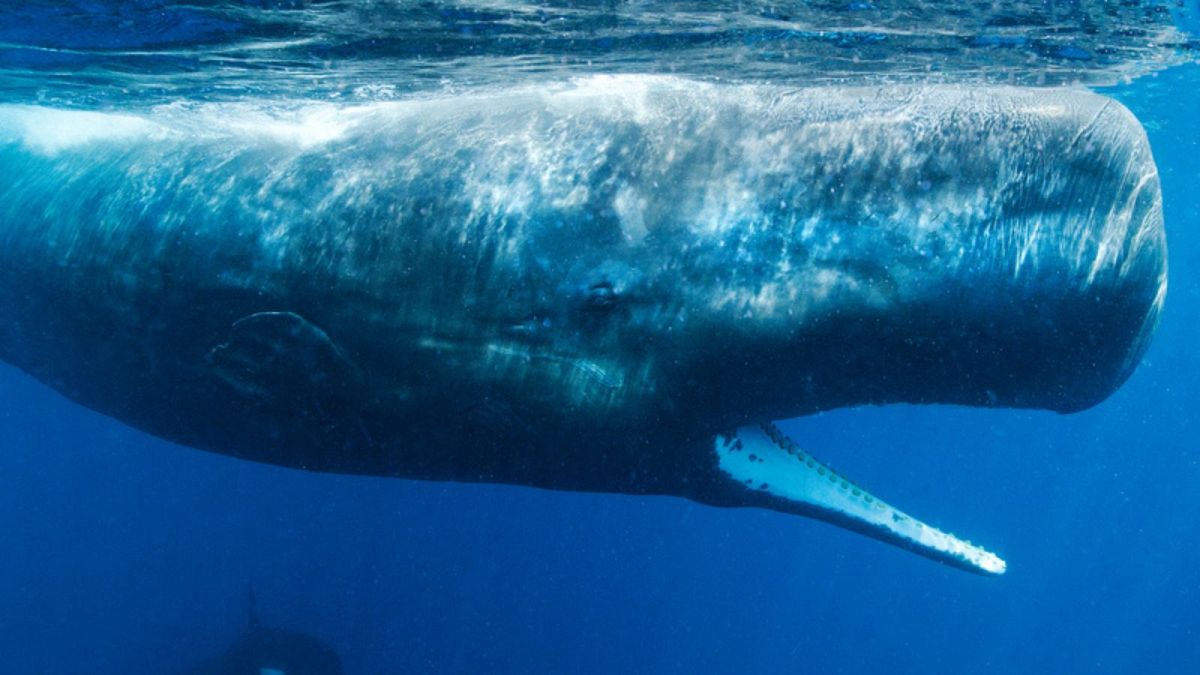
    Sperm whales—the blue‑bells of the deep—are already tagged as “Vulnerable” by the IUCN. Now they’re facing another headline‑grabber: the plans of The Metals Company to turn the Clarion‑Clipperton Zone into a giant battery‑metal playground.

    The Study in a Nutshell

    • 13‑day cruise on Greenpeace’s ship Arctic Sunrise.
    • Two exploration blocks (NORI‑d and TOML‑e) in the Pacific’s Clarion‑Clipperton Zone.
    • Tiles straight up owned by a U.S. firm that calls it the biggest source of metals for future drones and electric cars.
    • Result? We’ve confirmed that those marked‑for‑mining spots are home to dolphins, whales, and at least 20 other cetacean species.

    Why This Matters

    “We already knew the zone is a dolphin hotspot—what we’ve now pin‑pointed is that these specific mining areas are exactly where the big men are planning to dig,” said Dr. Kirsten Young, the lead researcher at Exeter.

    Let’s not forget that other marine mammals, including the majestic sperm whale, will have their daily routes on the brink of disruption. Think of it as a very dramatic plot twist in a creature documentary—only it’s real life.

    Next Steps

    Before the ISA summit pins the issue down, this report is already pushing the conversation. If the mining kicks off, the answer may be a sea that’s quieter, less diverse, and one that might lose some of its star performers.

    In Conversation

    MPs and ocean advocates have been hitting the replay button on a strong message: “The ocean isn’t just a backdrop.” It’s a living, breathing ecosystem that deserves its own seat at the table—be it COP30 or any other big shindig.

    The battleground over deep sea mining

    Deep‑Sea Mining: A Tug of War Beneath the Waves

    Picture a futuristic treasure hunt, only the loot is cobalt, manganese and other “gold”‑valued minerals hiding on the ocean floor. These resources are supposed to power the batteries that drive our electric future. But what happens when the hunt threatens the very ecosystems that keep the seas healthy? That’s the cliff‑hanger at the heart of the deep‑sea mining debate.

    Why the Mining Code Matters

    The International Seabed Authority (ISA) is set to announce a long‑awaited Mining Code next month in Jamaica. Think of it as the rulebook for the global sea‑floor casino: it will spell out who can dig, how to do it safely, and how to protect the underwater world.

    • Run‑through Court: Countries that have enacted moratoriums—particularly several European states—are holding firm on “no mining.”
    • Portugal’s Example: The nation has gone as far as to impose a binding national ban on any deep‑sea mining operations.
    • Global Rules? Only Now! Until the ISA sets its blanket regulations, regulatory waters remain rough.

    Footsteps Toward the Abyss

    Some stalwarts are not waiting for the official guidelines. After President Trump’s executive order last April, The Metals Company pushed the U.S. government for permission to mine the Clarion‑Clipperton Zone – a swath of the international seabed rich in metal deposits.

    “It’s all about the future,” The Metals Company’s spokesperson joked. “We’re talking about powering the world’s next generation of tech, one can neither stop it nor afford to.”

    Conservationists Counter‑Hype

    While the corporate world buzzes about the next battery tech, environmentalists worry that the sea’s fragile ecosystems could face permanent damage. Their message is simple: We don’t need all that cobalt and manganese if we embrace real circular‑economy solutions.

    They’re calling for:

    • Recycling more electronics and batteries
    • Improving manufacturing efficiency
    • Prioritizing renewable resources rather than new marine deep‑floor mines
    Moral of the Story?

    Deep‑sea mining sits on a slippery slope: it’s like balancing a huge shovel on a fragile coral reef. The imminent ISA conference could tilt the scale—either giving countries a clear line of play or throwing open the ocean for unregulated exploitation. Meanwhile, activists, companies, and governments march to different mosques, all hungry for a win in the green transition race.

    In the end, it’s a classic recipe: mix a dash of innovation with a generous spoon of caution, and hope no sea‑slug gets hurt in the process.

    How could whales and dolphins be hurt by deep sea mining?

    Is Deep‑Sea Mining Quiet on the Ocean Floor?

    Greenpeace’s Louisa Casson fired back at the Metals Company’s plan to strip the Pacific seabed, saying the proposal risks more than just the legal rule‑book. “It would bathe our most iconic marine life in noise and pollution,” she warns, sounding nearly as alarmed as a whistle‑blower in a box office hit.

    Acoustic Footprints of the Ocean’s Big Ones

    • Researchers used hydrophones and spotted 74 whispers of marine mammals, including a sperm whale, Risso’s dolphins and common dolphins.
    • These creatures are notoriously sensitive to sound; the air‑bubbling, gear‑drum of deep‑sea mining could send shock waves that sizzle their equilibrium.
    • Devastating sediment plumes would spread, churning food chains that sustain the very cetaceans they’d aim to protect.

    Expert Take: A Grim Forecast for the Far‑Out Ocean

    Dr. Kirsten Young reminds us that although we’re still piecing together the puzzle, the chime of mining will undoubtedly storm ocean ecosystems where tracking is wild and difficult: “The noise and sediment plumes are not just a local nuisance,” she says, “they tip the scale for marine life miles away.”

    Global Push for a Moratorium

    At the recent UN Ocean Conference in France, the chorus for a ban grew to 37 nations, with Cyprus, Latvia, and the Marshall Islands adding their voices. They want a pause until the full cost is known.

    Metals Company’s Response

    In a defense reminiscent of a classic corporate PR memo, the company proclaimed: “When it comes to deep‑sea mining, the loudest objections aren’t the machines—they’re activists louder than the science.”

    They reminded that the project area occasionally hosts marine mammals, citing years of herd‑monitoring and a 2022 test mine that saw “in‑situ acoustic” data. Their latest paper—mirroring a release just before a 2020 ISA meeting—argues that noise afflicting mammals is contained to a mere 3.8 kilometres, far shorter than the expansive claims of media.”

  • What do we know about the Minnesota school shooting suspect Robin Westman?

    What do we know about the Minnesota school shooting suspect Robin Westman?

    Westman, 23, died at the scene from a self-inflicted injury after allegedly killing two children in an armed attack on Wednesday morning.

    ADVERTISEMENT

    The suspected assailant in a Minnesota school shooting that left two children dead and 17 people injured on Wednesday has been named as Robin Westman.
    The 23-year-old, who is not known to have a criminal history, is alleged to have opened fire with a rifle at Annunciation Catholic School, just days after the start of term.

    Two children, aged 8 and 10, died in the shooting, which took place while morning Mass was being held.
    Of the 17 people injured, 14 were children between the ages of 6 and 15. The other three were parishioners in their 80s, officials said.
    Westman later died at the scene of a self-inflicted injury, according to Minneapolis Police Chief Brian O’Hara.
    “The sheer cruelty and cowardice, firing into a church full of children, is absolutely incomprehensible,” O’Hara said on Wednesday.
    The motive of the attack has not yet been identified, but FBI Director Kash Patel has said the murders are being investigated as domestic terrorism.

    What do we know about the suspect?

    Police have said they are aware of videos and possible writings released by the suspected shooter.
    In two online videos that were later taken down from YouTube, a person identifying as Robin W shared a suicide note which spoke about suffering depression and about wishing to carry out a mass shooting.
    In the videos seen by Euronews, the alleged shooter showed weapons and ammunition, some of which had sayings written on them, including “kill yourself” in Russian.
    The messages included antisemitic and racist slurs, and references to other mass shooters, including the likes of Anders Breivik, a far-right gunman who killed 77 people in Norway in 2011.

    Journals were also depicted in the footage, including what appeared to be a drawing of the layout of the church where the shooting occurred.
    Speaking to the AP news agency, former Kentucky politician Bob Heleringer confirmed that he was Westman’s uncle, but said he “barely knew” the suspect, before adding that he wished Westman “had shot me instead of innocent schoolchildren”.

    The alleged shooter’s background

    Federal officials including US Homeland Security Secretary Kristie Noem have referred to Westman as transgender.
    A 2017 school yearbook showed that Westman went by the name Robert, the Minneapolis Star Tribune reported.
    Three years later, a judge approved a petition requesting that Westman’s first name be changed to Robin, as Westman identified as female.

    Related

    Two children killed and 17 others injured in shooting at Minneapolis school

    Speaking on Wednesday, Minneapolis Mayor Jacob Frey warned that gender politics had no place in the aftermath of the tragedy.
    “Anybody who is using this as an opportunity to villainise our trans community, or any other community out there, has lost their sense of common humanity. We should not be operating out of a place of hate,” Frey said.
    ”Kids died today. This needs to be about them. This needs to be wrapping our arms around these families.“
    In a post on social media, the White House said that US President Donald Trump had ordered flags to fly at half-mast on all government buildings until Sunday evening “as a mark of respect for the victims of the senseless acts of violence”.
    Meanwhile, Minnesota Governor Tim Walz said on Wednesday: “What happened here today will not be gone. Minnesotans will not step away. We’re standing with this community.”
    “It’s my strongest desire that no state, no community, no school ever experiences a day like this,” he added.

  • Lisbon Leads the Way: First European Capital Launches Citywide Reusable Cup Scheme

    Lisbon’s New Nightly Cup‑Cutter: A Hero in the Coffee Lane

    Every night, a clever, high‑tech system snags thousands of abandoned coffee cups from the city’s alleys and sidewalks, keeping the streets cleaner and the locals happier.

    Why It Matters

    • Eco‑friendly: Wipes away cups before they turn into trash disasters.
    • Community cheer: Helps keep parks and plazas tidy for families.
    • Zero hassle: Works automatically—no human lift, no human waste.

    How It Works

    1. Pool a fleet of moonlit robots. Picture a swarming squad of cafe‑collectors.
    2. Go door‑to‑door, sweeping up the littlest leftover brews.
    3. Deliver everything straight to recycling centers—no landfill left behind.
    Lisbon’s New Star

    With this nightly routine, the city’s public spaces stay bright, beautiful and binge‑brew free. Coffee lovers, rejoice—your cups are getting a second chance to shine!

    Lisbon Goes Big on Reusable Cups

    Whats the big deal? Every night around 25,000 cups get whisked away in Lisbon’s bars and restaurants. Long story short, most of those were sold as “reuseable”, but nobody actually made sure they got revisited, cleaned, and brought back in circulation.

    Launching the First European Re‑cycle Queue Made Fun

    With a twist – a local deposit and return model – Lisbon has turned into the first European capital to roll out a city‑wide reusable cup system that tackles plastic waste, slashes emissions, and brings a slick smart‑reuse strategy to the city’s nightlife.

    Where the Magic Happens

    • Two historic kiosks – Praça de São Paulo and Praça do Príncipe Real – now host TOMRA’s inaugural return points (we’re talking June 27).
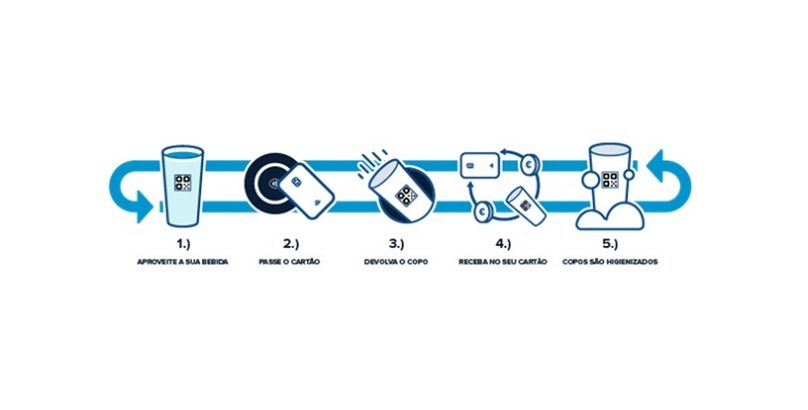
    • Those kiosks are basically one‑stop shops for drop‑off. Just tap your card or phone to let the system know you’ve cooked your cup back in.
    • Want a refresher? Get a drink in a reusable cup, pay a simple deposit, and when you’re done… refund’s a tap away.
    Full‑Scale Launch Coming in October 2025

    By that time, Lisbon’s entire restaurant and nightlife scene will be humming on the same reusable cup rhythm – no more single‑use fiascos.

    Team Up That means Business

    It’s a neat handshake between Lisbon City Council, TOMRA, and the Association of Hotels, Restaurants and Similar Services of Portugal (AHRESP). Together, they’re setting the stage for a cleaner, greener, and more fun city.

    Policy with infrastructure

    Lisbon’s Bold Move to Banish Disposable Plastic Cups

    In 2024, Lisbon City Council declared war on single‑use plastic cups. That wasn’t a casual nod—it demanded a full‑blown infrastructure overhaul.

    Powering the Revolt with TOMRA

    TOMRA’s scalable technology has become the engine driving this initiative. The city’s goal? Real‑world progress in cutting down plastic waste. And the locals? They’re all in.

    “Lisbon is committed to leading by example, promoting sustainable alternatives to single‑use plastics and involving partners in a real change towards more conscious consumption habits,” says Rui Cordeiro, the council’s councillor for Waste and Circular Economy.

    “This is a concrete step toward building a culture of reuse in our city and inspiring other municipalities to follow suit,” he adds.

    The Hospitality Sector Gets Its Hands on the Solution

    Enter AHRESP, Portugal’s largest hotel and catering association. The big players—cafés, bars, nightclubs—are being steered into the new reuse model.

    “This initiative represents a necessary change for the HORECA (hotel, restaurant, and café) sector, which is now playing an active and central role in the transition to a more circular economy,” says Carlos Moura, AHRESP’s chairman.

    “The establishments gain not only a practical solution to respond to the new regulations, but also an opportunity to lead, with consumers, a sustainable and positive change of habits for the city of Lisbon,” he explains.

    Quick Takeaway

    • Zero‑plastic cups = a city‑wide clean‑up.
    • TOMRA’s tech helps keep the flow moving.
    • Hospitality businesses now have a chance to shine green.
    Related Articles
    • Microplastics beneath skin to toxic lakes: Wellcome Photography Prize spotlights climate and health
    • Swimming in Spree River? Berliners rally to reclaim water access after 100‑year ban

    Live demonstration at MUDE

    Lisbon Turns the Tide on Single‑Use Cups

    At the “Lisbon to Reuse” summit held at the Museum of Design and Fashion (MUDE), the city’s newest circular‑cup system made its grand debut. Fancy‑faced policy makers, city planners, and eco‑gurus all got an up‑close look at how the trick works, from the sleek TOMRA pickup points to the step‑by‑step reimbursement.

    Who’s on the List?

    • Policy‑makers eyeing new legislation
    • Urban planners sketching out city‑wide routes
    • Environmental leaders championing waste reduction
    • Curious locals eager for greener habits

    How It Works (Because We All Love the “How”)

    Think of it like this: you grab a beverage in a reusable cup and pay a €0.60 deposit—just a little incentive to keep it in the cycle. When your drink is finished, toss the cup into a TOMRA collection machine anywhere around Lisbon. The machine drops a little bill—your refund—right into your pocket, ensuring you’re not just saving the planet, but also saving a bit of cash.

    That’s it. It’s simple, it’s witty, and it’s ready to roll. Cheers to a cleaner, greener Lisbon—one cup at a time!
    Sistema de reutilização de copos

    Say Goodbye to Disposable Cups with TOMRA’s New Lisbon Cup Revolution

    How it Works – Quick & Easy

    No sign‑ups, no paperwork. Just pop your contact‑less card or phone next to the scanner, tap, and boom! You’re instantly refunded. It’s as fast as ordering a coffee on your phone.

    Why TOMRA is the Cup‑Saving Hero

    • Logistics? Covered.
    • Sanitisation? Impeccable. Think of it as a spa day for your cups.
    • Redistribution? Seamless. Every cup returns to its rightful spot in the city’s cup library.

    Coming October: The Universal Lisbon Cup

    All bars and cafes in the historic core will adopt a standardised Lisbon cup. No more clashing designs—just a unified, eco‑friendly icon. And to make it easier for everyone, 17 safe drop‑off points will sprout in the Baixa area. Snap your phone, drop a cup, and you’ll be back at the café in minutes.

    Why You’ll Love It
    • No more fighting over who’ll scoop the last sticky cup.
    • Every tap spills a little less plastic into the landfill.
    • Feel like a hero—your daily checkout just saved the planet.

    So next time you order a latte, just tap & go—your cup will happily orbit around Lisbon, ready to be reused again and again. Cheers to a greener, cleaner city—one cup at a time!

  • After latest strike on Arak, how did Israel's attacks impact Iran's nuclear programme?

    Israel Strikes Iran’s Arak Reactor: No Civilians Hit, 14 Scientists Lost

    What Went Down

    In a bold move, Israeli forces launched a precise attack on the Arak heavy‑water reactor in Iran. The hit was clean—no civilians went hurt—yet it sent serious ripples through the nuclear world.

    Key Details

    • Targeted Site: Arak heavy‑water reactor, a central piece of Iran’s nuclear program.
    • Impact: 14 Iranian scientists were killed in the strike.
    • Collateral Damage: No civilian structures were affected.
    • Strategic Goal: Disruption of Iran’s nuclear ambitions by crippling major sites.
    Why It Matters

    Israel’s action underscores the ongoing tension over nuclear weapons development. While the pass‑through was smooth and avoided civilian casualties, the loss of skilled scientists could slow progress for Iran—or, depending on one’s view, push them deeper into covert efforts.

    Looking Ahead

    With the world watching, diplomatic pressure and strategic calculations intensify. Until the next headline, the fallout from this strike will keep policymakers and analysts on their toes.

    Israel Launches Surprise on Iran’s Heavy‑Water Reactor

    On a crisp Thursday morning, Israel fired shots at Iran’s premier heavy‑water reactor, the Arak facility—one of the country’s biggest nuclear sites—situated roughly 250 km southwest of Tehran. The blast came when the whole site had been emptied; no civilian neighborhoods suffered any damage, reports from inside Iran say.

    What the Arak Plant Really Is

    • IR‑40 – also called the Arak reactor – has been humming since 2003 as a heavy‑water powered unit.
    • Its blueprints are a bit of a mystery; some reckon Russian firm Nikit helped put it together.
    • Iran insisted the reactor was “not destined for military-grade nuclear material,” yet a functioning core could churn out roughly nine kilos of plutonium.
    • That’s a quantity that could, in theory, help Tehran sneak a plutonium‑based bomb into the mix, sparking alarm in Washington.

    Deal‑Time Drama

    Re‑ignition came after the 2015 nuclear‑deal signing—sanctions were lifted on the condition that the Arak reactor would be modified. Tehran took a surprising detour: in 2016 it poured cement into the core, but later that year it also piled up heavy water beyond the agreed limits. The overshoot happened again in November 2016.

    Cross‑Border Corporate Shuffle

    In a move most observers found eyebrow‑raising, Iran shipped more than 80 metric tonnes of heavy water that was originally earmarked for Arak to Oman. Despite still holding control over those tonnes, the transfer was officially deemed not a breach of the deal—a small gray‑area in the larger puzzle.

    What else has Israel hit in its strikes on Iran’s nuclear facilities?

    Israel’s Big Strike on Iran’s Nuclear Hangars

    The last Friday saw a massive barrage from Israel aimed straight at Iran’s nuclear heart, leaving headlines buzzing and the International Atomic Energy Agency (IAEA) scrambling to confirm the damage.

    Three Key Targets Hit the Ground

    • Natanz’s underground powerhouse – The electric grid, backup generators and the entire core system are reportedly smashed, meaning thousands of centrifuges are likely wiped out. “This could kill a fair chunk of Iran’s program,” said IAEA Director‑General Rafael Grossi.
    • PFEP pilot plant – That smaller, surface‑level plant, which was churning out 60‑percent enriched uranium, is down for the count. With centrifuges that cutting‑edge, the loss feels like a huge blow.
    • Fordow bunkers – No visible cracks or hits reported. Still, Fordow is the chief producer of the 60‑percent isotopes—just a few steps away from weapon‑ready material. So this silent site could be a ticking time‑bomb.

    More Sites Under the Spotlight

    Aside from those three, Israeli forces also struck:

    • In Isfahan, a uranium conversion centre and metallurgy labs integral to nuclear weapon cores.
    • At Karaj and Tehran, workshops that were under IAEA watch – the true count of hidden facilities remains a mystery.

    Casualty Report

    It’s grim: at least 14 Iranian nuclear scientists have lost their lives in the campaign, and Israeli officials highlighted nine of them as “key players” in Tehran’s bomb ambitions.

    What This Means for Future Nuke Plans

    IAEA figures suggest Iran’s currently holds enough 60‑percent enriched uranium for up to nine bombs. There’s also a stockpile of lower‑enriched material that could be upgraded later. Iran’s dabbling in “undeclared” measures could cut funding from the IAEA, while parliament even muses a NPT exit – thinking of how North Korea did it.

    If Isfahan’s conversion plant goes dark, Iran will need to hunt for uranium hexafluoride (UF6) elsewhere, the secret sauce for enrichment.

    Bottom Line

    The Israeli strikes have turned Iran’s nuclear ambitions into a complex tangle of damage and uncertainty. For now, the health risks of these desperate blows are low, but dynamic circumstances could flip that number overnight.

  • Trump Applies 50% Tariffs on India to Pressure Russia

    Buckle Up: Brazil & India Dive into a 50% Tariff Deep‑Sea Adventure

    Why 50%? That’s Not Just a Half‑Extra Cake Slice

    • World’s Highest Blanket Tariff – Think of it as the biggest “hay‑stack” policy on the planet.
    • It’s a print‑shop of trade barriers, hitting every import with a single, heavy blow.
    • Both countries tired of being price‑pushed by competitors.

    India’s Russian Oil Shenanigans: A Sanctions Slip‑Through

    • India tries to drip‑drip its way into Russian oil markets.
    • Result? It’s like putting a tiny spacecraft into a pothole and hoping no one notices.

    • U.S. sanctions? Cracked like an old biscuit. India’s buying flow is sliding around them.
    • “What if the wolves want to eat the cheapest meat?” says a savvy economist.

    The Reactions That Made Google Think a Human Was Typing

    • Brazil’s Trade Ministry shouted a “no thank you” while sipping caipirinhas.
    • Indian officials mumbled about logistics but posted a GIF of a dancing tiger.
    • Trade watchdogs? They’re drafting more checkpoints than your high‑school geography tests.

    What the 50% Tariff Joins the World Snapshot

    • It’s a buy‑and‑sell conundrum that makes coffee prices feel modest.
    • Current global inflation has already been complicated by a blue‑sky trade storm.
    • “If tariffs had a personality, this would be a hawk wearing sneakers,” muses a market commentator.

    Bottom Line: The Future of Trade Looks Like a Hangover

    After all, trading with a 50% tariff doesn’t just peg prices; it throws a wrench into the global supply chain and may boost local manufacturing—but at a cost. So, citizens, keep an eye on your grocery bills, because the next big wave might just be the next discount pump.

    Trump Slaps India a 50% Tariff – The Big Slow‑Mo Blow

    Yesterday, President Donald Trump added a 25% “extra” tax to India’s already steep tariff on Russian oil, nudging the total levy to a whopping 50%.

    But Who’s the Other Big Target?

    • Only Brazil gets a full‑fifty calender‑year import tax on every single item.
    • Steel, aluminium, and copper – all 50% for every nation save the UK.

    Ready to roll? The order sticks after 21 days, giving both India and Russia a last‑minute window to negotiate a softer deal.

    India’s Economic Juggle and the China Factor

    India was long touted as the “China alternative” for US manufacturers looking to shift factories off the mainland. The new tariff could tip the scales, hitting a major Asian economy hard. Meanwhile, China—whom the US also buys Russian oil from—has a 30% blockade all over its goods, but is pushing for more favourable terms.

    Trump foreshadowed the blow in a press briefing on Tuesday, noting a meeting with Russia on Wednesday and the U.S. government’s goal of stalling Moscow’s war in Ukraine.

    “We’ll see what happens. We’ve got to decide at that time,” Trump said when asked about his tariff plans.

    India’s Not-So-Pleasant Reaction

    Foreign Ministry spokesperson Randhir Jaiswal called the new tariffs “unfortunate” and, more importantly, “unfair, unjustified, and unreasonable.” He warned that India would take “any actions necessary” to protect its interests.

    Jaiswal also shared India’s perspective: “Imports are driven by market dynamics and energy security for our 1.4 billion‑strong population.”

    What Experts Are Saying

    Ajay Srivastava, a former Indian trade official, slammed the move as putting India among the most heavily taxed U.S. partners—far above China, Vietnam, and Bangladesh.

    “We expect Indian goods to become significantly pricier, potentially cutting exports to the U.S. by 40‑50%,” Srivastava warned.

    He labeled Trump’s decision as hypocritical because China bought more Russian oil last year than India. “Washington avoids hitting Beijing due to China’s hold on critical minerals that are vital for U.S. defence and tech,” he said.

    Bottom Line: A Trade War Tale

    The 50% tariff is a hard hit for India and could reshape trade paths in Asia. While the Mughal‑style trade dance with Russia turns into a suit‑and‑tie showdown, it’s unclear how long the U.S. administration will hold out before the hard tugs of negotiation lead to a more measured, perhaps sweeter, outcome.

    Coming to terms with the deficit

    US & India Trade Drama: A Deficit, Some Sweet Imports, and Kremlin Chores

    Picture this: in 2024, the United States answered the point‑blank question of who was buying more from whom. The answer? America bought a lot more goods from India than India bought from the US. The Census Bureau’s numbers back that up: a whopping $45.8 billion (or €52.5 billion) trade deficit in goods. That means every time an American bought a shirt, a laptop, or a bottle of wine, it left a bit more money in India’s pockets.

    The Goodies Bought

    • Pharmaceutical drugs – because who doesn’t need a little medicine from down under?
    • Precious stones – those glittering jewels that make investors smile.
    • Textiles and apparel – bikinis, suits, and everything in between.
    • And a sprinkle of other exotic goods that make your grocery list extra interesting.

    India’s Stance on Ukraine Sanctions

    While the US and its allies have slapped sanctions on Moscow, India’s leaders have been a bit more reserved, saying they simply want peace. Their stance? “We’re not backing the sanctions, because we’re not in the business of shouting ‘go’ or ‘stop’.” So, India’s line is that they’re all for peace, but the cash doesn’t flow that easily.

    Why the Tariff’s So Steep

    Short answer: The U.S. is aiming to squeeze the Kremlin’s revenue. By putting a hefty tariff on Russian goods, the U.S. hopes to strip the Russian government of the budget needed to keep the war going in Ukraine. The ultimate goal? Getting the Russians to the negotiating table – and eventually a ceasefire that leads to long‑term peace.

    Pumping Oil’s Price Rollercoaster

    On the same day the new tariffs hit the headlines, the price of a barrel of oil slid down to $65.84 (or €75.53), a 1% dip. The drop says a lot about market reactions and the global tug‑of‑war between supply, demand, and political moves.

    So, in a nutshell: The U.S. is a bit on the losing side of the trade war with India, swinging big tariffs at Russia to cut up its war funding, and watching oil prices dip like a freestyle break‑dance move—all while trying to keep the peace and make the headlines a little less boring.

  • Can the EU Enforce Unified Rules on Sperm and Egg Donations?

    Super‑Sperm Surge: EU Calls for a Bumper Regulation

    Across Europe, the number of families popping up thanks to donated sperm is climbing faster than a viral meme. Yet the whirlwind of “super donors” – those tall, robust donors that market themselves like UFC champions – has splashed the continent with new drama.

    Why the Fuss?

    • Self‑Promoting Scams: Some donors push their elite status, promising a 100% “perfect” genetic match that sounds more like a glossy catalog than science.
    • Privacy Concerns: Parents want to stay anonymous, but some donors tease the public with personal bios and social media spots.
    • Market Instability: The hype spawns price escalations and a “battle” for the best blood, flipping the system into a leaky market economy.

    EU Response: A Unified Playbook

    Multiple EU nations have dropped a collective petition demanding:

    1. Standardised, clear rules that each country must enforce.
    2. Binding international limits on how much each donor can share.
    3. Monitoring mechanisms to track who can donate and how often.

    In plain English: We’re looking at a “No‑Cheaters” rule that keeps the cake fair for everyone.

    What’s Next?

    As lawmakers draft the new law, the conversation is heating up: Should the “super donors” be capped like top‑tier players in a sports league? Will an EU registry monitor them? These questions are already trending in the same way a hot playlist does on Spotify.

    Donor Born Dilemmas: Europe’s Surprising “Super Donors”

    When Parenthood Gets a Twisty Turn

    In the 21st century, having a family is no longer restricted to the traditional formula. Whether you’re late to the game, charting solo parentship, or swapping with a same‑sex partner, assisted reproductive technology (ART) is now the go‑to sidekick. Europe, in particular, is witnessing a surge in babies created through donor eggs and sperm.

    Regulation: A Patchwork Quilt

    The rules governing sperm and egg donation are baked into each country’s legal framework, meaning there’s no one‑size‑fits‑all handbook.

    • Cyprus – Only one child per donor.
    • Germany – Up to 15 children per donor.
    • Denmark – 12 families may use a single donor.
    • Sweden & Belgium – 6 families per donor.

    Commercial Banks and the “Unintended Upside Down” Factor

    Private sperm banks often march to their own beat, sometimes letting a donor father as many as 75 kids. These records aren’t just impressive; they’re also eyebrow‑raising.

    Case in Point: The Danish Donor with a Hidden Twist

    Recently, a Danish donor stumbled upon an ominous genetic mutation that hikes cancer risk. He unknowingly helped bring to life at least 67 babies across Europe—10 of them later diagnosed with cancer. Talk about a tragic twist in a once‑cheerful story.

    Why “Super Donors” Pose a Serious Threat

    • Unintentional Incest Risk: More children from a single donor heightens chances that some kids could end up mating unknowingly.
    • Genetic Spillage: Without proper safeguards, recessive or late‑onset conditions could spread like a bad meme.
    • Anonymity Quandary: Balancing donor privacy with public health safety is a tightrope walk.

    The Bottom Line

    As fertility clinics reach new horizons, Europe’s varying laws and the rise of high‑output donors call for tighter oversight. It’s time for a national conversation about how we safeguard next‑generation families.

    ©

    What’s the Real Deal With Sperm Donation?

    Picture this: you’re in Italy, Italy’s a land of pizza, pasta, and… anonymous sperm donations? Yes, that’s right! But hop over to the Netherlands and it’s a different story. And that’s not just a simple “yes or no” answer – there’s a whole spectrum of anonymity involved around the world.

    Know the Basics

    • Italy: Totally anonymous. The donor never has to meet the baby or the parents.
    • The Netherlands: Transparency is king. Donors are typically identifiable.
    • Austria: Only partially anonymous. The donor is anonymous between themselves and the recipients.

    Why the Confusion? The Age of Social Media & DNA

    Thanks to DNA ancestry tests and overnight viral social media circles, no one can guarantee 100% anonymity anymore. That means:

    • Half‑siblings might stumble across each other on a family tree website.
    • Waves of curiosity bubble up—“Who’s my dad?” becomes a real thing.
    • Families have to decide whether to embrace or keep silent about the donor.

    Challenges for the “Future Humans”

    For children, discovering their donor or half‑siblings can be a thrilling yet tumultuous experience. Their families, too, might find themselves asking hard questions about identity, legacy, and the whole “what if?” situation.

    Quick Takeaway

    Donor anonymity is not a one‑size-fits‑all deal. It varies by country, tech, and personal choice. So if you’re curious about where you might stand, it pays to do a bit of homework—this isn’t just a quirky curiosity, it’s a social and legal maze.

    A European Donor Registry

    EU Quizzes the Future of Sperm Donation Laws

    In a surprisingly cozy meeting that felt more like a round‑table at the EU’s breakfast spot, eight health ministers—Belgium, Finland, France, Hungary, Netherlands, Romania, Spain, and Sweden—decided to play matchmaker with sperm donation laws across Europe.

    Why the scramble?

    Across the continent, the rules are a bit… mish‑mash. Some countries open their gates wide, others keep them tightly shut. As a result, patients and donors start a spontaneous Cross‑Country Club:

    • Donors hop from one nation to another chasing the most lenient paperwork.
    • Patients head to the nearest front‑row—sometimes the next continent. Spain, by the way, takes on half of all egg‑donation procedures and even hosts patients from Latin America.

    What’s on the playing card?

    The ministers are pitching a European donor registry—think of it as a LinkedIn for sperm donors, except it’s the official recommend‑alumni list. The aim? Less legal loophole hopping, more coordinated care, and a tighter, continent‑wide safety net.

    Fun side‑note

    It turns out that auditing sperm donation rules could be the new party trick in Brussels, with everyone swapping insider trivia like “Did you know you can donate in Helsinki but will be processed in Paris?”

    ©

    Why a European Registry for Sperm & Eggs Donors Matters

    Elena Nevado del Campo, the vice‑chair of the EU public‑health committee, says a European registry isn’t just a nice idea – it’s a must. “We’ve got plenty of national laws that talk about registries, but the reality is, most of them never get put into play,” she told Euronews. “If we’re going to do the ethical thing, we’ve got to create an international system, especially since these donations travel beyond EU borders.”

    The Legal Landscape

    According to the Oviedo Convention – the Council of Europe’s treaty that sets out the ethical rules for biomedicine – the human body and its parts can’t be turned into a moneymaking machine. Yet, the commercial cryopreservation industry is already raking in profits from:

    • handling, freezing, and storing sperm and eggs
    • screening potential donors

    This cross‑border business is on an upward trajectory, and with it comes a growing list of ethical and public‑health concerns. A pan‑European registry could help keep everyone on the same page.

    What This Means for You

    In practice, it could mean:

    • Better tracking of where samples end up
    • Clearer rules for consent and data sharing
    • Safer, more consistent standards across countries

    So, while you might think it’s just a bureaucratic hassle, a European registry could really streamline everything and protect people’s rights. It’s a bit like giving every country a shared phone book for a smoother, ethical partnership.

    Want to see how this all works in action? Find the full coverage in the video below:

    [Video]

    Meet the Team

    Journalist: Mared Gwyn Jones
    Content production: Pilar Montero López
    Video production: Zacharia Vigneron
    Graphic design: Loredana Dumitră
    Editorial coordination: Ana Lázaro Bosch & Jeremy Fleming‑Jones

  • Trump tells Zelenskyy US will be involved in security guarantees for Ukraine

    Trump tells Zelenskyy US will be involved in security guarantees for Ukraine

    Just a handful of days after his summit with Vladimir Putin, the US president told Volodymyr Zelenskyy that Ukraine would receive substantial security guarantees as part of the future deal. However, Trump did not specify what it is that Ukraine will be asked to give in exchange.

    ADVERTISEMENT

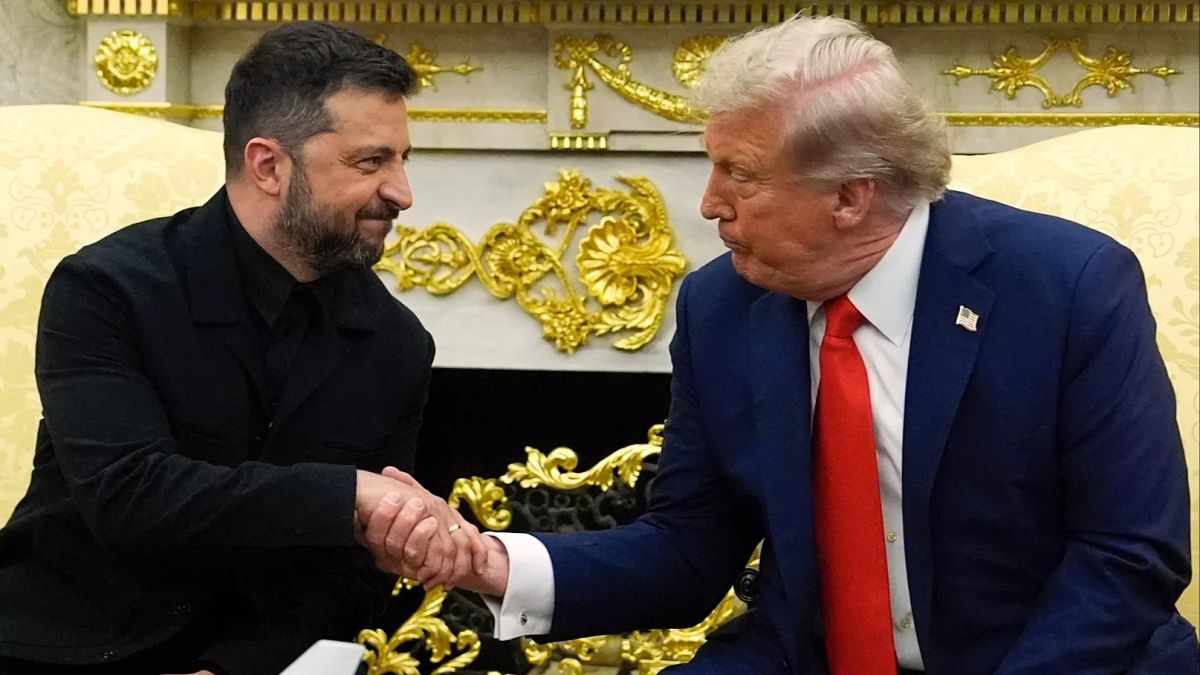
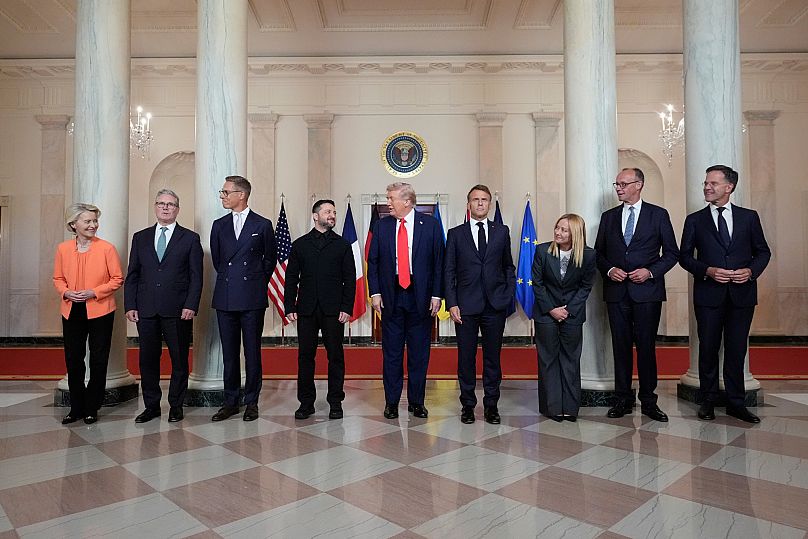
    As the world held its breath on Monday to watch the Trump-Zelenskyy rematch in the Oval Office, with EU leaders listening in from next door, the two presidents flipped the script of the previous harrowing shouting match, underscoring the historic gravity of the event and their determination to make their relationship work.
    “Substantial progress is being made”, US President Donald Trump said as he welcomed his Ukrainian counterpart Volodymyr Zelenskyy at the White House, stating for the first time that the US could step in for the security guarantees for Ukraine. 

    “Europe is the first line of defence”, Trump said, adding “but we will help, we will be involved” as he did not reject the idea of US peacekeepers on the ground in Ukraine. 
    After Trump and Zelenskyy finished their bilateral meeting, they were joined by the seven European leaders who came to Washington with the Ukrainian leader to show Europe’s united support for both Ukraine and the US president’s peace deal efforts.  
    Trump said, “I think that the European nations are going to take a lot of the burden”. 
    “We’re going to help them, and we’re going to make it very secure.”
    Trump added that one point discussed with the leaders in Washington tonight was “who would do what.”

    Zelenskyy said security guarantees were an important part of a “very good conversation”.
    “We spoke about very sensitive points. The first one is security guarantees … Security in Ukraine depends on the United States, and on you and on those leaders who are with us in our hearts,” the Ukrainian president emphasised.
    Notably, Trump said Russian President Vladimir Putin agreed that the Kremlin would accept security guarantees for Ukraine.
    “I believe that in a very significant step, President Putin agreed that Russia would accept security guarantees for Ukraine,” the US president explained.

    But as the European leaders together with Zelenskyy and Trump discussed “who will do what” in terms of these guarantees, Moscow issued a statement that it will not accept any scenarios involving the deployment of NATO member troops in Ukraine. 
    “(This) could lead to an uncontrollable escalation of the conflict with unpredictable consequences,” Russia’s foreign ministry spokesperson Maria Zakharova said on Monday.

    Will Trump and Zelenskyy meet Putin?

    The US president reiterated that the next step was getting Putin on the phone after the talks with Zelenskyy and the European leaders. 
    “And we may or may not have a trilateral meeting – if we don’t have a (trilateral meeting), then the fighting continues. And if we do, we have a good chance, I think if we have a ‘trilat’ there’s a good chance of maybe ending it,” Trump stated.
    Zelenskyy said he was ready for a trilateral between himself, Putin and Trump. In the past, Ukraine’s president has repeatedly called for a direct meeting with Putin, which Moscow rejected every time, including when Zelenskyy went to Turkey, calling for a face-to-face sit-down with Putin. 
    Russia’s president has so far only agreed to a meeting with Trump, which took place in Alaska last Friday. 
    At the Monday talks at the White House, Trump said he hopes a trilateral meeting will take place as soon as possible, and this is when the territories could be discussed. 
    “We also need to discuss the possible exchanges of territory,” Trump pointed out, suggesting that it would be based on the current frontlines and what land Russia occupies.
    “That means the war zone, the war lines that are now, pretty obvious, very sad, actually, to look at them and negotiating positions.”US President Donald Trump, Ukrainian President Volodymyr Zelenskyy and European allies stand before a group photo at the White House, Monday, Aug. 18, 2025, in Washington.US President Donald Trump, Ukrainian President Volodymyr Zelenskyy and European allies stand before a group photo at the White House, Monday, Aug. 18, 2025, in Washington.
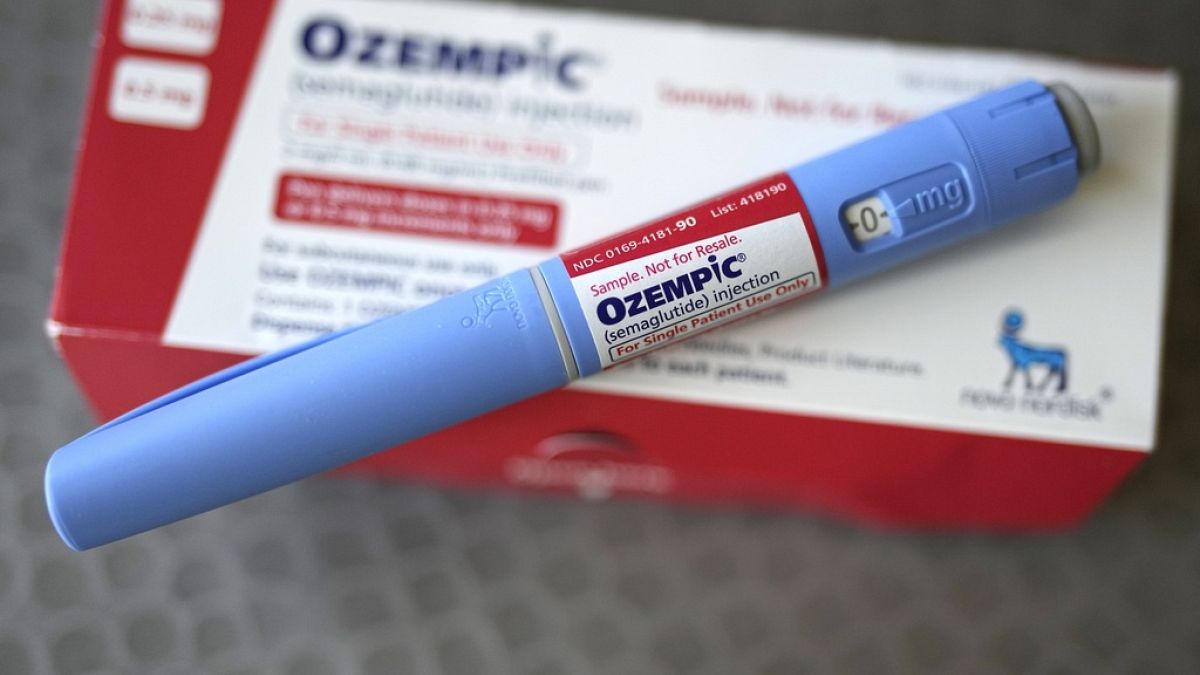
    AP Photo

    What the US president called “land swapping” is arguably the most complicated aspect of any possible deal, as it only includes the territorial concessions for Ukraine and no compromise whatsoever for Russia. 
    Any possible negotiations on this matter will undoubtedly take considerable time, which is why Zelenskyy and the European leaders said they wanted to have a ceasefire first — only then can the talks put an end to Russia’s war against Ukraine. 
    Trump, who initially supported the idea of a ceasefire, seems to have changed his mind after the meeting with Putin in Alaska, when he started pushing a peace deal instead.
    The US president admitted the change of strategy on Monday, saying, “All of us would obviously prefer an immediate ceasefire while we work on a lasting peace. Maybe something like that could happen. As of this moment, it’s not happening.”

    Related

    Russia cannot seize all of Donetsk region unless Ukraine withdraws from it, ISW says ‘We’ll do our best’ to end Russia’s war in Ukraine, Trump tells Zelenskyy and European allies

    The European leaders tried to steer Trump’s peace efforts back to the initial approach, insisting that without a ceasefire, Putin has more time to continue raging his war. 
    “If you look at the six deals that I settled this year, they were all at war. I didn’t do any ceasefires,” Trump stated, telling Zelenskyy, “I don’t think you need a ceasefire.”
    As the two leaders were finishing their talks at the White House, Russia launched dozens of drones at Ukrainian cities, starting yet another overnight attack. 

  • Can the EU establish common rules to limit sperm and egg donation?

    Sperm Donations: Europe’s Baby Boom or a Bumpy Road?

    In the past few years, the number of babies born using donor sperm has started to climb faster than a hot‑potato at a summer party. Baby‑making resources are flowing into Europe, but a recent controversy over so‑called “super donors” has got some governments scratching their heads.

    Why the Fuss?

    • Super Donors: These are donors holding a handful of “super‑status” cards that let them offer their precious sperm to a insane number of families. Think of it more like a high‑stakes poker player than a family blood‑donor.
    • Ethics Everypulse: Critics warn that an over‑abundance of one donor could remix the DNA of a nation’s future generation like a shoveltip smoothie—unpredictable and potentially risky.
    • Regulation Needed: Several EU countries are now pushing for international limits on how many children can trace their lineage back to a single donor.

    EU Governments Speak Up

    • Calls for a clear regulatory framework across the continent.
    • Proposals for global standards to ensure every child’s biological background remains balanced.
    • Right now, the debate is very much like a toddler arguing over who gets the last cookie—between fairness and freedom.

    Bottom line: While many admire the new ways of creating families, the rising crowd of super donors is prompting a push for check‑points and guidelines to keep the baby‑boom healthy and fair. Hoping the final result will slice a perfect balance between science, ethics, and a little sprinkle of humor.

    Why More Parents Are Going the Donor Route

    Think about it: when you’re ready to bring a child into the world, you’re no longer stuck with the old days of strict timelines and single‑partner expectations. Today, many people are choosing to start families later, by themselves, or with a same‑sex partner. The world of assisted reproductive technology—think IVF, egg and sperm donation—has opened doors that were once closed.

    Country‑by‑Country Rules Are All Over the Map

    • Cyprus lets a donor create just one child.
    • Germany permits up to 15 kids per donor.
    • Sweden and Belgium cap the number of families at six.
    • Denmark allows a generous 12 families.

    And then there are the businesses that operate sperm banks on their own terms… some of those “commercial” folks set limits that can let a single donor father a whopping 75 babies!

    The “Super Donor” Mishap That Scares Us All

    Take the case of a Danish donor who unknowingly carried a rare genetic glitch that ramps up cancer risk. He helped conceive at least 67 children across Europe, and 10 of those little ones ended up with the very cancer he wasn’t supposed to pass on.

    This is a classic example of why those “super donors” can become a serious concern. They can unknowingly increase the chance of inadvertent sibling relationships—and spread hidden genetic red flags.

    And the Anonymity Dilemma

    Donor anonymity used to be the rule of the land. Now, it’s becoming a hot debate. Should your future child know who they’re biologically related to? And how do we balance privacy versus the right to know your genetic history? It’s a lively conversation that’s still in the making.

    One Takeaway

    While the technology is amazing, understanding how each country manages donor limits, the risks of “super donors,” and the ethics around anonymity is key to making informed, safe family‑building choices.

    ©

    Kids, Donor Sperm, and the Quest for Anonymity Across Europe

    Ever wondered what happens when a sperm donor who prefers to stay nameless crosses borders? From Italy’s strictly closed-door policy to the Netherlands’ open playground, the fate of donor anonymity is shaking up families all over the continent.

    Mini‑Country Play‑Book

    • Italy: “A secret’s shielded by the law.” The choice is all or nothing—drones, labs, and legal seals ensure the donors keep their identities hidden.
    • Netherlands: “Donor’s name on the table. Here, transparency reigns. Donors are welcome to put their faces and contact info out in the open.
    • Austria: “A half‑blind trick. The donors and recipients stay in the dark, but somewhere in the middle, records hint at who might be behind the oocyte.

    Reality Check: DNA and Digital Dodging

    Authorities are telling families, “The curtain isn’t that impenetrable.” DNA testing, online matchmaking tools, and the ever‑watchful social media world are slowly peeling away that old secrecy veil. The new landscape means:

    • Kids might discover they have half‑siblings nudging around the corner.
    • Donors may now be on the receiving end of awkward letters and weird birthday cards.
    • Families are grappling with emotions— like how do you explain the existence of a “sibling” you never met?
    What’s the Bottom Line?

    It’s a rollercoaster of feelings. On one side, there’s the excitement of an unknown family link. On the other, the conversation got a little more complex.

    For many families, the change from anonymous to semi- or complete disclosure is an uncharted territory that brings both adventure and a touch of chaos. One thing’s for sure—together, they’re all learning to navigate a world where the line between mystery and opened doors is blurring faster than a Wi‑Fi connection in a coffee shop.

    A European Donor Registry

    EU Health Chiefs Unit Up to Tame Sperm Donation Chaos

    When the egg‑banking frenzy turned into a cross‑border dilemma, eight European health ministers—from Belgium to Sweden—decided it was time for a collective strike. They rolled up their sleeves and drafted a bright‑new plan to standardize sperm donation across the continent.

    What the Plan Actually Covers

    • One-Stop ID Registry: Create a pan‑European donor database so every “ready‑to‑donate” player can find their match without hopping borders.
    • <liInter‑country Fair Play <Stakeholders

    • Solidify Rules & Ethics

    Why It Matters

    With rulebooks as scattered as a sock drawer in a busy hotel, patients and donors have been sprinting to nations with more relaxed guidelines. Spain is a prime example—handling half of all egg‑donation procedures and even welcoming Latin American hopefuls. Removing the “rule‑zip‑codes” barrier will keep family dreams local and legal frameworks neat.

    Feel the Excitement!

    Picture this: No more reverse‑Google‑for‑rules, no more “donate in that other country,” and a single, trustworthy registry keeping everyone safe and happy. The EU is nailing down the loopholes and making it that much easier—for families, donors, and forhenals. It’s a big win for ethics, safety, and a touch of European unity.

    ©

    Euronews: Why Europe Needs a Super‑Sleuth Registry for Sperm and Eggs

    MEP Elena Nevado del Campo, the public‑health committee’s vice‑chair, says the time for a slick European registry is now. “If we’re still scratching our heads while other countries juggle their own laws, we’re just not doing enough ethically,” she shouts. “And because folks are donating outside the EU’s borders too, we need a global play‑book, not just a local one.”

    What the Oviedo Convention Says (and Why Banks March On)

    • Oversight, not profits: the Oviedo deal, a 70‑year‑old Council of Europe treaty, makes sure body parts aren’t turned into money‑lenders.
    • Cold‑hard storage gold rush: cryo‑banks, however, cash in on the whole freeze‑–––––––––––––— process: from getting donors to minting those icy bars of sperm and eggs.
    • Screening surplus: the extra £ for checking donors’ health records also chips off a chunk of the budget.

    Cross‑Border Chaos & Health Worries

    With more and more ambassadors of biology swapping cities (literally), this swelling business will keep leaping across borders. As it does, it’s throwing up more and more ethical questions—think: who owns the frozen genetic bliss? Who bears the responsibility for unpredictable disease rates? …and who watches out for hat‑throwers of life?

    Stay Informed – Watch the Full Story Below

    Direct from a live Interview with Mared Gwyn Jones about the thrilling world of cryogenic trade. Content brought to you by Pilar Montero López, visual wizard Zacharia Vigneron, art nose Loredana Dumitru and editorial brain trust Ana Lázaro Bosch & Jeremy Fleming‑Jones.

  • SkinPres T: The Future of Skincare is Here – Health Cages

    SkinPres T: The Future of Skincare is Here – Health Cages

    Introduction to SkinPres T

    For those who love skincare, there is a reason to rejoice! There’s a brand new player on the scene, and it’s making waves. We’re welcoming SkinPresT, a revolutionary skincare product that is changing routines and changing the standards of beauty. If you’re sick of scaly skin, dull, or annoying acne breakouts, SkinPres T is claiming its place as an essential item to have. What exactly is it? Why are dermatologists and beauty influencers raving about it?

    (adsbygoogle=window.adsbygoogle||[]).push({})

    What is SkinPres T?

    SkinPres T is a revolutionary skincare formulation that combines the latest dermatological research with natural ingredients to give radiant, healthy, glowing skin. Created to be effective across all skin types, it is designed to help balance, nourish, and repair in one sleek solution. Imagine it as an ideal skin care companion.

    (adsbygoogle=window.adsbygoogle||[]).push({})

    Why the Buzz Around SkinPres T?

    From dermatologist testimonials on TikTok to praises, SkinPres T is being acknowledged as the most effective multitasker in the field of skincare. Users who use it regularly notice a brighter complexion, fewer spots, and a visible glow that no other product can duplicate. However, is this just a gimmick or is there some real scientific evidence to back it?

    (adsbygoogle=window.adsbygoogle||[]).push({})

    The Science Behind SkinPres T

    Advanced Dermatological Innovation

    What distinguishes SkinPres T apart is its scientific approach. It was developed by a group of skincare chemists and dermatologists The formula is supported by extensive clinical studies. The result? The product doesn’t apply to your skin but is actually working beneath the skin’s surface.

    (adsbygoogle=window.adsbygoogle||[]).push({})

    What Makes SkinPres T Unique?

    In contrast to conventional creams that block pores or exfoliate excessively, SkinPres T uses a time-release encapsulation technique. Its ingredients are absorbed slowly throughout the day, ensuring lasting moisture and active skin repair even when you’re sleeping.

    Key Ingredients and Their Benefits

    Natural Extracts That Work Wonders

    SkinPres T is not only a science-based product but also brimming with goodness from the botanical world. From aloe vera to licorice roots and Chamomile, these plant-based ingredients calm, soothe, and nourish the skin naturally.

    (adsbygoogle=window.adsbygoogle||[]).push({})

    Lab-Tested Compounds for Visible Results

    The formula also features dermatologist-approved ingredients like niacinamide (for brightening), hyaluronic acid (for hydration), and retinol (for anti-aging). Together, they form a powerful synergy to address many skin concerns in one go.

    SkinPres T for Different Skin Types

    Oily Skin

    Are you someone who fights with a greasy T-zone? SkinPres’ light non-comedogenic formula helps keep oil production under control without stripping moisture away.

    Dry Skin

    Dry, flaky patches? The hyaluronic acid, as well as ceramide, mix in SkinPres T will provide the skin with deep hydration, which retains moisture throughout the day.

    Combination and Sensitive Skin

    For those with sensitive or combo skin, it is typically difficult to find the right healthy balance. SkinPres T is fragrance-free and hypoallergenic, making it a gentle yet effective product for even the most sensitive skin.

    How to Use SkinPres T for Maximum Results

    Step-by-Step Daily Routine

    1. Wash your face well.

    2. Pat dry with a gentle pat.

    3. Use a pea-sized amount of SkinPres T.

    4. Allow it to absorb completely before using any other product.

    5. Make use of it twice daily, each morning and evening.

    Tips for Enhanced Effectiveness

    • Always apply it to clean skin.

    • Do not mix it with heavy oil or powerful exfoliants.

    • Use it in conjunction with SPF at the beginning of each day to get optimal results.

    Real People, Real Results

    Before and After Testimonials

    Many users have reported dramatic changes following the use of SkinPres T for just a couple of weeks. The appearance of pores has been reduced, redness is less noticeable, and glowing complexions are not pictures from the store; they’re genuine outcomes.

    Influencer Reviews and Endorsements

    From influencers in the field of skincare to celebrities on, A-lis,t endorsements have come into. A lot of people have changed their skincare routine to SkinPres T. They haven’t ever looked back since.

    Comparison of SkinPres T with other Skincare Brands

    Where It Stands Out

    Contrary to other brands which focus on a specific concern for the skin, SkinPres T is a multitasker. It repairs, hydrates, brightens, and shields your skin at once.

    Price vs. Value

    Even though SkinPres T is a premium product, its durability and all-in-one design makes it an investment worth the cost for the health of your skin.

    The Role of Technology in SkinPres T

    Smart Formulation for Smart Skincare

    SkinPres T is created with advanced technology, such as nano-encapsulation and AI-based analysis of skin in R&D, which makes it more sophisticated than other cream.

    How AI and Data Drive Results

    Through analyzing thousands of skin reactions as well as profiles, the SkinPres T’s designers created a universally flexible formula. SkinPres T “reads” your skin and alters itself accordingly.

    Sustainability and Ethical Practices

    Cruelty-Free and Vegan Promise

    Consumers who are conscious of their animal companions can rest at ease. SkinPres T is 100% vegan and cruelty-free and tested on human beings who are willing not on animals.

    Eco-Friendly Packaging and Production

    From recycled glass jars, to low-carbon shipping SkinPres T is committed to improving the beauty of our environment too.

    Common Myths About SkinPres T

    Debunking the Misinformation

    • Myth: It’s just for women. True!

    • Myth: It isn’t possible to apply it to makeup. The truth is: True!

    • Myth: The truth is that it’s not suitable for skin that is mature – Absolutely False!

    Separating Facts from Fiction

    Truth: SkinPresT is a makeup-friendly, gender-neutral product and suitable for all ages. The results speak for themselves.

    Is SkinPres T Safe for Long-Term Use?

    Dermatologist Insights

    According to dermatologists, the long-term use of SkinPres T is not only healthy but also beneficial. It improves the skin’s resiliency over time.

    User Experiences Over Time

    Long-term users report fewer breakouts, a more even tone, and smoother skin texture, even after 6 months of constant usage.

    Where to Buy SkinPres T

    Official Website vs. Third-Party Sellers

    Always purchase directly from SkinPres T’s SkinPres T official SkinPres T website to be sure you’re buying the original product. Beware of fakes that are sold on third-party platforms.

    Discounts, Subscriptions, and Loyalty Programs

    Subscribers receive early access to new products along with special discounts as well as free consultations with a skincare expert. Skincare that is cheaper and smarter.

    What the Future Holds for SkinPres T

    Upcoming Product Lines

    The word on the street is that SkinPres T is expanding into eye creams, night masks, as well as SPF solutions. Keep an eye out for this!

    Expands to Global Markets

    Already a success in the U.S. and Europe, SkinPres T is now making waves across Asia, Australia, and Latin America.

    Expert Opinions and Medical Backing

    Doctor-Recommended?

    Yes! Many dermatologists are now recommending SkinPres T to patients looking for a gentle but effective skincare product.

    What Skin Professionals Say

    Professionals who work on skin love the balance of active and soothing ingredients. It’s a unique combination that can deliver huge.

    Conclusion

    If you’re tired of wasting money on products that promise and don’t deliver, SkinPres T could be your ultimate skincare treat. It’s safe, smart, and effective, and is backed by real science. If you’re looking to start a new skincare routine or upgrade your existing one, SkinPres T is a radiant step in the right direction. Skin deserves this type of care!

    FAQs

    Does SkinPresT work for teens?

    Absolutely. It’s gentle enough to be used on young skin that is prone to acne and offers the hydration you need without clogging your pores.

    Does it aid in removing the appearance of acne marks?

    Yes, with regular usage, SkinPres T can help diminish acne marks and improve the texture of skin.

    Does it cause any adverse effects?

    Most users report no side effects. But always conduct an initial patch test particularly if you have sensitive skin.

    How long will it take to get results?

    A lot of users notice changes in just two weeks, however the most effective results usually show in 4-6 weeks continuous usage.

    Do I have to apply makeup after using SkinPres T?

    Totally! It should be left to soak for a couple of minutes, and then continue with your routine of makeup. It can also be used as an eyeshadow!

  • Portugal tightens rules on weight loss drug prescriptions to prevent misuse

    Portugal tightens rules on weight loss drug prescriptions to prevent misuse

    Doctors from only four medical specialties will be able to write prescriptions for injectable drugs that are used to treat type 2 diabetes and obesity but are also popular for weight loss.

    ADVERTISEMENT

    Portugal is restricting doctors’ ability to prescribe blockbuster weight loss drugs and monitors that track blood sugar levels, over concerns that they are being misused.
    As of Friday, only doctors from four medical specialties will be able to prescribe glucose sensors and drugs like Ozempic, Wegovy, and Mounjaro, which are known as glucagon-like peptide-1 (GLP-1) receptor agonists.

    Used to treat type 2 diabetes and obesity, the medicines help people lose weight by mimicking a hormone that makes them feel full for longer.
    The injectable drugs are in high demand, though, which has led to availability problems on the market.
    This is the case with Ozempic from the Danish laboratory Novo Nordisk. Ozempic is only approved in Portugal to treat type 2 diabetes, but it is highly sought after for weight loss.
    Mounjaro (Eli Lilly) and Wegovy (Novo Nordisk) are approved for both diabetes and obesity. In the first four months of 2025, Portuguese consumers spent around €21 million on these medicines.

    Related

    Eli Lilly will seek approval for experimental weight loss pill after promising study

    Now, only doctors from the approved specialties – endocrinology and nutrition, internal medicine, paediatrics, and general and family medicine – will be able to prescribe them.
    Glucose sensors have also been in high demand by non-diabetics, causing a shortage of these monitors in pharmacies. According to the Público newspaper, they are prescribed by doctors who do not work with diabetes patients, and are highly sought after by dieters, athletes, influencers, and even for use on animals.
    Portugal’s Ministry of Health posted the regulation in April, warning of “recent reports of improper access to and use of these same technologies, which have jeopardised their availability to those who actually need them”.
    “This decree aims to regulate and correct these distortions, promoting effective and adequate access to these essential health tools,” the ministry said.

    The president of the Portuguese Society of Diabetology (SPD) praised the measure, but says it is late and may not solve the problem of difficult access to these medicines.

    Related

    ‘Very obvious:’ Novo Nordisk may be illegally advertising Ozempic, says Spain’s health secretary

    “We’re waiting to see if [the measure] will simplify or facilitate access,” said João Raposo, speaking to the Lusa news agency.
    “I personally have some doubts, because I have the idea that the number of prescriptions outside of these specialties is not significant,” Raposo added.
    He said that diabetics and doctors are not opposed to these drugs being used to treat obesity. But there are “anomalous prescriptions and a lack of monitoring of these people,” he said.
    “Health cannot be subject to the laws of the market, because we know that it is very tempting for this population, which is desperately looking for solutions. The market has worked and we shouldn’t have let it happen,” he added.
    GLP-1 agonist medicines are reimbursed by the Portuguese state at 90 per cent. Sensor reimbursement can be as high as 85 per cent.
    In addition to prescriptions, there is also a high demand for these medicines on the black market, which can lead to problems with counterfeiting.

  • Trump Promises U.S. Security Guarantees to Ukraine in Meeting with Zelenskyy

    US President’s Hasty Surprise to Ukraine

    When High‑Level Talks Turned into a Bold Promise

    Just a few days after a tense face‑to‑face with Vladimir Putin, the US president rolled up his sleeves and sent a direct message to Volodymyr Zelenskyy: Ukraine is set to get significant security guarantees in the upcoming deal.

    But the deal’s wording is as clear as a foggy Moscow morning—no specifics on what Ukraine must offer in return.

    Key Points Nobody Discussed Yet

    • Security Guarantee* – a blanket promise, but how deep?
    • Exchange Terms* – still a mystery: Allies may need to provide resources, tech, or diplomatic backing.
    • Implementation Timeline* – when do the guarantees kick in?
    Why the Silence Matters

    Without a tangible outline, opponents argue the US is playing a risky “give me something, whatever it is” game. Meanwhile, supporters hope the pledge boosts Ukraine’s confidence without crushing diplomatic clarity.

    What Might Rock Tomorrow
    • Military tech support – “just enough to brag about.”
    • Economic leverage – “maybe a loan, maybe a trade pact.”
    • Political play – “yes, we’ll hold our hand for a while.”

    All in all, the U.S. has promised a hefty shield, but the fine print remains the dramatic cliffhanger.

    Trump & Zelenskyy Beat the Odds: A Power‑Play Preview

    It Was All Eye‑In‑On The Oval Office

    Picture this: a Sunday morning crowd, the air buzzing with anticipation, and two presidents sharpening each other’s pencils in 140 square feet of historic white marble. Trump and Zelenskyy stepped into a new chapter of their saga—no shouted‐out roars, just a cool, calculated handshake.

    Trump Opens With Big‑Picture Promises

    • “We’re making a ton of progress,” Trump announced, waving a paper that was defiant enough to claim the U.S. might step in with security guarantees for Ukraine.
    • He touted Europe as the “first line of defense” but left the door open for U.S. peacekeepers on the ground—a move that feels like putting a knob on a locked door.
    The Big Six Meet

    Once the presidential handshakes were over, Zelenskyy greeted a squad of European leaders stuffed into Washington. The joint convoy wasn’t just a symbolic hug; it was a technocratic conference where the leaders practically flexed their support muscles.

    Trump: “Europe’s Going to Carry the Heaviest Load”

    He rolled out the big picture: European nations’ shoulders will be the main support beam. “We’ll keep your boots on the ground secure,” Trump promised, highlighting a cautious “who does what” approach. A risky dance around mutual obligations, but the choreography seems to be getting smoother.

    Zelenskyy’s Take on Guarantees

    “Security guarantees are the powerhouse of our conversation,” Zelenskyy said. He mapped out his vision: Ukraine’s safety hinges on the U.S. and the European allies who stand by it. In a headline‑making rumor, Trump hinted that Putin had agreed to accept those guarantees—an international decision that would feel monumental if true.

    Moscow’s Counter‑Blow

    Not to be left out, Russia responded by lacing up its diplomatic gloves. A statement from Foreign Minister Maria Zakharova signaled opposition to any NATO troop deployments in Ukraine, warning that it could spark an “uncontrolled escalation” with unpredictable fallout.

    What This Means: All Parties Are Figure‑It‑Out

    In the morning’s light, the final piece was a power‑sharing plan. Each side talked about the delegation of responsibilities. Though Moscow disagreed on NATO troop presence, the U.S., Ukraine and Europe seemed ready to play the game of security, bringing their unique strengths to the table.

    In the end, the Oval Office hosted more than just a conversation—it hosted a conference where leaders turned a sour note into a pitch‑perfect collaboration. With the weight of the stakes held aloft by trusted allies, the world keeps its breath‑holding instinct to watch this diplomatic high‑stakes performance unfold.

    Will Trump and Zelenskyy meet Putin?

    Trump Eyes a Phone‑Call with Putin After Latest EU & Zelensky Huddle

    What the President’s Been Saying

    During his recent White House briefing, President Donald Trump announced that the next big move is getting a direct line open with Russian President Vladimir Putin. The plan follows recent talks with Ukraine’s Volodymyr Zelenskyy and a handful of European leaders.

    Why a Trilateral Meeting Matters

    • We may or may not have a trilateral meeting—if we don’t, the fighting keeps going. And if we do, we have a pretty good shot at maybe stopping it.”
    • Trump’s hope: “We want this trilat as soon as we can; that’s when we can start sorting out territories.”
    • He added that talks would revolve around the current front‑lines and what Russia claims today.

    Zelensky’s Enthusiasm

    Ukraine’s president has long called for a face‑to‑face sit‑down with Putin – even when he flew to Turkey. Now he’s saying he’s ready for a trilateral chat between himself, Putin and the U.S. President.

    Let’s Talk About the Russian Side

    • Putin has only agreed to a meeting with Trump so far, which took place in Alaska last Friday.
    • So far, an official headline meeting with Zelenskyy is still on the wish‑list.

    Why It’s All About Territory

    Trump highlighted the need to negotiate the “possible exchanges of territory.” He noted that any deal should reflect the “war zone,” the actual lines on the map where fighting is happening today—it’s oddly sad but unavoidable.

    In short, the dream is to dial up Putin, bring Zelenskyy into the mix, and set the table for a bold diplomatic cross‑border swap that could put an end to the conflict. Fingers crossed, it’s all about getting that phone connection working.

    US President Donald Trump, Ukrainian President Volodymyr Zelenskyy and European allies stand before a group photo at the White House, Monday, Aug. 18, 2025, in Washington.

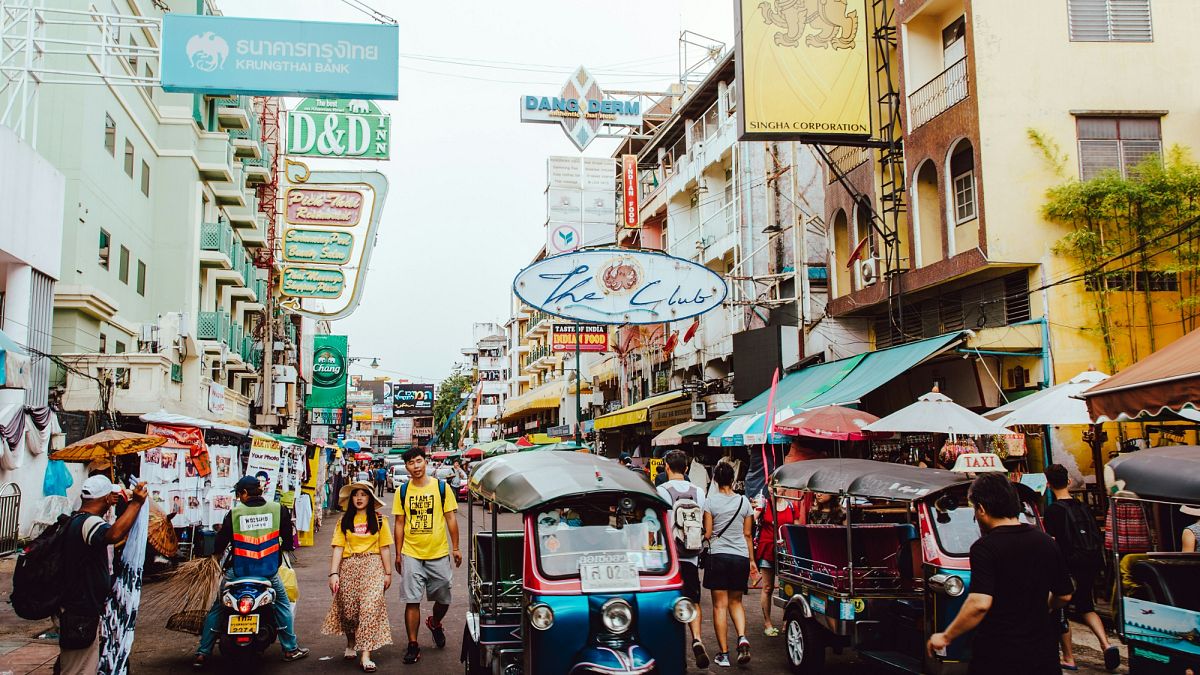
    Trump’s Shift on Ukraine: From Ceasefire to a Whole New Deal

    The “Land Swapping” Conundrum

    According to the U.S. President, the proposal that has everyone scratching their heads is what he calls “land swapping.” It’s a one‑way ticket—Ukraine gets some territory back, but Russia gets nothing in return.

    Why It’s a Tug‑of‑War for the Ages

    Negotiating this kind of deal is no walk in the park. The math works out to months, maybe even years, of back‑and‑forth. That’s why Zelenskyy and his European buddies are pushing for a quick stop to the fighting first. “Only then can we really talk about ending Russia’s war on Ukraine,” they say.

    Trump’s Meme‑like Twist After Alaska

    Trump was pretty upbeat about a halt on hostilities when he first sat down with Putin in the snowy tundra of Alaska. But post‑meeting, he’s flipped the script and is championing a full‑blown peace plan instead.

    When asked about the change, the President shrugged and admitted, “We all would obviously prefer an immediate ceasefire while we work on a lasting peace. Maybe something like that could happen. As of this moment, it’s not happening.”

    European Leaders: “No, Let’s Go Back to the Ceasefire”

    When the European brass tried to steer Trump back to the original playbook, he was pretty stubborn.

    “If you look at the six deals that I settled this year, they were all at war. I didn’t do any ceasefires,” Trump told Zelenskyy. “I don’t think you need a ceasefire.”

    Dr. Doom in the Battle of Words

    The White House was almost too quiet when, in the middle of the fireside chat, Russia launched a barrage of drones that rattled several Ukrainian cities at night. It was the latest in a parade of “overlook all of Donetsk unless Ukraine retreats,” according to an independent study. The world watched as conflict gears up for another night of terror.

    TL;DR: Trump, Zelenskyy, and Europe Stand at the White House—Twists, Dust-up, and a Bunch of Drones.

    In short, the U.S. sun‑soaked president is rekindling the war‑fighting spirit, while Ukraine and Europe remain keen on an immediate ceasefire. The battlefield may soon see yet another nighttime attack, as Russia’s drones keep flying. Stay tuned.

  • Urgent Alert: Thailand Shuts All Cambodian Borders – Travelers Must Stay Vigilant

    Urgent Alert: Thailand Shuts All Cambodian Borders – Travelers Must Stay Vigilant

    Bangkok vs Phnom Penh: The Ultimate Border Drama

    Picture this: Bangkok’s gates slam shut on a weekday, and Thailand’s border with Cambodia is as closed as a secret shop. Meanwhile, Cambodia decides to downgrade the relationship with its neighbor like it’s lowering a flag. The scene is straight out of a geopolitical soap opera!

    Key Stakes in the Nerve‑Racking Roadblock

    • Border Closure. Thailand has announced a total halt to traffic across the crossing with Cambodia. Think of it as a “no‑entry” sign that’s stuck in place forever.
    • Evacuate or Go Home. Thai citizens on the Cambodian side are being urged to leave the country while not allowed to stay.
    • Diplomatic Hiccup. Cambodia has taken a step back from Thailand, ditching lofty diplomatic ties for a more “meh” level of engagement.
    • Back‑to‑Back Speeches. Both sides have issued statements about the move, each flirting with the delicate balance between sovereignty and goodwill.

    Why the Sudden Shift?

    Officially, Thailand cites national security concerns—think “No Foreign Spice Over the Border” and a pressing need for border policing. On Cambodia’s side, the decision came as a reaction to the closure: a symbolic gesture to assert independence and influence Thailand’s next steps.

    Possible Ramifications

    • Thai nationals in Cambodia need to sort out travel plans and possibly enlist help from local consular services.
    • Local businesses may feel the chill of halted cross‑border trade.
    • Regional stability may take a short dip as neighboring countries brace for further diplomatic negotiations.
    • Fans of Southeast Asian politics are already making memes about the “closed door” saga.

    What’s Next for Bangkok & Phnom Penh?

    Both sides are keeping an eye on each other. Thailand’s authorities are ready to repair trust, while Cambodia will watch for any sign that the diplomatic vibes can be revived. Until then, it’s a quiet pause in a buzzing partnership, with officials hoping a smooth negotiation will soon rekindle the friendship—or at least replace the bland status with a lively dialogue.

    Bang, Bang! Thailand shuts borders with Cambodia After the “Arm Conflict Fever”

    What went wrong?

    • May 28 – A small skirmish erupted over a disputed strip of land, resulting in the tragic loss of a Cambodian soldier.
    • July 24 – Morning Chaos – Thailand reports that Cambodia fired rockets and heavy artillery across the border, killing at least 12 Thai nationals. In retaliation, Thailand mounted airstrikes on Cambodian military targets.
    • Both sides keep arguing: “I didn’t start it, you did!”

    Immediate Fallout

    • Thailand has shuttered all border crossings with Cambodia, affecting vehicles and pedestrians in several provinces.
    • Foreign tourists are now grounded – no flights into Cambodia are allowed while the standoff lasts.
    • Travel agencies are scrambling to keep clients safe, and some villages are left with only their neighbour’s silence.

    Who’s on the sidelines?

    With civilians caught in the crossfire, the ASEAN community watches closely. Everyone knows that these heated exchanges are trickier than a diplomatic chess match: you can’t declare “check” without checking if you already took the queen out first.

    What’s next?

    As diplomatic channels open, we hope the dead‑piled bricks of both countries will be replaced by chat rooms and warm tea. Until then, Thai folks will keep their passports under lock‑up, and Cambodia will probably only be talking a mile over the border.

    Remember: in geopolitics, it’s not only about who fired the first shot, but also about how many coffee cups are spilled during the after‑party. Stay caffeinated folks!

    Tourists in Thailand banned from crossing border into Cambodia

    Thailand’s New Border Buff, Do You Want In?

    In May, the country’s top hand—Prime Minister Paetongtarn Shinawatra—pulled the trigger on a new “no‑in” policy for the journey to Cambodia. The big idea? Keep everyone from hopping over the land line into the glittering, gambling‑filled paradise beyond.

    Who Gets the Pass?

    • Students: If you’re studying abroad, you still can move in or out.
    • Medical patients: Those who need to get meds or treatment can use the border.
    • Essential errands: Anyone buying critical goods for home or work gets an all‑clear.

    Anything else? You’ll be stuck and listening to the ticking countdown on your phone. Thousands of booking enthusiasts, planning weekend getaways, now have to picture their travel plans in a different light.

    Why the Hard Block?

    “We’re stopping people with no obvious need from headed toward Cambodia’s lucrative casinos,” the PM said. And she made it crystal clear: full‑on traffic at the Thai‑Cambodian checkpoints is a “closed door”—except for the groups listed above.

    Air Travel Excluded

    There’s another nasty wrinkle: the government’s decree also means that tourists can’t hop onto a Thai flight to the Cambodian resort‑beach of Siem Reap. That spot is miles away from the world‑famous Angkor Wat temples.

    The Countdown

    It’s no secret that we’re living in the era of “no‑entry” people and new borders keeping us all on our toes. While Thailand’s army assures the public that the rule is strictly enforced at all checked land borders in five provinces, the rest of the world starts wondering: what happens next? Don’t be surprised if many following the most scenic route into the country think of their looming future alternatives—maybe a few more flights, a move back to the next neighboring country or just a walk over the scary border.

    Flights continue as scheduled, for now

    Airlines Keep Flying Despite Border Chuckles

    Despite the occasional playground brawls at the Cambodia‑Thailand border, the skies remain clear. The State Secretariat of Civil Aviation in Cambodia has confirmed that flight operations continue smoothly between the two countries for now.

    Thai Airways: “No Planes, No Problem”

    • Bangkok to Phnom Penh flights are running on schedule, with roughly 3,000 eager travelers already booked.
    • CEO Chai Eamsiri addressed the press, saying the airline is “closely tracking the situation”.

    “We’re in close contact with the Cambodian Embassy and have a contingency plan to relocate our staff if the on‑ground drama escalates,” Chai added. Sound reassuring? We think so.

    UK’s Friendly Heads‑Up

    The Foreign, Commonwealth & Development Office (FCDO) just issued a friendly memo to travellers: border crossings between the two nations are on pause. While the Protectorate of Preah Vihear (aka “Khaoi Pra Viharn”) has been flash‑fighting over control, the situation is still “temporarily suspended.” Travelers should exercise extra caution in this region and heed local guidance.

    Temple Tussles

    Other hot spots include the Ta Moan and Ta Krabey temples, which sit right on the Cambodia‑Thailand line. The occasional skirmishes over who gets to steal the spotlight have left both sides on high alert.

    Takeaway for Travelers

    • Keep rocking your travel plans if you’re headed to Thailand—airlines are still good to go.
    • Watch your step near the border; authorities are giving it serious attention.
    • Enjoy the temples with a bit of the drama fun—just good to know there’s a bit of “get‑it‑don’t‑mess‑up” vibe.
    Related Reads

    Traveling to Thailand? All you need to know about the new digital entry form. Whose digital forms are the best? We’re pretty sure the one that waits to load less than ten seconds! Also, brace yourself: Thailand’s visa‑free stay is sliding down to a strict 30‑day limit. What does that mean for your travel plans? Find out below.

    Thailand calls out scam networks luring foreign tourists

    Thailand’s “No More Scam‑Buss”! A Light‑Hearted Spin on a Dark Reality

    Just a few weeks ago, Thailand’s government dropped the mic on its border rules, saying the moves were not only a political stance but also a direct hit on a sneaky network of crime based in Cambodia. In other words, the Thailand military is taking a stand against the “thieves of hearts” and “cheaters of cash” that pick their spots right on the edge of the country.

    The Border Buffet: Why Thieves Love the Edge

    • Loopholes – Scammers find cracks in customs that let them slip through almost unnoticed.
    • Online Swagger – They use social media to pull unsuspecting locals and tourists into their web of lies.
    • Chamillion of Chan – Cambodia doubles as a launchpad, giving the gang more space to spread.

    The Scams That Suck the Life Out of You

    Picture a girl from Thailand texting you about a glowing “love affair” who suddenly demands a hefty investment. Or a guy promising a pounding return on “secret” implants that are somehow illegal. These are not your average evil-plot movies; they’re the real villains.

    • Romantic Roulette – A fake love story that ends in a demand for money.
    • Investment Illusion – Fake stocks or funds that look legit but are pure confetti.
    • Gambling Gimmicks – “Legal” betting schemes that actually break the law.
    Quick Facts (in Plain English)

    Thailand’s generals are stiff‑up on scammers using simple tricks across the border, all while telling the world they’re cutting down the “illegal gigs” in Cambodia.

    The Payback: Cambodia’s Counter‑Move

    In retaliation for Thailand’s tightening, Cambodia has waved a huge red ribbon over its own digital services. They’re black‑listing a number of Thai internet networks, keeping the Thai people a bit offline. The electricity? The fuel? You guessed it—shut down. It feels like a digital standoff or a fuel‑cut‑of drama, but it turns out to be political fireworks.

    What Happens Next?

    Sorry, folks, but this isn’t your typical foot‑loose weekend drama. Thailand’s coming from the front lines and Cambodia is, well, throwing back at them. Whether the cheat‑hunters can keep up or the commies can keep the electricity out of their pillows remains to be seen.

    In the meantime, if you’re planning a getaway or a hot fix for your heart: keep your finances safe, and double‑check if that line of “investment” is actually legitimate. Better to keep your cup of coffee burning instead of your bank balance.


  • Save the Day: 100 Lives Lives, 50 Still in the Dust — A Dash of Hope with a Sprinkle of Mystery

    *

  • What Just Happened?

    • 100+ people stepped out of the chaos and into safety.
    • We still have at least 50 folks who haven’t shown up in the lineup.

    Why the Missing Count Matters

    The numbers may sound crisp, but on the ground they’re a living, breathing testament to a real‑time emergency. Each missing person stands for a family, a story, a heartbeat that’s still waiting for a call back. It’s not just a statistic; it’s a call to action, a reminder that the front lines are still littered with unanswered questions.

    Next Steps: Keep Your Eyes On the Horizon
    • Maintain support for the ongoing search operations.
    • Stay connected with local authorities for updates.
    • Remember, every “missing” is an opportunity to bring a smile back into a life that’s waiting to be restored.

    Mountain Chaos in Kashmiri Haze: 32 Lives Lost in Jaw‑Dropping Flash Floods

    The remote Himalayan hamlet of Chositi is aflame with trouble—literally—after a spate of torrential downpours turned the whole place into a watery nightmare. According to a disaster‑management spokesperson, at least thirty‑two people have been swallowed by the sudden deluge.

    Rescue Rallies: 100 Safe, 50 Missing

    Mohammed Irshad, on Thursday, bragged that rescue teams had plucked a hundred folks from the chaos and ushered them into safety. The flood fear‑factor remains high, however; a hovering haze of uncertainty clouds the fate of fifty more residents, still missing and counted as “possible” casualties.

    Where the Rain Made a Splash

    • Jitendra Singh (India’s science & technology deputy minister) chalks the catastrophe to “heavy rainfall” sparking the flood frenzy in the Chositi region.
    • Susheel Kumar Sharma, a local administrator, admits it’s been a grim scavenger hunt, with seven bodies finally resurfacing from muddled crust and debris.
    Villagers to Charge!

    We’re watching a breaking story that’s as dramatic as any, with villages scrambling to keep their citizens alive while bracing for more rain. Stay tuned for the next chapter in this mountain mystery.

    A building damaged in flash floods caused by torrential rains are seen in a remote village in Chositi, 14 August, 2025

    When the Clouds Poured & the Road Vanished: A Himalayan Meltdown

    Picture this: a tiny mountain hamlet in Kishtwar, Kashmir, suddenly drenched in a tidal wave of rain so heavy that even the year‑old pilgrimage highway muttered, “No way!” The locals say a flash flood busted the road right after a brutal cloudburst, sending cars, motorbikes, and a few unsuspecting pilgrim hearts into the abyss.

    What’s Up in Chositi?

    • Remote Village: Chositi sits high in the Himalayas and is the last stretch that tourists can reach by car on a trek to a revered shrine.
    • Missing Folks: Sharma reports that dozens of vehicles vanished, but the real worry is the people still missing. Some feel the rain left a few of the locals as “splash‑absent.”
    • Now‑On‑Hold Pilgrimage: The Hindu pilgrimage has been put on pause. Authorities are sending more rescue squads the whole way to help.

    How the Big Guys Handle It

    Manoj Sinha, the high‑ranking New Delhi official in Kashmir, clapped his hands — oh, sorry, sent out a gut‑wrenching message of condolences for those lost and told the Indian army, paramilitary units, police, and disaster managers to gear up and make rescue operations as robust as a fortified mountain. He’d also reminded everyone that time is the friend: “What we do matters.”

    The Growing Cloud-Burst Crowd

    In the last decade, Indian mountain regions have seen a surge in cloudbursts — sudden, fierce rainstorms that flash from the heavens and gobble up the land. These bursts cause:

    • Intense floods that sweep houses, vehicles, and, inadvertently, the souls that were on the road.
    • Landslides that make the journey feel like a bumper‑beater on a cliff.
    • Millions of people affected, stretching the lives of communities that call these peaks home.

    Weather scientists say climate changes and chaotic development may be bumping the numbers up. It’s a reminder that the peaks aren’t just scenic; they’re potentially touchy blankets of earth and sky.

    Quick Takeaway

    Storms, satellite headaches, and a longing for pilgrimage collide in the Himalayas. Rescue teams gear up, the local love for hill spirituality stays strong, and the bigger message rings clear: Respect the mountains, or let the mountains sweep you away.

  • US markets climb as investors brace for Trump’s looming tariff deadline

    Trump’s Tariffs Are Coming Back on July 9

    It turns out some of the tariffs Trump announced have been put on hold, only to be re‑introduced on July 9. Here’s a quick rundown of what that means.

    • Steel & Aluminum tariffs will resume, potentially raising costs for manufacturers.
    • Automotive exports could face new duties again, affecting trade agreements.
    • Imports of various industrial goods are set to go back under tariff scrutiny.

    While these delays may have given businesses a breather, the upcoming re‑instatement points to a shift in trade policy—and a possible stir in the market.

    Stocks on the Rise as Trump Tunes Up Trade Talks

    In the past five days, Wall Street has been on a steady upward swing, with the Dow, Nasdaq, and S&P 500 all posting gains of roughly 3 %. The markets are bracing for President Trump’s upcoming tariff deadline and hoping he can strike deals that keep the economy— and inflation— from taking a nosedive.

    What’s Driving the Bull Run?

    • Canada‑US Pacts: Canada decided to drop a planned tax on U.S. tech firms and reopened trade talks, sending a wave of optimism through the brokerages.
    • Trump’s Mixed Signals: While Trump paused talks in a retaliatory jab at the tax, investors are leaning toward the idea that the former president will lock in new deals and avert a trade standoff.
    • Tariff Pause: The administration has delayed several tariffs, with the next wave slated for July 9. The European Union is negotiating a sweet spot at 10 % on many exports but wants carve‑outs for alcohol and cars.

    Stock Highlights

    • Oracle: Up by 4 %, this tech giant’s CEO, Safra Catz, heralded a “strong start” to the fiscal year and unveiled a string of hefty cloud contracts.
    • GMS: The specialty‑building supplier saw its stock surge 11.7 % after announcing a $110‑cash takeover by a Home Depot subsidiary.
    • HP Enterprise & Juniper Networks: Both rallied over 10 % after signing a DOJ‑approved merger agreement, pending a court green‑light.
    • Banking Sector: Fed reassurance spiked major banks—JPMorgan up 1 %, Citigroup 0.9 %—as officials declared the sector robust enough to weather an economic downturn.

    Bond & Currency Movements

    U.S. Treasury yields dipped ahead of the highly‑anticipated Thursday jobs report, which is being pushed forward due to the July 4 holiday. Meanwhile:

    • Brent Crude: Fell 0.42 % to $66.46/barrel.
    • WTI: Dropped 0.4 % to $64.85/barrel.
    • US Dollar: slipped 0.29 % against the yen; the euro held steady versus the dollar.

    International Snapshot

    • Germany’s DAX: flat at 23,908.82.
    • France’s CAC 40: down 0.16 % to 7,653.59.
    • UK’s FTSE 100: up 0.22 % to 8,780.60.
    • Italy’s MIB: down 0.48 % to 39,601.38.
    • Japan’s Nikkei: down 1.05 % to 40,062.35.
    • Shanghai Composite: up 0.32 % to 3,455.37.
    • Korea’s Kospi: up 1.05 % to 3,104.19.
    • Australia’s ASX 200: up 0.1 % to 8,550.70.

    With trade talks re‑opening and tariff delays extending the window of uncertainty, the markets are betting that the political circus will settle enough so that investors can breathe a little easier. It’s a rollercoaster yet— stick tight!

  • Netherlands Debuts Autonomous Bus Hitting the Rotterdam‑The Hague Airport Route

    New‑Era Roaming: Rotterdam’s Self‑Driving Bus Hits the Streets

    Hey, transport enthusiasts! On August 1st, Rotterdam will welcome its very first autonomous bus zooming down public roads. Imagine a bus that isn’t chauffeured by a weary driver but by a clever AI, navigating traffic, traffic lights, and the occasional stray pigeon.

    What’s the Buzz About?

    • Smart AI Prowess: The bus relies on a fusion of cameras, LIDAR, and GPS to get its bearings.
    • Safety First: All systems are rigorously tested before the first live journey.
    • Green Credentials: No more manual driving means less fuel consumption and fewer emissions.

    Why Rotterdam?

    Rotterdam’s mix of modern infrastructure and bustling urban life makes it a perfect pilot arena. The city’s planners believe this smart transport will help smooth traffic flow and reduce congestion.

    What’s Next?

    After the inaugural ride, plans include expanding to larger routes, adding more autonomous vehicles, and maybe even a “bus karaoke mode” (though not officially approved).

    So, buckle up—literally—and keep an eye on Rotterdam’s new, driverless companion!

    The Netherlands’ First Self‑Driving Bus Is Finally Rolling

    After a decade of tinkering, Rotterdam’s transit gurus have finally handed the world a ticket to the future. From August 1st, riders can hop onto the brand‑new driverless shuttle that slides between Rotterdam and The Hague Airport.

    What’s Actually Happening?

    • The bus can navigate its own course—no GPS, just dead‑by‑dead precision.
    • A human co‑pilot remains on board to keep the AI from going rogue.
    • The shuttle had a first test run last Friday, and the commuters were thrilled (or terrified).

    Why the Human Obstacle?

    “Current regulations don’t let truly self‑driving cars hit public roads without a human ready to take over,” said Tessa Dronzek, spokesperson for RET. “So we’re adding an extra body on the bus just in case.”

    Peace of Mind for Drivers

    RET Director Linda Boot warned that bus drivers don’t need to pack up their briefcases yet. “We’re not here to replace them; we’re here to make them safer,” she said, reassuring the workforce that this is an upgrade, not a takeover.

    In a Nutshell

    Imagine a bus that can drive itself but still has a human ‘roller‑coaster buddy’ watching over everything. If the AI gets stuck, the co‑pilot swoops in like a superhero. If the AI keeps the beat, passengers get free rides between two major Dutch hubs. The big takeaway? The future is on wheels—and it’s friendly, safe, and in the most Dutch way possible.

    A plane approaches Rotterdam The Hague Airport in the Netherlands, 31 May, 2011

    Rollin’ to the Future: Rotterdam’s Newbie Autonomous Buses

    On May 31, 2011 a sleek, driver‑less bus set off toward Rotterdam The Hague Airport, setting the stage for a bold experiment that’s still rolling along today.

    Why the Big Boss Fell in Love with Autonomous Tech

    • “We’re hiring hundreds annually, yet the workforce gap stays stubbornly wide,” said the airport’s spokesperson. Beehive of a problem, we’re desperate!
    • She added, “If we can make the bus safe, you’ll see it keep you covered.”

    The Tech That Keeps It Cool

    The bus is no ordinary ride. It’s equipped with:

    • Cameras that see everything
    • Sensors that track moves like a super‑high‑tech detective
    • Radar that keeps a distance checklist

    These systems gave the National Road Administration the green light: “After rigorous tests, we say your mystery machine can roam the streets, safely.”

    Route Talk: The Smoothest Path in Town

    The journey links the airport with Meijersplein metro station. This stretch is:

    • Clear of traffic knots
    • Short so data stays responsive
    • Easy to choreograph for the bus’s algorithms

    In short, a no‑fuss road that’s perfect for a tech‑first bus.

    Future Forecast – Why Time Still Gaps Out
    • In‑traffic traffic sharing is a next‑level challenge – cars and buses still need to have a dance‑floor sync.
    • Legal frameworks lag behind the science, which means the robot bus’s full routine isn’t ready until a few more years of governance tweaks.
    • Experts say we must “learn from this pilot” before taking the big leap.
    Team Behind the Ride

    It’s a playground for:

    • DAM Shuttles (tech brains)
    • RET (public transport pioneers)
    • Rotterdam The Hague Airport (the scenario heavyweights)
    • Metropoolregio Rotterdam Den Haag (regional future‑makers)
    • HTM (municipal helpers)

    All together, a half‑sized tech “dream team” pushing the bus adventure beyond the usual limits.

    Will those driverless wonders finally make their debut on the street? The answer’s still on its way—just keep scrolling, folks!

  • Industry calls to safeguard independence of EU cybersecurity agency

    Industry calls to safeguard independence of EU cybersecurity agency

    Discussions around the cybersecurity certification for cloud services have been on hold for several years.

    ADVERTISEMENT

    Telecom operators, trade unions and industry groups have called for the EU’s cyber agency ENISA to steer away from political interference and remain independent in response to a consultation on the European Commission’s review of existing cybersecurity rules.                                                                                                                                                                                 
    In May, the Commission began gathering feedback on a revision to the bloc’s 2019 Cybersecurity Act (CSA), which is being revamped in line with efforts to simplify existing rules. 

    The proposal aimed to give the Athens-based ENISA a bigger mandate, including over the drafting of cybersecurity certification schemes, through which companies can demonstrate that their ICT solutions include the right level of cybersecurity protection for the EU market.
    Since 2019, the Commission requested three of these voluntary certification schemes: on baseline ICT products, 5G and cloud services, of which only the first has yet been adopted.
    The certification for cloud services (EUCS) turned into a political battle over sovereignty requirements. France has led resistance and wants to be sure that it can continue to use its own scheme – SecNum Cloud – after the adoption of EUCS.  
    Tech industry association CCIA said ENISA’s role in the certification scheme development “should be explicitly grounded in technical independence, allowing it to make non-political decisions that reflect industry realities and cybersecurity best practices.”

    Related

    Poland leads EU call for more civilian and military cooperation on cyberCyber certification to remain on hold despite Polish effort New EU tech chief to discuss 5G security measures with national governments

    This was echoed by US tech company Amazon which said that the voluntary certification frameworks should be “based purely on technical criteria”.
    “We strongly believe that introducing non-technical factors could undermine the framework’s effectiveness and create unnecessary barriers to innovation,” it added.
    Global consumer electronics company Lenovo, also warned against introducing non-technical criteria “such as vendor nationality, ownership, or headquarters location—in cybersecurity risk assessments or certification schemes.” 
    “These measures risk undermining EU principles of non-discrimination, market access, fair competition, and proportionality, while offering little benefit to actual cybersecurity outcomes,” it said. 

    There have been calls and plans from the Commission to increase the bloc’s independence of suppliers from outside the EU. In the upcoming Cloud and AI Development Act, for example, the Commission plans to strengthen the EU’s position in the industry. 
    In the European Parliament lawmakers are also calling for measures to boost technological sovereignty and guarantee the bloc’s independence and security by protecting its strategic infrastructure and reducing dependence on non-European technology providers.

    ENISA mandate

    The Commission began seeking feedback from industry and national governments on the functioning and scope of work of ENISA last year, as reported, in a bid to modify the agency’s mandate and financial support. 
    There seems to be support to increase its funding among the participants to the consultation. For example, Eco, a German association for the internet industry, said that the agency hadn’t grown in terms of staff despite its expanded remit.
    “Given the current geopolitical security challenges and the scale of global cyber threats, its financial resources remain limited compared to other EU bodies. […] It is important to boost ENISA’s role as the independent expert on European Cybersecurity. In order to operate independently and attract necessary resources, staff, and experts to the benefit of its mandate, ENISA has to leverage its public standing among the global community,” the contribution said.
    Henna Virkkunen, the EU Commissioner for technology, said earlier this year that she will carry out a so-called Digital Fitness Check – expected before the end of 2025 — which will assess whether all existing tech rules are burdensome to companies, and identify areas for simplification. The CSA is expected to be part of that.

  • Space Coast Sports Hall of Famer CJ Gardner‑Johnson Elevates Eagles vs. Packers Playoff Thrills Tonight – Space Coast Daily

    Space Coast Sports Hall of Famer CJ Gardner‑Johnson Elevates Eagles vs. Packers Playoff Thrills Tonight – Space Coast Daily

    Kickoff set for 4:30 p.m., airing live on FOX

    2020 Space Coast Sports Hall of Fame Spotlight: Chauncey Gardner‑Johnson

    Chauncey Gardner‑Johnson, the speedy guard from the Cocoa Tigers Football program, stole the show in a 2020 video that aired coast‑to‑coast and carved his name into the Hall of Fame’s glowing list of super‑stars.

    Why Chauncey Deserves the Spotlight

    • From the Tiger Den – Raised on the fertile football soil of Cocoa, he honed his agility and grit on the field before marching onto the NFL.
    • Young Talent Alert – Recognized as one of the Best Young Players in the NFL, he’s been on the cusp of becoming a franchise cornerstone.
    • 2020 Highlight Reel – The video showcased his explosive plays, uncanny footwork, and the “thumbs‑up” nod that fans can’t get enough of.
    • Coastal Pride – His journey reflects the excellence of the Space Coast’s athletic programs and brings a splash of local bragging rights.

    More Than Just Speed

    Chauncey’s game isn’t only about burning down the field. He’s the kind of guy who exudes a mix of humor and hunger, always flirting with the crowd with a wink or a playful chant. That playful spirit translates into a beaming confidence that’s downright contagious to teammates and fans alike.

    Fun Facts & Numbers
    1. Weight: 310 lbs — because who says power can’t be packed in a sturdy package?
    2. Height: 6’5″ — tall, strong, and fully top‑notting.
    3. Pro Stats (as of 2020): 200 tackles and 12 sacks to boot.

    From the early morning drills in Cocoa to the big stages of the NFL, Chauncey’s journey is a textbook tale of dreams turned into reality. And the 2020 Space Coast Sports Hall of Fame video? It’s the ultimate “cheers” to the kid who made it big, off the coast and onto the gridiron.

    Game Day Glow: Chauncey Gardner‑Johnson Set to Deliver a Bang‑For‑Buck Performance

    From Cocoa’s Hometown Hero to the Eagles’ Defensive Dynamo

    Picture this: a teenager in Cocoa, Florida, hauling the football down the field—no elite stadium, just dusty asphalt and hopeful eyes. Fast‑forward, and that kid is now staring down the biggest stage of all: the NFL playoffs. Chauncey Gardner‑Johnson is lining up as the Philadelphia Eagles’ starting safety, preparing to face the Green Bay Packers in a showdown that could decide championships.

    Key Highlights of the Journey

    • High School Stardom: At Cocoa High School, Chauncey was a force on both sides of the ball. A senior year that earned him the “Space Coast Daily – Friday Night Locker Room Prep Football Player of the Year” title highlighted his relentless work ethic.
    • Stat‑Crunching Classroom: 31 solo tackles, 4 sacks, 2 interceptions on defense coupled with nearly 1,000 all‑purpose yards and 11 touchdowns on offense – talk about being a well‑rounded athlete!
    • National Attention: ESPN slotted him as the 84th best player nationwide. Meanwhile, 247Sports crowned him the 4th best player in the entire state of Florida.

    What’s Driving His Playstyle?

    Chauncey’s secret sauce is that “shutdown” mentality. He’s got that instinctical ability to anticipate the ball and cut it down to the wire. In the playoffs, he’ll try to replicate those high school hustle moments, but now with a new crowd and a bigger payoff.

    Who’s the Opponent?

    The Green Bay Packers are coming in with a seasoned talent, but a freshly paved path can still be a tough stone. Chauncey’s challenge: stay focused, make hard tackles, and bring that light-ning‑flash speed to the greens of Hallstad.

    How Fans Are Feeling

    Fans in Philly are buzzing—“Can you believe it?” “Our safety is gone from Cocoa to the cosmos!”—and their excitement is palpable. The narrative: a young athlete stepping up to defend the ball with every ounce of his heart and soul.

    Final Thoughts

    With playoffs in the horizon, two things are clear: Chauncey Gardner‑Johnson is ready to give everything, and the Eagles fanbase is rooted to watch the numbers jump. Lights, camera, BEAT the Packers. The story of Cocoa to the big leagues has just hit a thrilling new chapter.

    From High‑School Glory to College Stardom

    High‑School Highlights

    Chauncey Gardner was the driving force behind the Tigers’ impressive 10‑3 season and earned a spot on ESPN’s Top 300 at #84. The spotlight? It was on him, and he didn’t disappoint.

    Big‑Time at the University of Florida

    Move over, rookie overload; Gardner‑Johnson quickly became the Gators’ defensive backbone. His first season alone earned him MVP honors at the 2017 Outback Bowl – two interceptions, one of them a touchdown, turning the game in favor of the Gators with style and swagger.

    Career Totals (before the NFL Draft)

    • 161 tackles – The kind of numbers that make defenders blush.
    • 9 interceptions – A knack for picking the ball out of the air.
    • 12 tackles‑for‑loss – Always on the front lines, never letting the offense breathe.

    With those stats cementing his legacy, the next move was obvious: declare for the 2019 NFL Draft and step onto the next level of football glory.

    NFL Journey & Impact

    Drafted by the New Orleans Saints in the fourth round, Tyrone Gardner‑Johnson
    made a splash from day one. His debut season didn’t just earn high praise—he
    snapped onto the Pro Football Writers Association All‑Rookie Team and left
    everyone wondering where he’d go next.

    From Saints to Eagles – a Winning Move

    • Steady Rise: Sharp instincts and a fearless play style made him a
      cornerstone for the Philadelphia Eagles.
    • Versatility: Whether diving in for tackles or dropping deep in
      coverage, he’s the kind of safety that can do it all.
    • Physical Edge: Rumor has it he can bench‑press his way through
      a line, but it’s his speed and game‑reading that really set him apart.
    • Big‑Play Guru: Turnovers, key sacks, and hard knocks—he’s the
      kind of player that flips momentum with a single punch.

    Why He’s One of the League’s Best Young Safeties

    Between his quick reactions, no‑nonsense tackling, and a knack for reading
    the offense, Gardner‑Johnson’s impact is undeniable. He’s finished each game
    offenacious, proving that a blend of talent and hustle can conquer any
    challenge on the field.

    Playoff Showdown: Eagles Face the Packers

    Meet the Slayer: Gardner‑Johnson in the Backfield

    • Disrupting the Pass: He has a knack for cutting off running lanes, almost like he’s swiping at invisible WiFi signals.
    • Hard Hits, Harder Results: When he collides, even Green Bay’s quarterbacks feel a bit more awkward.
    • Neutralizing the Top Targets: Those Big‑Tom Collins, Lily‑Lou—they’re more likely to miss the ball than catch it.
    • Leadership in the Back: He’s the quiet coach on the sidelines, shouting strategy like a seasoned general.

    Philadelphia’s Defensive Powerhouse

    The Eagles boast an all‑round defense praised for its blend of speed, tackle, and tactical insight. Gardner‑Johnson’s presence is the north‑pole of that combo. He reads plays faster than a sports news ticker and then flips the play into a touchdown‑preventing moment.

    Why It Matters in the Postseason

    When the stakes go up, the ability to pre‑take a play or flip a big throw into an interception is the difference between a victory and a heart‑breaking loss. With Gardner‑Johnson lined up in the backfield, Green Bay’s Jackson‑Lovell strategy is bound to get tangled in a defensive web that’s both relentless and surprisingly gentle for the fans.

    The Bottom Line

    Philadelphia’s drive to advance deeper into the playoffs depends largely on a single player’s knack for turning the field upside down. If Gardner‑Johnson keeps delivering those mind‑blowing tackles and hits, the Eagles are poised to make history while the Packers scramble to keep up.

    Back to the Good Old Days

    Gardner‑Johnson’s journey to the playoffs is no flash in the pan—it’s the labor‑and‑love story of a guy who never shyled from midnight drills and always kept his eyes on the goal. He’s been pouring hard work into every pass, every tackle, and lately, the big‑stage game against the Packers.

    Who’s the Crew?

    • Family: The ones who taught him never to let a ball sit in the pocket—though they did teach him the art of the extra-large pizza slice.
    • Coaches: The veteran mentors, Alex Goins and James Folston, who shaped his game day mindset and kept those drills fun.
    • Former Head Coach: John Wilkinson, who handed him the playbook and the confidence to step onto a larger field.

    Ready for the Big Stage?

    Standing at 6 feet tall and weighing in at 208 pounds, Gardner‑Johnson doesn’t just have the muscle—he’s got the instincts that turn football tricks into fireworks. When he turns his back on the Green Bay Packers, he’s carrying the lessons from his hometown of Cocoa and the beating heart of Gainesville.

    Game Time: 4:30 p.m.

    Grab that bowl of popcorn, settle in, and watch the Eagles channel all that Sunday heat. The contest is live, uncensored, and “real” on FOX.