Tag: prices

  • Fed's Favorite Inflation Indicator Shows No Signs Of Runaway Tariff Costs

    Fed's Favorite Inflation Indicator Shows No Signs Of Runaway Tariff Costs

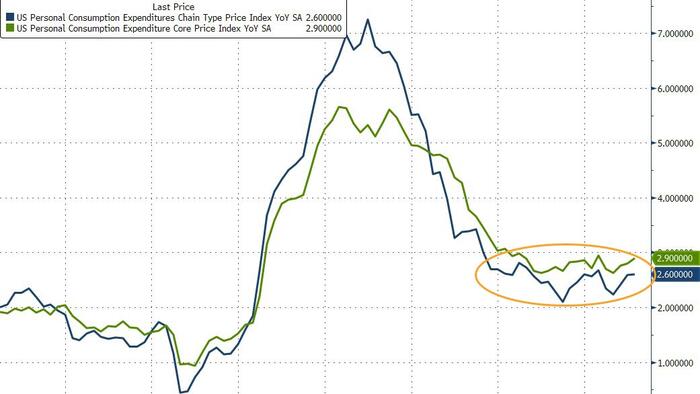
    Having ticked higher in June, analysts expected headline PCE to be steady at +2.6% YoY in July and Core PCE – The Fed’s favorite indicator – to rise from +2.8% to +2.9% YoY… and the numbers all came in right in line with expectations.

    ‘As Expected’ is the them of this morning’s data with headline and Core PCE both matching expectations and staying in the same range they have been in for two years… not exactly the Trump Tariff terror future that was predicted…

    Source: Bloomberg

    Durable Goods prices decline MoM while Services costs increased the most…

    Source: Bloomberg

    Headline PCE rose 0.2% MoM (as expected) and +2.6% YoY (as expected)…

    Source: Bloomberg

    Super Core PCE – Services Ex-Shelter – rose to +3.32% YoY in July – the same level it was at in July 2024…

    Source: Bloomberg

    Financial Services costs (soaring stock market?) dominated SuperCore prices (and certainly have nothing to do with tariffs at all)…

    Source: Bloomberg

    So stocks up, financial services costs up, inflation up?

    Source: Bloomberg

    Blame Trump?

    Source: Bloomberg

    So while prices are rising but in their recent normal range, income and spending rose just ‘as expected’, up 0.4% MoM and 0.5% MoM respectively…

    Source: Bloomberg

    On the income side, for the first time since Dec 2022, wages of private workers (5.1% YoY) are rising faster than government workers (4.8%)

    Real personal spending (adjusted for inflation) rose 2.1% YoY (slower than recent months but still positive)…

    Source: Bloomberg

    Not exactly screaming that the consumer is struggling with the savings rate flat at 4.4% of DPI…

    …the lack of inflationary impact from tariffs is ‘transitory‘?

    Loading recommendations…
  • Forget capitals like Madrid and Tbilisi: These European second cities are hidden gems

    Forget capitals like Madrid and Tbilisi: These European second cities are hidden gems

    With European capitals seeing surging visitor numbers, these overlooked second cities can be affordable, culture-rich destinations.

    ADVERTISEMENT

    As more European capital cities struggle with overtourism, second-city destinations are taking the spotlight. 
    New research by luggage storage company Radical Storage characterises these destinations as the second-most populated city in a European country. 

    In 10 of the 44 European countries analysed, the second-largest city was a better tourist destination than the capital city. 
    The study compared the tourist experience in each European country’s capital city with its second-largest city, taking into account shopping, accommodation, food, culture, accessibility and local attractions and ranking them on a scale of 0 to 10. 
    But which are the top second cities and why exactly should you choose them? Find out below. 

    Novi Sad, Serbia

    Serbia as a whole is a relatively overlooked European destination. Its second city, Novi Sad, however, came out on top of the ranking and it has a string of impressive credentials. It was crowned the European Youth Capital of 2019 by the European Union and became a UNESCO Creative City in 2023. 
    Smaller and more walkable than the capital, Belgrade, it has a vibrant cultural scene and is very popular with students and young people, especially because of the annual EXIT music festival. 

    Stumble upon laneway bars in the charming old town, or enjoy colourful art, soaking in the laid-back atmosphere of the city. 
    Explore the Petrovaradin Fortress, which dates back to the 17th and 18th centuries, with a network of tunnels and an iconic clock tower, or relax on the 700-metre-long beach alongside the Danube. 

    Related

    Would you spend four months on a cruise? These super-long cruises let you visit dozens of citiesEU’s new Entry/Exit System: What travellers need to know about visas, insurance and delays

    In the old town, called Stari Grad, you’ll find the Name of Mary Church, a Gothic Revival church and the neo-Renaissance City Hall. 

    With a score of 5.87 in the Radical Storage study, Novi Sad has 102 attractions rated over 4 stars, with the average entry fee for top attractions being €1.7. It also has 251 eateries with a rating of over 4 stars.  
    According to Radical Storage’s study, a main meal per person in Novi Sad costs only around €8.4, compared to the average main meal prices in other cities analysed in the study, at €13.6. 
    The average price per night at a mid-range hotel is €33.5, with the top 30 hotels having a review of 4.5 on average. Novi Sad also has 19 shopping destinations. 

    Barcelona, Spain

    Barcelona took second place, with a score of 5.75, according to the study, due to its relaxed Mediterranean vibe, beaches, unique architecture and outstanding air and rail connections. 
    Although the city is not as much of a hidden gem as the others in the study, already suffering from overtourism, it still offers a different experience than Madrid, with a more international feel. 
    Enjoy UNESCO World Heritage Sites designed by Catalan architect Antoni Gaudí, such as the Casa Vicens, the Crypt of La Sagrada Familia and Casa Batlló. Learn about tapas culture and enjoy local specialities such as the bomba or salted cod, or let loose at one of the city’s many music festivals, such as the Primavera Sound. 
    With a distinct regional identity, Barcelona also allows visitors to take part in unique Catalan festivals and traditions, such as the La Mercè festival and Sant Jordi’s Day, when books and roses are exchanged.  
    The city ranked 1st for cultural and local attractions in the Radical Storage study, while taking fourth place for restaurant ranking and 37th place for accommodation ranking. It was in second place for shopping, but in top place for accessibility. 

    Related

    Canadian government intervenes to avert Air Canada strike affecting over 100,000 travellers

    Gyumri, Armenia

    Armenia’s second city, Gyumri, is a charming cultural hub and took third place in the ranking, with a score of 5.72. With a higher focus on arts and crafts than Yerevan, it also offers visitors a chance to see many historical monuments. 
    Most of the city also features rare black tufa architecture, made from a type of volcanic rock. 
    Visit the Sev Berd, or Black Fortress, an abandoned Russian imperial fortress built in the early 1800s, very close to the Turkish border. Follow up with a 19th-century Russian church, the Church of Saint Arsenius, for its unique design featuring two domes. 
    A little outside Gyumri lies the Jrapi Caravanserai, a 10th to 11th century roadside inn, featuring a three-arched design and stone-tiled floor. 
    Head over to the old town, where you can explore winding cobblestone streets. With a number of affordable and quirky cafes, you can tuck into local delicacies such as harissa, a wheat and meat stew and panrkhash, a cheese and bread dish. 
    Gyumri has relatively fewer attractions and eateries than other European cities, with 34 attractions with a four-star and above rating, and 52 eateries ranked four stars and above. However, the quality of these establishments keeps tourists coming back. Average entrance fees for top attractions are also very cheap, averaging €1.7. 
    The city ranks 20th for cultural and local attractions, according to Radical Storage, coming in at 10th place for restaurant rankings. However, it takes top spot for accommodations and is in fourth place for shopping, with 33rd place for accessibility. 
    A hotel room in Gyumri will set you back about €25.4, according to Radical Storage, which is much less than the study’s average of €87.6. 

    Cluj-Napoca, Romania

    Cluj-Napoca, the historic capital of Transylvania, is the fourth-best second city, according to the ranking, with a score of 5.59. Renowned for a higher quality of life than Bucharest, it has less pollution and better healthcare, while also being safer. 
    With a more community-oriented and smaller-city feel, Cluj-Napoca is popular with visitors looking to escape the crowds during peak travel times. 
    Soak in the natural beauty of the Cetatuia Park or Botanical Garden, or hike to the nearby Apunseni Mountains, for the Turda Gorge, and explore the twisted trees in the Hoia-Baciu Forest. Head over to St. Michael’s Church for a bit of culture, or to the Steampunk Transylvania Museum for a unique blend of retro and futurism charm.

    Related

    From warzones to tropical islands: Meet the 19-year-old solo traveller who has visited 118 nationsWhy Thailand’s new luxury Blue Jasmine train will be like a boutique hotel on wheels

    The city has 155 attractions rated four stars and above, with 261 four-starred and above eateries. Its entrance fees for top attractions are also quite low at  €6.8. 
    The city is 12th for culture and local attractions, according to Radical Storage, and 15th for restaurants. It comes in 10th place for accommodation and in 12th for shopping, along with 10th place for accessibility. 
    A main meal for one person costs around €9.7 at a mid-range restaurant in Cluj-Napoca, which is relatively cheap compared to most European capital cities. 

    Banja Luka, Bosnia and Herzegovina

    Banja Luka took fifth place in the ranking, with a score of 5.51, offering a vast range of outdoor and wellness activities such as kayaking, rafting, hiking and thermal springs. It also has a much slower pace of life than the capital, Sarajevo, while still offering a great cafe and nightlife scene. 
    Explore a variety of iconic historic monuments such as the Ferhadija Mosque, the Kastel Fortress and the Christ the Saviour Orthodox Cathedral. 
    Hike to the Banj Hill for stunning views of the Vrbas River and the city, or relax in green spaces like Mladen Stojanović Park and Borik Park. Wellness travellers can also rejuvenate in the hot springs in the village of Srpske Toplice. 
    Dig into Banjalučki ćevapi, small grilled minced meat sausages and paprika, stuffed peppers served with meat and rice. 
    Banja Luka has 38 attractions rated four stars and above. With 69.2% of its eateries, or 74 restaurants, rated as above four stars, the city takes third place for restaurant ranking in the Radical Storage study. 
    An average meal costs approximately €7.6, with an average hotel room being about €31.2, a little below the study average of €113.
    It is 20th for culture and local attractions, as well as 2nd for accommodation and 33rd for shopping. For accessibility, Banja Luka is in 36th place. 

    Related

    Amid blistering heatwaves, Italians are abandoning their beloved beach holidays for the mountainsFewer flights, more immersion: What is ‘tripchaining’ and could it help you travel more sustainably?

    Kutaisi, Georgia

    Kutaisi is often chosen over Tbilisi for its walkability, rich history and easy access to natural attractions. The city, which earned sixth place in the ranking with a score of 5.48, is also a gateway to exploring western Georgia’s caves, canyons and mountains. 
    Visit the Gelati Monastery, a UNESCO World Heritage Site and the Bagrati Cathedral, or explore the Prometheus Cave. Soak in the view from the White Bridge and take a ride on the Soviet-era Kutaisi Cable Car.. Head over to the Green Bazaar for local treats like crunchy meat rolls and kebab-stuffed bread. 
    Learn about the region’s local military history at the Kutaisi National Museum of Military Glory, or go to the David Kakabadze Fine Art Gallery for some art. 
    Don’t forget to sample chkmeruli, a chicken dish in milk and garlic sauce and khinkalis, traditional Georgian dumplings filled with meat and spices. 
    The price of a night in a hotel, a meal and a ticket to an attraction, comes up to an average of approximately €36.2, in comparison to Tbilisi’s  €54.4.

    Kaunas, Lithuania

    Kaunas, also crowned the European Capital of Culture 2022, offers a blend of traditional Lithuanian culture and cutting-edge technology. It came seventh in the ranking of Europe’s best second cities, with a score of 5.47. 
    Explore the Old Town’s Renaissance, medieval and baroque buildings. Visit iconic landmarks such as the 14th century Kaunas Castle, a prime example of defensive Lithuanian architecture and the Gothic House of Perkūnas, dating back to the 15th century. 
    Head over to the Rumsiskes Open-Air museum for a taste of rural Lithuanian life, with traditional crafts, as well as the M.K. Čiurlionis National Art Museum, the world’s only museum dedicated to the famous Lithuanian composer and artist. 
    For a more offbeat experience, choose the Devil’s Museum, which showcases Lithuanian mythology and folklore, or the Sugihara House, for a quirkier representation of inter-war history. 
    Sample traditional delicacies such as cepelinai, potato dumplings stuffed with meat, and šaltibarščiai, a cold beetroot soup. 

  • ZeroHedge Store Now Delivers Rancher-Direct Meats Straight to Your Door

    ZeroHedge Store Now Delivers Rancher-Direct Meats Straight to Your Door

    Surprise! Our Beef Initiative Was a Hit

    Picture this: you’re lounging on a Sunday, coffee in hand, and the inbox explodes with orders. That’s exactly what happened after we launched our Beef Initiative.

    Thank You, Thank You, Thank You!

    • The ranchers are piling on the gratitude—they’re literally packing up the loads of meat we’re already shipping.
    • All orders ship on Mondays (the good part of the week).
    • Order cutoff is 7 PM ET tonight, but we’re watching for a last‑minute miracle.

    Wagyu Fans, May Your Urges Be Fulfilled

    The response was so fierce that ONE farm called five grinning deer (read: hard‑to‑get pricing) has already sold out of Wagyu. Don’t worry, we’re not giving up that quick.

    • We’ve added a new hero—Five Oaks Farm from Griswold, Iowa.
    • Your steak dreams (and budget) can now be satisfied with:
      • Ultra Combo Wagyu Bundle
      • 10 lb Premium Ground Wagyu
      • Just the Steaks Bundle
    • See the full lineup below and place your order before the next big sell‑out.

    From December to Now—Our Online Store Takes the Spotlight

    • Launching in December gave us a runway to showcase the most clean, grass‑fed beef you’ll ever taste.
    • Your support isn’t just appreciated—it’s power‑boosting expansion.

    What’s Driving the Food‑Portion Flight?

    Thanks to RFK Jr.’s “Make America Healthy Movement,” people are now tuning into the source of their food like a sci‑fi series. This intense curiosity means that where your steak comes from matters.

    • We’re proud to align with Texas Slim and The Beef Initiative—the duo that’s on the front lines connecting you to the farm.
    • Our meat arrives dry‑ice packed and shipped fast—think less “received in the rain” and more “straight from pasture to plate.”

    Join the Movement

    The MAHA movement is all about connecting consumers to the clean, responsible source of their meals. We’re eager to be part of it, so why not jump in?

    Get your jaw full of joy—with just a few clicks.
    Fresh, Farm‑to‑Fridge Beef Just for You

    Click right over to our brand‑new Rancher‑Direct section and discover the easiest, most honest way to get your meat straight from the field to your plate. No midway middleman, no mystery label. We’re putting the spotlight on independent farmers who keep beef standards high and fight back against the four big fat companies that dominate the U.S. beef market.

    What Sets Us Apart

    • Know Your Beef – We track every cow from pasture to purchase, so you’re never guessing what’s in your meat.
    • Vet‑Approved – Each farm is rigorously inspected by The Beef Initiative for quality and sustainability.
    • Micro‑Processing Power – Local, community‑owned centers handle the butchery, packaging, flash‑freezing and shipping—no big‑chain fuss.

    Delivery That’s Truly Free

    Our streamlined, direct-to-door model slashes the middle‑man costs, letting us offer cleaner, top‑tier beef and other meats at super‑reasonable prices. All that means more for you and less for the giants.

    Support With Every Bite

    Every dollar you spend goes straight to the family‑run ranches that grow your beef. Plus, we’re handing out a 5% discount on every Beef Initiative subscription to help you keep quality down. It’s not just eating – it’s a movement.

    Here’s The Beef (and more)

    Rancher‑Direct Gets the Party Started!

    Hold onto your hats, folks—our Rancher‑Direct launch is hitting the ground running, and it’s not just a one‑farm affair. We’re partnering with four independent ranches that bring sprawling pastures, seasoned cattle, and a whole lot of local flavor. Meanwhile, a slick New York City skincare startup is rolling out its new line of beef tallow creams, but this isn’t your average grocery‑store potion. Their sources? Directly from the heartland—Redbanks Beef Farm in Virginia.

    Why It Matters

    • Freshness that’s Straight From the Field – No middlemen, no mystery ingredients.
    • Farm‑to‑Face – The same premium cattle that fill your burgers also make your moisturizer.
    • Supporting Small‑Scale Producers – These ranches thrive on community and quality, not on mass‑production.

    Sneak Peek Into the Beef to Bliss Journey

    Picture this: a cow grazes on the green pastures of a Virginia ranch, its fat lovingly curdled, then whisked into a shiny tube of skincare that’s instantly on a New York shelf. The result? A satirical blend of farm‑fresh nourishment and urban chic. Thank the ranchers for the cow’s tender flesh, and thank the NYC team for keeping your skin slick.

    Next Steps? Oh, Plenty!

    We’ve got marketing plans buzzing, packaging decisions to finalize, and a community event to celebrate the start of Rancher‑Direct. Stay tuned—your new favorite wrinkle‑free, farm‑grown carat of tallow is just around the corner.

    Ebersole Cattle Co. – Iowa

    Meet the Ebersoles of Kellerton

    Just beyond the quiet town of Kellerton, Iowa, the Ebersoles family has been on the ground since 1998, turning the old ranch into a modern-day hub of Regenerative Ranching. Think of them as the farmers who’re caring for the earth while letting you enjoy the best lean, juicy beef.

    Pure Grass & Clean Meat!

    • All-Grass‑Fed – Their cows munch only on the grazing grass that grows right on their pasture.
    • Grass Finished – No grain‑filled tricks; the meat stays natural till you plate it.
    • No Hormones, No Antibiotics – Keeps the health of the cattle—and your palate—spot‑on.
    • No mRNA Vaccines – The only science they use is good old biology.

    Since 1998, the Ebersoles have kept their promises and kept the land healthy, proving that great food can come from great stewardship.

    Rancher’s Favorites Box: Your Ticket to Meat‑loving Bliss

    Ready to turn your kitchen into a smoky wonderland? Rancher’s got the ultimate box for all the carnivores out there. Inside, you’ll find a mix of the finest cuts and ground goodies – plus a generous slab of bacon that’s thicker than your morning coffee!

    What’s Inside?

    • 2‑4 juicy steaks – The kind that sizzle better than a DJ at a rave.
    • 3‑5 pounds of ground meat – Beef, sausage, or pork – pick whatever makes your taste buds tap.
    • 1 pound of thick‑cut bacon – Extra crispy, so it’s practically a personal trainer for your breakfast routine.

    Why This Box is a Game‑Changer

    Whether you’re grilling for a backyard party, whipping up a comforting dinner, or just craving that savory satisfaction, Rancher’s Favorites Box lays down the meat‑rich foundation you need. So pull out your spatula, fire up the grill, and let the flavors do the talking!
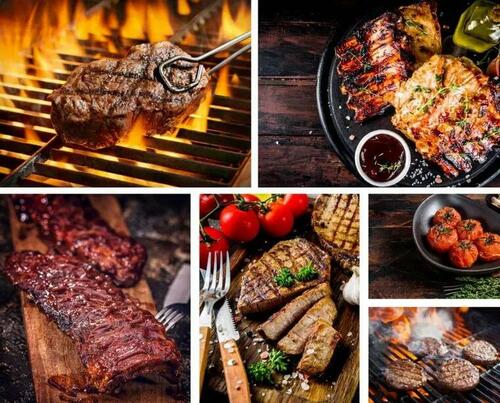
    Get Ready for a Pork‑incredible Feast!

    Imagine walking into your kitchen, smells drifting through the air, a gleam of sizzling fat on the stove, and a swaggering confidence that you’re about to conquer dinner. The lineup? A team of prime pork powerhouses, all geared up for the grill‑battle.

    Prime Cuts That’re Clearly on the Menu

    • Prime Berkshire Pork – 13‑15 lbs of unsung hero that promises that the meat hits the spot every bite.
    • 2‑lb thick‑cut bacon – golden and crispy, proving that bacon is the silent star of any breakfast or supper.

    Bacon’s Best Friends: the Pork Chops

    • 2 thick‑cut Iowa pork chops – robust, juicy and ready to go from the oven to the table in just minutes.
    • 2 pork steaks – take a cue from the steakhouse and grill these to tender perfection.

    Ground Warriors: The Taste of Every Bite

    • 2lbs ground pork – the backbone of burgers, meatballs and beyond.
    • 2lbs ground sausage – simmered with spices, these pack the flavor punch.
    • 1lb Chorizo – the fiery adobo that adds that allergic to boring dinner.
    • 1lb maple sausage – sweet, smoky and a hug in a wrapper.

    Feeling Hungry? Drop Your Desires Below!

    Long day? Love that meat‑centric bite? Let me know which from the roster waits for you the most and I’ll help you craft a recipe so fun it could break the internet. Either way, this pork spread is prime to throw a dinner party that will make your friends swoon. Bon appétit!

    Soldier to Steak: A Tariff‑Free Bundle Bonanza

    Grab the ultimate steak mixtape—10 sizzling cuts, no tariffs, and zero guilt about the price tag. This isn’t just a grocery list; it’s a passport to flavor town, passport stamped with “no tariffs.”

    What’s Inside the Meat Bag?

    • Ribeye – the velvet‑soft, marbled superstar.
    • NY Strip – the classic, ever‑lovely slice that keeps snack time safe.
    • Sirloin – lean, mean, and ready for any grill:
    • Flank/Skirt – the long‑nose cut that’s perfect for toppings and tacos.
    • Filet Mignon – the graceful, buttery edge for the fancy evening.

    Why a Tariff‑Free Bundle Rocks

    Without the sneaky taxes, your wallet does the happy dance while your taste buds do the actual rollercoaster. Think of it as a culinary coupon that keeps the price low and the steak high.

    Quick Tips to Cook ’Em Right
    • Pre‑heat to 400°F for a mini sear.
    • Let each steak rest for 5 minutes—patience is a key seasoning.
    • Serve with garlic butter or dressings that shout “YUM!”

    Ready? Get your grill fired up and turn that tariff‑free bundle into a backyard bon‑fire feast. Your friends will ask, “What’s your secret?” and you’ll just grin, “No tariffs, full flavor, simple delight.” Happy cooking!

    Five Oaks Farm – Iowa

    Five Oaks Farm: Wagyu With a Story, Not a Shortcut

    Picture this: rolling Iowa fields, a family that treats cattle like royalty, and beef that’s so honest it practically yells “Try me!”

    What Makes Our Wagyu Different?

    • Purehearted Fat: More monounsaturated fats than your typical supermarket block—heart‑healthy vibes included.
    • No Fast‑Food Tricks: Zero shortcuts, only pure farm‑fresh craftsmanship.
    • Flavor on Fire: Bold, honest tones that cut through the ordinary.

    Why Wagyu Rocks Your Plate

    Wagyu’s fatty tale isn’t just about indulgence—it actually lowers bad cholesterol and keeps your ticker humming. Bottom line: delicious, nutritious, and frankly, the best excuse to go on a steak break.

    Get Ready to Feast: The Ultimate Wagyu Bundle

    Ever wondered what it feels like to get a taste of luxury? The Ultra Combo Wagyu Bundle is here to make that dream a reality. Strap in, because this pack doesn’t just feed you—it takes you on a culinary adventure that starts with a Triple Threat Wagyu Steak Selection and ends with a Cooking Guide that’ll have you feeling like a Gordon Ramsay (but with less yelling).

    What’s Inside?

    • 3 Premium Wagyu Steaks
      (Choose Strip or Filet—either way, you’re getting top-tier beef!)
    • Sirloin—for that classic, meaty flavor that’s always a crowd‑pleaser.
    • Chuck Eye—the “steak of the week” that’s surprisingly tender.
    • 3 lb of Premium Ground Wagyu Beef—ideal for homemade burgers or meatballs.
    • 4 Wagyu Patties (⅓ lb each)—only 5 minutes to grill and you’re halfway to bliss.
    • 5 Wagyu Snack Sticks—grab‑and‑go snacks for whenever your cravings strike.
    • 1 Pack of Jerky—perfect for road trips or late‑night movie marathons.
    • 1 Jar of Wagyu Tallow (14 oz)—burns at high heat and adds that buttery depth to any dish.
    • 1 Wagyu Cooking Guide—step‑by‑step tips and tricks so you can put this beef to its full potential.

    Your Next Step? Just Order!

    Stop scrolling, start cooking, and let the Ultra Combo Wagyu Bundle turn your kitchen into a five‑star steakhouse. Order now, because a good meal—or a great story—waits for no one.
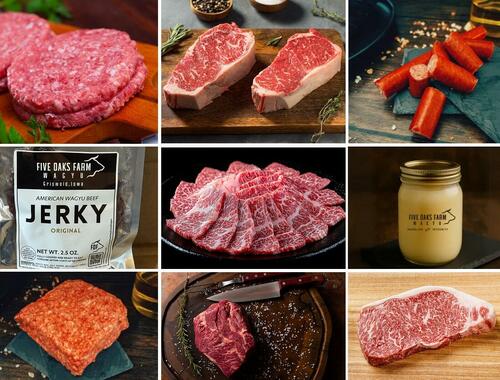
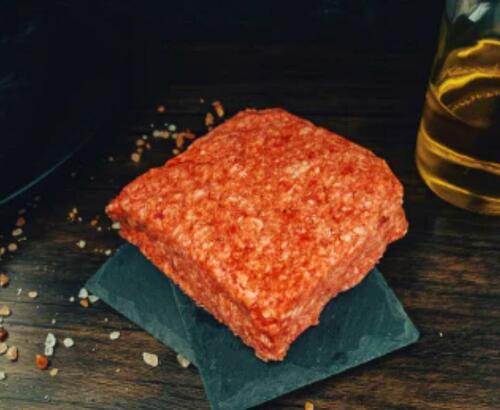
    Meet the 10‑lb Prime Wagyu Pack: Shelf‑Stable, Protein‑Packed, and Ready to Impress!

    Who needs a fancy butchery day? Grab your kitchen gloves, because this one‑size‑fits‑all bundle of tenderness will bring your dinner parties to a whole new level of indulgence.

    Why Wagyu in the First Place?

    • Luxury on a Plate: Each bite melts like a dream. The marbling is so breathtaking, even your taste buds will need a season ticket.
    • Protein Powerhouse: One 10‑lb bar delivers more muscle‑building protein than a whole chicken (and that’s saying something).
    • All‑Day Commitment: Shelf‑stable means you can keep it in your pantry while scrolling through memes. No rush, no spoilage.

    Shelf‑Stable Wonder

    Picture this: a 10‑lb block tucked into a pantry that doesn’t require refrigeration. It’s as if the meat is saying, “Chill? I’m already cool.” Perfect for those spontaneous dinner ideas or for stocking up after a weekend of buffets.

    Protein Power

    Protein, protein, protein—Wagyu is your trusty sidekick for gaining those gigabytes of muscle‑building vitamins. And hey, it’s also a heavy‑metal chant for your heart (in a good way).

    How to Cook It?

    • Pan‑Seared Perfection: Let a heavy skillet get smoking hot, a dash of salt, a butter pat, and watch the white‑and‑black crust form—a quick kiss of flavor.
    • Steak‑Ready or Mince‑Master: Whether you’re going for a juicy steak or a hearty ragù, the texture is flawless. Don’t let the “ground” tag scare you; it’s actually a smooth textural hero.
    • Season, Slice, Serve: Add a splash of olive oil, your favorite seasoning, then slice against the grain. Enjoy.

    Customer Love

    “I didn’t know I could feel that weight in the kitchen!”—Eve
    “Finally, a 10‑lb Wagyu that keeps fresh even in my dorm kitchen!”—Jamal
    “My people over the weekend can’t find the limit of my protein stash!”—Richie

    Step into the realm of supreme steak. Grab your 10‑lb Premium Ground Wagyu, and let your culinary adventures begin. Who said healthy can’t be indulgently delicious?
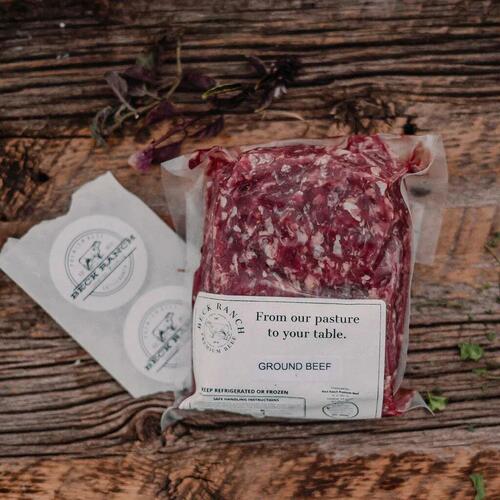
    Beck Ranch – Wyoming

    Meet Beck Ranch: All-Natural Beef Straight From the Mountains

    Family‑owned and nestled in the peaceful town of Lone Tree, WY, Beck Ranch prides itself on delivering steak that feels as authentic as the prairie’s own breath.

    What Makes Their Beef Stand Out

    • Pure Pasture‑Fed – Cattle roam the open hills, munching greens, not grain.
    • No Grain, No Gimmicks – Keeping it grain‑free means flavors stay unfiltered.
    • Hormone‑ and Antibiotic‑Free – No chemical shortcuts—just the natural taste you can trust.

    It’s the kind of beef that lets you feel good both on the plate and in your conscience.

    Experience the Heritage of Grass‑Fed Ancestral Beef

    Ever dreamed of a taste so pure, it feels like stepping into history? Dive into Grassfed Ancestral Beef and taste the legacy of the past right on your plate.

    Why This Mix Rocks

    • 90% grass‑fed beef – juicy, lean, and bursting with natural flavor.
    • 7% liver – the hearty, iron‑rich cut that adds a subtle umami twist.
    • 3% heart – protein‑dense, low‑fat and surprisingly tender.

    Health & Flavor in One Bite

    This blend isn’t just tasty; it’s a powerhouse of nutrients. The grass‑fed beef gives you essential fatty acids and antioxidants, while the liver and heart bring in a dose of vitamins and minerals. Together, they create a well‑balanced meal that satisfies your cravings and keeps you feeling strong.

    Cooking Tips for the Modern Chef
    • Roast or grill for that smoky, caramelized finish.
    • Add a splash of red wine and thyme for an extra layer of flavor.
    • Serve with roasted root veggies – the veggies become the perfect sidekick.
    Ready to Try?

    Step up your dinner game with Grassfed Ancestral Beef – where every bite carries a story from the land and a promise of wholesome good times.
    Steak Lover’s Bundle – The Ultimate Beef Bonanza!

    Got a craving that only a good steak can satisfy? This bundle turns your kitchen into a five‑star grill. No more settling – you’ll get a medley of prime cuts that’ll make taste buds dance.

    • 2 Filet Mignon steaks – Perfectly tender, buttery, and utterly mouth‑watering.
    • 2 Ribeye or Rib Steaks – Juicy marbling that packs a flavorful punch.
    • 2 Baseball or Ponderosa steaks – The big‑size, showtime flavor your appetite deserves.
    • 2 New York Strip steaks – Classic, robust, and always a crowd‑pleaser.
    • 2 Top Sirloin steaks – Lean yet mighty – tasty, smart, and ready to sizzle.

    Whether you’re a seasoned grill‑pro, a kitchen new‑bie, or just looking to impress yourself with a hearty feast, this bundle has all the top cuts you need. Grab them now and let the smoky symphony begin!
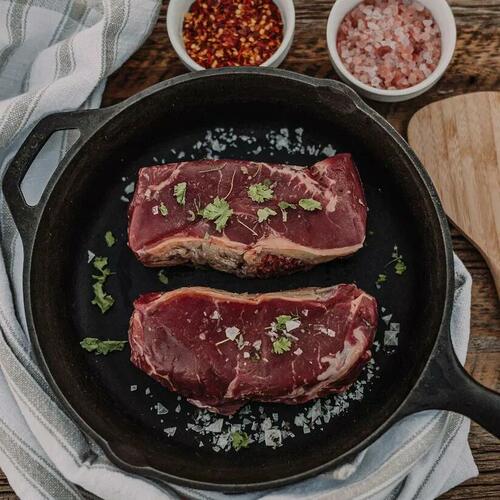
    Miller Bison – Nevada

    Meet the Bison Bosses of Nevada

    Picture this: a sprawling 320‑acre pasture in the heart of Eureka, Nevada, where two farmer friends, Anthony and Benita Miller, are putting the “wild” in wildlife by raising over 130 bison. And they’re not just any ranchers—they’re pioneers of regenerative agriculture, turning their land into a booming eco‑friendly powerhouse.

    Why Bison? Because Beef Makes It Better

    It’s not just about the sheer size of the herd; it’s about how the bison help the land thrive.

    • Natural Rollers – When these gentle giants graze, they help aerate the soil and stimulate plant growth.
    • Biological Benefits – Their manure enriches the soil, reducing the need for chemical fertilizers.
    • Eco‑Friendly Footprint – More herbivores mean less reliance on high‑energy livestock practices.

    Regenerative Farming 101

    Anthony and Benita’s approach is simple yet profound.

    • Rotational Grazing – The bison move through pastures in a planned schedule, preventing overgrazing.
    • Cover Cropping – They plant legumes and grasses to keep soil healthy between bison rounds.
    • Wildlife Integration – Beyond bison, the habitat supports local birds and insects, boosting biodiversity.

    More Than Just a Farm

    When you step onto the Miller ranch, you’re not only greeted by the awe‑inspiring sight of bison, but also by a community hub. They host workshops, farm tours, and open‑door events that show visitors how sustainable practices can coexist with productivity.

    Humor & Heart

    “We’ve practically turned ourselves into farm–wolves,” Benita jokes (though nobody has seen her howl). That blend of playful charm and real dedication makes their farm a must‑visit for anyone curious about green agriculture.

    Why Bison? Because it’s the Meat-Magnet of the Wild!

    Grab the Complete Bison Box & Power Up Your Kitchen

    Hey food lovers, ready to upgrade your grill game? Dive into our Complete Bison Box—the ultimate cheat sheet for all that hearty, wild‑boar flavor.

    Here’s the Menu, Bison‑Style:

    • 2–4 prime steaks. Pick your trophy: Ribeye, Tenderloin, NY Strip, Top Sirloin, Flat Iron, Skirt and more.
    • 2–3 lbs of slow‑cook cuts—roasts, short ribs, stew meat. Slow‑poke yet super‑savory.
    • 4–6 lbs of Ground Bison if you’re craving a hearty burger or meatloaf.
    Pro Tip

    Try it all together: grill a steak, then slash leftovers for a comforting stew, and end with a juicy burger. Trust us—you’ll feel like an epicurean legend.

    The Verdict

    It’s not just beef; it’s Bison—a powerhouse of protein, flavor, and a little bit of wild bragging rights. Who knew meat could be this badass?
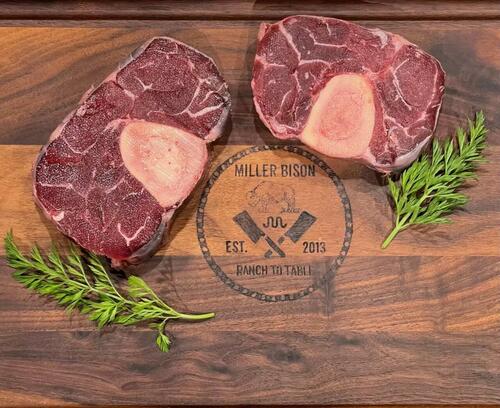
    Meet the Carnivore: Your New Fave Bison Stick Pack

    Think of the ultimate snack hero—packed with protein, zero guilt, and a dash of wild flavor. That’s the Carnivore Bison Stick Pack stepping onto the scene. And guess what? It’s not just one flavor; it’s a flavor four‑pack adventure!

    Why Bison Sticks Are the New Snack Supreme

    • Lean‑but‑Packed Power: Bison is the leanest, most nutrient‑dense red meat on the planet.
    • Eco‑Friendly Eats: Sustainably farmed, lower carbon footprints than conventional beef.
    • Zero Processing Overload: No fillers, only pure animal goodness.

    Tasteful Choices: The Four Flavors

    • Classic Char – smoky bars that feel like a campfire in a bite.
    • Spicy Pepper – a gentle heat that’ll make your taste buds dance.
    • Herb & Garlic – earthy herbs + aromatic garlic to turn snacking into a garden party.
    • BBQ Blaze – sweet‑smoky BBQ with a hint of sweet‑tender mystery.

    Who Should Go Bison-For

    Whether you’re a 3‑AM coder, a marathon runner, or just someone who loves a hearty snack that doesn’t pad your dinner plate, this pack is your ticket to an animal‑powered upgrade. Plus, sharing it is a great excuse to brag about your taste buds.

    Final Thought

    All four flavors live under one crunchy, finished, and perfectly portioned package—meaning you can switch‑up without paying extra. Grab the Carnivore Bison Stick Pack and let your palate run free. Meat isn’t just meat; it’s a wild adventure waiting for you!

    Born To Be Free – New York, Tallow sourced from Virginia

    Nadja & John Scavone: The Green Dream Team Lighting Up Skincare

    Who’s Behind the Magic?

    Meet Nadja and John, the dynamic duo who swapped science labs for sustainable farms, dreaming of a world where your skin never has to go through a chemical cocktail.

    Zero‑Toxic, All‑Happy: What Makes These Products ‘Clean’?

    • The best‑quality ingredients come from regenerative farms that actually give back to the earth.
    • All their formulas are free from the usual nasty chemical suspects—think of it as a spa day minus the spa‑price.
    • And the crowning jewel: grass‑fed tallow, a whisper to the planet that “we’re all in this together.”

    Why Grass‑Fed Tallow Is a Dermatologist’s Dream

    While the rest of the world wanders aimlessly, Nadja and John rewind to the past, using tallow from cows that actually ate grass. This purity translates into a richer, smoother feel that’s kinder on your skin—and on the planet. No more “what’s in that cream?” – all you’ll need to know is: Good for you, good for the earth.

    Happy Customers, Happy Planet

    Customers rave about softer, brighter skin with no one‑like‑the‑irritation. And behind each jar is the satisfaction of contributing to regenerative agriculture—a win‑win for folks who care about their glow and the globe.

    Get Your Hands on the Green Revolution

    Drop by the nearest boutique or head over to their website and discover the next step in eco‑friendly skincare. Plant‑based, PETA‑friendly, and your skin will thank you. Cheers to beautiful, responsible beauty!

    Discover the Cattleman’s Skincare Collection

    Ready for a soul‑soothing spa day? Dive into this natural, hand‑crafted line that’s guaranteed to leave your skin soft and your mood high.

    What’s in the lineup?

    • Sandalwood Body Butter (4 oz) – Smooth, soothing, with a heart‑warming scent that feels like a southern sunrise.
    • Sandalwood Tallow Soap Bar (4.5 oz) – A rich, buttery cleanse that pulls the best from every cow’s secret.
    • Sweet Almond Body Butter (2.5 oz) – Light, nutty hug for your skin, the perfect counter‑point to the roasty sandalwood.
    • Coconut Vanilla Lip Balm (.3 oz) – Kissably slick, mini‑size sweetness that keeps your lips smooth all day.

    Grab these gems and let your skin thank you—because when it’s nourished, you can finally enjoy the good stuff, like real campfire stories and more.

    Tallow Mayhem Collection: The Bold, Brown Revolution of Candle & Soap Artistry

    Ever wondered what happens when a traditional ingredient like animal tallow gets a modern makeover? Strap in—this is the story of the Tallow Mayhem Collection, a lineup of candles, soaps, and even kitchen burnishes that turned the humble fat of cows into a cult-favorite kitchen and home obsession.

    What Is Tallow And Why Should You Care?

    • Classic, creamy. Tallow is stearic acid, the natural wax found in animal fat. Used for centuries in candles and soaps because it’s cheap, renewable, and burns cleanly.
    • Modern twist. The Mayhem Collection adds exotic scents—think cedar board, smoked sage, and even “charred cinnamon” that smells like history baked into a pot.
    • Eco‑friendly. Tallow is a bio‑based alternative to paraffin that burns longer and produces less soot.

    Key Products in the Collection

    Candle Line

    • Eclipse – A matte black candle that emits a subtle “forest floor” aroma. Light it up and feel yourself stepping into a woodland dream.
    • Sunburst – A bright, golden candle with a citrus twist. A literal sunshine in your living room.
    • Frosted Blaze – Cool mint that becomes a winter wonderland when it’s lit.

    Soap Line

    • Toadstool Dew – A boho‑inspired green soap that smells like moss.
    • Red Tide – A robust, oceanic scent that leaves your skin clean and slightly salty.
    • Spiced Ember – Features cinnamon and clove with a smoky undertone.

    Kitchen Burnish & Griddle Oil

    Yes, they’re handy on the griddle, too. The Tallow Mayhem Collection includes a griddle oil that turns every omelet into a crispy masterpiece—no more sticky misfires.

    Why It’s Gaining a Fanbase

    • Storytelling. Each item comes in a tiny booklet that traces its lineage from farm to home.
    • Authenticity. The creators are real artisans who test every batch on the battlefield of culinary and beauty suspicion.
    • Community. Social media buzz has grown into a forum where people share tips, DIY projects, and “candle swapping” stories.

    Get the Mayhem – What’s Next?

    If you’re curious about the next wave of creative ancient ingredients, keep your eyes on the Tallow Mayhem Collection. The upcoming release promises a Smoked Vanilla candle for your midnight cravings and a “wildflower” line of soaps that may even levitate.

    No more boring, beige home releases. What’s your favorite of the Mayhem lineup? Drop a comment below or join the community and tell us!

    Texas Slim & the Beef Initiative Partner with ZeroHedge

    Texas Slim, the visionary behind The Beef Initiative, told us: “This partnership with ZeroHedge isn’t just a media alignment—it’s the signal fire.” What does that mean? In plain English, it’s a beacon that says, “Come out of the mess, real food lives here,” kind of like a bonfire on a ranch night.

    Why it matters: proof of work, not permission

    • Proof-of-Work: A new rancher mantra that’s more real than policy promises.
    • Local, durable, and built on the kind of trust that’s earned one beef bite at a time.
    • Every box you buy is a lifeline for a rancher and a safeguard against the culture disappearing.

    Zero Hedge x The Beef Initiative: The Timeline Just Extended

    Picture this: people stand up and shout, “Enough” — over poisoned food, medical debt, and the endless myths about how to survive. They’re not chasing a fleeting trend; they’re aiming for longevity. There’s a war for real food, and it’s underway.

    What’s on the front line?

    “Enough poisoned food. Enough medical debt. Enough lies about what it takes to survive.” The movement is all about outlasting the hype and building an enduring, resilient food system.

    Next Steps: Keep the signal strong

    • Spread the message to those craving authentic, local beef.
    • Track how the partnership evolves and expands the network.
    • Stay engaged — your purchase matters, not just for a rancher but for the entire food chain.

    SHOP HERE

    Sure thing! Please paste the article text you’d like me to re‑write, and I’ll jazz it up for you.
  • Building Blocks: Which asset class can secure your financial future?

    Building Blocks: Which asset class can secure your financial future?

    For several decades received wisdom has told us that property investment is the best way to watch your wealth grow.

    There’s something powerful about investing in a tangible asset you can touch, see and control. Contrast this with purchasing shares in a conglomerate that is intangible, but can – entrusted to a financial expert – earn an exciting return for you.
    If you decided to fund a property portfolio 25 or so years ago, you’re probably mortgage-free by now. In addition, Schroders has calculated your investment might have more than “quadrupled”.
    The quotation marks matter. Property investors often fail to consider the ‘cost of liquidity’. This wouldn’t be a problem if your bricks and mortar were legal tender; you could buy your weekly shopping with a brick.
    Sadly, you can’t. Rather you must sell your property, and the gain could be subject to Capital Gains Tax (CGT) up to a whopping 28%. You’ll also need to pay brokerage and legal fees before you receive the cash in your bank account ready to be spent.
    Property investment now comes with a warning
    Property investors do so not just for growth but also consistent monthly rental income with the expectation it will continue into retirement. Due to the low cost of borrowing for the past 20 years, which has given strong net yields, it has been a reasonable expectation – until now.
    Many people are becoming saddled with bigger mortgages – and unhappy tenants – alongside the current dip in property prices. Analysis by The Telegraph stated an average landlord paying the higher rate of tax face losses when the bank rate reached 2.75%. In an uncertain economy the dream of property ownership can fast become a nightmare.
    Alongside the low-interest rate era coming to a crashing end, we are in an environment of high inflation and low wage growth, with the cost-of-living crisis resulting in a 98% increase in rental evictions according to Property Reporter.
    Meanwhile, the buy-to-let industry continues to plagued by government intervention – most recently the policy paper A fairer private rented sector. Ministers are often perceived as being ‘anti-landlord’; whether restricting the amount of mortgage interest deductible as a business expense; the 3% stamp duty surcharge; meeting new energy-efficiency standards; or other areas of governance and compliance.
    In a nutshell, landlords must professionalise and see their property investments more as a business than an investment. Which begs the question, have they got time to manage a business alongside their day job? Probably not.
    It’s fair to say those once-popular property investment weekend diplomas may be suffering from a dearth of delegates today.

    Spread risk to cement financial growth without property

    Highly successful families who have built generational wealth do not merely invest in physical property. It’s among the worst asset classes you can pick, if it’s the only thing you invest in.
    There are better solutions – and they require sensible investment. That means keeping pace with inflation at the very least, and maximising your returns relative to your risk appetite, while also ensuring tax efficiency.
    It’s fundamentally important to diversify your wealth across asset classes, sectors, geography, and even company size. Globalised investment funds spread risk in such a way that your wealth wouldn’t be totally undermined by economic shockwaves, as it might be with a single asset class approach – which could happen in a property price crash.
    It’s just as important to make use of the plethora of tax wrappers to hold your investments: see my earlier comment about the ‘cost of liquidity’. 
    Consider this: you invested £500,000 into mainstream securities – stocks, bonds, commodities – then markets dropped 35% in a single year; your investment is now worth £325,000. Should you panic and decide to cash in, attracted by high 5% interest rates, you would have materialised the 35% paper loss. It’s only a loss if you sell.
    Some time later, the markets recover. The number of shares you originally owned are now worth £500,000, but you only have £325,000 plus some interest to buy back in.
    The key lesson to long-term investment is, “Don’t panic”; acknowledging that’s easier said than done, especially if you’re reaching a point when you need to extract capital.

    Wealth management changes to suit the modern world

    The longer you invest the greater the chance you have to ride economic volatility and maximise your investment. Ongoing private client advice matters greatly as it can prevent rash decisions, such as selling your investments during a downturn.
    The traditional model of financial advice, revolving solely around financial instruments and overlook legal issues, is changing. The market is also being successfully automated: we’re working on assisting in this space with the My Finances app.
    Yet with greater levels of wealth comes more financial complexity, so private client advice continues to matter. It will be some time before AI and other technology obsoletes it.
    Sound financial and legal planning is key, focused not on returns but instead optimising the preservation of wealth, while maximising opportunities for tax-efficient liquidity.
    In an environment increasingly devoid of face-to-face human interaction, many wealthy people and their potential beneficiaries still need help with their financial affairs, and empathetic, technically robust, tailored solutions matter more than ever.
    To paraphrase a popular school song it’s always wise to build your personal fortune on rock, but using that firm foundation to then spread your risk is how you’ll reap the greatest rewards.

  • Tensions Rise: EU Grapples with Setbacks on New Russia Sanctions Ahead of Summit

    Tensions Rise: EU Grapples with Setbacks on New Russia Sanctions Ahead of Summit

    A Putin‑Plumpy Price Cap? It’s Check‑point Mapped to a Vanished Goal

    For folks hoping the G7 would hammer down Russian oil prices, the latest trip to those salty islands turned into a puddle of disappointment.

    Why the Bubble’s Buried

    • G7 Let‑down: The summit ended without any concrete move to lower the price cap. Think of it as a pizza that never gets sliced.
    • Middle East Meltdown: The Israel‑Iran standoff pushed oil producers to tighten their grip on supply, giving the world a renewed spike.
    • Money‑Mind Mountain: With markets worrying about inflation, the big players are more focused on their own wallets than on taking a shot at the cap.

    The Result? “Dead” Audio!

    In the simple words of economists, the downward revision is essentially “dead.” It’s like a superhero movie that ends with the villain still in the background.

    Bottom Line

    Oil would keep circling around the same peaks, barring any new, dramatic policy shift. Keep your eyes on the market for the next plot twist.

    EU Sanctions & A Political Soap Opera

    In a whirlwind of global politics, the European Union’s fresh set of sanctions against Russia has hit a snag right before the big 27‑leader meeting later this week. The blue‑white‑gold alliance is now questioning how, and when, the economic restrictions will actually see the light of day.

    The Two Burning Questions

    • Oil Price Cap Drama – The EU had tentatively lowered the seaborne crude oil price limit from $60 to $45 a barrel, hoping to squeeze Kremlin coffers that help fund the Ukraine invasion.
    • US Back‑up Check – A price cap makes sense only with G7 and US coordination. But the recent Canada summit left a sour note: President Trump, who had bounced out early, didn’t seem keen on the reduction.

    The Oil Cap—and Why It’s Chaotic

    Picture this: the EU’s Commission rolled out a higher-than-usual oil cap as a “pressure band” on Russia. That move was a global design, hammered out at G7 level with the U.S. backdrop. But when the G7 leaders flew to Canada, Trump’s quick exit—he left a day early—felt the silence of the presidency.

    Since returning to the White House, Trump has been putting his own priorities first, ignoring Ukraine’s plea to beef up pressure on Russia. Meanwhile, Vladimir Putin remains unbothered by a 30‑day ceasefire proposal. The zero‑support from the U.S. left the EU smack‑in‑the-middle of a dilemma: go solo or step out of this groundbreaking coalition.

    Ursula von der Leyen’s Unexpected Take

    At the G7 summit finale, European Commission President Ursula von der Leyen surprised everyone by downplaying the urgency of lowering the oil cap. She pointed to the soaring oil prices—thanks, in part, to the Israel‑Iran flare‑up—as evidence that the existing cap was still serving its purpose. “The $60 cap had little effect, but in the last days, we’ve seen the price jump, so the cap is doing its job,” she said.

    In short, the EU finds itself stuck in a geopolitical tug‑of‑war—waiting for U.S. ammunition to boost their sanctions strategy or watching the oil price drama unfold, without full alignment from all parties.

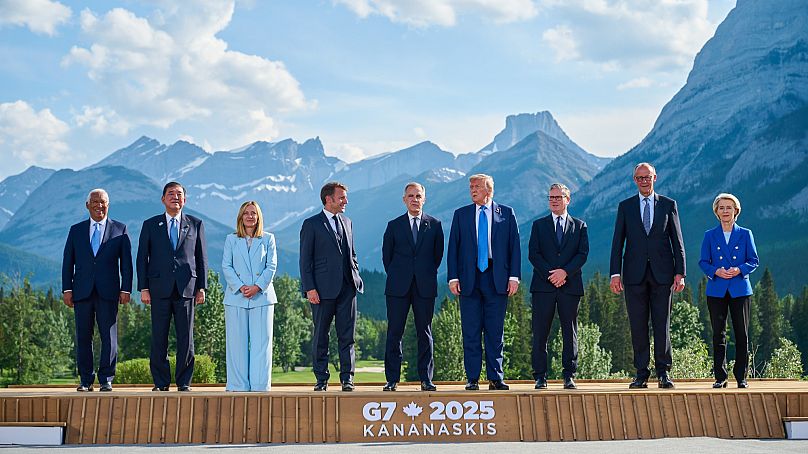
    The G7 summit took place in Kananaskis, Canada.

    G7 Summit in Kananaskis: A Tale of Oil Price Caps and Diplomatic Tug‑of‑War

    Set against the backdrop of Canada’s rugged Kananaskis mountains, the G7 meeting sparked a fierce debate over a $45‑per‑barrel oil price cap.

    Why the $45 Cap Matters

    • Cap would squeeze Russia’s energy revenue, cutting funds that could support its campaigns overseas.
    • European leaders in a bid to curb the war in Ukraine saw it as a direct economic countermeasure.
    • Opposing voices worried the cap might backfire, driving up global energy costs and benefitting Russia instead.

    High Representative Kaja Kallas Speaks Up

    Kaja Kallas, the European Union’s top diplomat, joined Ursula von der Leyen in unveiling fresh sanctions. Yet two weeks later she flipped the script.

    She argued that the turmoil in the Middle East actually lathers up Russia’s cash flow in energy markets. “If Russia gets richer from the chaos, it can keep funding its Ukraine campaign,” Kallas told a Friday meeting of foreign affairs ministers.

    Key Takeaway from Monday’s Meeting

    “There was no clear mandate from the G7, and several Member States are genuinely skeptical about the price cap,” Kallas admitted. “We’re all worried about the bigger picture, but if the cap is raising oil prices, it might do Russia a favour—something we don’t want.”

    EU Responds to the Contradiction

    On Tuesday, a European Commission spokesperson set the record straight. The spokesperson confirmed that the 18th sanctions package—targeting Russia’s finances, Nord Stream pipelines, and so‑called “shadow fleet”—remains unchanged.

    “Our plan on the old price cap is still on the table,” the spokesperson said. “It’s up to each capital to force it forward.”

    Diplomatic Darlings & Discord

    As the Middle East crisis escalated, fifty‑plus member states split over staying in the oil price cap conversation.

    • Without unanimous support, the $45 cap has effectively sunk into the political deep end.
    • Some diplomats reported that the G7’s collective voice is now fractured, with a divided consensus on whether to keep or shelve the cap.
    • According to insiders, the fate of the cap will likely hinge on future summits, where the US, UK and others might sway the final decision.

    Bottom Line

    In a meeting largely shot in the winds of continental policy, the G7 struggled with a tough puzzle: how to curtail Russia’s war funding without upsetting global markets. The price cap debate—now paused—remains a hot spot that could dramatically shape the economic and geopolitical landscape in the months to come.

    A transactional veto

    Hungary & Slovakia: A High-Stakes Energy Face-Off

    The New Sanction Pulse

    Picture this: two landlocked buddies—Hungary and Slovakia—together, turning up the heat on Brussels. They’ve just linked the latest sanctions package to a bold roadmap that aims to wipe out all Russian fossil fuels from the EU by the end of 2027.

    Why the Roadmap Matters

    • In May, the EU unveiled a multi‑stage plan to bar every purchase of Russian pipeline gas and LNG. Those energy exports made up roughly 19 % of the bloc’s gas consumption last year.
    • The Commission treated this phase‑out like an energy‑policy switch, so only a qualified majority can approve it—no veto victory for any single country.
    • EU Commission President Von der Leyen rolled out the idea with the flair of a grand finale: “The era of Russian fossil fuels in Europe is coming to an end.”

    Hungary & Slovakia: The Not-So-Quiet Protest

    Both nations aren’t thrilled. They’re the only EU members that cannot certify the roadmap’s impact on their sovereignty, prices, or energy security.

    • Off the record, Hungarian Foreign Minister Péter Szijjártó slammed Brussels: “We’re not willing to let Hungarian families pay the price for more support to Kyiv.”
    • Slovak counterpart Juraj Blanár stated, “We’re fine with the sanctions themselves, but it’s crucial to connect them to the phase‑out.” He asked for solid guarantees on how the negative fallout will be handled.

    What Are These “Guarantees”?

    Diplomats are still scratching their heads. A popular idea: set up a dedicated fund to help both countries sever ties with Russian energy. It’s common for member states to thumb their nose at Brussels, offering political quid‑pro‑quo for cash. However, the current roadmap offers no financial purse—any extra funding would have to come from somewhere else.

    The Bottom Line

    In short, the EU’s final push to ditch Russian energy is on a qualifying‑majority track, making it saints‑no‑veto. Hungarians and Slovakians, meanwhile, goad the sanctions as a tool they can actually slam a veto on—hoping to keep their energy budgets, sovereignty, and families safe from the ripple effects of the broader European strategy.

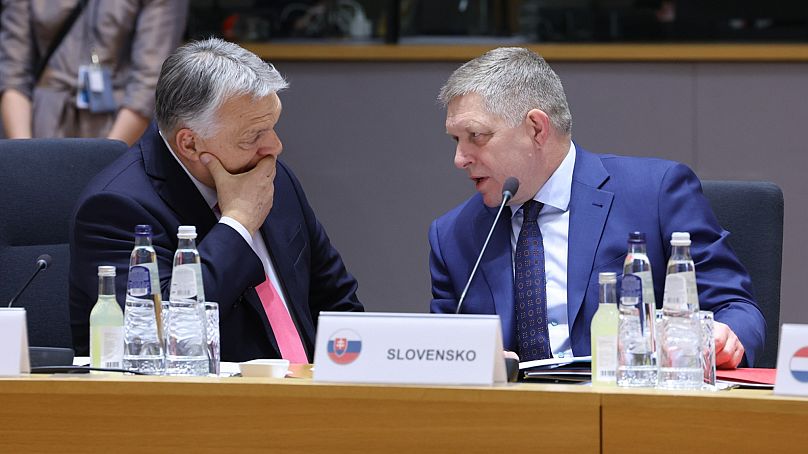
    Robert Fico and Viktor Orbán have become increasingly alligned.

    Fico and Orbán: A Budding Bed‑Partner

    The political duo of Robert Fico from Slovakia and Viktor Orbán from Hungary has been steadily tightening their alliance lately, bringing fresh drama to the European Union’s sanctions dance.

    How the Dance Started

    Back in January, when Ukraine decided to stop letting Russian gas pass through its borders, the EU reacted with a wall of sectoral restrictions. Hungary and Slovakia felt the heat—a hefty dose of indignation followed by the standoff. In a bid to keep the “energy infrastructure” intact, the Commission drafted a statement of commitments that wasn’t legally binding but held its own weight.

    • “The integrity of the energy infrastructure” was declared a top‑level EU security matter – a point the European powers were meant to respect.
    • This pledge was the LeGét that softened Hungary’s veto, and the play moved forward.

    What’s on the Menu for Thursday’s Summit

    The upcoming showdown of the 18th sanctions package will bring these two power players to the front row. While Orbán is known to be a master of “buy‑and‑sell” tactics—aiming for bold concessions—Fico’s stance carries its own nuances. Together, they’re expected to change the trajectory of the negotiations.

    Inside the Conversation

    Despite moments of hiccup, diplomats are bubbling with optimism. The Polish Secretary of State, Ignacy Niemczycki, shared his confidence that an agreement will likely be carved out before the Polish EU Council presidency clocks out on June 30.

    “We’re eye‑ing Thursday’s summit, and if it goes as anticipated, the follow‑up discussions will ease a lot. Staying hopeful here,” Niemczycki said, brightening the outlook on Tuesday.

    Balancing Act

    The two leaders aren’t villagers with identical rocks BÆASTTake. While there are shared objectives, each has its small distinctions—maybe a hint of crafty cunning—but the vibe remains optimistic.

    In the grand scheme, the European stage might just witness a polished pact before the Polish baton is passed. Keep an eye out for the next play—it’s shaping up to be an interesting show.

  • Exclusive: Frontier buys M worth of antacids for the ocean

    Exclusive: Frontier buys $31M worth of antacids for the ocean

    Frontier, the carbon removal clearinghouse founded by Google, Stripe, Shopify, and others, announced today that it is buying 115,211 metric tons of carbon removal credits from geoengineering startup Planetary in a deal worth $31.3 million. 

    Where most Frontier deals to date have bought carbon from startups specializing in direct air capture, enhanced weathering, or bioenergy with carbon capture, the organization’s agreement with Planetary is its first to do so by enhancing ocean alkalinity.

    The deal effectively prices each metric ton of carbon at $270, though Planetary says it has a plan to eventually remove carbon for less than $100 per metric ton. At full tilt, ocean alkalinity enhancement could remove over 1 billion metric tons of carbon dioxide annually.

    For decades, the oceans have been dampening the effects of climate change by absorbing carbon dioxide from the atmosphere. That has slowed the pace of global warming, but it also endangers a host of marine organisms, including coral and shellfish, which depend on alkaline waters to help build and maintain their calcareous shells and skeletons.

    The world’s oceans are naturally a little bit alkaline. Historically, they had a pH of 8.2, but since the industrial revolution began, it has fallen to 8.1. That might not sound like much, but pH’s logarithmic scale means the oceans are now 30% more acidic than in the early 1800s. When carbon dioxide reacts with water, it forms carbonic acid.

    Planetary currently uses magnesium hydroxide to boost alkalinity, the same substance used in over-the-counter antacids. The company adds it at wastewater treatment facilities and power plants, sites that are already discharging water into the ocean. That helps minimize disruption to the coasts, and it helps Planetary keep costs down.

    The startup currently has two projects, one in Nova Scotia and the other in Virginia.

    Techcrunch event

    Tech and VC heavyweights join the Disrupt 2025 agenda

    Netflix, ElevenLabs, Wayve, Sequoia Capital, Elad Gil — just a few of the heavy hitters joining the Disrupt 2025 agenda. They’re here to deliver the insights that fuel startup growth and sharpen your edge. Don’t miss the 20th anniversary of TechCrunch Disrupt, and a chance to learn from the top voices in tech — grab your ticket now and save up to $600+ before prices rise.

    Tech and VC heavyweights join the Disrupt 2025 agenda

    Netflix, ElevenLabs, Wayve, Sequoia Capital — just a few of the heavy hitters joining the Disrupt 2025 agenda. They’re here to deliver the insights that fuel startup growth and sharpen your edge. Don’t miss the 20th anniversary of TechCrunch Disrupt, and a chance to learn from the top voices in tech — grab your ticket now and save up to $675 before prices rise.

    San Francisco
    |
    October 27-29, 2025

    REGISTER NOW

    Correction: Frontier revised its figures for the size of the deal after the article was published. They were originally $31.2 million and 115,208 metric tons.

  • Robert Fico\’s Veto: Money Drives the EU\’s Decision on Russia Sanctions

    Robert Fico\’s Veto: Money Drives the EU\’s Decision on Russia Sanctions

    Why Robert Fico Vetoed the New EU Sanctions on Russia (And What That Means for All of Us)

    It’s not just politics. On a recent shuffle, Slovak Prime Minister Robert Fico put his pied‑pad on the whole packaging of EU sanctions aimed at Russia. The move surprised some, flattered others, and left many wondering, “Did Fico just throw a wrench into European unity, or is there a deeper money trail?” Here’s the scoop.

    1. The “Money Talk” Behind the Veto

    • Financial Compensation Was the Sweet Spot. Slovakia, like several other EU states, has long traded with Russia for oil, gas, and grain. When new sanctions threaten to upset these deals, the government’s treasury often feels the crunch. Fico’s decision was guided by an economic promise: a financial cushion that would shield certain sectors from the fallout.
    • Think of It as a “Pay‑back” Plan. The veto isn’t a refusal to act—it’s a sign that the Czech Republic wants to extract a price from the penal package. In short, “If you’re going to punish us, compensate us for the losses.” If that sounds like a bargain, it is.

    2. The Hidden Negotiations

    • Back‑channel Talks with Russia. Diplomatic channels are trickier than a black‑box tech startup. Fico is rumored to have whispered into the ears of Russian officials about a deal: “We’ll keep the gates open for business as long as we get a fair break from the EU’s punitive expectations.”
    • Inside the EU: A Tug‑of‑War. The European Council is split: some hardliners want to continue stamping out Russian influence, while others look for a compromise that keeps the bloc cohesive. Fico’s veto falls into the latter camp.

    3. What This Means for the Slovak Economy

    • Short‑term Stability. The decision may keep energy prices steady for the summer and avoid a winter energy crisis—a win for households and businesses.
    • Long‑Term Risks. Dodge shelters are more repairable than bypassing the entire system: Fico might face backlash from EU allies, potential legal penalties, and a reputational hit.

    4. A Human Angle: “It’s All About People, Not Politics”

    Fico’s statement is clear: “The people of Slovakia deserve a stable, affordable future.” It may feel a bit like a politician saying, “Hold my beer, let’s talk about the bottom line.” We can’t forget that politics is about people after all—balancing budgets and navigating geopolitics.

    5. Takeaway: Mix of Money, Diplomacy, and a Dash of Human Conscience

    And in the end, it’s a perfect cocktail: a headshot of market economics, a splash of diplomatic communication, and a generous dose of human shock. Whether this is a strategic win or a reckless gamble remains to be seen, but Fico’s veto has already thrown the EU into a new debate about the cost of global pressure.

    Bottom line? Fico’s decision was less about taking a stand against Russia and more about safeguarding the Slovak economy, both through financial compensation and careful diplomacy. Pop some popcorn, because this story is still rolling.

    Slovakia Throws a Veto Wrench in Brussels

    On Thursday, Slovakia’s Prime Minister Robert Fico announced he’ll keep knocking the EU’s next sanctions package just short of a vote. With the EU’s “unanimity rule” in play, that single veto turns the whole proposal into a dead-end.

    The Real Reason Behind the Veto

    It’s not about the sanctions themselves—those are kill‑joy no one is especially itching to debate. The real drama is in the REPowerEU roadmap, a plan that aims to ditch all Russian fossil fuels (pipeline gas, LNG, you name it) by year’s end. The EU Commission dropped the roadmap in May, and turned it into draft legislation in June, rolling out gradual bans on short‑ and long‑term gas contracts.

    Ursula von der Leyen, the Commission’s prez, blasted Russia’s “blackmail” tactics:”Russia has repeatedly tried to pressure us by weaponising its energy supplies… We’re now closing the tap and ending an era of Russian fossil fuels in Europe forever.

    Why Slovakia (and Hungary) Are Fuming

    • Land‑locked but fuel‑dependent: Slovakia, being stuck in a web of Russian fuel contracts, sees the ramp‑down as a price‑sky‑rocket that will choke competitiveness.
    • Double whammy: Now that the proposal is framed as a trade and energy policy—which means it only needs a qualified majority to pass—Slovakia and Hungary’re opposed because the EU’s go‑to move was to use sanctions to cut out Russian fuels. This new tactic intrudes on their economic security.
    • Exemptions gone: Hungary and Slovakia were originally shielded from a permanent ban on Russian crude oil. The new plan threatens that safety net.
    What Happens Next?

    So, while EU negotiators were polishing the fine print, Fico’s veto knocked the entire package out of the window. The question now: will the EU dive back in, choose a different strategy, or finally roll back the roadmap that skeptics need to reevaluate?

    Hungary and Slovakia both oppose the phase-out from Russia fuels.

    EU 2025: The Russian Fuel Face‑Off

    Picture this: the European Union’s capitals are stuck in a never‑ending dance of disagreement over how to dismantle Russian gas dependence. With the usual diplomatic choreography dragging on, the European Commission decided to tinker with a fresh plan—think of it as a “mastermind move” that hopes to finally slap the ban on Russian energy on the desk.

    The Commission’s Catch‑22 Move

    • What they did: The Commission drafted a workaround to sidestep protracted negotiations.
    • Why it mattered: Because no one wants to keep relying on Russian gas while blaming the “stars” of policy for a stalled sanction regime.
    • The outcome: The EU’s hope that a “creative loophole” will someday swing the lid shut on Russia’s fuel supply.

    Slovakia’s Twist in the Tale

    Slovakia, feeling the heat, threw a wrench into the works by vetoing the 18th package of sanctions. There was a gut‑hardening quest: “We won’t pull out our hands unless we nail down something concrete.” The backlash was swift—just a vote in the Senate and a sudden reversal of the unstoppable tide.

    The Veto — A Last‑Gasp Gambit
    • Slovakia’s stance: “If we don’t get a contract in a deal, we will pull out.”
    • Result: The Commission’s creative plan was stalled, leaving the EU stuck in a limbo.
    • Repercussion: A flag‑raised banner of frustration that escalated into a full‑blown European drama.

    So, what’s the lesson? When the EU hangs out in its decision‑making, it’s as if a group of friends are all trying to decide who gets to drive the car—each one with a different map of the route, the most stubborn of which is Slovakia, waving a veto flag to make a deal avant‑garde. Only after a few more twists and turns will the EU likely get the final frontier of Russian fuel out of its hands—though for now, the big still feel the end of a good enough plan.

    The colour of money

    Fico Takes the U-turn: Slovakia Vetoes EU Sanctions

    During an EU summit in Brussels, Slovak Prime Minister Peter Fico decided to pull a show‑stopper. After a quick huddle with European Commission President Ursula von der Leyen, the Slovak leader flipped the switch on the 18th EU sanctions package—leaving Brussels and his colleagues in puzzlement.

    What’s the Backdrop?

    For a while, Brussels had painted a rosy picture: a compromise would surface, and the sanctions pile would roll off tracks by month’s end. But Fico, riding a wave of national sentiment, stood his ground.

    Fico’s Post‑Summit Facebook Fling

    Mid‑summit, the Slovak first minister posted a video on his Facebook page. He didn’t just shoot a quick rant; he barfed out a thorough list of complaints and conditions.

    1. Transit Fees—SL’s New Gas‑with‑Add‑On Price

    Fico warns, “If Slovakia stops buying Russian pipeline gas, we’ll have to shell out more for moving alternative gas from the West, North, and South. All those LNG → gas conversions cost extra. Get us guarantees that future transit costs won’t surprise us.”

    2. Sky‑High Consumer Prices—The Households Pay the Toll

    According to his own numbers, the end of cheap Russian supply could jack up household heating bills by 30 % to 50 %. The effect? A whole lot of “tough winter” drama for Slovak families.

    3. Compensation—The Cabinet’s Request for Wallet Protection

    With the price hikes looming, Fico demands a rescue fund. “We can’t let the Slovak public and industry drown in this cost‑surge ocean.” He’s basically saying the government needs a state‑of‑the‑art lifeboat.

    4. Energy Crisis—Guarding Against a Next‑Generation Winter

    Fico wants a guarantee that Slovakia stays out of another 2022‑style chaos, where sudden wholesale gas spikes sent shock waves through the country’s energy grid.

    5. Law‑Suits—Gazprom’s Gem of a Threat

    He cites a looming lawsuit from Russia’s Gazprom. The long‑term contract, set to run till 2034, could trigger a €16–20 billion penalty under “take‑or‑pay” terms. “We must lock this down before the money flies out of our pockets.”

    Terms of the Deal—and Fico’s Hotline

    Fico’s video ends with a hard line: he’ll discuss sanctions only after the government addresses these five anchor points. If the EU’s Commission can’t accommodate his “postponement” plea, Fico threatens a razor‑sharp veto, and he’s even lined up a dedicated “special mission” visitor from the Commission next week to negotiate.

    So, What’s Next?

    Stand‑by, Brussels. The Slovak dossier is now a full‑blown negotiation, and the EU will have to either reel in its demands or face a sharp halt to the sanctions package. As Fico told everyone, “Let’s hash the solution first. Only then can we keep pushing for other deals.” If no agreement is sweetened, the Slovak ambassador will be primed to shout the 18th package into oblivion.

    Ursula von der Leyen has engaged in bilateral talks with Fico to solve the issue.

    EU’s Energy Gamble: A Billion‑Dollar Balance‑Sheet Bonanza

    When Ursula von der Leyen sat down in Brussels for a one‑on‑one with Slovensko’s star‑policeman, Robert Fico, the goal was simple: get everyone’s wallets in line. The price tag? Well‑worth a few euros and a lot of headaches.

    Why the Numbers Feels Like a Black Hole

    The EU’s budget is already stretched thin. Adding a new “phase‑out” program that could drag in a multi‑billion‑euro cost is a bit like pulling a fresh cup of coffee on a budget that can barely cover a latte. Officials claim there’s no dedicated EU earmark for this, which leaves the question of who pays the bill up in the air.

    Von der Leyen’s Quiet Handling of a Storm

    She steered clear of the field of beans in her post‑summit press briefing. A quick request for comment from the Commission simply fizzled into silence. The silence is, perhaps, intentional or simply frustration—that’s the jury of blown market papers.

    Spin‑Doctor Energy Commissioner Dan Jørgensen

    • “No price hike drama.” “We’re staying the course,” Jørgensen declared in June.
    • He pointed to diversification: Norway, the U.S., Algeria, Qatar, Azerbaijan, the UK and, of course, a steady supply of green homegrown energy.
    • He pretended that “force majeure” status could shield companies from knife‑sharp lawsuits.

    In plain English, what he said means the EU can legally va‑vo‑s the bans, declaring they’re “force majeure” for companies that might otherwise be stuck in a hard‑glitter contract mess. That’s a ploy meant to keep the foundations of contracts intact while seemingly protecting the market from blowing up.

    Experts Take a Different Viewpoint

    They’re not buying the idea that these “untouchable” bans will hold up in court. Traditional foreign‑policy sanctions, they argue, are the real bulletproof shield against legal retribution.