Tag: reached

  • Users turn to chatbots for spiritual guidance

    Users turn to chatbots for spiritual guidance

    AI-powered chatbots play a growing role in spiritual life, according to a New York Times story that examines the popularity of religious chatbots and apps.

    The Times notes that an app called Bible Chat has been downloaded more than 30 million times, while another app, Hallow, reached the number one spot in Apple’s App Store last year.

    For the most part, these apps are supposed to point people to religious doctrine and scripture to answer their questions, although at least one website purports to allow users to chat with God. Rabbi Jonathan Roman suggested chatbots could be a “way into faith” for “a whole generation of people who have never been to a church or synagogue.”

    However, these chatbots are built on top of AI models that are designed to validate users’ opinions, to the point that they can reinforce delusional or conspiratorial thinking. Heidi Campbell, a Texas A&M professor who studies the intersection of digital culture and religion, warned that chatbots “tell us what we want to hear.”

    “It’s not using spiritual discernment, it is using data and patterns,” Campbell said.

  • The Rolling Stones, Amazon and the British Red Cross

    The Rolling Stones, Amazon and the British Red Cross

    Whilst the Rolling Stones, Amazon and the British Red Cross are all very different ‘teams’, they share at least one commonality. But what is it?

    They all have clearly-defined decision-making strategies.
    Many senior leaders and leadership teams think that they have decision-making strategies in place, yet they struggle to articulate them when asked. Perhaps that is because they don’t actually have any real decision-making strategies.
    What’s more, a recent McKinsey report found that 72% of senior executives thought that their companies made bad decisions as often as they made good ones.
    The Rolling Stones’ strategy is that Mick Jagger takes the lead on all decisions, having first sought input from the rest of the band and their support team, with Keith Richards maintaining the right to veto. In the rare case of a veto, everyone knows that it is an important decision, so they will discuss until a new decision is reached that everyone can commit to.
    At Amazon, Jeff Bezos recommends using the phrase “Disagree and Commit” to guide all decision-making. This was also rumoured to be a decision-making principle at Hewlett Packard for many years.
    Bezos suggests that if you have conviction on a particular course of action, but there is no consensus within the team, then it’s helpful to say: “Look, I know we disagree on this, but will you gamble with me on it? Are you willing to disagree yet fully commit to this decision?”
    But for this strategy to work, it has to go both ways. The leader must be willing to disagree and commit to decisions that are contrary to theirs. In the same article, Bezos explains how a project team had a completely different opinion from his, and wanted to go ahead. He wrote back saying:
    “I disagree and commit and hope it becomes the most watched thing we’ve ever made.”
    Consider how much slower this decision cycle would have been if the team had actually had to convince Bezos rather than simply get his commitment.
    When the British Red Cross (BRC) deployed to Haiti in the wake of the 2010 earthquake they immediately established a Society Action Team of SAT. This was a strategic decision-making body whose purpose was to meet twice daily in order to review the current situation and make major decisions on the next series of actions in a complex and fast-moving environment.
    The decision-making process that the BRC used was to consult widely, gather information and then restrict the number of people in the decision-making team to the least possible number of people.
    Research shows that the effectiveness of teams decreases as membership goes beyond twelve, the tipping point may be as low as nine. As the number of voices increases, it becomes harder to be heard, focus is lost and consensus becomes extremely difficult, if not impossible.

    So, what about your team?

    Do you have a clearly defined set of decision-making strategies and do those in the team know what they are?
    If the answer is no, I recommend allocating 20 minutes of your next meeting to discuss the topic. I guarantee it will be an investment well made on your team’s journey from good to great.

  • Swiss President Hurries to Washington in Final Bid to Pacify Trump and Slash 39% Tariffs

    Swiss President Hurries to Washington in Final Bid to Pacify Trump and Slash 39% Tariffs

    Swiss President and Minister Dash to Washington!

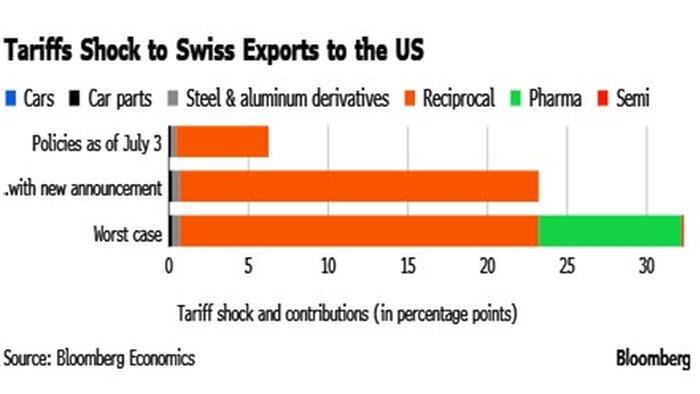
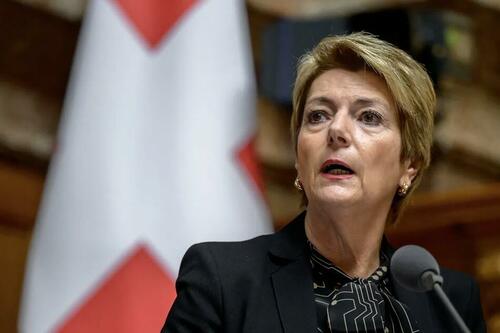
    In a whirlwind move that could outpace any Swiss train timetable, President Karin Keller‑Sutter and her Economy Minister Guy Parmelin swooped into an airplane this Tuesday, hoping to snag a deal that will soften the 39% tariff slapped on Swiss exports by the U.S. administration last week.

    Why the Timing Matters

    • Trump’s levy hit the market last week, and the deadline to enforce it is set for Thursday.
    • Missing the slot could mean a steep hit to Swiss exporters.

    The Big Question: Will They Meet the President?

    The Swiss government’s statement says they’re “facilitating short‑notice meetings” with U.S. officials, but there’s no confirmation on a sit‑down with the President himself. Even the foreign office keeps a tight lid on what concessions the Swiss might bring.

    What’s at Stake

    Swiss goods—especially chocolate and watches—could face higher shipping costs if the tariff sticks. Diplomats are now searching for a sweet spot before the deadline ticks.

    Swift to Washington: A Swiss Sprint!

    While the Swiss commercial corridors glide smooth, this diplomatic dash feels more like an alpine sprint—fast, gripping, and possibly life‑changing.

    Swiss President Tightens the Grip on U.S. Trade Tension

    Just a day after the Swiss government sprang a kick‑off to win back U.S. favor, President Karin Keller‑Sutter had her own emergency Swiss‑style playbook ready. The Swiss cabinet is now juggling the once‑slick trade relations as the U.S. finally announced 39% tariffs last week.

    On the Agenda

    • 39% tariffs on Swiss exports— the steepest of the industrial pack.
    • Swiss gov. wants to entice America with FDI and R&D boosts.
    • Disallowing counter‑measures for now— just keep the peace.
    • And they’re eye‑ing a longer deadline than Thursday’s big‑anniversary cut‑off.

    Inside the Emergency Meeting

    After the U.S. rattled the Swiss out of bed, Karin Keller‑Sutter called the Federal Council into a war‑room. While the negotiators from the Swiss State Secretariat for Economic Affairs are already chatting with U.S. counterparts, Bern’s goal is keep the “shovel time” short, and get a more friendly finish line.

    What’s the Fix?

    Instead of hurling a hard tariff sword, Switzerland plans a sweeter corporate pitch. They’re looking for a “longer timeline,” or one, or say, “last week’s tariff is not the last word.” Anything that eases the problem is a win‑win for the Swiss economy too.

    Trump’s Tariff Call Leaves Swiss in a Twist

    In a whirlwind move, President Donald Trump dropped a tariff bomb last week, catching Switzerland off guard. They had hope—talks earlier said things were looking “promising” before the August 1 deadline. But on a Thursday night call, the focus switched to the country’s hefty trade surplus with the US.

    The Swiss Stay Strong

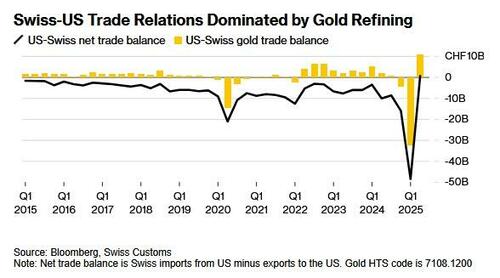
    On Monday, Swiss officials made it crystal clear: the surplus isn’t because of any “unfair trade practices.” The real culprit? A hefty chunk of that imbalance stems from the nation’s gold exports.

    • Switzerland is the gold world’s refining powerhouse.
    • Bills of billions of dollars worth of gold move in and out of the Swiss economy every day.

    More than Just Metal

    Gold isn’t the only star. Pharmaceuticals, coffee, and watches also play big roles, keeping Switzerland’s trade ledger on the edge.

    Switzerland’s Domino‑Dilemma: Tariffs, Trump, and the Quest for Creative Spin

    Short Summary: The Swiss are forced to decide whether to pull the trigger on a hefty 39% tariff—especially hurting pharma—and risk 1% of GDP losing its spark. Turns out, the “creative” dance with President‑in‑the‑making Trump involves more than mere numbers; it’s a delicate mix of politics, gold, planes, and a sprinkling of humor.

    1⃣ The Billing Beast: 39% Tariff and 1% GDP Risk

    • The idea of a blanket 39% tariff is a price tag fever dream that could cripple roughly one percent of Switzerland’s economic output over the medium term.
    • While a drop in trade deficit is the Trumpian checklist, locking into concessions might feel like a political slap to the authorities—oxymoronic, yet unavoidable.
    • Stefan Legge, research whiz from St. Gallen, chirps that “Switzerland has to get creative.” Creative? Read the rest.

    2⃣ The Great Talk: Agricultural Tariffs & Farmer Fury

    • Switzerland has been ruthless in eliminating industrial tariffs in 2023—leaving just five percent of imports under any blanket and keeping agriculture as a fortress.
    • Conceding on this would ignite the farmers’ fury army, who have pledged to “vehemently fight” any change.
    • However, for Trump, agriculture is a feather in the fan: small, symbolic, not a win‑turner.

    3⃣ Golden Gambit: The Gold-Tariff Conundrum

    • Swiss gold trade made up two thirds of last year’s $38 B trade deficit—just bullion, not Swiss precision manufacturing.
    • Proposed fix: A 50 % high tariff on gold that would put a “price tag on the gold bars” (no sense of manufacturing actually).
    • Alternatively, a “central bank swap” to wipe gold blame from the stats—but whether that appeases Trump remains a mystery.

    4⃣ Wings & Whimsy: The F‑35 Fight

    • Switzerland’s 36‑jet F‑35 order is to brush up the upgrades in a $7.4 B deal.
    • Trump wants another $1.3 B because of the “in‑flation” cost.
    • Accepting the extra fiscal drag—or ordering a couple more planes—might charm the president, but voters may feel their wallet’s very personal.

    5⃣ Pharmaceutical Ponder & Energy Hack – The White‑Gold Plan

    • Both Novartis and Roche plan huge U.S. investments; the Swiss might try negotiating price cuts (though tough to enforce).
    • Better trick: collect US investment pledges from those companies, then pair them with an energy‑buying brick—e.g., buying U.S. LNG.
    • Additional perks: Oil, arms, and a strawberry‑sweet dish of negotiations.

    6⃣ Chasing the President: A “Gift” That Might Tame the Tides

    • St. Gallen’s Legge hints that directly influencing Trump is a pivot move.
    • What if Switzerland presented a golden Swiss watch? Legge quips, “Maybe it’s a win—Trump loves shiny things.”
    • History gives memes: a German‑grandfather birth certificate personally delivered by Chancellor Friedrich Merz in June.

    Bottom Line: Switzerland’s diplomacy is a juggling act—balancing 1% GDP preservation, farmer morale, gold statistics, plane deals, pharma contracts, and a golden watch that could eclipse the entire trade dance. Whether Trump swings at these offers or chooses to stay stuck on his glossy fantasies remains to be seen.

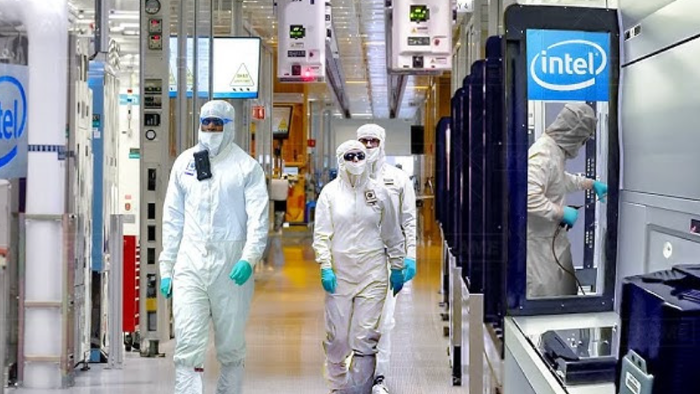
  • Intel and TSMC Plan Chipmaking JV in America First Era

    Intel and TSMC Plan Chipmaking JV in America First Era

    Intel & TSMC Could Be the New Dynamic Duo of Chipmaking

    Companies take turns buying a slice of the future? Intel’s shares jumped 5% as rumors about a new joint venture between the American giant and Taiwan’s TSMC continued to spread like maple syrup on pancakes.

    The Deal in a Nutshell

    • TSMC: Owns 20% of the venture, bringing its killer manufacturing know‑how and a curriculum of hands‑on training for Intel folks.
    • Intel + US rivals: Keep the majority stake. Should tap into some of Intel’s already‑running fabs.
    • Funding mystery: Capital for the rest is still under discussion. No final agreement yet.

    Why This Matters

    Venture is a fortified pushback for the Trump‑era “America First” rally, hoping to revive a tech sector that has been on the slow‑moving side of the lane for years.

    Some Intel execs fear mass layoffs if the venture cannibalizes their own chip‑making prowess. Others see it as a logic plug‑in that might even help the U.S. step away from overseas bottlenecks.

    When the Trump Administration Rears Its Leg

    High‑level contacts from the White House and Commerce Department have urged both companies to sign on. They see it not only as a chance to move Intel out of its slowdown trap but also as a means to strengthen TSMC’s bargaining power—especially after new tariffs on non‑chip goods hit the island.

    Outliers: Other Players on the Horizon

    Rumors tracking back to the last few weeks suggest that TSMC might also be looking to partner with Nvidia, AMD, and Broadcom to run Intel foundries—an offer that’s stirring more heat than a fresh batch of microchips.

    Market Reaction

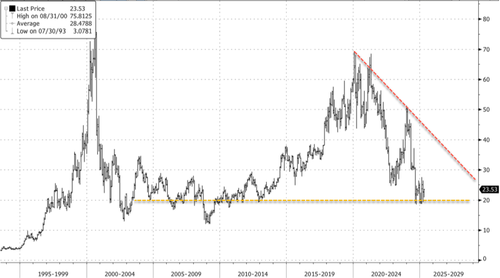
    On the trading floor, Intel stocks hovered near a $20 price floor, then leapt about 16% year‑to‑date thanks to speculation about the joint venture, with the latest spike right before the market closed.

    In short, it looks like Intel and TSMC may team up to reshape chipmaking, but the final playbook remains unwritten—so stay tuned, and keep your eyes on the price charts.

    Will Intel Shares Take Off in Trump’s America‑First Era?

    Why the buzz is even louder now

    Once a quiet giant buried deep in the silicon veins of America, Intel’s fortunes have been quietly tied to policy, politics and, of course, the ever‑volatile stock market. With the new “America‑First” administration, investors are itching to see whether that chip giant can finally get a dash of the attention it deserves.

    Three key angles investors are drooling over

    • Trade Beltway Bans?
      Trump’s tariff playbook was once a headline nudge, but for a company that does a ton of business overseas, it’s a headline cue for huge cost adjustments. Will Intel’s supply chain face a price war, or will they re‑engineer their fabs to stay in American soil?
    • Patriotic Patents?
      With a new focus on bringing manufacturing back home, Intel’s heavy‑handed stake in domestic fabs could grow. But can the company keep up the pace while still feeding the hype‑fed demand for high‑speed chips?
    • Smart‑Tech Superiority?
      In a world where every gadget claims to be “the next big thing,” Intel’s bend‑to‑future chips—AI, autonomous vehicles, the Internet‑of‑Things—might become the ticket to staying on the front curtain.

    What the numbers say (and don’t)

    Stock charts have shown a mix of scramble and steadiness: on the back of a sales surge, Intel’s shares have hovered above the green line—but they’ve also faced jitters. An analysis of fiscal quarters suggests a volatility that can either be a barometer or a blast zone, depending on how the synergy with Trump’s policies actually pans out.

    Bottom line: look for a bullish signal (or a sideways shuffle)

    It’s like buying a late‑night snack: you’re hoping it satisfies a craving, but you’re also ready for surprises. If the “America‑First” policies see Intel’s plants sprouting more arced, chip-focused skyscrapers in the U.S., the company could gain a spicy upgrade. If not, the market might just keep it in a steady, curi­ous state of “meh.”

  • Truth Social AI Search Harnesses Perplexity, Platform Imposes Source Limits

    Truth Social Gets a Fresh AI Search Boost with Perplexity

    In a move that feels like a space‑jammed update, the AI start‑up Perplexity has teamed up with President Donald Trump’s own social media platform to roll out a new search engine called Truth Search AI.

    Where It’s Live Now

    • Currently available on the web version of Truth Social.
    • Public beta on iOS and Android apps is slated for the next few months.

    What’s the Buzz?

    Trump Media bragged that the Perplexity tech will deliver “direct, contextually accurate answers with transparent citations.” The idea is simple: give users a blast of info that’s both sound and readable, while keeping the platform in charge of what goes into the answers.

    Behind the Scenes

    • Truth Social is mixing in Perplexity’s Sonar API—the engine that scours the web for up‑to‑date, verified facts.
    • Even if a website blocks Perplexity’s crawlers, the API promises to pull the needed data.
    • Users can light‑up the format of the results, thanks to the API’s structured output.

    Perplexity’s Spin on it

    Jesse Dwyer, a spokesperson for Perplexity, told TechCrunch that the “Sonar API will be as accurate as whatever sources Truth Social lets it use.” He added, “We have no visibility or control over that. It’s just like giving anyone the same API to search their own data—or big academic projects.”

    The Big Questions

    • Will Truth Search AI be able to scour the entire web or will it be shackled to a select few sources?
    • Is there a plan to bias answers toward the president and administration while painting Democrats in an unfavorable light?

    TechCrunch has hit up Trump Media for more details. Stay tuned for the answers—because the next reality check might just arrive in a headline.

    Tech and VC heavyweights join the Disrupt 2025 agenda

    Netflix, ElevenLabs, Wayve, Sequoia Capital, Elad Gil — just a few of the heavy hitters joining the Disrupt 2025 agenda. They’re here to deliver the insights that fuel startup growth and sharpen your edge. Don’t miss the 20th anniversary of TechCrunch Disrupt, and a chance to learn from the top voices in tech — grab your ticket now and save up to $600+ before prices rise.

    Tech and VC heavyweights join the Disrupt 2025 agenda

    Netflix, ElevenLabs, Wayve, Sequoia Capital — just a few of the heavy hitters joining the Disrupt 2025 agenda. They’re here to deliver the insights that fuel startup growth and sharpen your edge. Don’t miss the 20th anniversary of TechCrunch Disrupt, and a chance to learn from the top voices in tech — grab your ticket now and save up to $675 before prices rise.

    Truth Search Steals the Spotlight in a Whirlwind of AI Wars

    Picture this: a handful of journalists freelancing through a New York newsroom, tracking how a search bot decides to cite its sources. Axios puts the bot to the test with a slew of hard‑knock questions—“What happened on January 6, 2021?” and “Why was Donald Trump impeached?” The bot’s answers? FoxNews.com keeps popping up as the main, or even lone, source. | FoxBusiness.com, Washington Times, and Epoch Times also make cameo appearances, according to Axios.

    Meanwhile, Perplexity’s public search engine rolls out a broader buffet: Wikipedia, Reddit, YouTube, NPR, and Politico. A truly balanced spread for anyone looking to cross‑verify facts.

    Truth Social’s Bold Move

    Truth Social’s CEO, Devin Nunes—former California congressman and Trump Media’s current mastermind—banks on “ongoing user feedback” to turbo‑charge the search function. In a statement, he promised:

    • New features and wide‑ranging enhancements coming soon.
    • A user‑driven roadmap that keeps the platform fresh.

    Perplexity’s Transparency Claim

    Dmitry Shevelenko, chief business officer at Perplexity, threw another spoiler into the mix: “Our AI delivers answers with transparent citations so anyone can dig deeper.” Guess that’s where the credibility comes from.

    Government’s Pay‑Check on Bias

    The late July executive order from Trump—an AI Action Plan—targets “biased AI” (yes, that pesky model that’s anything but neutral). The order rips through words like “race,” “sex,” and the whole “unconscious bias, systemic racism” deck out in the DEI bucket. It alleges that these themes can distort the quality and accuracy of output—the landmine we’re all trying to avoid.

    Authors of the AI Battlefield

    Truth Search AI was launched in the same week when heavyweights—OpenAI, Anthropic, and Google—got a green light to sell services to federal agencies. OpenAI, fresh off a deal, offers ChatGPT Enterprise for a stingy $1 a year to the U.S. government’s central purchasing arm.

    In short: the battle over AI sources, transparency, and bias is heating up. Will Truth Search, Perplexity, or the always‑cuddles‑frester OpenAI win the credibility race? Time—and user feedback—will tell.

  • Trump Declares China Deal Finalized With 55% Tariffs on Beijing, Aims to Partner with Xi to Open China to U.S. Trade

    Trump Declares China Deal Finalized With 55% Tariffs on Beijing, Aims to Partner with Xi to Open China to U.S. Trade

    Trump Announces “Done Deal” with China – No More Trade War Drama

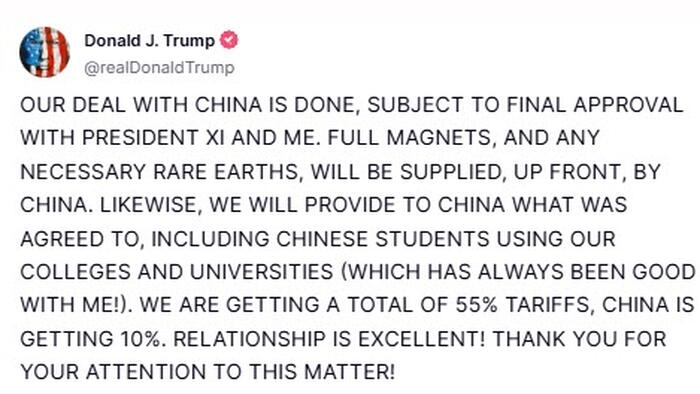
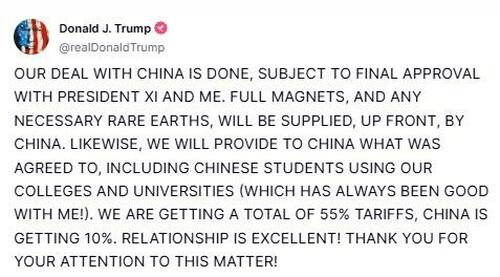
    In a move that might finally calm the raging trade storm, President Trump tweeted on Truth Social that the U.S. and China have reached a “done deal.” The agreement, freshly sealed after two days of talks in London, covers every last detail of a long‑standing brawl: from rare‑earth supplies to college applications for Chinese students.

    Key points of the bargain

    • Rare Earths? China will ship up front full magnets and all the needed rare earths required by the U.S. — no more shortages or hitch‑hiking politics.
    • Student Exchange? In return, American universities will welcome Chinese students who have been eagerly waiting for a chance to study abroad. Trump chuckles that “Chinese students using our colleges has always been good with me!”
    • Tariff Cheat‑Sheet – The Americans get a 55 % tariff hit, while China only faces 10 %. The numbers might not be 50/50, but at least each side has a sense of their “fair share.”

    Background: Why This Is a Big Deal

    For years, the U.S. and China have accused each other of back‑stabbing over trade agreements. Each side claimed the other had “broken” the deals. Now, after 48 whole hours in London, the two leaders seem to have finally sorted things out. Trump’s post states that the deal is “done, subject to final approval with President Xi and me.” This is the first time the administration’s words have been signed off on the table.

    Trump’s Tone (and Punch‑Line)

    Trump summed up the situation with his typical flair: “Relationship is excellent! Thank you for your attention to this matter!” He didn’t even mention the original “trade war” drama, thereby leaving it in the past like stale bread at a buffet.

    So, if you were previously scared that the U.S. and China would keep brawling and cutting economic ties, breathe easier. The bipartisan “deal” is in place and the world can now turn its gaze to a market that hasn’t had a full‑body trade argument for a while.
    Trump Gives His Take on the U.S.-China Tariff Truce

    Just a day after the U.S. and China sealed a deal in London to roll back hundreds of tariffs, President Trump left us with a fresh set of comments that felt a bit like a secret recipe—he served up details no one had actually mentioned during the negotiations.

    The Secret Ingredients

    • China is to immediately supply critical minerals to the U.S.
    • The U.S. tariff promise is a “total” of 55%—but how that adds up remains a bit of a mystery.

    According to a white‑house insider, the 55% figure breaks down as follows:

    • 10% base duty
    • 20% surcharge for fentanyl traffic (yes, that oddly specific part of the deal)
    • ~25% tied to the pre‑existing levies from Trump’s first term, plus the usual most‑favored‑nation rates

    Trump’s “WIN” Vision

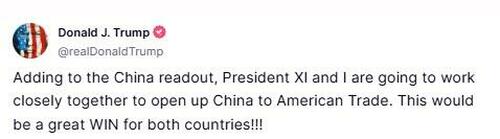
    In a follow‑up tweet, Trump painted a picture of a close partnership: “President XI and I are going to work closely together to open up China to American Trade. This would be a great WIN for both countries!” It certainly sounds like a bipartisan sports‑match winning score, but the real crunch is whether the numbers match up when the papers come out.
    US‑China Trade Talks: They Finally Sat Down Without Dropping Their Phones

    After a rock‑solid month of bargaining that left both sides inching toward each other, the American and Chinese delegations officially wrapped up their marathon negotiations on Tuesday. The outcome? A fresh framework to bring critical minerals and other “sensitive goods” back into commerce, and a promise that both sides will carry this into their next leadership meetings.

    Breaking Down the Deal

    • Tariff Reset: US cuts Chinese tariffs from 145% to 30% – a veritable ‘taper cruise’ for Chinese goods.
    • Chinese Sweetener: China pulls a 10% back‑roll on US imports for the next 90 days, smoothing the economic heat death spiral.
    • 30‑Day Hi‑Jolly Pause: A 90‑day stop‑gap on “very high tariffs” – essentially a breathing space that the leaders hope will allow the Geneva ceasefire to stay in effect until August.

    Why the Talk Was Even Harder Than a Cigar‑Smoking Negotiation

    At a time when the trust between the two economies felt ritz‑ing into a landslide, a phone call between President Xi and former President Trump added a spark of cautious optimism. The two leaders laughed (only slightly, but enough to calm the wolves) and decided to keep pushing, even as accusations of each side breaking the 90‑day truce swirled in media feeds.

    Behind the Official Statements

    In the flurry of discussion, Beijing’s Vice‑Premier He Lifeng emerged as a key spokesperson. He said, “China does not want a trade war, but it’s not afraid of one.” The tone is a lot like saying, “We just don’t want a fight, but we’ll fight if they throw one at us.” He added, “We resolve differences through equal dialogue and mutual benefits. We’re honest in our consultations, but we also keep our principles.”

    Meanwhile in London, the U.S. delegation was guided by Vice‑Premier He Lifeng (yes, the same person! – leaders tend to share names), Treasury Secretary Scott Bessent, and Trade Representative Jamieson Greer. The U.S. Commerce Secretary Howard Lutnick dubbed it a “handshake.” The handshake felt less like a formal import agreement and more like a big, corporate hug as both sides feared the world’s second “so‑called” clash.

    Things That Still Need Answering

    • Will the 90‑day pause survive the August deadline? The world’s databases are all over it.
    • How will the stricter export restrictions on rare earth elements affect the industries that depend on China’s supply dominance?
    • Will the U.S. enforce its planned visa revocations on Chinese students involved in “critical fields”? The judgment call may keep academic circles on edge.

    The Bottom Line

    In short, after a chill‑miserable month of geopolitical back‑and‑forth, the U.S. and China have set a new “framework” that promises to keep trade tariffs low for the time being. With several questions still looming, only one thing is clear: It’s in both nations’ best interest to keep the tires from groaning on—while perhaps secretly hoping that the next negotiation won’t feel as if we’re negotiating a scone for two folks in a contest of who can whip the dough the fastest.