Tag: rsquo

  • How to Manage Anxiety and Stress in Early Sobriety

    How to Manage Anxiety and Stress in Early Sobriety

    Finding yourself one week sober is a milestone worth celebrating, but it often comes with unexpected challenges. Early sobriety is a period of major emotional and physical adjustment, and it is not uncommon to experience heightened levels of anxiety and stress. For many, these feelings emerge as the mind and body begin to recalibrate after the cessation of alcohol or substance use. This article explores practical strategies to help you manage anxiety and stress effectively so you can build a strong foundation for your recovery.

    Table of Contents
    Toggle
    Navigating Anxiety and Stress in Early SobrietyBuilding Self-Awareness The Role of Healthy Routines Coping with Physical Symptoms of Anxiety Connecting with Your Support Network Practicing Mindfulness and Relaxation Celebrating Progress Moving Forward 

    Navigating Anxiety and Stress in Early Sobriety

    When you are one week sober, the reality of your sobriety and its challenges likely start to sink in. Physically, your body is working to heal and reset after prolonged exposure to alcohol or drugs. The absence of substances that your system has grown dependent on can lead to a flood of emotions—including anxiety, irritability, and even panic—especially if you’ve been using these substances to numb stress or cope with deeper issues. 
    Mentally, early sobriety may uncover underlying concerns that substances often masked. Questions like, “Can I really do this?” or “What are people going to think?” can loop endlessly in your mind, creating unease. This cocktail of emotions can feel overwhelming, but it’s worth remembering that these feelings are natural during the first phases of recovery. More importantly, they can be managed with the right strategies.

    Building Self-Awareness 

    One of the most powerful tools for managing stress and anxiety in early sobriety is developing a strong sense of self-awareness. After years of pushing down emotions with alcohol or drugs, it might feel jarring to face emotions head-on. But recognizing what you are feeling and why is the first step toward managing those emotions constructively.
    Start by taking a few moments each day to tune into how you’re feeling. Journaling can be a helpful practice here—write down your thoughts and emotions without judgment. Are you upset? If so, what triggered it? Do you feel physical tension when you’re anxious or stressed? These simple reflections can help you understand the patterns behind your emotions and give you a sense of control.
    Once you identify your triggers, you can begin to build healthier ways of responding. For example, if social situations bring on anxiety now that you are one week sober, you might opt for smaller, safer gatherings early on. Self-awareness allows you to address the root of your stress instead of reacting impulsively.

    The Role of Healthy Routines 

    Establishing a structured routine is one of the best ways to ease anxiety during this transitional period. A lack of routine can often contribute to feelings of chaos or uncertainty, especially in early sobriety, when your world might feel unfamiliar and unpredictable. On the flip side, a consistent daily structure sets the tone for stability and gives your mind and body something reliable to lean on.
    Start with small, manageable habits such as waking up and going to bed at the same time every day. Incorporate healthy meal times, regular exercise, and time for mindfulness or relaxation. When you have a routine that prioritizes self-care, your stress levels can diminish over time. This sense of regularity can be a comforting anchor, especially during turbulent emotional moments.
    If mornings are challenging due to anxiety or cravings, consider creating a morning ritual tailored to set a positive tone for the day. This could include light stretching or yoga, preparing a cup of tea or coffee, or writing down three things you’re grateful for. These activities can help reframe your mindset and provide a sense of accomplishment early in the day.

    Coping with Physical Symptoms of Anxiety 

    For many who are at the one week sober mark, anxiety isn’t just a mental struggle—it shows up in the body as well. Symptoms like a racing heart, shallow breathing, or restlessness can feel overpowering. Fortunately, there are effective techniques to counteract these physical manifestations of stress. 
    Breathing exercises are among the simplest but most powerful tools for calming your body during moments of heightened anxiety. One popular technique is “4-7-8” breathing—breathe in through your nose for four seconds, hold your breath for seven seconds, and exhale slowly for eight seconds. Repeat this cycle several times. Focusing on your breath can signal to your brain that it’s time to relax, helping to slow down those overwhelming physical sensations.
    Similarly, moderate exercise can work wonders on both your body and mind. Activities like walking, swimming, or gentle yoga can release endorphins, the “feel-good” chemicals in your brain, while reducing tension. Physical movement also provides a healthy outlet for releasing pent-up energy, which is often a hallmark of early recovery anxiety.

    Connecting with Your Support Network 

    Sobriety can feel isolating, particularly in its early stages. Stress and anxiety may tempt you to withdraw from the people around you, but isolation often exacerbates those feelings. Instead, it’s essential to lean on a support network, whether that involves family, friends, or a recovery group.
    If you’re comfortable, consider joining a support group designed specifically for individuals in recovery, such as Alcoholics Anonymous (AA) or SMART Recovery. Sharing your thoughts with others who have walked a similar path can reduce the heaviness of anxiety, and hearing about their successful coping mechanisms can inspire you to try new strategies.
    Even if groups aren’t your preference, reach out to trusted friends or family members who can provide a listening ear. Simply talking about how you feel can alleviate some of the mental pressure you may be experiencing at the one week sober mark. You don’t have to go through this alone.

    Practicing Mindfulness and Relaxation 

    Mindfulness-focused practices are particularly effective at reducing stress and keeping anxiety at bay. Mindfulness involves being fully present in the moment, which can help break the cycle of negative thinking that often accompanies anxiety. 
    Try dedicating ten minutes to mindfulness meditation each day. You don’t need any special equipment or experience to get started—simply find a quiet space, sit comfortably, and focus on your breath. If your mind wanders (which it likely will), gently bring your attention back to your breathing. Over time, mindfulness encourages acceptance of your thoughts and emotions rather than fighting against them, making them feel far less intimidating.
    Other relaxation techniques, such as progressive muscle relaxation or guided visualization, can also help. Progressive muscle relaxation involves tensing and then releasing each muscle group in your body, working from your head to your toes. Guided visualizations, on the other hand, prompt you to imagine yourself in a calming environment, such as on a beach or in a serene forest. These techniques provide comforting mental breaks during stressful periods.

    Celebrating Progress 

    When you are one week sober, it’s easy to focus on everything you’ve given up or the road ahead. However, taking a step back to acknowledge your progress is an integral part of managing anxiety and stress. Celebrate your efforts, no matter how small they may seem. Perhaps it’s your first week without alcohol in years, or maybe you’ve turned to healthier coping methods instead of substances. These are wins, and they deserve recognition.
    While anxiety during early sobriety is natural, it’s important to remind yourself that this discomfort is temporary. Each week that passes brings you closer to a state of balance and emotional stability. Your resilience in navigating these moments is a testament to your ability to succeed in recovery.

    Moving Forward 

    Reaching the one week sober mark is just the beginning of a lifelong commitment to recovery, and anxiety and stress are natural parts of this process. By developing coping strategies, prioritizing healthy routines, and leaning on support systems, you can ease these feelings and focus on building a brighter, substance-free future.
    Remember, early sobriety is as much about self-compassion as it is about discipline. It’s okay to have moments of struggle; what matters most is how you respond to them. With persistence and mindfulness, you can turn this challenging phase into an opportunity for growth and self-discovery. Ultimately, this is about more than just abstaining from substances—it’s about rediscovering your best self.

     

  • Discover New Health Insights with Aldoctor

    Discover New Health Insights with Aldoctor

    Kickstart Your Journey: A Friendly Guide to Tech & Wellness

    Introduction: Strap In, It’s About to Get Awesome

    Ever wonder if the right tech can actually improve your daily life? Yep—it’s not just gadgets; it’s about finding tools that fit you, save time, and make the impossible feel possible. This guide is your lightweight cheat sheet—think of it as a recipe for turning “Tech Troubles” into “Tech Triumphs.”

    1⃣ Finding the Perfect Fit: Choosing Your Gear

    How to pick the tech that matters:

    • Pinpoint the problem you’re trying to solve—whether it’s accessibility, organization, or just keeping your sanity intact.
    • Read user reviews, but don’t panic if a product isn’t a perfect match; every tool has a “learning curve” segment.
    • Ask for demos or free trials; no one likes paying for blind spots.

    Practical Tip for the Discerning Pro

    If accessibility matters, look for features like text‑to‑speech, screen‑reader compatibility, and adjustable contrast. It matters whether you’re a reader, a user, or just a tech enthusiast.

    2⃣ Seeking the Right Help: Where to Turn

    Some questions are complex—think three‑way audio‑connectivity or wheelchair‑specific app setups. Don’t tackle them alone.

    • Consult a tech specialist: Many local and online workshops now host sessions on inclusive design.
    • Reach out to advocacy groups: They often have curated lists of reliable, vetted vendors.
    • Join community forums: A quick question is often answered within minutes.

    3⃣ Tackling Negative Emotions: Turn the Tide

    Feel stuck? When frustration piles up, you’re less likely to keep using your tools.

    Quick stress‑buster routine:

    • Take a 5‑minute walk—doesn’t need to be a marathon.
    • Use a mindfulness app that guides you through 1‑minute breathing exercises.
    • Write down your emotions—no judgment, just honest expression.

    Brighten Your Mood with a Dash of Humor

    When a device glitches, remember the classic “send me a text calling the health team to get the Human‑Auto‑Rescue‑Team ready.” Humor, after all, can be a friend!

    4⃣ Managing Stress & Anxiety: Tools That Help

    The cool new approach? “Routine + Tech.” Set up a simple schedule:

    • Morning: 15‑minute stretch or quick meditation.
    • Mid‑day: Check a hobby app or quick news feed for positivity.
    • Evening: Wind down with a calm‑voice podcast or bedtime story for adults.

    5⃣ Building a Routine That Sticks

    Consistency is king—once you’ve got a pattern, it’s easier to be happy.

    • Use recurring reminders on your phone or a calendar.
    • Set a “trigger” for each activity (e.g., “After breakfast, launch the productivity app.”)
    • Track your progress on a paper or digital journal—nothing beats visual proof.

    Special Spotlight: No One Should Be ‘Discouraged’

    People with disabilities can rock the world—what matters is the right kind of support. The goal? A life full of quality moments, not just functional survival.

    • Involve loved ones—some support systems work best when the people around them appreciate the tech and each other.
    • Continue learning—always explore new tools, adapt them, and adapt your lifestyle.
    • Never forget: You’re not alone; the tech community is there, and you’re fully welcome.

    Conclusion: Wrap‑Up & Serve Your Own Morale Boost

    Tech isn’t magic, but well‑selected tools combined with emotional care can propel you forward. Pick the right gear, seek proper help, manage emotions, and carry on under a good routine. The outcome? A lifestyle where technology isn’t a hurdle but a helpful companion.

    Now go, and embrace the greatness that lies in aligning tech with your personal wellness!

    Introduction

    Introduction

    Feeling like life’s a tough test when you’ve got a disability? You might think every step is a hurdle and that living ordinary is a stretch of the imagination. Let’s lift that weight—there are real buddies ready to help, like Koobor Care out in Australia, and you can start enjoying life again. In this guide, we’ll kick off with practical, bite‑size tips that’ll let you laugh, breathe, and get on the path to a brighter, more fun everyday.

    Use the Right Technology

    • Find tools that fit you. From adjustable chairs to voice‑enabled gadgets, pile up the tech that keeps your day spinning smoothly.
    • Don’t be afraid to ask for help. The first time you notice something that could be improved, reach out to a friend or tech support—there are plenty of people whose job is to make tools easier for everyone.

    Hire Help

    If juggling bill payments, grocery runs or just the endless “to‑do” list sounds like a circus act, hiring a trusted assistant pays off. A pro can keep your home arena running like a well‑orchestrated show, so you have more time to watch your favorite dramas or practice the next impressive dance move.

    Learn How to Handle Negative Emotions

    When bad thoughts come on, it’s ok. Give yourself the kindness you’d extend to a loved one: notice the feelings, remind yourself they’re temporary, and then whisper a quick mantra of “I’ve got this.” If you need a vent, just call a friend or talk to a counselor. Remember: a quick buzz can be a lifesaver.

    Manage Stress and Anxiety

    • Pause for a breath. A deep exhale can reset the nervous system—no need to stick to the classic “five‑minute meditation” if that feels too formal; a quick count can do wonders.
    • Schedule chill moments. Even a five‑minute stretch or a favourite playlist will help the day flow better.

    Create a Routine and Stick to It

    Life is less stressful when you know your day’s blueprint. Start with a morning ritual that sets the tone—whether it’s a coffee cup, a short workout or a simple stretch session. Set a middle‑day check‑in: grab a snack, water, or a short walk. Wind down at night: dim the lights, stretch and maybe read a chapter or two. When your routine feels cozy, the day feels powered by confidence, not fear.

    Lean on Support Networks

    Celebrate junior allies like family, close friends, or support groups whenever you hit a snag. You’re not alone; there are people ready to help you navigate the quirky, unknown bits of life. Be open, be honest and let those close ones help you out. Share your journeys, the good and the bad, and the world will be a bright place.

    Conclusion

    Living with a disability is a journey—yes, it may include ups and downs. For every obstacle, there’s a helpful tool or a kind hand. Use tech that helps you thrive, hire a little extra help, manage emotions, spark calm, and set a routine that lets you shine. You’re capable of living a quality life that feels bright, joyful and full of laughter. Let’s keep walking forward, together!

    Use the Right Technology

    Tech That Turns Disability into Daily Wins

    When folks face physical limitations, the right gadgets can make life feel a lot more normal—and a lot more fun. Check out these nifty tools that blend tech with everyday life, helping people stay strong, active, and autonomous.

    1. Robo‑rehab: Your Personal Strength Buddy

    • Balance & Power Boost: A rehabilitation robot gently nudges patients back to their best stride, helping them reclaim muscle and confidence.
    • Smart Moves: It’s like having a tiny personal trainer that adjusts in real time, so you can keep up with everyday tasks.

    2. One‑Hand Wheelchair Mastery

    • Leverage Your Life: An automatic lever lets users control the wheelchair with just the motion of one hand—perfect for sipping coffee or eating pizza without juggling switches.
    • Hands‑Free Freedom: Imagine cruising around without the extra fuss—yes, that’s the game.

    3. The Smartest Wheelchair on the Block

    • Health Detective Interior: Built‑in computers monitor vital signs, track mileage, and keep an eye out for anything unusual.
    • Fall‑Proof Alerts: If a slip happens, the system notifies caregivers instantly, so no one has to wait for a fall to become a problem.

    Why It Matters

    These tools don’t just make day‑to‑day easier—they’re the keys to earning true independence. With technology like this, folks can take charge of their lives again, letting them focus on what truly matters: living, laughing, and making memories.

    Hire Help

    Meet Your New Sidekick: A Personal Assistant That Gets You

    Why a PA Makes Life Easier (and Less Chaotic)

    Think about a personal assistant as your personal superhero—minus the cape and, optionally, the ability to fly. They handle the messy stuff that keeps you running on fumes: whipping up meals you’ll actually eat, tackling that endless pile of laundry, and navigating all those last‑minute transport hiccups.

    Finding the Right Match (Without Guessing Games)

    • Start with local agencies that specialize in personal assistants—think of them as matchmakers for your everyday life.
    • Ask straight‑up: “Do you have tips for picking the best person for my needs?” The right agency will give you a clear roadmap for success.
    • Request a shortlist and check references—just like you would for a new friend or a favorite recipe.

    Pick a Personality That Syncs With Yours

    If you’re the quiet type who prefers a calm, low‑noise work environment, you’ll probably want a PA who’s friendly and outgoing. They’ll keep the vibes light, make the job smoother, and add a splash of personality to your routine.

    Learn How to Handle Negative Emotions

    Living With a Disability? Master Those Negative Emotions Like a Pro

    If you’ve got a disability, chances are negative emotions will pop up every few hours. But what if you could tame those feelings and keep your life running smoothly? That’s the real goal.

    Why the Struggle Feels Extra Hard

    • Mobility issues – Like walking on a treadmill with a broken stride, every step can be a source of frustration.
    • Vision impairment – Not seeing the way off a road feels like driving blindfolded.
    • Anything else that limits how fast you can get around can make you feel stuck.

    When you feel stuck, it’s easy to let negativity spill over into your day – and even gossiping to your friends (or family) because you’re rattled inside.

    Rock‑Solid Ways to Bounce Back

    Whether you’re a fellow disabled person or a good old human, there are simple tricks that’ll turn the tide:

    1. Talk it out – Therapy isn’t just for the 90‑year‑old grandma who wants a better biscuit recipe. It’s a legit tool for tuning your emotional thermostat.
    2. Mindfulness & Meditation – A few minutes a day, sitting in a comfy chair while chanting “I’m calm” lets you notice the storm before it blows.
    3. Smile at the mirror – The sassy, self‑love grin in the glass can actually shoo away the drama.
    4. Roll your eyes (figuratively) – Learn to take that negative feeling, reframe it, and let it evaporate.

    What’s the main takeaway? Don’t let your emotions become a villain that steals your power. Instead, treat them like the annoying neighbor who keeps cooperating once they’ve been told politely to leave.

    Manage Stress and Anxiety

    Getting Your Calmer Self Out of the Chaos

    If you’ve got a disability, stress and anxiety often sneak up like that uninvited guest at a dinner party. They’re usually triggered by a handful of everyday situations:

    • Living in a world that isn’t always set up for you – from crumbling sidewalks to desks that just won’t fit your comfort zone.

    • Hitting a wall with intense feelings – anger, sadness and fear can take the wheel if you’re not careful.

    • People who just don’t get it – the odd comment or the awkward silence can feel like a slow-motion punch in the chest.

    Don’t Let the Freakshow Take Over

    Got feeling the anguish crescendo? Keep the intensity in check by doing something that actually relaxes you. We’re talking about simple, feel-good strategies you can weave into everyday life.

    1. Sound Therapy

    Crank up your favourite tunes – music can be a fast‑lane ticket to calmness. It’s like making your aura “sound‑soft” while the world’s clamor blurs.

    2. A Walkabout

    A stroll outside isn’t just good for your physical health; it turns your brain into a boardwalk of peace. Fresh air, gentle steps, and a lot less “stressed” brain chemical fireworks.

    3. Move It or Be Stayed

    Even the mildest physical activity – swimming, running, or simply stretching – can give a high score on the “stress‑depressing” chart. If you can’t hit the track, pick something that feels you.

    4. Dog‑e‑delicious Positivity

    Every day, do something that sparks joy. That new hobby, a podcast you love, or that cup of coffee that tastes like a sunrise – keep the vibes light and bright.

    By easing those emotions and embracing the good, you’ll keep anxiety from turning into a full‑blown drama. The key? Think of stress like a foreign language: learn a few handy phrases and you’ll start talking it over in no time. Stay cool!

    Create a Routine and Stick to It

    Build a Routine That Feels Like a Natural Habit

    Living well starts with a routine that actually works for you. If it feels like second nature, there’s a good chance you’ll keep up with it. Take a moment to sketch out the kind of day that makes you feel energized and relaxed. Need a hand? Reach out to someone who’s seasoned in supporting people with disabilities – they’ll help you tailor the plan.

    Keep Your Daily “Play‑Cards” in Hand

    We all have those little things that happen at the same time each day – the morning coffee ritual, the midday stretch, or that “quick walk” during lunch. Aim to stick to these timings. It can be tough when life throws a wrench in your plans (think a friend cancelling or showing up late), but let one hiccup stop you from smashing the rest of your schedule.

    Flexibility Is Your Best Friend

    • When an unexpected event at work or school pops up, shifts things around instead of throwing everything out of whack.
    • Reschedule meetings or appointments that clash.
    • Grab lunch a bit earlier – it’s a harmless tweak that keeps the rhythm intact.
    • Whatever feels sane in the moment usually works.

    Plan, But Don’t Panic if Things Break

    It would be great if everything always went exactly as mapped out, but reality says otherwise. When the odds are against sticking strictly to the timetable, try your best to stay on track in most other situations – like class schedules or pre‑planned commitments. The key is to keep it from beyond stressing yourself or ruffling others’ feathers.

    At the end of the day, a flexible routine balance the mix of predictability and adaptability, letting you ride life’s waves without losing your groove.

    Persons with disabilities should not be discouraged. With the right help, they can live quality lives.

    Living Your Best Life with a Disability

    Never let the label “disability” hold you back. With a bit of planning and the right support, you can supercharge your daily life and stay on top of your game.

    1. Keep a Consistent Routine

    Think of your day like a finely tuned playlist. Stick to the same wake‑up time, meal windows, and work blocks. When you’ve got a steady rhythm it cuts out the chaos—no more mid‑morning “uh‑oh” moments where you’re rushing to catch the bus because you forgot your lunch!

    2. Lean on Adaptive Tech

    From voice‑controlled assistants to smart tiles that alert you to a sticky step, tech can keep you safe and independent. Pick tools that feel like a natural extension of you—no feeling like you’re wrestling a gadget.

    3. Build a Safety Net Network

    Watch out for that unexpected thunderstorm by staying in tune with your support crew. Whether it’s friends, family, or service dogs, having a group that can give you a heads‑up on floods, traffic jams, or a sudden fog of tasks keeps the weather clear.

    4. Mind Your Physical & Mental Health

    Exercise is not the same for everyone—small walks, guided stretches, or a relaxing bike ride can keep your body in top shape. On the mental side, don’t forget that a good laugh, a favorite podcast, or a creative hobby can be your shield against burnout.

    5. Stay Flexible, Yet Flawless

    If your usual plan hits a snag—say the bus is late or your glasses are on the floor—don’t let it derail your entire day. Adapt by swapping a quick coffee break for a brief walk in the park, or use a phone reminder to keep your sights on the next step.

    In short: a steady routine, smart tech, solid support, and a balanced mindset help you dodge headaches and keep you thriving. You’ve got this, and the world can feel it when you do.

    Conclusion

    Keep the Fire Burning: No One Should Quit

    Don’t let disability become a discouragement: With the right support, an amazing life is totally within reach.

    What Makes a Good Life, No Matter the Generations?

    • Patience + Empowerment = Winning at life
    • Supportive friends and family = Stronger than a superhero cape
    • Access to learning tools = Unlock your inner genius
    • Flexible mindset = Rolling with the punches
    Quick Takeaway

    When you combine compassion, resources, and fun, every challenge turns into an opportunity.

  • Amycordial Syrup: Uses, Side Effects, Price, Dosage, Composition

    Amycordial Syrup: Uses, Side Effects, Price, Dosage, Composition

    Table of Contents
    ToggleWhat is Amycordial Syrup?Composition of Amycordial Syrup?What Are The Extracts Present In Amycordial Syrup?In What Does Amycordial Syrup Benefit?Controls your emotional stressReduces Stress LevelsProvides your body with vitamins and nutrients.Enhance Female WellbeingBoosts Immunity systemProvides your Body with Vitamins and Nutrients.Amycordial Syrup: Precautions and How to UseAmycordial Syrup- An Ayurvedic TonicConclusion

    What is Amycordial Syrup?

    Amycordial Syrup Women’s Health Tonics are specially formulated for their unique needs. These products are formulated to relieve symptoms of the menstrual period, including cramps, bloating and irregular periods. They also support health and well-being.ContentsWhat is Amycordial Syrup?Composition of Amycordial Syrup?What Are The Extracts Present In Amycordial Syrup?In What Does Amycordial Syrup Benefit?Controls your emotional stressReduces Stress LevelsProvides your body with vitamins and nutrients.Enhance Female WellbeingBoosts Immunity systemProvides your Body with Vitamins and Nutrients.Amycordial Syrup: Precautions and How to UseAmycordial Syrup- An Ayurvedic TonicConclusion

    These tonics also can help balance hormones. This can benefit women with hormonal imbalances or symptoms associated with hormonal changes. Many tonics contain ingredients that improve digestion, boost immunity and promote healthy hair, skin and nails.

    This blog post will discuss one such trending Ayurvedic health tonic- Amycordial Syrup. The syrup is mainly designed for ladies to support their health.

    Composition of Amycordial Syrup?

    Amycordial syrup contains phytonutrients derived from Shatavar, which help restore the vitality of female health and balance the internal body. It also contains Guduchi Tagar, which helps normalize emotional disturbance and fulfills daily nutritional requirements. It also contains ingredients which boost the body’s defence system and strengthen the entire female system. This can help to prevent infection.

    AIMIL Amycordial syrup contains Guduchi and Haritaki and Erand, Shatavar Amla, Nagkesar Ashwagandha. Amla’s high Vitamin C content is well known, as is its ability to improve health and vitality. Guduchi, on the other hand, is known to prevent infection and boost immunity. Haritaki, meanwhile, is known to cleanse and promote healthy digestion.

    Ayurvedic Health Tonics are magical for a woman’s health. They provide not only physical benefits but also emotional support. They contain many ingredients that improve moods and reduce stress. This is especially useful during menstruation when women experience anxiety, sadness or irritability.

    Amycordial syrup is a female health tonic that addresses all problems related to women. It helps to restore hormonal balance, regularize the menstrual cycle and provides nutritional supplements for the reproductive system. It’s an excellent tonic for relieving irritation during periods.

    It contains phytonutrients derived from Shatavar, which help restore the vitality of female health and balance the internal body. All the ingredients present in the tonic boost the body’s defence system and strengthen the entire female system. This can help to prevent infection.

    What Are The Extracts Present In Amycordial Syrup?

    So, let us find out the magic ingredients present in Amycordial Syrup.

    Amla: It improves the immune system and reduces stress.

    Gokshua: This ingredient is effective at reducing pain, inflammation and fever.

    Ginger: All of us are familiar with the benefits of ginger. It is an effective agent that helps reduce stress and pain, improves digestion and boosts immunity.

    Manjishtha: Have you heard this name before? This is a herb derived from coffee family that relieves stress and pain.

    Nagkesar: This ingredient helps to strengthen our immune system and stops bacteria from growing in our bodies.

    Shatavari: Reduces stress and improves immunity.

    Castor Oil: This oil effectively reduces swelling and prevents microbiological infections.

    Gaja pippali: This herb helps to eliminate harmful substances by producing sweat.

    In What Does Amycordial Syrup Benefit?

    The amycordial has as its main goal to make the females healthy and repair their vital female systems. The syrup is beneficial in many ways, not only for controlling periods.

    Controls your emotional stress

    Ingredients such as Guduchi or Tagar can help normalize emotional disturbances through daily nutritional needs.

    Reduces Stress Levels

    The ayurvedic syrup helps increase the ability to minimize the effects of stress in a female body. The syrup is a powerful tonic that helps tone the body against stressors. The syrup’s ingredients protect body tissues against oxidative damage. Stress is not only reduced, but it also helps to normalize stress-induced disturbances and assists the body in recovering both from short-term and long-term mental or physical pressure.

    Provides your body with vitamins and nutrients.

    Amycordial syrup contains herbs such as Santra Chilka, Nagkesar and other bioflavonoids. It also contains minerals and vitamins. These herbs contain many nutrients, including Vitamin E, Vitamin C and Vitamin B. They also have a lot of iron, zinc, and vitamin B. These nutrients increase energy and physical stamina.

    Enhance Female Wellbeing

    Ingredients in the syrup can help develop a female body’s internal balance. This balance also maintains the health and well-being of women.

    Boosts Immunity system

    The syrup is effective at enhancing the body’s defence system, increasing females’ immunity. You can prevent infection by having a strong defence system and immune system.

    Provides your Body with Vitamins and Nutrients.

    Amycordial syrup contains herbs such as Santra Chilka, Nagkesar and other bioflavonoids. It also contains minerals and vitamins. These herbs contain many nutrients, including Vitamin E, Vitamin C and Vitamin B. They also have a lot of iron, zinc, and vitamin B. These nutrients increase energy and physical stamina.

    Amycordial Syrup: Precautions and How to Use

    Amycordial Syrup is a prescription medication. Before taking it:

    Tell your doctor about any medications you are currently taking, over-the-counter items like vitamins, homegrown supplements and so on.

    Let them know if you have hypersensitivities or previous illnesses.

    Don’t forget to inform your doctor of current health conditions, such as pregnancy and upcoming medical procedures.

    You may become increasingly unable to control the effects of medication if you have certain health conditions. In that case, try to follow the directions on the label or your doctor’s prescription. The dosage depends on your health condition. Inform your specialist if you feel your condition is getting worse or lingering. Below are some essential counseling points.

    Cardiac disorders

    For best results, combine it with a carminative

    Diabetes

    Do not use in large quantities

    Keep away from children

    If you are pregnant, or planning, or breastfeeding

    Thyroid disorders

    High/low blood pressure

    Amycordial Syrup- An Ayurvedic Tonic

    Ayurveda, one of the oldest medical systems in India that helps improve health by maintaining a balance of mind, body and spirit. How? According to Ayurveda theory, everyone is composed of five elements: air, fire, water, earth and space. These elements are combined in the body to create three energies called doshas: Vata (air), Kapha (fire), and Pitta.

    Ayurvedic herbs protect your body from disease and improve digestion and mental well-being. Ayurvedic remedies were thought only to show results after a considerable time. This was incorrect. Amycordial is an Ayurvedic remedy that can be very effective for irregular periods.

    Conclusion

    Women can benefit from Ayurvedic health tonics that are natural and effective. Amycordial Syrup is one such tonic we discussed above. It can help relieve symptoms related to menstruation, improve overall health, and balance hormones.

    It is important to note that each woman uniquely experiences her period. Some women may even experience more symptoms. Other factors, such as stress and poor nutrition, can also affect a woman’s physical and mental state.

    Also, Read More About- Zerodol P | Metrogyl 400 | Cefixime Tablet

  • Limcee Tablet: Uses, Side Effects, Price, Dosage, Composition

    Limcee Tablet: Uses, Side Effects, Price, Dosage, Composition

    Table of Contents
    ToggleWhat is Limcee Tablet?When Should Limcee Tablet Be Used?The Advantages of Limcee Tablets are Many?Limcee Tablet Dosage?Ingredients and Advantages of Limcee?Limcee Tablet UsesLimcee Dosage InstructionsLimcee Storage and DisposalTips on How to Use Limcee MGInadequate NutritionOther InformationMiscellaneous

    What is Limcee Tablet?

    Vitamin C insufficiency is treated with Limcee Tablet. It’s a vitamin supplement designed to raise blood levels of vitamin C. Diarrhoea, sickness, vomiting, stomach cramps, headaches, and so on are only some of the possible Limcee Tablet adverse effects. If these symptoms continue or worsen, medical attention should be sought.ContentsWhat is Limcee Tablet?When Should Limcee Tablet Be Used?The Advantages of Limcee Tablets are Many?Limcee Tablet Dosage?Ingredients and Advantages of Limcee?Limcee Tablet UsesLimcee Dosage InstructionsLimcee Storage and DisposalTips on How to Use Limcee MGInadequate NutritionOther InformationMiscellaneous

    When Should Limcee Tablet Be Used?

    Take Limcee Tablet Uses precisely as prescribed by your doctor. Maintain a steady dose of this medication by taking it at the same time each day. If you have an allergy to lime, you should not use Limcee Tablet. Before taking this medication, tell your doctor if you have had kidney stones. To reduce the likelihood of negative drug interactions, your existing medication regimen needs careful monitoring. Talk to your doctor before using this drug if you are pregnant, nursing, or trying to conceive a child.

    The Advantages of Limcee Tablets are Many?

    It promotes collagen production, which aids in tissue repair and development, which in turn aids in wound healing.

    It helps restore healthy skin, hair, and nails and strengthens bones and cartilage.

    It aids in iron absorption and has anti-aging effects.

    In addition to playing a role in the metabolism of carbohydrates and tyrosine, it is also engaged in converting folic acid to folinic acid.

    In addition to the applications mentioned earlier, according to medical professionals, Limcee has successfully treated the following medical issues.

    Anaemia, weakness, skin patches, and bleeding gums are all symptoms of scurvy. Limcee is very effective since it addresses the underlying cause—a lack of vitamin C.

    All people are susceptible to seasonal illnesses such as the flu, the common cold, and allergies. Limcee pills have been shown to increase resistance to the viruses that cause these diseases.

    Anaemia may be avoided by boosting the body’s synthesis of red blood cells, which Limcee does.

    This medication combats acidosis by increasing the acidity of the urine.

    Limcee Tablet Dosage?

    Limcee is a vitamin C supplement. Therefore, getting the right dose from a doctor who considers your age, weight, and other factors is important. Attempts at self-medication with this substance may result in unintended consequences.

    Limcee is a chewable tablet. Hence the recommended dosage is to take it once or twice a day. It’s best taken first thing in the morning on an empty stomach, but you may take it whenever you choose.

    A missing dosage is not caused for alarm, but the missed medication must be taken as soon as the patient remembers. The missing dosage should be taken as soon as possible, but it must not conflict with the following regularly scheduled dose.

    Overdosing on Limcee, like other medicine, may lead to serious health problems and pain. If this happens, you need to see a doctor very away.

    Ingredients and Advantages of Limcee?

    It helps in the restoration and continued development of all tissues and organs.

    It’s a powerful antioxidant that stops free radicals from harming cells and helps prevent further damage to the body.

    It helps the body resist infections, allergies, and environmental ailments.

    Healing wounds, mending skin, strengthening cartilage, and restoring bone mineral density are all aided by collagen synthesis.

    It helps the body absorb iron, leading to healthier skin, nails, and hair.

    Limcee Tablet Uses

    Vitamin C shortage, for both curative and preventative purposes.

    Deficiencies in vitamin C cause the symptoms of scurvy, which include fatigue, anemia, and bleeding gums.

    To prevent illness and seasonal allergies by strengthening the immune system.

    Limcee Dosage Instructions

    The chewable tablet Limcee should be taken as prescribed.

    It would be best if you didn’t take more than the regular vitamin supplement.

    Limcee Storage and Disposal

    Limcee pills should be kept in a cool, dry location.

    Keep it out of the reach of kids and animals.

    Tips on How to Use Limcee MG

    The vitamin deficiency that underlies many diseases may be remedied with a pill called Limcee.

    If you are pregnant, trying to become pregnant, or nursing, you should talk to your doctor before taking the Limcee tablet.

    Tell your doctor about all the medications you use and everything that has happened to you.

    Take a nutritious diet that includes all food groups with this medication.

    If you take vitamin C, you should talk to your doctor before being tested for anything via your urine or blood.

    Suddenly stopping this medication might have serious consequences for your renal health.

    If you are a frequent smoker, let your doctor know.

    Inadequate Nutrition

    Your vitamin C levels will increase after taking Limcee Tablet. Vitamin C deficiency may be prevented or treated with this medication. Scurvy, a severe vitamin C deficiency characterized by bruises, bleeding gums, weakness, exhaustion, and a skin rash, is also treated with ascorbic acid. The impact of Limcee is also safe for pregnant women and breastfeeding moms to use. Finding out whether Limcee affects key organs, including the kidney, liver, and heart, is crucial. The potential for such side effects has been discussed in the cautions section of Limcee.

    Other Information

    Miscellaneous

    To be taken as prescribed by your doctor; may be taken with or without meals.

    Does not make you sleepy

    Also, Read More About – Cobadex Czs Tablet Uses in Hindi | Dermiford Cream

  • Charting the Future of Data Protection Regulation

    Charting the Future of Data Protection Regulation

    There was a time when data protection was virtually a byword for something dull, boring and technical.

    Data Protection: The Hot Seat of 2024

    Data protection has finally stepped out of the shadows and onto the main stage. From high‑profile breaches at well‑known brands to the latest drama over GP records and vaccine passports, privacy news is no longer the quiet teenager of the industry.

    Law Fires and Power Plays

    Two seismic legal shifts have reshaped the game: the General Data Protection Regulation (GDPR) kicked in 2018, and the post‑Brexit tweaks gradually pulled the UK away from the EU playbook.

    But as the spotlight grows brighter, so does the frustration over how the law gets enforced. Elizabeth Denham, the current Information Commissioner, has become the target of criticism for allegedly playing it too soft.

    Telegraph Hits the Fan

    The Telegraph ran an op‑ed, “The Information Commissioner’s Office is letting us down,” blaming Denham for chasing headlines instead of cracking the law. The ICO retaliated with an lengthy rebuttal on its own website.

    Timing Is Crucial

    Denham’s term ends in October – a transition period that invites speculation. The likely successor is John Edwards, New Zealand’s Privacy Commissioner, but his approach might shift the UK’s regulatory compass.

    What the Complaints Mean

    “Soft” enforcement may have won favor with businesses initially, but now many complain that the regulator’s leniency is a loophole for competitors. Clients are “frustrated to see rivals gain advantage by bending rules with apparent impunity.”

    EU vs. UK: A Tale of Two Approaches

    Across the Channel, regulators are relentless: Amazon just got a record €746 million fine from Luxembourg. Other fines follow. While the ICO’s advisory role remains vital, the public need tangible consequences to believe that privacy matters.

    The Political Pitfalls

    Some voices inside the UK government champion a “low‑profile” regulator, citing cost, compliance burden, and economic opportunity in data usage. Even though the Commissioner is independent, post‑Brexit, the government can shape policy direction, making these internal opinions hard to dismiss.

    Crossroads Ahead

    Is the future a “friendly advisor” or a “fire‑bringer” who yells at companies (and even the government) for missteps? The next Commissioner will need:

    • A thick skin to weather political attacks
    • Diplomatic finesse for smooth negotiations
    • The poise of an Olympic gymnast to balance enforcement and guidance

    Good luck, Commissioner—world’s watching!

  • Deliver results for your business; step four

    Deliver results for your business; step four

    Deliver results for your business. Step four – focus on key tasks.

    Results are what counts. Nothing else matters as much as the results.

    From working with hundreds of SME clients over the last 10 years, and from 15 years of personal experience in multinationals prior to that, I’ve distilled out my six top tips to ensure you have the know-how to do just that.

    This week, step four;

    Focus on the key tasks

    This can be easier said than done and achieving it requires immense discipline (see my previous posts on How to Stop Firefighting).

    It starts with having a realistic sense of what can be achieved in the time available. I’m sure we’ve all come across bosses who’ll keep piling straws onto the proverbial camel’s back… Are you doing this to yourself and your own company?

    One easy way that I’ve seen to get focus that works for businesses of all sizes is to simply block out time in the diary. This could be anything from 15 minutes to a whole day.

    Another trick – if you’re feeling overwhelmed with all there is to do – is to list all of these tasks, next identify the ones requiring immediate attention, and then select one of those to work on for the next ½ hour. Which leads to the next point…

    Next week – Take action!

    P.S. Think you’re already doing this and not getting the results you want? I’m always interested to have my insights challenged! Drop me an email hilary.briggs@r2p.co.uk and let’s figure it out.


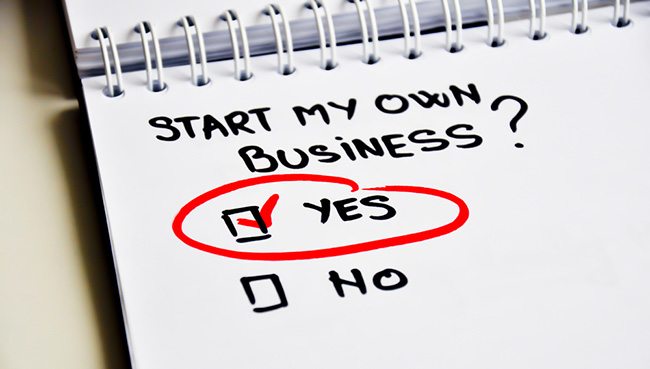
  • Michelle Mone on how to start your own business

    Michelle Mone on how to start your own business

    One of the most important things when starting your business is to come up with a plausible idea. Sounds simple, but this requires a huge amount of thought and passion, as your new business will consume a great deal of your time and money.

    Sometimes good ideas are right in front of you; so why not start up a business based on a need you have yourself that is not properly addressed by existing businesses? Is it something that people would actually pay for? Will it turn enough of a profit to be viable? Ask yourself these questions – and whatever your idea is, be sure it’s as unique as possible! This will help you eliminate or significantly contest the competition, which will in turn help to make your business more successful.

    Once you have your idea, the next big step is to put together a business plan. A good business plan is absolutely essential and has many functions from securing external funding to measuring success within your business. Your plan should include details of your objectives, strategy, sales, marketing and financial forecasts. One of my career mottos is “fail to plan, plan to fail” – and you wouldn’t build a house without a blueprint, so don’t start a business without a plan!

    Next, you need a good, solid business name – something effective, memorable and that will set you apart from your competitors. This would also be the time to explore logos and domain names for your website.

    Now, what about funding? Of course, starting up any type of business requires capital – whether that be through savings, securing a bank loan, grants, crowd funding or business angels. Whatever your route, the task of securing investment is notoriously difficult, so this is the time to employ some determination, tenacity and a thick skin.

    Also, on the financial front, get an accounting and cash-flow system set up before you begin – so you don’t find yourself buried in invoices and receipts a month in. “Cash is king” for all businesses, after all – so maintaining accurate, up-to-date information about cash-flow is absolutely essential from the get-go.


  • How to stop procrastinating and start leading

    How to stop procrastinating and start leading

    Over the past two decades I have been lucky enough to work with dozens of business and political leaders.

    The best leaders are those that are able to make professional decisions quickly based on the information available to them.
    But this does not mean they are immune to procrastination. They are just using tools to manage it.
    Most of us if we walk into an ice-cream parlour struggle to choose a flavour.
    We have eaten ice cream hundreds of times and know all the flavours. But we still stands there at the counter examining the pistachio, chocolate, cookies and cream and salted caramel in the hope that divine inspiration will come to us.
    And that is a simple decision.
    Presented with hard decisions, such as where to invest or whether to enter a new market, can be crippling.
    Kicking hard decisions into the long grass is the easy option. But it is rarely the right one.
    We are told from a young age to not rush to decisions but our gut instinct is usually right.
    In Malcolm Gladwell’s best-selling book Blink: The Power of Thinking Without Thinking he makes a powerful argument for going with your gut.
    He showed that geologists at the Getty Museum in California spent 14 months investigating whether a statue was a fake. Within seconds three different art historians could tell that it was. Their years of looking at masterpieces had given them a gut advantage that experts couldn’t match.
    As a leader in your own field you have years of experience. Do not underestimate how valuable that is.
    While you might want to gather all the information to make the right decision. At a sub-conscious level, within two seconds your mind has gone through thousands of data-points and previous experiences.
    More than 90% of the time you will be right in your decision first time. The decisions that are wrong are wastage. Don’t waste time regretting them.
    Even if you really sweat a decision, waiting until you have every bit of evidence you possibly can get will fractionally reduce your bad decision making. Even if you really sweat a decision you may only reduce your wrong decisions fractionally.
    The extra time it will have taken will have closed other doors to you.
    Shall we enter these awards for this great work we did? Oh dear the deadline to enter has passed. Decision made: no.
    Shall we enter this new market? Oh dear now our competitor is dominating that sector so we can’t get a foothold. Decision made. It’s a no.
    Shall we invest in training for this valuable staff member? Oh dear they have been poached by a rival. So that’s a no as well.
    In your mind procrastination is putting off a decision. But as a leader a lot of the time it is not just putting off a decision. It is allowing time to make the decision for you and that answer is almost always no.
    So here are seven ways to stop procrastinating and regain the most important tool for you as a leader – decision making:
    Split your week:
    Assign yourself days of the week for the jobs you need to do.

    (My week is split into Monday and Tuesday clients and new business, Wednesday content creation, Thursday management, Friday finance)
    Wedge difficult jobs:
    If you have a job you really don’t want to do but keep putting it off, schedule it in BEFORE something you do want to do and force yourself to do it then.
    Deadline decisions: If you need to gather more information to make a decision, set a clear time frame for when you will get that information.
    Do not go back on decisions: Unless circumstances change move on.
    Delegate decision making. You have a team; use them.
    Minimise distractions. Turn off all notifications on your phone and laptop. Tell your staff that you only look at emails at certain parts of the day and do it.
    Two minute rule: Anything you can do in two minutes do it immediately.

    Note: To write this article I used techniques 1,2 and 6.