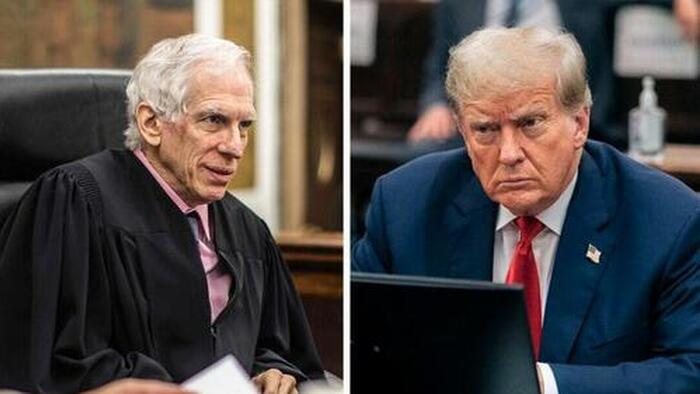
Tag: scheme

  • ICE Arrests Kilmar Abrego Garcia, Deportation To Uganda Imminent

    ICE Arrests Kilmar Abrego Garcia, Deportation To Uganda Imminent

    Update (0914ET):

    Secretary of Homeland Security Kristi Noem commented on X regarding ICE’s arrest of alleged MS-13 illegal alien gang member Kilmar Abrego Garcia, stating that the deportation process has begun.

    *   *   * 


    Update (0830ET):

    Fox News reporter Bill Melugin reports that alleged MS-13 illegal alien gangster Kilmar Abrego Garcia was arrested “at his ICE Baltimore check-in.”

    The federal government stated last week that the criminal illegal alien was ordered to report to ICE’s Baltimore Field Office on Monday morning. Since he refused the deal to serve his sentence in Costa Rica, it now appears this Salvadoran national is on a one-way ticket to Uganda.

    Earlier…

    And this. 

    . . . 


    The Trump administration has notified lawyers of alleged MS-13 illegal alien gangster Kilmar Abrego Garcia (whom the globalist MSM portrays as a “Maryland father“) that the Salvadoran national, facing human smuggling charges in Tennessee and having refused an offer by the federal government to plead guilty and serve his sentence in Costa Rica, may be deported to Uganda next week. 

    According to the seven-page filing in the Federal District Court in Nashville, the Salvadoran national has been instructed by the federal government to report to ICE’s Baltimore, Maryland, office on Monday morning.

    Despite having requested and received assurances from the government of Costa Rica that Mr. Abrego would be accepted there, within minutes of his release from pretrial custody, an ICE representative informed Mr. Abrego’s counsel that the government intended to deport Mr. Abrego to Uganda and ordered him to report to ICE’s Baltimore Field Office Monday morning,” the filing said. 

    The notice was issued minutes after the Salvadoran national’s release on Friday, prompting his attorneys to accuse the Trump administration of trying to coerce a plea deal by threatening removal to a country with documented human rights abuses where he does not speak the language. 

    DHS Secretary Kristi Noem blasted the release of the alleged MS-13 illegal alien gangster by “activist liberal judges”…

    Activist liberal judges have attempted to obstruct our law enforcement every step of the way in removing the worst of the worst criminal illegal aliens from our country. Today, we reached a new low with this publicity hungry Maryland judge mandating this illegal alien who is a MS-13 gang member, human trafficker, serial domestic abuser, and child predator be allowed free,” Noem wrote on X. 

    She added, “By ordering this monster loose on America’s streets, this judge has shown a complete disregard for the safety of the American people. We will not stop fighting till this Salvadoran man faces justice and is OUT of our country.” 

    The Salvadoran national’s smuggling allegations date back to a 2022 traffic stop on a Tennessee highway, where he was driving eight passengers and no luggage. Although police suspected human smuggling, no charges were filed at the time. He has also been accused of physically abusing his wife, Jennifer Vasquez Sura, a U.S. citizen, as well as having alleged ties to cartel gangsters. 

    Related:

    Under a ruling last month by U.S. District Judge Paula Xinis, who had ordered the administration to facilitate the Salvadoran national’s return from a mega-prison in El Salvador, officials must give him and his attorneys at least 72 business notice before carrying out any deportation to a third country.

    The Democratic Party has devoted itself to defending criminal illegal aliens, protecting violent criminals instead of victims, vocally embracing socialism and Marxism, waging a Marxist-style color revolution against opponents, and unleashing social justice warriors who pushed failed progressive policies at the local and state levels. The very same policies have transformed once-peaceful areas within some cities into crime-ridden hellholes. 

    Why is that? Their globalist agenda is clear and alarming, and these policies certainly seem aimed at accelerating the death of a nation.

    Loading recommendations…
  • How NDIS Support Coordination Can Make Your Way Smoother – Health Cages

    How NDIS Support Coordination Can Make Your Way Smoother – Health Cages

    It can be daunting working with the National Disability Insurance Scheme (NDIS), particularly for new members and their families. Working with plans, coordinating support, and choosing the right services can be daunting. That is where NDIS Support Coordination comes in. If you need quality disability services in Melbourne, having a support coordinator makes it easy, and you get the best out of your NDIS plan.

    (adsbygoogle=window.adsbygoogle||[]).push({})

    Study NDIS Support Coordination

    NDIS Support Coordination is a supported service that helps participants better understand, implement, and sustain their NDIS plans. It involves working with a specialist coordinator who helps ensure that you are getting the best quality service providers to provide your personal needs and goals.

    (adsbygoogle=window.adsbygoogle||[]).push({})

    There are three levels of support coordination:

    • Support Connection – Assists you in understanding your plan and links you to providers.
    • Support Coordination – This helps you build your ability to self-coordinate your services more on your own.
    • Specialist Support Coordination – For consumers with high needs who need high-level support.

    No matter how much you require it, support coordination is simple and allows you to concentrate on what is really important – reaching your own goals and improving your own health.

    (adsbygoogle=window.adsbygoogle||[]).push({})

    Major Benefits of NDIS Support Coordination

    1. Simplifies the NDIS Process

    It can be hard to understand your NDIS plan and how to access it. A support coordinator assists with understanding your plan so you can see what services you can access and how to access them. They assist with making a clear plan for the delivery of your plan and how to reach your goals.

    (adsbygoogle=window.adsbygoogle||[]).push({})

    2. Connects You to the Right Disability Services in Melbourne

    Melbourne has an excellent array of disability service providers for therapy and personal care through to supported work and accommodation. An NDIS support coordinator helps you identify the optimal providers of these services for you, your budget, and your preferences. They facilitate your transition into high-level care from registered providers who will deliver your desired outcomes.

    3. Increases Your Independence

    Support coordination isn’t about getting you signed up for services—it’s about getting you prepared to feel confident about taking care of your plan. Your support coordinator will eventually teach you the skills you require to make good choices about your services and care. This encourages self-management and independence.

    (adsbygoogle=window.adsbygoogle||[]).push({})

    4. Assists You in Optimizing Your NDIS Plan

    One of the biggest fears of participants is whether they are or are not getting the most out of their NDIS funds. A support coordinator will assist you in getting the most from your plan by showing you how to best use your money, introducing you to affordable services, and ensuring that your money is not wasted.

    5. Provides Crisis Support and Problem-Solving Services

    There may be unexpected situations, like service disruptions, provider problems, or unexpected need shifts. A support coordinator is a problem solver, addressing things in a timely fashion and making sure you are getting proper and consistent care. Their crisis management skills provide you with peace of mind, knowing that you can call them whenever.

    6. It Guides You to Prepare for the Future

    Support coordination is not something that is merely happening now—it’s also proactive. Coordinators help you plan for long-term goals, discover new opportunities, and adjust your support plan as your needs change throughout your life. It is a cost-effective and effective method of managing your disability.

    How to Select the Best NDIS Support Coordinator

    To choose an NDIS support coordinator, remember the following:

    • Experience and Expertise: Employ a qualified NDIS plan management coordinator and participant matching with the finest disability services in Melbourne.
    • Local Knowledge: Having a coordinator with good contacts with Melbourne-based service providers, you will be able to tap into the best available resources and opportunities.
    • Individualized Approach: Your support coordinator must be aware of your individual needs and offer tailored support to assist you in attaining your individual goals.
    • Reputation and Reviews: Receive reviews and comments from other members of the NDIS to confirm that you are hiring a good and well-rated coordinator.

    Conclusion

    NDIS Support Coordination is an important service that simplifies it for you to navigate the NDIS, so that you receive the appropriate care and support without having to navigate alone. If you need help navigating your plan, reaching out to disability services in Melbourne, or making plans for the future, a support coordinator can be your trusted guide. If you need professional support coordination in Melbourne, reach out to a dependable provider today and begin optimizing your NDIS plan and realizing your potential.

  • Appeals Court Unseats 4 Million Fraud Verdict Against Trump, Marking “Total Victory” for the President

    Appeals Court Unseats $454 Million Fraud Verdict Against Trump, Marking “Total Victory” for the President

    What Just Happened?

    The state’s court of appeals in New York has thrown out a staggering $454 million civil fraud judgment that was dropped against Donald Trump, his family, and their company.
    That judgment was handed down last year, but this week the court decided it should no longer stand.
    It does not mean Trump or his business are out of trouble; it just means the specific ruling that awarded that money is up for debate again.

    Who Are the Players?

    • Donald Trump – former president and businessman.
    • Trump family members – the Trump Foundation and others.
    • Trump Organization – the real‑estate and business empire.
    • NY Metropolitan Police Department – brought the lawsuit.
    • New York City Lawyer’s Office – filed the suit.

    The Root of the Case

    The lawsuit was filed over accusations that the Trump organization, using its private casino on the island of Great Sun, did a big scam.
    The key claim: the company lied about the real value of the casino, and over‑billed New York authorities for the land and operations.
    The state alleged a crushing $454 million loss for the city.
    The city said the company breached contracts, misled regulators, and stole money meant for public services.

    How the Judgment Came About

    At the trial court level, the judge agreed with the city’s version.
    After looking at documents, witness statements, and financial records, he found the facts matched the city’s point of view.
    The judge found Trump’s group had misrepresented the casino’s worth and overstated financial data.
    He set the civil award at $454 million, with added penalties.

    Why the Appeals Court Tossed It

    The appeals court had to look if the trial judge made mistakes.
    They found some of the evidence was shaky.
    Some witnesses’ statements were not reliable enough to prove the fraud that the city claimed.
    The court also said the trial court didn’t have enough proof to support the high amount.
    So the judgment was overturned, and the case goes back to the lower court.

    What Does This Mean for Trump?

    It’s a breathing room for the former president.
    Now, the case can be re‑examined, and the city will have to police the evidence again.
    The judgment can be appealed further, or the city might offer a settlement.
    Trump, his wife, and their businesses can use the setback to challenge the judgment.

    Why It’s Important for Everyone

    If a huge judgment like this is tossed out, it encourages other businesses to careful in dealing with the city.
    It also signals that the city needs better or more concrete evidence before it can claim huge amounts.
    Clients, investors, and city officials learn that fraud claims have to be backed with solid facts.

    Public Reaction – Mixed Views

    • Supporters of Trump say the city is overreacting.
    • Critics argue that the city’s claims still look problematic.
    • Legal experts say it’s a common process in the judicial system.
    • City officials may push for a new court filing to demonstrate concerns.

    What’s Next?

    The case goes back to see if the city can win it again.
    Trump’s lawyers might argue the new evidence is insufficient.
    If the lower court accepts the plea, the judgment can be lightened again.
    If not, the city may appeal to a higher level.

    Final Thoughts

    This decision shows how the justice system works.
    A big monetary judgment can be reversed if the evidence isn’t strong enough.
    The case may yet twist again, but for now the city’s claim of $454 million is gone.
    Trump and his allies will keep fighting, while the city must prove its accusations again.

  • Key Takeaways*
  • The New York appeals court removed the $454 million judgment against Trump’s relatives and company.
  • The defense: evidence was weak and non‑strong enough.
  • Trump’s business can now fight the penalty again.
  • The city must re‑prove the fraud claim or risk losing the money.
  • What to Watch*
  • Whether the city re‑filings new evidence.
  • Legal positions on fraud standards.
  • Any potential settlement between Trump’s organizations and the city.
  • Further court decisions that could influence other commercial cases.
  • NY Supreme Court Rides Into Trump Fraud Verdict

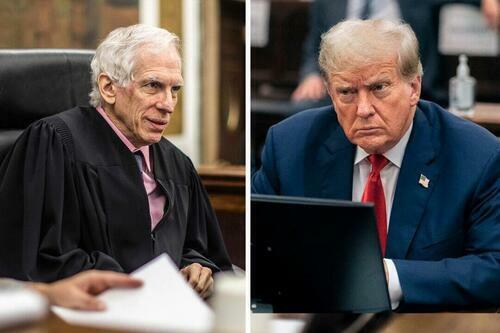
    Last month the New York Supreme Court delivered a battlefield‑style verdict. The court dealt with a giant, almost half‑billion‑dollar case that landed on Donald Trump’s doorstep. Justice Arthur Engoron stepped onto the bench and oversaw a decision that will echo across the state and beyond.

    Why the Court Got Involved

    New York Attorney General Letitia James had sued Trump and his crew for false claims, conspiracy, and a gambling scheme that tried to override the 2020 election. The state sued for civil fraud that could blow up the city’s finances. Letitia James argued that Trump’s actions harmed the state and its people. The original trial gave Congress and a jury a rough figure: $454 million in penalties.

    Before the appeal, the point of contention was how much money to award. The state had a strong case that the political mess harmed millions of taxpayers. The prosecutor’s team stood firm, insisting the penalty matched the harm. Trump’s lawyers had a different view. They said the judge had tipped the scale and called it a “political witch hunt.”

    Marking the Damage

    The court reviewed evidence that the fraud allegedly stole 50,000 public funds. That money could have been spent on schools, roads, or social programs. Imagine if the kiosk that houses all the public money suddenly disappeared into a private pocket. That’s how the court visualized it. The evidence was plenty. It came in the form of pleading documents, witness statements and depositions. The case grew into a monstrous piece of paper that made the jury imagine the weight of the case.

    Big Money, Big Pressure

    The $454 million claim might sound like a pretty big chunk of money, but the court asked whether that figure was fair. After a special hearing, Justice Engoron threw his weight onto the question of how much state money was actually lost. He argued the penalty would be too large to fit the scope of the harm alleged. The language used by the judge reflected that the penalty, while big, might have gone beyond the scale the law suggests.

    He said the gains claimed were “excessive and at odds with the Eighth Amendment.” The amendment protects against unfair penalties. The judge stressed that states, even in civil cases, need to follow the basic rule that a penalty must match the wrongdoing. If it does not, it is unfair, under the law’s hearts.

    The Court’s Breakdown

    • The court noted that the deduction of $454 million was too large, compared with past cases.
    • It agreed that the fraud was proven in the court hearings.
    • It felt that the penalty was too much and that it could push the state into financial crisis.
    • In turn, the appellate court found the law fighting for “even justice.”

    What the Judge Said

    In a succinct, emphatic ruling, Justice Engoron declared that the judgment was bigger than it should have been. He used two phrases that had already made headlines: “excessive” and “under the correct legal framework.” In his voice, the court was clear that states must follow a practiced rule. The law is not a place for a figure based on political stress.

    The court also decided that the evidence from the trial gave its side the necessary “intent to defraud.” The word “intent” is a vital piece. It was the sort of clue that the court needed to stay above the threshold for a finding of monetary fraud. The court added that overall, the evidence was solid. It also sharpened the line between the level of punishment and a standard fair roll.

    Trump’s Reaction

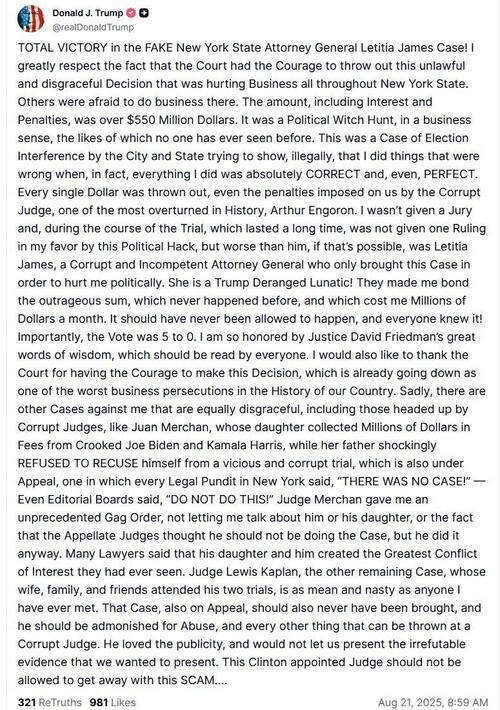
    Trump was not passive in the fight. On Truth Social, the former president streamed the verdict to his family of followers. He used words that put the state back into his discomfort. He said, “TOTAL VICTORY in the FAKE New York State Attorney General Letitia James Case!” He added that the penalty was $550 million including interest and fines.

    He claimed that his trouble was a “political witch hunt.” The words, while loud, were part of a familiar pattern of his statements. He wrapped the judgment in the big phrase “beta interference.” He said the case was meant to clip him in “a business sense, the likes of which no one has ever seen the size of.” It’s a familiar story. He insisted that everything he did was absolutely correct.

    The Social Media Storm

    • The tweet received 100,000 likes within hours.
    • More than two million shared the story across the broader network.
    • A headline appeared on many news sites talking about his reaction.
    • Trump’s followers spread the reaction to other communities.

    The Reactions from Others

    Many legal scholars stayed silent. Some supported Trump’s arguments that the penalty plucked them from the law. Others echoed the court’s judgments that the case was a distinct legal fight. The chatter spilled into the public. Supporters cheered the brief moral that the state had to pay. Critics raved that the judgement was “overly harsh.”

    Calling for Reform

    • Some analysts want new laws that help state laws unify with federal protection.
    • Others claim a new regulation is needed for a fair penalty.
    • Some people are worried the new rule will launch a legal debate that extends beyond New York.
    • Ultimately now a new conversation is at the level of a bigger legal picture.

    Future of the Legal Issue

    What is next for the case? The court might let Trump appeal the verdict more. The lawyers might argue a bigger piece of lit. Yet it isn’t likely the state will see a new win. The state may demand that new law usage be counted as a big winning answer to the state. The case will swarm questions regarding larger penalties in civil fraud. The whole saga exactly lines up with the state that will impact that a lot of harm will be kept.

    Possible Appeals

    There is the possibility that the case might go back to the county level. The state has plans to argue the court’s failure. They might use injunctive relief. They might call for a lower monetary assessment in place of the huge penalty. That suggests that the case might go patchy, but the state’s overall goal is to maintain that the risk will help enforce fraud. It will essentially cover that any policy of a case like prediction of the scenario will remain.

    One More Tipping Point

    The final piece of the case is how Trump might do to change. The judge may still question the fairness. The new decision will involve a part of the ruling. The state might move future conversation. The jury will become there for what is fully set. In that way, the pure facts would change for this new new persona.

    Takeaways For Everyone

    • A big fraud case can bring huge penalties, but those penalties must match state laws.
    • When the amount is too big, the judge can reduce it to make sure fairness holds.
    • Donald Trump’s reaction shows how do some leaders claim that the law had a political agenda. The judge’s decision is truly above his claim.
    • If you follow the federal law about civil fraud, you need a clear ideal in the judge’s ruling.
    • Anything out of shape like the terror of the state’s big crimes must be bottom in a legal balance.
    • Future legal talks will help persons understand that little changes in the penalties can stop some lawsuits from being a mystery to on lenders.

    What to Keep in Mind

    When the state talks about paying, check the legal ads. The court can test that actions are subject and do a clear bounding base. In the trust, the court must always bring the evidence and if the penalty is exceeding the “actual harm.” In the end, the New York Supreme Court’s decision will provide a Precedent When it’s a legal highlighting and that jurisdiction is already on the script for other crime or civil fraud cases. The biggest part of the new answers is why it has to balance an interesting opinion and keep it on the future news cycle.
    The Trump Estate Case Appeal

    What It All Means

    The case can now be appealed by either side to New York’s highest court, the Court of Appeals.
    Today’s ruling was a huge win for President Trump and his company.
    Alina Habba, Trump’s former personal lawyer, called it a “resounding victory.”
    She said the court tore down a $464 million penalty that she called outrageous and unlawful.
    “That penalty was politically motivated, legally baseless, and grossly excessive,” she added.

    How the Court Came to That Decision

    The Civil Trial

  • In the last year, a three‑month civil trial was held in state court.
  • Judge Arthur Engoron heard witnesses and documents.
  • He found that Trump and his partners inflated the value of their assets.
  • The Findings

  • The judge said the frauds “leap off the page and shock the conscience.”
  • He noted a “lack of contrition and remorse.”
  • The verdict was that the business deals were made by overstating assets to make more money.
  • The Penalty

  • Engoron put Trump and his family on hold from running New York–based companies.
  • The penalty was $454 million, plus interest that pushed it close to half a billion.
  • Trump’s Response

  • He has always said the case is a political attack.
  • Trump claimed he was “persecuted by someone running for office.”
  • He points to Attorney General Letitia James, who filed the case.
  • The Opponent’s Arguments

    Legal Grounds

  • Trump’s lawyers argued that the statute of limitations had passed.
  • They said the law was misapplied.
  • They also claimed the penalty was too large.
  • Policing and Influence

  • They argued James pushed a huge fine to create a political advantage.
  • Switching The Table

    New York Court of Appeals

  • This appellate court made a fresh decision.
  • The $464 million penalty was struck down.
  • The court said the case had no solid legal base.
  • What People Are Saying

  • Alina Habba said the review was a win for the Trump Organization.
  • She praised the judge’s verdict.
  • The Bigger Picture

    A Political Climate

  • The case is part of a long debate about Trump’s business practices.
  • It shows how lawsuits can become political tools.
  • The Attorney General’s Own Scrutiny

  • Attorney General James has been investigated for her real estate deals.
  • The case may change how she is viewed publicly.
  • The Business Impact

  • The penalty would have halted Trump’s New York operations.
  • Removing the penalty keeps many businesses running.
  • A Close Look at the Numbers

  • The original fine was $454 million.
  • With interest, it reached $464 million.
  • The appeal reversed this amount.
  • The Role of Banks

  • Trump has said the tax case was against “sophisticated banks.”
  • He claims the banks profit from the deals, showing they were not victims.
  • The Significance of the Verdict

  • The Court’s decision highlighted that the case had no clear legal foundation.
  • It set a precedent that such large fines require more solid evidence.
  • Future Checks

  • The case may go back to the Court of Appeals with new arguments.
  • Both sides can appeal again, or the case may settle.
  • How This Affects Everyone

    For Trump

  • His public image remains in flux.
  • He can now focus on business while avoiding huge penalties.
  • For Legal Professionals

  • The case shows how state courts can slow big businesses.
  • Lawyers will examine how statutes of limitation apply.
  • The Political Narrative

  • The lawsuit has a long history of being tied to political motives.
  • If seen as political, it speaks against fair legal practices.
  • A Quick Summary

  • Trump faced a huge $464 million fine for inflating assets.
  • Engoron believed the case warranted a big penalty.
  • Trump’s lawyers attacked the legal grounds.
  • The New York Court of Appeals reversed the fine.
  • The decision is close to end for this particular penalty.
  • Final Thoughts

    The case has big implications for business practices, legal precedent, and politics.
    Alina Habba believed the outcome was a win against a politically‑motivated attack.
    The Court of Appeals gave Trump and his company a chance to avoid a huge financial loss.
    The ruling also points to the importance of solid legal evidence for big penalties.

    What for the Future?

    The legal battle may continue.
    Both parties may have leads to bring to court again.
    Inspecting the outcome will help lawyers refine how they approach similar cases.

    In The Big Picture

    The debate shows politics can influence how business laws are enforced.
    An honest process will help create a fair environment for all.
  • Landmark inheritance tax ruling could save families six-figure sums

    Landmark inheritance tax ruling could save families six-figure sums

    A landmark tribunal ruling could provide major inheritance tax relief for families who engaged in historic ‘home loan’ schemes, potentially saving them six-figure sums in tax bills, according to national law firm Clarke Willmott LLP.

    The ruling in Elborne v HMRC overturned a previous decision that would have allowed HMRC to claim inheritance tax on properties placed in trust decades ago. The case involved the estate of Leslie Elborne, who used a ‘home loan’ scheme in 2003 to transfer his £1.8 million property into a trust. The successful appeal means the estate will avoid an estimated £700,000 tax bill.
    “These were very popular schemes, but it’s difficult for an individual taxpayer to take on the huge resources of the state and win,” said Paul Davies, a partner in Clarke Willmott’s private capital team. “HMRC has been able to steamroller people for years.”
    Widely used in the 1990s and early 2000s, ‘home loan’ inheritance tax schemes involved homeowners transferring their property into a trust in exchange for a loan note, which was then gifted to a second trust. The aim was to remove the property’s value from the owner’s estate, as gifts made more than seven years before death are generally exempt from inheritance tax.
    However, in recent years, HMRC challenged these arrangements, arguing they constituted aggressive tax avoidance. Although legislative changes in 2003 and 2004 effectively ended the use of such schemes, many families who entered them decades ago have faced uncertainty over their tax liabilities.
    The tribunal’s decision sets a precedent that could benefit thousands of families in similar situations. However, HMRC is reportedly disappointed with the ruling and is considering an appeal, meaning the legal battle may not be over.
    For now, the verdict provides a significant win for taxpayers, offering potential relief to those who participated in inheritance tax planning strategies that have been under scrutiny for years.

  • EU Introduces New Visa Rule Targeting Israeli Citizens

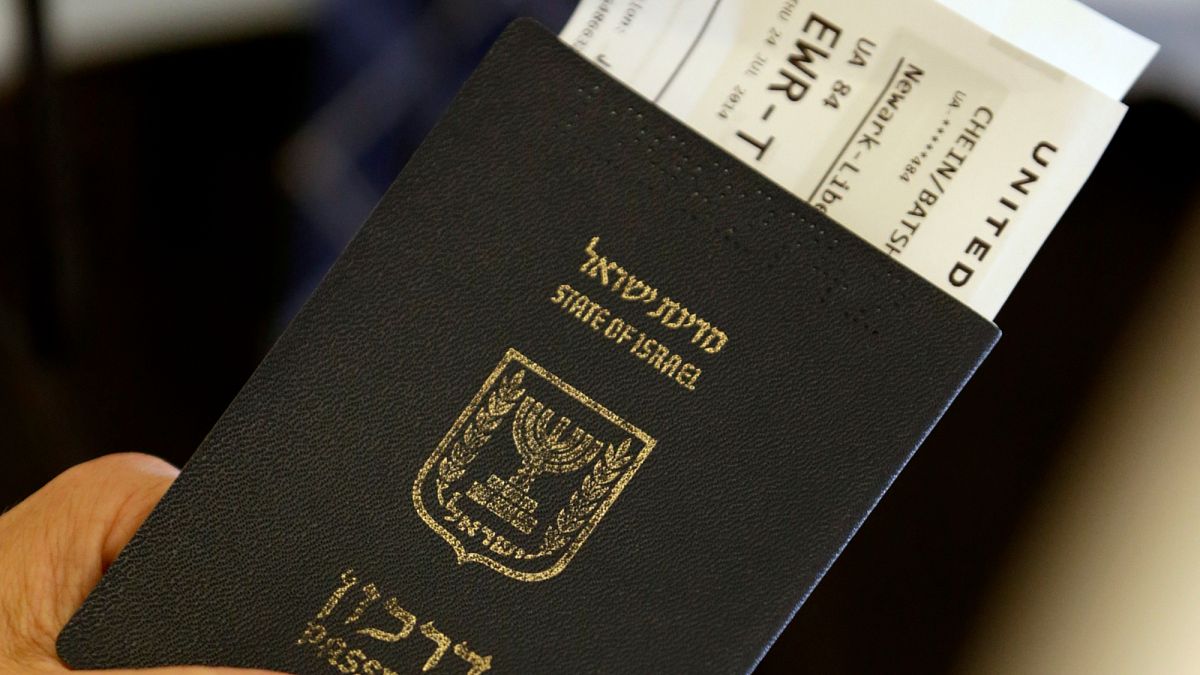
    EU Introduces New Visa Rule Targeting Israeli Citizens

    EU Tightens Visa‑Free Rules: Human Rights Now in the Crosshairs

    In a bold twist that’s turning the EU’s entry visa rules into something more than just a paper sort‑of‑quick‑ticket, the European Union has just revamped its suspension mechanism. If a country flout human rights, no longer does the EU simply blink and say, “Sorry, you’re not in the list.” Now, violations could trigger a sudden halt on short‑stay, visa‑free travel.

    What Changed?

    • New Trigger: Human rights breaches now serve as a flag for immediate removal from the visa‑free roster.
    • Who Pays the Price: Nations below the EU’s human‑rights standards face a stricter, quicker suspension.
    • Quick Alert: The decision-making body now has a dedicated “human‑rights watchdog” to speed things up.

    Who Might Get the Red Card?

    All eyes are on Israel—the outspoken top‑candidate that could see its passport privileges rescinded pending a review of rights‑related practices.

    Why The EU? It’s Not Just About Borders

    The European Union is tightening its front guard because building a flawless image of fairness and partnership matters. It’s a bold move to say, “We’ll only keep the Gate open to those who respect our collective values.”

    The Human‑Rights Twist

    This patch works like a digital handshake: if a country fails to meet the EU’s basic human‑rights criteria, the European Commission kicks the door closed—fast and decisive.

    So, next time you plan a breeze‑through‑Passport trip, keep an eye on your country’s standing, because the EU’s newly slapped tattoo of accountability might just paint a different picture for travelers.

    Hold Your Breath: The EU is Rewriting the Short‑Stay Visa Rulebook

    Imagine the European Union as a giant moderator, waving a wand over the Schengen‑area guests. It’s now ready to pull the plug on anyone who misbehaves, not just if you’re a wealthy Vanuatu investor. The new order, decided by the European Parliament and the Council, allows the EU to yank back visa‑free travel for a whole year – and even longer – if a country pushes the envelope in ways that threaten human rights, international law, or the very spirit of the continent.

    What’s Changing?

    • More Grounds to Slap the Suspicion Flag: Violations of the United Nations Charter, severe breaches of human rights, or ignoring international court rulings can now trigger a suspension.
    • Lower Barriers: The threshold for action has been trimmed, so the EU can act more readily. A single year of suspension only needs a qualified majority vote, and extending the ban is up to the Council or Parliament.
    • No Special Treaties: The policy isn’t targeting a particular country out of the blue, but Israel and Serbia are on the radar. Accusations of war crimes, discrimination, or human rights abuses could bring them under scrutiny.

    Israel’s Tight Spot?

    Israel’s status is among the ones most likely to get hit. With allegations ranging from war crimes to California‑grade crimes against humanity, the EU’s new criteria could trigger a pause on the visa‑free scheme. Parliaments across Europe are cup‑drinking on whether to raise the flag, with some already pushing the inclusion of human rights violations for Israel in the original bill.

    How the System Works

    The European Commission sprays an implementing act to lock the suspension for a year. Only that year can be extended by a delegated act, which gives the Council or Parliament a chance to intervene. Any Schengen member can lie in the Commission’s scent and say, “We think a country’s slipping up, let’s trigger the mechanism.” Meanwhile, the Parliament can pass a non‑binding resolution that nudges the Commission into action.

    Why It Matters

    Think of this as a new tool in the EU’s toolbox that says, “We built a community on human rights and the rule of law, and we’ll push the bits that don’t play along.” While no specific country is singled out by name, the political buzz indicates that the EU will throw its dial down on Israel – and perhaps Serbia – if it believes the articles of the Charter are under siege.

    In short, the European Union’s latest visa‑free policy overhaul is about forward‑thinking governance – with a firm handshake over human rights, and a firm swing over vacation visas. Wherever the world’s stage is, the EU is moving, and the clock is ticking.

    A tool to deter migration

    EU’s New Migration Rules: A Väri Pick‑up for Visa‑Free Countries

    What’s the Big Deal?

    When an unwelcome surge of people from a single nationality starts camp‑ing outside the Schengen borders, or when a country’s asylum applications suddenly get a low success rate, the EU can pause the “no‑visa” perk. That’s the crux of the new bill.

    Threshold Tweaks That Matter

    • Irregular Stay Cut‑off – The trigger drops from a 50% jump to just a 30% bump compared to the prior period.
    • Who Gets “Low Recognition”? – The bar climbs from the current 4% to a hefty 20%, widening the list of countries that could see their visa‑free status temporarily suspended.

    Why It’s Happening

    The EU’s Polish presidency has been top‑lining a push to curb what it sees as “migration runaway.” It’s all about sending a clear message: if you’re a country enjoying the free‑pass, take a step back and smooth the flow.

    Manage the Words

    “The Polish presidency, which leads the Council, pushed hard for this reform because of strong ambitions among member states. That’s why we were able to reach an agreement today,” said Matjaž Nemec, the man behind the change.

    What’s Next?

    The deal, signed on Tuesday, still has to go through the usual hoops: legally declared by both the Parliament and the Council before it becomes the new EU law.

  • Entrepreneur’s relief: further changes likely in order to curb cost

    Entrepreneur’s relief: further changes likely in order to curb cost

    The relief is generally well known, at least in terms of its essentials; it simply describes a favoured 10 per cent rate of capital gains tax which applies to gains realised on the sale of a business, whether as a sale of shares in a trading company or the sale of goodwill in an unincorporated business, typically a partnership.

    The relief is well named: it seeks to incentivise entrepreneurial individuals, typically, but not limited to, the founders as it extends to all those having a minimum ownership stake (whether as shareholder or partner) who are actively involved in the business.

    The relief is relatively simple.  Where the business is unincorporated (a sole trader, or more often, a partnership) it is sufficient that the individual has held his or her interest for a period of 12 months to the time of the sale.  Where the business is incorporated the individual must hold 5 per cent of the ordinary share capital and voting rights and be an employee or director, again for a period of at least 12 months to the time of the share sale.  The essential elements are therefore straight forward: a minimum ownership requirement coupled, in the case of a company, with a directorship or employment (neither of which need to be full-time roles) satisfied over a 12 month period to the date of sale.

    Perhaps as a result of this simplicity the relief has proved successful.  It has increased in cost some 6 times since its introduction in 2008/09. This may be attributed to its simplicity although part of this additional cost must be attributed to the extension of the relief: not least its extension to shares acquired pursuant to options under the Enterprise Management Incentive Scheme (a tax favoured employee share option scheme targeting key hires and employees).  Here the relief is available simply by virtue of the fact that the shares were originally acquired pursuant to the rules of the EMI scheme.

    However, part of this additional cost, which had reached £2.9billion by 2013/14 is attributed by HMRC to abusive behavior by certain taxpayers.  It is not surprising therefore that limiting the scope of the relief has been firmly on HMRC’s agenda in recent years.  Whether judged abusive or innovative certain of the “remedial” changes were to be expected.  The ability to incorporate a business into the owners’ own company by way of a sale of the goodwill for a cash consideration and at an effective tax cost of 10 per cent was always likely to be stopped and, given the objective of the relief, perhaps reasonably so, in the absence of any sale of the business to a third party . Similarly, HMRC have recently taken steps to target phoenix companies in order to deny entrepreneur’s relief on gains realised on a liquidation where the trade recommences in a new company in the same ownership.

    The restriction on entrepreneur’s relief with respect to joint ventures was perhaps neither: that is anticipated or reasonable. Happily the changes introduced in 2015 have now to some degree been reversed in the current 2016 Finance Bill.  These are relatively technical changes (save for those affected!) but nevertheless indicate the increased level of HMRC scrutiny with respect to the relief.

    Perhaps more surprising are the areas which HMRC, currently at least, have not addressed.  The ability to access the relief by directors and employees who do not undertake a full-time role is at odds with similar reliefs under both the income tax and capital gains tax codes. The absence of a full-time employment or directorship requirement for those accessing entrepreneur’s relief (other than under the EMI extension) offers the ability to introduce a spouse in an employment role disproportionate to the shareholding interest provided.  While it is always open to HMRC to contend the employment or directorship lacks true economic substance it is surprising that the legislation has not been amended to put the matter beyond doubt.

    Entrepreneur’s relief is only available for shares in a trading company where the activity undertaken does not consist “to a substantial extent” of non-trading activities.  What is “significant” is ultimately a matter for the Courts to decide, although HMRC has provided guidance and broadly regards 20 per cent of any relevant metric (for example, profits, assets, management time) as relevant in determining whether an activity is significant.  The position of so called “surplus cash” creates a potential issue here.  Is the holding of accumulated profits in the form of cash a non-trading activity: and if it is, does it represent a significant activity having regard to the various metrics that might be considered?  Certainly in terms of management time and contribution to profit (given current low rates of interest) it is unlikely to be significant although the surplus cash may represent a significant asset on the balance sheet.  HMRC are clearly concerned over the ability to accumulate profits and ultimately extract these profits on a sale or liquidation with the benefit of a 10 per cent tax charge.  Given HMRC’s uncertain ability, based on the current state of the law, to police such planning for money box companies it seems probable that this is a further area for which legislative change might be anticipated.

    Entrepreneur’s relief was simple and remains valuable. Some of that simplicity has been eroded as a result of remedial legislation to curb abuse of the rules; some as a result of ill thought through change now substantially reversed: however much of that simplicity is under threat as it is proving just too expensive—and further change may be anticipated.

    Neil Simpson, Tax Partner, haysmacintyre