Tag: shaped

  • What does Building Back Better really mean for SMEs?

    What does Building Back Better really mean for SMEs?

    As the country returns to some degree of normality, so the drive to create jobs and tackle the current high levels of unemployment steps up a gear.

    For businesses, this cross-roads raises many questions; is now the right time to be investing in staff for the future? What schemes are out there to support businesses looking to take on new staff and get back on track? And how should all this be navigated within an environment of uncertainty?
    The Government mantra of ‘Building Back Better’ is well worn and for many businesses may seem a little over ambitious. After all, surely most would be content with ‘Building Back’ – at least in the short term.
    But as challenging as it may be, there is a strong argument for thinking beyond the immediate months ahead. Firstly, because of the plethora of Governments schemes and incentives in place to support businesses with their recruitment needs. And secondly, because if the pandemic has shown anything, it’s that people are what makes businesses a success; and investing in them is key.

    Apprenticeships

    Significant funds have been directed towards incentivising apprenticeships. Employers can claim a £3,000 government grant for taking on an apprentice, and those businesses that do are rewarded with employees committed to the cause and with a developing skillset fit for the business. Yet recent government figures show that the number of people starting apprenticeships has dropped by 19 per cent since this time last year. And even more worryingly, less than a quarter of starts so far in 2020-21 have been among the under-19s.
    It’s understandable that businesses are cautious about recruiting given the uncertainties of the current climate. But for those looking to build a workforce shaped around business need, with a focus on youth and sustainability, then apprenticeships are an excellent option. Apprentices train on the job and can add a huge amount to companies looking to build back better.
    For example at Catch22 we’ve recently launched our hospitality apprenticeship offer – Step22 – alongside some big hospitality names including Compass Group, Diageo and Hej! Coffee. Using the apprenticeship levy, we work with businesses of all sizes to source and train great staff in the hospitality sector – a sector which is only set to grow as we emerge from the pandemic.
    SMEs who aren’t large enough to pay the apprenticeship levy can benefit from levy-transfer – where they pair up with large organisations who have a levy underspend. Some of that underspend can then be transferred to the SME to spend on apprentices. That mechanism, coupled with the financial support currently available from government to take on apprentice, makes now as good a time as any to explore this option.

    Pre-apprenticeship and pre-employability programmes

    Taking on someone who hasn’t had experience in the sector or role to which your recruiting is inevitably a risk. But the growth in pre-employability programmes increasingly means young people are able to skill up and get job-ready  – equipping them well for that first employment opportunity. At Catch22 we deliver digital skills training programmes with our partners Microsoft and Salesforce, general employability skills through Barclays Connect with Work and our newly launched Horizons employability programme supported by J P Morgan and Chase is initially aiming to place 400 people into meaningful jobs who currently face barriers to work.
    All these programmes work with businesses of all sizes looking to recruit new talent into their workplace – with the knowledge that their person they take on with have been prepared for the job and will be continued to be supported during the first 6 months of their role.

    Kickstart

    The government’s flagship youth employment scheme – Kickstart – offers 16–24-year-olds currently on Universal Credit and at risk of long-term unemployment a six-month paid placement for 25 hours a week, and a salary at the National Minimum Wage or higher (dependent on their age). This has the potential to make a real difference to young people, but uptake from businesses so far has been relatively low. The London Chamber of Commerce and Industry (LCCI) found that only 16 per cent of firms surveyed would be looking to take up the Kickstart scheme.
    Partly this low uptake may be due to a lack of awareness of the scheme and how it works or the fact that the roles have to be new. But again, Kickstart – if done well – can not only give young people a step onto the employment ladder but can be hugely beneficial to businesses.
    Key to the success of Kickstart from both the employee and the employer side is suitability and sustainability. Suitability in the sense of making sure that the candidate matches the role; that they are properly supported before they apply and while they’re in post, and that there is match between business need and employee skillset. Sustainability in the sense that placements are not just for short-term projects that end after 6 months and leave the candidate back on the job market. Roles that evolve over the 6 months and result in permanent posts, or equip young people with the skills to progress onto another meaningful role, will benefit industry and individuals alike.
    There are many good Kickstart gateway providers, such as Kickstart Community, taking this exact approach – supporting candidates and employers before and during placements. SMEs can work with these providers to increase the likelihood of their placements being successful.

    Restart

    The Restart Programme
    is aimed at individuals who have been out of work for longer periods – and is kicking off on 28th June. Across UK regions, there will be a number of providers working with individuals (referred through Job Centre Plus) to equip them with the skills and confidence to secure a job. A key part of Restart will be working with local businesses across all industries to place candidates into suitable roles – so from July, there will opportunities for businesses to recruit directly from Restart in their local area.
    Determining the best path for your business needs isn’t easy, and the range of options available adds another layer of complexity. But there is support out there. Attracting the best talent and retaining that talent has always been important for business; and now perhaps, it’s more important than ever.

  • The Cornea: Your Eye's Essential Window – Health Cages

    The Cornea: Your Eye's Essential Window – Health Cages

    Introduction:

    Corneal typically refers to anything related to the cornea, which is the clear, dome-shaped surface that covers the front part of the eye. The cornea plays a crucial role in focusing light into the eye and protecting the eye from debris and foreign objects. It’s a highly specialized tissue that must remain clear for good vision. Issues with the cornea, such as infections, injuries, or diseases, can affect vision and require medical attention.

    (adsbygoogle=window.adsbygoogle||[]).push({})

    In this blog we’ll discuss these topics:

    (adsbygoogle=window.adsbygoogle||[]).push({})

    What is corneal

    “Corneal” refers to anything related to the cornea, the transparent, dome-shaped surface covering the front of the eye. The cornea plays a crucial role in vision by focusing light that enters the eye, accounting for about two-thirds of the eye’s total optical power. It also provides a protective barrier against dirt, germs, and other particles.

    (adsbygoogle=window.adsbygoogle||[]).push({})

    The Cornea’s Key Roles

    1. Crystal Clear Vision: The cornea’s transparent nature allows light to enter the eye, acting as the first lens to bend light rays and focus them on the retina, enabling sharp vision.
    1. Protective Barrier: Serving as the eye’s first line of defense, the cornea protects against dust, debris, and harmful microorganisms, helping to maintain eye health.
    1. Maintaining Shape: The structure of the cornea is vital for preserving the overall shape of the eyeball, which is essential for maintaining proper internal pressure and ensuring optimal eye function.
    The Cornea: Your Eye's Essential Window - Health Cages

    Common Corneal Conditions

    The cornea, the clear, dome-shaped surface at the front of the eye, can be affected by various conditions. Here are some of the most common ones:

    (adsbygoogle=window.adsbygoogle||[]).push({})
    1. Corneal Abrasion: A scratch or injury to the cornea, often causing pain, redness, tearing, and sensitivity to light.
    1. Corneal Ulcer: An open sore on the cornea is usually caused by infections, which can lead to severe pain, blurred vision, and potential vision loss if untreated.
    1. Keratitis: Inflammation of the cornea that can result from infections (bacterial, viral, fungal) or non-infectious causes like dry eyes or injury, leading to redness, pain, and vision problems.
    1. Corneal Dystrophies: A group of genetic disorders where parts of the cornea lose their clarity due to the buildup of cloudy material, affecting vision over time.
    1. Keratoconus: A progressive condition where the cornea thins and bulges into a cone shape, causing distorted vision and increased sensitivity to light.
    1. Dry Eye Syndrome: A condition where the eyes don’t produce enough tears or the tears evaporate too quickly, leading to discomfort, blurred vision, and a gritty sensation.
    1. Fuchs’ Dystrophy: A disease where the corneal endothelium (inner layer) gradually deteriorates, causing swelling, glare, and vision loss, particularly in the morning.
    1. Pterygium: A benign growth of conjunctival tissue that can extend onto the cornea, potentially causing irritation, redness, and vision obstruction if it grows over the pupil.

    Understanding these conditions can help in early detection and treatment, ensuring better eye health and vision.

    Advanced Solutions for Corneal Conditions. Trusted Expertise.

    (adsbygoogle=window.adsbygoogle||[]).push({})

    Other illnesses that may impact your cornea

    Several illnesses and systemic conditions can impact the cornea, affecting its health and function. Here are some notable ones:

    1. Diabetes: Can lead to diabetic keratopathy, causing corneal abnormalities such as reduced sensitivity, delayed healing, and an increased risk of infections and ulcers.
    1. Herpes Simplex Virus (HSV): Can cause herpes simplex keratitis, an infection of the cornea that leads to inflammation, scarring, and potential vision loss.
    1. Herpes Zoster (Shingles): When affecting the eye, it can cause herpes zoster ophthalmicus, leading to corneal inflammation, scarring, and chronic pain.
    1. Rheumatoid Arthritis: Can lead to secondary Sjögren’s syndrome, causing severe dry eyes, inflammation, and potential damage to the cornea.
    1. Thyroid Eye Disease (Graves’ Disease): Can result in exposure keratopathy due to the inability to close the eyelids fully, leading to dryness and corneal damage.
    1. Vitamin A Deficiency: Can lead to xerophthalmia, causing severe dryness, corneal ulcers, and in extreme cases, corneal perforation and blindness.
    1. Stevens-Johnson Syndrome (SJS): A severe reaction affecting the skin and mucous membranes, including the eyes, leading to corneal damage, scarring, and vision loss.
    1. Ocular Rosacea: Associated with rosacea, it can cause inflammation of the cornea, leading to dryness, irritation, and potential corneal ulcers.
    1. Lupus: An autoimmune disease that can cause secondary Sjögren’s syndrome and other inflammatory conditions affecting the cornea.
    1. Kawasaki Disease: Affects children and can lead to keratitis, with inflammation potentially resulting in corneal damage and vision problems.

    Taking Care of Your Cornea

    Maintaining corneal health is essential for clear vision and overall eye health. Here are some tips to keep your cornea in optimal condition:

    1. Practice Good Hygiene: Wash your hands thoroughly before touching your eyes or handling contact lenses to prevent infections.
    1. Use Contact Lenses Properly: Follow your eye care professional’s instructions on the correct use, cleaning, and replacement schedule of your contact lenses to avoid infections and other complications.
    1. Protect Your Eyes: Wear protective eyewear, such as safety goggles or sunglasses, to shield your eyes from dust, debris, harmful UV rays, and potential injuries.
    1. Avoid Eye Rubbing: Rubbing your eyes can cause micro-abrasions and increase the risk of infection, especially if your hands are not clean.
    1. Stay Hydrated: Drinking plenty of water helps maintain the moisture balance in your eyes, preventing dryness.
    1. Follow a Healthy Diet: A diet rich in vitamins A, C, and E, omega-3 fatty acids, and antioxidants supports corneal health. Foods like carrots, leafy greens, fish, nuts, and citrus fruits are beneficial.
    1. Manage Chronic Conditions: If you have diabetes, rheumatoid arthritis, or other systemic conditions, work with your healthcare provider to manage them effectively to reduce their impact on your eyes.
    1. Avoid Smoking: Smoking can worsen dry eyes and increase the risk of eye diseases, affecting corneal health.
    1. Regular Eye Check-Ups: Routine eye exams can help detect early signs of corneal issues and other eye conditions, allowing for timely treatment.
    1. Address Dry Eyes: Use lubricating eye drops if you experience dry eyes, especially if you work in a dry environment or spend long hours on digital devices.

    Following these tips can help ensure your cornea remains healthy, contributing to clear vision and overall eye wellness.

    Conclusion

    The cornea is an essential part of the eye, crucial for clear vision and overall eye health. Understanding its anatomy, functions, and common conditions can help you take proactive steps to protect this vital structure. Recognizing symptoms and seeking prompt medical attention for any corneal issues is crucial for maintaining optimal eye health. By practicing good hygiene, using contact lenses properly, protecting your eyes, staying hydrated, following a healthy diet, managing chronic conditions, avoiding smoking, and having regular eye check-ups, you can safeguard your cornea. These measures contribute to preserving clear vision and ensuring your eyes remain healthy throughout your life.

    Faq’s 

    Q1. What is the cornea?

    A1. The cornea is the clear, outer layer of your eye. It covers the iris (the colored part) and the pupil (the black part). It helps light enter your eye.

    Q2. What does the cornea do?

    A2. The cornea has three main jobs:

    • Protection: It keeps dust, germs, and other things out of your eye.
    • Refraction: It helps bend and focus light so you can see clearly.
    • Focusing: It helps focus light onto the retina (the back part of the eye) without scattering the light.

    Q3. What is corneal damage?

    Q3. Corneal damage means the clear part of your eye (the cornea) is hurt. The cornea helps you see by working with the lens to focus images on the retina.

    Q4. Where is the cornea in the eye?

    A4. The cornea is at the front of your eye. It’s a clear, dome-shaped layer that covers your iris and pupil. It protects your eye and helps you see by filtering out some UV rays and focusing light.

    Q5. What causes cornea problems?

    A5. Cornea problems can be caused by:

    • Keratitis: Inflammation of the cornea, often from infections, especially if you wear contact lenses.
    • Dry Eye: When your eyes don’t make enough tears to keep them wet.

    Q6. Why is the cornea important?

    A6. The cornea protects your eye and helps you see clearly. It refracts (bends) light as it enters the eye, which helps focus the light onto the retina. This bending of light is responsible for most of your eye’s focusing power.

    Keep your eyes healthy, explore our in-depth blog for valuable information:

  • Estonia’s remote islands may be Europe’s best-kept travel secret. Here’s why

    Estonia’s remote islands may be Europe’s best-kept travel secret. Here’s why

    These secluded Estonian islands offer solitude, nature, ancient architecture and abundant wildlife for a more rejuvenating holiday.

    ADVERTISEMENT

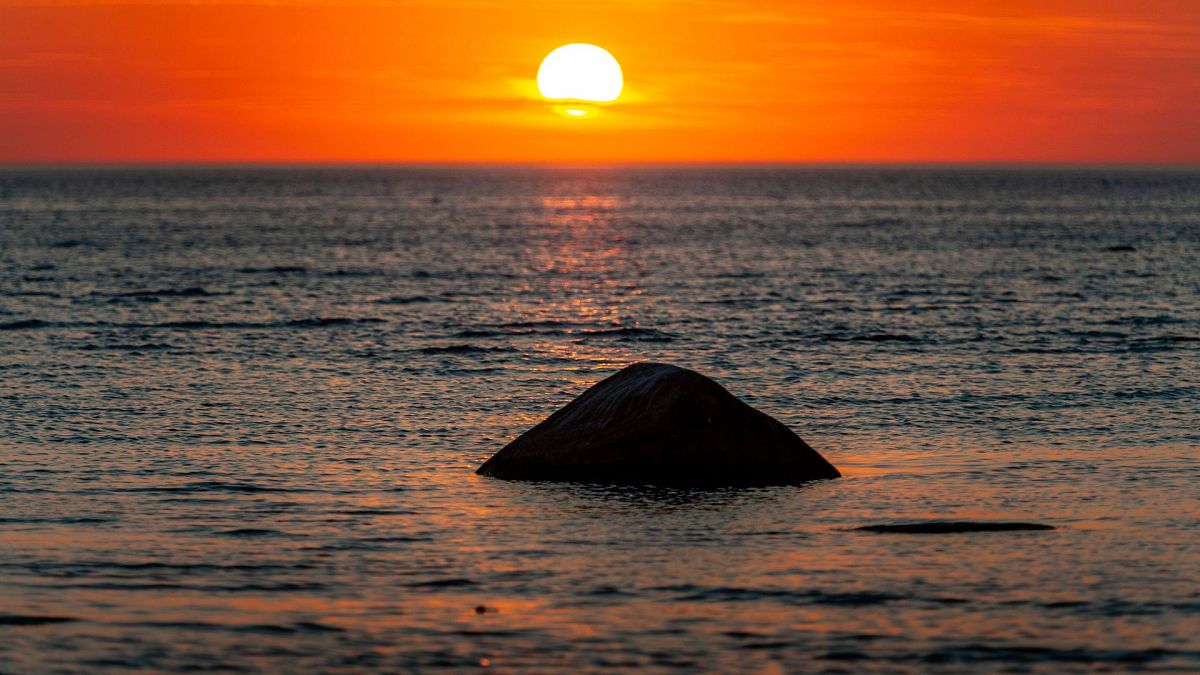
    On a crisp morning in late June 2021, Meelis Kitsing, and her then eight-year-old daughter cycled along a sandy path on Ruhnu, one of Estonia’s most remote islands. As they reach the shore, with the sea a sheet of shimmering silver, her daughter looks around, puzzled. 
    “Why did we come here?” she asks.

    “To go to the beach,” replies Kitsing. 
    Her daughter pauses, scanning the horizon, kilometres of untouched sand stretching into the distance in every direction, with not a soul in sight. 
    “But…there are no people.”
    Kitsing, rector of Estonian Business School, tells Euronews Travel that for her daughter, beaches in mainland Estonia or on larger islands such as Hiiumaa usually mean at least a handful of other people. 
    “On our trips to South Asia or Greece, finding a patch of sand without a neighbouring sun lounger is nearly impossible. That day, with the air in the mid-twenties, the water over 20 degrees Celsius, and the sun warm on our faces, it felt like the Mediterranean in early October but without the crowds,” she says. 

    With many of Europe’s most popular holiday destinations threatened by overtourism, travellers are increasingly looking for pristine spots where they can enjoy some solitude and rejuvenate away from bustling cities. 
    Increasingly common extreme weather events such as heatwaves, droughts and wildfires in traditional beach destinations in Greece, Cyprus and Spain have also led to travellers choosing relatively cooler beaches in the Baltics. 

    Related

    How good is ChatGPT at planning holidays? I put it to the test on a weekend trip to TallinnChoir practice: Thousands celebrate traditional Estonian song and dance in Tallinn

    The rise of digital nomadism has also led to remote workers looking for more peaceful places with good internet connectivity, where they can immerse in local culture, but still work without too many issues. 

    “The opportunity to be a digital nomad means tourists can spend longer in a place and get to know it better. Also, lesser-known places are likely to be cheaper to stay for longer periods of time than tourist hot-spots like Barcelona or Lisbon,” says Professor Graham Miller, academic director of the Westmont Institute of Tourism and Hospitality at Nova School of Business and Economics. 

    Singing sands and ancient churches

    Part of a larger archipelago with other islands such as Muhu, Saaremaa, Kihnu, Vormsi and Hiiumaa, Ruhnu is one of the least visited islands in Europe. Located about 70 kilometres off the Estonian coastline, it has a population of only 150 official residents. 
    The island is part of the UNESCO “Man and Biosphere” programme, which finds ways to encourage sustainable development, while protecting ecosystems and improving human livelihoods. 
    One of Ruhnu’s highlights is the singing sands on Limo beach, which produce a high-pitched squeaking sound when walked upon. 
    The island’s lighthouse is a testament to French engineering, with a unique metal structure. Designed by engineer Louis Édouard Lecointre, its assembly parts were produced in France at the Forges et Chantiers de la Méditerranée shipyard in Le Havre. The lighthouse is the only preserved one of its kind in the Baltic Sea region, having been operational for more than 100 years. 
    Ruhnu also has the oldest wooden church in Estonia still in use, the Ruhnu wooden church, built in 1644. Side by side stands a newer stone church, built in 1912. For more local history, visit the Korsi Farm, a well-preserved example of a traditional Swedish farmhouse from the island’s Swedish settlement period and the Ruhnu Museum for historical documents and ancient artefacts. 

    Related

    Kissing black bread: Fine dining on the shores of the Baltic in Estonia’s capital city

    Ruhnu is also renowned for rare wildlife such as its native sheep breed, the Estonian Ruhnu sheep, as well as red foxes, roe deer and seals, among others. Bird species such as the long-tailed duck and the velvet scoter can also be seen. 
    “You should definitely experience forest bathing – lying on moss under pine trees, walking on kilometres-long empty picturesque beaches with singing sands, and having a picnic in coastal pastures with diverse nature brings you into contact with the natural world,” Mihkel Urmet, co-founder of sustainable seaweed cultivation company Planet Ruhnu, says. 
    “There are secret beaches that no one else will visit, mystical trees and visible ruins from ancient eras, opportunities for spotting rare birds and viewing seals sitting on stones.”
    For an authentic taste of Ruhnu, tuck into local delicacies such as Baltic herring and smoked flounder. Visitors can also forage for wild blueberries and mushrooms in the forests. 
    “Have a beer with locals and ask about stories of the bear who visited the island, or inquire where one can taste seal meat or try a gin and tonic made with local seaweed gin. Participate in workshops about bobbin lace or register for the super fun violin camp, try to buy tickets to Estonia’s smallest festival RuhnuRahu, see the sunset from the top of the lighthouse, or ask local fishermen to take you fishing,” Urmet says.
    You can stay in a range of accommodations, from modern holiday houses to traditional farm stays and glamping, such as Antsu Ait, Liise Farm and Ruhnu Beach Glamping. 
    Visitors can travel to the island by a small eight-seater plane in winter or by ships which can accommodate around 50 people in summer. Travellers can also take a ship from Latvia to Ruhnu in summer. 

    Related

    From warzones to tropical islands: Meet the 19-year-old solo traveller who has visited 118 nationsPolar bear sisters Skadi and Kaja settle into Tallinn Zoo

    Swedish heritage and peaceful meadows

    Another remote island, Vormsi, is also relatively overlooked by visitors and features rich Swedish culture and heritage, influenced by the island’s history as a Swedish-speaking settlement. 
    Visit the distinctive Vormsi Cemetery, with centuries-old wheel crosses made from sandstone and limestone. These are usually found only in areas settled by coastal Swedes. Traditional wooden houses dot villages like Sviby and Hullo, whose linear layout and architecture also showcase Swedish influence. 
    Explore the Vormsi Farm Museum for a glimpse into traditional island life in the early 20th century, or head to St.Olav’s Church, a 14th-century church in Hullo. Visitors can learn about the island’s maritime history and culture as well at Sviby Port. 
    Outdoor lovers can find many activities, like birdwatching for rare species like corn crakes and cycling. Hike along the Rumpo Hiking trail, with beautiful views of the Rumpo peninsula, renowned for its diverse landscapes and juniper trees. 
    Catch a glimpse of protected species such as the long-eared bat and natterjack toad, if you’re lucky. You can also see wild boar, lynx and the occasional bear. 
    With peaceful meadows, forests and coastal landscapes, Vormsi offers visitors a true chance to slow down and recharge. 
    Here you can choose from homestays like Ada Homestay, camping options like Diby Camping and guesthouses like Elle-Malle’s Guesthouse. 

    Matriarchal culture and handicrafts

    Kihnu Island, another less-visited island, has been recognised by UNESCO for its unique cultural space, which features a prominent matriarchal society. 
    Women usually manage daily life, as well as activities such as dances, music and handicrafts, whereas men take care of fishing and seafaring activities. The island also has its own dialect, which is taught in schools and is different from standard Estonian. 
    Wear a kort, a traditional bright red wool skirt, while you try your hand at a knitting or weaving class, or participate in local folk singing and dance masterclasses. 
    Visit the Kihnu Museum to learn more about island heritage and history, or explore the Kihnu Cemetery, which is sacred to islanders. Follow up with a trip to the Kihnu Lighthouse, which was originally brought from England in pieces. 

    Related

    Looking for a slow travel holiday this year? Head to these top destinations for a mindful breakFewer flights, more immersion: What is ‘tripchaining’ and could it help you travel more sustainably?

    You can rent a bicycle and explore the island, go fishing or take a yacht trip to Pärnu. 
    The island hosts a number of festivals too, such as the Kihnu Sea Festival, the Baltic Herring Festival, the knitting festival, the sauna festival, the midsummer festival and the violin festival. 
    Like Ruhnu, Kihnu also offers a variety of guesthouses, farms and glamping options like Kastani Guesthouse, Risti Farm and Glamping & Homestay in Kihnu. 

    Stay in a nature reserve on Abruka Island

    Abruka Island gives visitors the chance to visit and stay on a nature reserve, containing Europe’s northernmost protected broadleaf forest. Keep an eye out for white-backed woodpeckers, black grouse, pygmy owls and white-tailed eagles, among others, from the island’s bird observation tower. 
    Go to the Abruka Museum for insights into island history and culture, as well as a disc golf course and an ice-cream shop. 
    Explore the broadleaf forest and visit the Lippmaa linden tree, a uniquely shaped linden tree named after the botanist Teodor Lippmaa, or wade through the water to Vahase Island, to see the giant boulders.
    Hunt for the mysterious chiming rock on the northern end of Abruka, which is believed to grant wishes to the one who finds it and knocks on it, or head to the Abruka chapel for a quiet moment. 
    Choose between guesthouses, hotels and vacation rentals such as Ekesparre Boutique Hotel, Merily Guest Accommodation and Vahtra Talu, which offers a hot tub, sauna and BBQ facilities. 
    The island is reachable by boat from Roomassaare on Saaremaa island; however, travellers need to check schedules in advance due to potential weather issues.