Tag: shipping

  • Advanced submarines, strategic bases: Here's what we know about Iran's naval capabilities

    Iran’s navy ranks highly among the world’s top fleets and is actively expanding its capabilities with advanced submarines and warships – deployed to strategic locations – strengthening its influence in the Gulf region and the Indian Ocean.

    ADVERTISEMENT

    As attention turns to how Iran might respond to the recent US strikes, a key question is the extent to which it can target US interests in Gulf waters.
    Despite the ongoing confrontation, Iran’s navy has so far played no visible role in the conflict with Israel.

    This raises the question: is the regime in Tehran leveraging its naval fleet, and what capabilities does it actually possess?
    While Iran is often seen as a primarily continental power, the Persian Gulf and the Gulf of Oman represent both its first and last lines of defence.
    Since the 1979 Islamic Revolution, Tehran has worked to build a layered naval structure divided between the regular army and the Islamic Revolutionary Guard Corps (IRGC), combining larger warships and smaller attack boats, conventional submarines, and drones.
    Though Iran’s navy is not capable of competing with the world’s major naval powers, it has developed a specialised force based on asymmetric warfare, indigenous technology, and strategic deployment, ensuring it remains a constant threat to any hostile move in the Strait of Hormuz or the Gulf of Oman.

    The regular force: Iranian fleet past and present

    The Iranian Navy (IRIN) is the official branch responsible for operating the country’s regular naval fleet, including submarines and larger warships. It comprises over 18,500 personnel and more than 100 vessels, including ships and submarines.

    Its operations span both the Persian Gulf and the Caspian Sea, focusing on protecting Iran’s territorial waters, securing vital shipping lanes, and deterring any violations of Iranian sovereignty.
    According to Global Firepower’s 2024 report, Iran’s navy ranks 37th out of 145 naval forces worldwide. While this position does not place it among the global superpowers, it reflects the growth of Iran’s naval capabilities despite international sanctions and technological constraints.
    The ranking suggests that Iran maintains a capable medium-sized naval force, strong enough to assert its presence within its regional sphere of influence.علي خامنئي على ظهر المدمرة الإيرانية جمران 2010علي خامنئي على ظهر المدمرة الإيرانية جمران 2010
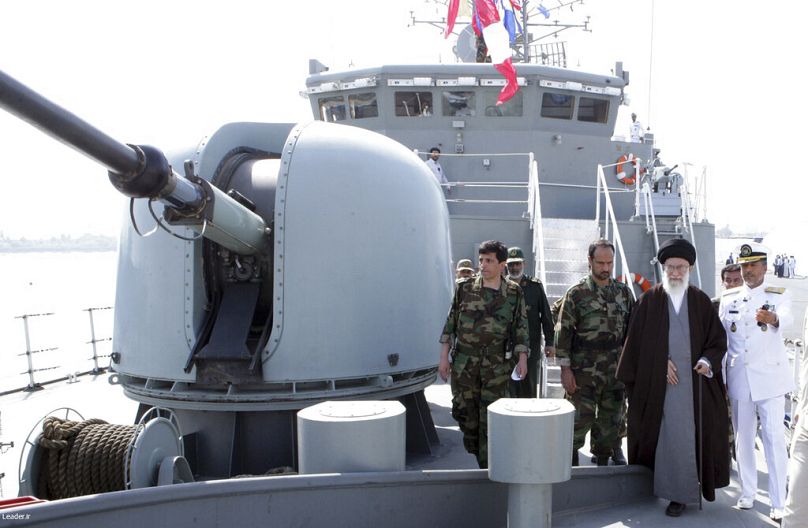
    STR/AP2010

    The most prominent feature of the fleet is its considerable diversity, which includes:

    Modern destroyers such as Zulfiqar, Sahand, and Zagros, which are entering service one after the other, are designed to launch precision missiles and conduct intelligence missions.
    Alphand and Moj-class frigates – some UK-made and some Iranian-built – play a pivotal role in medium naval operations.
    Amphibious assault ships and corvettes are used for troop transportation and quick attacks.

    Perhaps the most notable component of Iran’s fleet is its submarine force, which includes between 19 and 27 submarines.
    Among them are three Tareq-class (Kilo-class) diesel-electric submarines, which have been employed in strategic operations such as mine-laying and launching cruise missiles.
    Iran also has two Fateh-class submarines and a large number of Ghadir-class mini-submarines, which are manoeuvrable in shallow waters.

    Submarines: The silent underwater weapon

    Although Tehran does not currently possess any nuclear-powered submarines, it has been pursuing this goal for years.
    In 2018, Iranian officials announced plans to build nuclear-powered submarines, but technology and international sanctions remain a barrier to realising this ambition.
    Iran’s diving fleet does possess a collection of units with relatively advanced capability:

    The Tariq class: Russian-made submarines, each 74 metres long, capable of launching cruise missiles or laying mines. Despite their advanced age, they are still used for strategic missions.
    Fatih class: A locally-made submarine that entered service in 2019, equipped with torpedo and missile launch tubes and used mainly in coastal waters.
    Ghadir class: Very small submarines, numbering up to 23 units, used for special operations and surprise attacks.
    Nahang class: Only one submarine, intended for transporting special forces.

    Iran is seeking to enhance the capabilities of these submarines by installing air-independent propulsion (AIP) systems, which will increase their underwater endurance and provide them with greater operational flexibility.قارب تابع للبحرية الإيرانية يطلق صاروخا في مناورة في بحر عمان, 2011قارب تابع للبحرية الإيرانية يطلق صاروخا في مناورة في بحر عمان, 2011
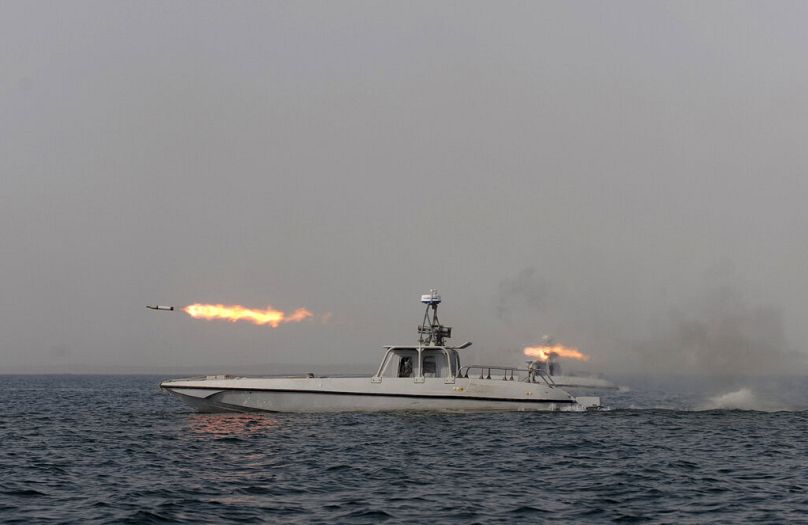
    Ali Mohammadi/AP

    Strategic deployment: Naval bases

    Iran’s naval bases are located across two geographical regions: the north (Caspian Sea) and the south (Persian Gulf and Gulf of Oman). Each base plays a different role, from manufacturing to logistical support for combat operations.

    Bandar Abbas Base: The largest naval deployment centre, the headquarters of the General Command of the Navy, and the centre of ship and submarine manufacturing.
    Jask Base: A first point of defence in the Gulf of Oman, with advanced berthing positions, and serves to protect economic interests.
    Chabahar Base: The only one overlooking the Indian Ocean, it is Iran’s gateway to Central Asia.
    Bandar-e Anzali Base: The centre for submarine manufacturing and protection of oil installations in northern Iran.
    Kharg base: Garrison for major oil installations in the Persian Gulf.
    Imam Ali Base: Located in Chabahar, it is from where reconnaissance and offensive patrols are carried out in the Gulf of Oman and the Arabian Gulf.

    In addition to these bases, there are IRGC-specific bases, such as the Sirik base near the Strait of Hormuz, and the Abu Musa base on the eponymous island disputed with the UAE, along with Tamb al-Sughra and Tamb al-Kubra. Abu Musa houses missile defence systems and underground fortifications.

    The Revolutionary Guard Fleet: Asymmetric warfare

    Unlike the regular fleet, the Islamic Revolutionary Guard Corps Navy (IRGCN) employs a different type of operation, known as asymmetric warfare, which involves the use of fast missile boats, mine-laying, and hit-and-run attacks.
    This force includes:

    10 Houdong boats
    25 Peykaap II boats
    10 MK13 boats
    Special units to carry out intelligence and offensive operations

    These forces do not have large ships or submarines, but they are characterised by speed and manoeuvrability, making them a constant threat to any hostile naval presence.

    Modern equipment and advances in capabilities

    In August 2024, the Iranian Navy received 2,640 missile and drone systems, including cruise missiles that are untraceable by radars. It also conducted successful cruise missile launch tests from a small submarine, an indication of an evolving offensive capability.
    In 2023, an Iranian naval group completed a journey that lasted more than eight months, during which it travelled 63,000 kilometres, and reached the Strait of Magellan in a first of its kind.
    The fleet included the Dana destroyer and the Makran support ship, in a clear message that Iran wants to expand its reach into international waters.
  • Greek Streets Ignite Protest as Israeli Cruise Ship Arrives Amid Gaza War Turmoil

    Volos Protest: Chaos, Crowns, and Conflict

    The Scene of the Skirmish

    Picture this: the bustling port of Volos, a place that usually rings out with the hum of boats and the chatter of tourists. Suddenly, the air thickened with tension as riot police clashed with a passionate group of pro‑Palestinian demonstrators. The drama unfolded right in front of the gleaming Crown Iris ship, which had docked to welcome a wave of visitors from Israel.

    What Sparked the Outrage?

    • Queen‑Bait Protest: The demonstrators were there to make a statement against the Crown Iris and its Israeli guests, hoping to spotlight the ongoing Palestinian struggle.
    • Tourist Tension: Spectators—especially tourists on board—were startled by the sudden flash of protest and the police’s rapid response.
    • City Spotlight: Volos, already known for its charm, suddenly found itself in the news for all the wrong reasons.

    Police vs. Protesters: A Quick Glance

    The police, ever the stick‑and‑stick, tried to maintain order. Yet, many protesters felt their voices were being silenced. The result was a series of scuffles, shouts, and the occasional shout-out that could’ve gone on to a meme if the internet had realized.

    Where We Stand

    • Vox Pop: The crowd was cheering for a cause, while the local security force had to juggle safety with courtesy.
    • Humanity: At the heart of it all lies an ongoing conflict that can feel far from the crisp sea breezes of Volos.
    • Intention: Updates are coming, but, as always, political ripples stir strongly in places where history and hope mingle.

    Final Take‑away

    In the end, no one expected a protest in a harbor that thrives on weekend getaways. Still, it reminds us that around the globe, even in sunny coastal cities, issues of justice and solidarity can spark everyday drama—often with a splash of irony and a dash of genuine human emotion.

    Greens on the Coast: Greek Protestors Take on the Crown Iris

    Where the Island’s Pulse Meets the Palm‑Tree Flag

    When the Israeli cruise ship Crown Iris rolled into the port of Volos, a wave of protest erupted faster than a Greek espresso after midnight. Local residents unfurled gigantic Palestinian flags, turning the harbor into a proud, flag‑laden protest park.

    Clash at the Dock: Riot Police, Stun Grenades and a Tourist Trail

    • Protesters wave banners and chant “Palestine—Palestine!” as Israeli tourists disembark.
    • Riot police arrive, tossing stun grenades, and insist on keeping the crowd off the beach.
    • Despite the chaos, tourists made it onto buses, ushering them toward the scenic Mount Pilio and the awe‑inspiring Meteora monasteries.
    • The crowd then dragged their chants onto the main streets, creating a pilgrim‑style march that buzzed through Volos’s heart.

    Pets of the Past: The Syros Skirmish

    Just a month earlier, Crown Iris stuck to the island of Syros early. More than 150 protesters stood at the pier, making it impossible for the ship’s passengers to off‑board. The ripples from that event still linger, with social media heat‑on stating that “Israel tourists are still welcomed, while Palestinians scream for survival.”

    High‑Level Handshakes and Heavy‑Handed Hints

    Health Minister Adonis Georgiadis responded with a message that tried to soothe the skin‑deep tension: “We’re sorry to those holiday‑going friends whose stay was disrupted—we’re hospitable to all, and antisemitism has no place in Greece.” Meanwhile, Israel’s Foreign Minister Gideon Sa’ar sent a note to his Greek counterpart, saying that the protests could harm Israel’s tourism foot‑fall in our beautiful country.

    Tourism: The Sweet, Salty, and Unpredictable Greek Mix

    Greek islands are a magnet for Israeli travelers—whether on package tours or flying solo—especially in the sun‑kissed season. With baited links between Tel Aviv and Athens, or direct flights into islands, Greek shores stay magnetically alluring even while political waves ripple across the seas.

    Why Every Trip Stories a Lesson

    A big splash of protest, a roar of refugees from East to West, and an Israeli cruise ship that rolled in told diplomats, tourists, and locals alike that the distance between gestures and feelings matters. When Greek harbors roll with caution and passion, you’ll find that the humanity at the core of every breeze knows no borders.

  • Coldplay Goes Green: Re‑Issuing Timeless Albums on Vinyl Made from Recycled Plastic Bottles

    Coldplay is Switching to Green Hits on Recycled Plastic Vinyl

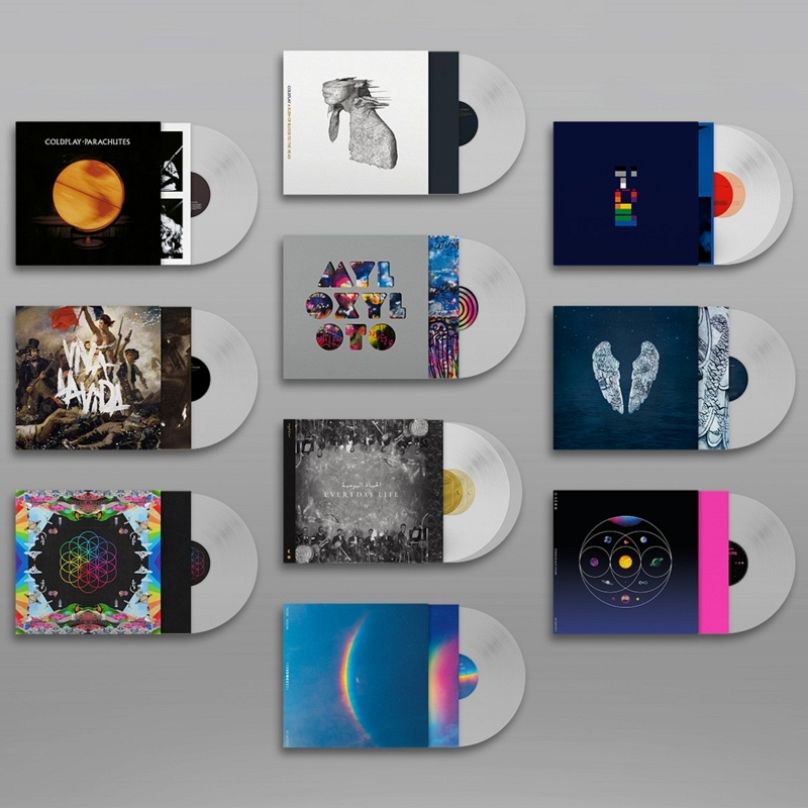
    In a bold move that strikes a chord with eco‑fans, the world‑renowned band Coldplay is re‑issuing nine of their iconic albums on what they’re calling EcoRecords. These new records are crafted from recycled plastic bottles—a quirky twist that turns waste into music.

    Why it Matters

    Every EcoRecord cuts carbon emissions by a staggering 85% during production compared to the traditional vinyl craft. That means fewer fumes, fewer factories, and a lot less guilt when you pop the needle and enjoy your favourite tunes.

    Album Lineup (In No Particular Order)

    • Blue
    • Viva la Vida
    • A Rush of Blood to the Head
    • Ghost Stories
    • X
    • Everyday Life
    • Music of the Spheres
    • Parachutes
    • Weather*

    How It Works

    Coldplay partners with Recycled Plastic Solutions to crush used bottles into a fine powder. That powder is then mixed into a special, eco‑friendly vinyl compound. After pressing, the final product is as durable and as classic as any vinyl you’ve heard.

    The Sound
    • Same rich audio fidelity as classic vinyl.
    • New “green” label ensures a twist of environmental advocacy for each track.
    • Ideal for fans who want to applaud the music and the planet in equal measure.

    In Short

    Coldplay’s EcoRecords blend the best of both worlds: timeless music and planet‑friendly production. With emissions slashed by 85%, fans can feel good about the sound they love and the earth they live on. Happy listening!

    Coldplay Goes Green With Recycled‑Bottle Records

    Gone are the days when you could feel the grime on vinyl. Coldplay is now pressing their hits onto records made from 100% recycled plastic bottles. Yep, you read that right – 140‑gram EcoRecords that let you jam without the guilt.

    Why This Matters

    • Less plastic waste in the world.
    • Smaller carbon footprint for your listening pleasure.
    • Same crystal‑clear sound you expect from the band’s classics.

    Band‑Led Sustainability

    Led by frontman Chris Martin, Coldplay has always been vocal about climate action. And now they’ve taken the next big step by turning the music industry’s old vinyl into something that actually helps the planet. They’re turning old bottles into new soundtracks, and that’s pretty cool.

    Parlophone’s Proud Partner

    Jen Ivory, managing director at Parlophone, expressed her excitement: “We are incredibly proud to partner with artists such as Coldplay who share our commitment to a more sustainable future for music.” She continued: “The shift to EcoRecord LP for their releases is a testament to what’s possible when innovation meets intention. It’s not just about a new product, but pioneering manufacturing that significantly reduces environmental impact. Fans get the same high‑quality audio experience while setting a new standard for physical music production.”

    Live on the Green Spin

    So next time you pick up a Coldplay vinyl, remember: it’s not only about the tunes; it’s about listening to a better world. And that’s a win for everyone.

    Coldplay’s EcoRecords LPs

    EcoRecords LPs: The Green Vinyl Revolution

    Meet the 100 % PET + rPET LPs that really pop without popping the planet. When don’t you want to drop your music into a cotton‑swapped ocean? Exactly.

    What’s Inside These Eco‑Crunchy Records?

    • Each 140‑gram vinyl is crafted from ~nine recycled bottles – because every good story starts with a reused Cape Town bottle.
    • Bottles are cleaned, balled into small pellets, then molded into your favourite groove.

    How Green Is the Groove?

    • Carbon emissions drop by 85 % compared to traditional vinyl – basically the industry’s version of a “green thumbs‑up.”
    • Lightweight design means fewer emissions during shipping. Less heat, less guilt.
    • End‑of‑life impact? Minimal. Think “reuse” over “dispose” and smile.

    So next time you spin Coldplay’s hits, remember: you’re not just streaming sound—you’re trotting toward a cleaner planet. Rock on, eco‑friendly fans!

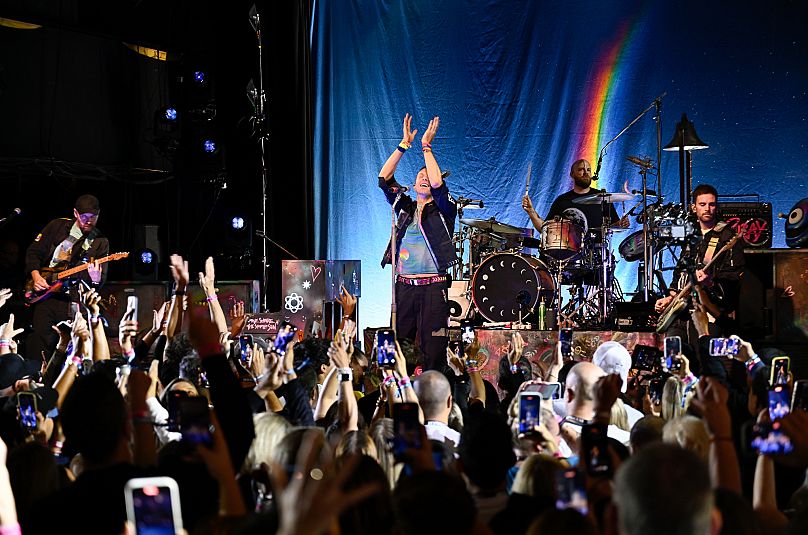
    Coldplay in Brooklyn, New York - 7 October 2024

    Coldplay Goes Green on the Road to Brooklyn

    When the legendary band drops a new vinyl, it’s not just a record – it’s a statement. This time, the guys in New York are championing eco‑friendly grooves, proving that you can still rock hard while keeping the planet pink.

    Massive Attack, Billie Eilish, and the Eco‑Record Crew

    • Massive Attack – dropping heat on a recycled canvas.
    • Billie Eilish – turning her pop empire into a green manifesto.
    • Coldplay – the reigning veteran who’s already set the record (pun intended) with their 2024 vinyl.

    Moon Music: The First 140g EcoRecord rPET LP

    Coldplay’s latest album, “Moon Music”, launched on a 100 % rPET EcoRecord. It’s the world’s first 140‑gram vinyl in a sustainable rPET format. Imagine a record that’s as eco‑friendly as a good pun.

    Thanks to the Greenest Tour in History

    The chart‑topping band claims they blew past their own climate goals. During the Music Of The Spheres Tour, their CO₂ emissions dropped a staggering 59 % in the first two years. That’s more than the 50 % target they had set back in 2016‑2017.

    Pre‑Order Alert

    Get ready for the upcoming re‑issues of their EcoRecord LP. They’re already available for pre‑order and will hit the shelves on 15 August. The next time you hug a vinyl, remember to toss in a heart for Earth.