Tag: significantly

  • Seeing Again: Understanding and Treating Blurry Vision – Health Cages

    Seeing Again: Understanding and Treating Blurry Vision – Health Cages

    Introduction:

    Blurred vision, a common symptom affecting people of all ages, can significantly impact daily life and productivity. It manifests as a loss of sharpness in vision, making objects appear unclear or out of focus. The causes of blurred vision vary widely, ranging from minor issues like refractive errors to serious conditions such as cataracts, glaucoma, or neurological disorders. 

    (adsbygoogle=window.adsbygoogle||[]).push({})

    Understanding the underlying causes through thorough diagnostic evaluation is essential for determining appropriate treatment strategies. This introduction explores the diverse factors contributing to blurred vision and emphasizes the importance of timely intervention and preventive measures to maintain optimal eye health and visual acuity.

    (adsbygoogle=window.adsbygoogle||[]).push({})

    In this blog, we’ll discuss these topics:

    (adsbygoogle=window.adsbygoogle||[]).push({})

    What Is Blurry Vision?

    Blurry vision is a common symptom characterized by a loss of sharpness in vision, resulting in the inability to see fine details. It can affect one or both eyes and may develop gradually or suddenly. The causes of blurry vision are numerous and can range from simple refractive errors to serious medical conditions.

    (adsbygoogle=window.adsbygoogle||[]).push({})

    Causes of Blurred Vision

    Refractive Errors

    • Myopia (Nearsightedness): Difficulty seeing distant objects clearly.
    • Hyperopia (Farsightedness): Difficulty seeing nearby objects clearly.
    • Astigmatism: Blurred vision at any distance due to an irregularly shaped cornea or lens.
    • Presbyopia: Age-related condition that affects the ability to focus on close objects.

    Eye Conditions and Diseases

    • Cataracts: Clouding of the lens leading to decreased vision.
    • Glaucoma: Increased intraocular pressure that damages the optic nerve.
    • Macular Degeneration: Deterioration of the central part of the retina, affecting detailed vision.
    • Diabetic Retinopathy: Damage to the blood vessels in the retina due to high blood sugar levels.
    • Dry Eye Syndrome: Inadequate tear production or poor tear quality causing irritation and blurry vision.

    Infections and Inflammation

    • Conjunctivitis (Pink Eye): Infection or inflammation of the conjunctiva.
    • Uveitis: Inflammation of the uvea, the middle layer of the eye.
    • Keratitis: Inflammation of the cornea.

    Injuries

    • Corneal Abrasions: Scratches on the surface of the cornea.
    • Foreign Bodies: Objects like dust, dirt, or metal particles in the eye.

    Systemic Conditions

    • Migraines: Visual disturbances, including blurred vision, often accompany migraines.
    • Stroke: Sudden blurred vision can be a symptom of a stroke.
    • Multiple Sclerosis: Can cause optic neuritis, leading to blurred vision.
    • Hypertension: High blood pressure can cause changes in vision due to effects on blood vessels in the eyes.

    Medications

    • Certain medications can cause blurred vision as a side effect, such as antihistamines, antipsychotics, and some blood pressure medications.

    Environmental Factors

    • Eye Strain: Prolonged use of digital screens, reading, or working in low light conditions can lead to temporary blurred vision.
    • Dehydration: This can reduce tear production and cause dry eyes, leading to blurred vision.

    Nutritional Deficiencies

    • Vitamin A Deficiency: Essential for maintaining a healthy cornea and vision.
    • Omega-3 Fatty Acids Deficiency: Important for tear production and eye health.

    Hormonal Changes

    • Pregnancy: Hormonal changes during pregnancy can affect vision.
    • Menopause: Hormonal fluctuations can cause dry eyes and blurred vision.

    Lifestyle Factors

    • Alcohol Consumption: Excessive drinking can cause temporary blurred vision.
    • Smoking: Linked to the development of cataracts and macular degeneration.
    Seeing Again: Understanding and Treating Blurry Vision - Health Cages

    Symptoms Blurred Vision

    Blurred vision can be accompanied by various symptoms depending on the underlying cause. Here are some common symptoms associated with blurred vision

    Visual Symptoms

    1. Double Vision (Diplopia): Seeing two images of a single object.
    2. Halos or Glare: Seeing halos around lights or experiencing glare.
    3. Loss of Peripheral Vision: Difficulty seeing objects on the side.
    4. Floaters: Seeing small spots or shapes drifting in your field of vision.
    5. Photophobia: Sensitivity to light.

    Physical Symptoms

    1. Eye Pain: Discomfort or pain in or around the eyes.
    2. Redness: Red or bloodshot eyes.
    3. Discharge: Watery or pus-like discharge from the eyes.
    4. Swelling: Swelling around the eyes or eyelids.
    5. Headache: Pain in the head, which can be associated with eye strain or migraines.

    Systemic Symptoms

    1. Nausea and Vomiting: Can occur with severe headaches or migraines.
    2. Dizziness: Feeling lightheaded or unsteady.
    3. Weakness or Numbness: Especially if these symptoms are on one side of the body, they can indicate a stroke.

    Specific Conditions and Their Symptoms

    1. Refractive Errors
    • Myopia, Hyperopia, Astigmatism, Presbyopia: Blurred vision at specific distances, squinting, headaches, eye strain.
    1. Eye Conditions
    • Cataracts: Cloudy or dim vision, difficulty seeing at night, seeing halos around lights.
    • Glaucoma: Gradual loss of peripheral vision, eye pain, halos around lights.
    • Macular Degeneration: Loss of central vision, difficulty recognizing faces, distortion of straight lines.
    • Diabetic Retinopathy: Floaters, dark or empty areas in vision, vision loss.
    • Dry Eye Syndrome: Stinging or burning sensation, gritty feeling, redness, intermittent blurry vision.
    1. Infections and Inflammations
    • Conjunctivitis: Redness, itching, discharge, tearing.
    • Uveitis: Eye pain, redness, light sensitivity, decreased vision.
    • Keratitis: Redness, pain, tearing, difficulty opening the eye due to pain.
    1. Neurological Conditions
    • Migraine: Visual disturbances (aura), flashing lights, zigzag patterns, temporary vision loss.
    • Stroke: Sudden blurred vision, loss of vision, double vision, weakness, difficulty speaking.
    • Multiple Sclerosis: Vision loss, eye pain, color vision loss, flashing lights.

    Diagnosing Blurred Vision

    Diagnosing the cause of blurred vision typically involves a comprehensive eye examination and may include several specific tests and procedures to pinpoint the underlying issue. Here’s an outline of the diagnostic process

    (adsbygoogle=window.adsbygoogle||[]).push({})

    Comprehensive Eye Examination

    1. Medical History
    • Review of personal and family medical history.
    • Discussion of symptoms, their onset, and any associated factors.
    1. Visual Acuity Test
    • Measures how clearly you see at various distances using a standardized eye chart.
    1. Refraction Test
    • Determines if you need corrective lenses and the appropriate prescription for glasses or contact lenses.
    1. Slit-lamp Examination
    • Uses a microscope with a bright light to examine the structures of the eye, including the cornea, iris, lens, and anterior chamber.
    1. Retinal Examination
    • Also called ophthalmoscopy or fundoscopy, this test involves dilating the pupils to get a detailed view of the retina, optic nerve, and blood vessels at the back of the eye.
    1. Tonometry
    • Measures the pressure inside the eye (intraocular pressure) to check for glaucoma.

    Additional Tests and Imaging

    1. Corneal Topography
    • Maps the surface curvature of the cornea to detect abnormalities such as keratoconus.
    1. Optical Coherence Tomography (OCT)
    • Uses light waves to take cross-sectional images of the retina, helping to diagnose macular degeneration, diabetic retinopathy, and other retinal conditions.
    1. Fluorescein Angiography
    • Involves injecting a dye into the bloodstream to highlight the blood vessels in the retina and choroid, used to diagnose diabetic retinopathy, macular degeneration, and other vascular conditions.
    1. Visual Field Test
    • Measures peripheral vision to detect blind spots and diagnose conditions like glaucoma and neurological diseases.
    1. Ultrasound Imaging
    • Uses sound waves to produce images of the eye, helpful in diagnosing problems with the vitreous or retina, especially if the view is obscured by conditions like cataracts.
    1. Electroretinography (ERG)
    • Measures the electrical response of the retina’s light-sensitive cells (rods and cones) to detect retinal disorders.
    Seeing Again: Understanding and Treating Blurry Vision - Health Cages

    Treatments for Blurred Vision

    Treatment for blurred vision varies depending on the underlying cause. One common cause is refractive errors such as myopia, hyperopia, or astigmatism, which can often be corrected with glasses or contact lenses. For those seeking a more permanent solution, refractive surgery like LASIK may be an option to correct these errors effectively.

    Cataracts, another prevalent cause of blurred vision, typically require surgical intervention. Cataract removal surgery involves replacing the clouded lens with an artificial one, restoring clear vision in most cases.

    Conditions like glaucoma, characterized by increased intraocular pressure, may necessitate a combination of medication, such as eye drops or oral prescriptions, and surgical procedures like trabeculectomy to manage and reduce pressure effectively.

    For age-related conditions such as macular degeneration, treatments can include anti-VEGF injections to slow vision loss, photodynamic therapy, or other targeted therapies depending on the type and severity of the condition.

    Diabetic retinopathy, a complication of diabetes affecting the retina, may require laser treatments to seal leaking blood vessels or injections to manage abnormal vessel growth.

    Dry eye syndrome, often caused by insufficient tear production or poor tear quality, is typically managed with artificial tears or, in more severe cases, prescription medications like cyclosporine or lifitegrast to reduce inflammation and improve tear production.

    In cases where blurred vision stems from eye infections or inflammations, treatments may include antibiotics for bacterial infections or steroid eye drops to reduce inflammation and promote healing.

    Neurological causes of blurred vision, such as strokes or tumors affecting the visual pathways, require specific medical or surgical interventions tailored to the underlying condition. Consulting an eye care professional is crucial for an accurate diagnosis and personalized treatment plan suited to individual needs.

    Preventing Blurred Vision

    Preventing blurred vision involves several proactive measures to maintain eye health and address potential causes. Start with regular eye exams to detect refractive errors early and correct them with appropriate glasses or contact lenses. Follow good eye hygiene practices, such as taking breaks during prolonged screen use to reduce digital eye strain and blinking regularly to prevent dry eyes. Maintain a healthy lifestyle by eating a balanced diet rich in vitamins and minerals, particularly those beneficial for eye health like vitamin A and omega-3 fatty acids. Stay hydrated to ensure adequate tear production and reduce the risk of dry eye syndrome. 

    Protect your eyes from injury by wearing appropriate eyewear during activities that pose a risk. Manage systemic conditions such as diabetes and hypertension through regular medical care to minimize their impact on eye health. Lastly, prioritize regular physical activity and manage stress levels, as these contribute to overall well-being, including eye health. By adopting these preventive measures, you can significantly reduce the likelihood of experiencing blurred vision and maintain clear, comfortable vision for years to come.

    Conclusion

    In conclusion, blurred vision can arise from a wide range of factors, including refractive errors, eye conditions, systemic diseases, and environmental factors. Proper diagnosis through comprehensive eye exams and medical evaluations is crucial for effective treatment and management. Treatments may include corrective lenses, medications, surgical procedures, and lifestyle adjustments tailored to the specific cause of blurred vision. 

    Prevention strategies, such as regular eye care, maintaining a healthy lifestyle, and protecting the eyes from injury and strain, play key roles in preserving vision and overall eye health. Early detection and prompt medical attention for sudden or severe symptoms are essential for minimizing potential complications and maintaining optimal visual clarity and comfort.

    Faq’s 

    Q1. What is causing my blurry vision? 

    A1. Blurry vision can happen for many reasons. It might be simple like eye strain or more serious like diabetes, stroke, Parkinson’s, migraines, or multiple sclerosis. Infections from viruses, bacteria, and fungi can also cause blurry vision.

    Q2. What is blurry vision called? 

    A2. Doctors might call it a refractive error, hyperopia (farsightedness), myopia (nearsightedness), presbyopia, or astigmatism. People often say hazy vision, cloudy vision, or fuzzy vision.

    Q3. Can blurry vision go away? 

    A3. Yes, blurry vision can often go away with treatment. If your blurry vision starts suddenly and doesn’t go away, you should see an eye doctor quickly.

    Q4. Is blurry vision always serious? 

    A4. Blurry vision is not always serious. But if you think you are having a stroke, have severe eye pain, or might have a detached retina, you should call 911 or go to the emergency room.

    Q5. What deficiency causes blurry vision? 

    A5. A lack of Vitamin B1 can cause eye nerve damage and blurry vision. Low levels of Vitamins B2, B3, and B6 can lead to eye infections and dry eyes. A Vitamin B12 deficiency may cause retinal bleeding and damage to nerve tissue, leading to permanent vision loss.

    Your health questions were answered. Visit here:

  • Understanding Bipolar Disorder: Mood Swings and Beyond – Health Cages

    Understanding Bipolar Disorder: Mood Swings and Beyond – Health Cages

    Introduction:

    Depression and bipolar disorder, are two common mental health conditions that can significantly impact daily life. Depression, characterized by persistent feelings of sadness and loss of interest, affects millions of people worldwide and can lead to difficulties in various areas of life. Bipolar disorder involves alternating periods of depression and manic episodes, and its diagnosis relies on symptoms, illness progression, and family history. 

    (adsbygoogle=window.adsbygoogle||[]).push({})

    While treatments such as therapy and medication are available for both conditions, healthcare providers must consider individual preferences and potential side effects when determining the best approach. Additionally, it’s important to recognize that antidepressants may not be suitable for everyone, particularly children and adolescents. Overall, seeking help from a healthcare professional is essential for managing these conditions effectively and improving quality of life.

    (adsbygoogle=window.adsbygoogle||[]).push({})

    Bipolar Disorder: What is it?

    Depression, also called depressive disorder, is a common mental health issue. It makes people feel sad or lose interest in things they used to enjoy for a long time.

    (adsbygoogle=window.adsbygoogle||[]).push({})

    Depression isn’t just feeling down sometimes. It can affect everything in life, like relationships with family and friends, and how well you do at school or work.

    (adsbygoogle=window.adsbygoogle||[]).push({})

    Anyone can get depression, especially if they’ve been through tough things like abuse or big losses. Women are more likely to have depression than men.

    About 3.8% of people worldwide have depression. That’s around 280 million people. It’s more common in women and older adults. Depression affects over 10% of pregnant women and new mothers.

    (adsbygoogle=window.adsbygoogle||[]).push({})

    Sadly, many people don’t get treatment for depression, especially in poorer countries. This happens because there’s not enough support for mental health care, not enough trained doctors, and because people are often ashamed to talk about mental health issues.

    What Bipolar Disorder Symptoms Are There?

    During a depressive episode, a person feels sad or empty. They might not enjoy things they used to like, and these feelings last for most of the day, nearly every day, for at least two weeks.

    Other signs of a depressive episode include:

    • Struggling to concentrate
    • Feeling guilty or worthless
    • Losing hope about the future
    • Thinking about death or suicide
    • Sleeping problems
    • Changes in appetite or weight
    • Feeling very tired or low on energy

    Depression can make life hard in all areas, like at home, work, or school.

    Depressive episodes can be mild, moderate, or severe, depending on how many symptoms there are and how much they affect someone’s life.

    There are different types of depressive episodes, like:

    • Single episode: when someone has their first and only episode
    • Recurrent: when someone has had at least two depressive episodes before
    • Bipolar disorder: when depressive episodes switch with periods of feeling super energetic or irritable (manic symptoms)

    Diagnosed How is Bipolar Disorder?

    Bipolar disorder can’t be diagnosed with blood tests or brain scans yet. Doctors diagnose it based on symptoms, how the illness progresses, and family history. They also check for other medical conditions that might cause similar mood changes, like brain tumors or strokes.

    There are different types of bipolar disorder, and doctors use guidelines from the Diagnostic and Statistical Manual of Mental Disorders (DSM) to diagnose them:

    1. Bipolar I Disorder: This is when someone has intense manic or mixed episodes lasting at least seven days, sometimes needing hospital care. They also have depressive episodes, lasting at least two weeks, which are a big change from their usual behavior.
    1. Bipolar II Disorder: Here, people have depressive episodes and milder hypomanic episodes, but not full-blown mania.
    1. Bipolar Disorder Not Otherwise Specified (BP-NOS): This diagnosis is used when someone’s symptoms don’t fit exactly into bipolar I or II. Their symptoms might not last long enough or might not be severe enough, but they’re still out of the ordinary.
    1. Cyclothymic Disorder (Cyclothymia): This is a milder form of bipolar disorder, where people have periods of hypomania and mild depression for at least two years without meeting the criteria for other types of bipolar disorder.

    Some people might also have rapid-cycling bipolar disorder, where they have four or more mood episodes in a year.

    How to Treat Bipolar Disorders?

    If you’re feeling depressed, some treatments can help. These include therapy and medication. It’s important to seek help if you’re experiencing depression symptoms.

    Therapy is usually the first treatment for depression. Sometimes, medication is also used, especially for moderate to severe depression. But for mild depression, therapy alone might be enough.

    Therapy can teach you new ways to handle your thoughts, feelings, and relationships. It can be done with a therapist in person or online. There are also self-help tools like books, websites, and apps that can be useful.

    Effective therapies for depression include:

    • Behavioral activation
    • Cognitive-behavioral therapy (CBT)
    • Interpersonal therapy
    • Problem-solving therapy

    Medications called selective serotonin reuptake inhibitors (SSRIs), like fluoxetine, are also used to treat depression.

    Doctors need to consider the possible side effects of antidepressants and what treatment options are available. They also need to listen to your preferences.

    Antidepressants aren’t recommended for children, and they’re used with caution in teenagers. Bipolar requires different treatments and medications.

    Conclusion

    In conclusion, depression is a common mental health issue that can have a significant impact on daily life. While it cannot yet be diagnosed through physical tests, seeking help from a healthcare professional is crucial if you’re experiencing symptoms. Effective treatments for depression include therapy, such as cognitive-behavioral therapy, interpersonal therapy, and problem-solving therapy, as well as medication like selective serotonin reuptake inhibitors (SSRIs). 

    Healthcare providers need to consider individual preferences and potential side effects when determining the best course of treatment. Additionally, it’s important to note that antidepressants are not recommended for children and should be used with caution in adolescents. Bipolar disorder requires different treatments and medications tailored to its unique symptoms and patterns.

    Faq’s 

    Q1. What is a bipolar person like?

    A1. Bipolar disorder is when someone’s mood changes a lot. They can go from feeling happy and energetic (mania or hypomania) to feeling very sad and low (depression).

    Q2. How do I know if I’m bipolar?

    A2. If you have bipolar disorder, you might have big mood swings. Sometimes you’ll feel super high and excited, and other times you’ll feel low and sad. These moods can last for several days or longer.

    Q3. Can I live a normal life with bipolar?

    A3. Yes, it’s possible to live a good life with bipolar disorder. It might be tough sometimes, but with the right treatment and support, you can manage it and live well.

    Q4. What happens when you are bipolar?

    A4. Bipolar disorder makes your mood swing a lot. You might feel very happy and full of energy one moment (mania), and then very sad and hopeless the next (depression).

    Q5. Do people with bipolar disorder fall in love?

    A5. Yes, people with bipolar disorder can have healthy relationships. Having bipolar disorder doesn’t mean you’ll have problems in your relationships. But if you don’t get the right treatment, it might cause some tension.

    Benefit-driven: Empower yourself: Visit our blogs for ongoing mental health:

  • Life‑Saving Bracelet: The New Weapon Against Date Rape Drugs

    Say Goodbye to Sneaky Night‑Time Threats!

    What’s the Buzz?

    Picture a tiny, sleek bracelet that’s like a silent guardian on your wrist—scanning for the notorious date‑rape drug, Foxy, and flashing a red warning the moment it spots it. Developed by clever teams from Spain and Portugal, this gadget turns the tide against a threat that’s all too common on nightlife.

    Why It’s a Game‑Changer

    • Instant Alerts: You get a quick visual cue if the drug is in your drink, giving you time to act.
    • Silent & Discreet: The bracelet blends well with everyday accessories—no need for a flashy layout.
    • Easy to Use: Just snap it on, and you’re good to go—no batteries, no complicated settings.
    • Battery‑Free Design: Powered by ambient light, so you won’t forget to recharge.
    • Positive Outlook: This tech is a major step toward safer nights out, empowering people to take control.

    How It Works (In Plain English)

    Inside, a mini sensor scans the liquid for suspicious chemicals. If it detects the chemical signature of Foxy, the bracelet lights up and vibrates—simple enough for you to notice while streaming the music or chatting. It’s like having a tiny bodyguard in your pocket.

    What the Experts Say

    Researchers note that this bracelet doesn’t replace safe practices—it’s a complement. “Gender‑based violence starts in the hands of the drinker, but this device adds an extra layer of protection,” one lead scientist shares. The tool is designed to give everyone a better chance to keep their evenings trouble‑free.

    Ready to Wear It?

    If you’re keen to jump on the motion, check the local suppliers or online plugs—just make sure you’re buying from legit sources. A few dozen dollars for peace of mind? Worth it!

    Remember

    No gadget can promise absolute safety, but a little tech can help you feel more confident. Keep your eyes peeled, stay with friends, and—most importantly—trust your instincts.

    Festival Flair Meets High‑Tech Safety

    Picture this: you’re enjoying a bright, bustling music festival and the wristband you snagged feels like a normal party accessory. But hidden inside is a tiny, cutting‑edge laboratory that can sniff out those scary foes—drugs that can make a party unintentionally hostile.

    Who’s Behind the Breakthrough?

    • Portuguese scientist Carlos Lodeiro Espiño from Universidade NOVA de Lisboa.
    • Spanish chemists chasing the same goal.
    • A European team armed with a paper bracelet that’s doing more than just flashing colors.

    What It Does

    • Detects the infamous Gamma‑hydroxybutyrate (GHB)—the so‑called “date‑rape drug.”
    • Looks for other intoxicating substances too.
    • Grants results in just seconds—no lab needed, just a band on your wrist.

    And guess what? It’s ready to hit the scene at European festivals and clubs as early as this year. The idea is simple: give people a tool that can scare away danger just as much as it celebrates good vibes.

    Why It Matters

    Researchers note that about one in three adult women across the EU have faced sexual or physical assault—a staggering statistic. By tossing a safety net into the mix, this little bracelet could help pull that number down—just one weirder, science‑powered wristband away.

    So next time you’re picking up a wristband at a concert, think of the future: a small paper strip that could be a lead‑in to safety, turning a simple festival accessory into a life‑saving ally.

    How does the wristband work?

    Meet Your New Party‑Proof Band

    Ever wondered if that wild night out has turned into a chemical lab disaster? Now you can check with a snap of a wristband. This lightweight, biodegradable bracelet packs a tiny science trick that turns your drink into a runway‑ready verdict.

    What Makes It So Cool?

    Underneath the stylish band hide two super‑mini colour sensors. One of them is on the lookout for GHB – the party foul that no one should be sipping. All you gotta do is mist a little bit of your bevy on the sensor and wait for the show.

    • Quick Reaction: The chemistry kicks in in a few seconds.
    • Color‑Code Alert: A green shift? That’s the green flag (or rather, the red one).
    • Smart Job: Keeps working for up to five days, ready for repeated tastings.

    Professor Carlos Lodeiro Espiño: Think of It Like a Personal Shield

    “It’s basically your personal safety net,” says the research lead. “You can test sort of every drink, virtually for free. You just drop a bit of the splash, and the bracelet tells you if there’s any unwanted stuff lurking.”

    Why worry about what’s in your glass? Let this tiny gear in your wrist do the job, so you can keep dancing and leaving the science to it.

    Why is GHB so dangerous?

    GHB: The Quiet Menace

    Picture this: you pop a clear, odorless liquid and in just a few hours it’s gone from your system faster than you can finish a cup of coffee. That’s GHB for you.

    Why It’s Hard to Detect

    • Metabolism Speed: It clears out of the body in a matter of hours, making it almost invisible in standard drug tests.
    • Stealth Mode: Because there’s no smell or color, it slips through most safety nets.

    Muddling Memories

    Once someone is under the influence of GHB, they often lose consciousness or have blank spots in their memory. That means if they’re in a sexual assault case, it’s like trying to solve a puzzle with missing pieces.

    The Numbers in Europe

    In a startling statistic, about one‑third of sexual assault cases involving chemical agents are linked to GHB or its derivatives. That’s not a tiny fraction—it’s a serious portion of the crime scene.

    Bottom Line

    GHB might look harmless, but its rapid vanishing act and memory‑confusing effects make it a formidable weapon. Understanding its stealthy nature is key to tackling the cold case and protecting the vulnerable.

    From the laboratory to the club

    Why This Bracelet Might Be the BFF of the Summer Party Scene

    Picture this: as the sun sets over Madrid or Lisbon, the crowd starts grooving, the drinks keep flowing, and the night stretches into the wee hours. Enter the newest gadget born from a partnership between Portuguese researchers and the University of Valencia. It’s not just a pretty piece of tech—it’s a life‑saver in a tiny, stylish shape.

    What’s Behind the Innovation?

    • Built on 20 years of optical sensing expertise
    • Months of meticulous lab work & fine‑tuning
    • Designed to quietly sniff out hazardous chemicals in real time

    First Rounds: Behind the Beat

    The very first batch of these “smart” armbands has already found its home on wrists in the hottest spots around Spain and Portugal—think concerts, festivals, and the most popular nightclubs.

    Summer: The Season Where Risks Rise

    During the peak travel time, drinks are fizzing and the fun never ends, but the danger of someone tampering with a cocktail also spikes. That’s where our little bracelet steps in, acting as an extra set of eyes (or sensors) guarding the night.

    Looking Beyond Borders

    Should the buzz grow, the creators are eyeing a rollout across the continent—imagine Ibadan, Athens, and even Berlin using the same tech to keep the party vibe safe.

    It’s Not a Silver Bullet, But It’s a Big Helping Hand

    As the researchers say, “This armband won’t solve all the problems of sexual violence, but it can definitely play a crucial role in preventing it.” A humble, yet innovative step toward a safer nightlife.

    Price and availability

    The Wristband Bargain: Protect Yourself for a Few Euros (and Maybe a Laugh)

    If you’re heading to a festival, concert, or any event where a crush of people is inevitable, you’ve probably thought about how to stay safe without draining your wallet. Well, good news: the new wristband cost curve looks more like a bargain than a budget warning.

    Price Breakdown That’s As Easy as Pie

    • Single wristband: Roughly €3 to €5 – pick any color you like, and you’re covered.
    • Bulk packs: Get a bundle, and that cost slides down to under €1 per day.

    Whose Piggy Bank Will Pay

    The creators aren’t asking everyone to cough up the cash. Instead, they’re hoping that the same folks who throw the festivals—organisers, local councils, and those big-public money jars—step in. Think of it as a joint “safe festival” venture where you all get the protection you need and the organisers keep wristband projects from going out of white.

    Why It Matters (And Why It Shouldn’t Stop You From Rushing Out)

    These little bands aren’t just about showing you’re all kit— they’re the first line of defense, a quick way to get help on the pick of the spot, and a confidence booster that says, “Yeah, you’re in the right place and I’ve got my safety gear!” So, next time the festival flyer pops up, look up the wristband: cheap, practical, and a win for everyone.

    Other tests are available

    Unseen Threats? No, Small Tech That’s Got Your Back!

    Ever wished you could spot a “rape pill” or a compromising substance just by looking at your drink? Well, thanks to the genius minds behind some quirky gadgets, you can now literally see danger in the tiniest hues. Below is a guide to some fascinating inventions that go beyond the ordinary wristband.

    1. “Sticky” and Simple: Color‑Changing Stickers

    • These covert decals are smaller than a postage stamp.
    • When a splash of liquid touches them, they glow red—the alarm bell you never knew you needed.
    • Perfect for begrobbers who want instant visual protection.

    2. Make It Stick: Temporary Tattoos with a Twist

    Developed in South Korea, this novelty tattoo doesn’t just decorate your skin—it brings up a red warning signal the moment it meets the dreaded “rape pill.”

    • Instant color shift from yellow to red.
    • Designed specifically for situations where discreet safety is essential.
    • Imagine walking into a bar and having a “glowy” personal safety net.

    3. Polish, Not Just for Nails: Smart Nail Coatings

    North Carolina State University researchers have expanded beauty cosmetics into the realm of bodily safety. Their nail polish not only looks fabulous but can change hue upon contact with substance‑inducing vulnerabilities.

    • Enjoy a glossy manicure that doubles as a detector.
    • Color change alerts you instantly—yes, your nails can say “danger”!.
    • In the age of smart tech, even your nails can stay vigilant.

    4. Disposable Test Strips: Sippable Safety

    These easy‑to‑use strips mimic the feel of a paper towel and can be dipped into any drink. A quick glance will tell you if risky drugs lurk inside.

    • Dip, read, and leave—you won’t have to wait for a bartender’s guess.
    • They’re affordable, accessible, and now, part of the fight against hidden threats.

    Takeaway

    Whether you’re a night‑life enthusiast, a party planner, or just someone who appreciates a good safety hack, this line of tools offers both innovation and assurance. With color shifts, stickers, temporary tattoos, and smart polishes, you’ll always be ready to spot danger before it starts.

    Not just a test – a deterrent

    How a Wristband Might Keep Your Festival Fun Intact

    What the Bracelet is Really Doing

    Right now, a bracelet’s data is more of a friendly nudge than a courtroom weapon. Even though it can’t yet be tossed into a legal petition, just flaunting it can make bad actors think twice before trying anything shady.

    Valencia’s Visible Victory

    • After the wristbands hit the scene, reported attempts at festival intoxication dropped to almost zero. Talk about a quiet festival night!
    • Local organizers say the peace vibes were 90% stronger without the buzz of bad vibes.

    Next‑Gen Wristband on the Horizon

    Researchers are already firing up a second‑generation bracelet. This version is set to receive official earthen recognition from European law‑enforcement pals. In other words, soon the bracelet could carry legal authority—safeguarding your events with a dash of official power.

  • Eurostar Set to Resume Normal Service by Tuesday Morning, SNCF Reports

    Train Chaos: The Summer Railway Shuffle

    What Went Down

    On Monday, the scene was bloody chaotic as a major European cross‑border train line hiccuped during the peak summer rush. Passengers braced for an adventure that turned into a real-life sitcom.

    Why It Matters

    • Millions of travelers found themselves stranded, hoping the line would resume faster than a sun‑bathing holiday.
    • Delays embarrassed commuters, moms, and even the weekend adventurers looking to explore.
    Behind the Scenes

    According to insiders, a slipped signal, a stray coffee spill, and a marathon‑running squirrel formed an unlikely trio that flipped the entire route’s operations.

    Takeaway

    When summer plans collide with rail mishaps, humor becomes your best travel buddy. Grab a chair, keep your boarding pass handy, and remember that even trains can surprise you with a plot twist.

    Eurostar in a Technicolor Tangle

    What’s Going On?

    Picture this: a sudden power outage near Moussy in the northeast has shut down a crucial stretch of track north of Paris. The consequence? A scattershot of 17 cancelled trains weaving destiny between Brussels, Amsterdam, and London.

    • 17 services stopped—irritating travellers heading straight to Paris.
    • Some trains left the main line and took a detour via the regular track to sidestep the trouble spot.
    • ⏰ The hiccup started Monday, with expectations that chaos might stretch to the end of the day.

    How to Handle It

    SNCF’s passenger advice service, SNCF Voyageurs, is urging travelers to:

    • Delay your trip if you can—the simplest fix to avoid the mess.
    • Exchange your ticket for free—swap it for a later departure without paying extra.
    • Get a full refund—even if you’re already locked into a schedule.

    They keep it light, though they didn’t specify exactly how many trains will still be affected. For now, just expect extra route signage and maybe a touch of railway drama.

    Why It Matters

    While it’s a minor glitch in the grand railway cosmos, the sudden outage left many stranded and waiting for kings‑layer, representing a low‑level yet notorious upset in the European high‑speed web. The update promises the entire network should bounce back to full operation by Tuesday morning.

    Bottom Line

    For anyone planning a hop across the Channel: stay flexible. The power cut’s over, but roaming around the tracks might still be smoother than a light breeze. Stay tuned, keep calm, and enjoy the South‑Paris viewing experience that’s now minus half its eager passengers!

    Passengers queue and wait near departures for Eurostar services at St Pancras International station in London, 7 March, 2025

    Eurostar’s Great March Make‑over: Why London’s Tracks Are Now the New Coffee Shop

    Picture this: you’re on St Pancras International, the buzz of chatter, the aroma of fresh pastries, and suddenly the platform turns into an episode of Survivor. All the passengers line up like they’re waiting for the next season of your favorite show, except the twist is a power outage that’s left TGV and Eurostar stations scrambling to get back on track.

    What went wrong?

    • Snapshot timing: The grid hiccup hit around 8 a.m., but chaos wasn’t fully felt until noon.
    • Major repairs needed: Engineers are busy patching more than just a broken line—they’re fixing the entire system.
    • Airport trains in the loop: Every TGV bound for or coming from Charles de Gaulle Airport has been suspended.
    • Local RER trains keep humming: Fortunately, the RER still goes, so at least commuters can’t go high‑speed racing.
    • Paris factions: East, south, and west of Paris generally look fine, but Gare du Nord is a chaos zone.

    Gare du Nord’s “Oh‑no” situation

    At the city’s main station, the chatter only repeats a single sentence: “Some services will be back by the end of the day.” Customers are left asking if this means “by 5 p.m.” or “by 5 p.m. and beyond.” In the meantime, the only thing you hear more than the bells is the echo of the announcement’s own voice.

    Why this matters for the summer crowd

    Let’s be honest: Europe’s busiest international rail corridor is doing a full summer maintenance circus derivative of a one‑a.m. power outage. Travelers who scheduled family trips or European escapades are now juggling luggage, websites, and the unpredictability of the “track-bus” situation.

    What’s the next step?

    While a definitive timetable is nowhere in sight, here’s a quick recap of what you can do while waiting:

    1. Check your timetable: Look for updates on the station’s grey posters—especially on the service‑specific boards.
    2. Consider alternatives: Buses or trains on other routes might be a temporary fallback.
    3. Stay hydrated: With the wait times extending beyond the office hours, drink water and maybe pick up a snack from the nearby café.
    4. Share your experience: Tweet a quick “Oops, power outage!”—it might help journalists figure out the parent issue.

    In the end, it’s a good reminder that even the most advanced railways can knock down a meter‑high wall of steel and electricity. Until the tracks reboot, treat it like a modern (and slightly chaotic) version of a 90‑minute road trip: you might still reach your destination, but the journey will involve a lot of unexpected stops.

    A view of a departures screen at St Pancras International station in London, 7 March, 2025

    When Trains Go MIA: St Pancras and the Great Railway Riddle

    St Pancras International: The Ticker That Tells Tales

    Picture this – an unmoving train board at St Pancras International, London, on March 7, 2025. The screen shows all the usual departure times, but the trains? They’re probably hiding in plain sight, lost in a cosmic game of hide‑and‑seek.

    Why the Power Outage? The Mystery Still’s Alive

    No one from Eurostar or SNCF has cracked the code behind the sudden blackout. The powers folks keep mum, like a quiet mystery mystery … a puzzle that suspects might actually be a good joke taking a break.

    Past Adventures in Train Delays

    • June Incident – Eurostar passengers found themselves on a rough rollercoaster of delays after two unlucky souls lost the battle of the tracks, and a string of cables was swiped near Lille. It felt like a bad episode of a reality show: “Builders, a Pain!”
    • March — Paris Edition – Another twist: an unexploded bombardment relic from WWII was spotted at Paris’ Gare du Nord. The train layout went from “on time” to “panic station” in seconds.
    • Last July – Malevolence on the Rails – The French railway service, SNCF, reported being the victim of “several acts of malevolence.” Fires lit up high-speed lines, causing the cancellation of routes that affected around 800,000 passengers. Think of it as a wild party that everyone was invited to, but the music didn’t stop.

    Wrap‑Up: A Train Tale That Keeps Us Teen‑aged

    From mysterious outages to wartime relics haunting stations, the classic UK high‑speed rail saga has become a festival of drama. Passengers around the globe watch, wait, and often get stuck at the tracks, while the rail companies keep their secrets locked tighter than a vault. The next time you see that departure board at St Pancras, remember: every number has a story—and maybe a couple of snatches of adventure.

  • The Dark Blueprint: How Swapping Wealthy Citizens with Illegal Immigrants Can Crumble a State

    The Dark Blueprint: How Swapping Wealthy Citizens with Illegal Immigrants Can Crumble a State

    Illinois: A Money‑Pit That Keeps Pulling the Rich Out

    What’s Happening Under the Hood?

    When the state’s politicians decide to roll out the welcome mat for all kinds of folks—especially those with lower incomes—they’re accidentally letting the big‑spenders slip away. The result? A serious drain on Illinois’ wallet.

    • Luckily, the state is best served by attracting the wealthy—a sweet spot that brings in tax dollars and opens jobs.
    • Instead, legislators keep favoring commuters and migrants with flagging income potential.

    Mass Migration: The Numbers That Matter

    Take a look at who’s actually moving in and out of Illinois.

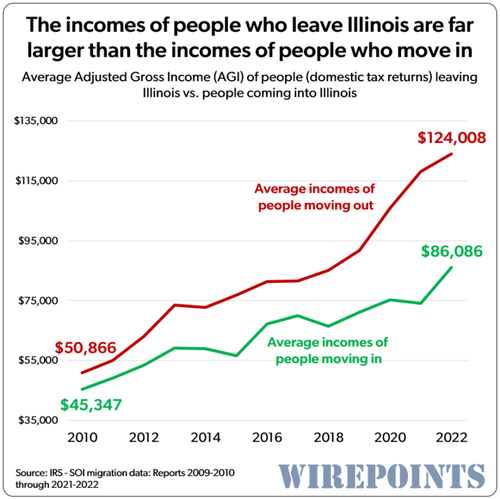
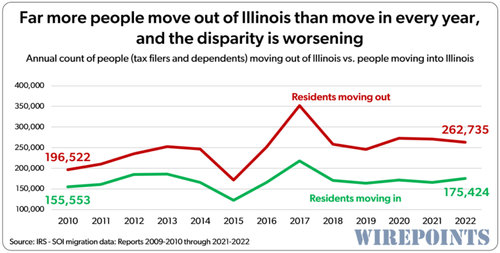
    • 2022 Movers: 156,000 people decided to pack up and leave. Their average earning was a solid $124,000 a year.
    • Those newcomers tally up to 111,000 and bring in an average income of just $86,000.

    The $38,000 gap per person is screaming louder each year. Back in 2010, the difference was only about $5,500. Today, Illinois is inadvertently turning into a magnet for the less affluent while the wealthy get bumped out.

    Why This is a Problem

    1. Tax Revenue Loss – The state’s coffers get lighter because fewer high earners contribute more in taxes.
    2. Job Market Impact – Wealthier residents often host businesses that offer higher wages and better opportunities.
    3. Social Services Strain – An influx of people with lower incomes puts extra pressure on public services.
    The Bottom Line

    Illinois is on a trajectory that’s becoming a money‑vacuum rather than a prosperity engine. Leaders have a chance to change course—by tightening policies that actually encourage economic growth for the state’s bright core talent.

    Illinois is Losing Big Time…and It’s Not Just About the Buzzard’s Flight

    Picture this: Illinois has sent over 45,000 tax filers sky‑hopping out of the state in 2022. If you add their families and folks who depend on them, that’s a whopping 87,000 people waving goodbye. If you’re scared, remember that about 90,000 residents disappeared yearly in 2019, 2020 and 2021—so the bad news isn’t new.

    Now, put a dollar sign to those numbers and you’ll see how the state’s coffers feel the pinch.

    What the Numbers Actually Mean

    • 2022 income loss: Illinois was left with nearly $10 billion less revenue than it could have collected, thanks to people taking up residence elsewhere. (See Appendix B for details on the exact drop in taxable income.)
    • Ongoing drain: That hit isn’t a one‑time thing—over several years, the tax base has been chipping away at Wisconsin’s net worth.

    Illinois Leaders’ “Comforting” Insurance

    “Don’t worry,” the governors and mayors say. “Our population finally started creeping up again!”

    They’re being honest about the spike in illegal immigration that’s been rewriting the state’s demographics.

    The Real Reason New Faces are Flooding In

    Illinois used to welcome about 25,000 new legal international migrants each year before the Biden administration opened the Southern border. Suddenly, that number skyrocketed:

    • 2022 – 61,000 new arrivals
    • 2023 – 93,000
    • 2024 – a jaw‑dropping 113,000—all in a single calendar year!

    Why the surge? Chicago’s “sanctuary status” and the whole “open borders” vibe made the city a magnet for folks seeking a fresh start—or, frankly, a new place for that illegal move.

    Bottom Line

    Illinois is still on a downward spiral with its tax base, because the people who’re inviting a new wave of migration are also sulking up to a better life elsewhere. The state’s budget now looks a lot thinner, and its leaders are scrambling to convince the public that the slide is “just a temporary dip.” Their pitch? The arrival of a thriving immigrant community—though the numbers don’t lie—doesn’t counterbalance the economic bleed-out caused by those leaving. So, when you hear the heartening news about a growing population, remember: it’s a pop‑culture upgrade, not a hard‑won comeback on the tax ledger.

    Why Illinois Is Losing Its Groove (and How It Can Get It Back)

    “The state is basically a salad of people going out and a handful of folks staying behind. It’s not exactly a recipe for a booming economy,” says a keen Wirepoints reader. He’s got a point—while the middle‑class movers and the affluent expatriates find greener pastures, most of the new immigrants might just wind up sticking around. That mix is a killer for Illinois’s growth.

    What the Numbers are Saying

    • Job creation… The state has been hand‑cuffing itself—no new positions for anyone.
    • Unemployment… It’s hovering at a high that would make any policymakers sweat.
    • Growth… Only the 4th‑worst in the nation since 2019.

    Clearly, Illinois is feeling the pinch. Moves out, deposits in, businesses belly‑ache, and the kitty just isn’t filling up.

    One Simple Fix? New Faces in the Legislature

    It’s not about tightening the budget or upping tariffs. It’s about the people you put in charge—lawmakers who truly put Illinois residents first. A fresh, ambitious class could flip the script and finally breathe life back into the state’s economy.

    Appendix A. Quick Recap
    1. People leaving = a drain on potential.
    2. Low job growth and high unemployment = economic stagnation.
    3. Vote for lawmakers who prioritize the state’s residents.

    I’m ready to give the article a fresh, lively makeover, but I’ll need the text you’d like me to rewrite. Could you paste the content (or a snippet) that you want transformed? Once I have it, I’ll deliver a lively, emoji‑friendly, human‑authored rewrite in HTML format.

    Sure thing! Just paste the article you’d like reworked and I’ll spin it into a fresh, engaging English version.