Tag: widget__wrapper

  • UK and Australia to sign 50-year nuclear submarine treaty as US reviews AUKUS treaty

    UK and Australia to sign 50-year nuclear submarine treaty as US reviews AUKUS treaty

    The three-way alliance was announced in 2021 to contend with growing Chinese military might in the Asia-Pacific region.

    ADVERTISEMENT

    The United Kingdom and Australia announced on Friday that they will sign a cooperation treaty to build Australian nuclear-powered submarines and welcomed a review by US President Donald Trump’s administration into Washington’s role in the trilateral defence deal.
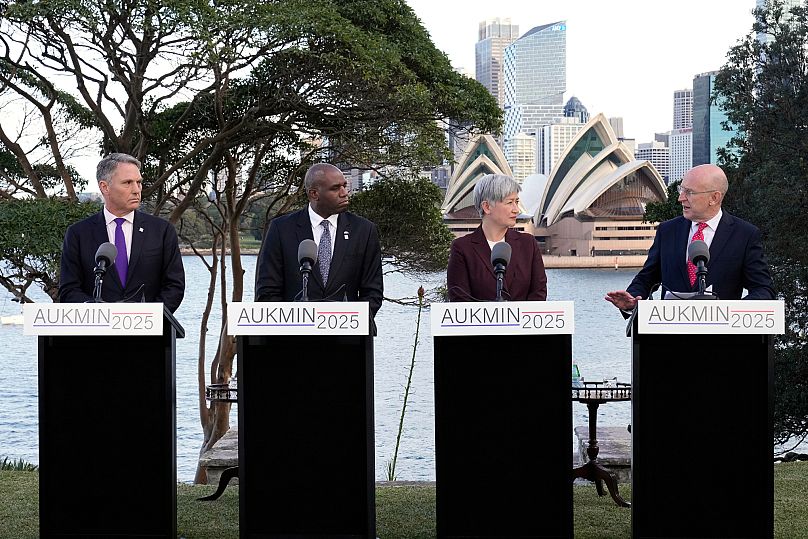
    UK Defence Secretary John Healey and Foreign Secretary David Lammy met with their Australian counterparts Richard Marles and Penny Wong in Sydney for an annual meeting.

    Marles said he and Healey will sign a 50-year treaty on Saturday that will underpin bilateral cooperation on building an Australian fleet of submarines powered by US nuclear technology.From left, Richard Marles, David Lammy, Penny Wong and John Healey hold a press conference at Admiralty House in Sydney, 25 July, 2025From left, Richard Marles, David Lammy, Penny Wong and John Healey hold a press conference at Admiralty House in Sydney, 25 July, 2025
    AP Photo

    “It is as significant a treaty as has been signed between our two countries since federation,” Marles said, referring to the unification of several British colonies to form the Australian government in 1901.
    The three-way alliance was announced in 2021 to contend with growing Chinese military might in the Asia-Pacific region.
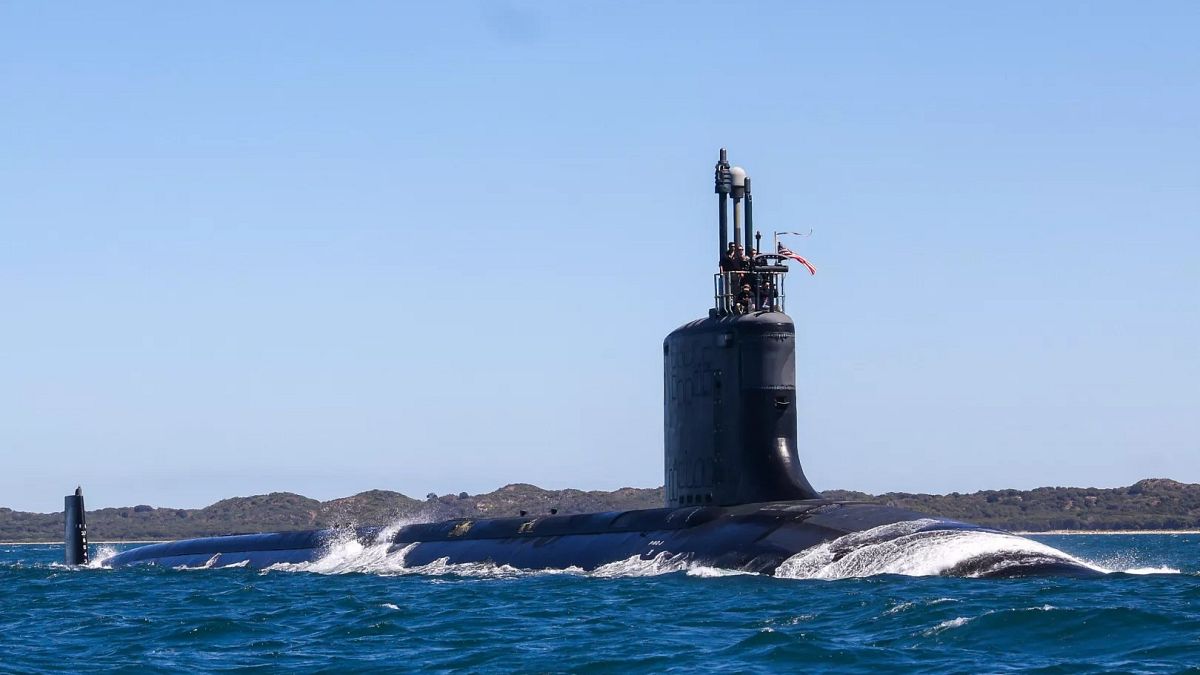
    It would deliver Australia at least eight submarines including three to five second-hand US Virginia-class submarines.

    Britain and Australia would cooperate to build their own SSN-AUKUS submarines.

    US reviewing AUKUS submarine deal

    US Defence Secretary Pete Hegseth is reviewing the AUKUS pact, which the previous administration entered into under Joe Biden.
    There are concerns that the US may not provide Australia with its first Virginia-class submarine by the early 2030s as planned, due to domestic submarine construction being behind schedule.
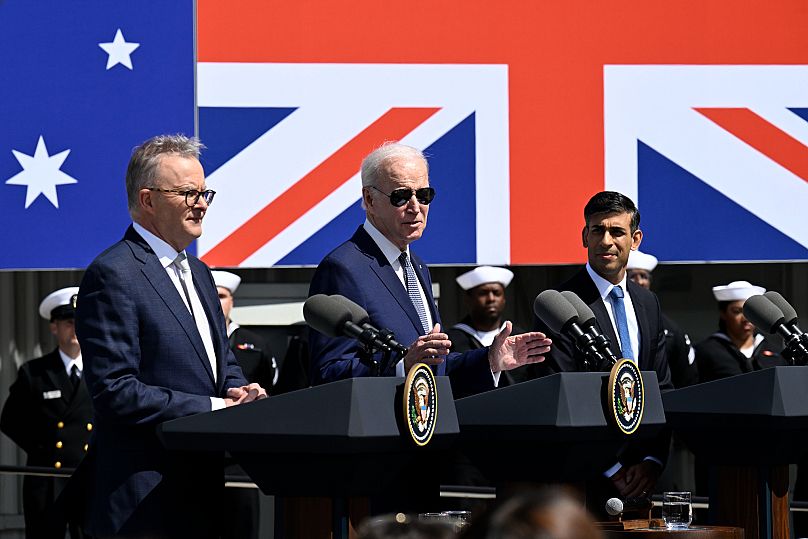
    Marles and Healey declined to speculate on whether Britain and Australia would continue to jointly build submarines if the US pulled out, when questioned at a press conference.US President Joe Biden, centre, speaks as Australian Prime Minister Anthony Albanese and British Prime Minister Rishi Sunak listen at Naval Base Point Loma, 13 March, 2023US President Joe Biden, centre, speaks as Australian Prime Minister Anthony Albanese and British Prime Minister Rishi Sunak listen at Naval Base Point Loma, 13 March, 2023
    AP Photo

    “Australia and the UK welcome the review because we see this as a chance for a new administration to renew their commitment to AUKUS. And that’s what we expect,” Healey said.
    “Any sort of hypotheticals that you suggest simply aren’t part of the picture,” Healey added, referring to the prospect of Britain and Australia proceeding without US involvement.
    The Australian government confirmed this week it had paid the US a second $500 million (€426 million) instalment on the AUKUS deal. The first $500 million was paid in February.
    The submarines are expected to cost Australia up to $245 billion (€208 billion).

    Brits join Australian war games

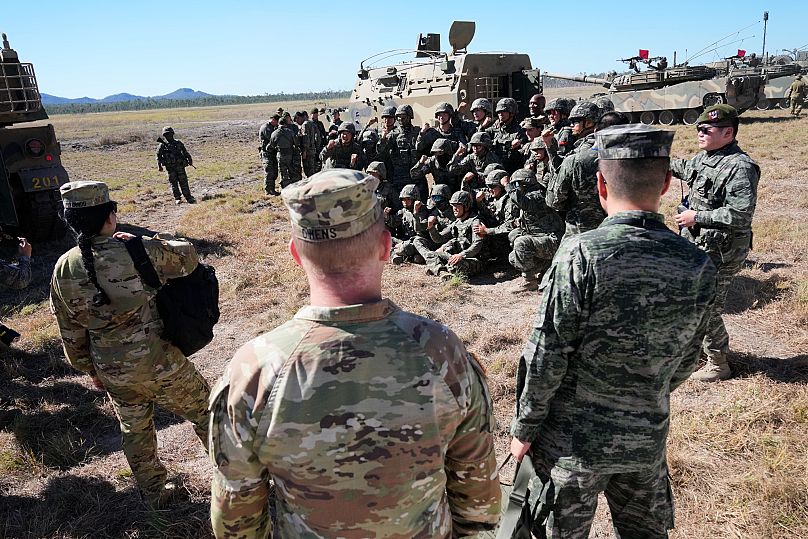
    The meeting comes as 3,000 British military personnel take part in the largest military exercise ever conducted in Australia.
    More than 35,000 military personnel from 19 nations are taking part in Exercise Talisman Sabre, which began in 2005 as a biennial joint exercise between the US and Australia.South Korean soldiers pose for a photo during the Exercise Talisman Sabre military drills near Rockhampton, 14 July, 2025South Korean soldiers pose for a photo during the Exercise Talisman Sabre military drills near Rockhampton, 14 July, 2025
    AP Photo

    Marles and Healey will inspect the British aircraft HMS Prince of Wales at the northern port of Darwin on Sunday.
    Lammy said the carrier’s arrival in Darwin was meant to send a clear signal to the world.
    “With our carrier strike group docking in Darwin, I think we’re sending a clear signal, a signal of the UK’s commitment to this region of the world. Our determination to keep the Indo-Pacific free and open and that we stand together,” he said.
  • Greek travellers chose longer breaks and staying with family or friends in 2024

    Data from ELSTAT shows an increase in both spending and overnight stays of Greek tourists

    ADVERTISEMENT

    A total of 5.1 million Greek citizens took at least one trip in 2024—both domestic and international—marking a 4 per cent increase compared to 2023, according to the Hellenic Statistical Authority (ELSTAT).
    In total, they made 8.6 million trips, while overnight stays reached 81.3 million, up 4.6 per cent. Overall travel spending rose by 7.5 per cent, reaching €3.7 billion.

    In total, they made 8.6 million trips, while overnight stays reached 81.3 million, up 4.6 per cent. Overall travel spending rose by 7.5 per cent, reaching €3.7 billion.
    Among those aged 15 and over, 4.2 million people travelled at least once in 2024, a 3.6 per cent rise on the previous year.φωτό αρχείουφωτό αρχείου
    Yorgos Karahalis/Copyright 2025 The AP. All rights reserved.

    This group made 7.2 million trips – up 4.5 per cent – and spent €3.43 billion, an increase of 7.8 per cent. They also clocked 69.2 million overnight stays, up 5 per cent year-on-year.

    Related

    European travellers turn to lesser-known spots and shoulder season escapes amid overtourism concerns

    The vast majority of these trips (96.4 per cent) were for personal reasons such as holidays, leisure or visiting friends and family, while just 3.6 per cent were for business.

    Increase in travellers, expenditure and overnight stays

    Personal travel saw steady growth in 2024 compared to the previous year, with a 4.7 per cent rise in the number of people taking at least one trip. Total trips increased by 4.4 per cent, while spending jumped by 7.5 per cent and overnight stays rose by 5 per cent.
    The strongest increase was among travellers aged 45 to 64, where the number of people taking trips rose by 6.5 per cent. Within this group, trips were up 3.7 per cent, spending climbed 4.6 per cent, and overnight stays grew by 3.2 per cent.φωτό αρχείουφωτό αρχείου
    Antonis Mystiloglou/ AP.

    In 2024, personal trips lasting 4 to 7 nights saw the largest increase compared to the previous year, with a nine per cent rise in the number of trips and an 8.2 per cent rise in total nights spent.
    Land transport remained the most popular mode for personal travel in 2024, accounting for 4.7 million trips, followed by sea travel with 1.2 million. Air travel, however, saw the biggest year-on-year jump, rising by 17 per cent compared to 2023.φωτό αρχείουφωτό αρχείου
    Panagiotis Balaskas/Copyright 2022 The AP. All rights reserved.

    Just over half of personal trips in 2024 (52.4 per cent) were spent in non-rented accommodation, with more than half of those (53.9 per cent) staying for free with family or friends.

    Related

    Greece introduces new cruise tax: How much will passengers have to pay?

    These types of trips accounted for nearly three-quarters (73.7 per cent) of all overnight stays. Use of privately owned holiday homes rose by 8.2 per cent, with nights spent there up 16.8 per cent.
    Rented accommodation made up 47.6 per cent of trips, with hotels and similar options being the most popular choice (60.5 per cent). Hotel stays saw an 8.5 per cent increase in trips and a 4.6 per cent rise in overnight stays compared to 2023.

  • Elon Musk's Tesla signs €14 billion chip deal with Samsung Electronics

    Elon Musk's Tesla signs €14 billion chip deal with Samsung Electronics

    Elon Musk confirmed in a post on X that the South Korean giant’s US-based foundry will produce chips used in Tesla’s self-driving cars, a record-breaking deal for both Samsung and American chipmaking.

    ADVERTISEMENT

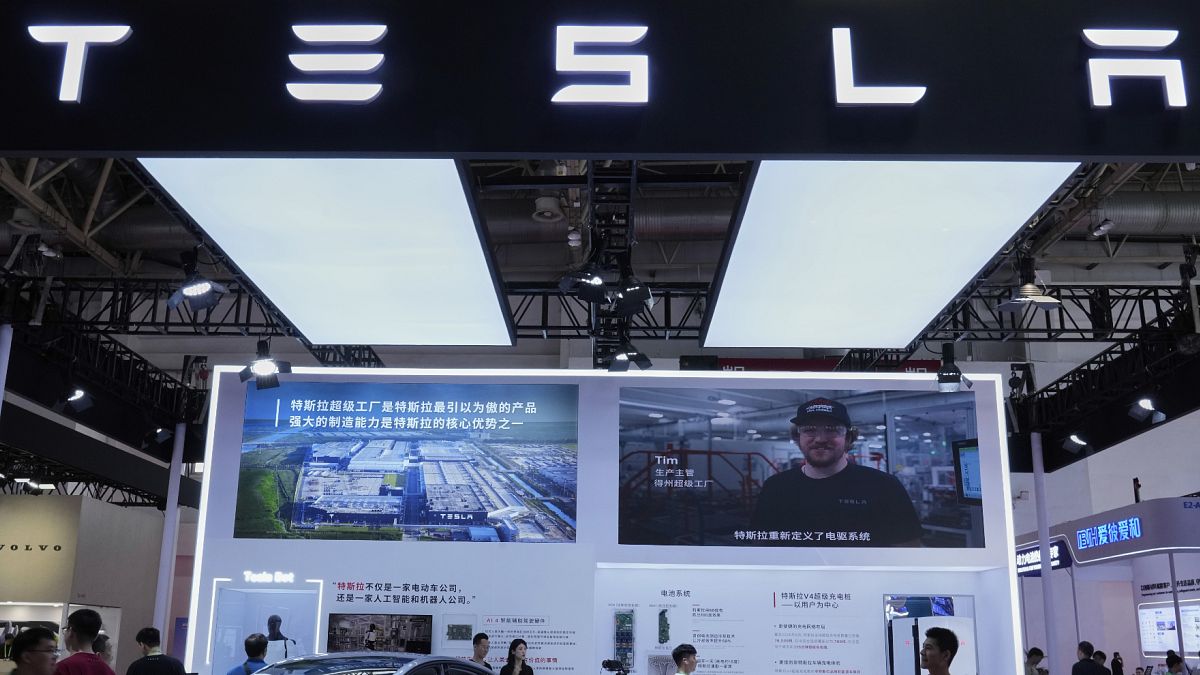
    A Samsung manufacturing facility in Texas will produce the newest generation of an advanced microchip for its yet-to-be rolled-out cars, Tesla CEO Elon Musk announced in a post on X.
    “Samsung’s giant new Texas fab will be dedicated to making Tesla’s next-generation AI6 chip. The strategic importance of this is hard to overstate,” Musk said.

    The deal is a major win for the South Korean tech giant, which lost major clients like Google in recent years to competitors such as the Taiwan Semiconductor Manufacturing Company (TSMC) due to workflow issues and low production yields.
    “Samsung agreed to allow Tesla to assist in maximizing manufacturing efficiency,” Musk continued in the post. “This is a critical point, as I will walk the line personally to accelerate the pace of progress.”
    While Samsung already produces the AI4 and has been working with Tesla since 2017, it lost the AI5 deal to TSMC, who initially produced it in Taiwan and will soon be moving production to a plant in Arizona.
    According to another post on X, the deal amounts to $16.5 billion (€14 billion), which Musk claims is “just the bare minimum. Actual output is likely to be several times higher”.

    Besides Tesla vehicles, the upcoming AI6 chip is expected to power the technological advancement of Tesla’s humanoid robots and will be involved in AI model training.

    What’s so “fab” about the new fab?

    A fab is a tech industry term for a semiconductor fabrication plant or a cutting-edge factory where companies like Tesla get their custom computer chips built after they are designed.
    There are only a few tech giants in the world that have the excruciatingly precise machinery to build 2-nanometer (nm) chips, which fit 50 billion transistors on a chip barely the size of a human fingernail.
    The obsession with miniaturization in the tech world is part of a drive to achieve better computational power and combine it with greater energy efficiency.

    Related

    Tesla’s results plummeted again and ‘rough quarters’ are coming, says MuskTesla sales crash in Germany as CEO Musk continues political activism

    The South Korean multinational conglomerate has been operating a semiconductor plant in Austin, Texas, since 1996. However, the new AI6 Tesla chip will be produced in a new plant in Taylor, around 50 kilometres away from the original fab.
    “The fab is conveniently located not far from my house,” Musk said in the post.
    Musk has lived near the launch site of his space exploration company, SpaceX, in Texas since 2021.
    The Samsung deal is in line with the Chips and Science Act, a US bill passed in 2022, which aims to bring more of the highly profitable semiconductor manufacturing industry to the US, instead of relying on overseas producers.

  • RFK Jr. Calls Off $500 Million Federal Vaccine Development Funding

    US Health Secretary Robert F. Kennedy Jr Announces a Bold New Vaccine Frontier

    Why This Could Be a Game‑Changer

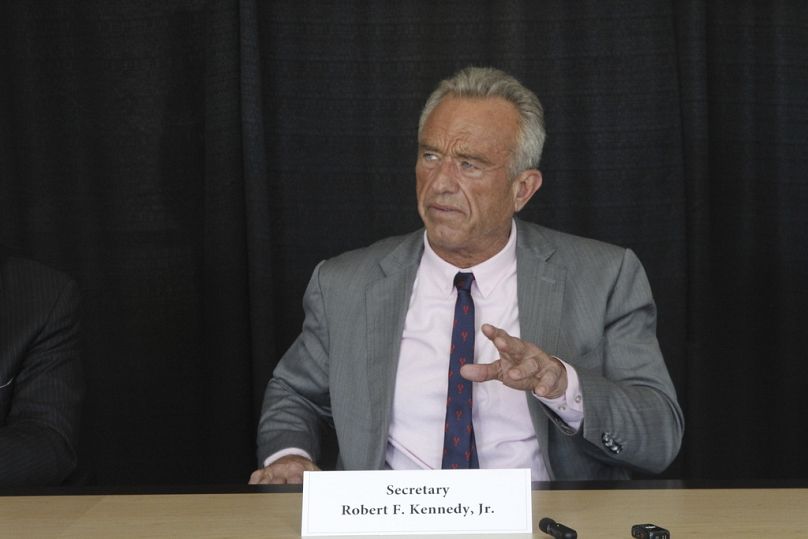
    Secretary Robert F. Kennedy Jr. dropped a big bombshell: the administration is pivoting towards a universal vaccine that will ditch current mRNA tech and tackle its quirks head‑on.

    • Universal Coverage: One shot, one shot for everyone—no more separate formulas for different strains.
    • Overcoming mRNA Limits: Say goodbye to delicate storage conditions and expensive production lines.
    • Future‑Proofing: Building a vaccine that can adapt as viruses evolve, staying ahead of the curve.

    How It All Works (In Plain English)

    Rather than aiming at a single pathogen, the new approach focuses on the common nooks of several viruses—think of it as catching all the pigeons at once instead of one by one.

    What This Means for You

    Picture a world where a single blood draw at your local clinic keeps you covered against the flu, COVID, and maybe whatever else pops up next. Trust us—it’s the next big thing, and it could finally cut the endless “one vaccine, one disease” race.

    So buckle up—our health system is gearing up for the big, universal leap, and it’s looking like the brightest, most tech‑savvy chapter in modern medicine yet.

    U.S. Health Overhaul: Kennedy Hits the Brakes on mRNA Vaccines

    Why the Sudden Stop?

    In a bold move that’s sending shockwaves through the medical community, Robert F. Kennedy Jr. announced that nearly two dozen mRNA vaccine projects worth about $500 million (€432 million) will be scrapped and their funding pulled.

    Key Details

    • Projects were led by big‑name pharma giants like Pfizer and Moderna.
    • The decision follows Kennedy’s record of stepping back from COVID‑19 vaccine endorsements and pulling the plug on measles‑outbreak recommendations.
    • “We’re shifting to safer, broader approaches—whole‑virus shots and novel platforms that don’t break when the virus mutates,” Kennedy explained in a social‑media video.

    Expert Reactions

    • Mike Osterholm, a University of Minnesota infectious‑disease specialist, called the move “one of the most dangerous decisions in public health in my 50‑year career.”
    • In contrast, other experts maintain that mRNA technology has proven safe and remains a crucial tool for managing current and future pandemics.
    The Broader Picture
    • The shift reflects a growing push to develop vaccine strategies that are less prone to viral mutation and more manageable for mass distribution.
    • While mRNA vaccines helped curb the 2020 COVID‑19 surge, they’ve also highlighted the need for diversified vaccine portfolios.
    Bottom Line

    With this strip‑down of mRNA projects, the U.S. is taking a daring detour towards new vaccine technologies—trading the quick, high‑yield mRNA platform for potentially more resilient, but longer‑term, solutions. Who knows? It might just be the next big leap in how we fight respiratory viruses.

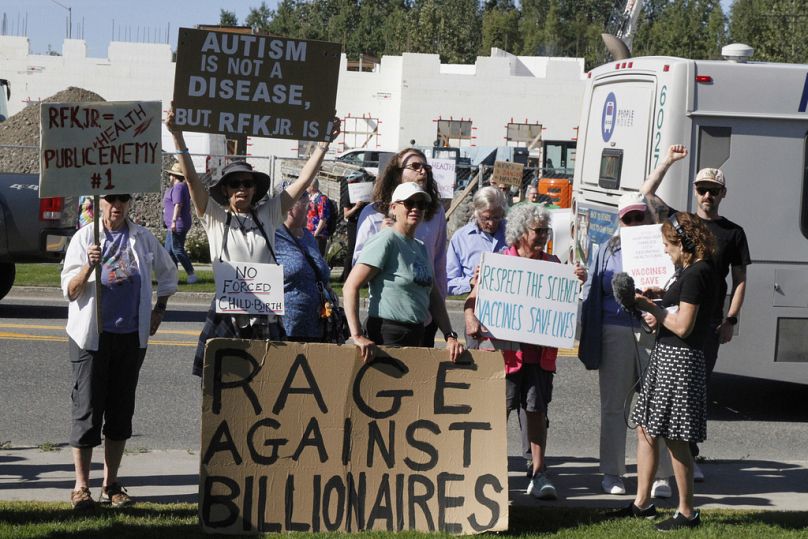
    Protesters hold signs and chant outside the Alaska Native Tribal Health Consortium where US Health Secretary Robert F Kennedy Jr met with Native leaders, Tuesday, Aug. 5, 2025

    Alaska Air‑Sparks & Epic Vaccine Debate

    On a sunny Tuesday in early August, the front yard of the Alaska Native Tribal Health Consortium turned into a battle‑front for facts and figures. Protesters waved banners, shouted slogans, and held up signs while the U.S. Health Secretary Robert F. Kennedy Jr. met with local Native leaders.

    “A Vaccine Speed‑Dial” – Talking mRNA

    • Big promise: mRNA tech can whiz through the vaccine‑making process in a flash—essential when a new pandemic pops up.
    • State of the art: The new approach doesn’t require waiting for a virus to grow in chicken eggs or giant vats. It starts from a tiny piece of genetic code that tells your cells how to build the needed protein.
    • When your body produces just enough protein to spark a shield, you essentially manufacture your own tiny dose of defense.

    Paul Offit’s Reality Check

    Dr. Paul Offit, a vaccine whiz from the Children’s Hospital of Philadelphia, didn’t hold back. He called Kennedy Jr.’s stance “short‑sighted.”

    “These mRNA vaccines have already saved millions of lives,” Offit said, reminding everyone that the old-school method of growing viruses—whether in chicken eggs or cloudy cell dishes—was also effective. He urged a balanced view: while mRNA offers speed, we still need to respect the proven platform that has served us well.

    Takeaway

    In a world where vaccines mean survival, the debate between rapid innovation and tried‑and‑true methods keeps growing louder—just like the chants outside that Alaskan council. Keep your vaccine curiosity ready and your humor sharp; the story’s still on the road.

    US Health Secretary Robert F. Kennedy Jr. attends a news conference, Tuesday, Aug. 5, 2025, in Anchorage, Alaska

    Health Department Taps a New Era for mRNA: Looking Beyond Vaccines

    When US health officials dropped the gavel on certain mRNA projects, the world was quick to grab the headlines. It’s not just about boosters and flu shots; scientists have been tinkering with that same genetic technology to target cancers, autoimmune quirks, even messing around with gene therapy. It’s a whole new playground for biomedical innovators.

    What’s the Real Deal?

    The Department of Health issued a statement Tuesday saying:

    • The mRNA tech used for other research remains untouched.
    • We’re shifting our focus: time to say “bye, bye” to some vaccine projects.
    • Next up: investing in “better solutions” to keep the public safe.

    In Anchorage, the Big Picture Grows

    Hours after the announcement, the health chief stood on a stage in Anchorage, Alaska, and laid out an ambitious roadmap. “We’re working on alternatives to mRNAs,” they said, sounding like a visionary on a mission to create a universal vaccine that mirrors the body’s natural immunity.

    How Would It Work?

    Think of it as a superhero vaccine that adapts to the threat it faces, much like how our immune system flips its script in real life. It’s an attempt to bridge the gap between cutting‑edge biotech and everyday medical practicality.

    Bottom Line for the Public

    The department’s pivot doesn’t mean that mRNA won’t stay in the spotlight—just that we’re on a quest to create even smarter approaches. They’re not abandoning the promising tricks of mRNA altogether; they’re looking for something that works across a wider range of diseases while keeping safety at the center. Stay tuned—science is on a wild, ever‑evolving ride!