Tag: judge

  • Elon Musk Commits  Million To Murals Of Iryna Zarutska Nationwide, Turning Public Spaces Into Culture War Battlegrounds

    Elon Musk Commits $1 Million To Murals Of Iryna Zarutska Nationwide, Turning Public Spaces Into Culture War Battlegrounds

    Americans are learning this week about the urgent need to rebuild insane asylums and expand prison capacity, given the Democratic Party’s nation-killing progressive mass-release policies that have flooded city streets and communities with violent criminals, such as the one who brutally murdered a young Ukrainian refugee woman in broad daylight on public transit in North Carolina. 

    With the Overton Window having shifted last year, what was once socially acceptable, such as bending the knee to woke policies cut from Marxist cloth (defund the police, etc.), is no longer popular as the dominant narrative across the land. Instead, Americans are demanding law and order, especially in the era of the Trump administration.

    A significant inflection point, and what is being considered as politically disastours for Democrats ahead of the Midterms, has been the horrifying murder of Iryna Zarutska, a Ukrainian refugee, on a commuter train in Mecklenburg County. Her killer, Decarlos Brown, who was previously arrested 14 times in North Carolina for crimes ranging from assault to firearms possession, and whose own mother admitted he had schizophrenia and should never have been allowed back on the streets, was recently released on cashless bail by a progressive magistrate judge despite a two-decade violent crime spree. 

    “Watching her cry alone with her hands holding her face is one of the saddest things I have ever seen,” one X user wrote. 

    Christopher Rufo noted, “We need more police, more prisons, and more asylums. And yes, we can arrest our way out of the psychotic-criminals-murdering-people-in-the-streets problem.” 

    The optics for the Democratic Party get worse, as their dark-money, billionaire-funded NGO network appears partly responsible…

    What seems to be emerging this week could be the early innings of a cultural and political moment reminiscent of the one seen with George Floyd – though not as part of a Marxist takeover. This time, it is driven by the ‘America First’ crowd, with their first move being the use of public spaces as the battleground, much like in 2020.

    The first evidence of this comes from an Intercom CEO, Eoghan McCabe, who just offered $500,000 to artists nationwide, $10,000 per grant, to paint murals of Iryna Zarutska’s face in prominent US metro areas. 

    Just like the murals of Floyd, McCabe’s taking the playbook from the left and turning public spaces into battleground areas with highly visible art of Zarutska’s face to communicate to everyday folks how the death of this young and innocent woman was due to nation-killing progressive policies.

    And Elon Musk commits $1 million. 

    Why should McCabe stop with Zarutska? The America First crowd may soon realize that the next battleground is public space. Recall that dark-money-funded anti-Trump Indivisible group understands this space very well. 

    Loading recommendations…
  • Cross-Party EU Lawmakers Demand Sanctions on Israel Over Gaza Atrocities

    At least 58 MEPs from the left and right of the political spectrum are urging the EU to take ‘decisive’ action over the humanitarian crisis in Gaza, saying that the ‘time for moral cowardice is over’.

    ADVERTISEMENT

    A group of some 58 cross-party MEPs are pressing on the European Union to suspend its trade deal with Israel and impose sanctions on the Netanyahu-led government, as an UN-backed body warns of signs of famine and widespread starvation in the Gaza Strip.
    In a joint statement seen exclusively by Euronews, the lawmakers call on the EU to hold the Israeli government accountable for actions that “blatantly breach the Geneva Convention and international humanitarian law.”

    The statement also urges Hamas to immediately release Israeli hostages still held captive in Gaza after they were kidnapped from Israel during October 7 2023 attacks.
    “Future generations will judge today’s leaders on their response, or lack thereof, to the atrocities in Gaza. Failing to act now will be remembered as a moral stain on humanity,” the statement reads. “The time for moral cowardice is over, and action must be swift.”
    The coalition of MEPs explicitly call for sanctions on the Israeli government, a move the EU has so far avoided despite allies including the United Kingdom and Norway moving to sanction two Israeli ministers considered extremist, Itamar Ben-Gvir and Bezalel Smotrich.
    On Tuesday, the Netherlands imposed travel bans on both ministers in response to the deepening crisis in Gaza.
    The signatories also press on the Commission to suspend the EU’s Association Agreement with Israel, which defines the trading and political relations between both sides, and which has often been touted as the best tool at the EU’s disposal to pressure Israel into improving a spiralling humanitarian situation in the Gaza Strip.

    A previous review by the EU’s diplomatic arm found indications Israel had breached the human rights obligations enshrined in its Association Agreement with the bloc, but the process failed to trigger any concrete reprisals beyond a discussion between the EU’s top diplomat Kaja Kallas and her Israeli counterpart, foreign minister Gideon Sa’ar.
    Those talks resulted in an ‘agreement’ by Israel to scale up the humanitarian assistance reaching Gaza. But concerns about the humanitarian situation on-the-ground have mounted since.
    On Monday, the European Commission tabled the partial suspension of Israel’s access to the EU’s Horizon Europe research and innovation programme in response to its actions in Gaza.
    But the signatories of the statement call for a much more stringent response, warning “mere words of condemnation are inadequate.”

    They represent 15 of the EU’s 27 countries, including Germany, France, Italy and Spain, as well as six different political groups, from The Left to the centre-right European People’s Party (EPP). 
    Israel’s war against Hamas in Gaza has exposed deep political and national fault-lines in the European Union. But the deepening humanitarian crisis is prompting lawmakers from ideologically opposed groups to join forces in calling for more decisive EU action.
    “MEPs from across the spectrum of pro-European, pro-democratic parties have united behind this statement,” MEP Evin Incir, who sits on the centre-left Socialists and Democrats (S&D) group, told Euronews, adding that more signatories were expected to support the statement in the coming hours.
    “Our concerns are directed at both the European Commission and EU member states, who all need to be more decisive in their response to the unfolding humanitarian crisis,” she added.
    The statement comes as the Integrated Food Security Phase Classification (IPC), a global watchdog monitoring hunger with the backing of governments and the UN, said there is “mounting evidence” that “widespread starvation, malnutrition, and disease are driving a rise in hunger-related deaths” in the besieged territory.
    Israeli government officials have either denied that there is famine in Gaza or deflected the blame. There have been multiple reports of armed gangs looting aid deliveries and selling the contents on the black market, which could be exacerbating the crisis.

  • Perplexity offers to buy Chrome for billions more than it's raised

    In a moonshot move, AI search engine Perplexity has offered to buy Chrome from Google for $34.5 billion cash in an unsolicited offer, Reuters reported, and Perplexity has confirmed to TechCrunch.

    Perplexity tells TC the terms of the offer include a commitment to keep Chrome’s underlying engine, Chromium, open source and continue to invest in it. Perplexity’s offer includes a promise to invest $3 billion into the open source project.

    Perplexity is also promising not to change the user defaults of Chrome users, including the default search engine. That is, Perplexity is promising to leave Google as the search engine rather than making its own AI-powered option the default. 

    Google could not be reached for comment. TechCrunch will update the article if the company responds.

    This bid comes after the Department of Justice proposed in March that Google be forced to sell Chrome after a judge ruled the tech giant acted illegally to maintain a monopoly in online search. Google has not agreed to sell Chrome and has vowed to fight the ruling. 

    The Perplexity spokesperson believes the court will soon set terms for remedies, perhaps later this month. (Google is also fighting another federal case where the judge ruled it illegally monopolized adtech, and the DOJ is proposing Google be forced to divest two of its adtech products or otherwise break up its ad business.)

    When the DOJ first proposed that Google divest Chrome, both OpenAI and Perplexity expressed interest in buying it. Given that Chrome is the dominant browser, with 68% marketshare according to Statcounter, if the court rules Chrome must be sold, no doubt others worldwide would want to bid as well.

    Techcrunch event

    Tech and VC heavyweights join the Disrupt 2025 agenda

    Netflix, ElevenLabs, Wayve, Sequoia Capital, Elad Gil — just a few of the heavy hitters joining the Disrupt 2025 agenda. They’re here to deliver the insights that fuel startup growth and sharpen your edge. Don’t miss the 20th anniversary of TechCrunch Disrupt, and a chance to learn from the top voices in tech — grab your ticket now and save up to $600+ before prices rise.

    Tech and VC heavyweights join the Disrupt 2025 agenda

    Netflix, ElevenLabs, Wayve, Sequoia Capital — just a few of the heavy hitters joining the Disrupt 2025 agenda. They’re here to deliver the insights that fuel startup growth and sharpen your edge. Don’t miss the 20th anniversary of TechCrunch Disrupt, and a chance to learn from the top voices in tech — grab your ticket now and save up to $675 before prices rise.

    San Francisco
    |
    October 27-29, 2025

    REGISTER NOW

    Interestingly, the CEO of rival search engine DuckDuckGo testified in April that Chrome could be worth “upwards of $50 billion,” Bloomberg reported at the time. Should Perplexity’s offer succeed, it could be considered a bargain. 

    Still, this offer for Chrome is far more than Perplexity has raised from investors and more than the startup’s current valuation. Perplexity has raised about $1.5 billion to date, PitchBook estimates, including an extension round of $100 million raised last month that valued it at $18 billion, Bloomberg reported.

    In the meantime, Perplexity last month launched its own browser, called Comet, in its bid to grow its AI search business without having to serve its customers through a browser, particularly one owned by its main rival Google.

    And, by the way, last month, Perplexity also reportedly submitted a bid to merge with TikTok.

  • Judge Dismisses Part Of Alligator Alcatraz Lawsuit

    Judge Dismisses Part Of Alligator Alcatraz Lawsuit

    A federal judge has issued a split ruling in a lawsuit over the “Alligator Alcatraz” immigration detention center located in the Florida Everglades – ruling that Detainees’ claims that they lacked access to immigration courts were moot after the Trump administration designated the Krome North Processing Center near Miami to hear their cases, but then transferred other claims to the Middle District of Florida, where the detention center is located.

    Work progresses on the “Alligator Alcatraz” detention facility in the Florida Everglades, in Ochopee, Fla., on July 4, 2025. AP Photo/Rebecca Blackwell

    “After numerous hearings, affidavits, status conferences, and supplemental filings, it has become readily apparent that Plaintiff’s Complaint suffers from two key flaws. For one, Plaintiff’s Fifth Amendment claim has been rendered moot,” wrote U.S. District Judge Rodolfo Ruiz on Monday. 

    “Venue matters,” Ruiz continued in his decision to transfer the surviving claims. 

    As the Epoch Times notes further, civil rights groups, led by the American Civil Liberties Union, had sought a preliminary injunction to ensure detainees could meet privately with lawyers and challenge their detention.

    “Defendants currently hold approximately 700 immigrant detainees at the facility, and have barred detained immigrants from communicating confidentially with legal counsel,” their motion stated, asking the court to require private, unmonitored calls and stop officials from reading legal papers.

    The suit also alleged that detainees were pressured to sign voluntary deportation orders without legal advice.

    One intellectually disabled detainee was told to sign a paper in exchange for a blanket, but was then deported subject to voluntary removal after he signed, without the ability to speak to his counsel,” the plaintiffs’ reply in support of their injunction request stated.

    Government lawyers countered that the facility—still under construction on a remote airfield—had been updated to allow attorney meetings and that documents were only screened for contraband.

    One attorney argued that the plaintiffs’ claims were really an effort to close the site, saying they were trying to “fragment, to prolong, [and] to block” deportation efforts.

    Ruiz agreed that the First Amendment claims “are very much alive,” but ruled they should be litigated in the Middle District.

    The Everglades site, formally called the Collier-Dade Training and Transition Detention Center but widely known as Alligator Alcatraz, has already drawn court battles.

    Earlier this month, U.S. District Judge Kathleen Williams ordered a 14-day halt on new construction after environmental groups and the Miccosukee Tribe argued the project violated federal review requirements.

    This marks the second major federal lawsuit over the site, officially known as the Collier‑Dade Training and Transition Detention Center but widely called “Alligator Alcatraz.”

    In early August, U.S. District Judge Kathleen Williams halted further construction for 14 days after environmental groups and the Miccosukee Tribe argued that the facility was built without required environmental reviews. Williams has yet to issue a ruling on venue.

    The facility was built under emergency powers granted by Florida Gov. Ron DeSantis, who authorized Kevin Guthrie, head of Florida’s Division of Emergency Management, to take over the Dade-Collier airfield and construct the center.

    Ringed by more than 28,000 feet of barbed wire, the site sits more than 50 miles west of Miami within the Big Cypress National Preserve, home to some 30,000 alligators.

    “We like the idea of reopening the original Alcatraz,” Florida Attorney General James Uthmeier said earlier this year.

    “I don’t know if that can happen or not, but we thought, ‘Hey, we’ve got our own natural Alcatraz in the middle of the Everglades, great runway, great, great perimeter. So let’s, let’s make it happen.’”

    Environmental groups remain opposed.

    “This project has been rushed through with zero analysis of the impacts of all the vehicles and the thousands of people that will be detained or work on the site,” Earthjustice attorney Alisa Coe said at a July 1 news conference.

    “The Everglades deserves more, and that’s why we’re in court.”

    T.J. Muscaro contributed to this report.

    Loading recommendations…
  • DOGE Gains Access to Sensitive Federal Data in Court Ruling

    DOGE Gains Access to Sensitive Federal Data in Court Ruling

    Dog‑Easing: DOJ Gains the Freedom to Dig in the Federal Vaults

    Sam Dorman, The Epoch Times (yours truly) – In a court move that feels like hitting the “unlock” button on a government lockbox, an appeals court has ripped away a block that was preventing the Department of Government Efficiency (DOGE) from pulling data from a pile of federal agencies.

    What’s the Deal?

    • Access Granted – DOGE can now query and retrieve information that was previously off limits.
    • Efficiency Boost – The move is meant to accelerate the Department’s mandate to streamline government operations.
    • No Dogecoin Involved – Despite the acronym, this is all civil, not crypto.

    Why It Matters

    Think of the federal system as a giant library with a few locked rooms. DOGE’s job is to make sure those rooms are accessible so projects run smoother. With the lock removed, the Department can finally get the books it needs without a lawyer’s help.

    A Light‑Hearted Take

    It’s kind of funny how the Department’s name—Department of Government Efficiency—sounds like a motto, but they’re actually tackling the very inefficiency the name promises to fix. At least now, no more “hey, we’re stuck in this data maze” excuses!

    What’s the Deal with DOGE?

    Picture a giant, shiny government office called the Department of Government Efficiency (DOGE). It was set up in February under the watchful eye of tech billionaire Elon Musk, who was appointed by President Trump as a special citizen employee. DOGE’s mission? “Cut waste and boost productivity across the federal government.” A lofty goal, but one that’s stirred up a legal storm.

    The Court’s Big Move (August 12)

    On Aug. 12, the U.S. Court of Appeals for the Fourth Circuit tossed a ruling in favor of the administration. In a 2‑to‑1 decision, Judge Julius Richardson said the lower court had misjudged the likelihood of the plaintiffs succeeding against DOGE. He compared DOGE to a consultant assigned to spruce up a local library: “You can’t make the consultant step inside the library to see what’s wrong before you actually know what needs fixing.”

    Dog Inside the Bureaucracy

    Formed under Trump’s executive order, DOGE is not just a shiny name – it’s a sprawling agency that works inside federal departments like the Treasury and the Department of Education. DOGE employees are tasked with modernizing tech systems and, for the better or worse, gaining deep access to internal databases.

    The Plaintiffs’ Fight

    Early February, unions and government workers filed a lawsuit accusing DOGE of “steamrolling into sensitive government record systems” and jeopardizing Americans’ personal data. Judge Deborah Boardman later issued a preliminary injunction that halted DOGE from sharing data with its affiliates across the Education Department, the Office of Personnel Management, and the Treasury.

    • Premise of the case: Plaintiffs claimed DOGE violated the Privacy Act, which limits how agencies can share personal information.
    • Boardman’s viewpoint: DOGE’s requests for data were “seemingly unfettered,” lacking any clear need-to-know justification.

    Judge Richardson’s Take

    Richardson argued that asking DOGE affiliates to specify the exact information they want “is a demand just short of clairvoyance.” He believed that an employee tasked with modernizing IT would naturally require broad access to carry out a system survey. Furthermore, he doubted the plaintiffs even had standing to sue.

    Supreme Court’s Interlude

    In a related case, the Supreme Court lifted a lower court order that blocked DOGE from accessing the Social Security Administration’s confidential data. Justice Ketanji Brown Jackson dissented, echoing Boardman’s concerns that DOGE’s reach was too wide.

    Key Takeaways

    • DOGE is a Trump-era initiative aimed at cutting government waste—with a controversial deep-tech approach.
    • Courts are divided: lower courts worried DOGE oversteps privacy laws; higher courts side more with the administration.
    • Legal battles highlight the tension between efficiency improvements and protecting personal data.

    In short, DOGE’s quest to streamline government has taken it far beyond polite office upgrades and into the arena of privacy law—where each side is ready to argue with a full‑blown legal armory. Whether the agency will emerge a knight in shining armor or a rash wizard who sparks a data disaster remains to be seen.

  • Obama Judge Halts Trump Plan to End Child Detention, Calling It a Boost to Illegal Immigration

    Obama Judge Halts Trump Plan to End Child Detention, Calling It a Boost to Illegal Immigration

    The Judge & the Great Settlement Showdown

    Picture this: a federal judge straight up shuts down the Trump administration’s bold plan to ditch a longtime deal that keeps the treatment of kids in immigration centers on a tight leash.

    What the deal actually covers

    • Sets clear standards for how children are kept in custody.
    • Ensures they receive adequate food, water, medical care, and a safe environment.
    • Has been in place for decades—no one talks about it, but it matters.

    Why the Trump team jumped in

    They claim the agreement is a roadblock to their aggressive move against illegal immigration, so they pushed for the federal judge to invalidate it. Spoiler: it didn’t work.

    The judge’s game plan

    The court stood firm, citing that the settlement is rooted in long-standing policy and is essential for child welfare. The government’s arguments didn’t have the chops to overturn it.

    What’s next?

    • The settlement stays.
    • You can probably say the children will keep getting the care they deserve.
    • Turns out, some rules just aren’t written on the official board of scratch‑and‑dice.

    Bottom line

    Even a powerful administration can’t pull the rug out from under a well‑established settlement—especially when it matters so much about kids. And the judge’s nope might just be the best thing we’ve seen so far.

    Border Patrol Bounces Babies Across the Rio Grande – and the Legal Buzz

    The Scoop (April 18, 2019)

    On a brisk day near McAllen, Texas, Border Patrol teams rounded up a bunch of folks who had just crossed the Rio Grande from Mexico. It was a quick arrest, and the kids involved were in the mix.

    Judge Dolly Gee Stays Tight on the Flores Deal

    U.S. District Judge Dolly Gee, an Obama appointee assigned to California’s Central District, ruled on August 15 that the Department of Homeland Security didn’t have the right to abandon the Flores Settlement Agreement (FSA). This 1997 pact sets restrictions on how long children can be held and under what conditions in Border Patrol facilities.

    Government’s Hot Take

    In filings filed back in May, government lawyers dismissed the FSA as a “full‑blown intrusive regime.” They argue that the agreement snags agencies out of the process, forces them to release families early, and effectively creates a kickoff button for illegal immigrants to usher kids across the border, knowing the kids will get fast‑tracked out.

    Why It Matters

    • Legal Framework: The FSA is a cornerstone that protects children’s rights in detention.
    • Policy Clash: DHS wants to dissolve it – but the judge found no solid foundation.
    • Public Mirror: The case raises questions about border control tactics versus child welfare.

    Takeaway

    While the Border Patrol moves quickly on the ground, the courts are holding the policy cards closed. The debate over the Flores Agreement is far from over, and the next court decision could shape how many more kids get stuck in a bureaucratic maze or freed promptly.

    Judge Dolly Gee Keeps the Flores Settlement Going: Why Trump’s Plan to Kill the FSA Stopped

    Ever hear about the Family Separation Agreement (FSA)? Well, it’s the set of rules that says kids who get caught crossing the border can’t stay in the same cell with their parents for long. It’s like a rule that says you can’t play Monopoly for more than 20 rounds in a row without taking a break.

    The FSA in a Nutshell

    • Minors in 72 hours: If you find a kid in a border patrol cell, you must move them out within 72 hours and put them in a licensed shelter—or release them to a family.
    • 20‑Day maximum: In 2015 Judge Gee set a cap: children can’t be held together with parents for more than about 20 days. The government just can’t find a long‑term family facility.
    • The long haul: Immigration cases can drag on for weeks or months, which makes it hard to keep families stuck together for the whole process.

    Trump’s Mission to Cancel the FSA

    President Donald Trump, like a superhero trying to rid the world of a bad villain, tried to knock the FSA out from the system. First attempt in 2019 got blocked by Judge Gee. He got a second chance when Trump was re‑elected and promised to “crack down” on illegal immigration. The administration says the FSA is the reason for the immigration rollercoaster we’re all riding.

    Last Week’s Hearing: Families vs. the Administration

    In a recent hearing, groups fighting for the rights of kids in federal custody and Trump‑era attorneys went head‑to‑head. The advocates begged the judge to keep the FSA because conditions in Texas family centers were all but horror shows and they wanted independent monitoring. The government lawyers argued the FSA was a roadblock to crack down on the “illegal kids.”

    Judge Gee’s “Déjà Vu” Take

    Judge Gee, no fan of the same-old arguments, called the recent campaign a classic “déjà vu.” She echoed her August 15 order, saying that repeating the same dull points isn’t new at all. She described the government’s push to end the FSA as just a rehashed attempt that never worked.

    What About the Filso Times?

    While the Epworth Times reached out to DHS for thoughts on the ruling, the Associated Press helped stitch the story together.

    Bottom Line: The FSA Is Still In Effect

    Judge Gee’s decision means the Trump administration must still honor the 72‑hour transfer rule and 20‑day limit. In other words, families can’t be held together for the long haul, and kids get out of those grim cells fast.

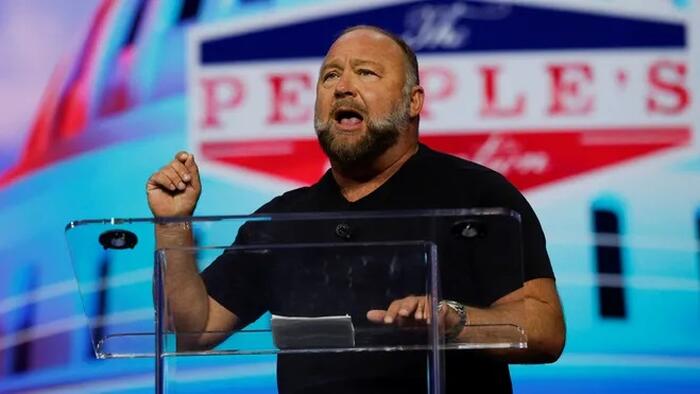
  • Judge Lists Infowars for Sale Again as Leftists Call for Alex Jones Takedown

    Judge Lists Infowars for Sale Again as Leftists Call for Alex Jones Takedown

    What’s Really Happening With the Sandy Hook Lawsuit?

    The so‑called “justice” rallying cry from many mainstream outlets is a bit of a smokescreen.
    When you look at what the plaintiffs have actually done, it’s clear they’re steering this trial into a political arena – not merely a quest to output compensation for any alleged suffering caused by Alex Jones’ outlandish tweets about the tragedy.

    Why the Big Numbers Don’t Line Up With Reality

    • Legal vs. “Logical” Payments: If the suit was truly about reparations for bad‑mouth damage, the court would have calculated a payout that Jones could feasibly pay.
    • Stone‑Cold $1.5 billion: Instead, judges handed a slammed figure to 15 plaintiffs, as if the goal was to topple Alex Jones outright.
    • Political Motive: The staggering award reads more like an attempt to silence one voice than a reasonable solution for hurt people.

    What’s at Stake?

    Picture this: a courtroom drama that feels more like a chapter from a political thriller than a civil dispute. The defendants—Alex Jones and his Free Speech Systems—have been dragged into a spectacle that’s less about debt and more about a show‑stopper blow to free expression. The outcome doesn’t just raise questions about restitution; it flips over the entire debate on whether the court is still about justice or about throwing out a stubborn opponent.

    In Short…

    Claims that the suit is purely a healing gesture for grieving parents fall short when you realize the payouts have less to do with “compensation for damage” and more with a bold, politically‑charged bid to keep a controversial figure out of the spotlight forever.

    Alex Jones, The Onion, and the Wild Ride of a Bankrupt Dream

    Picture this: a Connecticut bankruptcy judge calls out Alex Jones for “willful and malicious” lies about the Sandy Hook tragedy. That’s The Judge’s verdict. The consequence? Jones can’t wipe those debts clean with a simple bankruptcy filing. Instead, he may have to keep paying out his future income until the families finally get their money.

    Why the Left Is On a Mission Art

    • The left sees Jones as a target: the noble goal? To turn him into a lifelong pauper or even a “slave” to prove a point in the alt‑media world.
    • They want the auction to hand his famous Infowars assets to a leftist humor outlet called The Onion, treating his wallet like a bank account with a “contingency bid.”

    The Auction Action

    • The Onion offered a hefty $7 million but no cash on hand; they tried to borrow money from Jones’s future payouts.
    • First United American Companies came in with $3.5 million for a nutritional supplement site bearing Jones’s name.
    • Despite the numbers, The Onion still won—until Judge Christopher Lopez intervened, calling the process “flawed” and saying it left “a lot of money on the table.”

    Enter Texas Judge Maya Guerra Gamble

    Just when everyone thought the drama was over, a new Texas ruling flipped everything again: free speech fan site Free Speech Systems will be put under court‑appointed receivership. Those hands will sell assets and funnel the proceeds straight into Jones’s debt to the Sandy Hook families.

    What the Media Is Saying

    • Progressive outlets are buzzing with the idea that The Onion could take the brand and turn it into a parody—if they’ve got the cash and comic chops, which—let’s be honest—The Onion is more about satire than slap‑stick.
    • They’re hoping the Infowars fan club will crumble in a grand “victory” moment. But, spoiler alert: even if it works, the war for ideology has already shifted. Alex Jones has already carved a niche and brought the whole “woke” debate into the spotlight.

    The Bottom Line

    Most folks see this as less about justice and more about a tactical haircut for a political minority afraid of losing their voice. It’s a tangled, comedic circus—so buckle up. No code, no locks, just a dramatic bankruptcy showdown that refuses to end.

  • Inside Mauricio\’s Courtroom Confession: Kyle Richards\’ Ex Faces a Restraining Order Fight

    Inside Mauricio\’s Courtroom Confession: Kyle Richards\’ Ex Faces a Restraining Order Fight

    Momma’s Sweet Potato: Mauricio Helps Dad Beat The Dementia Dragon

    In a courtroom scene that felt more like a family drama than a legal mumble, Kyle Richards’ estranged husband Mauricio Umansky sat under oath to help his elderly dad, Eduardo, fight for a restraining order. Guess who’s the star? Mauricio, age 54, who read the law like it was his favorite recipe book.

    What Went Down on May 5

    • Speaker: Mauricio Umansky, the proud brother who loves summer barbecues and serious legal jargon.
    • Topic: Eduardo’s battle against the memory‑slippery side of dementia.
    • Outcome: The court took a deep breath, scribbled away, and the transcript is now a lantern shining through the fog.

    Why This Looks Like a Family Mission

    On the 1‑10‑24 megashift of legal drama, Mauricio’s sister, Sharon Benton Umansky, drafted a petition to protect their old man from a longtime partner, Simin Tabibnia. It’s a battle for the 81‑year‑old Eduardo’s well‑being, and the entire Umansky clan is pitching in.

    Inside the Restrainer’s Goldfish‑Slide

    Picture it: a courtroom, a half‑cookie pie, and a vinyl record of “Bring It On” blasting in the background. Mauricio had to answer questions faster than a barista making latte art—“Did you see the last episode of your favorite show?” Not quite. “Did Eduardo know he was still living in the same house?’” But hey, that’s the kind of stuff that keeps a family together.

    Quick Take
    • Momma, Eduardo, is fighting dementia, thanks to a curse‑breaking legal team.
    • Safer shelters and protective orders are the ultimate recipe for comfort.
    • Long‑term “partner” Simin Tabibnia is the villain, or at least the antagonist in this legal saga.

    Inside Mauricio's Courtroom Confession: Kyle Richards' Ex Faces a Restraining Order Fight

    Hold on—The Agency’s Founder, Mauricio, Faces a Family‑Smack‑down

    In a courtroom scene that could’ve triggered a reality‑TV episode, Estella Sneider, Mauricio’s mother, appeared to weigh in on a family feud. She told the judge that she’s the proud mother of Mauricio and the exclusive long‑term love of “Sharon” (yes, that’s Eduardo’s 30‑year‑married partner). No, she’s not a gossip columnist—she’s just an attentive parent banging her forehead against the polished floor.

    What Mauricio? Figure It Out

    During the hearing, Mauricio made a point to clarify that he’s not just a friendly guy in the house; he’s the CEO and founder of the real estate firm The Agency. Even Eduardo, the seasoned agent, is his junior (allowing him to brag a bit about the “boot camp” he’s survived at the office).

    • Estella’s Up Front: She’s the “Mama of Mauricio,” “Sharon,” and Eduardo—A 30‑year marriage cornerstone.
    • Mauricio’s Role: CEO/Founder of The Agency, the company where Eduardo cranks out deals.
    • Key Drama: The allegations attached Mauricio’s father in a whispered media storm—creating a new plot twist in an already tangled saga.

    Why Everyone’s Watching

    It’s not every day you see a mix of high‑stakes real‑estate, family drama, and courtroom drama sealed under one roof. While the legal pages crackle with the official voice of the judge, this family’s love and business lessons are spilling into the public arena—just like a live, unedited reality show, the only thing we do not have is a confession booth (or a red carpet).

    Inside Mauricio's Courtroom Confession: Kyle Richards' Ex Faces a Restraining Order Fight

    Behind the Scenes of a Real Estate Show‑down

    At the Los Angeles Superior Court a quirky little story unfolded—one that had our ears perked and our eyebrows raising.

    Meet Mauricio and his “Commission Crew”

    Mr. Mauricio dropped a nugget of insider knowledge: real‑estate agents at his firm typically grab 80% of the sale price and the remaining slice goes straight to The Agency, a sort of corporate “tip jar.” Imagine a pizza pie—eight slices for you, one for the pizza crew.

    The Family Ties & Time‑Gap Drama

    He added that it’s been over 18 months since his dad closed his last home deal. That two‑and‑a‑half‑year gap turned the courtroom into a waiting room of suspense.

    The Lawyer Fumble

    When the magistrate asked Mauricio how much Eduardo earned in 2023 from The Agency, Simin’s lawyer gunbed a protest. “Nope, that’s off‑limits,” the lawyer exclaimed, likely because they’d heard that Eduardo’s cash flowed into a weird “composite” that offended Simin.

    Why the Money Matters

    Sharon’s attorney put the nail to the head, saying the question was crucial because Simin had claimed that the dollar bills Eduardo paid her were actually an off‑the‑top share of his commissions. In plain English: “You think this was a mortgage payment? No, this was a commission cocktail.”

    In the end, what might have been a straightforward commission query turned into a courtroom drama full of family drama, financial puzzles, and a detective story about where the money really went.

    Inside Mauricio's Courtroom Confession: Kyle Richards' Ex Faces a Restraining Order Fight

    Family Feud: The Calderón Cash Conundrum

    What the Court Heard

    Sharon’s attorney dropped a bombshell: Eduardo allegedly sent $124,000 in 2023 and $156,000 in 2024. They argue this stash is evidence of alleged financial abuse.

    Simin’s Side of the Story

    Simin, who once worked with Eduardo selling houses, told the judge that the money was actually commissions owed to her. She’s got a track record, and those numbers lined up with her work.

    Eduardo’s Earnings

    • In 2023, Eduardo’s commissions were reported around $35,000.
    • In 2024, a tax form revealed he earned $39,823.69.

    Mauricio’s Take

    Mauricio pointed out that Simin used to work for The Agency—the implication being she left in early 2024. The timeline may be a bit fuzzy, but it adds another layer to this family drama.

    Bottom Line

    Who’s getting what? Who’s really earning? And can a family feud ever settle itself with paperwork? The court is on the track, and the math is as sticky as a summer jam session.

    Inside Mauricio's Courtroom Confession: Kyle Richards' Ex Faces a Restraining Order Fight

    LA Superior Court Drama: Mauricio vs. The Agency

    The Dinner Table Talk

    In a courtroom that felt more like a gossip club than a legal space, Simin’s lawyer fired a barrage of questions about the mysterious link between Eduardo and Simin. Mauricio, playing the straight man, clarified the family ties at play.

    The Family Team

    • Mauricio’s daughter was the big cheese as president of The Umansky Team, a unit inside The Agency.
    • Both Eduardo and Mauricio fell into that team’s orbit, joining the mix.
    • “Simin solo flew the flag,” Mauricio explained, “but she never actually dived into the commission pool.”

    Courtesy Permits

    It turns out Simin earned a courtesy title – a fancy label that came with no paycheck or ‘the real deal’ commissions. Think of it as a party favor email that never turned into a lottery ticket.

    4% Stakes

    • Eduardo owns four percent of The Agency, a slice of the pie if you will.
    • Questions burst from Simin’s side: “Is he getting dividends for his slice?”
    • Mauricio’s reply? “Nope, no cash payouts. The Agency has been taking a slow‑motion stroll through a sluggish real‑estate market.”

    The Verdict?

    There’s no dramatic twist yet, but this case keeps us guessing about who’s really pulling the strings in the real estate jungle.

    Inside Mauricio's Courtroom Confession: Kyle Richards' Ex Faces a Restraining Order Fight

    Inside the Corporate Drama of a Los Angeles S‑Court Case

    Ever wondered how a couple of business pals can turn a real‑estate fiasco into a courtroom headline? Let’s unpack the story with a dash of humor and a sprinkle of heart.

    The Investment That Went in the Wrong Direction

    • Eduardo put his money into The Agency at the start of a massive housing slump.
    • In the last three years (2022‑2023), the brokerage hit the lowest transaction volume in the market since the 1990s.
    • Those lean years left the company “losing a significant amount of money.”

    Right‑Sizing in 2024 – A Business Make‑over

    • By 2024, The Agency had trimmed its operations and hit a breakeven point.
    • Thanks to the pivot, the firm avoided paying out dividends that year.
    • Mauricio clarified that dividends were only issued once to owners, and the rest of the profits were reinvested into growth.

    Mauricio, Eduardo, and the Hidden Income Mystery

    Mauricio shares he was “close” with Eduardo’s dad, but claims no extra money flew into Eduardo’s pockets.

    During the trial, the prosecutor poked Mauricio about a text he sent to Simin’s son on November 24, 2024. Mauricio’s reply was a bit theatrical:

    “I don’t recall. I think that message kind of speaks for itself as to why I sent it. My dad was dealing with dementia, or maybe that’s my mom’s situation, so I was asking him to just, please stop.”

    The text was something along these lines:

    • “Regarding your mom and my father, I want to remind you and her that she cannot be speaking to my father.”

    18 Years of Peace with Simin

    Despite the recent mess, Mauricio swears he never had any trouble with Simin over the past 18 years she was involved with his father.

    So there you have it—an unexpected courtroom tale of real‑estate downturns, familial whispers, and the thin line between business decision and personal drama. The courtroom may be a serious place, but the human stories inside it are anything but silent.
    Inside Mauricio's Courtroom Confession: Kyle Richards' Ex Faces a Restraining Order Fight

    A Los Angeles Court Folds Over Simin’s “No Assholes” Clause

    In front of a crowded Superior Court, Mauricio—yes, that famous real‑estate mogul—kicked off a saga that felt more like a courtroom drama than a corporate trade‑show.

    The “No Assholes” Rule

    Mauricio explained that the reason Simin was no longer part of The Agency was a breech of “rule number one.” When the judge asked for clarification, he rolled with an inside joke: “No assholes.”

    In plain terms, Mauricio said: We just can’t tolerate anyone who throws a fit, lies about our values, or pads our brand with bad vibes.

    Three Shocking Incidents

    • First, Simin allegedly shouted at office staff in a way that had “my father” (blame for a quick nickname) calling them names. A crowd of employees reported the verbal onslaught.
    • Second, the second twist—Simin’s boss received a live video of Simin yelling in public. The clip, shared on Twitter and TikTok, showed him berating a passerby for their political stance. To make things extra sticky, his car stamp read The Agency, and he’d plastered the brand on his LinkedIn bio.
    • Third, the cumulative drama forced a break-up. The court heard stories of phone calls, open letters, and – crucially – social‑media backlash that pushed The Agency to sever ties.

    The “Threats and Abuse” Story

    Sharon, Mauricio’s sister, in her petition, spliced in a decade‑long clue of trouble. “I started noticing doubts about Simin’s behavior about ten years ago, but the real fire began in August or September of 2022” she admitted. “It was hard to call it out. The swarm of aggression just escalated from whispers to full‑filled convulsions.”

    What’s Next?

    As the court leaned back, the judge’s gavel seemed to echo that the “no assholes” rule isn’t just a slogan—it’s a survival tactic for a firm that refuses to let poor ethics run the show.

    Inside Mauricio's Courtroom Confession: Kyle Richards' Ex Faces a Restraining Order Fight

    When Family Ties Turn into a Moral Dilemma

    Picture this: a family where the older generation faces a sudden wave of aggression, and the younger side decides it’s time to chime in. Here’s the story that’s been whispered around the dinner table, with a dash of absurdity and a lot of emotional heft.

    The Unfolding Crisis

    • A dad, who had always been the “strong” figure, starts showing up with bloody arms and bruises—all thanks to an unknown source of pain.
    • His daughter, Sharon, feels the urgency to step forward. She’s not just a spectator; she’s actively looking out for the man she loves.
    • Sharon’s narrative—framed in private letters and frantic phone calls—reveals something far more sinister than accidental injuries: targeted abuse, physical violence, and even sexual manipulation.
    • She claims her father was threatened with a jail sentence, much to the point that he’s rendered fearful of his own safety.
    • Despite file(s) filed with the police, the father decided not to press charges, citing decades of intimidation from someone called “Simin”.
    • Compounding the dilemma is the looming challenge of dementia: mental fog making it harder for the dad to clearly see what’s happening.

    Why Nobody Pushed Harder?

    The core of the struggle lies in trust and fear. When one’s mind starts slipping, you can’t afford to lose them. Sharon says that if he were to confront the situation openly, he might do more harm to his own emotional well-being. Hence the careful balance between legal step and gentle support.

    The Moral Stakes

    • Shielding a loved one from an emotionally charged threat that might reshape their life.
    • Navigating legal avenues while respecting the dignity of someone who may not fully grasp the consequences.
    • Finding a path that protects the father, the mother, and the entire family’s sanity.

    Turning the Page Together

    Sharon’s decision to intervene shows the very real complexity of caring for aging relatives. It’s a test of empathy, bravery, and the willingness to stand up for those too protected by their fears. The story underscores how ordinary folks must become extraordinary allies when the stakes stretch beyond the ordinary.

    Quick Takeaway

    • When an elderly loved one faces unknown abuse, the family can’t just let it slide.
    • Legal action is one limit; emotional compassion is another.
    • —And life demands both courage and a reservoir of patience.

    Inside Mauricio's Courtroom Confession: Kyle Richards' Ex Faces a Restraining Order Fight

    Kyle Richards’ Ex’s Family Reveal Bombshell Videos in Court Battle

    Simin throws a brutal rebuttal: She has barked back at the allegations like a cat that keeps the vet away. The woman says she’s been dragged through a circus of abuse for the past 18 years, and that Eduardo is the real villain.

    What Simin says in her filing

    • She’s not just a victim; she’s an anti‑hero in her own story.
    • All the drama? It’s all painted by her ex’s mischievous past.
    • “Sharon’s claims that I am physically abusive? Totally false,” she wrote. She adds an irony twist: she has endured a lot of violent physical abuse from Eduardo.
    • She file for a restraining order because, let’s be honest, no one needs a binge‑watching ex that’s cracked in the middle of the night.

    Key Takeaway:

    It’s a real courtroom epic – Simin stands tall, while her ex’s family pulls back the curtain with a rude video surprise. The only thing left to decide is who has the stronger court dedication.

    Inside Mauricio's Courtroom Confession: Kyle Richards' Ex Faces a Restraining Order Fight

    Mauricio Umansky’s Family Chaos Degenerates into a Restraining Order Showdown

    The Basic Storyline

    When Simin, the daughter, stepped onto the defense, the picture that emerged was far from innocent. She’s filing a damning petition that includes photographic evidence of what she claims are bruises inflicted by her dad, Eduardo.

    Key Claims

    • Photo Proof: Simin’s evidence shows alleged bruises that she attributes to Eduardo’s violent actions.
    • Peace‑and‑Safety Request: She’s demanding that the court issue a restraining order keeping Eduardo at a safe distance and forbidding any direct contact.
    • Abuse Narrative: Simin describes a long‑term pattern of physical, verbal, and emotional abuse, citing specific incidents such as punches to the face and arms, shoving her to the floor, and choking.
    • Emotional Fallout: She claims that these ordeals have left her both physically and emotionally scarred.
    • Trigger Factors: Simin suggests Eduardo’s violent outbursts are linked to alcohol consumption and family confrontations.
    Current Legal Stand‑point

    The legal proceedings are still in motion. Whether the court sides with Simin or Eduardo remains to be decided—watch this space for updates.