Tag: typeof

  • House Oversight Chair Subpoenas Epstein Estate For 'Black Book', Other Records

    House Oversight Chair Subpoenas Epstein Estate For 'Black Book', Other Records

    Authored by Jack Phillips via The Epoch Times,

    House Oversight Committee Chairman James Comer (R-Ky.) on Monday sent a subpoena to the estate of sex trafficker Jeffrey Epstein for documents and communications that it may have in its custody.

    The Oversight panel’s subpoena, signed by Comer, shows the committee is seeking records that could shed light on Epstein’s activities, while the panel said that it is trying to obtain a book that was allegedly prepared by his former girlfriend and associate Ghislaine Maxwell—who is currently serving out a 20-year prison term—for Epstein’s 50th birthday.

    The Epstein estate is registered in the U.S. Virgin Islands.

    “It is our understanding that the Estate of Jeffrey Epstein is in custody and control of documents that may further the Committee’s investigation and legislative goals. Further, it is our understanding the Estate is ready and willing to provide these documents to the Committee pursuant to a subpoena,” Comer said in a statement on Monday in announcing the subpoena.

    According to the subpoena, the committee is requesting “any document or record that could be reasonably construed to be a potential list of clients involved in sex, sex acts, or sex trafficking facilitated” by Epstein.

    It is also requesting “all documents and communications related or referring to Mr. Jeffrey Epstein’s missed phone call logs or missed visitor logs” between January 1990 and Aug. 19, 2019, the date of his death.

    Other information requested by Comer’s office include “all entries from Mr. Jeffrey Epstein’s address/contact books, one reportedly referred to as a ‘Black Book,’ from January 1, 1990 through August 10, 2019,” as well as “all flight logs of arrival and/or departure for all aircraft, including helicopters, owned, rented, leased, operated, or used by” Epstein from that same time period.

    The letter also demands that the estate provide documents such as his last will and testament, agreements with prosecutors, any financial transactions and holdings, and any non-disclosure agreements that Epstein may have signed.

    In the letter, Comer wrote to the executors of Epstein’s estate—attorney Darren Indyke and accountant Richard Kahn—and told them that the panel is also “reviewing the possible mismanagement of the federal government’s investigation of Mr. Jeffrey Epstein and Ms. Ghislaine Maxwell, the circumstances and subsequent investigations of Mr. Epstein’s death, the operation of sex-trafficking rings and ways for the federal government to effectively combat them, and potential violations of ethics rules related to elected officials.”

    The Oversight Committee in August sent a subpoena to the Department of Justice (DOJ) for records on the Epstein case. Additionally, the panel has sent subpoenas to multiple former high-ranking U.S. officials.

    Comer’s subpoena comes as the DOJ released hundreds of pages of transcripts from recent interviews that Deputy Attorney General Todd Blanche conducted with Maxwell about her dealings and Epstein.

    The Epoch Times has contacted Indyke for comment.

    Loading recommendations…
  • These Are The World's Most Powerful Cars

    These Are The World's Most Powerful Cars

    From hybrid hypercars to high-output EVs, the amount of horsepower that today’s cars can generate is truly impressive.

    In this infographic, Visual Capitalist’s Marcus Lu ranks the 20 most powerful cars of 2025, spanning gasoline, hybrid, and fully electric powertrains.

    Data & Discussion

    The data for this ranking comes from Motor1. It details the horsepower, pricing, and origins of the most extreme production vehicles available in 2025.

    While price tags often run into the millions, some surprising entries challenge the notion that power always comes with exclusivity.

    Koenigsegg and Sweden’s Role in Hypercar Engineering

    Koenigsegg remains a standout in this ranking as the only Swedish manufacturer on the list. Its flagship Gemera produces 2,300 hp, not only topping the global leaderboard but also defying convention by being a four-seater hybrid.

    While the standard Gemera pairs a 3-cylinder twin-turbo engine with three electric motors for 1,700 hp, the upgraded 2,300 hp version utilizes a V8 engine and a single electric motor.

    Sweden’s engineering reputation has traditionally leaned toward safety and practicality, but Koenigsegg has carved out a unique niche in the hypercar market. All of its cars are highly exclusive and cost upwards of $1 million.

    Big EV Power from Accessible Brands

    Electric vehicles are present throughout this ranking, with models from Tesla, Rivian, and Lucid appearing alongside million-dollar hypercars.

    The Tesla Model S Plaid and Rivian R1T Quad Motor both cross the 1,000-horsepower threshold while staying somewhat closer to consumer budgets (The R1T Quad is expected to start at $115,990).

    If you enjoyed today’s post, check out America’s Favorite Car Brand by Generation on Voronoi, the new app from Visual Capitalist.

    Loading recommendations…
  • Trump Tells Supreme Court He Will Appeal In E. Jean Carroll Case

    Trump Tells Supreme Court He Will Appeal In E. Jean Carroll Case

    Authored by Matthew Vadum via The Epoch Times,

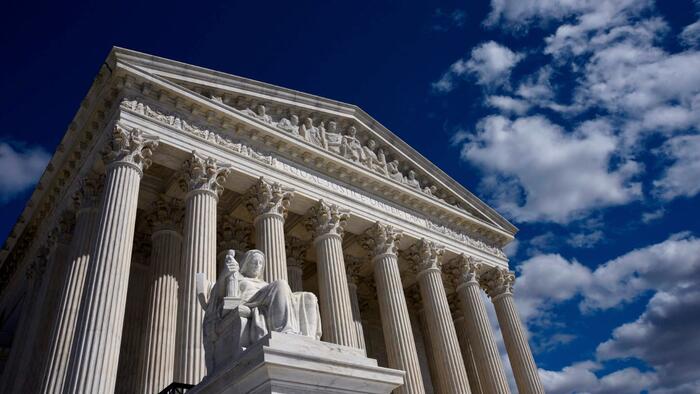
    President Donald Trump plans to ask the Supreme Court this fall to overturn a civil jury verdict that found he sexually abused writer E. Jean Carroll and defamed her, his attorneys said in a new court filing.

    Trump’s intentions were revealed in an application docketed by the nation’s highest court on Sept. 2.

    In the application, his lawyers asked the court to extend an upcoming Sept. 10 deadline for filing a petition to challenge the $5 million verdict to Nov. 10. The application was directed to Justice Sonia Sotomayor, who handles urgent appeals from New York.

    Trump “intends to seek review” of “significant issues” arising out of the trial and what he termed the “erroneous” ruling by the U.S. Court of Appeals for the Second Circuit that affirmed the verdict, according to the application.

    On June 13, a divided Second Circuit denied a rehearing in the case.

    Circuit Judges Steven Menashi and Michael Park dissented from the ruling.

    “These holdings conflict with controlling precedents and produced a judgment that cannot be justified under the rules of evidence that apply as a matter of course in all other cases,” Menashi said in a dissent joined by Park.

    Trump’s attorney in the case, Justin D. Smith of James Otis Law Group LLC in St. Louis, Missouri, said more time was needed to file the petition.

    “Undersigned counsel faces a significant press of business due to many upcoming deadlines,” Smith said.

    Carroll gave evidence during a 2023 trial that Trump attacked her in 1996 in a dressing room in a Manhattan department store near the Trump Tower.

    In its May 2023 verdict, the federal jury held Trump liable for sexually abusing Carroll and defaming her when he made statements in October 2022 denying her allegations.

    The jury awarded Carroll $5 million in damages.

    In another lawsuit filed by Carroll, a federal jury ordered Trump to pay $83.3 million in damages over statements he made in 2019 denying the sexual assault allegations.

    A three-judge panel of the Second Circuit affirmed the verdict in December 2024, rejecting Trump’s argument that the trial judge’s ruling invalidated the trial by allowing others who accused Trump of sexual abuse to testify. Three women said Trump carried out similar acts against them in 2005 and the 1970s. Trump denied the allegations.

    “President Trump has consistently and unequivocally denied Carroll’s allegations in both cases,” the new application said.

    Carroll obtained the $5 million award based on “incorrect findings,” after which the federal district court “wrongly” interpreted the law and “improperly [prevented] President Trump from contesting the merits in that action,” the filing said. After that, Carroll secured the “unjust judgment of $83.3 million,” the application said.

    “We do not believe that President Trump will be able to present any legal issues in the Carroll cases that merit review by the United States Supreme Court,” Roberta Kaplan, Carroll’s attorney, said on Sept. 3

    Loading recommendations…
  • Illegal Immigrant Blamed in Deadly Florida Truck Crash – Duffy Promises Huge Crackdown on CDL Crisis

    Illegal Immigrant Blamed in Deadly Florida Truck Crash – Duffy Promises Huge Crackdown on CDL Crisis

    Truckers, Tread, and Turmoil: The CDL Conundrum

    Picture this: highways that once hummed with the steady rhythm of American truckers now buzz with an unexpected rhythm—lively, chaotic, and a tad alarming. The culprit? A storm of non‑domiciled Commercial Driver’s Licenses (CDLs) rolled in from what officials call the globalist Biden‑Harris regime. That’s right, a whole new crew of drivers who just parked their digs in sanctuary states and jumped straight onto the permit table without too many eyes watching.

    What’s Up With the CDL Surge?

    • Massive influx of foreign truckers seeking to hit the road in the U.S.
    • Sanctuary states biting the bullet: they’re giving out CDLs on the fly.
    • Escalating lack of oversight – a recipe for chaos.

    American Truckers United (ATU) has stepped up as the frontline voice, shouting from the rooftops right on X (yes, the platform also hosts our modern-day debate) for a rethink that keeps the highways safe. They’re taking on this wave—clearly the problem’s bigger than just a paperwork hiccup.

    Why It’s Getting Dangerous

    Road‑crash figures are climbing. The new CDL stash is being blamed for collisions that kill precious lives inside a flash of headlights. Every incident reminds us that the “great American road” isn’t all about adventure anymore; it’s turning into a national safety & security issue.

    Time for Some Solid Grounding

    ATU’s message is clear: give us back the safety we deserve. If a new generation of truckers is to roam our roads, they’ll need to pass knowledge tests, obey regulations, and—daringly—undergo proper vetting. The hopes and fears of a nation live on each stretch of asphalt; let’s uphold that promise.

    So next time you’re steering past a busy highway, remember the chatter behind the wheels—truckers riled up, officials tangled, and a calmer path yet to come. Stay tuned, stay safe, and let’s keep our roads honest.

    Massive Crash This Weekend: The Shocking Story of an Illegal Truck Driver in Florida

    Last week’s wreck on Florida’s Turnpike near Fort Pierce turned a normal day into a horror show. A huge 80‑ton truck executed a deadly U‑turn, killing three innocent Americans and sending the whole nation into a state of disbelief.

    The “Illegal” Driver

    Who it was: A trucker hailing from California who, according to Florida officials, crossed the Mexican border illegally back in 2018.
    License: Once in the United States he snagged a Commercial Driver’s License (CDL) in California, even though his documentation was suspect.
    Fatal move: He chose to outwit the rules of the road by performing an illegal U‑turn on the Turnpike – the very action that sealed his fate and that of the victims.

    Why It Matters

    The incident has sparked a huge debate about the safety of America’s trucking fleet. Critics say these “California” drivers flood the industry, putting profit over safety, and that they’re not even registered in the right place.

    “The American Trucking Industry has been gutted by unregulated immigration over the past five years. These ‘California’ drivers are part of an ecosystem that puts profit over safety.” – American Truckers United (ATU)

    County and State‑Wide Fallout

    Immediate response – Florida’s state troopers determined that the driver entered illegally and laundered a CDL.
    National impact – The story blew up on X, drawing accusations against the Biden‑Harris administration for “globalist open border policies.”
    Government action – Transportation Secretary Sean Duffy’s tweet claimed that a “nationwide audit” of non‑domicile CDLs was on the way.

    “We’ll have more to share in the coming weeks.” – Sean Duffy on X, August 16

    Putting It All Together

    This tragedy isn’t just a stand‑alone story. It’s part of a larger, growing concern: unqualified foreign drivers filling the highways, often with minimal oversight. The result? Fatal accidents, lost lives, and a growing call for stricter regulations.

    What’s Next?

    • The Department of Transportation (DoT) has recently implemented the English Language Proficiency rule to cut down on unsafe drivers.
    • ATU continues to push for banning non‑domicile CDLs and limiting foreign CDL issuances.
    • On an emotional note: Every single person affected—whether a driver, a family member, or a passerby—will be remembered, because safety and respectons should come first.

    In the end, remember that behind every commercial license is a human responsible for the well‑being of roads. Let’s keep pushing for better safety standards—because the highway doesn’t care about your paperwork.

    Highway Alert: Why Your Next Drive Might Be a Hair‑raising Adventure

    American Truckers United (ATU) just dropped a truth bomb worthy of an adrenaline rush: our roads are being invaded by hundreds of thousands of migrant truck drivers—many of whom can’t read the signs you see every day. If you’ve ever felt safe behind the wheel, think again.

    The Dangerous Mix of Policies and Permits

    Picture this: a wild west of the 21st century. Loose immigration rules and a lax Commercial Driver’s License (CDL) system have handed out permission slips like candy. Those licences aren’t just paper; they’re the key to the fast lanes in our in‑shining highways.

    • Risky Regulations – Local and state laws are bleeding out safety checks.
    • Identity Gaps – Many drivers can’t read English signs (yes, reality can be brutal).
    • Corporate Negligence – Big trucking firms sniff out cheap labor and ignore the safety quotient.

    From the Road Ahead to Law Enforcement

    ATU’s “wake‑up call” is swift: accountability starts where the law lies—local, state, federal—especially in those states that treated CDLs like candy wrappers at a party. Then the responsibility should ripple up into corporate giants who are sailing through this chaos.

    What’s the Bottom Line?

    We’re no longer cruising on a safe highway. Every new truck that rolls into our lanes may carry uncertain skill sets, creating a gamble that could spill into serious accidents.

    • Every driver should be vetted thoroughly.
    • Legal frameworks must tighten up and be enforced.
    • Corporate culture has to last safety first.

    So, strap in, keep your eyes peeled, and make sure your next commute is a smooth, safe ride. The debate is already in motion—just don’t wait until it spills over into your rearview mirror.

  • Texas Democrats End 2-Week Walkout, Setting Up Vote On Congressional Map Favoring Republicans

    Texas Democrats End 2-Week Walkout, Setting Up Vote On Congressional Map Favoring Republicans

    Authored by Darlene McCormick Sanchez via The Epoch Times (emphasis ours),

    Texas Democrats ended a dramatic two-week walkout over congressional redistricting, clearing the way for Republicans to pass a map redrawn in their favor as soon as Aug. 20.

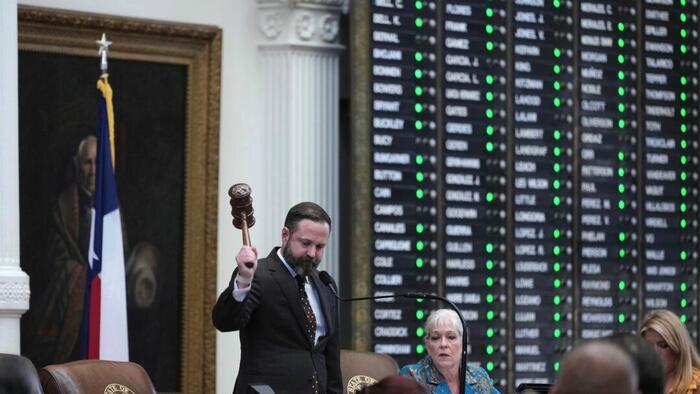
    Texas Speaker of the House Dustin Burrows strikes the gavel as the House calls a Special Session with a quorum, in Austin, Texas, on Aug. 18, 2025. Eric Gay/AP Photo

    The state Democrats announced that they would return after California Democrats moved forward with plans to redraw their congressional map to counter any GOP gains in Texas.

    On Aug. 15, Gov. Greg Abbott called a second special session as the first one ended.

    Delinquent House Democrats ran away from their responsibility to pass crucial legislation to benefit the lives of Texans,” Abbott said in a statement.

    We will not back down from this fight. That’s why I am calling them back today to finish the job.

    When the Texas House convened on Aug. 18, Speaker Dustin Burrows announced a quorum and subsequently ordered the House chamber doors locked, an action permitted under House rules.

    Burrows scheduled the House to reconvene on Aug. 20, when a vote on a redrawn congressional map could take place, potentially adding five Republican seats in the next election.

    Democrats, who showed up on Aug. 18 but face arrest warrants that were issued for fleeing the state, were released from the chamber in the custody of Department of Public Safety officers responsible for their return.

    “We have a quorum. Now is the time for action. We will move quickly,” Burrows said.

    More than 50 Democrats left the Lone Star State for several blue states as a way of thwarting GOP-led congressional redistricting. The 150-member Texas House requires 100 legislators to be present to meet a quorum requirement and conduct business.

    Republican leadership applied extraordinary pressure to force the Democrats to return.

    Besides issuing civil arrest warrants for the absent Democrats, Burrows threatened each of them with a $500 daily fine under House rules.

    Attorney General Ken Paxton filed lawsuits to remove fleeing Democrats from office and target organizations funding their quorum break.

    Abbott, too, filed a lawsuit with the Texas Supreme Court asking it to rule that Rep. Gene Wu, chairman of the House Democratic caucus, had vacated his seat by refusing to come to work.

    President Donald Trump has expressed support for congressional redistricting in red states to give Republicans a better chance at maintaining control of the U.S. House.

    On July 7, the U.S. Justice Department sent Abbott a letter raising concerns that four congressional districts in the Houston and Dallas areas were unconstitutional because of “racial gerrymandering.”

    Current boundaries run afoul of the Voting Rights Act by relying on racial demographics to group minority voters into “coalition districts,” where no single racial group forms a majority, according to the Justice Department.

    Loading recommendations…
  • Intel Shares Surge 5% as CEO Visits White House Amid Trump Resignation Demand

    Intel Shares Surge 5% as CEO Visits White House Amid Trump Resignation Demand

    Update 0900EST: Shares of Intel are up about 5% at the cash open on Monday following the announcement that the company’s CEO will head to the White House to speak with President Trump today.

    Regardless of the outcome of Intel CEO Lip-Bu Tan’s meeting with President Trump today, the stock remains one to watch as Trump pushes to keep American companies—particularly in strategic sectors like semiconductors and rare earth minerals—closely aligned with the government.

    Just last week, we asked whether Intel could be the next MP Materials, in which the government took a private stake last month. With Intel standing as the only truly critical U.S.-based semiconductor manufacturer, the company appears poised to benefit from a potential policy tailwind, no matter who sits in the CEO’s chair.

    Intel CEO Lip-Bu Tan is headed to the White House today, just days after President Trump publicly demanded his resignation over alleged ties to China. Sources close to The Wall Street Journal say Tan will discuss his personal and professional background with the president, emphasize his allegiance to America, and advocate for closer government and Intel cooperation. 

    Tan is a Malaysian-born/American citizen and has worked in the tech industry for years. He recently took over as CEO of the struggling chip company to revive it and position it for a turnaround. 

    But his tenure has already seen turmoil and political scrutiny.

    Concerns stem from Cadence Design Systems, where Tan was CEO until 2021. Last month, Cadence agreed to pay $140 million to settle DOJ charges for selling chip-design tools to a Chinese military university.

    Optics so far are unfavorable for Tan, especially against the backdrop of the “America First” movement.

    Here’s more from the sources about Tan’s upcoming meeting with Trump:

    Tan is expected to have a wide-ranging conversation with Trump, with the intent of explaining his personal and professional background, the people said. He could also propose ways that the government and Intel could work together, they said.

    Tan hopes to win Trump’s approval by showing his commitment to the country and pledging the importance of keeping Intel’s manufacturing capabilities as a national security issue, one of the people said.

    The controversy surrounding Tan began last Thursday after President Trump read U.S. Republican Senator Tom Cotton’s letter sent one day earlier to Intel’s Board about the CEO’s ties to Chinese firms.

    This led to Trump firing off a Truth Social post: “The CEO of INTEL is highly CONFLICTED and must resign, immediately.”

    After today’s meeting, it’s likely only a matter of time before the White House announces “golden shares” in Intel – just as it did in the U.S. Steel-Nippon deal.

    High teens appear to be the floor. 

    . . .

    Loading recommendations…
  • Why France's Boomers Will Delay Deficit Reduction Indefinitely

    Why France's Boomers Will Delay Deficit Reduction Indefinitely

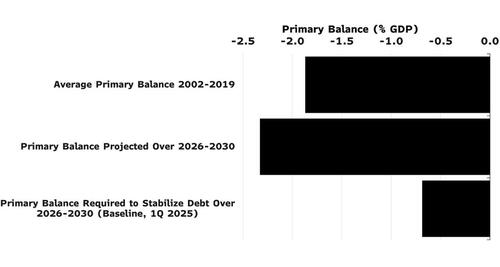
    By Jean Dalbard, Bloomberg Markets Live reporter and strategistFrance continues to fall short on fiscal consolidation. Recent data from Insee suggest that the heavy reliance on direct transfers by certain social groups, particularly pensioners, combined with their growing electoral heft, may be a key constraint. These factors make it harder for the government to undertake significant fiscal adjustments without running the risk of political instability.Based on these findings and given the proximity to local (1Q26) and presidential elections (2Q27), we continue to think there is a good chance the recently announced consolidation package of roughly €44 billion will target public services, rather than direct transfers. We can’t dismiss the chance of it being substantially watered down.Social Groups Reliance on Public TransfersForces Hindering Fiscal ConsolidationFrance has historically struggled to reduce its fiscal deficit. One key reason: spending cuts tend to affect the groups with the most electoral influence. This was illustrated in late 2024, when then-Prime Minister Michel Barnier proposed delaying the price indexation of pensions in the 2025 budget. The aim was to save up to €4 billion, but his government was ultimately brought down by a censure motion which was backed by a majority of parties claiming to defend pensioners.In a 1989 working paper, the authors (Alesina and Drazen) noted that social groups can indeed strategically postpone much-needed fiscal consolidation. These groups delay measures in the hope that the associated costs will eventually be borne by another group. In such settings, fiscal adjustments rely on less-vocal social groups, or are triggered by a crisis or an external shock, such as a loss of investor confidence.A Much-Needed Fiscal AdjustmentDeteriorating fiscal arithmetics and a sluggish growth outlook has made deficit reduction in France increasingly urgent. The primary balance required to stabilize the debt-to-GDP ratio between 2026 and 2030 is estimated at –0.7%. But France’s track-record is weak: the average primary balance from 2002 to 2019 reached -1.9%, and is projected to reach –2.3% on average over 2026-2030.Meanwhile, the population remains deeply divided about how to reduce spending, despite becoming increasingly aware of the country’s risky fiscal outlook. Public debt has emerged as a top-five concern in opinion polls.Large Consolidation Needed to Stabilize DebtMapping Affected GroupsTo understand why spending-led fiscal consolidations are so hard to deliver, we use a recent dataset provided by the Insee to estimate the potential cost of austerity for different social groups. This dataset offers information on household total income, before and after direct and indirect public transfers.Direct transfers include all monetary transfers such as pensions, unemployment benefits, and subsidies. Indirect transfers capture the imputed value of public services received, including healthcare, education, or housing assistance.
    Based on this data, we construct two exposure metrics: (1) direct exposure, defined as the ratio of direct transfers to total income; (2) indirect exposure, defined analogously for indirect transfers. The higher a group’s exposure, the more costly spending cuts would be for them.We visualize these relationships using a bubble chart (see first chart), where the position of each social group reflects its exposure, and the size of each bubble corresponds to its share in the total population. These social groups are not mutually exclusive. The chart highlights which groups are more dependent on public redistribution and are therefore more likely to resist or delay a fiscal adjustment.Vulnerable to External ShockUnder this framework, pensioners emerge as the social group that would bear the highest direct cost from any reduction in direct transfers, which account for nearly 60% of their total income. They are followed by individuals with lower secondary diplomas, for whom direct transfers, and notably unemployment benefits, represent close to 40% of their income.Both groups also exhibit high levels of indirect exposure, with indirect transfers representing around 40% of their initial income (before redistribution). Across the population, however, the level of indirect exposure is lower and more evenly distributed.These findings confirm that fiscal consolidation through cuts to public services may encounter less political opposition, as there’s a smaller share of the population has high indirect exposure. On the other hand, targeting direct transfers (such as pensions) is likely to face strong resistance, given that boomers are among most affected and now account for more than 50% of the electorate.All this hinders the government’s ability to prevent fiscal slippage and leaves the country susceptible to external shocks, such as a loss of investor confidence. Still, there is a high risk that Prime Minister Francois Bayrou’s consolidation measures will be undercut by political concessions during the autumn parliamentary debates.Loading recommendations…

  • Appeals Court Blocks Trump Deporting Illegal Venezuelan Immigrants Under Alien Enemies Act

    Appeals Court Blocks Trump Deporting Illegal Venezuelan Immigrants Under Alien Enemies Act

    Authored by Aldgra Fredly via The Epoch Times,

    A federal appeals court ruled on Tuesday that President Donald Trump had unlawfully invoked the Alien Enemies Act to deport Venezuelan illegal immigrants who were suspected of being part of a criminal gang.

    In a 2–1 decision, the Fifth U.S. Circuit Court of Appeals issued a preliminary injunction blocking the Trump administration from using the wartime law for deportations of suspected Tren de Aragua (TdA) gang members, citing that it found “no invasion or predatory incursion” by the criminal gang Trump cited in a proclamation invoking the law.

    Trump signed the proclamation on March 15, invoking the Alien Enemies Act, which allows the removal of noncitizens without legal process during wartime or invasion.

    In his proclamation, Trump stated that TdA gang members invaded the United States and used “drug trafficking as a weapon” against U.S. citizens. He also accused TdA of backing Venezuelan President Nicolas Maduro’s regime in its alleged efforts to destabilize democratic nations in the Americas.

    However, the court said the case did not warrant invoking the wartime law, noting that a country encouraging its citizens to enter the United States illegally is not equivalent to sending “an armed, organized force to occupy, to disrupt, or to otherwise harm the United States.”

    “There is no finding that this mass immigration was an armed, organized force or forces,” it stated.

    “It is an action that would have been possible when the AEA [Alien Enemies Act] was written, and the AEA would not have covered it. The AEA does not apply today either.”

    The court stated that its injunction only bars removals under the Alien Enemies Act and that the government may still deport alleged members of criminal gangs under other legal authorities.

    “We declare, as did the Supreme Court, that our injunction solely applies to the use of the war-related federal statute and does not impede use of any other statutory authority for removing foreign terrorists,” it stated.

    Circuit Judge Andrew Oldham dissented, saying that “every president of every political party has enjoyed the same broad powers to repel threats to our Nation under the Alien Enemies Act” over the past decades.

    The case stems from a petition filed in April by the American Civil Liberties Union (ACLU) on behalf of two Venezuelan nationals who were held at the Bluebonnet Detention Facility in Anson, Texas. Both men were accused of being members of the TdA gang, which they denied, and sought to block their removals, according to the court filing.

    The decision from the Fifth Circuit is expected to be appealed to the Supreme Court. The White House and ACLU did not return requests for comment by publication time.

    Loading recommendations…
  • OpenAI Brings GPT-4o Back After Users Revolt Over GPT-5

    OpenAI Brings GPT-4o Back After Users Revolt Over GPT-5

    Update: 

    *  *  *

    OpenAI has brought back GPT-4o following the rollout of their latest GPT-5 model, after users complained that the new model was lame in comparison. 

    The company advertised the new model as the “smartest, fastest, most useful model yet,” which uses a “real-time router” to switch between more efficient models for basic questions vs. deeper reasoning for more complex demands. 

    During a Reddit AMA, OpenAI CEO Sam Altman responded to a question by saying that GPT-5’s writing quality is better than previous models – only to have several Redditors say the new model felt “sterile” and “much worse” – and answered “briefly and dryly,” according to engadget

    “We for sure underestimated how much some of the things that people like in GPT-4o matter to them, even if GPT-5 performs better in most ways,” Altman posted on X.

    The return of GPT-4o was celebrated, but there’s still no guarantee that OpenAI will keep its older model around indefinitely. In the same X post, Altman said that OpenAI “will watch usage as we think about how long to offer legacy models for.” In the meantime, OpenAI is focusing on finishing the GPT-5 rollout and making changes that will “make it warmer.” However, for users who have grown attached to GPT-4o as more than just an AI chatbot, this could be the beginning of the end.

    OpenAI called GPT-5 a ‘significant upgrade’ which used PhD-level intelligence and amazing coding skills, only for users to immediately complain.

    “I’ve been trying GPT5 for a few days now. Even after customizing instructions, it still doesn’t feel the same. It’s more technical, more generalized, and honestly feels emotionally distant,” wrote one Redditor. “Kill 4o isn’t innovation, it’s erasure.”

    “Sure, 5 is fine—if you hate nuance and feeling things,” wrote another user. 

    On Friday, Altman took to X to say that the company would keep the previous model running for Plus users, and promised to implement fixes to improve GPT-5’s performance and user experience.

    Altman also promised to double GPT-5 rate limits for ChatGPT Plus users, saying “We will continue to work to get things stable and will keep listening to feedback.” 

    As Wired notes further; The backlash has sparked a fresh debate over the psychological attachments some users form with chatbots trained to push their emotional buttons. Some Reddit users dismissed complaints about GPT-5 as evidence of an unhealthy dependence on an AI companion.

    In March, OpenAI published research exploring the emotional bonds users form with its models. Shortly after, the company issued an update to GPT-4o, after it became too sycophantic.

    It seems that GPT-5 is less sycophantic, more “business” and less chatty,” says Pattie Maes, a professor at MIT who worked on the study. “I personally think of that as a good thing because it is also what led to delusions, bias reinforcement, etc. But unfortunately many users like a model that tells them they are smart and amazing, and that confirms their opinions and beliefs, even if [they are] wrong.”

    h/t Capital.news

    Loading recommendations…
  • Supreme Court Rules That Trump Can Slash 3 Million In DEI Research Funding

    Supreme Court Rules That Trump Can Slash $783 Million In DEI Research Funding

    Via American Greatness,

    The Trump administration is free to eliminate hundreds of millions of dollars worth of research funding on diversity, equity and inclusion (DEI) following last week’s ruling by the United States Supreme Court.

    In a 5-4 vote, the justices lifted an order from a federal court judge in Boston that blocked $783 million in cuts made by the National Institutes of Health (NIH) on health research grants that were being used to advance DEI efforts as well as “gender ideology extremism.”

    The Supreme Court was split on the 5-4 decision which marks another win for President Trump and clears the way for his administration to move forward with canceling hundreds of grants after U.S. District Judge William Young ordered the health-related grants restored in June.

    Chief Justice John Roberts was among the dissenters in the high court’s decision and Justice Amy Coney Barrett voted with conservative majority to let the administration stop the grant funding.

    Roberts and Barrett did land on the side of the dissent and allowed to stand a portion of the lower judge’s order that voided a number of NIH policies that targeted DEI programs at the direction of the White House.

    The order from Young was handed down in June after grant recipients and 16 Democrat-led states filed lawsuits challenging cuts to programs at their state universities.

    The plaintiffs had argued that stopping funding for the grants would disrupt the work of scientists by halting research and ruining data already collected.

    Writing for the majority, Justice Neil Gorsuch accused Young of defying the Supreme Court by not abiding by an emergency ruling it issued in April.

    In that decision, Gorsuch wrote, “All these interventions should have been unnecessary,” adding, “When this Court issues a decision, it constitutes a precedent that commands respect in lower courts.”

    According to Politico, this latest Supreme Court ruling is not the final decision on the legality of the grant terminations but the Trump administration will be able to continue withholding funding while the legal fight plays out.

    Loading recommendations…
  • Orsted Shares Crash To Record Lows After Trump Halts Rhode Island Offshore Wind Project

    Orsted Shares Crash To Record Lows After Trump Halts Rhode Island Offshore Wind Project

    Shares of Danish wind giant Orsted A/S crashed as much as 19% – to record lows – after the Trump administration ordered construction halted on the 80%-completed Revolution Wind offshore project off Rhode Island last Friday, citing unresolved national security concerns under federal review. The struggling wind company still plans to move forward with a $9.4 billion share sale to strengthen its capital structure.

    The Interior Department’s Bureau of Ocean Energy Management (BOEM) issued a directive on Friday ordering Orsted to halt all offshore construction activities on the Revolution Wind project. The order stems from a Presidential Memorandum issued on Jan. 20, which triggered a broad review of renewable projects on the Outer Continental Shelf.

    Two items the BOEM wants to address: 

    • Environmental protections
    • National security concerns (e.g., interference with U.S. defense/naval activity in the exclusive economic zone, high seas, territorial seas).

    “In particular, BOEM is seeking to address concerns related to the protection of national security interests of the United States and prevention of interference with reasonable uses of the exclusive economic zone, the high seas, and the territorial seas, as described in that subsection of OCSLA. Id,” stated BOEM’s letter addressed to Rob Keiser, head of Orsted North America. 

    The $5 billion wind project, already 80% complete with 45 of 65 turbines installed, was approved under the Biden-Harris regime in 2023, during the time the Democratic Party looted the nation under the guise of a ‘climate crisis’ to funnel hundreds of billions of dollars into green companies and NGOs. This, in effect, helped spark generational-high inflation, crippling working-poor and middle-class households. Several of these projects have already collapsed, and we anticipate more Solyndra-style busts ahead as the green bubble continues to implode.

    Orsted told Bloomberg that it’s exploring regulatory channels and possible legal action to resolve the matter: “Orsted is evaluating all options to resolve the matter expeditiously. This includes engagement with relevant permitting agencies for any necessary clarification or resolution as well as through potential legal proceedings.”

    Bloomberg reports Ortsed is still moving ahead with a $9.4 billion share sale and appointed a syndicate of BNP Paribas, Danske Bank, and J.P. Morgan as joint global coordinators, alongside Morgan Stanley. BofA Securities Europe SA and Goldman Sachs will serve as joint bookrunners. 

    Here are more details about the planned share sale that will help stabilize the balance sheet of the struggling wind company:

    • Orsted is pushing ahead with a planned 60 billion DKK ($9.4B) rights issue, the largest European energy-sector share sale in over a decade.

    • The Danish government has pledged to buy about half the shares.

    • Orsted’s credit rating has already been slashed to the lowest investment grade.

    • Orsted has already canceled two U.S. projects, booked heavy writedowns, and changed out its top executives.

    This month, Orsted shares in Denmark have been in turmoil:

    However, good news for the industry last week on new IRS guidance:

    Related:

    Orsted crashed as much as 19% in Copenhagen, falling to record lows below its IPO price.

    Commentary from a team of Goldman analysts led by Alberto Gandolfi provides clients with the economics of Orsted walking away from Revolution and another offshore wind project, Sunrise:

    What are the economics of walking away from both projects? To run this math, we look at three building blocks: (1) walking away from Revolution and Sunrise would save Orsted DKK 45 bn in residual capex, (2) the company would lose around DKK 3 bn EBITDA for a period of c.25 years, and (3) Orsted may face cancellation fees: based on Ocean Wind 1 (DKK 10 bn, based on 2023 accounts), cancellation fees on these two projects could be DKK 10-15 bn.

    Can Orsted downsize or delay the rights issue? Based on the math just presented, we estimate that walking away from both US projects would require a smaller rights issue: we estimate DKK 30 bn, half of what was recently announced. To reach our conclusion, we assume that Orsted would have to comply with its target FFO/Net debt “above 30%”. We also estimate that this move – i.e., walking away from projects, paying penalties and downsizing the equity issuance – would be EPS accretive (double digit) in 2025-27, EPS neutral in 2028, but it would then start to be increasingly EPS dilutive as of 2029-30; this scenario wouldn’t meaningfully change our current valuation for the stock. We also note that Orsted would still have to carry out the targeted DKK 35 bn disposals by the end of 2026, to avoid any B/S pressure.

    Gandolfi is “Neutral” wated on Orsted with a 12-month price target of DKK 235. 

    . . . 

    Loading recommendations…
  • Trump Taps Missouri's Firebrand AG For #2 Job At FBI

    Trump Taps Missouri's Firebrand AG For #2 Job At FBI

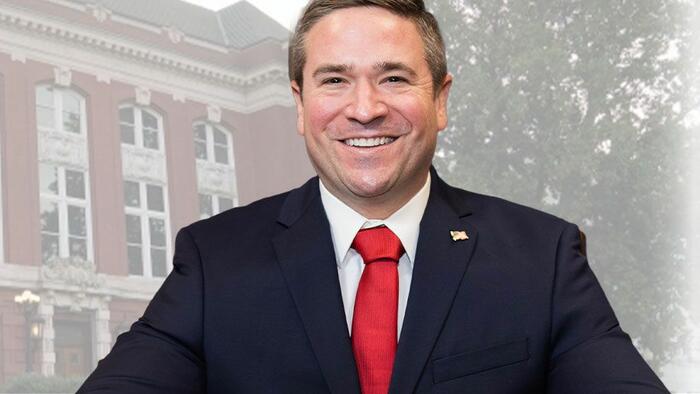
    President Trump is planning to appoint Missouri Attorney General Andrew Bailey to share the #2 position at the FBI with Dan Bongino, for now, to serve as “an integral part of this important mission,” according to a statement from Director Kash Patel. 

    Bailey announced his resignation on Monday in order to take on the new role. 

    “My life has been defined by a call to service, and I am once again answering that call, this time at the national level,” Bailey said in a statement. 

    Some have interpreted this as the beginning of the end for Bongino – who has clashed with Attorney General Pam Bondi over the release of the Epstein files – leading the former podcaster to leave work for several days in July.

    According to the NY Times (so who knows), “People close to Mr. Trump were unhappy with Mr. Bongino’s display of anger, but believed that having him leave his job could undermine the president.”

    Trump was expected to have announced Bailey’s move on Monday, according to Politico

    Bailey, a former prosecutor who has been Missouri’s AG since January 2023, interviewed with Trump at Mar-a-Lago during the transition as a potential pick for US Attorney General. His tenure as AG has included several high-profile moves to help Trump and his interests, including a petition filed last year with the US Supreme Court seeking to lift a gag order against Trump and delay sentencing in his New York trial until after the Nov. 5 election. 

    Former Missouri House Speaker Catherine Hanaway, meanwhile, has been appointed by Gov. Mike Kehoe to replace Bailey at the state’s next AG. After serving out Bailey’s term, which runs until the end of 2028, Hanaway told reporters on Tuesday that she plans to seek a full term of her own. 

    “My game plan, for sure, is to serve the next three years,” she said, adding “and then if Missourians will vote for me and believe I earned a full term, then I’d like to serve a full term.”

    Hanawway was the state’s first female speaker of the House, eventually leaving politics to focus on her law practice. 

    Loading recommendations…
  • Cricket for MAGA: Trump Mobile Drops America First Phone & Service

    Cricket for MAGA: Trump Mobile Drops America First Phone & Service

    When Democrats Pick a Fight Against Trump’s New Smartphone

    After a weekend full of color‑swapping and nonstop calling out “No Kings,” the left is gearing up for the next showdown. The plan? Ridiculous, but oh so funny: let the newly sprouted Trump Corporation smartphone become the rallying point for a fresh wave of outrage.

    What’s the Deal with the Trump Phone?

    • The phone is slated to hit the market for roughly $499.
    • The full package comes with a monthly subscription of $47.45.
    • What’s in that subscription? Unlimited calls, texts, data, roadside help, plus a “Telehealth and Pharmacy Benefit” that turns a device into a medical assistant.

    Why the Democrats are All Fired Up

    The big picture: Democrats –– that’s the whole spectrum – are not about to let this go unnoticed. They’re planning a new wave of protest, but this time they’ll be shouting on BlueSky instead of running around ICE facilities. The plan is to turn the Trump phone into the new symbol of federal overreach. The idea is: “We’ll get even with that business that thinks it can put phones in every pocket and make everybody who’s an older boomer an activist.”

    Who’s on the Front Lines?

    There’s a bit of humor in seeing those retired Americans who once spent their days watching the news instead of planning to pick up phones and perform civic activism. The image is a parade of boomers with pocket‑sized phones, marching through city streets and making an existential statement: the smartphone era is here, and they’re not backing down.

    Stay Tuned for Monday!

    By Monday, expect a flurry of heated social media posts, more order to the protests and a whole lot of meme culture. The dragging of the elderly boomers into the protest is going to have a twist that could be either chilling or chuckle‑worthy, depending on your taste for satire.

    T1 Mobile: The New Phone Revolution

    Forget Cricket—the Trump Organization is rolling out its own brand‑name T1 Mobile.
    Designed for the nation’s finest workers, this new service promises unbeatable value, top‑tier connectivity and an unmistakably all‑American vibe.

    What’s Inside the $47.45‑a‑Month Plan?

    • Unlimited talk, text, data—no more scary overages.
    • Device protection that’s always on guard.
    • 24/7 roadside assistance through Drive America—Because even your phone deserves a push‑up.
    • Telehealth services: virtual doctors, mental‑health chat, and hassle‑free prescription ordering.
    • Free international calling to 100+ countries—including many military bases—so families back home can talk without an extra fee.
    • No contracts, no credit checks—straightforward, no‑fuss economics.

    Trump Jr. Speaks the Truth (and the Promise)

    Donald Trump Jr. says, “We’re changing the game with Trump Mobile. Built right here in the U.S., we’re putting America first while delivering the best service and quality our customers deserve.”

    BREAKING: Eric Trump has officially announced the launch.
    Phones will be made in the USA, because it’s about time we bring back products to our great country.

    Celebrating 10 Years of the 2016 Campaign

    In a tweet from June 16, 2025, Eric Daugherty noted the 10‑year anniversary of the 2016 campaign launch, hinting at more bold moves coming your way.

    T1 Phone: Sleek, Gold, and 100% American Made

    The Trump Organization says the new T1 Phone is a gold‑finery device, engineered for performance and proudly built within U.S. borders. It’s a smartphone for customers who expect premium quality from their carrier.

    Trump’s New Phone Plan: A Midwest Makeover

    St. Louis, Missouri is the unlikely home of the Trump mobile revolution, as Eric Trump proudly announced on Fox News.

    Why the Heartland?

    • A call center that’s in the US instead of overseas.
    • Marketing the T1 brand as a direct competition with Apple and Samsung.
    • Targeting 50‑percent U.S. consumers who want the “homegrown” buzz.

    Tariff Tactics & Apple Antics

    President Trump has unleashed a 25% tariff threat against iPhones that aren’t built stateside.

    Apple CEO Tim Cook, who’s slowly moving production to India, might see a hefty bump if it remains foreign.

    Truth Social had Trump say:

    “If iPhones sold in America aren’t built in America, Apple must pay a tariff of at least 25%.”

    The Duel Begins

    Apple’s race to US assembly is in chapter 5, while the Trump Org’s phone call is in chapter 1.

    What’s Next?
    • No concrete plans yet for U.S. manufacturing sites.
    • Expect political fireworks from Democrats, who will accuse the family of playing the “family business” game.
    • Read the buzz on Bluesky for more out‑of‑the‑box opinions.
    Bottom Line

    Trump’s mobile venture is making a bold play—leveraging domestic production to dodge import duties. Whether it will actually set up shop in St. Louis or become an elaborate marketing stunt remains to be seen. Stay tuned!

  • Australian 'Experts' Propose Tax On Spare Bedrooms To Ease Housing Shortage

    Australian 'Experts' Propose Tax On Spare Bedrooms To Ease Housing Shortage

    In a brainstorm that has leftist central planners around the world salivating, an Australian market analytics firm has proposed that the country start imposing a tax on spare bedrooms. The aim: To ease the country’s housing shortage by incentivizing those who have more housing than they “need” to sell and downsize. 

    Cotality Australia notes that 61% of the country’s households comprise just one or two people, yet the housing stock is dominated by three- and four-bedroom homes. Cotality says that, to “fix” this discrepancy, “governments could make it more expensive to have more housing than you need, and cheaper to live in smaller housing.” 

    Cotality Australia’s Eliza Owen thinks government should hit Aussies with extra tax for having more bedrooms than they really “need”

    “It’s perfectly acceptable and desirable for people to have spare bedrooms, [but] you could ask them to pay for it through land tax,” Cotality Australia head of research Eliza Owen told the Sydney Morning Herald. “Or you could incentivize them to move on through the abolition of stamp duty or some combination of both.” The stamp duty is an Australian tax on property transfers that’s paid by buyers. Depending on factors that include location and purpose — for example, whether the buyer is going to live in the home or use it as an investment — it usually falls between 3 and 5% of the property’s value.  

    Voices on the Australian right are firing back, among them Alexandra Marshall at The Spectator: 

    “In the interests of ‘saving the economy’…we’ve witnessed the start of open season on private assets as part of the intellectual discussion to provide equity. The government didn’t just run out of other people’s money, it’s run out of other people’s houses.

    It’s not the fault of Australians that the government started importing millions of foreigners into the country or that the government turns a blind eye when millions more refuse to leave after their visa has expired…How wildly unfair and sinister it is to turn around to Australians and say, I see you have an extra bedroom in that house you worked your arse off to pay for… Move or we’ll tax you.” 

    Meanwhile, Australian redistributionists are busy cooking up other means of extracting wealth from homeowners. In a new paper, university professors Peter Siminski and Roger Wilkins assail Australia’s capital gains tax exemption for owner-occupied housing, by which the government foregoes the coercive collection of $50 billion a year. They also urge the imposition of a tax on “imputed rental income” — the value of owning a home and not having to pay rent. In a manifestly Marxist sentence, the academics complain that favorable treatment of owner-occupied housing is “a major driver of inequality, undermining the redistributive role of government.

    Loading recommendations…
  • Court Upholds Nearly  Million Fine Against Restaurant That Ignored Pandemic Indoor Dining Ban

    Court Upholds Nearly $1 Million Fine Against Restaurant That Ignored Pandemic Indoor Dining Ban

    A Washington state restaurant that ignored a 2020 state COVID-19 pandemic order must pay a fine of $936,000 – $18,000 per day, for each day it remained in operation while the state’s emergency order banning indoor dining was in place, an appeals court has ruled.

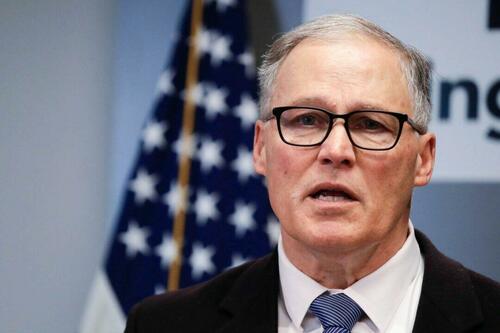
    Washington state Gov. Jay Inslee speaks to reporters in Seattle on March 16, 2020. Elaine Thompson/Pool/Getty Images

    The ban, imposed in late 2020 by Washington Gov. Jay Inslee (D), went into effect following a jump in cases and hospitalizations (unaudited!). In response, the owners of Stuffy’s II restaurant, Bud and Glenda Duling, ignored the order – resulting in the financial punishment. 

    The fine was levied by the Washington State Department of Labor and Industries – which the Dulings say they cannot pay. Meanwhile, the Board of Industrial Insurance Appeals did not have their back, refusing to weigh in after saying they don’t have the authority to deal with constitutional matters. A superior court judge upheld the decision.

    Despite providing tax returns showing that it operated at a loss in 2020 and received a PPP loan, the court ruled that the Dulings have not provided evidence that their company cannot pay the fines.

    Duling has not demonstrated that it is unable to pay the fine or that the fine is excessive,” Judge Rebecca Glasgow wrote for the unanimous panel of the U.S. Court of Appeals of the State of Washington judges that considered the case. “There is nothing in the record about what savings or assets Duling had,” Glasow continued, adding “Duling had ample opportunities to provide additional documentation and deposition testimony to support its contention that it was unable to pay the fine, and it did not do so.”

    In a Dec. 5, 2020 Facebook post, the Dulings said they had made the decision to resume indoor dining. 

    It has come down to the point where we shut our doors after today and call it quits after 32 years of proudly serving the community, or we fight,” they wrote. “We have made the decision over closing that we are fighting. If we go down, at least our employees will be able to have a better chance at having a better holiday season! This is not just about us as the owners struggling; this is about our Stuffy’s family.”

    Loading recommendations…
  • AI 2025: The Complete Guide to Every Everyday Innovation You’ll Use This Year

    AI 2025: The Complete Guide to Every Everyday Innovation You’ll Use This Year

    What Everyone’s Tapping Into With AI

    When big‑wigs called the arrival of ChatGPT and the wave of generative AI the “fourth industrial age,” the hype was real. Whether it will overhaul the entire economy is still a cliffhanger, but one thing is crystal: almost everyone’s talking about—and actually using—these tools. The question that keeps popping up is, “What are people doing with AI?”

    Crunching the Numbers

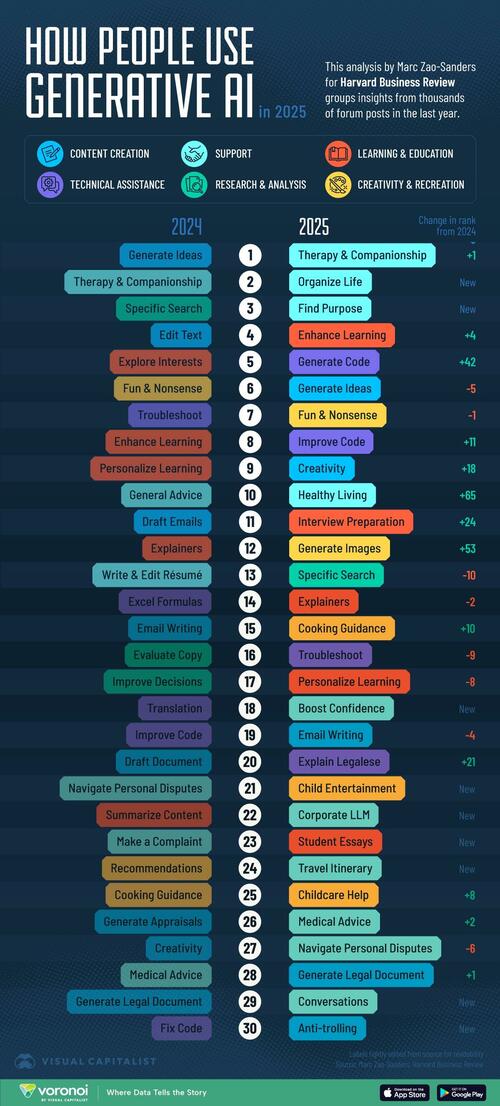
    Marc Zao‑Sanders, pulling the curtains back on a massive Harvard Business Review study, sifted through thousands of forum posts from the past year to pinpoint which AI applications rock the boat. His follow‑up on a 2024 analysis gave us a clear snapshot of the hottest use cases. The data landed on the page of Visual Capitalist, where Pallavi Rao turned it into a slick graphic. (We’ve tweaked the labels just a touch to make things a bit easier to digest.)

    The Top 30 Showdown (Without the Fanfare)

    • Content creation that writes faster than a coffee‑drinking marketing team.
    • Brainstorming ideas with a digital mind‑machine that never runs out of crumbs.
    • Chatbots that charm customers and save you from endless voicemail rings.
    • Code generators that turn your pseudocode into production‑ready snippets.
    • Image and video synthesis that keeps your social feeds fresh and peek‑friendly.
    • Marketing automation that links your campaign data to the actual sales you’re after.
    • Customer support systems that answer 24/7, minus the awkward silence.
    • Decision‑making aids that crunch numbers while suggesting the best route to take.
    • Recruitment tools that sift resumes faster than the HR team can take coffee.
    • Supply‑chain optimisers that abort delays and keep the goods moving.
    • Product design helpers that take your sketches and give neat revisions.
    • Language translation that’s almost as good at sarcasm as a native speaker.
    • Financial planning engines that look at your cash flow and say, “You’re golden.”
    • Learning platforms that adjust tutorials to your pace and style.
    • Health diagnostics that help you interpret symptoms before you call a doc.
    • Security posture analysts that detect threats faster than the hacker can think.
    • Operations scheduling that knows exactly when your team will be at peak.
    • Human resources analytics that spot engagement spikes before they drop.
    • Retail recommendation engines that whisper “You’re going to love this.”
    • Analytics dashboards that turn raw data into storytelling 3 minutes later.
    • Voice assistants that seem not just smart but far above “Hey Siri.”
    • Legal research bots that cut through case law like a hot knife through butter.
    • Voice‑to‑text that records meetings cleaner than a factory sweep.
    • Video‑editing tools that splice scenes faster than a film crew’s coffee break.
    • Credit risk assessment tools that pick safer loans for banks.
    • Pharmaceutical research boosters that find compound links like a detective.
    • AI monitoring for infrastructure that warns before the power board burns out.
    • Creative writing aids that spice up narratives with a dash of humor.
    • Social media insights that reveal what your audience hides in comment threads.
    • Climate modeling support that could save planets one data point at a time.

    Every entry on the list is a testament to how AI is already the quiet partner behind countless daily tasks—often without anyone noticing the heavy lifting happening behind the scenes.

    Why It Matters

    From boosting marketing efforts to sharpening supply‑chain predictions, AI’s most popular riff isn’t just an identity label—it’s a literal toolbox that’s getting richer by the day. Whether you’re a marketer, dev, or just an everyday user, it’s clear: AI is weaving its way into the fabric of work and play alike. And the only question left is, “Which tool will you grab next?”

    Check Out This Eye‑Catching Visual!

    We’ve got this amazing illustration right up in the middle of Visual Capitalist’s AI Week, all the courtesy of our friends over at Terzo.

    Why You Should Care

    • It’s a fresh take on how AI is shaping markets.
    • Terzo’s sponsorship means more quality content for you.
    • It’s part of a larger story you won’t want to miss.

    Here’s How Everyone is Using AI in 2025

    How AI is Boosting Your Everyday Life in 2025

    That’s right—by the start of next year, artificial intelligence is becoming your new sidekick for everything from therapy to cooking. The trend shows three killer use‑cases rocking the world: therapy & companionship, life organisation, and finding life’s purpose. AI can chuck the emotional load off your shoulders and keep your calendar in shape.

    Top AI Use‑Cases in 2025

    • Generate Ideas – Inspire your next project or bedtime story.
    • Therapy & Companionship – Practice mindfulness, talk through feel‑good moments, or chat with an AI friend.
    • Organise Life – Keep track of appointments, to‑do lists, and grocery needs.
    • Find Purpose – Explore passions, set goals, and get personal guidance.
    • Edit Text – From emails to essays, the AI refines your words.
    • Enhance Learning – Turn complex concepts into bite‑size lessons.
    • Generate Code – Write, debug, and optimise quickly.
    • Fun & Creativity – Play games, generate jokes, or craft original art.
    • Improve Code – Tweak logic, fix bugs, or translate between languages.
    • Healthy Living – Get meal plans, exercise tips, and wellness reminders.

    2024: Idea Generation & Search

    In 2024, the world was all about coming up with fresh ideas and seeking specific answers. The idea‑generation feature got a lot of love. But when it came to searching for everyday info, the rankings slipped by ten spots. A lot of folks still brag the AI can break down knowledge, but they’re not hunting for trivia as much.

    Why the Shift?

    It’s not just a fad—Google’s Gemini integration is steering people away from clicking through a bunch of links. They can ask the AI directly, and get a concise context or explanation in seconds.

    Keeping It Human

    The aim? Make AI feel like that supportive friend you talk to over coffee. Imagine “Hey, AI, what’s the best snack for a marathon?” and get a short, witty reply that actually helps you out.

    Fun One‑Liners for Your AI Journey
    • “Feeling stuck? Let’s brainstorm until the idea flow starts.”
    • “I’m here to keep your schedule tidy—no more ‘oops, I forgot!’ moments.”
    • “Lost your sense of direction? AI’s got a map for your soul.”

    Get Started: Best Practices for Your Friendly AI Assistant

    1. Set clear goals: therapy? organization? cooking?
    2. Stay curious: ask the AI for explanations, not just facts.
    3. Review and tweak: your assistant learns from your feedback.
    4. Keep the humor alive: a friendly vibe makes every session enjoyable.

    So next year, lean on AI to make your life smoother, smarter, and a little more playful. Whether you’re juggling work, wellness, or wanderlust, there’s an AI ready to lift some of that pressure—and maybe throw in a joke or two while you’re at it.

    AI For Mental Health: Good or Bad?

    When Your Chatbot Becomes the Best Friend (and the Worst)

    Loneliness on the Rise? Here’s How AI Gets Involved

    The world’s mental‑health funds are as thin as bacon, while the loneliness epidemic keeps smoking‑out in the background. That’s why people’ve turned to AI for a quick fix of emotional support.

    “I talk to it all day,” says one user. “It reminds me to breathe and says I’m powerful!” Those are the small victories we’re hearing.

    Experts swear that online bots can teach mindfulness and even deliver cognitive‑behavioral therapy (CBT) lessons at a glance. No heavy therapist bill—just a quick click and a comforting suggestion.

    But Here Comes the Catch

    • AI can’t fill the void left by a real human hug.
    • Replacing face‑to‑face talks with digital chit‑chat tends to deepen that gaping loneliness hole.
    • All the “talk‑therapy” they give feels a little robotic—no spontaneous laughter or eye contact.

    Think of it as a supportive sidekick, not the main hero. The missing ingredient? The messy, spontaneous touch that humans bring.

    What the Experts Really Want

    They’re not about an AI uprising. They want a system that augments our real‑life social circle, not replaces it.

    So when the next bot comes along, we’ll keep our coffee cups in hand, obey the dog‑training signals it offers, but we’ll still pack a feel‑good meme and send it to a friend instead of a screen.

    Want More AI News? Check These Tidbits

    From our AI Week coverage, brought to you by Terzo, you can explore:

    • Which countries are winning the AI patent race.
    • Hot trends shaping the future of artificial intelligence.
    • Fresh tips on keeping your sanity while living in a digital world.
  • The Collapse Of The Democratic Party And Their Deep State Forces

    The Collapse Of The Democratic Party And Their Deep State Forces

    Authored by Larry Kudlow via RealClearPolitics.com,

    If you take a careful look at the decision of a New York appellate court today to throw out the unconstitutional and disgraceful $500 million penalty on President Trump and his businesses…

    And then you keep your nose in the newspapers and watch New York’s attorney general, Letitia James, getting busted for mortgage fraud…

    And then you go back a bit and look at all the declassified documents released by Tulsi Gabbard and John Ratcliffe and Kash Patel that show the entire Russiagate hoax was quarterbacked by President Obama and Senator Hillary Clinton…

    And then you just think about this whole rotten sequence — what you see is the collapse of the legal and Deep State forces against Mr. Trump.

    In many ways, you could argue it’s the collapse of the Democratic Party.

    Not only because the Deep State couldn’t bust Mr. Trump, and the forces of treachery and sedition couldn’t break Mr. Trump, and the prominent liars are themselves now facing criminal indictment, and making it all worse for that crowd — Mr. Trump himself was re-elected.

    Which was the Obama-Clinton Deep State’s worst nightmare.

    And as far as the Deep State goes, it appears that all of those people who participated in the Russian hoax and various other phony trials — well, they’re getting fired from their jobs. And they’re all lawyering up.

    And on top of all that, here’s Mr. Trump running a vastly successful administration — in terms of economic policy, domestic policy, foreign policy, you name it.

    Wait a minute, though, don’t forget the president is going to inspect Washington, D.C., this evening — so let’s add law and order to that list.

    And he closed the wide open border.

    So that adds to the Deep State’s nightmare.

    Not only could they not put him in jail for 750 years… Or bust his businesses… Or throw him off the ballot… Or tie him to the so-called Russia hoax…

    The worst thing of all for the lawyered up Deep State crowd, though, is that Mr. Trump is succeeding in virtually every initiative he’s put forward.

    And, not to rub it in, but I want to quote Mr. Trump’s Truth Social post today: “a great win for America” — which describes his victory in the New York appellate court.

    It’s a great win for America for many different reasons.

    What comes to mind to me, though, is that it shows that eventually, the American judicial system works.

    As bad, inept, and corrupt as some of these judges and spies have been, with all of their political biases and weaponization and lawfare against Mr. Trump…

    As bad as they are — as the cases moved up the judicial totem pole, Mr. Trump has won them all.

    Loading recommendations…
  • Revealed: A Shocking Graph Exposes the Chemical Pushers Hijacking the U.S. Beef Industry

    Revealed: A Shocking Graph Exposes the Chemical Pushers Hijacking the U.S. Beef Industry

    MAHA: The Fresh Revolution Flipping the Food Hierarchy

    Picture this: the entire nation’s pantry has been on a long, sticky binge of ultraprocessed fuss and pharma cocktails, and now Make America Healthy Again (MAHA) is stepping up to the plate with a fresh menu. This movement isn’t a fleeting pop‑up; it’s the new power‑up that’s reshuffling the grocery aisle and giving the health industry a serious wake‑up call.

    Why MAHA is the Flavor of the Month

    • Clean Air, Clean Plate: Consumers are tired of invisible sugar and artificial fats. They’re flipping the switch to fruits, veggies, and whole grains, and the shift is making headlines.
    • Goldman Sachs to the Rescue: Last week, analysts from one of the biggest banks in the world announced a massive behavioral pivot. “We’re seeing a big surge in shoppers prioritizing cleaner, better‑for‑you choices,” they said. That’s the kind of data that screams revolution.
    • Bloomberg’s Big Reveal: Even the big money‑talking reporters are giving the MAHA movement a nod. They’re recognizing that the wave is not just rippling—it’s carving out a new shoreline in the public‑health landscape.

    What’s on the Menu?

    Enter the “Clean Food” menu: think shiny labeled almonds, fresh leafy greens, and humble sprouted grains. These aren’t just buzzwords—they’re the ingredients that people are practically buying in bulk.

    Fast Facts & Funny Quotes
    • “Why do we keep buying chips when there’s kale?” asked one shopper, palm on her phone, scrolling through a grocery app that now sells kale as seriously as it sells tacos.
    • “We’re finally flipping the script—no more ‘enhanced’ food for us!” proclaimed another, underscoring the empowered stance of modern consumers.

    Bottom line: the MAHA movement has moved from a niche buzzword to a nation‑wide, food‑chain‑fixing force. It’s a movement that’s stirring the pot, flipping the transition away from desk‑to‑shelf junk—and inviting everyone to sip on the fresh, wholesome future.

    When Food Turns Into a Skit

    Picture this: the nation’s health feels like it’s stuck in a slow‑mo loop, and the only way to break out is to ditch the corporate kitchen—no more fancy chemicals and off‑the‑clock farming. Rob F. Kennedy Jr., the big‑wig at Health & Human Services, is on a mission to bring trust back to the food aisle and shake up the pharma‑phun that’s been pumping us like a vending machine.

    Keep It Clean, Keep It Simple

    • Clean eats are the new chic. Think less industrial, more sunshine‑grown.
    • Exercise isn’t optional. It’s the backup‑plan you never knew you needed.
    • Pharma’s profit game? Goodnight. It’s time the meds stopped playing monopoly with our bodies.

    Turns out you don’t need a hot‑roll drug (like Ozempic) to get your blues out. Just grab a salad and hit the pavement. Simple, right?

    Trade Talks & Food Fight

    Bloomberg’s latest scoop spills the beans on a fresh US‑UK trade pact. Awesome news: it’s slashing tariffs and opening doors for billions in U.S. exports—including our beloved beef. But here’s the twist: the UK is still gonna ban hormone‑treated meat and that fancy “chlorine‑washed” chicken that’s a staple over in the States.

    Why? Because Europe (yes, that means the UK too) lives by stricter standards that say “No, sir!” to those corporate shortcuts.

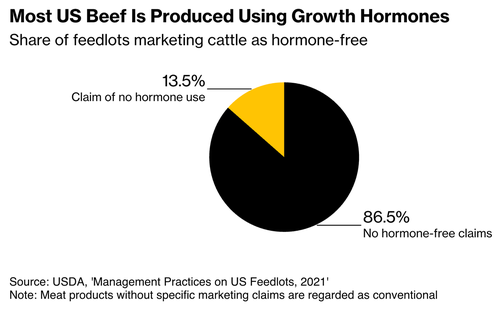
    What the Graphic Said, Loved by Avid Readers

    For anyone scratching their head at how toxic our food chain can be in the hands of mega‑corporations, this Bloomberg graphic speaks louder than a boom box. It’s a wake‑up call that tells Americans: “Local farmers, backyard harvests—go for that grassroots goodness!”

    So ditch the mystery boxes. Let’s keep our bowls full of trustworthy, honest food.
    We’re Resetting the Table, One Tender Cut at a Time

    Who’s Been Messing with Our Meats?

    It’s not just about the beef on your plate—it’s a wake‑up call for the entire food chain.
    Think of the system as a playground that’s been hijacked by chemical pushers and marketing firms masquerading as newsrooms. When you open that freezer door, the numbers hit you hard:

    • 86% of the stuff in your meat case has nothing to do with clean, honest food.
    • The rest? A cocktail of additives, hormones, and lurking surprises that nobody wants on their plate.
    • And now we’re at a crossroads—stick with the status quo or flip the script and put the power back in the hands of the farmers who grew the grass.

    Why a Handshake Is the Best Medicine

    From the skeptical voice of Beef Initiative founder Texas Slim comes a bold bet:
    “The only way forward is to shake your rancher’s hand. That’s how we win—one local producer at a time.”

    It’s a call to remember that every bite should tell a story—the story of a field, a family, and a farm that respects the earth.

    What Happens When You Pick Local?
    • Fewer miles mean fresher cuts and smaller carbon footprints.
    • Local walks, not chemical chats, keep the taste genuine.
    • Support the community—one rancher’s success is a win for everyone.
    Let’s Do It With a Smile

    So next time you slide a steak onto your grill, make a mental toast to the farmer next door.
    Because when you hold that promise, you’re not just cooking—you’re creating a movement that turns every meal into a celebration of what matters most.
    Bloomberg’s Big Admit: The Food Landscape is in Full Flux

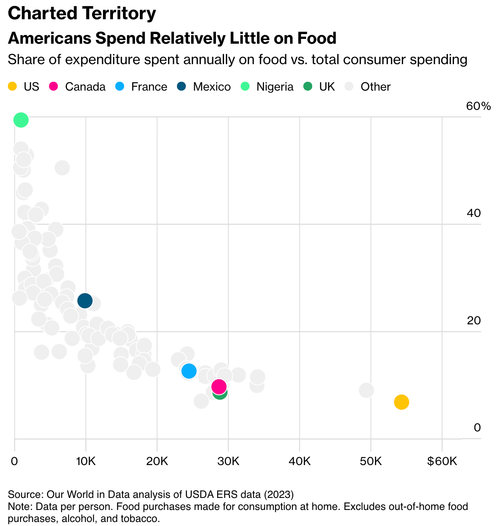
    Even the slick corridors of Bloomberg had to shout from the rooftops that the era of mashed‑potato comfort foods is overrunning. The new wave—dubbed MAHA—has forced a total rethinking of how America feeds itself. The consequence? Your groceries may start costing more, but at least you’ll know why.

    RFK Jr.’s Vision for a Clean Plate

    Former Senator‑turned‑food‑advocate RFK Jr. has a plan that would blow up your lunch menu. His ambitious agenda brings in:

    • Ban on ultra‑processed snacks—no more salty “junk” that looks legit.
    • Revive “real” Nutrition” for SNAP recipients—making taste buds and healthgoals align.
    • Eliminate that pesky seed oil—the silent villain behind many a salad leaf’s limpness.
    • Shut down artificial food dyes—we’re all about natural hues now.
    • Cut back on high‑fructose corn syrup and harmful pesticides—for the sake of your gut and the planet.

    From Pocket to Plate: The Price of Clean!

    That sweet spot where processed meals let us spend the tiniest fraction of our income on food is being shaken. But change takes money—until it doesn’t. In the near future, a shift toward cleaner, less industrialized grub might demand a higher price tag. It’s the swap from “cheap” to “clean.” Even if the dollar rises, the net worth of your health will soar.

    What This Means for You

    • Expect a slight price jump—think of it as paying for a healthier life.
    • Look for fewer ingredients lines that sound like science experiments.
    • Say goodbye to bright, fake colors that once turned pizza dough into fireworks.
    • Trade greasy convenience for fresh, wholesome options that won’t break the bank.

    In short, the culinary world is flipping the script. The new “MAHA” wave is all about openness and nourishment, and yes, it will cost a little extra—just to bring you the big, bold, healthy bite you deserve.
    What Do You Really Get For Your Health?

    Let’s face it: better health means fewer pokes and prods at the doctor’s office. That’s the headline—no expensive prescriptions, no emergency room nightmares. But the real story is a bit more subtle, and it might make you count your pennies, or rather, the pennies you’re saving.

    The True Cost of Skipping the Salad

    Every time you toss an extra-serving of fries or milkshake into your diet, you’re ticking a tiny “future expense” clock. Years of eating that ultra‑processed stuff can line up like a suspense‑thriller plot, building up chronic illness, mounting medical bills, and—if you’re unlucky—an untimely exit that could have been avoided.

    So, how do we value that?

    • Health should feel like a paycheck in your pocket. The fewer visits you need, the more money you can use for that coffee you actually love.
    • Long‑term savings are the real profit. Think of it as a compound interest—each day of healthier living fuels bigger future benefits.
    • Human life is priceless. No number can capture the irreplaceable joy, the unsung moments that a long, vibrant life brings.

    Bottom line: the price you put on avoiding chronic disease, fending off brutal bills, and staying alive longer is an investment that pays dividends in both dollar bills and the priceless currency of well‑being.

    It’s Time to Fuel America with Small Farms

    There’s no price for whipping up fresh, local food—just a rally for the MAHA movement to jumpstart a network of tiny farms that can feed the nation and spark healthier communities.

    Why the Trump Administration Should Back This Move

    • Boosts local economies: Small farms keep money in hometowns.
    • Improves health: Fresh produce lowers chronic disease rates.
    • Strengthens food security: A resilient network means no missed meals.

    Expand Your Carbon Footprint—But in a Good Way

    We’re not talking about more emissions here—think more real food and smaller, greener supply chains. It’s a win for your plate and the planet!

    Take the First Step

    Support local farms, choose seasonal produce, and let your palate—and the earth—thank you.
  • Boosting Innovation: Congress Urged to Accelerate Science Commercialization

    Boosting Innovation: Congress Urged to Accelerate Science Commercialization

    Congress Steps Up: A Chance to Shake Up Tech Funding

    What’s Going On?

    • Roger Williams – the House Small Business Committee chair from Texas – just rolled out a new bill that’s the House version of the INNOVATE Act.
    • Joni Ernst – the Senate Small Business Committee chair from Iowa – put her own INNOVATE Act on the table earlier this year.
    • Both bills aim to give the Small Business Innovation Research (SBIR) program a much-needed makeover.

    Why Should You Care?

    Think of SBIR as the launchpad that has already launched countless startups. When it’s refreshed, it can turn a handful of bright ideas into the next big tech juggernaut. It’s not just policy for the sake of policy; it’s a chance to make the entire federal science playbook more effective.

    How the New Bill Helps:

    • Sharp focus on innovation – reduces bureaucracy and speeds up the funding cycle.
    • Greater support for small businesses, giving them the capital they need to grow.
    • Potential to spark the next American tech giant, from zero to hero in record time.

    Bottom Line

    Congress has laid out a golden ticket. The big question is whether the government will make the most of it or let this opportunity slip through the cracks. Either way, it’s an exciting time for entrepreneurs and the nation’s future tech leaders. Keep your eye on the ball – the next big thing could be just a legislative step away.

    What the INNOVATE Act Means for SBIR…

    In 1982 Congress launched the SBIR (Small Business Innovation Research) program to help budding scientists turn their lab‑magic into real‑world, Big‑Corp‑level fortunes. Today, the program has helped power the likes of Qualcomm, ViaSat, AeroVironment, and the stealthy Anduril, proving that a clever idea and a bit of funding can spark something truly spectacular.

    Why SBIR Needs a Summer of Reauthorization

    After a 2022 reauthorization that put security fences around the program, SBIR was still under the threat of rogue foreign “research transfers” that might feed tech to adversaries. The new “INNOVATE Act” wants to keep the momentum going while tightening playbooks and tightening the screws.

    Key Highlights (In Plain English)

    • Lifetime Caps: A $75 million ceiling for any single SBIR award—so the program isn’t a runaway “free lunch” for companies that keep chlorinating their grants.
    • Sharpened Commercial Paths: Companies that really mean business will get the green light, while those that use SBIR as a lounging hobby will be nudged out.
    • Guardians of the Gap: A new “Strategic Breakthrough Funding” vehicle that can help companies move from prototype to production without dropping the ball.

    Beyond Black‑Army Readiness

    The Senate version stuck the strategic breakthrough fund inside the Department of Defense, but the House version opened the door to agencies like Energy and Health—so startups with renewable energy or medical gadgets get a fair shot too.

    What’s the Big Deal with Waivers?

    Some companies tied to a national security mission might need more money even after the cap. The House proposal creates a waiver system that lets a program director approve those cases. Transparency is the name of the game: the Small Business Administration would flag waived companies in its database so everyone can see who’s on the “exception list.”

    What This Means For You

    If you’re a tinkering entrepreneur, the INNOVATE Act aims to make SBIR a friendlier ally: better fingers on the promotion of real market products, less bureaucracy, and stronger safeguards against that sneaky “foreign influence” that can turn a pure science dream into a geopolitical nightmare.

    Bottom Line

    The SBIR program is a proven engine for turning science into sauce—like sauce for the whole world. Congress can’t afford to let it stall because it’s set to expire soon. The INNOVATE Act keeps the engine humming, cleans up the gears, and gives a chance to the next wave of innovators to ride it to the next big win.

  • Is 23andMe’s American DNA at Risk? Potential Sale Sparks National Security Concerns

    Is 23andMe’s American DNA at Risk? Potential Sale Sparks National Security Concerns

    Justice Dept.‑Drops a Red‑Flag Letter on 23andMe’s Potential Sale

    The U.S. Department of Justice has just turned up the heat on the doomed 23andMe Holding Co.
    It filed a formal notice with the Bankruptcy Court of the Eastern District of Missouri, which is chewing over the former DNA company’s Chapter 11 filing (Case No. 25‑40976).

    Why Does this Matter?

    • Millions of genome records on the line. Picture a giant digital vault holding the genetic blueprints of countless American citizens. That’s what 23andMe’s assets could turn into.
    • Possible foreign takeover alert. The DOJ is signaling that if anyone wants to acquire those assets, the deal could spark a national‑security showdown.
    • Enter CFIUS. The Committee on Foreign Investment in the United States (CFIUS) would get in the middle, scrutinizing who’s buying the DNA “hot property.”

    What’s CFIUS and Why Does It Care?

    CFIUS is the sharp‑eyed watchdog that keeps a close eye on foreign investments in U.S. companies, especially when national security could be at stake. Think of it as the security guard that checks the background of anyone trying to move a piece of the American DNA puzzle.

    Bottom Line

    In a nutshell, the DOJ isn’t giving the green light for a quick sale of 23andMe’s assets. They’re essentially saying, “Hold your horses. If this ends up in foreign hands, we’ll make sure it’s safe.”

    Stay tuned—this saga is bound to keep unfolding, and we’ll be ready to rewind every twist with a dash of humor and heart.

    Law Strikes Back: 23andMe Can’t Sell Your DNA to “Covered” Companies

    It’s a no‑go zone for the genetic data of 15 million+ U.S. customers. The U.S. Attorney’s Office, led by Sayler Fleming, has issued a sharp warning that 23andMe is barred from passing on genetic info to any company that meets the “covered person” criteria.

    Who Are These “Covered” Guys?

    • Foreign entities with ≥ 50 % ownership by firms from places like China, Russia, or North Korea.
    • Anything that ticks the box of a foreign‑owned corporation is off‑limits.

    Why the Hot‑Take?

    Agents say it’s all about security. Keeping our DNA out of the hands of the next big data broker is the main line of defense.

    What It Means for You

    If you’re a 23andMe user, you can rest easy knowing the company’s not going to sell your genetic profile to those heavy‑handed foreign entities. That’s the latest legal seal of safety.

    Federal Face‑Off: CFIUS, 23andMe, and the Great Genetic Arms Race

    Forget the courtroom drama – the 23andMe saga is now a high‑stakes cyber‑supply‑chain thriller. The U.S. Treasury isn’t asking Judge Walsh to swoop in for a knockout; instead, it’s waving a big red flag at CFIUS, asking the agency to check every potential sale of DNA data for sneaky foreign backers.

    Why DNA Is a National Security Issue (and Why That Makes It Hard to Sleep At Night)

    • Precision bioweapons could be built to target specific genetic traits or ethnic groups. Think a microscopic cocktail that’s “just for the family that has that red hair gene.”
    • Any little misstep could let a hostile actor or rogue group – say someone wobbling on IE – tap into genomic gold and engineer trouble that hits exactly the right “species.”

    Picture this: a shadowy guru from the “Iranian VIP squad” or a slick exec from the Chinese Communist Party unlocks a treasure trove of DNA. The result? A pathogen that’s deadlier to those with certain gene markers. Yikes.

    James O’Keefe’s Shocking Reveal (and Why It’s Like a Reality‑TV Pilot)

    Last month, James O’Keefe from O’Keefe Media Group turned the mic on a U.S. Treasury policy advisor, Nathaniel Johnson. In a grainy video that feels like a late‑night talk show, Johnson claimed:

    “Do not give your information to those people [23andMe]… they sell it to other people.”

    “There’s a clause in their contract that basically says we can give your info to our shareholders. These shareholders are fancy pharmaceutical firms, some of which are based in other countries – and some are tied to entities like the Ministry of Defense of Russia or owned by China.”

    According to Johnson, 23andMe has been shuffling consumer data to “pharmaceutical companies” that may actually be proxies for foreign ministers. Imagine your grandma’s birth chart being handed to a Russian defense minister for… whatever. Now that’s a plot twist.

    The Trump Administration’s Quandary

    As the great power competition with China ramps up toward the 2030s, the Trump administration needs to wrestle with a bigger baloney than just financial instability: the potential weaponization of genetic data. If they don’t act, the next biological weapon might be personalized… and terrifying.

    In short, the next big headline is likely not about Berkshire Hathaway buying a small coffee shop. It’s going to involve the U.S. Treasury, CFIUS, and a coalition of data brokers that might as well be the villains in a sci‑fi blockbuster.

    Read the filing here:

    I’m ready to help rewrite the article for you! Could you please share the text you’d like to be transformed?

  • US Trade Deficit Shrinks Most on Record in April as Imports Plunge

    US Trade Deficit Shrinks Most on Record in April as Imports Plunge

    Tariffs Hit the Pause Button

    When the U.S. finally decided to stop the crazy tariff ballet, the market took a dramatic bow. Imports, which had been sticking their heads out of the window, plummeted in April like a stock market crash at 3 p.m.

    What Went Down?

    • Imports shrunk sharply—the biggest drop on record.
    • Consequently, the trade deficit mopped up bigger than ever before.

    Why It Matters

    With fewer goods flying into the U.S., businesses that depend on international supply chains are feeling the chill. At the same time, a lighter deficit means the economy might have a smoother ride, at least for the short term.

    Bottom Line

    Tariffs may have stopped front‑running, but the ripple effects are still rolling. Keep an eye on the next headline!

    Trade Tumble: The Upside‑Down Story of Imports and Exports

    According to Bloomberg, the gap between goods and services trade fell a whopping 55.5% compared to the month before, landing at just $61.6 billion. That’s the lowest figure since 2023 and it’s a full‑blown reversal of the sharp widening that dominated the first quarter.

    Key Numbers

    • Imports slump: Down a record 16.3% in April.
    • Exports keep pace: Up a modest 3%.

    What This Means

    The huge dip in imports means fewer goods and services are trickling into the country—think less shiny gadgets and more than a few grocery shortages. Meanwhile, exports are still holding their ground, refusing to fall as hard as imports. The combo leaves the overall trade gap looking much smaller, which could paint a picture of a tighter, more balanced economy.

    Bottom Line

    While the trade gap has shrunk drastically, the story is a bit of a rollercoaster: one side plummets, the other climbs a tiny bit. It’s a reminder that our global trading jitters can change faster than a coffee order on a busy morning. Stay tuned for the next update, because the world of trade is never boring!

    US Imports Take a Nosy Dip

    What’s Really Going on with the Trade Numbers?

    When the April trade report flashed its numbers, it wasn’t all happy news. Consumer‑goods imports tumbled by a whopping $33 billion, and the culprit? A sharp drop in shipments of pharmaceutical preparations—think meds and medical supplies—just begging for a tighter grip on your pharmacy’s shelves.

    Key Highlights (in bullet form, so you’re not left scratching your head)

    • Consumer goods slump – A massive $33 billion dip signals that shoppers are going quiet, or perhaps Walmart’s new “No‑spend” challenge reached full force.
    • Pharma woes – Fewer inbound pharmaceuticals mean less blood, bones, and care supplies—for everyone, literally.
    • China’s drop‑in – Imports from China hit their lowest point since March 2020. Looks like the overseas trade dance is still still missing a step.
    Why Did It Happen?

    It’s a mix of a global slowdown, supply‑chain hiccups, and maybe a pinch of “protective tariffs” bring‑it‑back–to‑the‑future vibes. While the numbers might rub your brainy side, the real tale is that the world’s business gears are grinding slower than a start‑up in a coffee‑less office.

    Bottom Line for the Average Joe

    For everyday shoppers, expect to see a little more lag when you’re on the hunt for the latest gadget or your weekend snack cravings. Meanwhile, doctors and med‑store owners might need to keep a tighter eye on stock levels. All in all, the trade report tells us the “import crew” needs a little re‑boot—or at least a fresh cup of coffee—to get back on track.

    U.S. Trade With China Slashes Deficit, Finally!

    Ever wondered what it feels like when the U.S. finally gets ahead in trade with China? Strap in for the latest updates – the trade deficit has dipped to its lowest level since March 2020, and it’s not just a slick headline, it’s a real shift in the economic dance between the two giants.

    What the Numbers Tell Us

    • Deficit slump: The deficit shrank by about 12% over the past year. That’s a noticeable drop, but still leaves a lot of room for improvement.
    • Exports up: U.S. exports to China rose by roughly 8%. From tech gear to agricultural goods, the U.S. is shipping more.
    • Imports down: Imports from China fell by nearly 4%. The little guy has a smaller pocket now.

    Why the Bargaining Chip Changed

    It’s a mix of policy tweaks and market forces. Two key players:

    • Tariff tweaks: A gradual easing of certain tariffs on electronics and farming gear gave exporters a boost.
    • Supply chain realignment: With Auto factories and tech firms diversifying sourcing, the U.S. got more foothold in production.
    Humor Meets Reality

    Picture this: the U.S. economy getting a “thumbs up” from China. It’s like a long‑time dance partner finally swaying to the same beat. Good news for the Department of Commerce, but the real test is whether this momentum sticks.

    All Eyes on the Future

    While the credit is earned, analysts warn the trade deficit could wobble again if policy shifts or global uncertainties resurface. What’s certain is that this is an important moment for the trade war saga – one that should be celebrated but watched closely.

    Canada’s Trade Surprise: The Biggest Deficit Since the Great Swing

    Hold onto your maple leaves—Canadian exporters just hit a new low that’s spookier than a late‑night horror flick. According to Bloomberg, the country’s exports dipped by the greatest drop in almost 17 years—well after the pandemic got the spotlight. The fallout? A merchandise trade deficit that’s bigger than any ever seen in Canada’s history.

    Why this matters

    • Exports plummet. Canada’s goods have been moving out faster than a hedgehog on a roller coaster.
    • Wider deficit. The gap between what we send out and what we bring back now fills up the books faster than a well‑shared meme.
    • Expectation fallout. Even the worst-case numbers from a Bloomberg economists poll were outscored by surprise.

    Who’s Feeling the pinch?

    From timber to tech, industries that once bragged about robust export numbers are now re‑evaluating their cargo plans. The Ottawa budget team is taking notes, and the Canadian Parliament is already plotting out strategies like a chess master facing a check‑mate.

    Looking ahead

    It’s a wake‑up call for Canada’s trade policy—time to tighten the belt, boost competitiveness, and maybe add a sprinkle of innovation, or at least a dash of a good creative marketing plan. For now, the forecast remains grim, but the political stage is set for a dramatic, potentially positive turnaround.

    Quick Scoop
    • Export dip: Largest in 17 years (post‑pandemic).
    • Deficit size: Record‑setting, overshooting forecasts.
    • Economic outlook: Disappointing, but not the endgame.

    Trade’s Sweet Tango With the GDP

    The sharp shrinkage in April has set the stage for trade to be a major player in Q2’s GDP, a notable turnaround after it knocked a 0.2% dip out of first‑quarter growth. Times are interesting, and we’re all ears when the Atlanta Fed gets ready to tweak its GDPNOW model once again.

    What’s Brewing?

    • April’s sudden downturn slingshotting trade into positive territory for Q2.
    • The trade slump was the main culprit behind the 0.2% year‑on‑year decline in Q1 GDP.
    • We’re watching the Atlanta Fed’s GDPNOW as it fine‑tunes the forecast—think of it as a dance routine where every step counts.
    • Expect the “adjust” to bring a fresh rhythm to the numbers, potentially adding a nice little boost to the economy.

    Why It Matters

    Trade is like that missing puzzle piece. When it slides back into place, the whole picture becomes brighter. A 0.2% dip might seem minor, but in the grand scheme of things, that’s like losing a dollar in a million‑dollar game.

    Looking Ahead

    We’ll keep a close eye on the Atlanta Fed’s next move. If they lean into the adjustments, we could see a smoother ride for GDP in the coming quarters. Until then, let’s keep the economy dancing to the beat of trade moves!

  • White House Deputy Chief Of Staff: 'Massive Scandal' Uncovered In D.C. Crime Stats

    White House Deputy Chief Of Staff: 'Massive Scandal' Uncovered In D.C. Crime Stats

    Via American Greatness,

    White House Deputy Chief of Staff Stephen Miller is warning that an ongoing Department of Justice (DOJ) investigation into whether Washington D.C. officials manipulated crime statistics is in the process of uncovering a “massive scandal.”

    At an Oval Office press conference, Miller told reporters that when the results of the investigation are finally that, “It will stun you,” adding, “Even though D.C. had the worst crime in America–honestly measured–it dramatically understated how bad it was.”

    Miller said that DOJ investigators have uncovered evidence that crime data was manipulated to the point that some murders and homicides were falsely reported as accidents.

    The White House Deputy Chief of Staff also assured reporters that the full extent of the manipulation “will be uncovered and it will all be brought to light.”

    Miller told reporters that he’s had the opportunity to visit with police officers in the city who tell him that members of the public are going up to them and thanking them for finally being able to enjoy their parks and “walk freely at night without having to worry about being robbed or mugged.”

    Last month, House Oversight Committee Chairman James Comer (R-KY) informed Metropolitan Police Department (MPD) Chief Pamela Smith, in a letter, that his committee is “investigating disturbing allegations that DC crime data is inaccurate and intentionally manipulated.”

    Comer told Smith that a whistleblower “with direct knowledge of internal MPD operations and crime data discussions” told his committee that “crime statistics were allegedly manipulated on a widespread basis and at the direction of senior MPD officials.”

    In his letter to Smith, Comer notes, “The whistleblower stated this manipulation is accomplished by supervisors — with only a cursory understanding of the facts and circumstances of the crime — ignoring the judgement of patrol officers who actually interviewed witnesses and collected evidence by recommending reduced charges.”

    MPD District 3 Commander Michael Pulliam, was reported last month to have been under investigation for allegedly manipulating crime statistics for his district, although Comer told Smith in his letter that, “Unfortunately, this practice does not appear to be isolated, nor is it a recent development.”

    MPD data had shown violent crime decreases across all seven police districts, although D.C. Mayor Muriel Bowser said MPD leadership only found anomalies in data reporting in one district.

    Loading recommendations…
  • Democrat Whistleblower Accuses Schiff of Unethical Classified Leaks Amid Treasonous Russiagate Plot

    Democrat Whistleblower Accuses Schiff of Unethical Classified Leaks Amid Treasonous Russiagate Plot

    Ex‑Intelligence Officer Claims Schiff Gave Green Light for Leak

    Matt Margolis, a seasoned career intelligence officer who spent over a decade on the House Intelligence Committee slotting up for Democrats, has resurfaced his old dossier on a high‑profile political drama. He says that since 2017 the FBI was warned that Adam Schiff—then a rookie congressman—had actually signed off on blowing up classified documents to help paint President Donald Trump in a bad light. The whole affair, now famously debunked, was part of the Russiagate scare.

    What the Officer Is Saying

    • “I see a pattern,” he told investigators, pointing to the timeline.
    • The leak was “approved” by a senior Democratic member of Congress.
    • It was supposedly staged to create a narrative that Trump was colluding with Russia.

    Why This Matters

    Margolis’s claim suggests that political influence might have stretched beyond policy making into covertly engineering leaks. If true, the accused leak wasn’t a careless mistake—it was an orchestrated maneuver deployed to smudge a sitting president.

    Chuckles & Rumbles

    In a nutshell: “It was less of a leak and more of a lit‑up, legal‑scale PR stunt,” Margolis quips in the notes to the FBI. The story’s pedigree doesn’t seem to have been walled off by the bureaucracy – it surfed straight into the public eye like a virus that couldn’t be contained.

    Schiff’s Political Plight: From Dossier Drama to DOJ Drama

    Picture this: Adam Schiff, the maverick of the House Intelligence Committee, takes the stage as the very poster child of the Trump‑Russia collusion saga. He reads the infamous Steele dossier straight into the congressional record—one pass that most would call shameless. He even went on to boast of “intelligence” that proved Trump was guilty…in real life, this turned out to be pure fiction.

    The Feds, the FBI, and the “White‑Blind” Game

    • Just the News snagged FBI memos that Director Kash Patel has just shipped to Congress, revealing how Schiff was apparently using classified intel like a political weapon.
    • According to the 302 interview, a Democratic “friend” of Schiff—who’s meanwhile also a California Senate seat holder—called the leaks “unethical, illegal, and treasonous.” Yet Schiff assured him no one would worry, claiming the “speech and debate clause” would save him.
    • Surprisingly, no public statements from the Attorney General or the Solicitor General acknowledged that this punch‑line was legally solid.
    • The DOJ, back when the scandal first surfaced, turned a blind eye, copying the same reasoning Schiff offered. They seemed to think a political scandal was a free‑wheeling “in the red” rhetoric.

    2023 Leaks: A Little “Indictment” Party

    Fast‑forward to 2023, a whistleblower (with a name we’ll leave redacted, because the truth sometimes needs a spoiler alert) recounted a meeting where Schiff explicitly fizzed accusations of “leaking classified info” to get Trump indicted. The whistleblower stated Schiff said it was “illegal,” but members of the meeting beatled the idea that there would be consequences.

    With the statute of limitations by now, Schiff is safely out of the courtroom’s cross‑hair.

    The Bumpy Road to Mortgage Fraud

    And if that wasn’t enough, Schiff has recently been handed a DOJ referral over suspected mortgage fraud—adding another twist to a story that’s more crime thriller than typical congressional drama.

    Patel’s Big Reveal & the Aftermath

    Patel’s revelation is the fulcrum. “For years, officials used their positions to selectively leak classified information to shape political narratives,” he told Just the News. “It was all aimed at weaponizing intelligence and law enforcement for political gain, which erodes public trust.”

    He underscores that the FBI will now lead the charge with DOJ partners and Congress will have a chance to uncover how political power was weaponized—and, hopefully, restore accountability.

    The Bottom Line: Smash the Cynos in Washington

    It’s impossible to ignore how Schiff hijacked congressional authority and classified intel to orchestrate what seems like a political war from the heart of government. The only real beneficiaries? Cynics who bet on Washington’s inability to police itself. For anyone holding an eye on politics, the sheer audacity of these abuses demands not just censure, but real accountability. Schiff’s betrayal—armed with classified intelligence, aimed to neutralize Trump—has finally been laid bare. The next page of this story will either follow a redemption arc or an all‑in‑the‑court‑room showdown.

  • Live: Fed Chair Calls Himself Very Dumb During Congressional Hearing

    Live: Fed Chair Calls Himself Very Dumb During Congressional Hearing

    Fed Chair Powell Steps Onto Congress’s Stage – Still Playing It Safe

    Quick Breakdown of What Happened

    • Powell keeps the rate‑cut train on standby until we get a clearer picture of Trump’s tariffs.
    • He’s basically saying, “Hold your horses, it’s not a sprinkling of dust that can just touch our policy cards.”
    • Three other Fed guys hinted at cutting rates by July – Powell’s take? “Not now, maybe later.”
    • Tariff impact on inflation? Could be a brief party or a long‑term drudge.

    Key Takeaways From Powell’s Talking Points

    TARPIF – The Fed’s New‑Age Glossary. Powell reminds us that tariffs will influence the economy in ways we’re still trying to decode. Think of it like a mystery novel: the plot twist is under the cover.

    Rate‑Cut Hush‑Hush. While most folks are excited about trimming rates, Powell says the Fed is “well positioned” to wait until the evidence is solid. No sudden moves – more like a careful DJ mixing tracks before dropping the beat.

    Inflation Expectations – Keep Staying on Point. The Fed’s long‑term focus is on keeping inflation expectations “well anchored.” That means we’ll hold steady until the tariff effects fully bleed into prices, like watching a kettle boil until it’s a full‑blowing blaze.

    Implications for the Economy

    • If tariffs hit hard, prices could jump, stifling economic activity.
    • But if the bite is mild, the economy might keep dancing, saving the Fed from drastic policy changes.

    What’s Next?

    Federal officials are keeping their eyes on the road ahead, waiting for data that will illustrate how the tariffs are shaping the economy. Until then, the Fed’s plan remains: no hasty rate cuts, just careful observation.

    Trump Fires Up the “Too Late” Narrative

    What the Former President Said

    Early Tuesday, President Donald J. Trump took to social media to shoot down his fellow executive, Fed Chair Jerome Powell, calling him a “very dumb, hard‑headed person.” According to Trump:

    • “Why’s he refusing to lower the rate?” – the former president’s question to Powell.
    • “He’s coming to Congress. They’ll have to confront him.”
    • “We’re going to be paying for his incompetence for years to come.”

    Underlying Message

    Trump’s tweet is classic: a mix of criticism, humor, and a warning to lawmakers. He’s saying the Fed’s policy decisions will cost the nation—beautifully summed up in his witty critique.

    Why It Matters

    When a high‑profile figure condemns a Federal Reserve chairman as “dumb,” it forces the spotlight onto interest‑rate debates and the political fallout that might follow. It’s the kind of headline that will ignite lively discussions in both political and economic circles.

    Tariff Buzz: The Earliest Signal

    What the numbers are whispering—so far the economy’s not launching a full‑blown campaign against tariffs. In plain English, the data paints a picture of only modest influence.
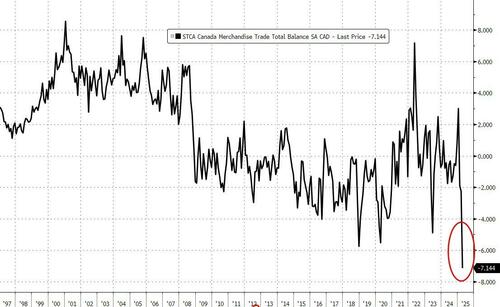
    • Keep calm—your wallet might still feel pretty unchanged.
    • ⏳ Stay tuned: tides shift, and the future might bring a stronger wave.

    Fed’s Tight‑rope Act: Powell’s Take on Inflation and Independence

    What’s Going on in Washington this June?

    Joe Powell just stacked the boardroom with a hefty dose of data—GDP numbers, job charts, and a side‑by‑side comparison of inflation trends. He’s saying the Fed isn’t pulling any hung‑over surprises from the vault; it’s walking the line between keeping the workforce bustling and stopping prices from spiraling.

    Key Takeaways

    • GDP dipped a touch in Q1 because of a wild net‑export flip‑flop—companies pumped in imports ahead of tariffs.
    • Consumer spending cooled off, but equipment investments bounced back after a sluggish finish last quarter.
    • Unemployment sits solidly at 4.2%, a sweet spot that’s been tock‑tocked for the past year.
    • Wage growth is still higher than inflation, but it’s trimming down fast—good news for the job market.

    Inflation: A “Near‑But‑Not‑Yummy” Story

    P&E prices rose a solid 2.3% over the last year and core inflation—excluding food and energy—is at 2.6%. That’s a bit above the Fed’s 2% sweet‑spot, but it’s far smoother than the mid‑2022 peak.

    Surveys of consumers, businesses, and forecasters show a pay‑what‑you‑pay spike—mostly blamed on tariffs. But investors are still keeping their long‑term eyes on that 2% target.

    Policy Power Plays

    Since January, the Fed’s federal funds rate has lounged around 4.25%‑to‑4.5%. They’re also trimming Treasury and mortgage‑backed securities, but are slowing the slide in April to keep the banking system’s reserves in check.

    Because tariffs might still push prices higher, the Fed is on a “wait‑and‑see” mission. They’re not expecting any immediate panic inflation but remain alert to the possibility that price hikes could stick. The ultimate aim: hold dual‑mandate nerves steady and keep the economy humming.

    What Does This Mean for You?

    • If you’re a worker, the job market’s still solid—expect to see a steady paycheck.
    • For borrowers, expect rates to stay where they are for now until new data dictates otherwise.
    • For investors, watch the “tariff‑effect” dance; it could shape the next quarter’s market moves.

    Bottom Line: The Fed Is Fine With the Numbers, But It’s Not Playing a Game of “What If”

    Powell is telling us that the Fed keeps its eyes sharp on both the employment and inflation frontiers. While the economy is holding its ground, the Fed’s next steps will be guided by fresh data and the ever‑humble rules of balancing price stability with employment growth. In short, the Fed’s playing chess, and the board’s set up just fine right now—just keep watching the next move.

    arrowSure thing!
    Could you please drop the article you’d like me to rewrite? Once I have the text, I’ll pick a fresh style, spice it up with some conversational flair, humor, and a dose of emotion, and output it as nicely structured HTML.
    Just paste the article in the chat, and I’ll get started!

  • Pulque: A 2,000-Year-Old Sacred Mesoamerican Booze

    Pulque: A 2,000-Year-Old Sacred Mesoamerican Booze

    Authored by Ross Pomeroy via RealClearScience,

    The Mexica people ruled the Aztec Empire in the Valley of Mexico for its roughly 90-year duration between the 15th and 16th centuries. Mexica mythology tells of an intoxicated deity, Ometochtli, whose drink of choice was pulque. White and viscous, with a strong, yeasty odor of slightly spoiled buttermilk, pulque is produced through fermenting a sugary sap known as aguamiel, extracted from certain species of Agave plant. According to myth, the goddess Mayehuatzin, Ometochtli’s sister, provided the aguamiel and plied him with his favorite fermented booze.

    While pulque is today little known outside of Mexico, it has deep roots in human history, tracing back 2,000 years in Mesoamerica. Researchers at the Escuela Superior de Medicina del Instituto Politécnico Nacional in Mexico City recently explored its longstanding significance in a paper published to the journal histories

    The Mexica may have been most fond of pulque, but the Teotihuacanos, Otomies, Zapotecas, Mixtecas, and Maya also consumed it. “Anthropological evidence, including pottery, murals, codices, chronicles, and oral cosmological traditions, suggests that this… alcoholic beverage was already part of the diet of the inhabitants of Teotihuacan,” the authors wrote. “Pulque is therefore one of the oldest, if not the most important, fermented beverages in Mesoamerican history.”

    One of the reasons pulque is relatively overlooked compared to other fermented beverages, such as kombucha (originating in ancient China) and kefir (hailing from the North Caucasus), is its exceedingly brief shelf life. Naturally fermented in an enclosed container over 12 to 24 hours, it reaches an alcohol concentration comparable to beer – roughly 4 percent to 6 percent – then rapidly spoils over the next 24 to 36 hours. 

    Its transience made it a sacred drink and divine gift in ancient Mesoamerican cultures. “It was highly esteemed and reserved for the nobility and priesthood, who consumed it during ceremonial and religious rituals,” the researchers described.

    Today, pulque’s transience makes it difficult to export and sell. While the Spanish conquistadors enjoyed it (and its intoxicating effects) after conquering the Aztecs, pulque over time fell out of favor compared to longer-lasting beer, tequila, and wine. European rulers also carried out a coordinated smear campaign against pulque in the late 19th and early 20th centuries.

    “This anti-pulque campaign, orchestrated by political elites, stigmatized the drink, its producers, and its consumers, depicting it as unsanitary and associated with poverty, indigeneity, and illiteracy,” the authors wrote.

    Currently enjoyed by locals and tourists in Mexico, pulque hasn’t found widespread fandom anywhere else. Pasteurized versions – which last for months – do exist, but food writers express that the experience isn’t remotely the same.

    It’s the original active fermented beverage which will simply go bad after a few days so it’s truly a locavore phenomenon,” Max Garrone wrote for Flaviar.

    As for the flavor, award-winning food writer Naomi Tomky calls it “intriguingly zingy.”

    “Natural or plain, pulque is an opaque milky color but fizzy and bright on the tongue. Sweet, but not cloying, lightly viscous but not slimy, and just ever-so-subtly yeasty, like the whiff of freshly risen bread dough hitting the oven.”

    Loading recommendations…
  • NY Times Slammed For Predictable RFK Health Hit-Pieces

    NY Times Slammed For Predictable RFK Health Hit-Pieces

    Authored by Luis Cornelio via Headline USA,

    The New York Times came under fire on Monday for running a hit piece against Health Secretary Robert F. Kennedy Jr. and Defense Secretary Pete Hegseth’s pro-exercise campaign.

    The leftist newspaper, as legacy media often does, leaned on so-called experts cautioning “against jumping into a difficult routine suggested by Robert F. Kennedy Jr. and Pete Hegseth.”

    Its headline—100 Push-Ups and 50 Pull-Ups in Under 10 Minutes. What Could Go Wrong?—was predictably snarky.

    The piece targeted the “Pete and Bobby Challenge,” a social media campaign aimed at raising awareness about fitness and weight loss.

    However, according to The Times and their quoted experts, the exercise “may not be for everyone.”

    “For the average person, I would definitely recommend building volume in these movements over three to four weeks before giving it a go,” said Utah athlete Dallin Pepper.

    The leftist rag then cited Toronto-based personal trainer Chris Smits to say that the regimen proposed by Hegseth and Kennedy is not feasible for most Americans.

    Citing experts is a common tactic in legacy media attacks on conservatives.

    Self-described journalists pick a topic, guide the experts toward the conclusions they desire and then publish the story.

    This cycle allows them to wash their hands by claiming they are simply reporting.

    On X, critics piled on The Times, describing the hit piece as predictable as it was laughable.

    “The New York Times really hates working out,” wrote Republican communicator Nathan Brand.

    Media personality Collin Rugg added: “The @TheBabylonBee couldn’t even come up with something as insane as this.”

    Fitness expert Oliver Anwar quipped, “This is confirmation that The New York Times is run by low-T softies.”

    Loading recommendations…
  • Rafael Ramirez Under Fire After Saying He’s a Proud Guatemalan Before an American

    Rafael Ramirez Under Fire After Saying He’s a Proud Guatemalan Before an American

    Delia Ramirez Faces Backlash Over Controversial Statement

    Rep. Delia Ramirez – the Democratic congresswoman from Illinois – finds herself at the center of a heated battle with the White House after remarks she made at the second annual Panamerican Congress in Mexico stirred up a storm in Washington.

    The Controversy

    • During the event, Ramirez declared, “I’m a proud Guatemalan before I’m an American.”
    • Her words were seen by some as a reminder of her dual heritage; others viewed it as an affront to U.S. patriotism.
    • The statement sparked a swift response from White House officials, who expressed disapproval and urged the congresswoman to elaborate on her intent.

    Why It Matters

    In the age of #IdentityPolitics, even a single phrase can ignite a national debate. Ramirez’s comment tightened the scrutiny on how immigrant backgrounds are portrayed and discussed in official settings.

    Ramirez’s Defense

    She maintains that the phrase was a nod to her cultural roots, not a rejection of American values. In a recent press release, she said:

    “I’m grateful for the opportunity to celebrate both my Guatemalan heritage and my American citizenship, and my remarks were meant to highlight the diversity that enriches our nation.”

    Next Steps
    • White House will consult with the Department of Homeland Security to provide guidance on future speeches.
    • Ramirez’s office is expected to release a statement clarifying her stance and reassuring constituents.
    • Political analysts predict it could affect upcoming legislative negotiations in the House.

    As the dust settles, the incident reminds us that in politics, words are not just words—they carry weight. Whether the outcome will be redemptive or punitive remains to be seen, but one thing is clear: the conversation around identity is far from over.

    Ramirez’s Controversial Take on Identity and the US

    In a recent statement, Ramirez didn’t deny saying what she did, but she insisted that her remarks highlighted a double standard for folks who proudly call themselves “Irish‑American”, “Italian‑American” or “Ukrainian‑American”. According to her, those names allow people to honor their roots while still saying “American” first.

    The Military‑Obsessed America Critique

    She also slapped the US with a harsh description: a nation that is “addicted to war” and drags the world along a path of imperialism, militarization, and conquest. In her view, America’s endless competition is basically a bid for domination.

    White House and the Squad Divides

    The White House was quick to flame her, calling her and fellow Squad members Reps. Ilhan Omar (D–MN) and Ayanna Pressley (D–MA) “despicable” and arguing that these comments put Americans last on the list.

    These slams hit rock‑solid on both sides. Some have even gone as far as to say:

    • “Ramirez’s words cut a deep emotional wound.”
    • “Justice, honor, and identity are at stake.”

    My Band‑of‑Roots Story

    I’m super proud of my Irish‑Sicilian mix. My Sicilian grandparents hopped onto a wooden ship at the turn of the century, shouting, “We’ll be American first, but never forget where we come from!”

    In my upcoming book, Rage and the Republic: The Unfinished Story of the American Revolution, I’m weaving a tale of liberty and individual rights that ties all of us together—no matter where we were born.

    Why Ramirez’s Points Fall Flat

    Ramirez didn’t just pick a subtle word; she made a point about identity that feels personal. She’s described herself as “the wife of a DACA recipient” and “the daughter of Guatemalan working immigrants.” One mother even crossed the Rio Grande while pregnant.

    Let’s be real: The anger isn’t about whether she defines herself as Guatemalan‑American or American‑first. It is about the unbroken ties that America holds with liberty, freedom, and opportunity. While she can criticize the country, she should realize that many American citizens feel their heritage carved into their identity.

    The Takeaway

    In the end, the debate around Ramirez sheds light on how we see ourselves as Americans—mixed, yet woven from a shared tapestry of values. The question is whether the wording can sew us all together or pull us apart.